Who Pays When a Neighbor’s Palm Fronds Damage Your Arizona Car or Roof
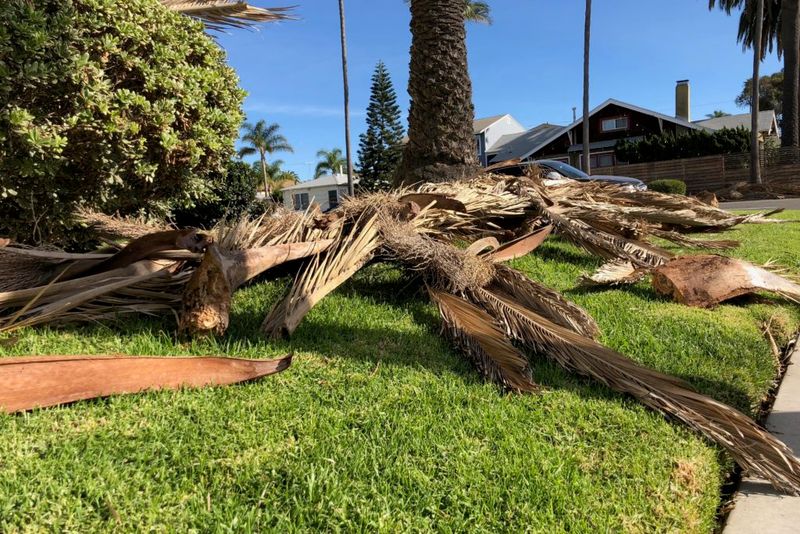
A single palm frond can be heavy enough to dent a car hood or crack a roof tile. When it falls from a neighbor’s yard, the cleanup is only the first headache.
The next question is who pays for the repair. The answer depends on more than whose tree it was, and knowing the basics can save you stress and money.
Does Palm Ownership Decide Who Pays?
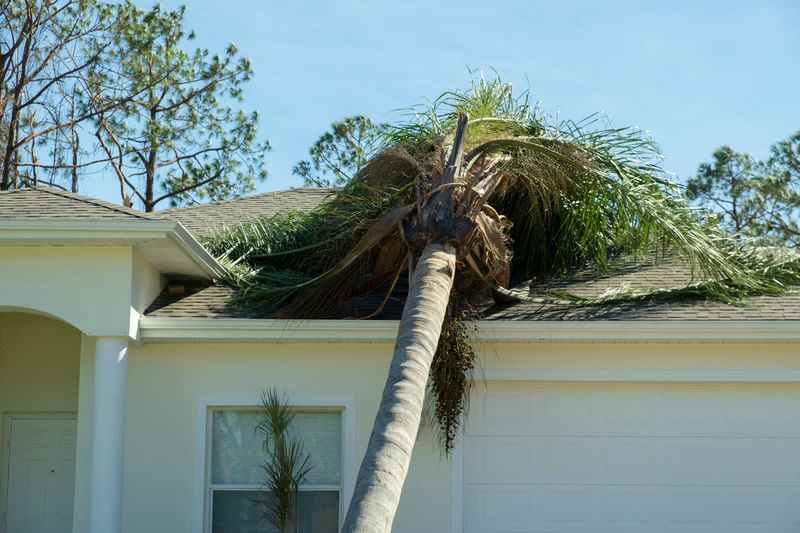
Ownership alone does not settle who pays. A neighbor does not automatically owe you money just because the palm stands on their lot.
Responsibility depends on the circumstances, including what caused the frond to fall.
Two questions are easy to mix up. One is whether anyone was at fault.
The other is whether insurance covers your loss. They can run on separate tracks, and you may be able to start the second without settling the first.
On fault, Arizona courts have looked at whether a landholder knew or should have known about a dangerous tree condition and failed to take reasonable precautions. City of Phoenix v.
Kenly is one example. It involved a tree hazard to people on a public road, not a palm frond landing on a neighbor’s car, so it offers a principle rather than a ruling on your situation.
On coverage, your own policy may respond depending on its terms, as the state’s insurance regulator explains. No one can promise that a neighbor or an insurer will pay.
What the Fall Can—and Cannot—Show
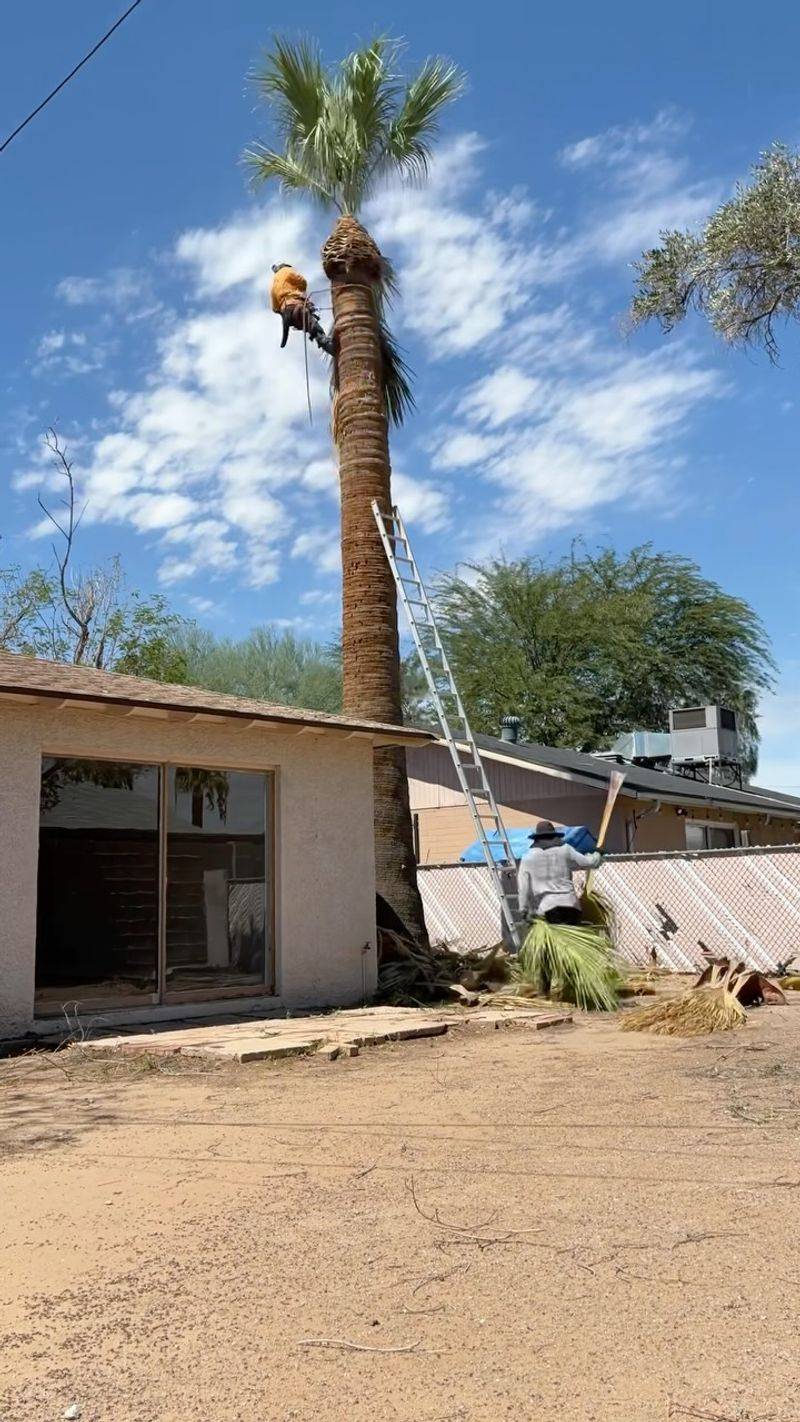
A frond on your roof tells you what happened, but not why. A frond that drops on its own during a windy afternoon is a different situation from one that comes down while someone is trimming the palm.
Neither event alone decides who is at fault.
What often matters more is the condition of the palm beforehand. Was there a known or reasonably discoverable hazard, such as heavy dry fronds hanging loose for a long time?
And did the owner take reasonable precautions? Carver v.
Salt River Valley Water Users’ Association and Kenly both discuss this kind of knowledge, but they concern hazards to people using public roads. Whether they would apply to a private neighbor dispute is a fact-specific legal question, not a settled Arizona palm rule.
Palms also vary. University of Arizona Cooperative Extension notes that lower fronds may persist or fall naturally, that pruning needs differ by species, and that over-pruning can weaken a palm.
So neither an owner nor a worker is automatically at fault, and the facts matter.
Your Own Policy May Be the First Call
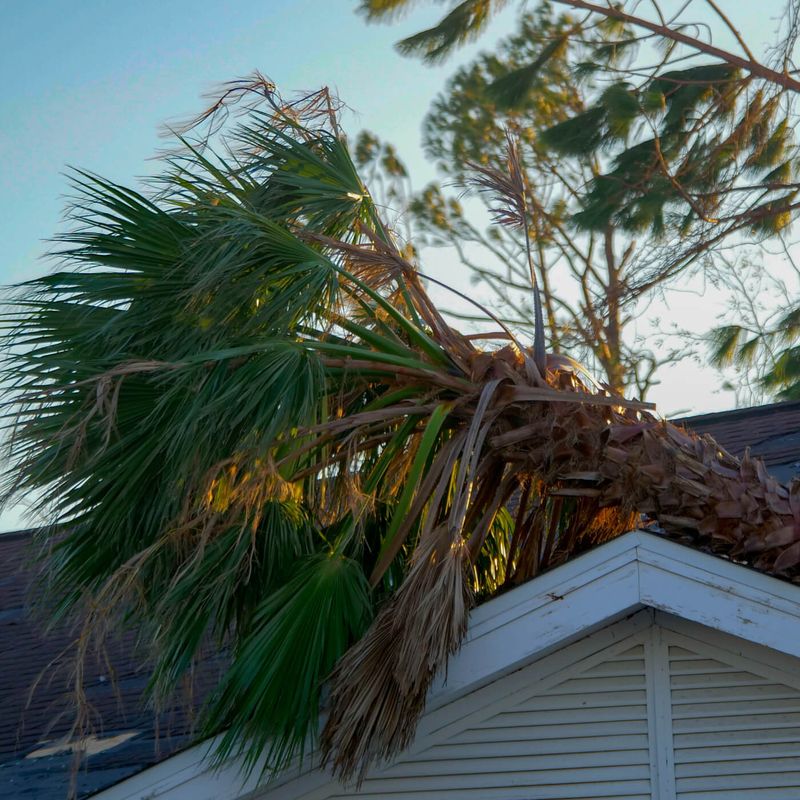
Many people find the quickest route is their own insurer. Qualifying roof damage may fall under a homeowners policy.
Damage to a car from a falling object is generally handled through auto comprehensive coverage, again subject to the policy.
Whether anything gets paid depends on policy language, the cause of loss, your deductible, limits, and exclusions. Arizona’s Department of Insurance and Financial Institutions encourages people to review their policy terms and describes falling-object and roof coverage as subject to limits and exclusions.
A small loss may even fall below your deductible.
It helps to separate two kinds of claims. A claim on your own policy pays for your property under your contract.
A claim against a neighbor depends on showing that the neighbor was at fault. Insurers such as Allstate explain that each homeowner’s policy generally handles that homeowner’s own property damage, while liability coverage becomes relevant if the neighbor was responsible.
Ask your agent which path fits your loss.
What Evidence May Help Establish Prior Knowledge?
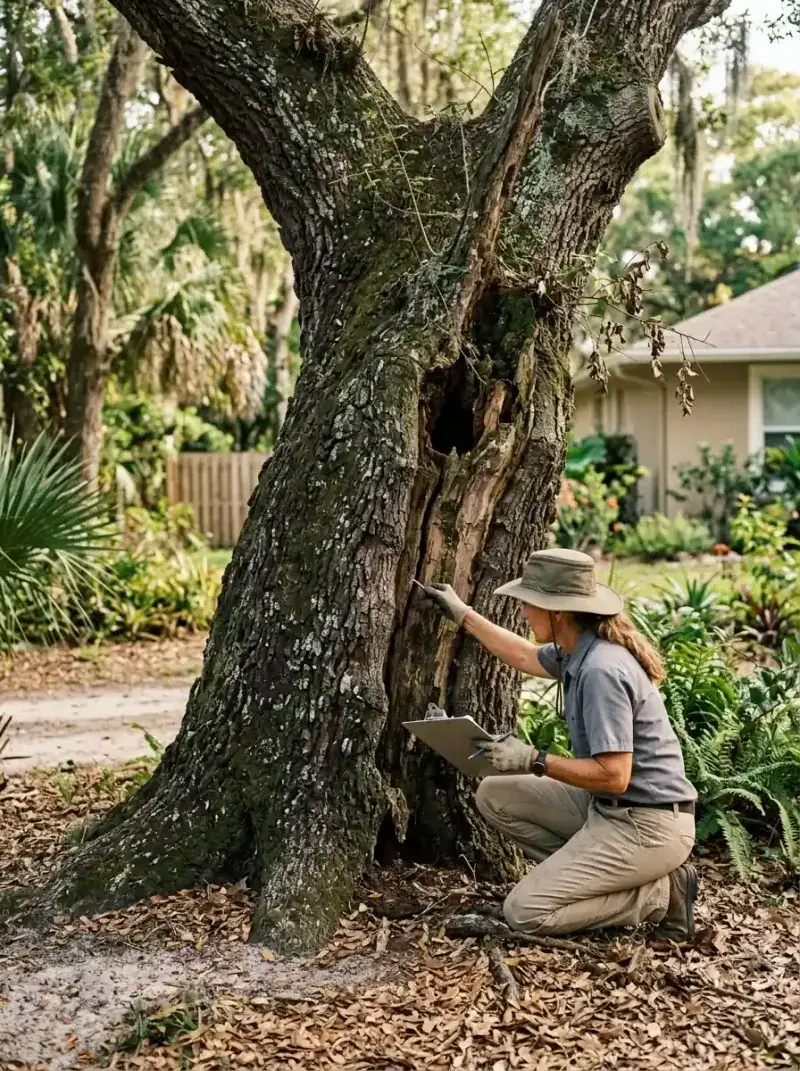
If you think a neighbor should have seen a problem coming, evidence of what they knew can matter. No single item proves liability, but several together can paint a clearer picture.
Courts in Kenly and Carver looked at actual or constructive knowledge of a dangerous condition, though in public-road settings.
Useful items include dated photos of the palm and the fallen frond, and any earlier falls you or others noticed. Complaints or warnings you gave the owner can help, as can weather information for the day of the incident.
If pruning was underway, note who was doing the work.
Keep written records of conversations, texts, and agreements. A dated message may help show what the owner knew.
However, the cases do not make written notice a requirement for every claim, and the city of Mesa’s neighbor tree guidance also points toward talking with your neighbor early. A friendly, documented conversation is a good habit either way.
Document the Damage and Contact the Insurer
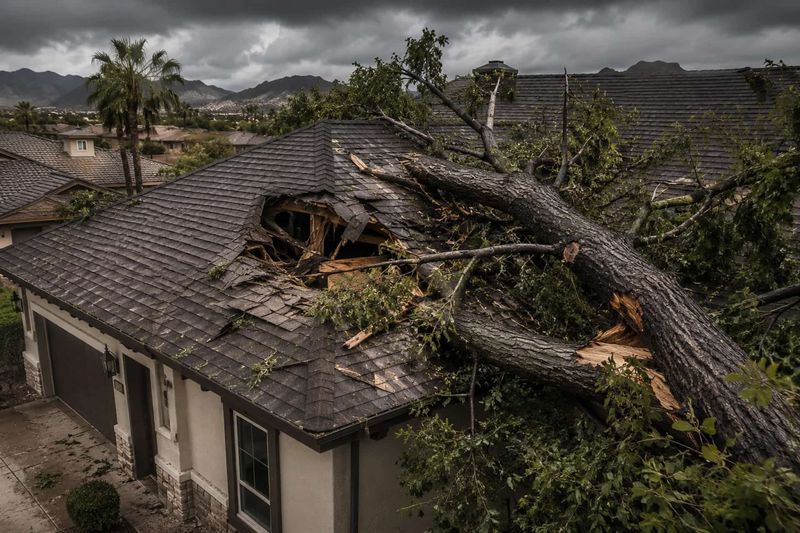
Once everyone is safe, take photos before cleanup or repairs begin. Capture the whole scene, the fallen frond, the damage up close, and the palm it likely came from.
Stay on the ground and avoid climbing onto a damaged roof.
Then call your insurer promptly and ask what documentation it needs. Arizona’s insurance department advises contacting the insurer before repairs when possible.
It also says to take reasonable steps to prevent more damage, so a tarp over an exposed roof area should not wait on a phone call.
Keep every receipt for cleanup, temporary protection, and repairs. Write down dates, claim numbers, and the names of people you speak with.
These records help whether you are working with an adjuster or later talking with a neighbor. Even a small log of your steps can keep a stressful week organized.
Trimming Rights and Local Rules Have Limits
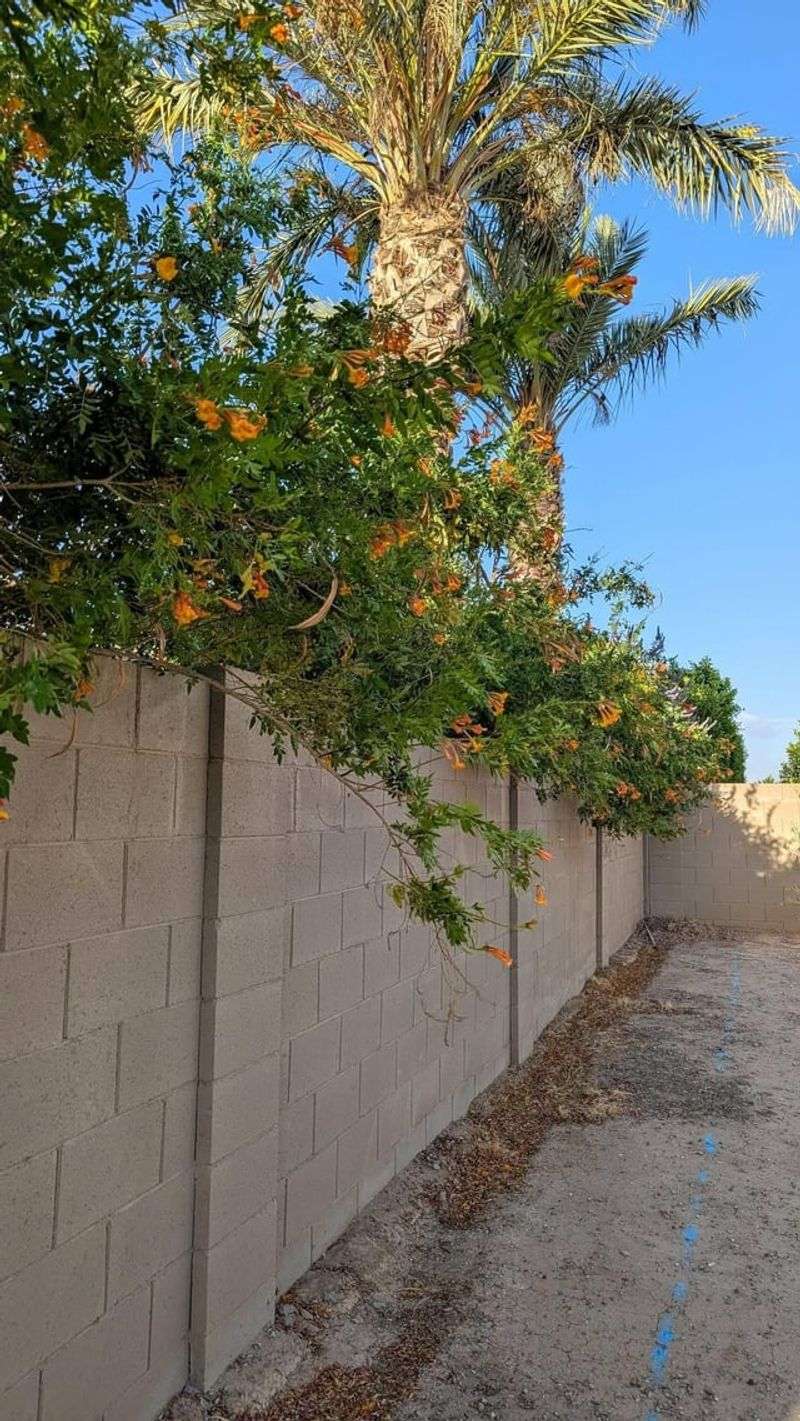
It is tempting to grab a saw when fronds hang over your fence. Arizona’s Cannon v.
Dunn recognizes that a landowner may cut vegetation that intrudes across the boundary. That case involved eucalyptus roots and found no actual damage supporting an injunction, so it does not decide who pays for frond damage.
The limits matter. Cannon does not let you enter a neighbor’s property, remove their palm, or cut more than what crosses the line.
Cutting too aggressively could create a new dispute, so stay on your side and go carefully.
Local rules vary too. Tempe’s excessive palm fronds standard is one city’s example, not a statewide law, and a code issue does not automatically prove liability for your damage.
Check your own city and any HOA requirements. Sometimes a calm chat over the fence solves more than any rule.