Why Desert Botanical Garden Is Worth Visiting This Winter
Thousands of paper bags filled with candlelight line the desert trails in Phoenix each holiday season, and the effect feels almost magical. I have to admit that the Desert Botanical Garden wins me over most once the summer heat finally breaks across Arizona.
You might notice hummingbirds zipping between red blooms while bees hum over silvery shrubs that most people overlook. So why save your visit for the cooler months, and what could your own yard learn from this desert showcase?
1. Mild Winter Weather Perfect For Trail Walking
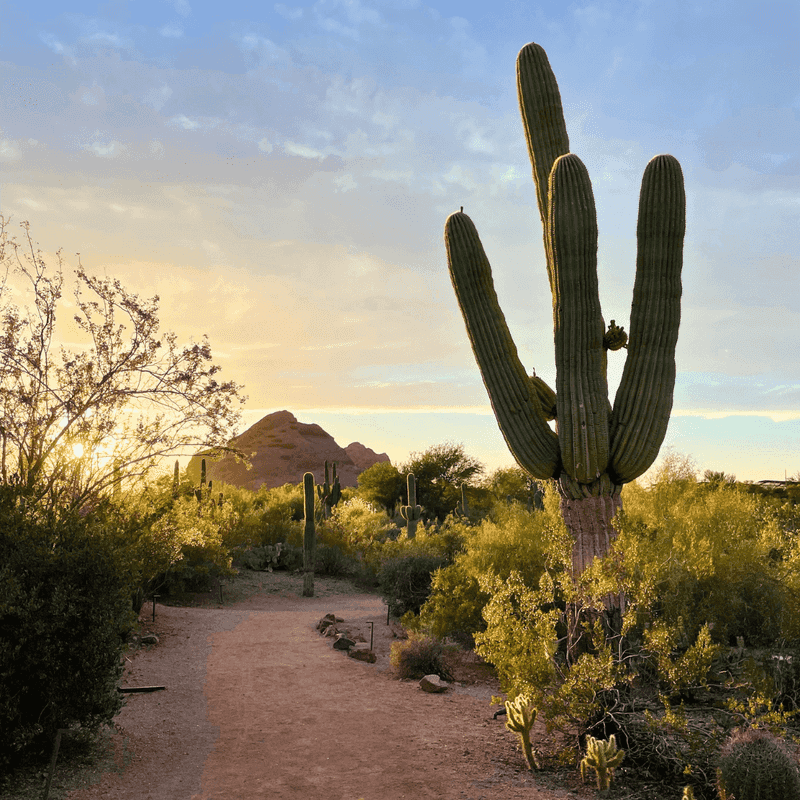
Winter afternoons in Phoenix often settle into the sixties and low seventies, which feels like a gift after summer. I love how the trails suddenly become places you want to linger instead of rushing between shady spots.
The garden covers about 140 acres, and its five thematic trails let you wander for hours without feeling cooked. Cooler air also means you can stop and read the plant labels without sweat dripping onto your notebook.
Personally, I bring a light jacket for mornings because desert air cools quickly after sunset and before sunrise. Layers help you stay comfortable as the sun climbs and the red Papago Buttes start glowing behind the saguaros.
October is a smart time to plan your visit, since winter weekends and holiday events tend to fill up fast. Booking timed tickets ahead of the busy season saves you from standing in a long line at the entrance gate.
Good walking shoes matter here because some paths are gravel and dirt rather than smooth pavement for strollers. Carry a refillable water bottle too, since dry desert air pulls moisture from your body even when temperatures stay mild.
2. Las Noches De Las Luminarias Glowing Paths
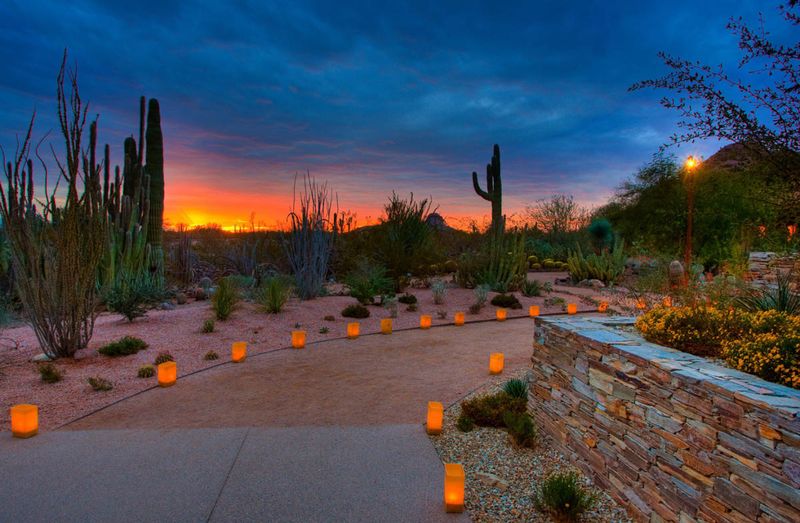
Thousands of glowing luminaria bags turn ordinary desert paths into golden ribbons during this beloved holiday tradition. You’re in for a big surprise when the saguaros catch that warm light and cast long shadows across the sand.
Las Noches de las Luminarias typically runs from late November into early January at the Phoenix garden each year. Live music drifts between the cactus beds, and festive decorations give the season a playful Sonoran Desert twist.
I can’t imagine a holiday outing that feels more connected to the desert itself than this lantern-lit stroll. Kids usually love hunting for the brightest displays, while adults enjoy the quiet moments between the musical performances.
Tickets for this event often sell out well before the evening walks begin, so October is a good planning window. Check the official garden website for dates, member presales, and any changes to the schedule this coming season.
Dress warmly because desert evenings can drop into the forties after dark during December and early January nights. A cozy scarf and a cup of something warm make the glowing paths feel even more inviting and memorable.
3. Hummingbirds Feasting On Red Chuparosa Blooms
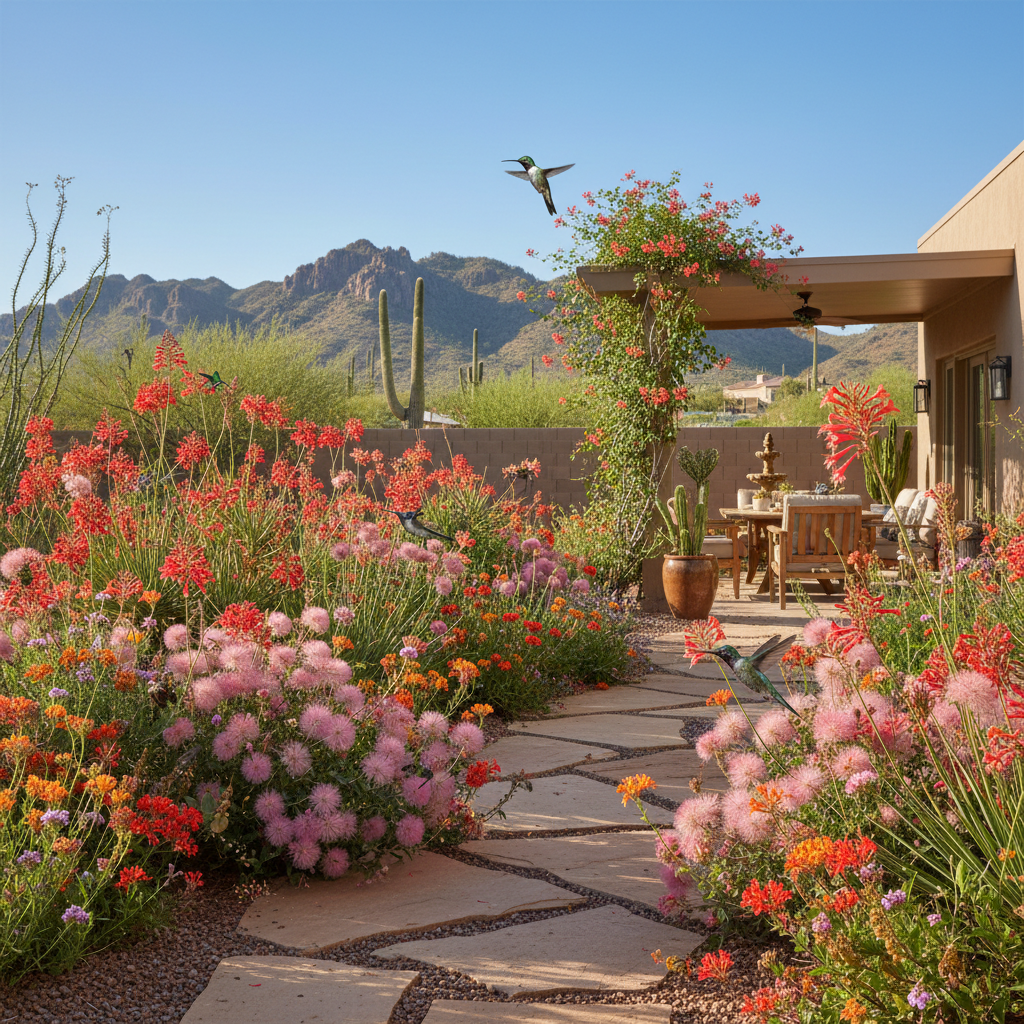
Tiny Anna’s hummingbirds treat the garden’s chuparosa shrubs like a winter snack bar packed with sweet red nectar. Watching them hover and sip feels like front row seats to the busiest show in the whole desert.
Chuparosa, or Justicia californica, is a native shrub with slender green stems and bright tubular red flowers. Its name loosely means rose sucker in Spanish, which hints at exactly who loves visiting those blooms the most.
What surprises me most is how reliably these shrubs feed pollinators during months when many other plants rest quietly. Planting one in your yard gives local hummingbirds a dependable food source while the weather stays cool and dry.
Chuparosa handles full sun and reflected heat well once established, needing only occasional deep watering through hot summers. Fall is a great planting season in the low desert because cooler soil helps the young roots settle in comfortably.
Give it room to sprawl about three to five feet wide, since heavy pruning reduces the flowers hummingbirds crave. A light trim after spring blooming keeps the shape tidy without sacrificing next season’s colorful nectar supply for birds.
4. Coral Aloes Flowering Through Cool Months
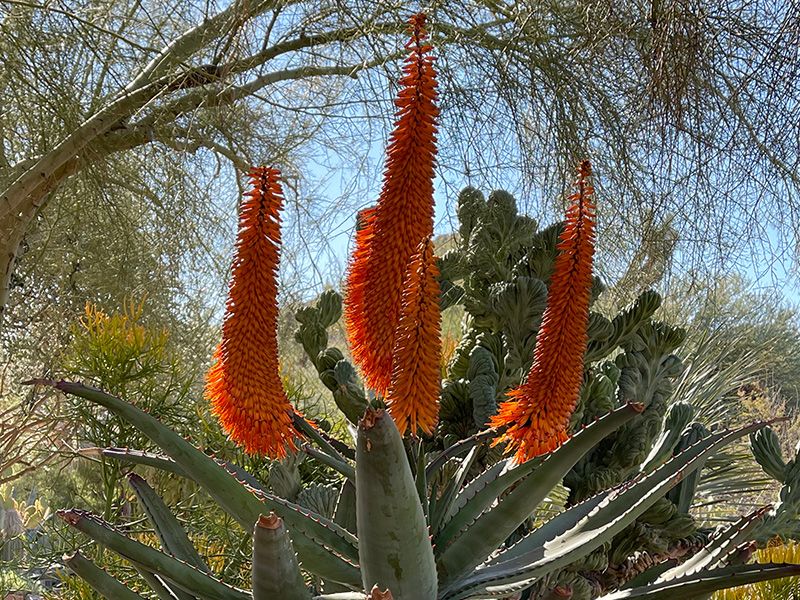
Bright flower spikes rise like candles from the aloe beds while most gardens look sleepy and brown in winter. I like how these African succulents bring a splash of coral and red to the cactus-filled Sonoran scenery.
Aloes originally come from southern and eastern Africa, yet many types flourish in low desert gardens with little fuss. Their long-lasting tubular blooms range from soft yellow to intense red-orange, and hummingbirds visit them constantly for nectar.
You need to look closely at the plant labels, since the garden grows many aloe species with different flower shapes. Snapping photos of your favorites makes shopping at nurseries much easier when you are ready to plant at home.
Most aloes appreciate some afternoon shade during brutal summer months, plus fast-draining soil that rarely stays soggy. Fall planting works nicely because roots can establish before winter blooming begins and summer stress returns again next year.
One caution worth knowing is that dense aloe clumps can hold moisture and give scorpions shady hiding spots. Keep plantings a few feet away from doors and walls, and remove old leaves so the base stays open.
5. Desert Lavender Buzzing With Winter Bees
Brush your hand against a desert lavender branch and a sweet herbal scent follows you down the trail for minutes. Honestly, I sniff these shrubs every visit, and nobody has caught me yet, or at least nobody says anything.
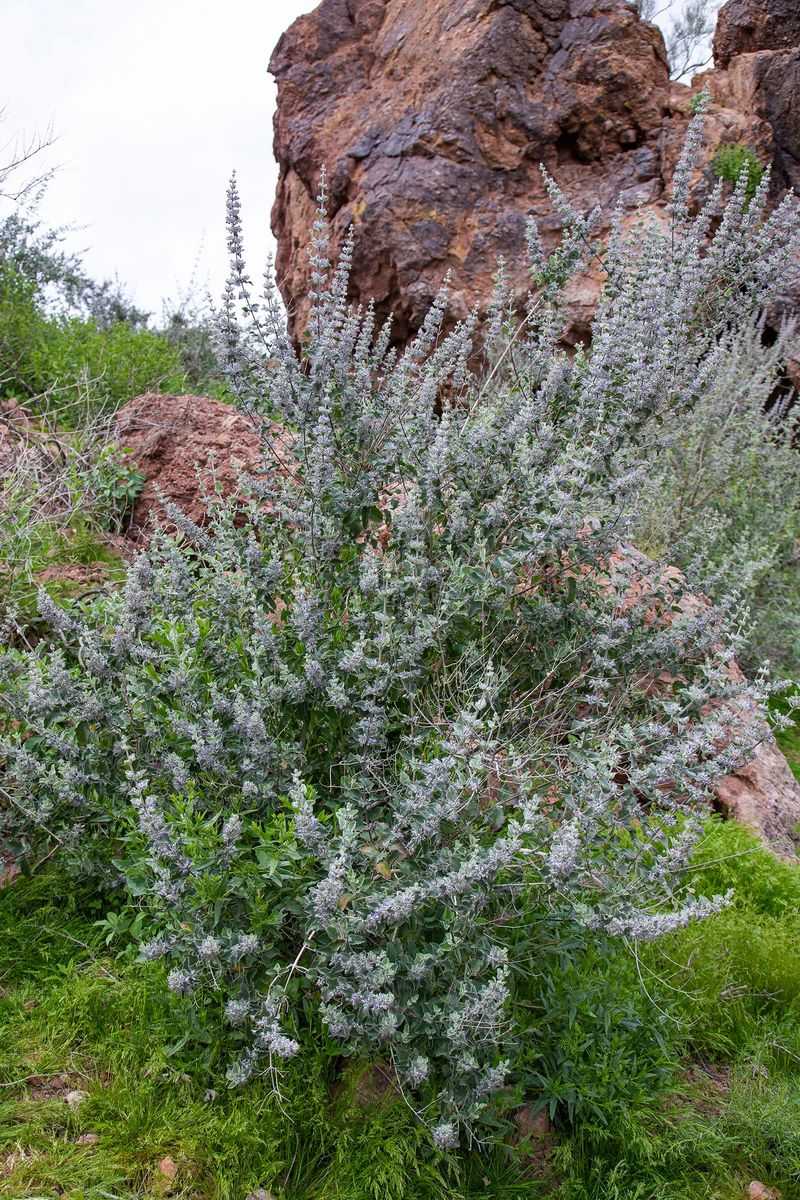
Desert lavender, known scientifically as Condea emoryi, is a native evergreen with silvery gray scalloped leaves. Tiny blue-violet flowers appear from midwinter into late spring, drawing bees and butterflies when few other nectar options exist.
I believe this shrub deserves far more space in home yards across the low desert than it usually gets. It grows fairly quickly, handles drought well once established, and needs very little care beyond an occasional cleanup.
Plant it in full sun with gritty, well-drained soil, and avoid heavy watering that can cause weak floppy growth. October planting gives roots several cool months to spread out before summer temperatures climb back above one hundred degrees.
Its airy branches also leave fewer dense hiding spaces than thick leafy hedges, which homeowners fighting scorpions appreciate. Pair it with native wildflowers nearby, and your yard becomes a busy winter pollinator stop with almost no extra work.
6. Purple Prickly Pear Pads Turning Deeper Purple
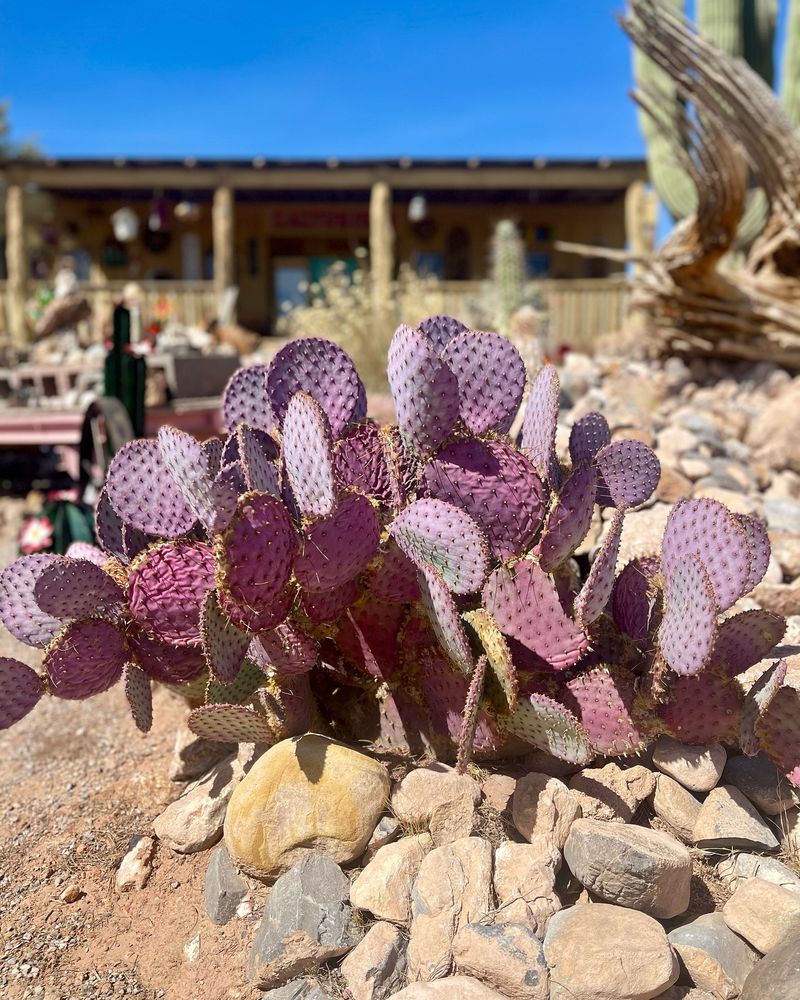
Cold nights work a little magic on purple prickly pear, deepening its pads into rich shades of violet and plum. You might notice the color looking strongest after a few chilly mornings, which makes winter its best photo season.
Santa Rita prickly pear, Opuntia santa-rita, is the variety most people mean when they talk about purple pads. Cold and drought stress trigger that color shift, so the cactus essentially dresses up when conditions turn tough outside.
I have to admit this cactus became one of my favorite accent plants after seeing it glow along the garden paths. Its round pads add bold shape next to finer textured shrubs, and the contrast looks great against tan gravel.
Plant prickly pear in full sun and lean, fast-draining soil, then water sparingly once the roots get comfortably established. Wear thick gloves when handling it because the tiny hair-like glochids lodge in skin and are tricky to remove.
Nearby, golden barrel and red barrel cacti add bright spine colors that look striking all year in the garden. Grouping these sculptural cacti gives you low-water interest that rarely needs attention once established in your desert landscape.
7. Center For Desert Living Trail Garden Ideas
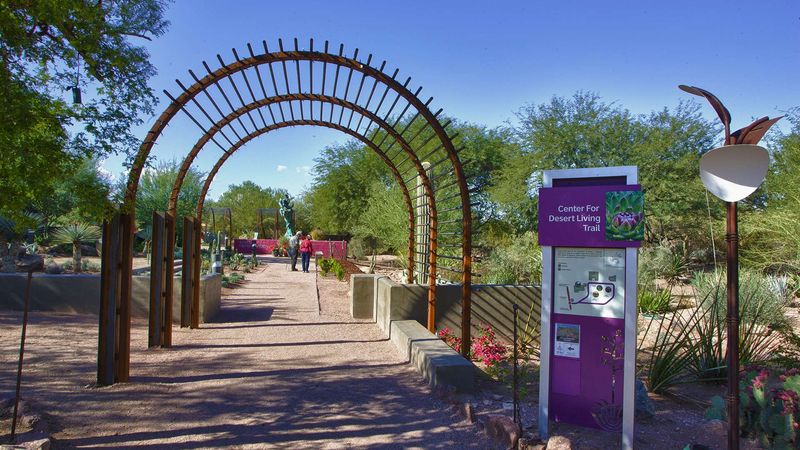
Homeowners hunting for practical yard ideas often find the Center for Desert Living Trail the most useful stop. I love how it feels less like a museum and more like a friendly neighbor showing off their backyard.
The trail focuses on sustainable living, with demonstrations of water-wise landscaping, shade strategies, and edible gardening for desert households. Winter is a perfect time to see the vegetable beds producing greens while summer gardens around town rest.
Aromatic herbs like basil, rosemary, and sage show up in many desert gardens and may help discourage some mosquitoes. No plant offers full protection, but crushing the leaves releases scented oils that some biting insects seem to dislike.
Bring a notebook and jot down plant combinations that look tidy without needing frequent watering or heavy pruning. October is prime planting time in the low desert, so you can head home and start digging right away.
Look closely at how the garden groups plants by water needs, a trick that saves both money and effort. Thirsty herbs stay together near the hose, while tough natives spread out where rainfall alone handles most of the work.
8. Open Agaves And Desert Spoon For Scorpion-Smart Yards
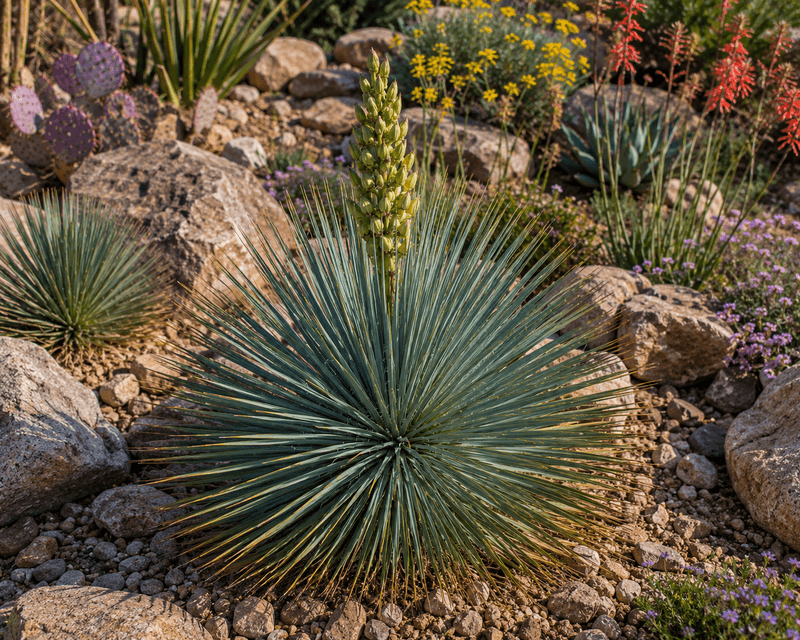
Scorpions love tight, damp hiding spots, so the way you arrange plants can quietly make your yard less welcoming. Walking these garden beds taught me that spacing and plant shape matter almost as much as the plants themselves.
Desert spoon, Dasylirion wheeleri, forms a striking fountain of slender leaves with jagged edges along each blade. Upright penstemons and brittlebush also stay fairly open, leaving fewer shadowy pockets where bark scorpions can tuck themselves away.
Agaves offer bold architecture and handle heat, drought, and poor soil impressively once they settle into place. Keep the area around their bases clean, since piled debris and old leaves create cozy shelter for unwanted visitors.
Dry gravel near walls and foundations works better than organic mulch, which holds moisture and attracts insect prey. Watering in the morning lets soil dry before evening, when scorpions typically become active and start searching for food.
Trimming shrubs so branches stay off the house removes easy bridges into your home through gaps and vents. No plant choice guarantees a scorpion-free yard, but these small changes reduce the welcome mat noticeably over time.
9. Parry’s Penstemon Buds Preparing For Spring
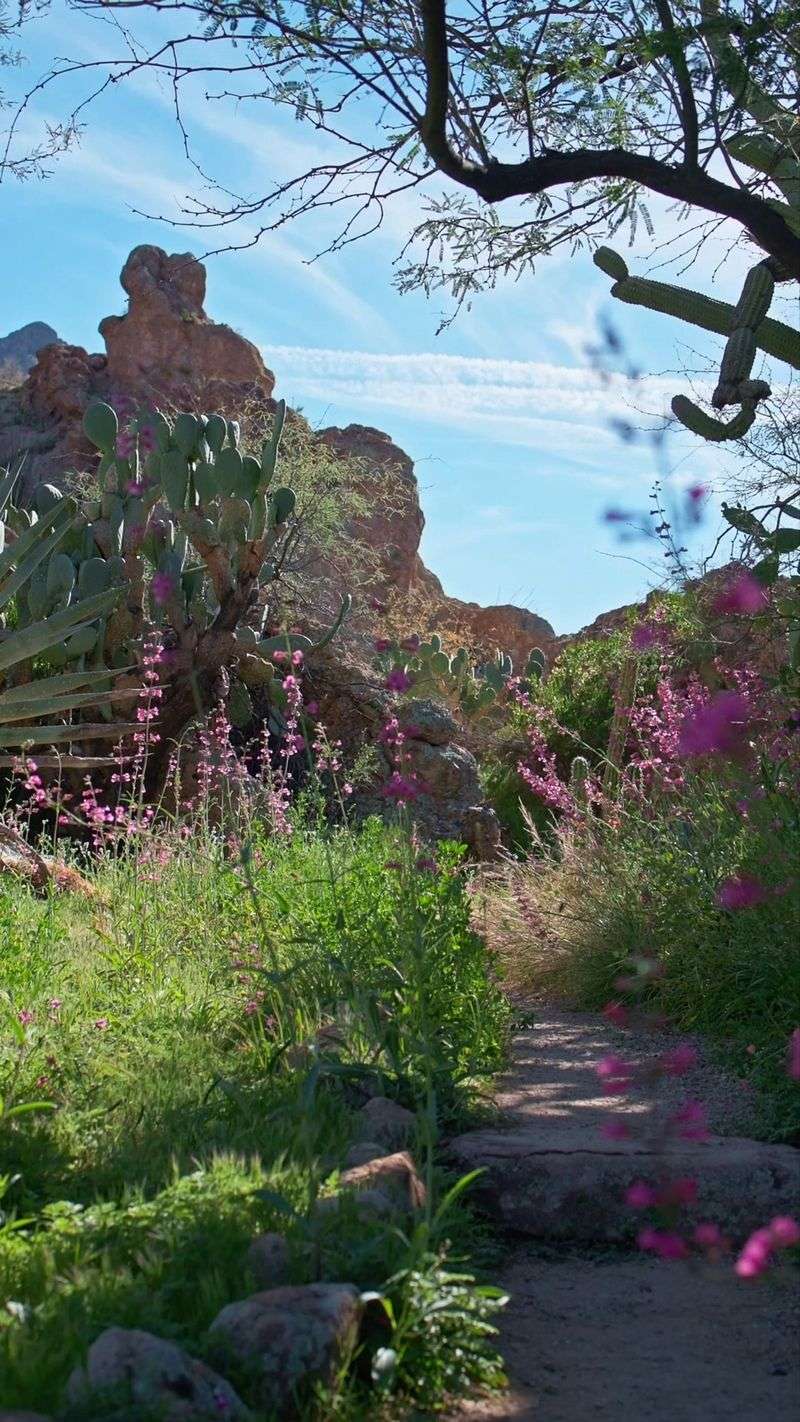
Late winter visitors sometimes catch the first pink spikes of Parry’s penstemon rising above the desert floor. What surprises me most is how a plant this tough can produce flowers that look so delicate and cheerful.
Penstemon parryi is native to the Sonoran Desert and often begins blooming around February, continuing well into spring. Its tall pink to magenta stalks attract bees and butterflies, while hummingbirds dart in to sip from the tubular flowers.
Fall is an excellent time to plant penstemon, either from nursery pots or by scattering seed over loose soil. Seedlings establish during the cool months, which gives them a strong start before their first flowering season arrives.
Personally, I let a few stalks go to seed so new plants pop up naturally around the garden each year. These perennials are fairly short-lived, so self-seeding keeps the display going without much extra effort or nursery shopping.
Avoid rich soil and heavy watering, since penstemon prefers lean conditions with excellent drainage and plenty of sunshine. Their upright form also stays open at the base, which helps keep beds less appealing to scorpions seeking dense cover.
10. Nighttime Flashlight Walks Among Desert Plants
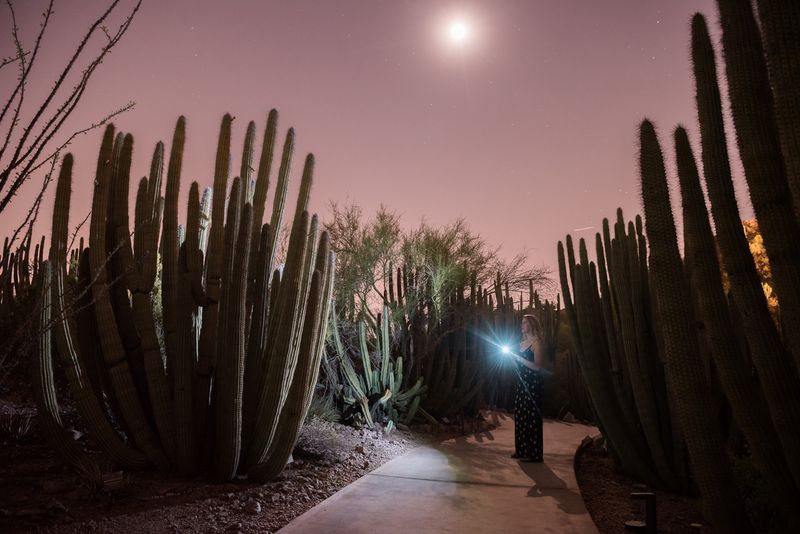
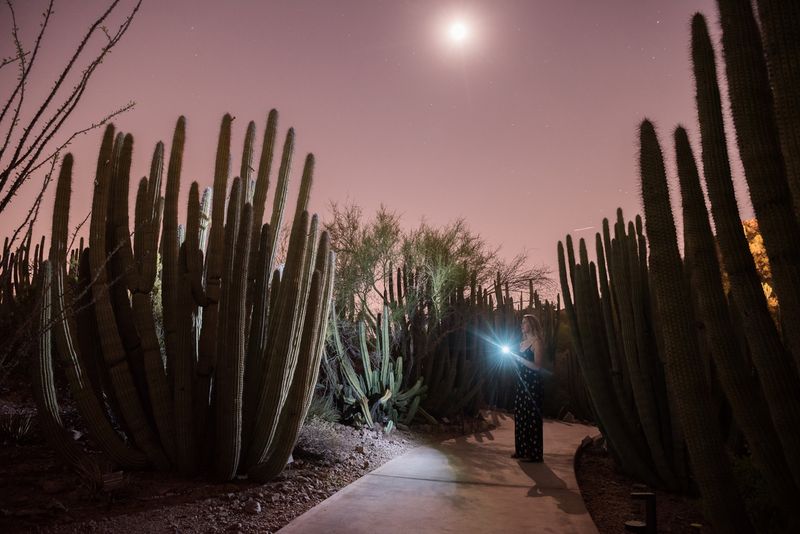
Flashlight beams sweeping across cactus spines reveal a side of the desert most daytime visitors rarely get to see. I love how familiar plants suddenly look mysterious and new once the sun slips behind the mountains.
The garden has offered self-guided flashlight evenings where guests search for night-blooming plants and nocturnal animals along the trails. Check the official schedule this season, since event dates and formats can shift from year to year.
Bats, moths, and other night pollinators play huge roles in desert ecosystems, including helping certain cacti produce fruit. Some bats also eat insects, which makes them welcome neighbors for homeowners tired of buzzing mosquitoes on summer patios.
Bring a flashlight with a red filter if you can, because softer light disturbs wildlife less than bright white beams. Watch your step on darker paths, and stick to marked trails so plants and critters stay safe and undisturbed.
Cool winter evenings make these walks far more comfortable than sticky summer nights spent dodging the heat. After one visit, you may find yourself wandering your own yard after dark, curious about who else lives there.