Why Tohono Chul Is the Tucson Garden Worth Visiting Before Winter Ends
A single night in early summer can draw hundreds of people to one Tucson garden, all waiting for a shy cactus flower to open. That flower fades by morning, so the garden staff actually announces the big night with very short notice.
I love how one quiet patch of Sonoran Desert can feel this lively, even far from the summer crowds. Its name comes from the Tohono O’odham language and translates to desert corner, which suits the place rather well.
Personally, I think October is the sweet spot here, with the heat finally loosening its grip on southern Arizona. You might notice hummingbirds buzzing past your ear before you even reach the first shady bench near the entrance.
What surprises me most is how many backyard ideas you can borrow, especially for hot, dry Arizona yards like ours. So why should this garden land on your calendar before the cooler months slip away and spring arrives?
1. A Desert Corner With A Story
Long before it became a public garden, this land was simply the private desert home of Richard and Jean Wilson. They opened their 49 acres to visitors in 1985, hoping neighbors would fall for native plants too.
I have to admit that knowing it started as a backyard makes every path feel a little more personal. You are walking through a dream that two gardeners protected from the rapid suburban growth of northwest Tucson.
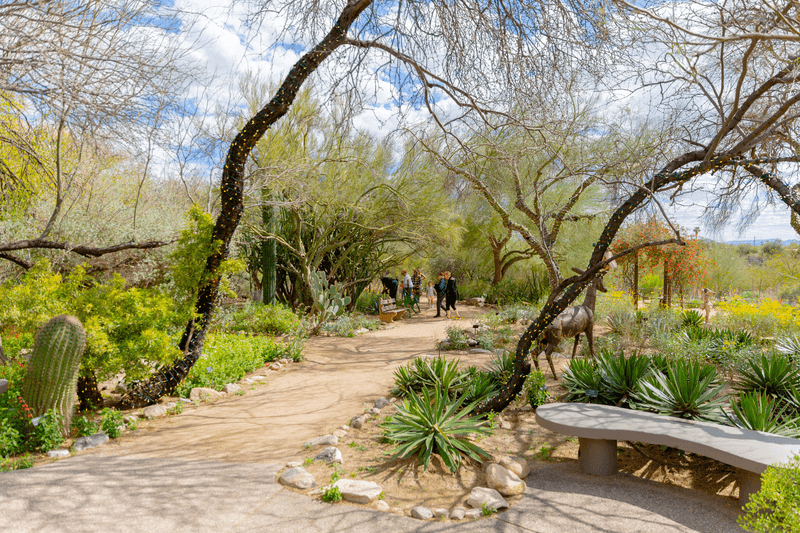
The garden sits at the corner of Ina and Oracle Roads, yet the traffic noise fades quickly once inside. Mesquite and palo verde trees soften the sound, and the gravel trails invite you to slow down a bit.
October makes a fine first visit because the trails feel comfortable for longer walks than summer usually allows. Bring a water bottle anyway, since the desert sun still feels surprisingly strong at midday in early fall.
Personally, I suggest grabbing a trail map at the entrance so you can plan a loop through several themed gardens. You will spot ideas worth copying at home long before you finish your first slow lap around the grounds.
2. The Night Blooming Cereus Collection
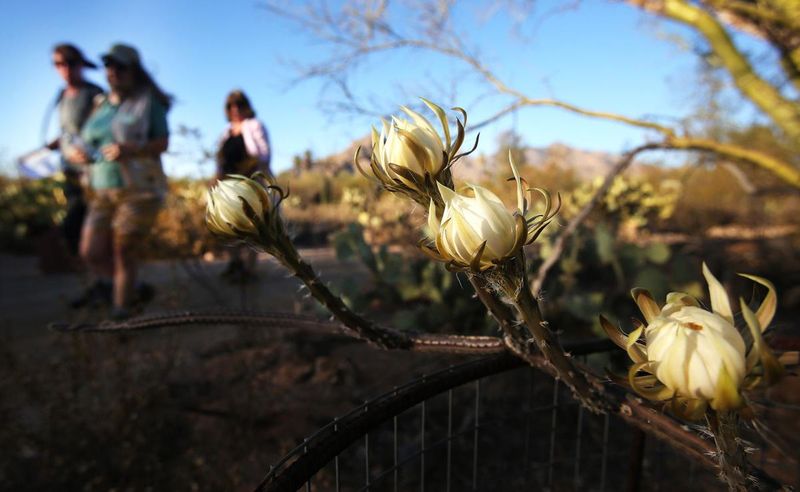
Few plants in the desert look as plain as the night blooming cereus for most of the year. Its thin gray stems resemble dry sticks, and many visitors walk right past them without a second glance.
Tohono Chul holds one of the largest public collections of Peniocereus greggii, often called the queen of the night. On one summer evening, many plants bloom together, and the garden hosts its famous Bloom Night event.
The large white flowers carry a sweet fragrance that attracts sphinx moths, which serve as the main pollinators. Each blossom opens after dark and usually closes by the next morning, which makes the event feel wonderfully fleeting.
October is too late for flowers, though you can still find the plants tucked beneath nurse shrubs in the beds. I like how spotting those twiggy stems now makes next summer’s surprise feel even more rewarding for you.
Gardeners who want to grow this cactus should plant it under a shrub for shade and gentle support. It grows from a large tuberous root, so well drained soil matters more than frequent watering in your yard.
3. The Hummingbird Garden
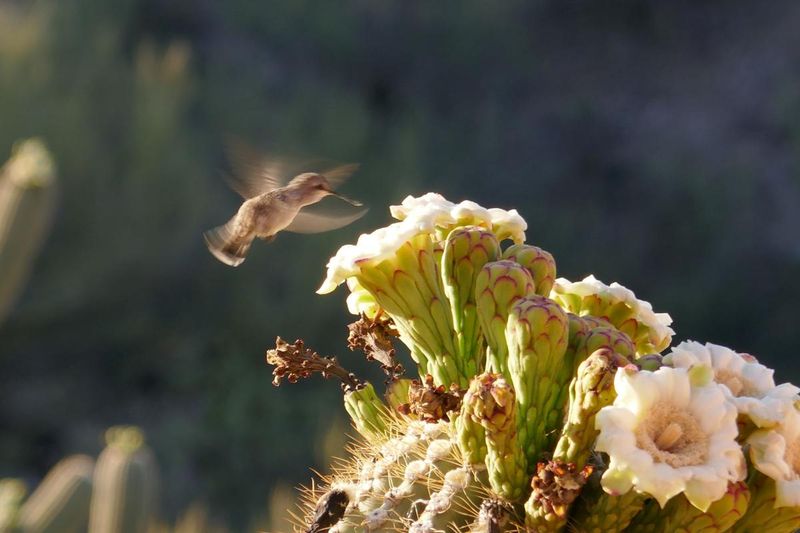
A tiny green blur zipping past your shoulder usually means you have reached the hummingbird garden at Tohono Chul. Anna’s hummingbirds live here year round, and their bold pink throats flash brightly in the clear fall sunlight.
The beds feature native nectar plants like chuparosa, desert honeysuckle, and penstemon that offer food across many seasons. I love how this layout shows that flowers alone can feed hummingbirds well without relying entirely on sugar feeders.
Chuparosa, or Justicia californica, often begins blooming in cooler months and handles drought quite well once established. It grows into a rounded shrub about three to five feet tall, so it fits nicely along walls.
You can plant many of these shrubs in October, giving roots time to settle before next summer arrives. Cooler soil helps young plants establish, and you can water deeply but less often as the weather gradually cools.
Spend a few quiet minutes on a bench here, and you will likely see a territorial bird chasing rivals. Watching that tiny drama helps you understand why spacing nectar plants around your yard reduces constant squabbles.
4. Roadrunners Patrolling The Trails
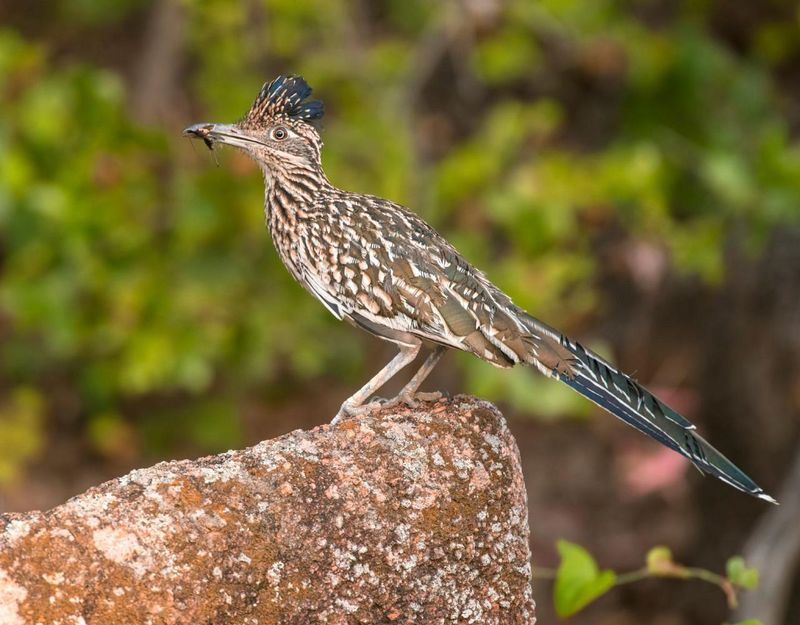
Spotting a greater roadrunner dashing across a gravel path often becomes the highlight of a morning stroll here. These bold birds hunt lizards, insects, and even scorpions, which makes them welcome helpers in many desert yards.
Roadrunners can run around 15 miles per hour, and they often prefer sprinting over flying when chasing their prey. I can’t help grinning whenever one pauses, raises its shaggy crest, and studies visitors with a curious yellow eye.
The garden’s dense native shrubs and open trails create the mix of cover and hunting ground these birds clearly enjoy. You can copy that idea at home by pairing open gravel areas with thick plantings of native shrubs.
Creosote bush, desert hackberry, and brittlebush provide shelter while also supporting insects that become roadrunner meals. Fewer pesticides help too, since the birds depend on a steady supply of insects and small reptiles nearby.
Patience pays off here because roadrunners move quickly and rarely stay in one place for very long at all. Walk slowly in the early morning, and you may catch one sunning itself with feathers spread on a rock.
5. The Desert Bat Friendly Plantings
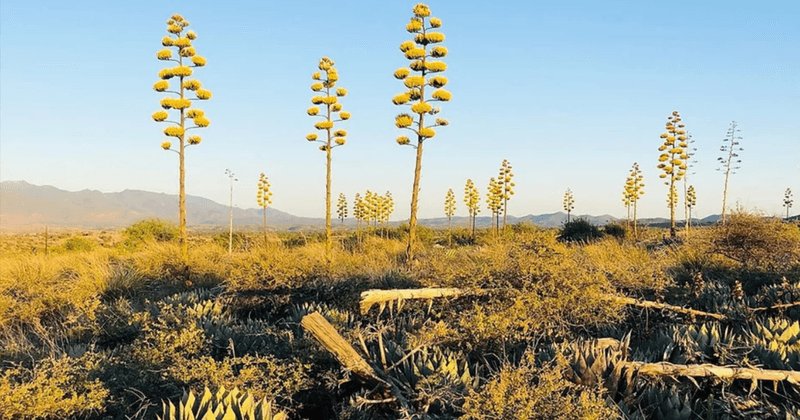
Evening visitors sometimes notice bats sweeping over the garden as the sky fades toward a deep orange glow. Nectar bats, including the lesser long-nosed bat, help pollinate agaves and columnar cacti across the Sonoran Desert region.
Many of these bats migrate south in fall, though plenty of insect eating species remain active through warm evenings. Those insect hunters snack on moths and mosquitoes, which feels like free pest control for anyone living nearby.
Tohono Chul grows agaves and saguaros that offer the tall flowers nectar bats seek during warmer months. I believe planting a few agaves at home makes a quiet but meaningful difference for these hardworking night pollinators.
Parry’s agave and Palmer’s agave both suit Tucson yards and need very little water once established in the ground. October offers a comfortable window for planting them, as long as you choose a sunny spot with fast drainage.
You might also leave some outdoor lights off at night, since bright bulbs can disturb wildlife activity after dark. A darker yard encourages more natural behavior, and you may enjoy watching silhouettes flutter across the evening sky.
6. Saguaros And Organ Pipe Cacti
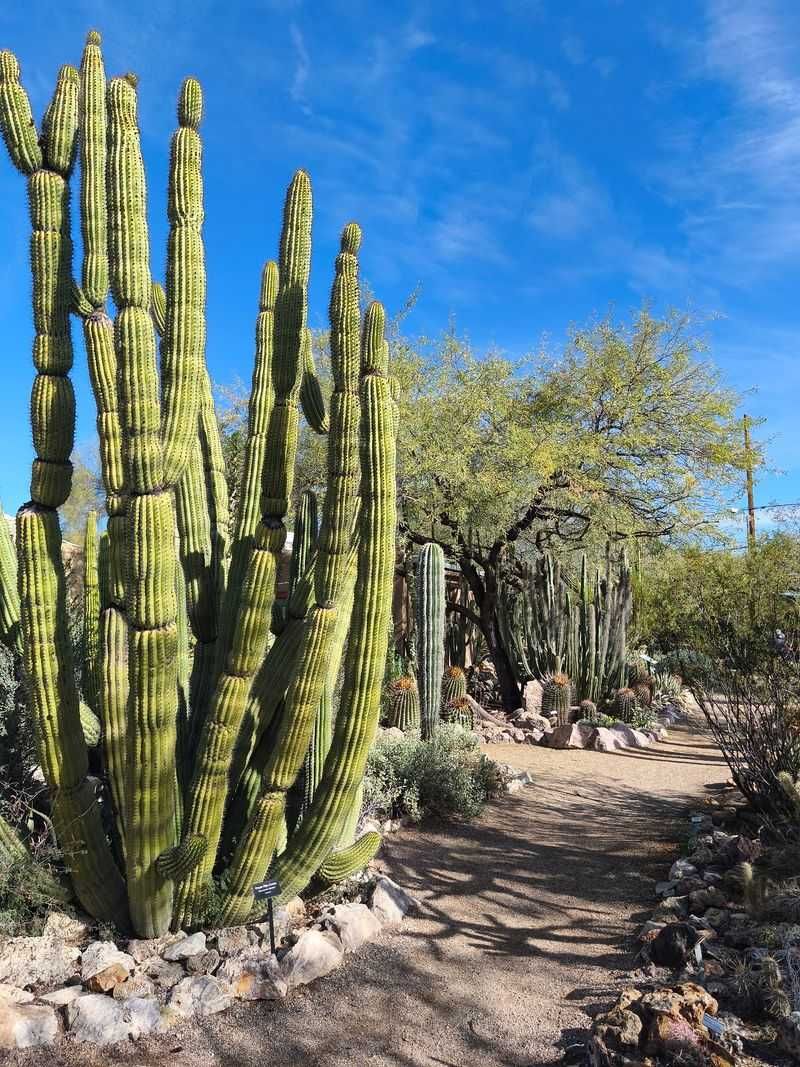
Standing beside a towering saguaro reminds you how slowly the desert works its quiet magic on living things. These cacti may take around 50 to 70 years before producing their first arms in typical conditions.
Tohono Chul showcases mature saguaros along with organ pipe cacti, which normally grow farther west near the Mexican border. You get a rare chance to compare their shapes, since organ pipes branch from the base instead of higher up.
Saguaros grow in sandy, rocky soil and rely on nurse trees like palo verde for shade when young. I find it fascinating that a seedling may stay only a few inches tall for its first ten years.
Gardeners hoping to add a saguaro should buy from licensed nurseries, since the state protects these cacti from unpermitted removal. Arizona law requires tags and permits for harvested native plants, which helps protect wild desert populations nearby.
October brings milder temperatures that make cactus planting less stressful for both the plant and the gardener. Keep the cactus facing the same direction it grew originally, which reduces the chance of painful sunburn on tender sides.
7. Fall Wildflowers And Desert Marigolds
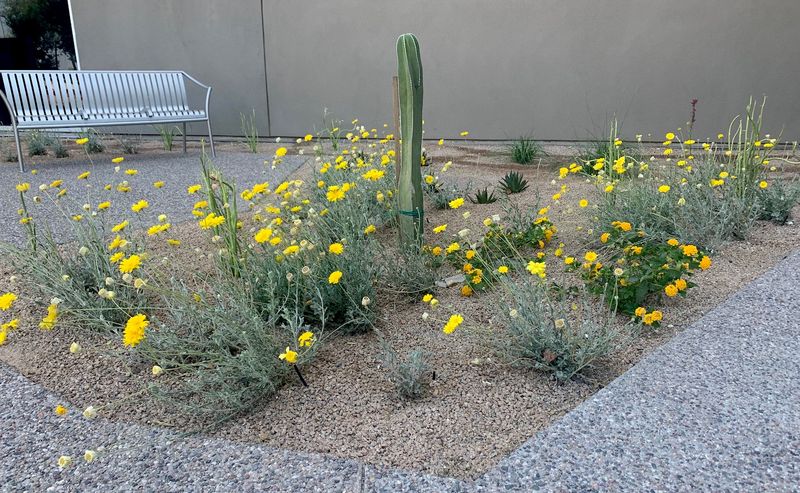
Cheerful yellow desert marigolds often keep blooming well into the cooler season along the sunny garden borders here. Baileya multiradiata produces fuzzy gray leaves and bright daisy flowers that seem to glow against the pale desert soil.
You will also find brittlebush and globe mallow scattered through beds, offering color after the fierce summer heat passes. I like how these hardy natives reseed on their own, filling gaps without asking for much fuss at all.
October marks an excellent time to sow wildflower seeds in Tucson, since fall rains and cool nights help germination. Scatter seeds over lightly raked soil, press them down gently, and keep the area slightly moist for several weeks.
Native bees love these flowers, and many species nest in bare ground nearby rather than inside wooden hives. Leaving a few sunny patches unmulched gives those helpful ground nesting bees a welcoming place to raise their young.
A short walk through the garden borders will show you which colors pair well together in real desert light. Snap a few photos on your phone so you can recreate favorite combinations once you get back home.
8. The Ethnobotanical Garden
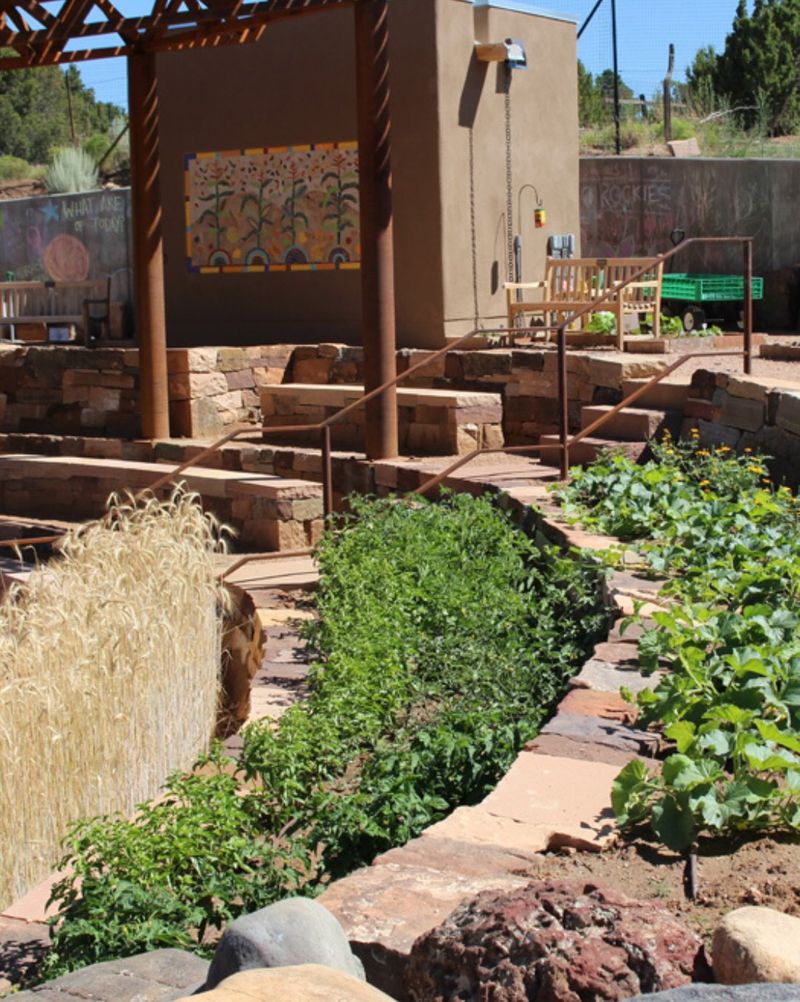
Ancient crops grow side by side in the ethnobotanical garden, telling stories of food grown here for centuries. Tepary beans, devil’s claw, and native squash reflect traditional farming by the Tohono O’odham and other desert peoples.
Tepary beans stand out because they handle heat and drought far better than most common garden bean varieties. I can’t imagine a smarter crop for Tucson summers, especially when monsoon rains come late or arrive unevenly.
Mesquite trees also feature here, and their sweet pods were traditionally ground into a nutritious flour for cooking. You can still harvest ripe pods from clean trees in summer, then grind them for baking at home later.
Fall offers a good chance to study these plants and plan next year’s heat tolerant vegetable bed carefully. Native Seeds/SEARCH, a Tucson nonprofit, offers many regional seed varieties suited to desert conditions and long growing seasons.
Personally, I love how this garden connects food, culture, and the land in a single peaceful corner. You leave thinking differently about what a productive desert garden can look like in your own backyard space.
9. Lizards Basking In The Sun
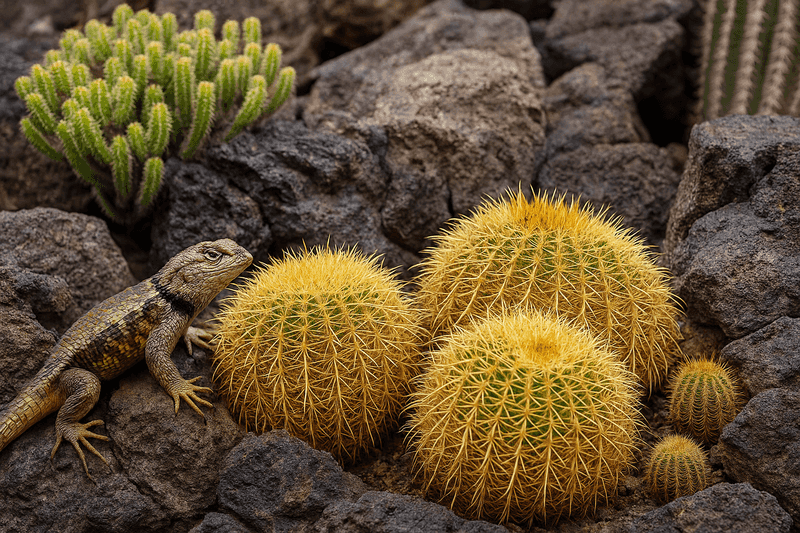
Sunny rocks at Tohono Chul often host desert spiny lizards that bob their heads at passing visitors with confidence. These scaly neighbors eat ants, beetles, and other insects, which makes them quiet allies for many desert gardeners.
Tree lizards and zebra-tailed lizards also show up, especially on warm afternoons when the temperature feels just right. You might notice them darting under shrubs the moment your shadow crosses their favorite sunny basking spot nearby.
The garden’s rock piles and low walls offer warmth during the day and shelter during cooler nights here. I believe adding a small rock pile to your yard creates instant lizard real estate with almost no maintenance.
Lizards also feed on young scorpions and crickets, which may help reduce unwanted pests around your patio areas. They will not solve a scorpion problem alone, but they certainly add a natural layer of help to yards.
October afternoons stay warm enough for lizards to remain active, so plan your visit around midday for sightings. As nights cool further, many lizards slow down and become less visible until warmer weather returns again next spring.
10. The Greenhouse And Native Plant Sales
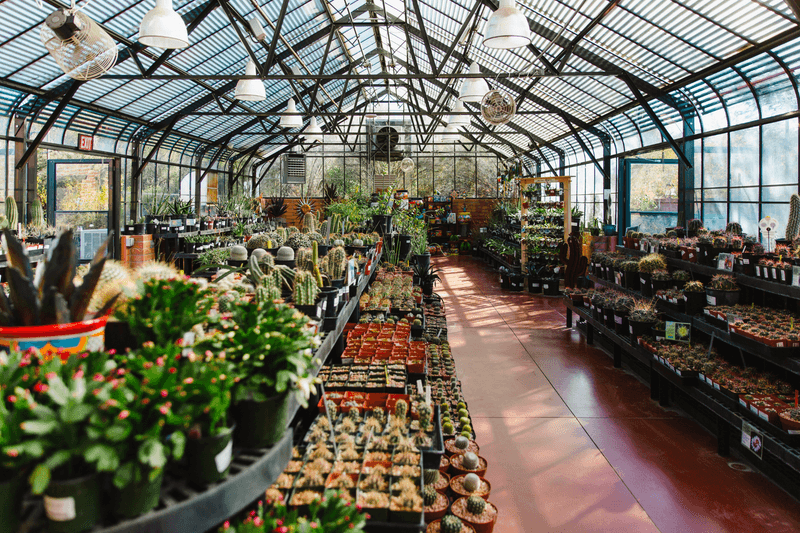
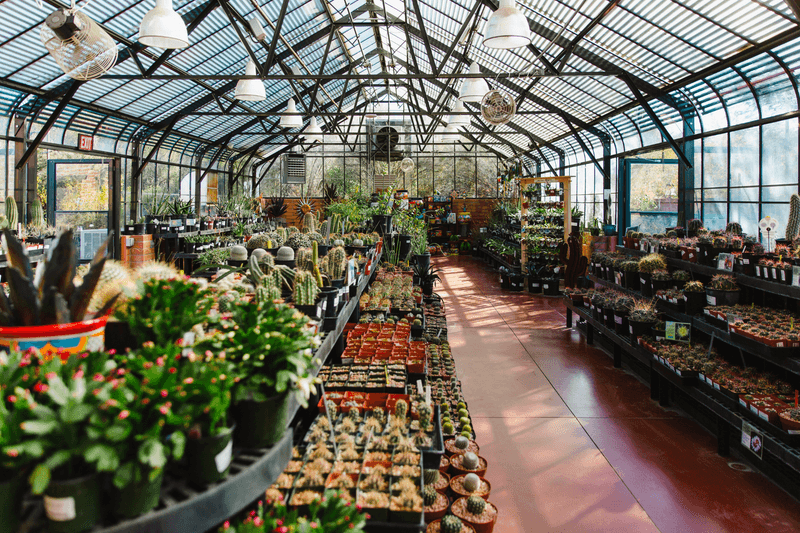
Leaving with a new plant in your car might be the best souvenir Tohono Chul has to offer visitors. The garden’s greenhouse sells native and desert adapted plants that thrive in Tucson’s challenging soil and intense sunlight.
Staff and volunteers often share helpful advice about watering, spacing, and choosing plants that match your yard’s conditions. I have to admit I rarely leave without at least one salvia or penstemon tucked carefully in a box.
Fall is widely considered the best planting season in low desert areas, giving roots months to grow before summer. Arizona extension experts recommend fall planting for most perennials, shrubs, and trees because cooler air reduces stress.
Choose plants based on their mature size so you can avoid heavy pruning or crowding a few years later. Group them by water needs, which keeps irrigation simpler and helps save water during hot months ahead in your yard.
Check the garden’s website before visiting, since plant sale dates and greenhouse hours can change throughout the year. A quick look ahead lets you plan a visit that combines a relaxing walk with some smart shopping too.