Some Arizona Vegetable Beds May Need Different Soil Management Depending on Local Conditions
A handful of dirt from a Phoenix yard can act very differently from a handful in a New Hampshire garden. The reasons come down to rainfall, rock, water, and the spot where your bed sits.
Advice that worked back East may not fit your Arizona site. A few simple checks can save you money, time, and a lot of wilted tomatoes.
Arizona Beds Need Site-Specific Soil Plans
Arizona is a big place, and its gardens do not all share one kind of dirt. University of Arizona vegetable guidance notes that elevations run from near sea level to above 7,000 feet.
A bed in a hot low-desert valley and a bed in a cool mountain town face very different conditions.
Now think about the East, which is just as mixed. University of New Hampshire Extension describes native soils there as strongly acidic and suggests testing before adding lime.
That is one state’s story, not a rule for every Eastern garden.
So skip the Arizona-versus-East contest. Your own location is the real clue, and tools like the NRCS Web Soil Survey can help you look at the soils mapped for your property.
Local conditions, not regional assumptions, should steer every choice you make.
Why Can Desert Soil Hide Iron?
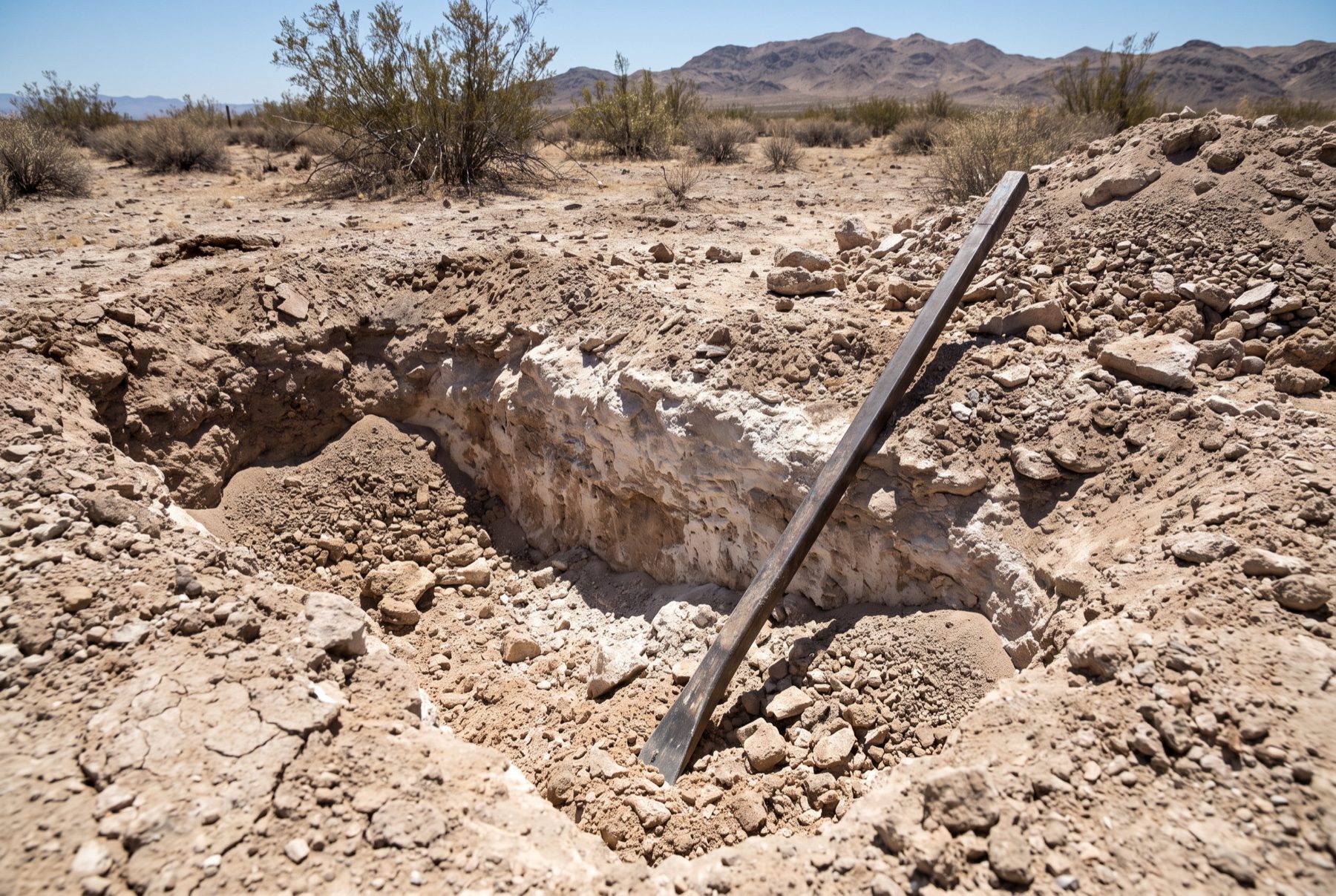
Sometimes the iron is sitting right there in the ground, and your plants still look pale. In many low-desert soils, calcium carbonate is common, and it can push soil pH upward.
University of Arizona Extension gives about 8.0 to 8.5 as a typical range for desert soils.
At that high pH, iron can be present but harder for roots to use. Leaves may turn yellow while the veins stay green, which is a handy clue to watch for.
Other problems can look similar, so do not guess from leaf color alone.
Keep in mind that this describes a common low-desert pattern, not a promise about every yard. A garden at higher elevation, or one with different parent material, may read quite differently.
A soil test tells you which story your bed is living.
Irrigation Can Leave Salts Behind
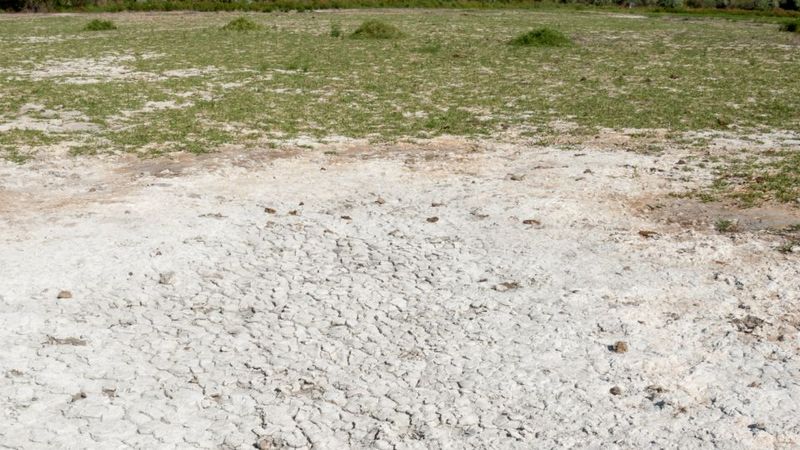
Ever notice a pale crust on the soil near a drip line? That can be a sign that salts are building up.
University of Arizona Extension explains that arid conditions and irrigation can both contribute to salt accumulation in soil.
Little rain means fewer chances for natural flushing, and strong sun pulls water out of the ground. Irrigation water carries dissolved salts too, and they can stay behind as the water evaporates.
Why does it matter? Excess salts make it harder for plants to take up water, so a bed can look thirsty even when it is wet.
How much salt builds up depends on your soil, your water source, and how you irrigate, so two neighbors can see very different results.
What Should You Test First?
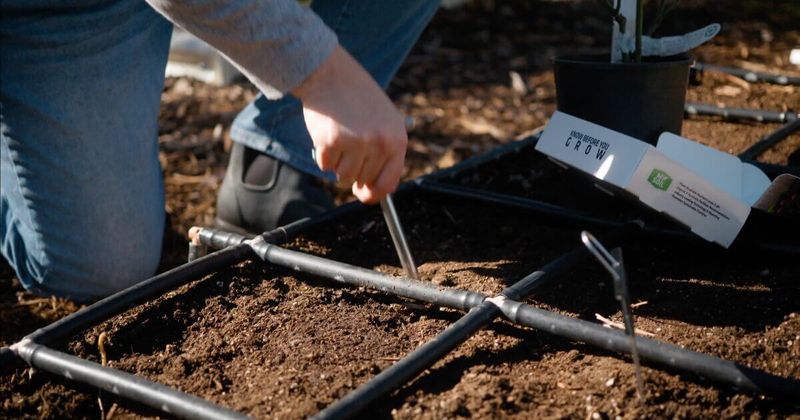
Before you buy a single bag of anything, grab a trowel and take a sample. University of Arizona guidance on soil sampling describes testing as a way to learn about fertility and chemical properties.
A representative sample, mixed from several spots in the bed, gives you a fair picture.
Follow the test results before you apply fertilizer or pH amendments. That keeps you from adding sulfur or nutrients your soil may not need.
If salts worry you, ask for a salinity assessment, and think about your irrigation water too. The university also keeps a list of laboratories that test soil, plants, and water.
You do not need every test on the menu, just the ones that match your questions.
Organic Matter Is a Tool, Not a Recipe
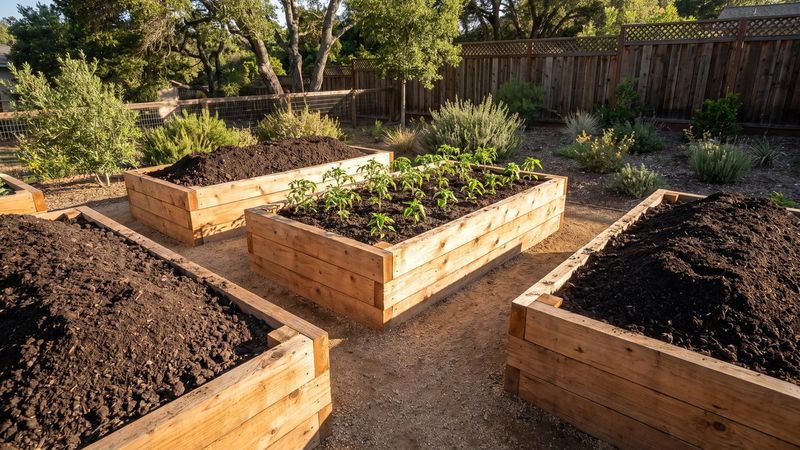
Good organic matter can make a bed feel different the moment your fork goes in. It can improve soil structure and help soil hold water, which matters in dry places.
University of Arizona vegetable guidance recommends working it in before planting.
Still, the right type and amount depend on your site. University publications give differing application amounts, so there is no single depth that fits everyone.
Your test results and your soil texture should shape the plan.
Treat properly managed compost as one possible tool, not a guaranteed fix. Fresh manure is a different matter, since it can bring plant and food-safety risks, so check Extension guidance on manure and composted manure before using any.
When Does Native Soil Call for a Raised Bed?
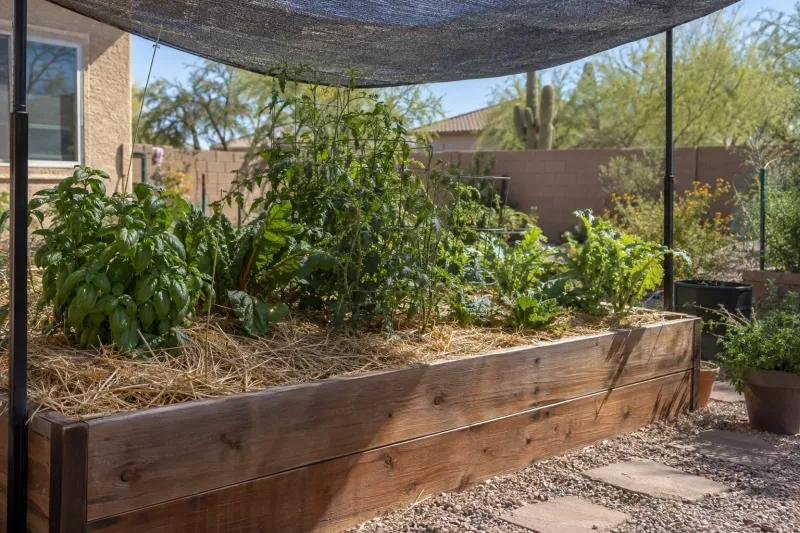
Dig a test hole and you will learn a lot fast. If the shovel slides in and water soaks down, your in-ground bed may be just fine.
Guidance from the University of Arizona favors loose, fertile, well-drained soil, and it advises removing solid caliche where it blocks the planting area.
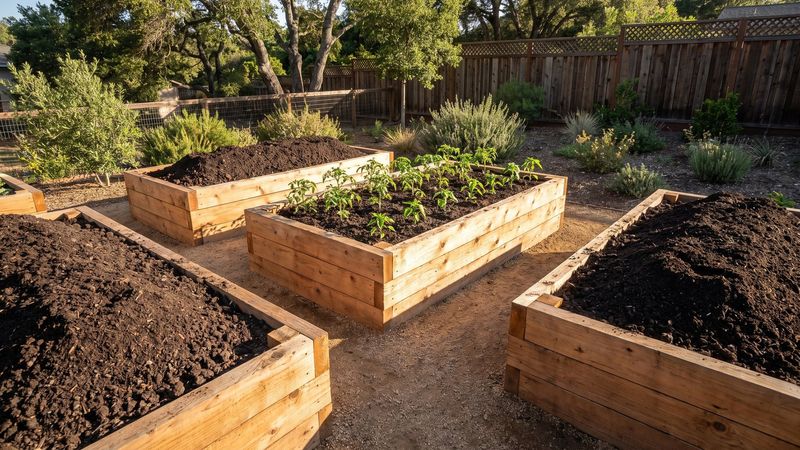
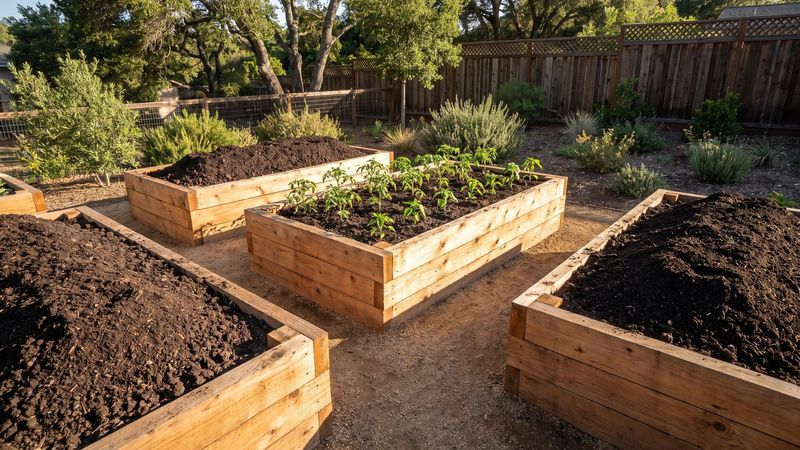
Rocky ground, thick caliche, or poor drainage may make a raised bed more practical. Caliche is not in every yard, though, and Extension caliche guidance shows it can affect drainage and the root zone.
A raised bed is an option, not a requirement.
If you build one, fill it with clean soil made for food gardening. Also consider the history of native soil, since Extension warns about possible lead in parts of northern Arizona with mining or other contaminating land uses.
Drainage Determines Whether Salt Leaching Works
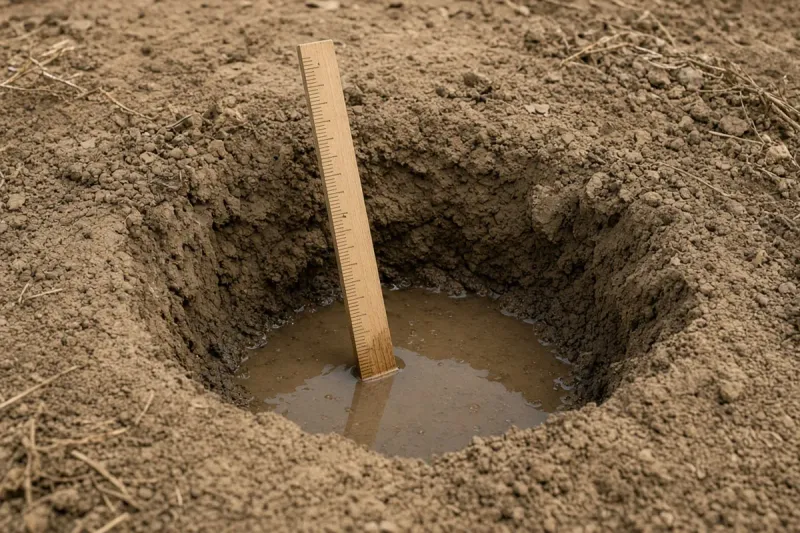
Leaching sounds simple, but it is not just a matter of watering more. Water can carry salts below the root zone only if the soil drains well, as University of Arizona Extension explains.
Without that drainage, extra water may simply pool.
A caliche layer or heavy clay can stop water from moving down. In that case, more irrigation could leave roots sitting in soggy soil while salts stay put.
Check how your bed drains before you try this approach.
Resist the urge to copy a fixed leaching schedule from a friend or a website. The right plan depends on your soil, your water, and your drainage, so use local information and your test results.
Let Your Own Bed Set the Plan
Borrowed advice can explain a lot about why a bed struggles, but it cannot replace facts from your own yard. Start with a soil sample, then let your soil, water, and drainage lead the way.
Your garden is its own little climate zone, and it rewards the gardener who pays attention.