Keep Ants Out Of Your Pennsylvania Kitchen With This Cheap Trick
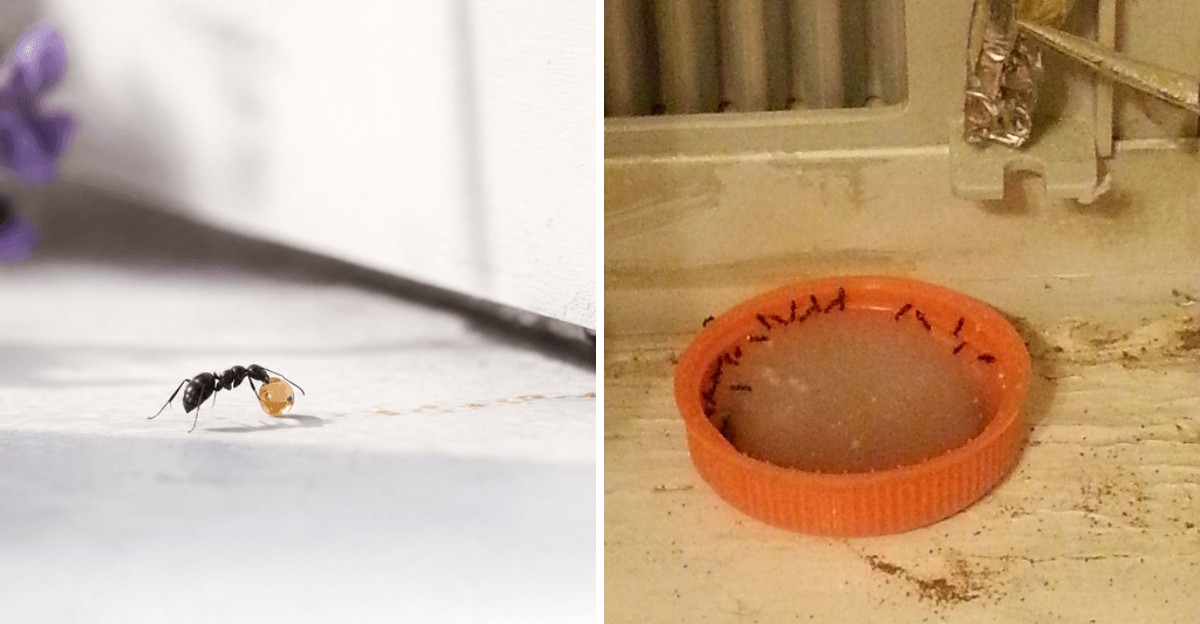
A single foraging ant can lay down an invisible chemical road, and dozens of its sisters will follow it straight to your sugar bowl.
Penn State entomologists say odorous house ants are among the most common kitchen invaders in Pennsylvania. Crush one, and you may notice a smell a lot like rotten coconut.
I used to wipe up those marching lines every morning, only to see them return by lunch. Nobody warned me that the ants on my counter were just a small slice of the whole crew.
Most of the colony, including the queen, stays hidden in a wall void or under a nearby stone. To my surprise, the fix that finally worked cost me about three dollars.
It came from the laundry aisle, plus a little help from the baking shelf. So why does something so cheap outsmart a colony with thousands of workers?
1. That Line Of Ants On Your Counter Is Following A Scent Map
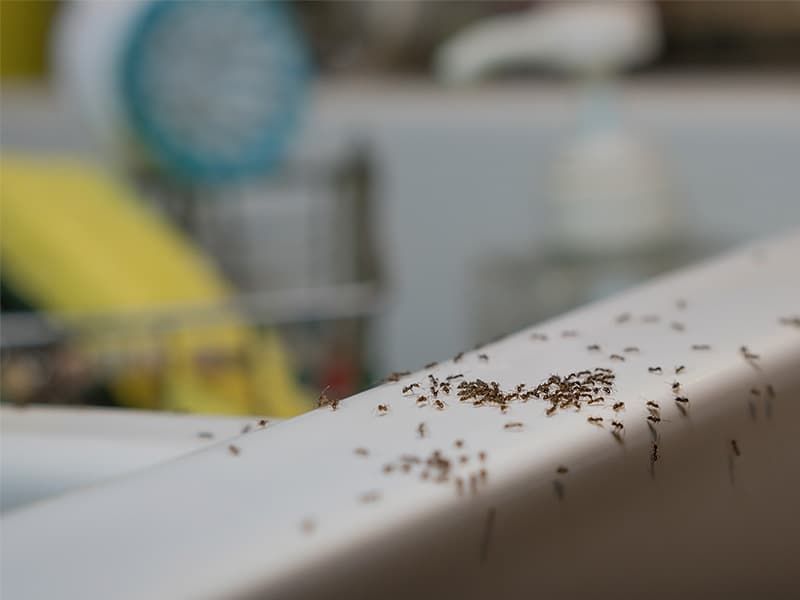
Ants are tiny chemists. When a scout finds a crumb of cookie or a drop of juice, it heads home and leaves a pheromone trail behind it, a scent path the rest of the workers can follow.
In Pennsylvania homes, the usual suspects are odorous house ants and pavement ants. Odorous house ants are small, dark brown, and love sweets.
Pavement ants often come up through slab cracks and enjoy greasy crumbs and pet food just as much as sugar.
The workers you see are only foragers. Experts at Penn State Extension point out that most of the colony stays out of sight, often inside walls, under floors, or in soil next to the foundation. Odorous house ant colonies can also have many queens.
That detail matters a lot. Wiping up the trail or spraying the visible ants feels satisfying, but the nest keeps sending new workers. Sometimes colonies even split into new nests when they feel stressed.
Spring is when many Pennsylvania households notice the first trails, especially after rainy spells push ants indoors. Hot, dry summer weeks can send them searching for water too.
So the real goal is reaching the nest, not just the parade. That takes a clever, slow-acting plan.
2. A Box Of Borax Turns Hungry Ants Into Delivery Workers
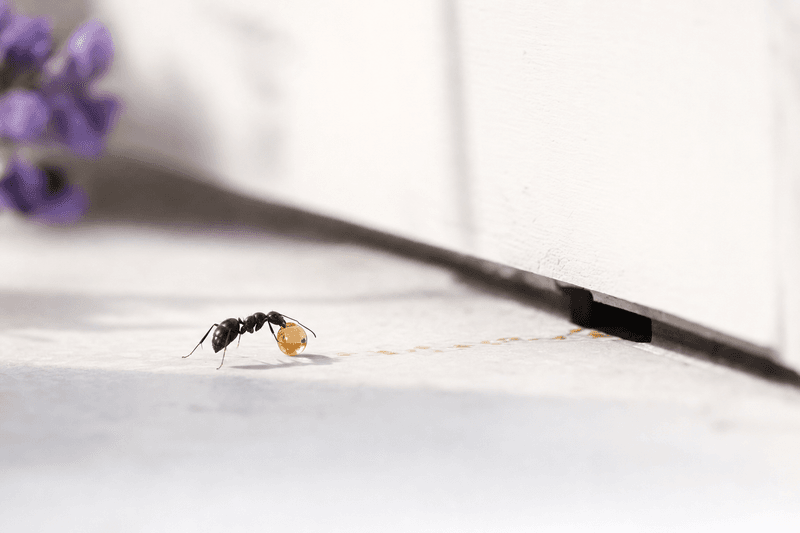
Here is my favorite bargain in the whole fight. Borax, a laundry booster that sells for a few dollars, is a boron compound closely related to boric acid, a long-used ingredient in many store-bought ant baits.
Mixed with something sweet, it becomes a slow-acting bait. Worker ants eat it, carry it back, and share it with nestmates and queens through a food-swapping habit called trophallaxis.
That is how a small dab on your counter can reach a colony you will likely never see. Speed is the secret. If the bait works too fast, the foragers stop before they get home. A weak mix gives them time to spread it around.
You might notice more ants at first, which feels backward. Resist the urge to panic, because a busy bait station means the plan is working.
Most people see a big drop in activity within several days to two weeks. Larger or multi-queen colonies can take longer, so patience pays off.
Borax is still a pesticide, even if it lives in the laundry room. Treat it with respect, label your mix, and store the box well away from snacks and curious hands.
3. Mixing Sugar And Borax Bait In A Bottle Cap
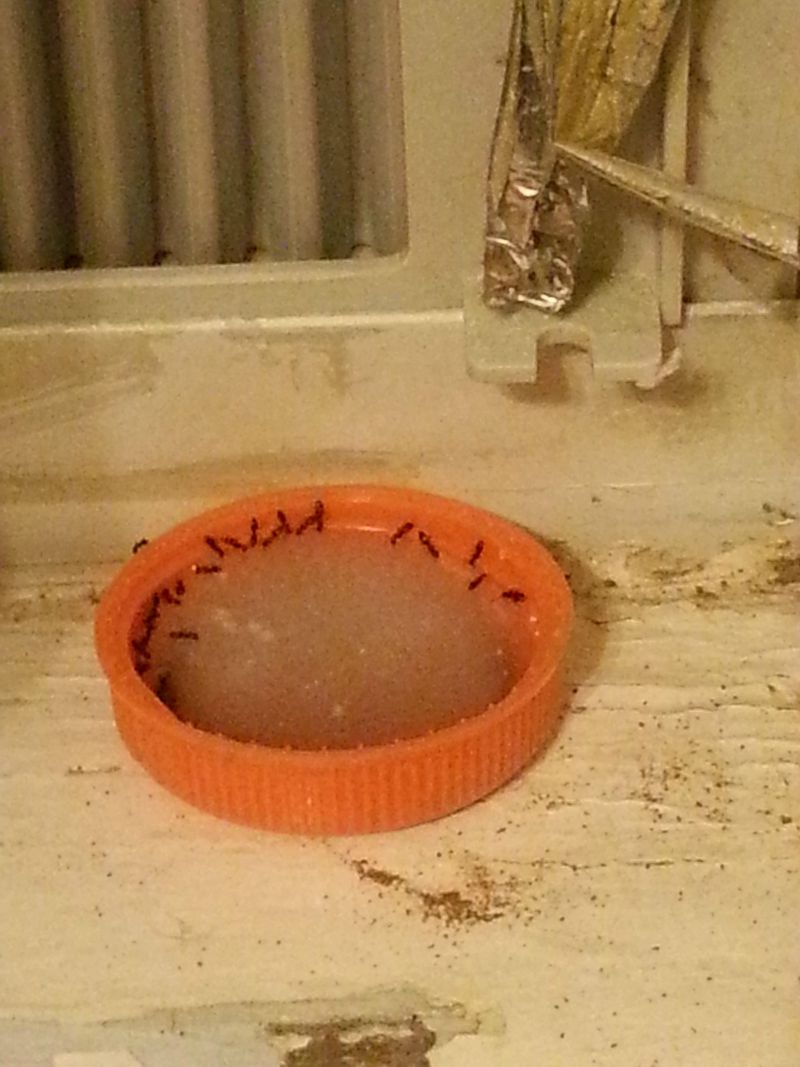
Grab a measuring spoon, a small bowl, and an old bottle cap. That is basically the whole toolkit.
A common home recipe is about one part borax to three parts powdered sugar. Some folks go even weaker, around one teaspoon of borax per cup of sugar water, because a gentler dose keeps ants feeding longer.
Powdered sugar blends evenly, so ants cannot pick out the sweet bits and skip the rest. Add a few drops of warm water or corn syrup until you get a thick syrup.
Sweet-loving odorous house ants usually go for it fast. If pavement ants ignore it, try a dab of peanut butter mixed in instead.
Spoon a little into bottle caps or onto a scrap of wax paper. Set them right along the trail, near cracks, under the sink, or behind the trash can.
Replace the bait every couple of days, since dried syrup loses its appeal. Keep spray cleaners away from the stations while they work.
Most important of all, place everything where kids and pets cannot reach. A small lidded container with holes poked in the side makes a handy, safer bait box.
4. Vinegar Spray Wipes Out The Ant Scent Trail
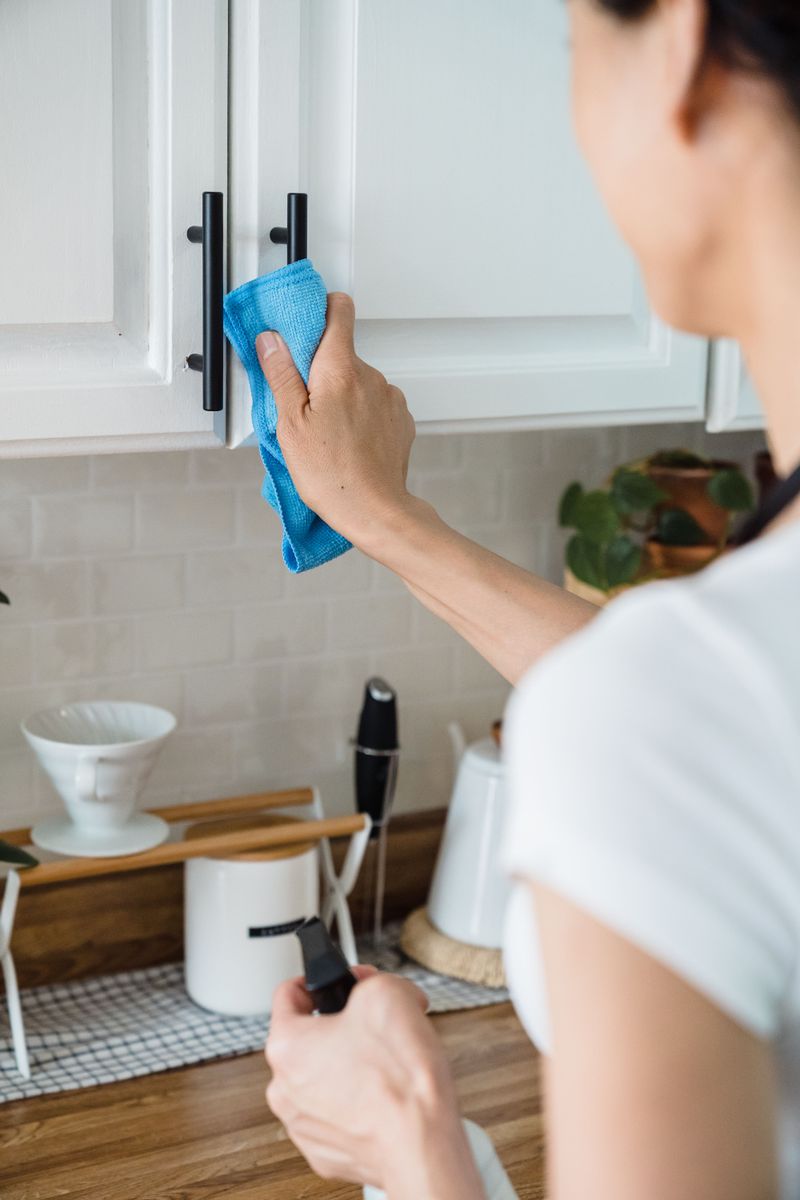
Once the bait has done its job, cleanup is your next move. Ants that wander in later can still follow the old scent road, so erasing it helps.
A spray of equal parts white vinegar and water is cheap and easy. Plain soapy water works well too. Wipe along counters, windowsills, baseboards, and anywhere the line used to travel.
Timing matters here. Do not spray right next to active bait stations, because you want the foragers to keep finding that sweet mix. Clean the trail after activity has faded, or wipe areas away from the bait.
Vinegar and lemon juice do not reach the nest. They mainly interrupt the trail and clean up sticky residue for a short time.
A soapy water spray can stop the ants it hits, which feels handy in a pinch. Still, it does nothing for the hidden colony, so use it as a quick fix, not your main plan.
Personally, I keep a vinegar bottle under the sink all spring. A quick wipe after cooking makes my counters a lot less interesting to wandering scouts.
Bonus perk? It cuts grease on stovetops too.
5. Airtight Jars And Crumb-Free Counters Starve Hungry Scouts
Ever notice how ants find the one honey jar with a sticky drip? Scouts are excellent at sniffing out tiny treats we barely see.
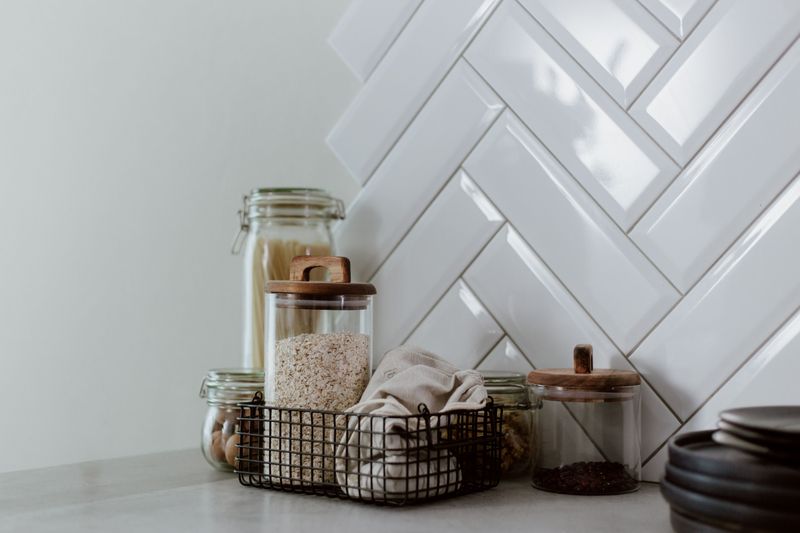
Store sugar, cereal, flour, syrup, and snacks in airtight containers with snug lids. Wipe the outside of honey and syrup bottles too. Ripe fruit sitting on the counter can draw trails, so move it to the fridge during an ant spell.
Pet bowls are a sneaky hotspot. Pick up leftover food after meals, or set the dish inside a shallow tray of water to create a little moat.
Crumbs under the toaster and around the stove add up fast. A quick sweep each night helps a lot.
Empty the kitchen trash often and rinse recycling, especially soda cans and juice bottles. Those sugary leftovers are like a dinner bell.
Moisture counts as food for ants, in a way. Fix dripping faucets, dry the sink at night, and check under the cabinet for slow leaks.
These habits will not end an established colony alone. They do make your bait more appealing, because it becomes the best meal in town.
6. Caulking Cracks Around Windows And Baseboards Blocks Ant Highways
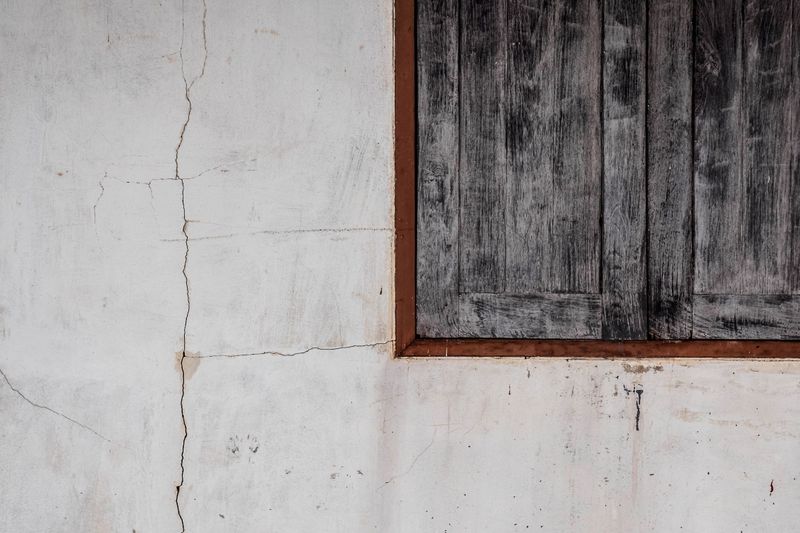
Older Pennsylvania homes have charm and plenty of gaps. Ants only need a crack thinner than a credit card to slip inside.
Walk around your kitchen with a flashlight. Check where countertops meet the wall, around windows, behind the sink, under door thresholds, and where pipes come through cabinets.
A tube of silicone or acrylic caulk costs only a few dollars. Seal small cracks inside, and use weatherstripping on drafty doors.
Outside, look at the foundation. Pavement ants often move in through slab cracks and gaps near patios, so seal what you can.
Landscaping plays a role too. Keep mulch pulled a few inches back from the foundation, and trim shrubs so branches do not touch the siding. Firewood stacked against the house invites trouble, so move it away.
One tip: if ants are active right now, bait first and seal later. Blocking a busy trail can push foragers out somewhere else before the bait spreads.
I sealed the gap behind my sink one weekend, and the next season was noticeably quieter. It felt like locking the back door I forgot was open.
7. Big Black Carpenter Ants Deserve A Closer Look
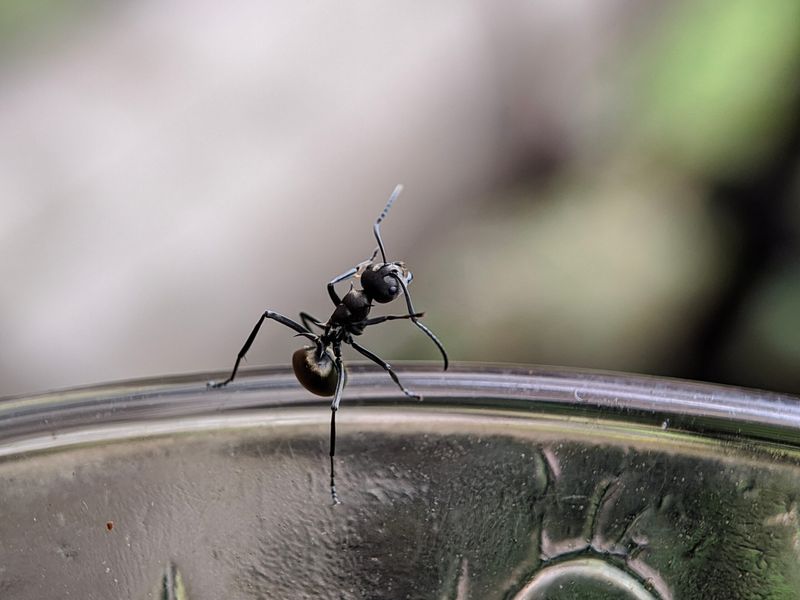
Not every ant is a sweets-loving nuisance. Large black ants, sometimes over a quarter inch long, may be carpenter ants, and they are common across Pennsylvania.
Carpenter ants do not eat wood. They tunnel into damp or softened wood to make nests, pushing out piles of fine, sawdust-like debris called frass. Penn State Extension notes they often point to a moisture problem, like a leaky window or roof.
Spotting winged ants indoors in late winter or spring can mean a nest is inside the house. That is worth taking seriously.
Borax bait may help with foragers, but hidden carpenter ant nests can be hard to reach. A licensed pest professional can find the nest and recommend proper treatment.
Fixing the moisture source matters just as much. Repair leaks, replace soft wood, and improve drainage around the foundation.
Not sure what you have? Snap a clear photo or save a sample in a sealed bag and contact your county Penn State Extension office.
For everyday sugar ants, though, that three-dollar bait still shines. Pair it with clean counters and sealed cracks, and your kitchen can stay yours.