8 Ways to Use Fallen Leaves to Improve Florida’s Sandy Soil
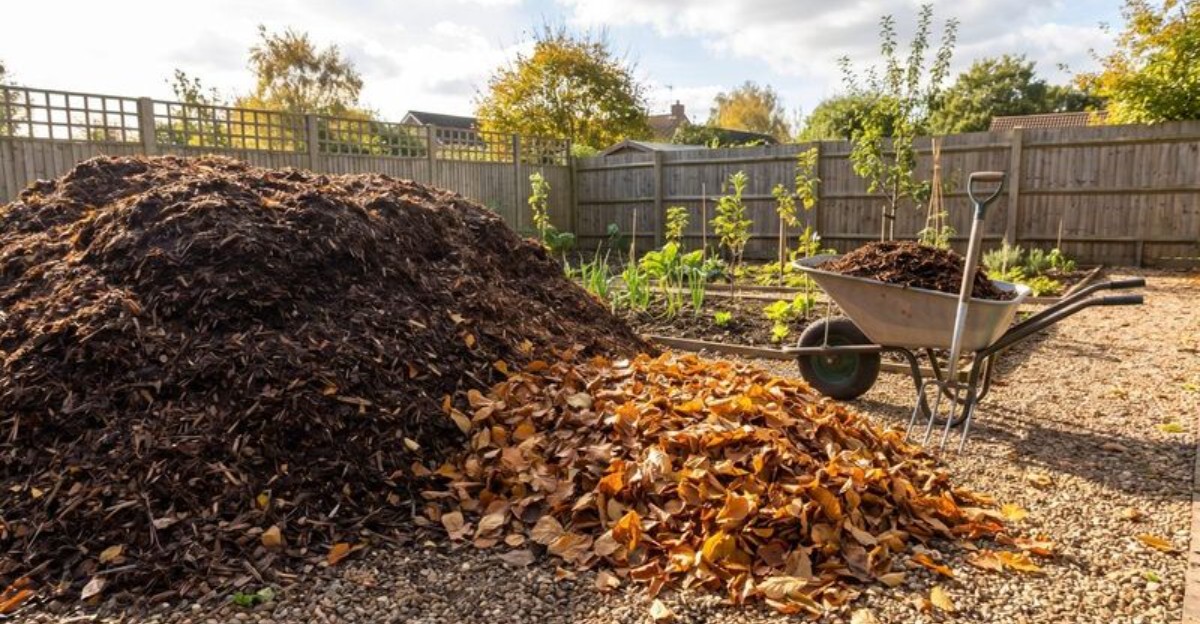
Florida has an official state soil called Myakka fine sand, and it covers more than a million acres. Most of that gritty ground drains like a kitchen colander, so water and fertilizer slip past roots in hours.
Sandy soil also tends to hold very little organic matter, which is the stuff that stores moisture and nutrients. Our steamy summers burn through that matter quickly, so bagged amendments seem to vanish within a season or two.
I have to admit I once paid good money for compost while my own yard sat buried in freebies. You might notice the same thing every winter, when oaks and maples shower your driveway with crunchy brown treasure.
What surprises me most is how much that pile can do for Florida gardens once you stop bagging it. Why send free soil food to the curb when your thirsty beds are begging for a better meal?
1. Shredded Leaf Mulch Blankets Thirsty Garden Beds
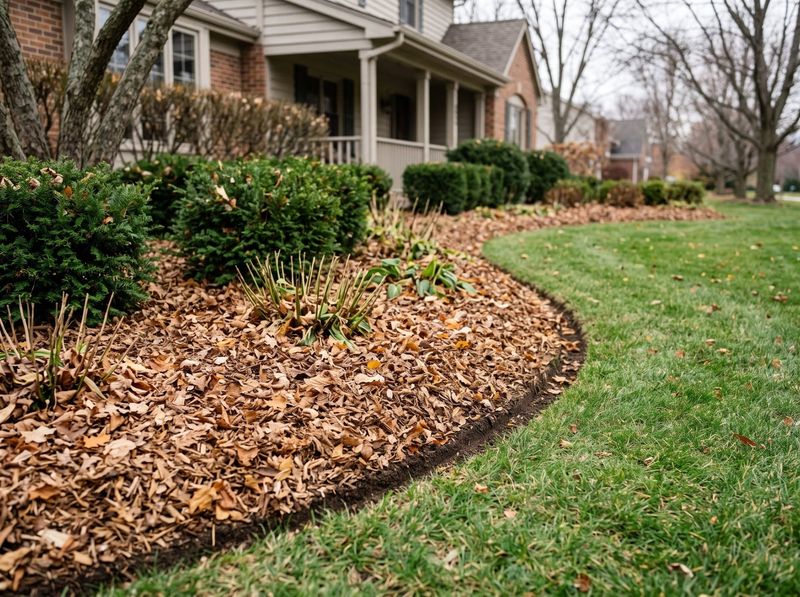
Whole oak leaves stack like tiny shingles, and they can form a soggy mat that sheds rain away from roots. Run them through a mower first, and that same pile turns into fluffy confetti that lets water soak right in.
UF/IFAS recommends keeping organic mulch about two to three inches deep around landscape plants for the best results. That layer shades sandy ground and slows evaporation, so your sprinkler runs less during warm, rainless stretches.
I like raking leaves into a long row on the lawn, then mowing over them twice with the bagger. The bag fills with crumbly bits that spread easily, and my back thanks me for skipping the heavy lifting.
You need to leave a gap of a few inches around tree trunks and plant stems when spreading mulch. Piling material against bark traps moisture, which invites rot and gives hungry insects a cozy hiding place.
As the shreds break down, they slowly feed the soil with small amounts of potassium and calcium. Earthworms move in to munch the softened pieces, pulling organic matter deeper into the sand as they tunnel.
Windy afternoons can scatter a fresh layer across the yard, so a quick sprinkle of water helps it settle. Some gardeners top their shredded leaves with a thin coat of pine straw for a tidier, more finished look.
Personally, I refresh my leaf mulch every few months because our warm, wet climate eats it surprisingly fast. Think of each new layer as a deposit in the soil bank that pays you back with healthier roots.
2. Mulching Mower Chops Leaves Right Into The Lawn
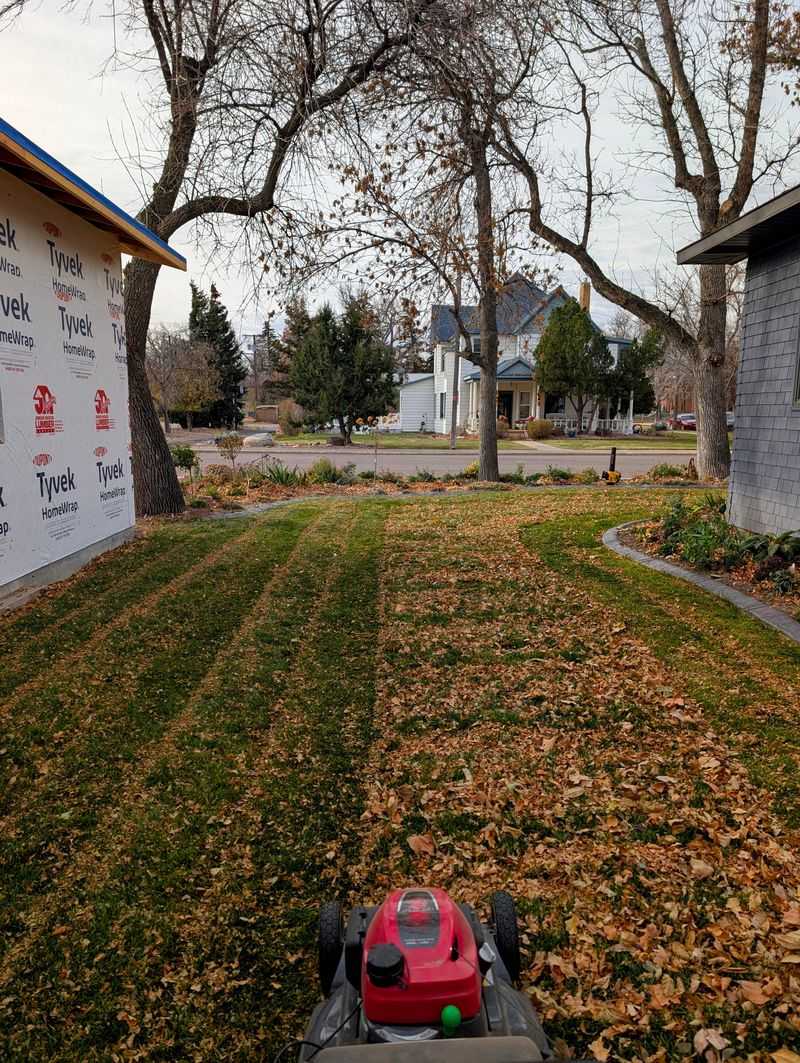
Your lawn mower might be the laziest soil builder you own, and I mean that as a huge compliment. Instead of raking, you simply drive over the leaves and let the spinning blade turn them into tiny flakes.
Research from Michigan State University found that mulching leaves into turf did not harm the grass over several years. The small pieces slip down between grass blades, where microbes and worms break them down within a few weeks.
St. Augustinegrass and bahiagrass, the two common lawn types here, both handle a light dusting of leaf bits well. The trick is keeping the layer thin enough that you can still see green blades poking through after mowing.
A mulching blade helps a lot because it chops each leaf several times before dropping it back down. If the pile looks too deep, mow once with the bagger and move the extra shreds to your flower beds.
From experience, dry leaves chop much better than soggy ones, which tend to clump and clog the mower deck. Wait for a sunny afternoon after the morning dew burns off, and the job goes surprisingly quickly.
Over time, that steady trickle of organic matter helps sandy lawn soil hold a little more water between rains. You may find you can trim back fertilizer slightly, though a soil test gives the clearest answer.
Mowing every week or so during heavy leaf drop keeps things manageable and stops thick mats from forming. Best of all, your weekend gets shorter, and the curb stays clear of those bulging paper yard bags.
3. Damp Leaf Piles Slowly Turn Into Dark Leaf Mold

Forest floors build their spongy topsoil without anyone turning a pile, and you can copy that trick at home. Leaf mold is simply leaves that fungi have slowly softened into a crumbly, dark material that smells like rain.
Unlike regular compost, this process relies mostly on fungi rather than heat-loving bacteria, so it moves at a gentle pace. Expect six months to a year in our warm climate, though shredded leaves usually finish faster than whole ones.
Personally, I use a simple ring of chicken wire about three feet wide tucked behind the shed. You can also pack leaves into large black trash bags and poke a few small holes in the sides.
Moisture is the secret ingredient, so the pile should feel like a wrung-out sponge when you squeeze a handful. During our dry spring months, a quick soak with the hose every couple of weeks keeps the fungi working.
Leaf mold is low in nutrients, so treat it as a soil conditioner rather than a plant food. What it does beautifully is soak up water, holding far more moisture than plain sand ever could.
Mix a few inches into a sandy bed, and the soil feels softer and spongier within a season. Seedlings seem to love it too, so I sift some into my homemade seed-starting mix each fall.
Patience pays off here more than anywhere else in the garden, since the pile does nearly all the work. Check it now and then, and someday you will lift the lid on pure, earthy forest gold.
4. Brown Leaves Balance Green Scraps In A Hot Compost Bin
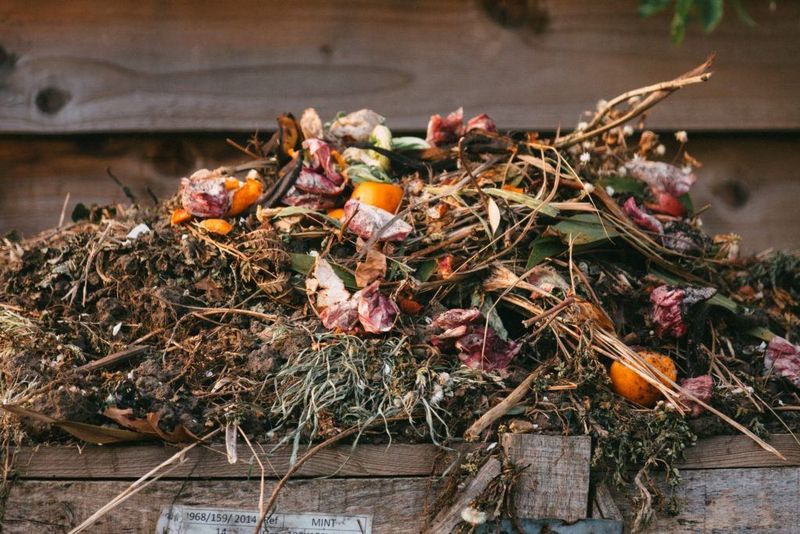
Every compost pile needs a carbon source, and a bag of dry leaves is basically free fuel for the microbes. Mixing them with kitchen scraps creates a pile that can heat up enough to feel warm on a cool morning.
Composters call dry leaves browns, and they call fresh materials like grass clippings and vegetable peels greens. A common rule of thumb is roughly two or three parts browns to one part greens by volume.
I keep bags of shredded leaves beside my bin and toss a handful over each bucket of scraps. That simple habit stops fruit flies and odors, which keeps my family much happier about the whole project.
Moisture matters here too, and the pile should stay about as damp as a well-squeezed kitchen sponge. Turning it every week or two adds oxygen, which helps the helpful microbes stay busy and warm.
A well-built pile can reach temperatures high enough to reduce many weed seeds and plant disease organisms. Still, it helps to leave out weeds that have gone to seed, because home piles rarely heat evenly.
In our warm climate, finished compost can be ready in a few months with regular turning and watering. It looks dark and crumbly, and you should not recognize any of the original leaves or banana peels.
Spread an inch or two over Florida sand before planting, then mix it into the top few inches. Your soil will hold water and nutrients better, and plant roots will have a richer neighborhood to explore.
5. Shredded Leaves Dug Into Vegetable Beds Before Planting
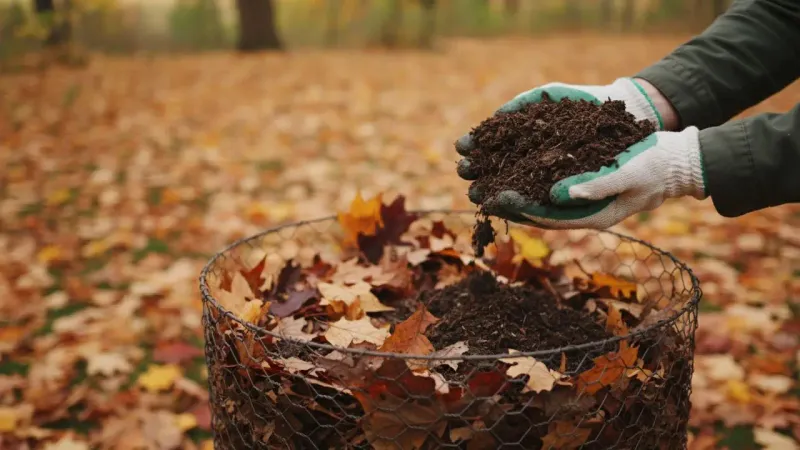
Garden soil in a vegetable bed works harder than almost any other spot in the yard, and it shows. After a season of tomatoes and peppers, sandy beds often feel thin and pale, like they need a good meal.
Working shredded leaves directly into the soil is an old-fashioned fix that still earns a spot in my routine. Spread about two inches over an empty bed, then mix them into the top six inches with a garden fork.
You need to give them time, because fresh leaves can briefly borrow nitrogen from the soil as they break down. Waiting several weeks before planting lets microbes finish their first feast and release nutrients back to your crops.
Some gardeners sprinkle a little nitrogen fertilizer over the leaves to help the decomposition happen faster. Others prefer to mix in grass clippings or a bit of composted manure for the same boost.
In much of the state, beds that sit empty during hot summer months make a great time for this job. Dig in leaves you saved from winter, and the soil will be noticeably richer by the fall planting window.
I love how the soil changes texture after a few rounds, going from loose grit to something darker and softer. Roots can spread more easily, and you might notice that the bed stays moist longer after a watering.
Skip leaves from black walnut trees, which contain juglone and can hinder some vegetable crops like tomatoes. Oak and sweetgum leaves are fine choices, and both are easy to find in most Florida neighborhoods.
6. Leaf Litter Under Shrubs Shelters Toads And Butterflies
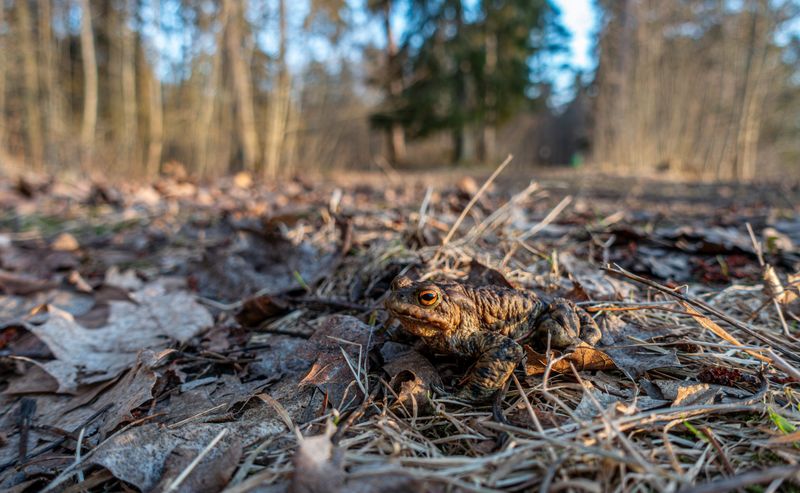
Flip over a patch of old leaf litter, and you might meet a tiny southern toad blinking back at you. That soft, messy layer is a busy neighborhood for creatures that quietly help your garden stay balanced.
The National Wildlife Federation encourages gardeners to leave some leaves in place because so many small animals rely on them. Many moths and butterflies spend part of their lives as caterpillars or pupae tucked inside fallen leaves.
Ground beetles and spiders hunt pests in the litter, while earthworms turn the leftovers into rich castings. Those castings are a wonderful natural fertilizer, and they help sandy soil cling to moisture and nutrients.
My favorite spot is a wild corner under the firebush, where leaves gather year after year without any raking. Birds visit often, flipping leaves with their beaks as they search for the insects hiding underneath.
Brown thrashers and towhees are especially fun to watch, since they scratch the ground like busy little chickens. Their noisy foraging is a sign that the soil underneath is full of life and worth protecting.
A layer of leaves also cushions the ground from heavy summer downpours, which can wash loose sand away. It shades the surface on hot days, too, so the soil underneath stays cooler and holds moisture longer.
You do not need to turn the whole yard into a jungle to make a real difference. Even a small patch along a fence line can give local wildlife a safe place to rest and feed.
7. Leaf Mold Helps Potted Plants Hold Water Longer
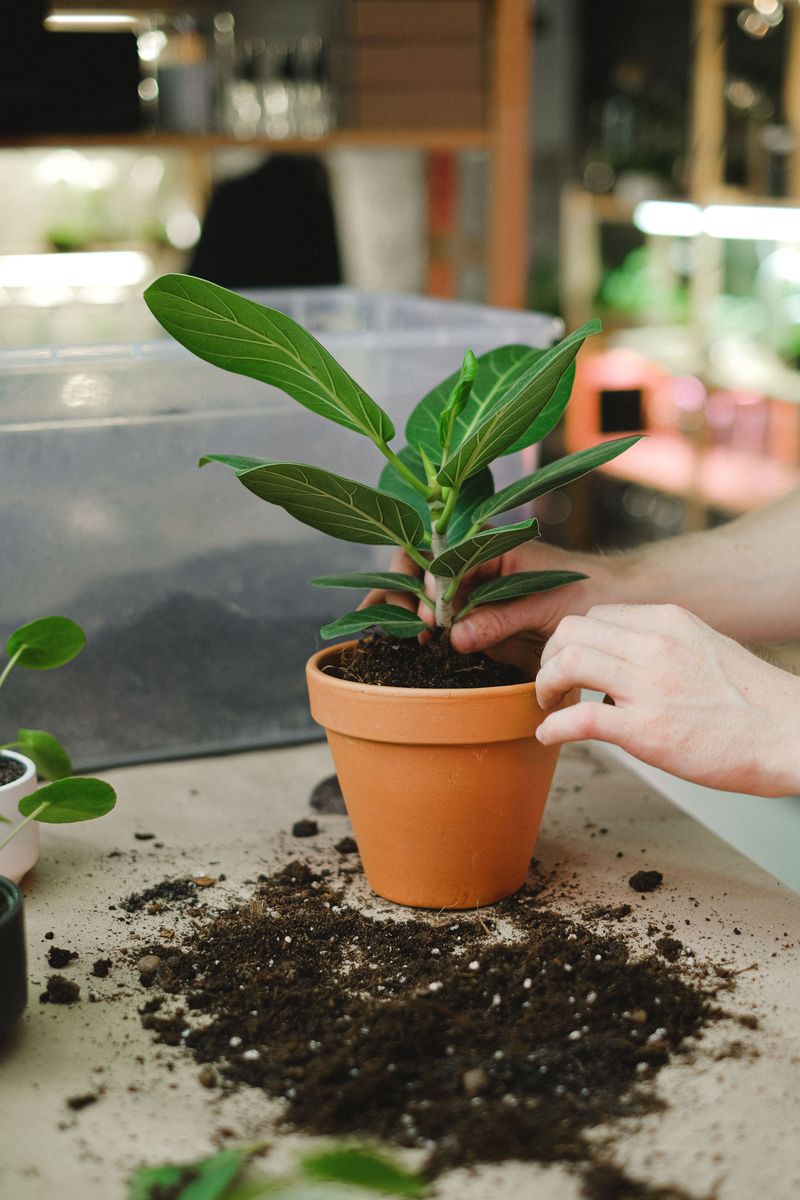
Potted plants dry out fast in our heat, and a sunny terracotta pot can feel dusty by lunch. Adding leaf products to your containers is a sneaky way to stretch the time between waterings.
Many gardeners blend finished leaf mold into potting mix at about one part leaf mold to three parts mix. It adds a soft, spongy texture that holds moisture without turning the pot into a soggy swamp.
Avoid using raw, unshredded leaves inside the mix, since they can mat down and block air from reaching roots. Fresh leaves may also tie up some nitrogen as they break down, which can leave plants looking pale.
On top of the soil, though, a thin layer of shredded leaves works like a tiny blanket of mulch. It slows evaporation, and it keeps heavy rain from blasting potting mix over the rim of the pot.
I tried this trick on my herb pots last spring, and the basil wilted far less during dry spells. That small change saved me a few trips with the watering can, which my busy schedule appreciated.
Containers also make leaf mold a great way to recycle tired potting soil instead of tossing it out. Mix old soil with fresh leaf mold and a little slow-release fertilizer, and it gets a second life.
Keep an eye on drainage holes, because every pot still needs water to escape freely after a good soaking. With a little leaf magic, your patio plants can stay greener and happier between those hot afternoon showers.
8. Fallen Leaves Stay Put Under Shade Trees As Natural Mulch
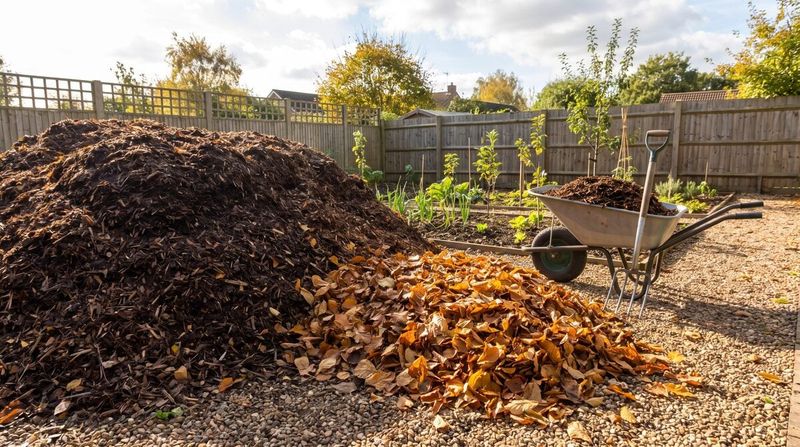
Trees in a forest feed themselves by dropping leaves right where their roots can recycle the goodness. I can’t imagine a cheaper fertilizer program, since the tree does the work and you simply leave it alone.
Most tree roots spread far beyond the trunk, often reaching well past the outer edge of the branches. Leaving leaves beneath the canopy shields those shallow feeder roots from heat and helps the soil hold water.
UF/IFAS often suggests replacing grass under trees with a mulched bed, since turf struggles in heavy shade anyway. Letting leaves collect there creates that bed for free and saves you from mowing awkward patches around roots.
Rake leaves off the trunk itself and keep a few inches of bare space at the base. Mulch piled against bark can hold moisture and invite rot, which is the last thing an old oak needs.
Live oaks drop many of their leaves in late winter and early spring, just before new growth appears. That timing gives your yard a fresh layer right as the dry season settles in across Florida.
Over a few years, the soil under a leafy canopy turns darker and softer than the surrounding sand. You may also spot mushrooms popping up, which simply means fungi are busy breaking down that organic matter.
For a neater look, shred the leaves where they fall or edge the area with a simple border. Your trees get a steady snack, and your sandy yard slowly becomes something closer to real forest soil.