Acorns Covering Your North Carolina Lawn? Here’s What to Do With Them
A single large oak can drop thousands of nuts in one good year. Scientists call those boom seasons mast years, and nobody can fully predict when the next one will hit.
I learned this the hard way while mowing. Every pass sounded like popcorn hitting a tin roof, and my ankles felt each lumpy step across the grass.
Here’s something you might not expect. Oaks in the same area often seem to sync up, so whole neighborhoods get buried at once while other years stay strangely quiet.
Researchers still debate the exact triggers, though weather and the tree’s stored energy both seem to play a part.
If your yard in North Carolina feels crunchy underfoot this fall, you are in good company. The real question is whether that pile is trash, treasure, or a little of both.
1. Some Years Your Oak Trees Go Overboard on Purpose
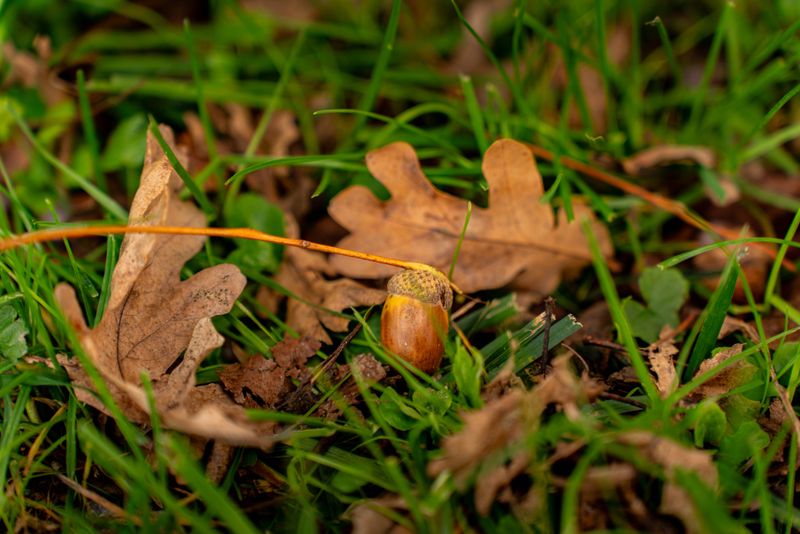
Oaks play a long game. Instead of making the same crop every fall, many trees store energy for a few years and then release a flood of acorns all at once.
Experts call this a mast year. One leading idea is that it overwhelms hungry squirrels, deer, and insects, so enough acorns slip past them to sprout. Weather during spring flowering seems to matter too, since frost or heavy rain can reduce pollination.
Across North Carolina, you’ll see drops from white oaks, southern red oaks, willow oaks, and water oaks. White oak acorns mature in one season, while red oak types take two seasons to ripen.
Most nuts fall from late August into November. A few green ones dropping in late summer is fairly normal, and sometimes heat or dry spells add to it.
So that heavy crop isn’t a sign your tree is in trouble. If anything, it usually means you have a mature, productive oak doing exactly what oaks do.
Knowing this helps you plan. A big year calls for more cleanup effort, while a light year may need little more than a quick rake. Either way, your lawn will bounce back.
2. A Sturdy Rake or Nut Gatherer Clears Acorns Fast
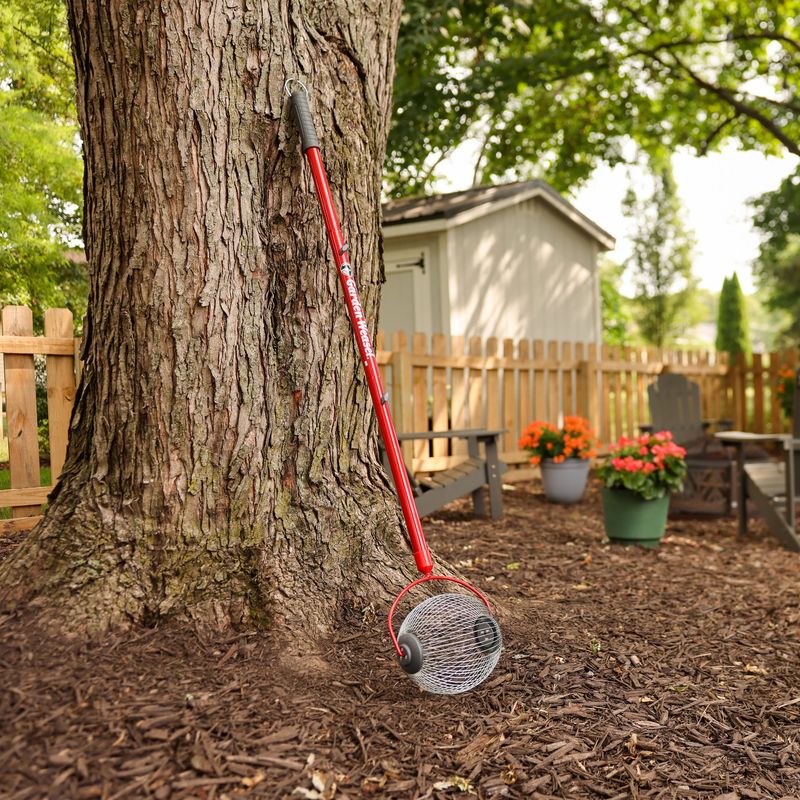
My back sends me a clear message after an hour of bending over acorns. That’s why the right tool makes such a difference.
For small yards, a stiff steel or bow rake works better than a flimsy leaf rake. Wait for dry grass, since wet acorns stick and roll less. Pull them into piles, then scoop them with a dustpan or bucket.
Bigger lawns call for a rolling nut gatherer. This wire basket on a handle rolls over acorns and traps them inside, so you can walk upright while working. Push-style lawn sweepers also handle wide, flat areas nicely.
A mower with a bagger can grab light scatterings. Raise the deck, keep blades sharp, and clear heavy patches first, because hard acorns can dull or nick blades and fly out like little stones.
Leaf blowers help herd acorns off patios and driveways. Keep the setting moderate so you don’t scatter mulch or bare soil.
Timing matters most. Picking up every week or two during peak drop keeps the job manageable instead of overwhelming. Wear safety glasses with any powered tool, and you’ll finish faster than you’d guess.
3. Thick Layers of Acorns Can Smother Patches of Grass
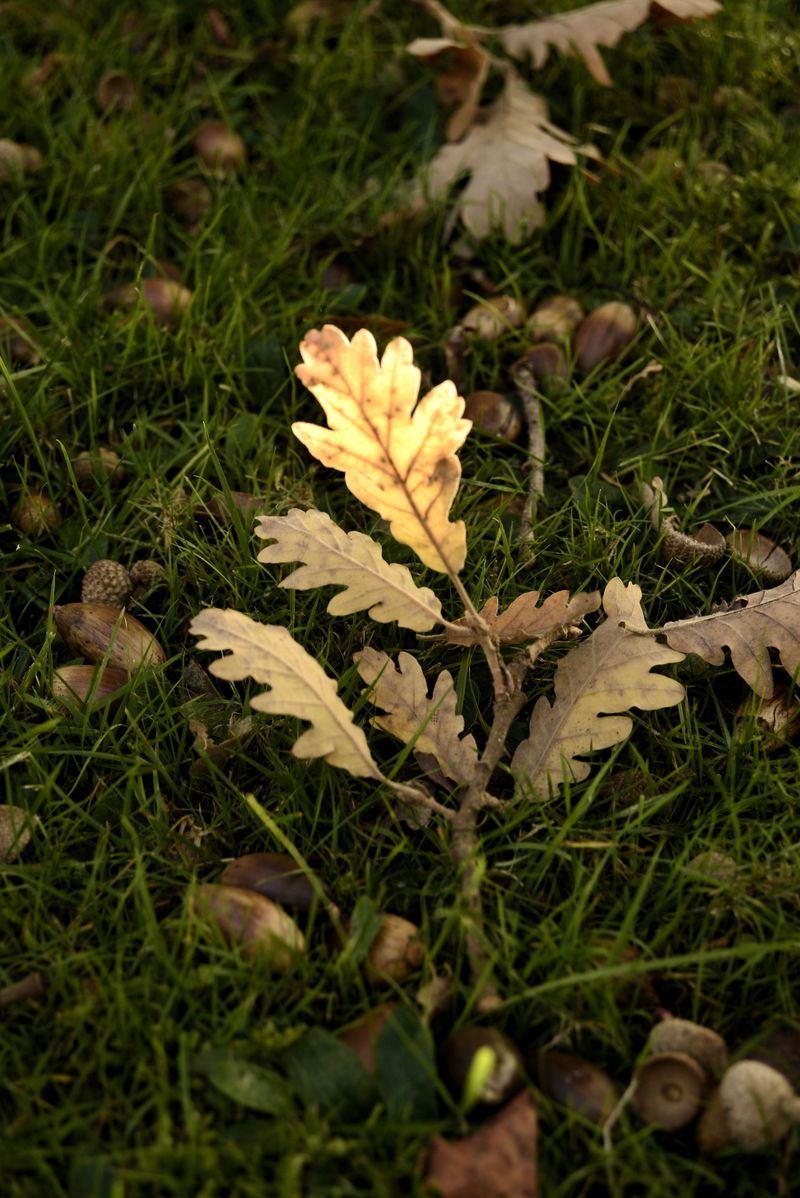
Acorns themselves aren’t poison to your grass. They’re only mildly acidic, and they won’t change your soil pH in any meaningful way as they sit there.
Trouble shows up when they pile high. A dense layer blocks sunlight and traps moisture against the blades, which can leave thin or yellow spots by spring. Add fallen oak leaves on top, and the shading gets worse.
Timing makes this more serious than it looks. Cool-season tall fescue, common in the Piedmont and mountains, does much of its growing in fall. Smothering it now cuts into the root building it needs before winter.
Warm-season grasses like bermuda and zoysia, popular in the east, are heading toward dormancy. Even so, heavy cover can still encourage mold and leave patchy areas.
Safety counts too. Rolling acorns on sidewalks and steps act like marbles, which is a real slip risk for kids and older relatives.
A simple guide works well. If you can see more acorns than grass in a spot, clear it. A light sprinkling is fine to leave for now, especially in shady corners where turf already struggles.
4. Crushed Acorns Make Great Compost Pile Material
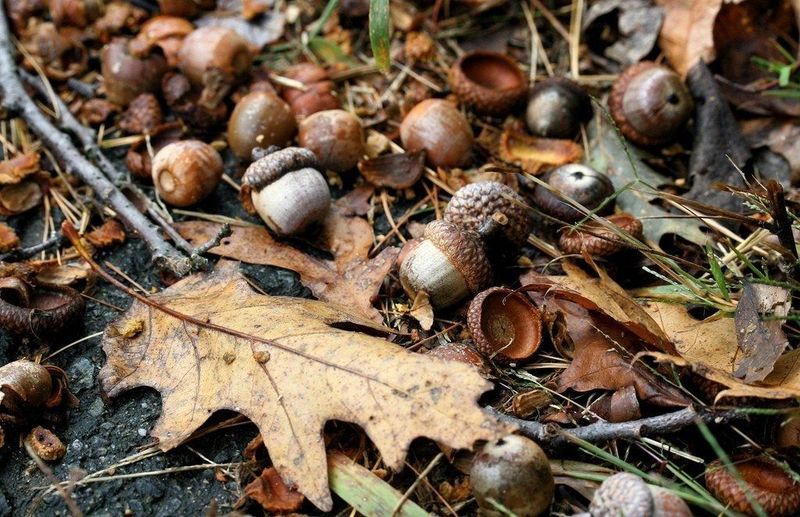
Toss whole acorns in a compost bin, and you may find them looking almost brand new months later. Their tough shells and tannins slow down decay.
A little prep fixes that. Spread them on a driveway and run over them with a car, smash them with a tamper, or bag them and hit them with a mallet. Broken pieces give microbes far more surface to work on.
Acorns count as a brown, carbon-rich material, much like dry leaves. Mix them with greens such as grass clippings, coffee grounds, and vegetable scraps. A rough balance of about three parts brown to one part green keeps a pile active.
Keep the heap about as damp as a wrung-out sponge and turn it now and then. A hot pile also helps keep whole acorns from sprouting into tiny oak trees.
Don’t overload one bin with acorns alone. Too many can slow everything down, so blend them in a little at a time.
Got more than your compost can handle? Many towns collect yard waste curbside, so check your local guidelines before bagging the extras.
5. Squirrels, Deer, and Blue Jays Count on Your Oak Crop

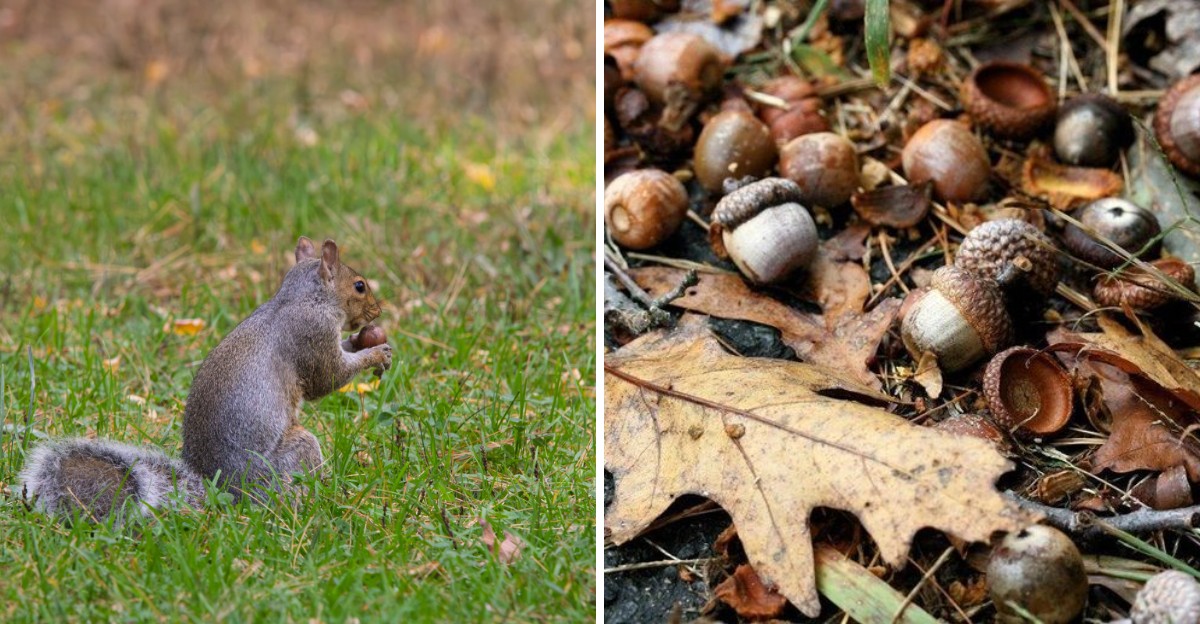
That squirrel burying acorns in your flower bed? It’s actually planting a forest, one forgotten snack at a time.
The gray squirrel is North Carolina’s official state mammal, and acorns are a big part of its diet. White-tailed deer, wild turkeys, chipmunks, raccoons, wood ducks, and black bears eat them too.
Blue jays carry acorns long distances and cache them, which helps oaks spread. Wildlife often favors white oak acorns because they hold fewer bitter tannins. Red oak acorns keep longer, so animals frequently save them for later in winter.
You can help by leaving a few acorns in a back corner or a wooded edge. That keeps the main lawn tidy while giving local critters something to eat.
Be thoughtful about feeding deer on purpose, though. North Carolina rules limit baiting in some areas and seasons, and gathering deer in one spot can spread disease. Check with the state Wildlife Resources Commission before putting out piles.
One more tip for pet owners. Acorns can upset a dog’s stomach or cause blockages, so keep a closer eye on curious pups during heavy drop weeks.
6. Tiny Oak Seedlings Will Pop Up Where Acorns Linger
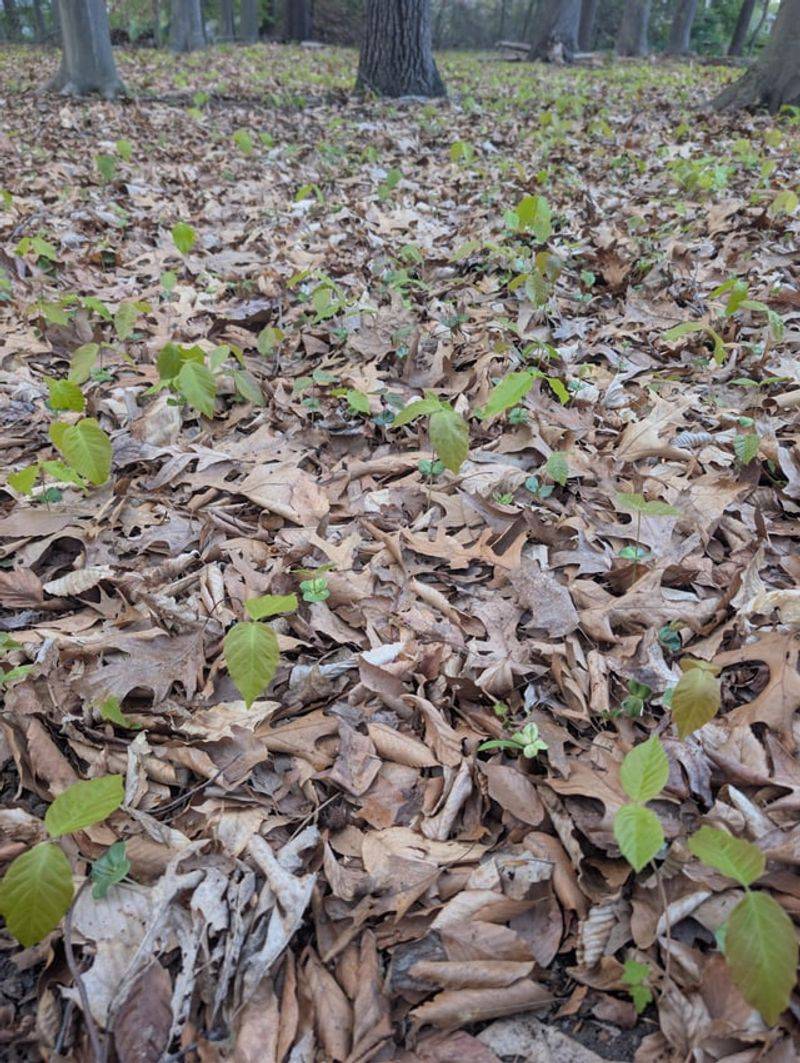
Come spring, you might spot little reddish shoots with oak-shaped leaves popping up in mulch beds and along fences. Those are acorns that got comfortable.
White oak acorns can send down a root shortly after falling in autumn. Red oak types usually wait through winter chill before sprouting. Either way, moist soil and mulch give them a cozy start.
Pulling seedlings early is easy. When they’re small, a gentle tug removes the root and leftover acorn together. Wait a season or two, and that taproot digs deep, making removal a real chore.
In the lawn, regular mowing keeps most sprouts in check. Beds need more attention, so walk them in April and May and pluck anything oak-shaped.
Thicker mulch, around two to three inches, helps reduce sprouting. Just keep it pulled back from the trunks of your shrubs and trees.
Not every seedling needs to go, either. If you have room and want a future shade tree, let one healthy sprout grow in a good spot away from your house, driveway, and power lines.
7. Fall Wreaths and Acorn Crafts Start in Your Own Yard

Free craft supplies literally rain from the sky every fall. Kids especially love hunting for the shiniest acorns with their caps still attached.
Prep keeps your projects from turning buggy. Acorn weevil larvae often hide inside, and a tiny hole in the shell is the giveaway. Rinse the keepers, dry them, then bake on a lined sheet around 175 to 200 degrees for one to two hours.
Check often so they don’t crack. Once cooled, the fun begins. Hot glue them onto a grapevine wreath, fill a glass jar for a table centerpiece, or paint caps for tiny ornaments. Caps glued back onto the nuts make them look tidy.
Some folks even process acorns into flour. Native peoples relied on them for food for thousands of years. Leaching out tannins with repeated soaking is a must, because raw acorns taste bitter and may upset your stomach.
Stick with acorns from trees you know haven’t been treated with chemicals. Collect fresh ones that fell recently, since older nuts may hold mold. A basket of gathered acorns can turn into a whole afternoon of family fun.
8. Your Mighty Oak Is Worth a Little Fall Cleanup
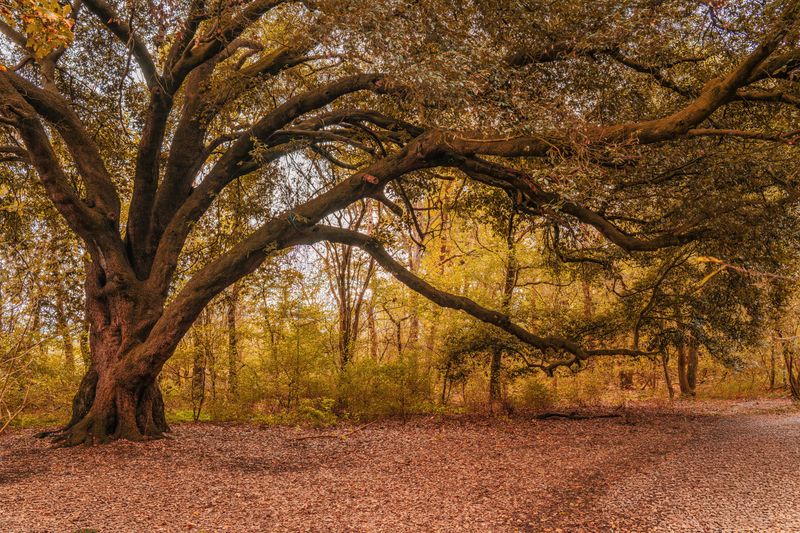
Remember why the acorns are there in the first place. A big oak shades your home, cools summer afternoons, and supports hundreds of kinds of caterpillars that feed nesting birds.
Research by entomologist Doug Tallamy ranks oaks at the top among native trees for supporting insect life. That makes your tree a quiet powerhouse in your neighborhood’s food web.
A simple yearly plan keeps everyone happy. Rake or roll up acorns every week or two from September through November. Compost or mulch some, leave a small patch for wildlife, and send the rest out with yard waste.
Watch the tree itself too. Lots of early green acorns paired with wilting leaves or dead branches may point to drought stress. Deep watering during dry spells helps, and a certified arborist can check anything that worries you.
Avoid piling soil or heavy mulch against the trunk, and keep trenching away from the root zone. Oak roots spread wide and are sensitive to damage.
A few hours of raking each fall is a small price for decades of shade. Grab a rake, enjoy the cool air, and give your oak a nod of thanks.