What Arizona Homeowners Need to Know Before Removing Grass for a Rebate
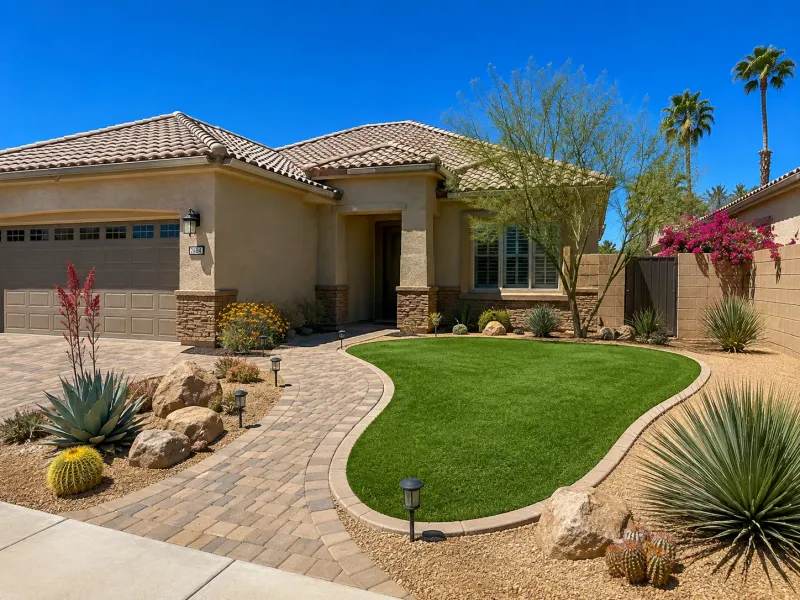
Pulling up a lawn sounds simple, but the paperwork can matter as much as the shovel. In Arizona, grass-removal incentives come from local water providers, not from one statewide program.
Rules, amounts, and deadlines differ from town to town. A little checking before you start can save you from costly surprises.
Find The Program That Applies To Your Property
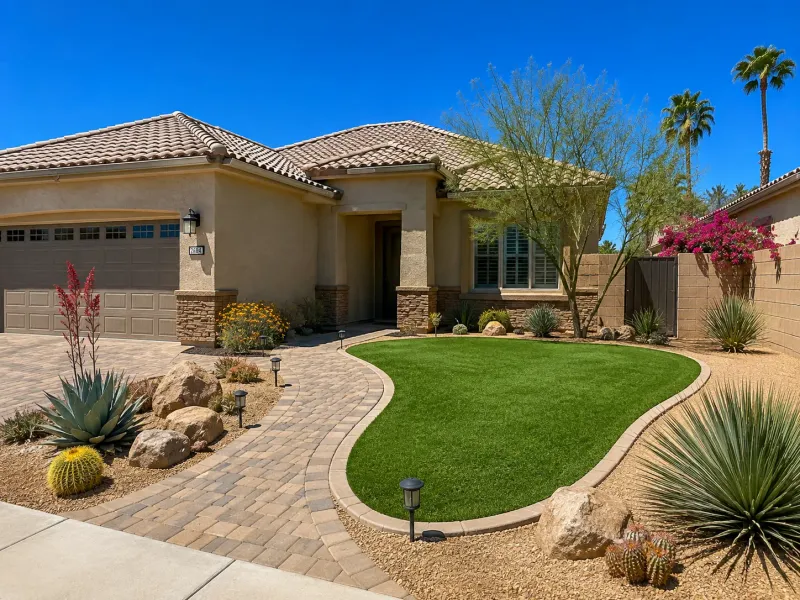
Arizona does not have one grass-removal rebate for every homeowner. Instead, University of Arizona Cooperative Extension describes turf-conversion incentives offered in several cities, and each one sets its own terms.
Start by finding out who provides your water. That might be a city utility, a private water company, or another provider.
Look at its current program page, or call its conservation office to ask whether a residential grass-removal incentive exists for your address.
Local differences can be big. Phoenix and Chandler both offer residential programs, yet their award rules, area requirements, and application steps are not the same.
Scottsdale’s rebate page shows how programs can change or close from one season to the next, so older articles and advertised amounts can be out of date.
Treat any dollar figure you see online as a starting point only. Funding, deadlines, and eligibility can shift, and the live page from your own provider is the source that counts.
Check Customer, Property, And Community Eligibility
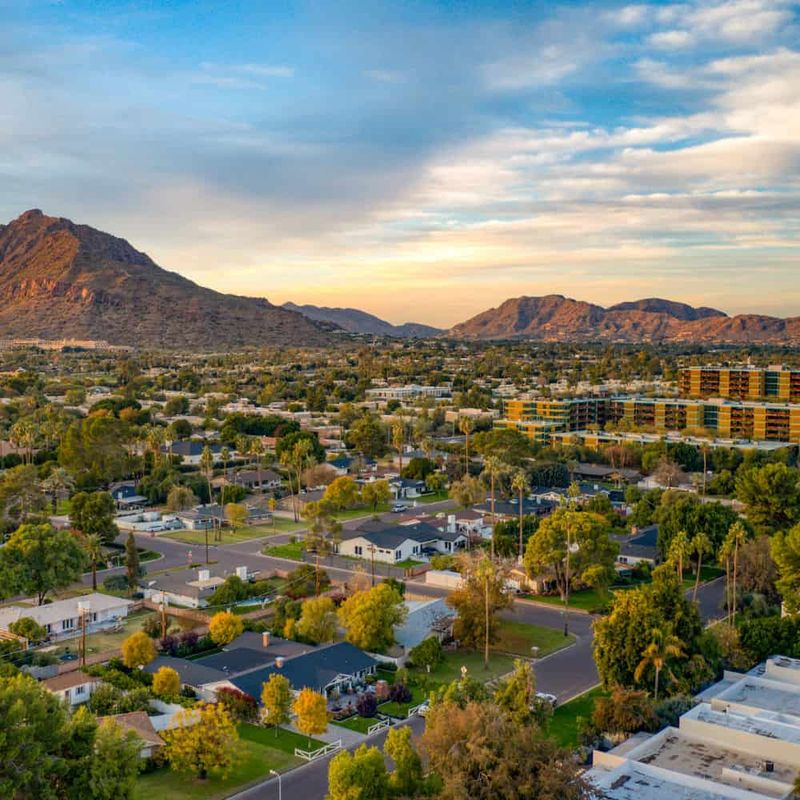
Eligibility often depends on who you are as a customer and what kind of property you own. Tucson’s current turf-removal page, for example, is for commercial, industrial, institutional, and multifamily customers.
It is not a general offer for single-family homes, and it also says it is not accepting applications for the rest of FY2026.
That example shows why a program name alone is not enough. Check whether the program is meant for single-family homeowners, and whether your property sits inside the provider’s service area.
Community rules matter too. Phoenix and Chandler both direct applicants to make sure their designs follow HOA covenants.
An incentive does not override your HOA or other local requirements, so read your covenants and ask for approval from your community if it is needed.
Confirm The Turf And Replacement Rules
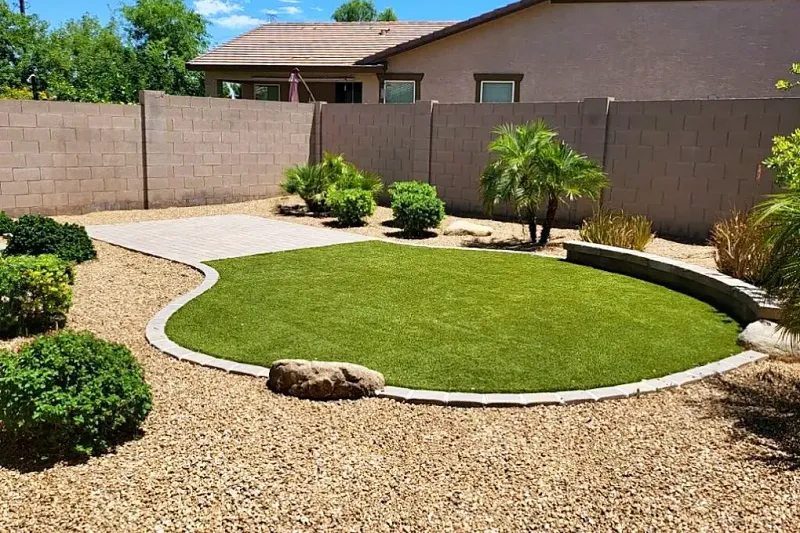
Before you assume your yard qualifies, ask how the program defines eligible grass and acceptable replacement. The details below are local examples, not statewide standards.
Phoenix lists living, healthy grass over at least 75 percent of the removal area, at least 250 square feet, and no bare soil afterward.
Chandler’s policy generally calls for at least 500 square feet of living grass and approved low-water-use planting. It sets mature-plant-coverage requirements and excludes artificial turf.
Tempe’s terms call for at least 30 percent expected mature plant coverage for the full-area rebate.
Notice how the same questions get different answers. Ask your provider how it defines healthy turf, how it measures area, which plants count, and whether gravel, artificial turf, or bare ground is allowed.
Get Required Approval Before Removing Grass
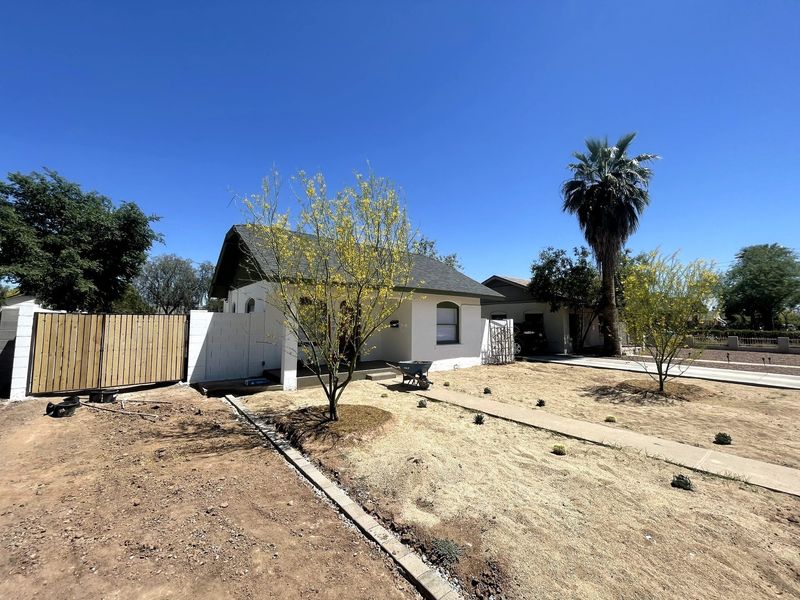
The order of steps matters. Apply first, wait for any required approval or Notice to Proceed, and only then start removing grass.
Phoenix requires approval and a Notice to Proceed before removal. Chandler requires a pre-removal application and says completed work is not eligible retroactively.
Tempe’s program also calls for project pre-approval, as described on its grass removal page.
Paperwork and approval steps differ from program to program. Whatever your provider calls its approval, ask for written confirmation that your project is authorized.
A written record is not always a formal requirement, but it is a smart safeguard if questions come up later.
If a contractor offers to start right away, ask them to wait until you have that confirmation in hand.
Plan The Replacement Landscape And Protect What Stays
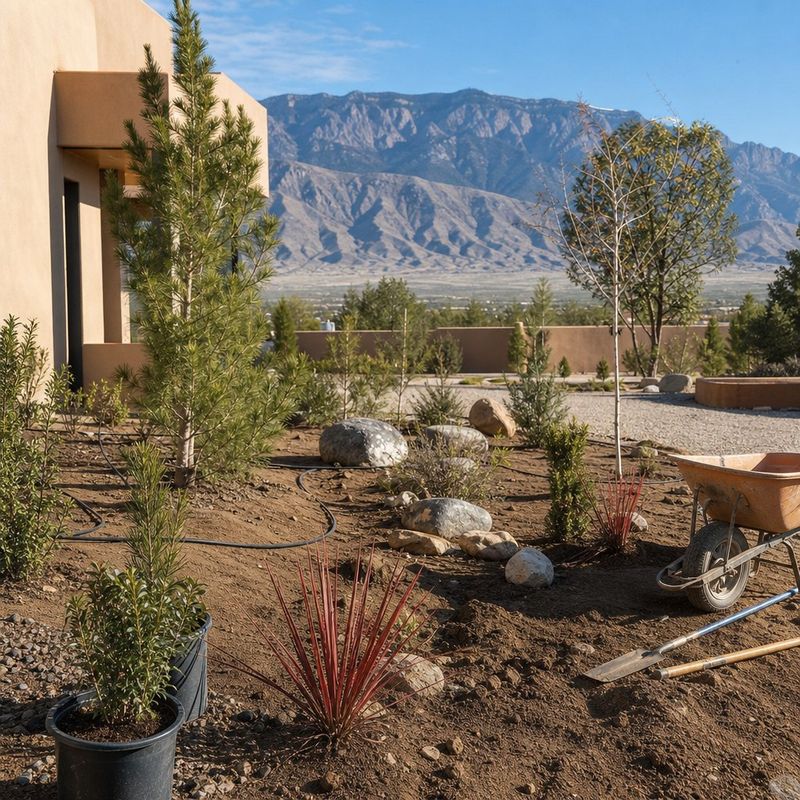
Design the new landscape first, then remove the turf. University of Arizona Cooperative Extension recommends planning the replacement before work begins, keeping irrigation going for trees and other plants that remain, and protecting existing tree root zones during and after construction.
This matters because trees may share water with the lawn. Cutting off that irrigation by accident can stress plants you want to keep.
There are tradeoffs to consider as well. Extension notes that dense turf can cool the surface and hold soil in place, so lower-density cover may bring more erosion risk and nutrient runoff in some yards.
That is a possible concern, not a sure result.
Tie your plan to your program’s rules, since planting and coverage requirements vary. One design will not fit every yard.
Prepare Documents And Track Deadlines
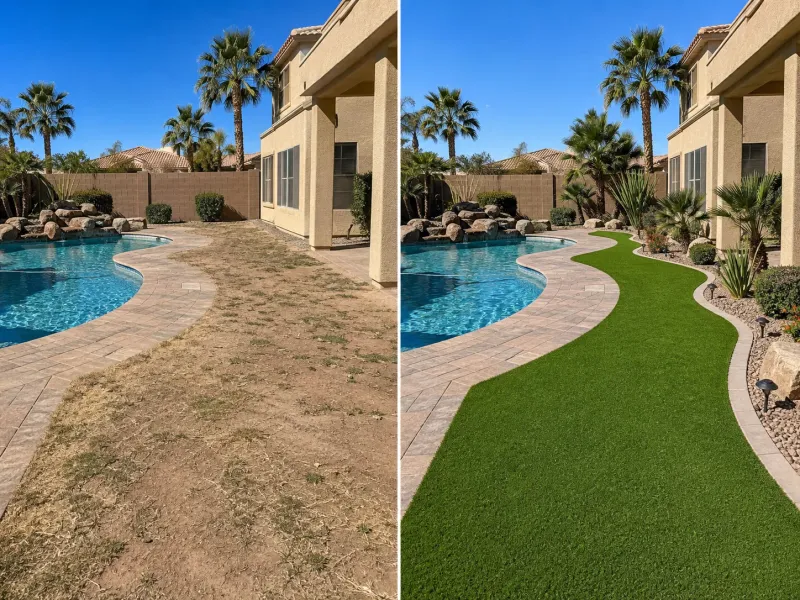
Programs often want records, so gather them early. Phoenix asks for an area map or aerial image, estimated square footage, a project description, and before and after photos.
Chandler requires before-and-after documentation and may inspect the site.
Take clear photos of the whole yard before any work starts, and save every approval message. Keep receipts for plants and materials in one folder.
Deadlines vary too. Phoenix gives approved applicants six months to finish, but that is a city-specific example.
Before you spend money, ask your program which measurements and documents it accepts, whether an inspection is part of the process, and what your completion deadline is.
Budget For Costs, Funding Limits, And Payment Conditions
A rebate is not a free makeover. It will not necessarily cover the full project cost, and it does not pay upfront.
Chandler caps its award at $2,000, bases it on eligible area and replacement landscaping, and says awards depend on available funds on a first-come, first-served basis. Phoenix describes a per-square-foot incentive and requires post-project review before payment.
Those are local examples, not promises. Funding can run out, and programs can change or close, as Scottsdale’s rebate page illustrates.
Get contractor quotes, add up plants, materials, and irrigation changes, and compare that total with any possible incentive. Then confirm current funding and payment conditions before you commit.
Treat Water Savings As Yard-Specific
Your savings depend on your own yard. They hinge on the grass you have now, how it is watered, what you plant, and how you manage the new landscape.
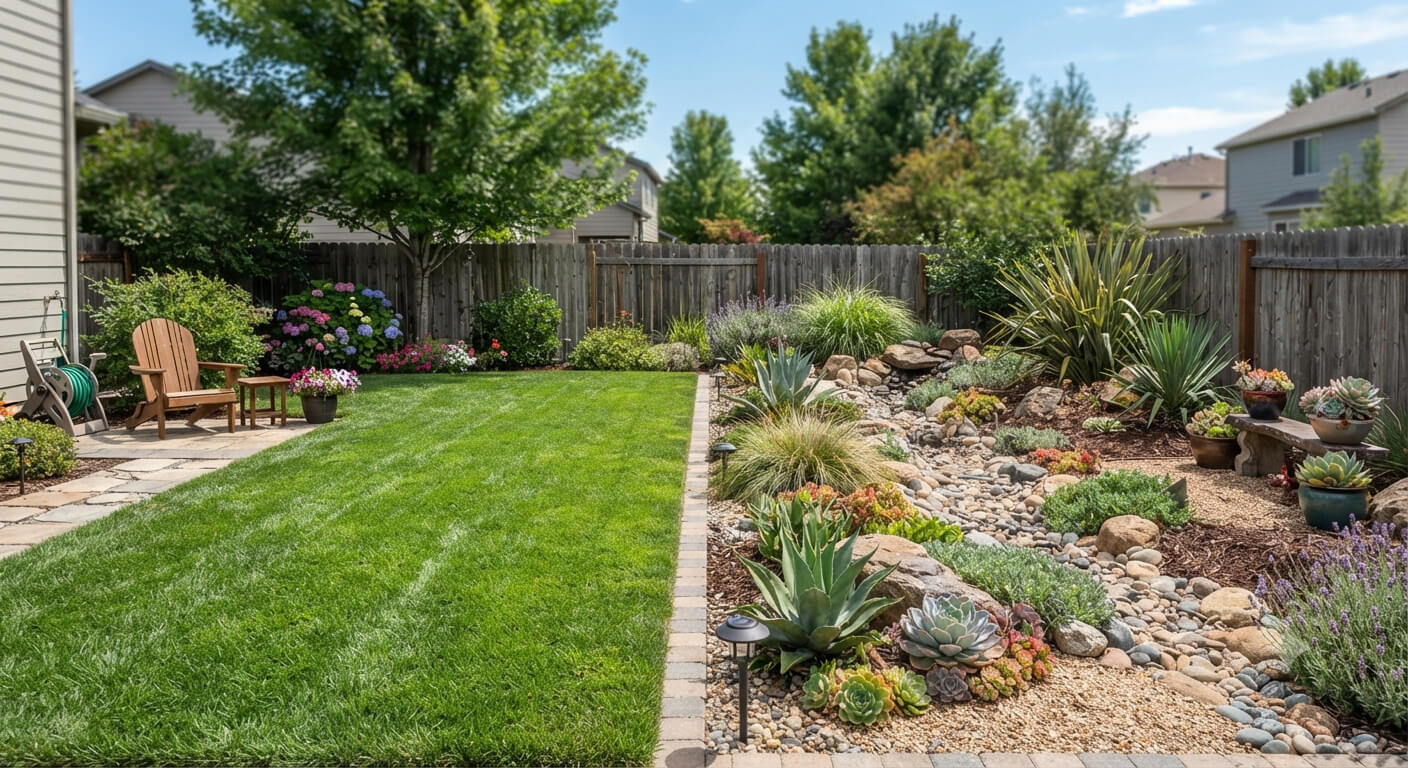
For a sense of scale, University of Arizona Cooperative Extension compares more than 55 inches of annual irrigation for Bermuda grass with winter overseeding to less than 18 inches for an average xeriscape in the Arizona low desert.
That comparison is a general picture, not a forecast for any one home. It also does not promise a particular drop in your water bill.
New plants need water while they establish, and irrigation settings may need adjusting over time. Check your past bills and irrigation schedule so you know your starting point.
Start With Your Water Provider
Call or visit your water provider’s site before you touch the lawn. The Arizona Department of Water Resources offers water-efficiency resources that can point you in the right direction.
Verify current eligibility and replacement rules, then get any required approval, such as the Notice to Proceed Phoenix uses. Not every homeowner will qualify.
One phone call is cheaper than a redo.