This Sneaky Little Hunter Showing Up in Your Michigan Yard Means More Than You Think
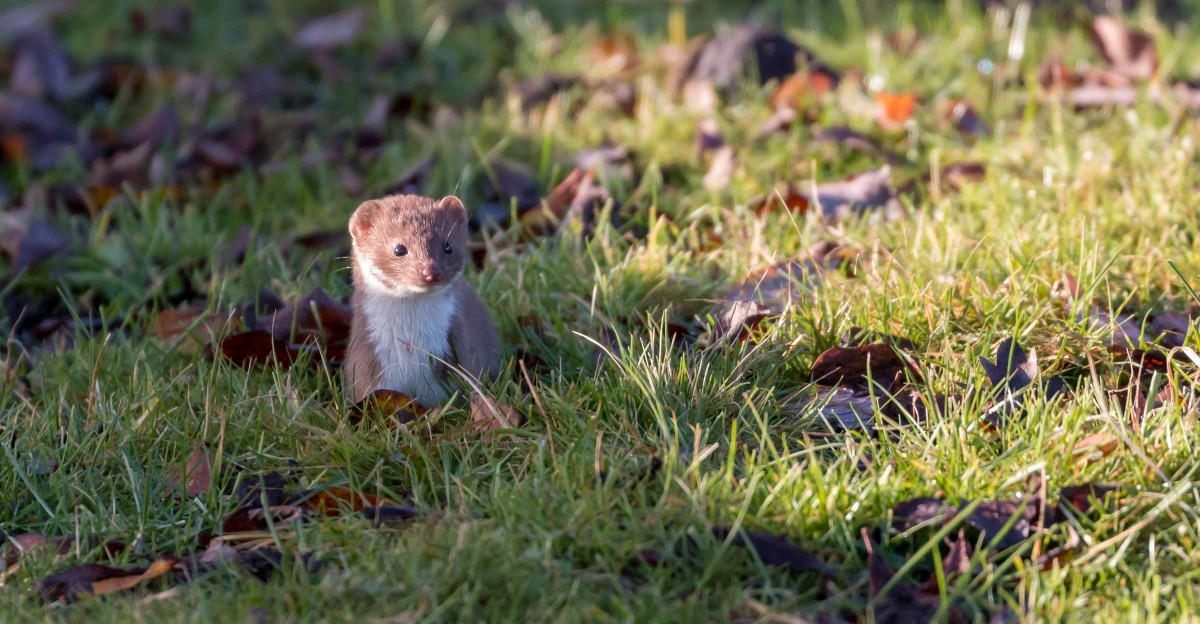
A hunter smaller than a chipmunk can chase a mouse straight down its own tunnel. Some of these slim critters squeeze through gaps about one inch wide, which still amazes me every time I read it.
Personally, I love a yard that hums with life. Still, I never expected one of the tiniest meat eaters in Michigan to be hiding near my woodpile, slipping between logs like a ribbon of fur.
This animal eats a huge share of its own body weight every single day. That means it rarely sits still, and it sometimes changes color when the snow arrives.
You might catch only a flash of brown and white near your shed or stone wall. So what is that blur actually telling you about the rest of your garden? I think the answer says more about your yard than you’d guess.
1. That Flash Of Fur Near Your Woodpile Is Following A Trail
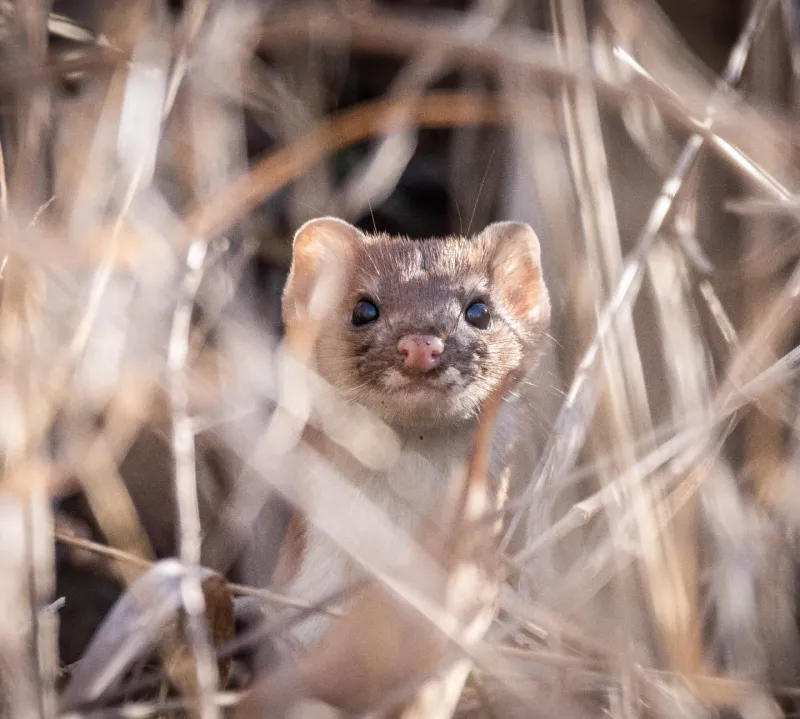
Weasels go where the food goes. A sighting near your woodpile, shed, or rock wall usually points to one thing: small rodents are living close by.
Michigan has three kinds of weasels. The least weasel is the smallest meat eater in the state, the short-tailed weasel is also called the ermine, and the long-tailed weasel is the biggest of the trio. All three hunt mice, voles, and similar prey.
These animals burn energy fast. Researchers note that a weasel often needs to eat a large share of its body weight daily, sometimes close to half for the tiniest ones.
That kind of appetite means a weasel can’t afford to hang around a yard with empty pantries. So when one shows up, I take it as a quiet report card. Your lawn edges, compost area, or garden beds are likely supporting a healthy crowd of mice or voles.
You don’t need to panic about that. Rodents are common in nearly every yard with plants and cover. Still, the visit gives you a useful clue.
Check under decks, around bird feeders, and near stored seed or pet food for chewed bags or small droppings. A weasel has basically pointed a tiny paw at the spot where your rodent activity is highest, and you can use that tip to tidy things up.
2. Your Vegetable Garden Has A Free Mouse And Vole Patrol
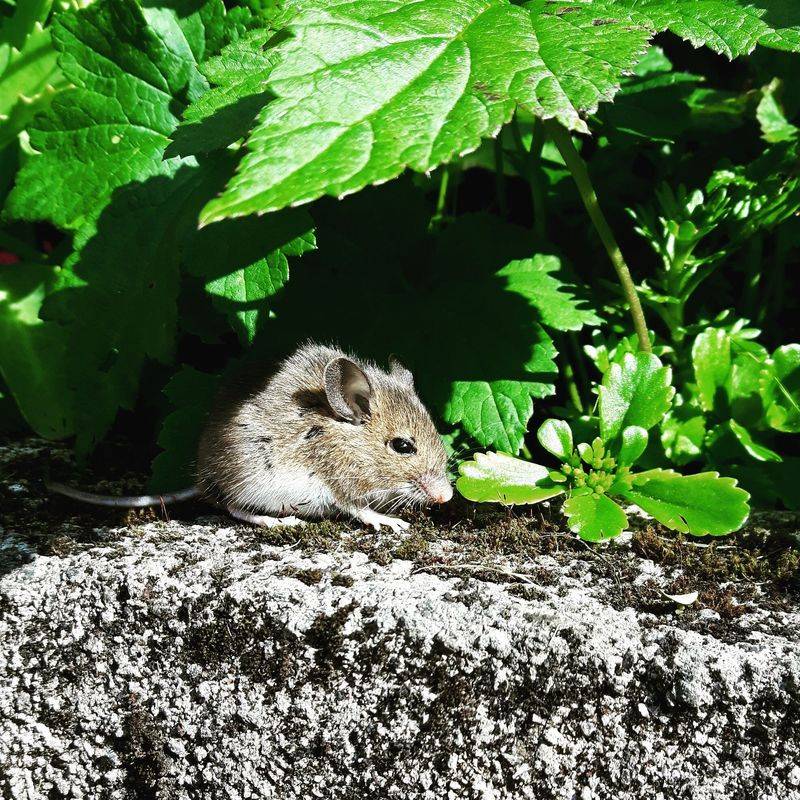
Gardeners, rejoice a little. Weasels are true carnivores, so they won’t nibble your tomatoes, strawberries, or sweet corn.
Instead, they target the critters that do cause trouble. Voles chew roots and bulbs, mice raid stored seeds, and chipmunks dig up fresh plantings. Long-tailed weasels can even take young rabbits, which might save your bean rows.
I find their hunting style fascinating. A weasel’s long, narrow body lets it follow voles right into their runways and burrows, places where hawks and cats can’t reach.
That makes them extra helpful in winter. Voles often tunnel under snow and gnaw the bark of young fruit trees and shrubs, and weasels keep hunting through the cold months because they don’t hibernate.
You can welcome this free help without inviting chaos. Leave a brush pile or rock pile at the far edge of your property, away from any chickens or pet hutches.
Skip rodent poisons if you can. Those baits can move up the food chain and harm predators like weasels, owls, and hawks that eat poisoned prey.
Snap traps placed in covered boxes, good sanitation, and natural predators make a smart team. Your veggies get fewer bite marks, and the little hunter keeps earning its keep.
3. Backyard Chickens Need A Closer Look When Weasels Move In
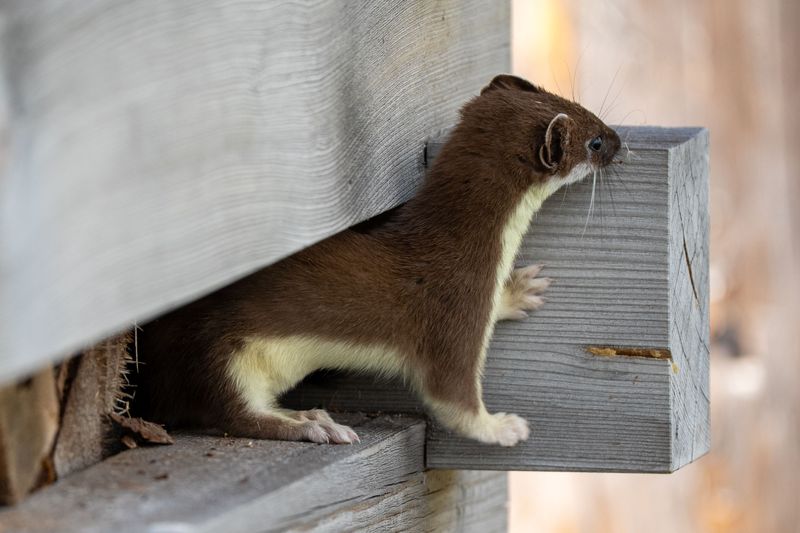
Ask any longtime chicken keeper about weasels, and you may get a groan. These hunters are bold, quick, and surprisingly strong for their size.
A weasel can slip into a coop through a gap of about an inch. Once inside, it may take several birds in one night and stash extra food near its den. Missing eggs, scattered feathers, and bites around the head or neck are common signs.
Even without an attack, a weasel lurking nearby can stress your flock. Nervous hens sometimes lay fewer eggs, so a sudden drop in your egg basket deserves attention.
Ducks, pet rabbits, and other small animals kept outdoors face similar risks. I’d treat any weasel sighting as a reason to inspect every enclosure that same day.
Walk around the coop with a flashlight at dusk. Look for loose boards, gaps under doors, vent holes, and spots where the ground dips below the fence line.
Lock birds in a secure house each night, since weasels hunt both day and night. A sturdy latch matters too, because a sloppy door is an open invitation.
Collect eggs daily so there’s less to tempt a visitor. Small steps like these protect your flock while letting the weasel focus on rodents instead.
4. Hardware Cloth Beats Chicken Wire Every Time Against Weasels
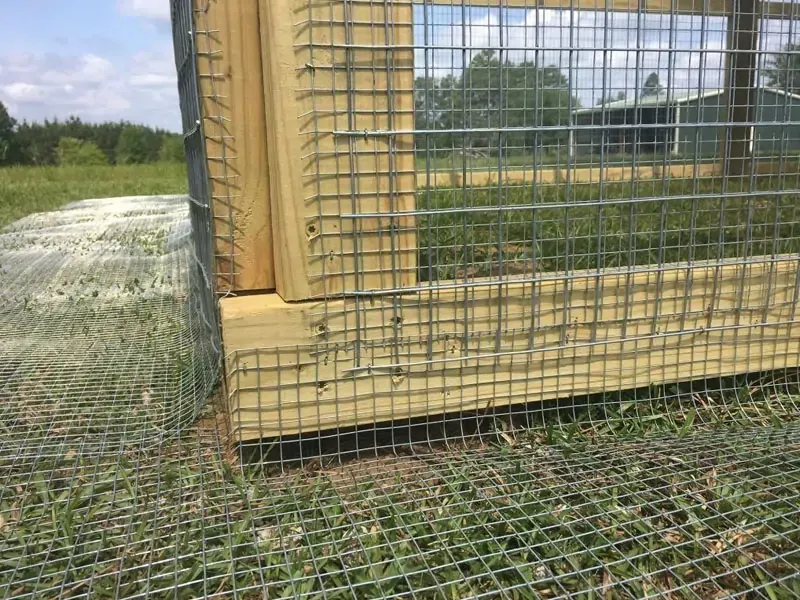
Chicken wire keeps chickens in. Sadly, it does a poor job keeping weasels out. The hexagon openings are often large enough for a slim weasel to squeeze through, and the thin wire can be pulled loose.
Wildlife experts recommend galvanized hardware cloth with 1/4-inch or 1/2-inch openings instead. Cover every window, vent, and gap larger than about an inch. Use screws with washers rather than staples, because staples can pop free over time.
Diggers are another concern. Bury the hardware cloth at least 12 inches deep, or lay an apron of mesh flat on the ground and bend it outward from the base of the run. A weasel that tries to tunnel hits wire and gives up.
Don’t forget the roof of the run. Weasels are agile climbers, and an open top leaves a simple path inside.
I like doing a full check twice a year, once in spring and once before Michigan winter settles in. Frost heave, rot, and curious raccoons can loosen panels without you noticing.
Hardware cloth costs more up front. Personally, I think it’s the best money a backyard flock owner can spend, since it also blocks rats, mink, and snakes.
5. Tiny Five-Toed Tracks And Musky Scents Give Weasels Away
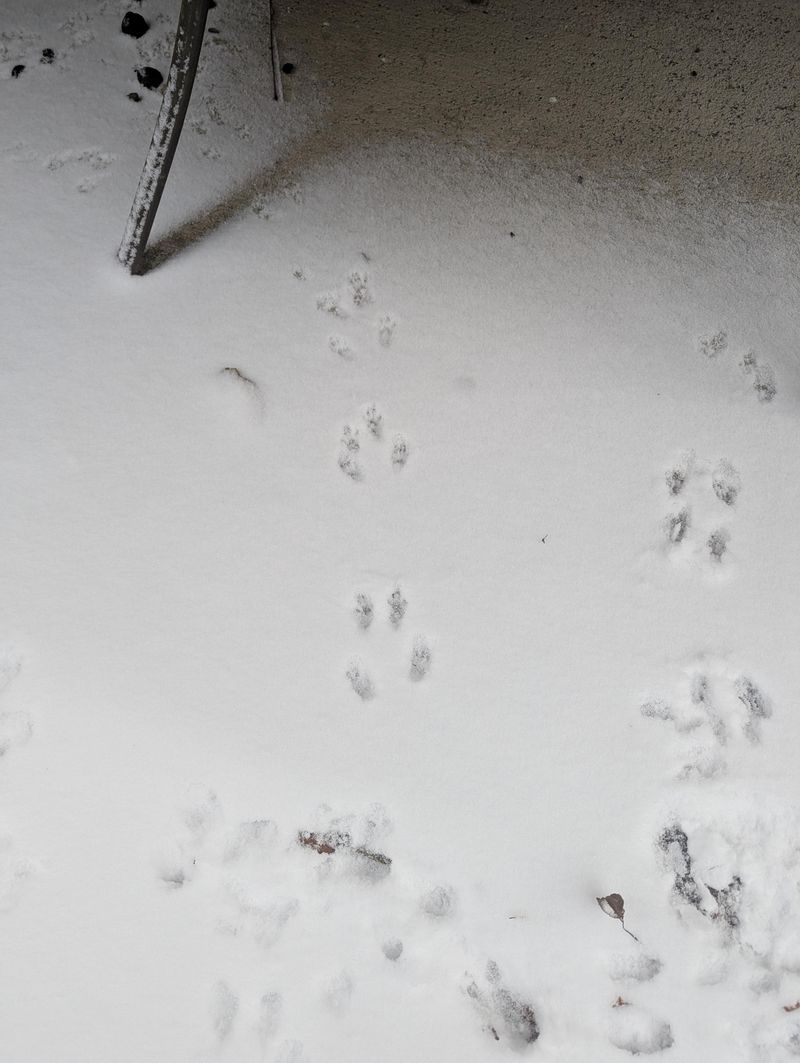
Fresh snow turns your yard into a storybook. Weasel tracks often show up as small, paired prints in a bounding pattern, wandering back and forth as the animal searches for rodents.
Each foot has five toes with claws, though not every toe shows clearly. The trail may disappear into a brush pile or snowbank, then pop up several feet away where the weasel tunneled through.
Scat offers another clue. Weasel droppings are thin, long, and dark, and they often contain bits of fur or bone. You’ll sometimes spot them on logs, rocks, or other raised spots.
Your nose can help too. Weasels release a musky smell, a bit like a mild skunk, especially when frightened or cornered.
Here’s a fun detail for winter walks. Short-tailed and long-tailed weasels in much of Michigan turn white in cold months, keeping a black tail tip, while summer coats are brown above and pale below.
Try setting up a trail camera near a woodpile or stone wall. Many folks are surprised to learn a weasel has been visiting for weeks.
Knowing the signs keeps you from blaming the wrong animal. Mink, skunks, and raccoons leave very different clues.
6. Rock Piles, Sheds, And Old Burrows Make Cozy Weasel Dens
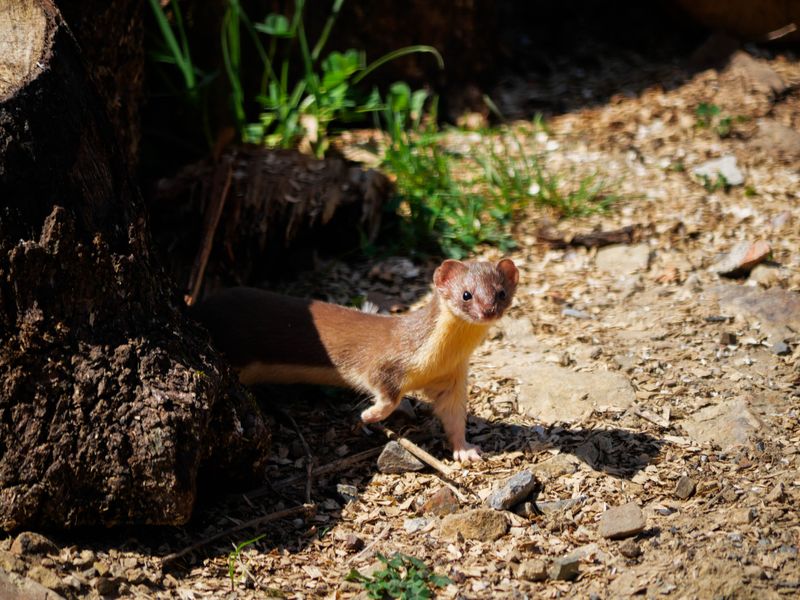
Weasels are not fussy builders. Rather than digging fancy homes, they often move into spaces someone else made.
Common den spots include hollow logs, rock piles, stone walls, and the space under sheds or barns. Abandoned burrows of chipmunks, mice, or other small mammals are favorites, and a weasel may line its nest with fur from past meals.
Thick vegetation and clutter give them safe travel lanes. Tall grass along a fence or a heap of old lumber feels like a protected highway to a small predator worried about hawks and foxes.
Whether you want those features depends on your yard. If you don’t keep poultry, a rock pile at the back of the lot can host a helpful rodent hunter.
If you do have chickens or outdoor rabbits, move that clutter far away from their enclosures. Trim grass and brush around coops so nothing can sneak up unseen.
Seal gaps under sheds with hardware cloth buried a few inches into the soil. That step also blocks skunks and woodchucks from setting up shop.
I like thinking of yard design as a set of choices. You decide where wild visitors feel welcome, and where they simply move along.
7. Michigan Law Lets Landowners Manage Problem Weasels Year-Round
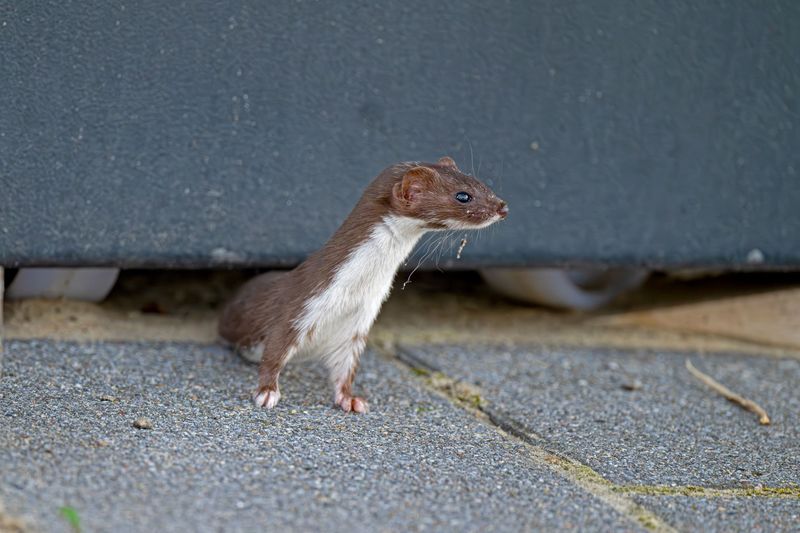
Legal questions pop up quickly after a coop raid. In Michigan, weasels are classified as furbearers with a year-round harvest season, according to state wildlife rules.
Landowners or their designees can also take weasels year-round on private property when the animals are causing damage or are about to.
Local ordinances can still limit things like discharging firearms or using certain traps in town, so check with your city or township first.
Honestly, removal should rarely be the first move. If the food source and easy access stay in place, another weasel may simply show up later.
Securing pens, cutting back cover, and reducing rodents solve the root problem. Those steps protect animals without relying on constant trapping.
If you still need help, licensed nuisance wildlife control operators work across the state. They know local regulations, humane methods, and where relocation is or isn’t allowed.
Leave young weasels alone if you find a den in spring. Kits stay with their mother for several weeks, and the family usually moves on once the young can hunt.
Keep pets and kids away from any cornered weasel. They are tough little animals and will bite if grabbed, so give them room and a clear escape route.
8. A Weasel Visitor Hints Your Backyard Ecosystem Is Working
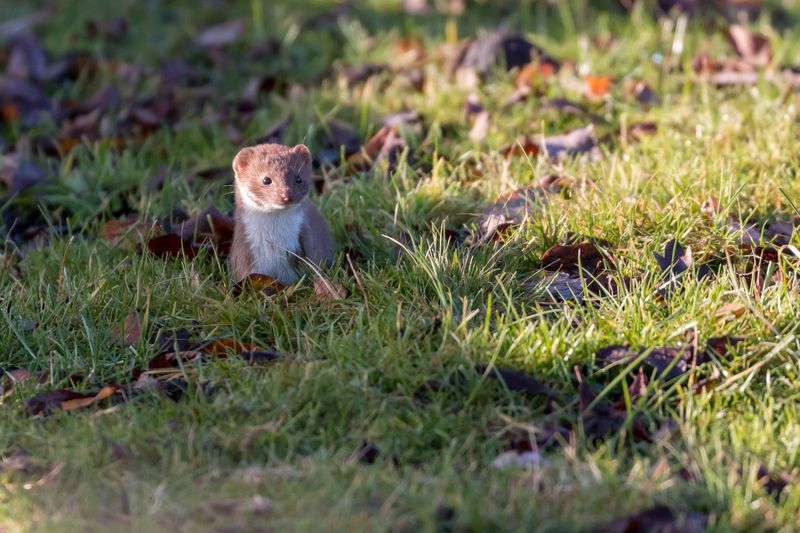
Let me share my favorite way to view these visitors. A weasel in the yard is a sign of a working food web, from seeds to rodents to predators.
Predators can’t stick around without prey, and prey can’t thrive without plants and cover. Seeing a weasel means your yard is part of something bigger than a neat lawn.
You can keep that balance tilted in your favor. Store birdseed, pet food, and grain in metal or heavy plastic bins with tight lids. Clean up spilled seed under feeders, and keep compost in closed containers.
Native plants like goldenrod, asters, and coneflowers feed pollinators and birds. Place dense plantings away from coops, while keeping open lawn or gravel near your animal pens.
Watch from a distance and enjoy the show. A weasel standing tall on its hind legs to scan the yard is one of the cutest sights a gardener can catch.
Write down when and where you spot it. Patterns over a few weeks tell you which areas need tidying and which spots are doing their job.
So next time that slender hunter darts past, smile a bit. Your garden just got a tiny, hardworking ally, as long as the hens stay locked up tight.