Before You Buy A Maryland Christmas Tree This Year, Know The Popular Freshness Trick Doesn’t Work
Researchers have tested aspirin, sugar, bleach, and even soda in Christmas tree water. The winner kept turning out to be plain old tap water.
Not going to lie, that one stung a little. I used to stir a secret mix into my tree stand every December, feeling like a holiday chemist. My Maryland living room smelled great, but my tree still dropped needles all over the rug by New Year’s.
Truth is, a cut evergreen is a thirsty, simple creature. It wants a fresh cut, steady water, and a cool spot away from the heat vent. Fancy recipes add nothing it truly needs.
So why do so many of us keep pouring in mystery potions year after year? Maybe the real tricks feel too easy to trust. Once you see how a tree actually drinks, you may wonder why you ever bothered with that pantry concoction.
That Aspirin And Sugar Mix In Your Tree Stand Is Doing Nothing
Grandma’s recipe card might say two aspirin and a spoonful of sugar. Plenty of us followed that advice for years without asking a single question.
Researchers did ask, though. Studies from university forestry programs and the National Christmas Tree Association found that additives like aspirin, sugar, corn syrup, bleach, and lemon-lime soda do not help a cut tree stay fresh longer. Plain tap water performed as well or better in test after test.
Some mixtures can even backfire. Certain additives have been linked to faster needle loss or reduced water uptake, which is the exact opposite of what you want. Commercial preservatives get mixed reviews too, so they are rarely worth the extra cash.
Why do the myths stick around? A tree that started out fresh and got lots of water looks great, and people credit the potion instead of the care. That is an easy mistake to make.
So save your aspirin for holiday headaches. Your evergreen does not need sweeteners or medicine to stay green.
The things that truly matter are freshness at purchase, a clean cut, a roomy stand, and a cool location. Each of those gets its own spotlight below, because together they do the heavy lifting.
Give The Fir Branches A Gentle Tug At The Tree Lot

Shopping smart beats any home remedy, hands down. A tree that was cut weeks ago and left in the sun will struggle no matter what you pour in the stand.
Start with the needle test. Grab a branch lightly between your thumb and finger and slide toward you. Only a few needles should come loose.
Next, lift the tree a few inches and tap the trunk on the ground. Some brown inner needles falling out is normal, but a rain of green ones means the tree is drying.
Fir needles should bend without snapping, and the color should look rich, not dull or grayish. A fresh tree also feels heavy for its size because it still holds moisture.
Here in Maryland, you have a great option for freshness. The Maryland Christmas Tree Association lists choose-and-cut farms across the state, where you can pick a living tree and watch it get cut that day. Popular local choices include Fraser fir, Douglas fir, Canaan fir, and white pine.
If you buy from a parking lot instead, ask when the trees arrived. Lots that keep trees shaded and standing in water usually offer better picks.
A Fresh Saw Cut On The Trunk Opens Up The Water Pipes
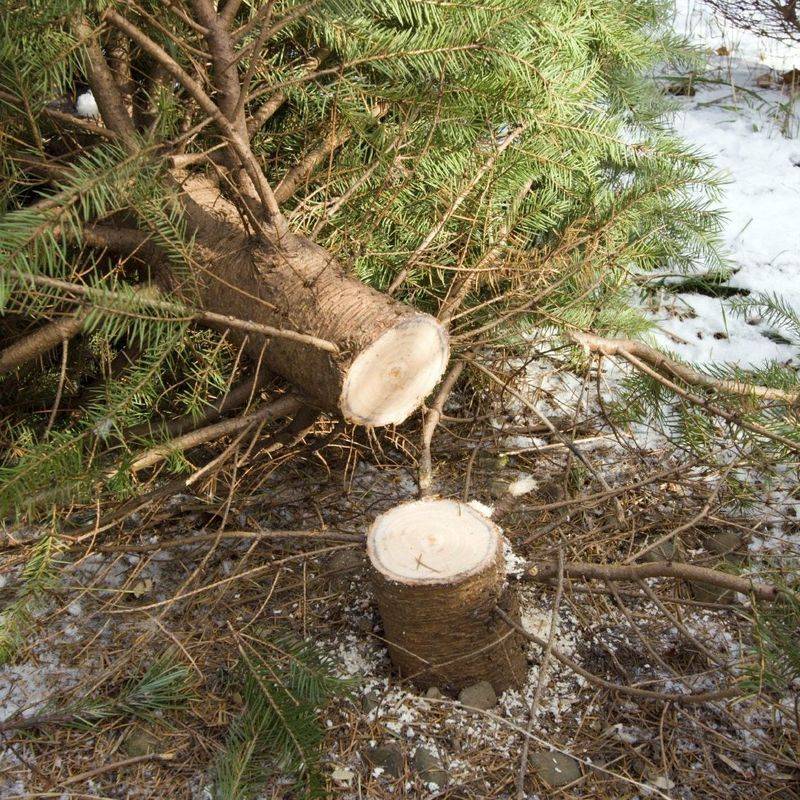
I learned this one the hard way, with a tree that barely drank all season. Within hours of being cut, sap starts sealing the wood at the base of the trunk, and that seal blocks water.
The fix is simple. Before the tree goes in its stand, saw off about half an inch to an inch straight across the bottom. Many tree lots will do this for you on the spot.
Keep the cut flat, not angled or pointed. A V-shaped end looks clever but gives the tree less surface to drink from and makes it wobble in the stand.
Also skip shaving bark off the sides to squeeze the trunk into a small holder. The outer layers of wood carry the most water, so trimming them works against you.
Timing counts too. Try to get the freshly cut trunk into water within a few hours, and sooner is better. If you will not set it up right away, store the tree in a bucket of water in a cool garage or shaded porch.
Drilling holes in the trunk is another old trick. Research shows it does not improve water uptake, so you can skip that chore.
A Tiny Tree Stand Will Leave Your Evergreen Parched
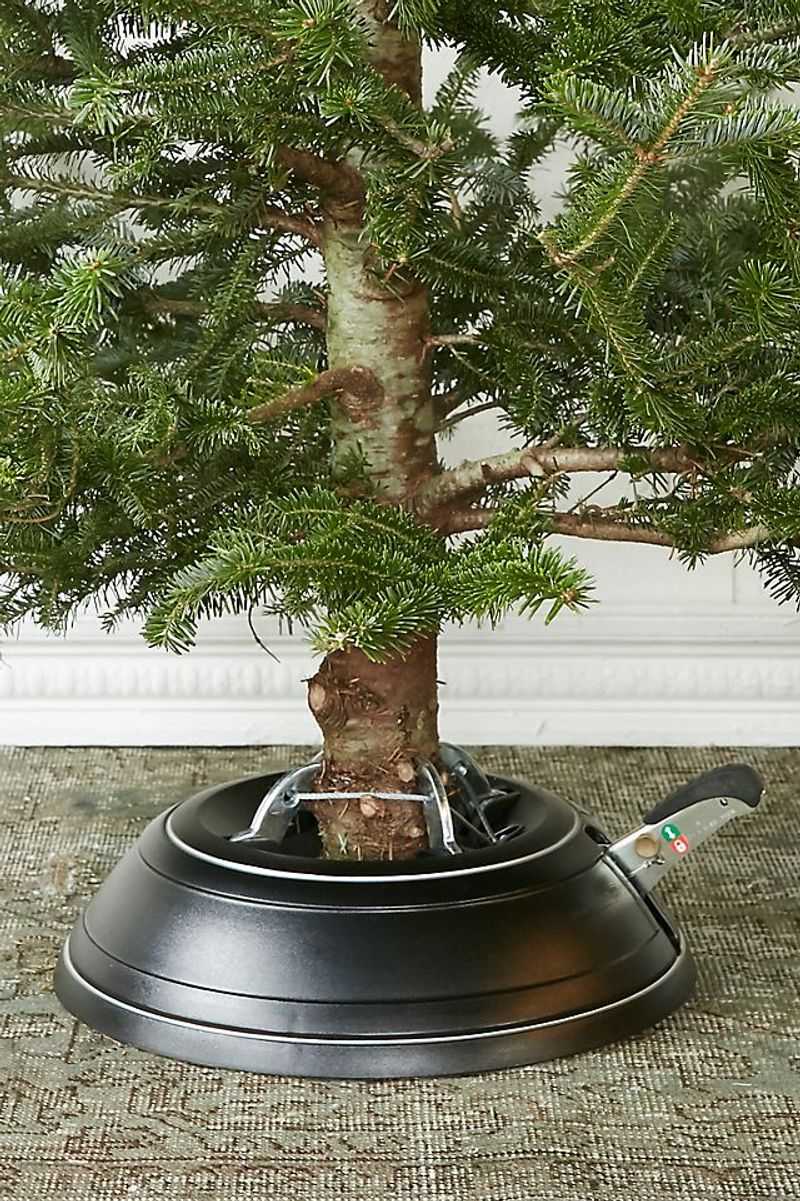
Cute stands are tempting, but small reservoirs are a quiet trap. A fresh tree can gulp a gallon of water or more in its first day indoors.
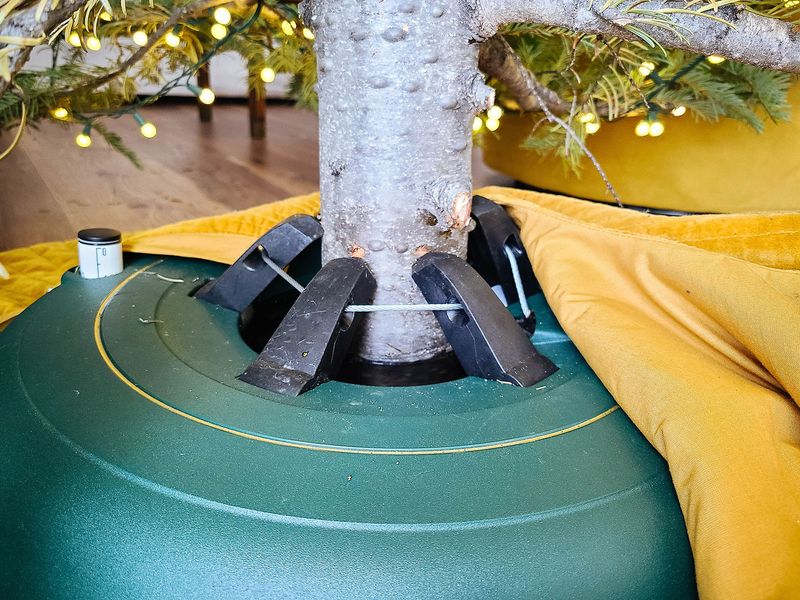
Experts often suggest a stand that holds about one quart of water for every inch of trunk width. A trunk that measures four inches across, for example, needs roughly a gallon of space.
Once the tree is up, check the water every day. For the first week, a morning and evening peek is smart, since thirst runs highest early on.
Keep the water level above the base of the trunk at all times. Keep the water level above the base of the trunk at all times so the tree never runs dry.
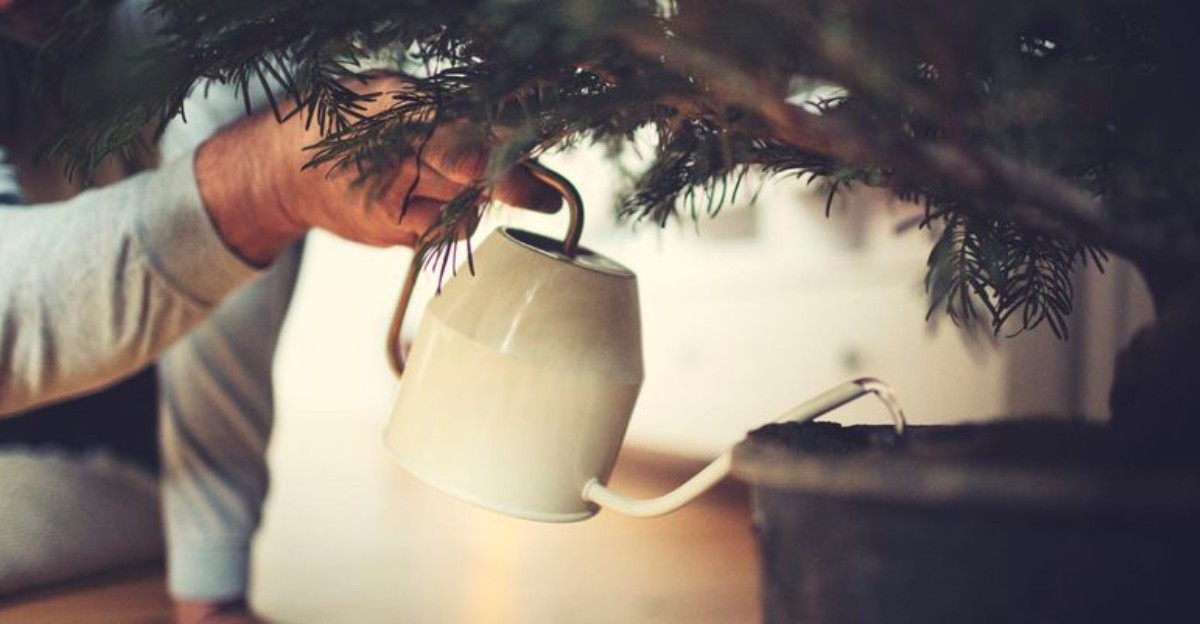
A long-spout watering can makes refills easier under low branches. Some families use a funnel and tube setup so nobody has to crawl around ornaments.
Kids love being the official tree waterer, too. Giving them a daily job keeps the stand full and makes the chore feel festive.
Fun fact: a well-watered tree can drink steadily for weeks. That steady drinking is what keeps the needles soft and fragrant.
Warm Water Or Cold Water In The Tree Stand Barely Matters
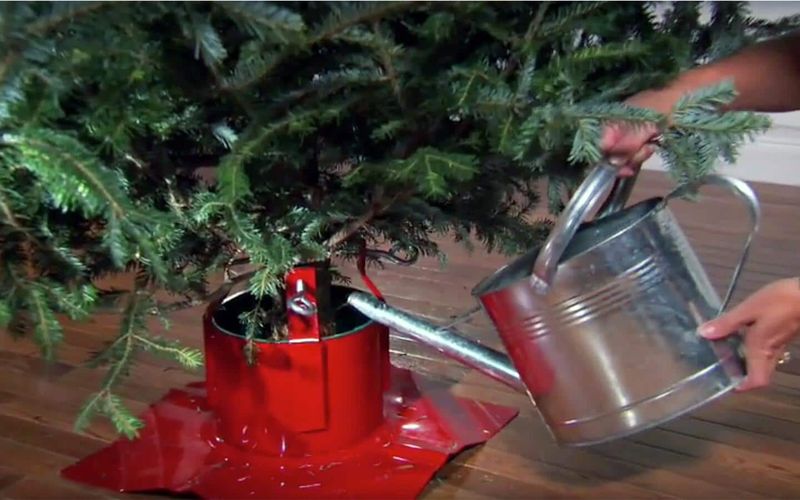
Ever heard that hot water helps a tree drink faster? It sounds logical, like warm tea soothing a sore throat.
Research and extension experts say water temperature does not make a meaningful difference. Room-temperature tap water, cool water, and warm water all work about the same once the trunk has a fresh cut.
Some people suggest very hot water to melt the sap seal. A fresh saw cut handles that job much more reliably, so there is no reason to boil a kettle.
Distilled or filtered water is also unnecessary. Ordinary tap water from your kitchen sink is perfectly fine for nearly every home.
What really counts is consistency. A tree with a steady supply of plain water will outlast a tree that gets pampered one day and forgotten the next.
Honestly, this was a relief for me. I used to fuss over the faucet like I was mixing baby formula.
Now I fill a jug, pour, and move on with my evening. That simple habit gives the tree what it wants and frees me up for cookies and wrapping paper.
Keep That Christmas Tree Far From The Fireplace And Heat Vents

Nothing beats a tree glowing beside a crackling fire, at least on a greeting card. In real life, that cozy spot speeds up drying fast.
Fireplaces, wood stoves, radiators, space heaters, and floor vents all pull moisture from needles. Strong afternoon sun through a window can do the same thing.
Choose the coolest corner you can, and keep the tree at least three feet from any heat source. The U.S. Fire Administration recommends that distance for safety, too.
Lights matter. LED strings run much cooler than old incandescent bulbs, so they dry branches less and lower fire risk. Turn lights off before bed or when leaving the house.
Maryland winters swing from mild days on the Eastern Shore to cold snaps out in Garrett County. Either way, indoor heating runs hard and dries the air, so a tree near a vent will feel it.
Nudging the thermostat down a degree or two can help your evergreen last. A small humidifier in the room may also make the air a little kinder to needles.
Bonus: cooler rooms tend to hold that piney scent longer.
Brittle Needles Mean It Is Time To Recycle Your Tree
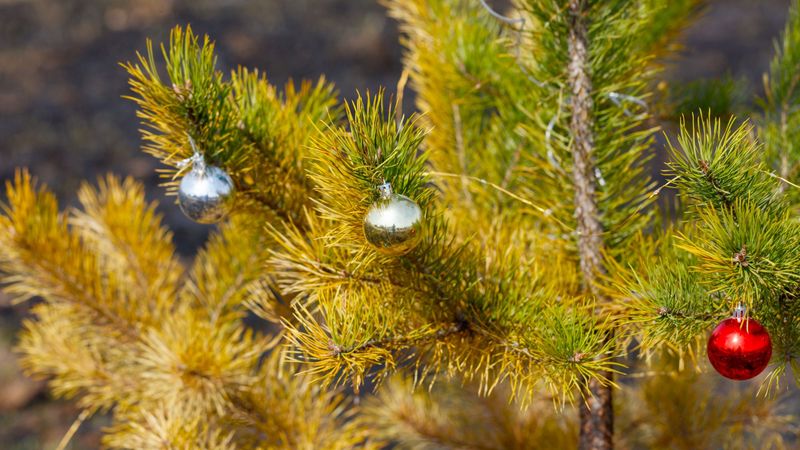
Every tree has a shelf life, even the best-loved one. Knowing when to let go keeps your home safe and your floors cleaner.
Watch for warning signs. Needles that snap instead of bend, branches that feel crunchy, or a stand that stops needing refills all mean the tree has dried out.
A dry tree catches fire far more easily than a well-watered one. Once those signs show up, take it down, even if the calendar says you have a few days left.
Remove every ornament, hook, light strand, and bit of tinsel first. Recycling crews and mulch grinders need a bare tree.
Many Maryland counties and cities offer curbside pickup or drop-off sites in early January. Check your local public works website for dates, since schedules vary from place to place.
Collected trees often become mulch for parks and gardens. Some communities sink them in ponds as fish habitat.
At home, cut branches can cover perennial beds to shield them from winter freeze and thaw. The trunk can even become garden edging.
The takeaway is simple. Buy fresh, cut clean, water daily, and keep it cool.