The Pale European Stranger Crawling Across Indiana Ceilings This Fall Can Bite
One tiny houseguest has been blamed for bites once pinned on brown recluses. It is one of several spiders whose bites have been mistaken for brown recluse bites.
I spotted one last October, strolling upside down across my bedroom ceiling at midnight. It was pale, fast, and oddly see-through, like a ghost with legs.
Not going to lie, I froze. Here in Indiana, fall sends plenty of critters indoors, but this one arrived from overseas long ago and settled in for good. It builds no web to catch dinner. It simply goes out hunting while you sleep.
Truth is, most of us walk right past its little silk hideouts in the corners. So what exactly is crawling over your head tonight, and should you worry about that nip?
That Pale Spider on Your Ceiling Has an Old World Backstory
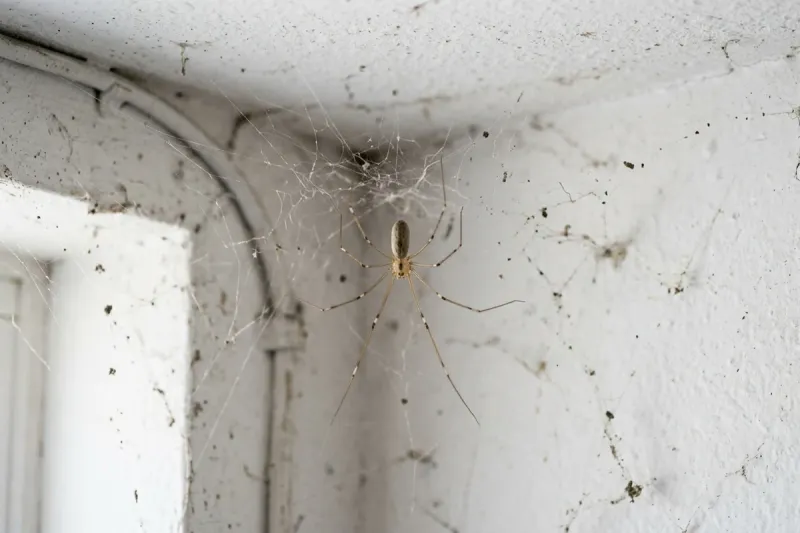
Long before it showed up in your hallway, this spider was living in the Mediterranean and other parts of Europe. Experts believe it reached North America by hitching rides in shipments and plant material many decades ago.
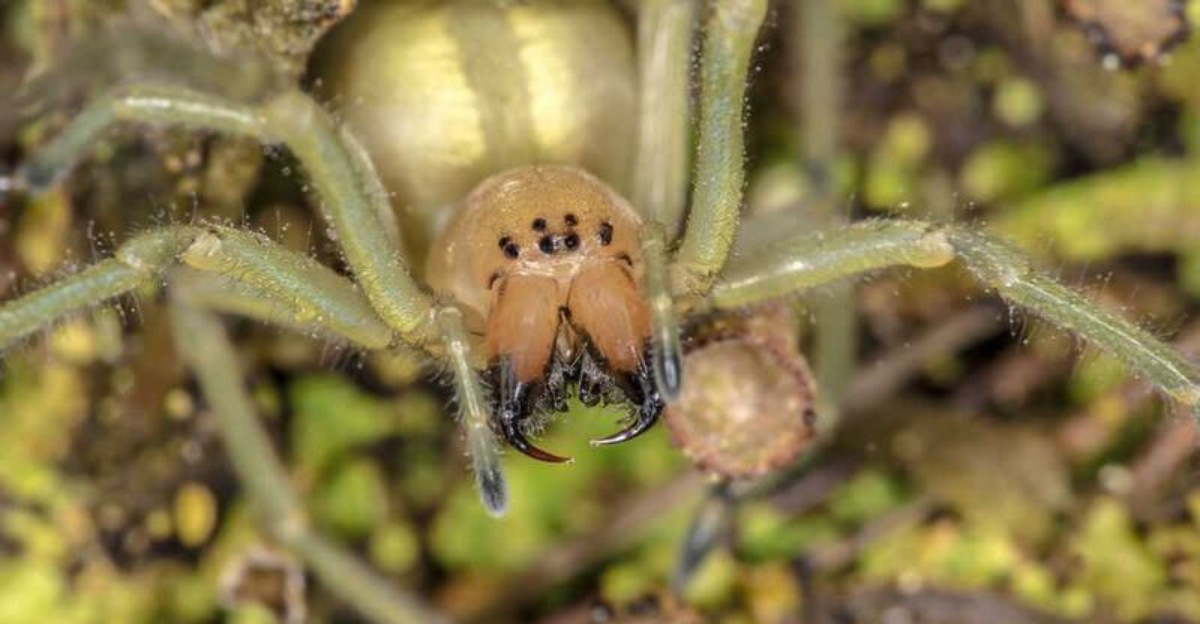
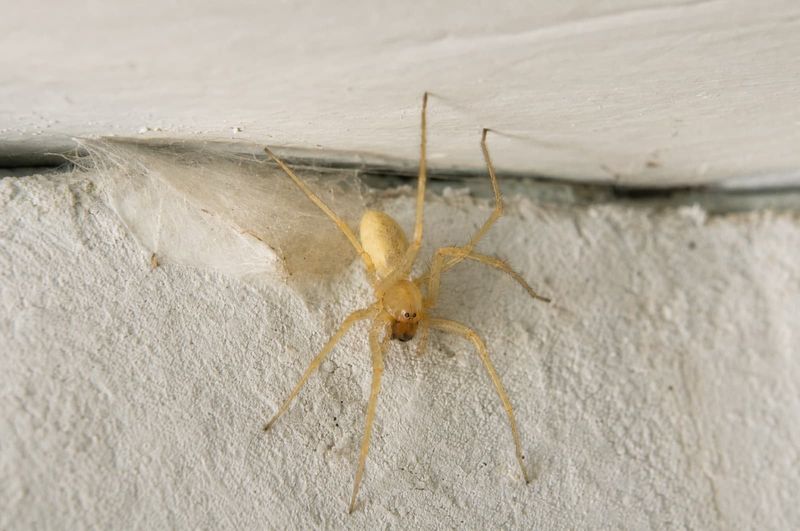
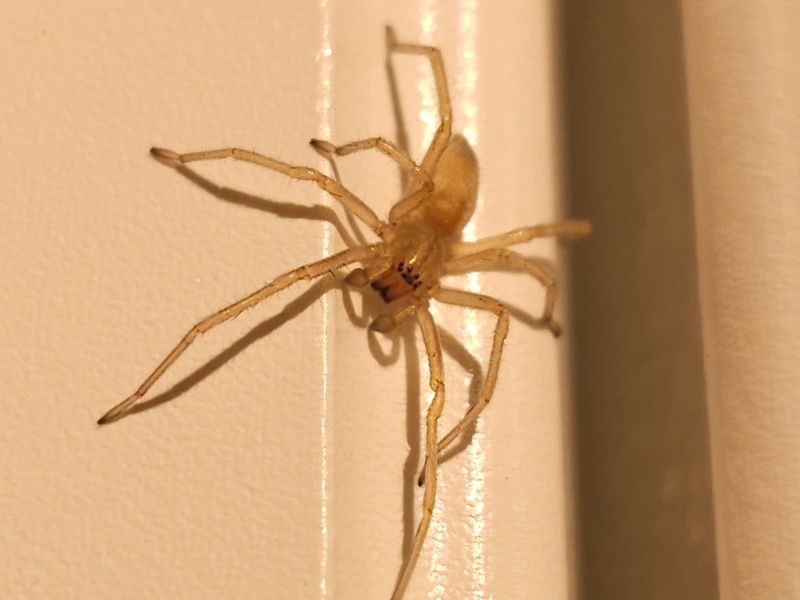
Its scientific name is Cheiracanthium mildei, though most folks just call it a yellow sac spider. The body is pale yellow, cream, or soft green, and it can look almost translucent under a lamp.
Size is modest, with the body only about a quarter to a third of an inch long. Look closely at the front end and you will see dark brown jaws, which stand out against that washed-out color.
Its legs are long and thin, and the front pair is the longest of all. That detail helps separate it from other light-colored spiders you might find in a basement.
Indiana also has a native cousin, Cheiracanthium inclusum, called the agrarian sac spider. That one tends to live more outdoors in gardens, fields, and shrubs.
The European species is much more comfortable inside houses. So when a pale wanderer appears overhead in fall, it may well be the overseas visitor rather than its outdoor relative.
Yes, a Yellow Sac Spider Bite Really Stings
Ask anyone who has been nipped by one, and they will tell you it gets your attention fast. Many people compare the feeling to a bee or wasp sting.
Right after the bite, sharp pain is common. Redness, swelling, and a burning or itchy feeling often follow at the spot. Some people notice a small blister or a little sore that takes a while to heal.
For years, these bites were often mistaken for brown recluse bites. Researchers now say yellow sac spider venom is mild for most healthy people, and serious tissue damage is rare.
A few folks do feel more than skin irritation. Mild fever, a headache, or a queasy stomach can show up in sensitive people, though those reactions usually fade on their own.
For first aid, wash the area with soap and water. Then apply a cool compress for ten minutes at a time to calm swelling.
Keep the bite clean and try not to scratch it. Call a doctor if redness spreads, the area grows warm and painful, or symptoms linger beyond a few days. Kids, older adults, and anyone with allergies deserve extra attention after a bite.
Cooler Indiana Nights Push These Hunters Indoors
Every autumn, my windowsills turn into a little traffic jam of bugs looking for warmth. Where small insects go, hungry spiders follow.
As Indiana temperatures slide in September and October, yellow sac spiders move toward sheltered spaces. Gaps around doors, windows, siding, and foundations become easy entry points. Once inside, they find steady warmth and a supply of snacks.
Their activity often peaks in late summer and early fall, when adults are out and about. Northern parts of the state may see this shift a little earlier, since cold nights arrive sooner there than in the south.
Many people also report the spiders in cars. They like to tuck into side mirrors and vents, which can lead to a surprise visitor on the dashboard.
Fall also makes them more noticeable simply because we spend more time indoors with the windows shut. A spider that hid in the garden all summer suddenly shares your living room.
None of this means there is an unusual outbreak. It is a normal seasonal pattern that repeats each year. Knowing the timing helps you prepare instead of panic when that first pale shape appears overhead.
Those Tiny Silk Sacs in Ceiling Corners Are Daytime Hideouts
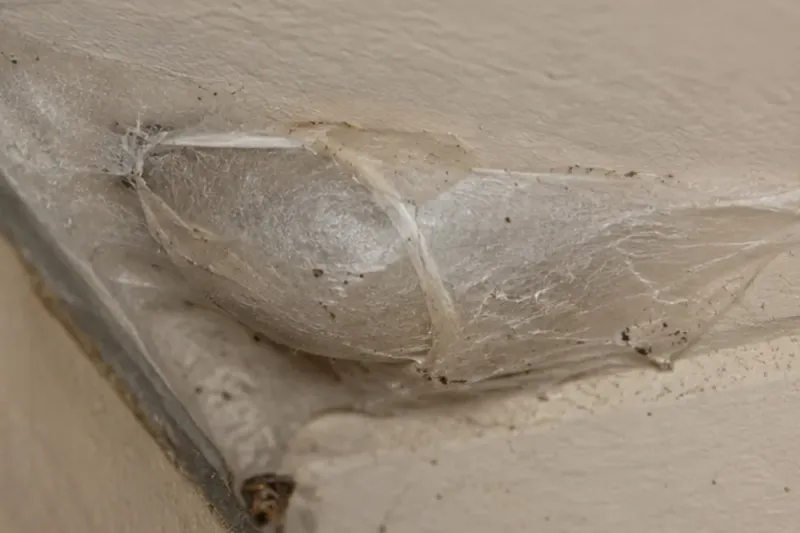
Here is a clue I missed for years. Those small, flat, white silk pouches in the corner where the wall meets the ceiling are spider bedrooms.
Yellow sac spiders spin these pouches to rest during daylight hours. They are roughly the size of a fingertip and look a bit like a crumpled piece of tissue. You may also find them behind picture frames, inside curtain folds, under shelf edges, and in window tracks.
The spider tucks itself inside and waits for dark. Many people notice fresh sacs appearing in the same spots, since spiders often build new ones as they move around.
Females also use a silk sac to guard their eggs. Each egg sac can hold a few dozen eggs, which helps explain why you may see several young spiders in one area.
Finding these pouches gives you a real advantage. A quick sweep with a vacuum hose removes the spider and its shelter at the same time.
Check corners above beds and couches first. Those are the places where a nighttime wanderer is most likely to drop in on someone sleeping, so they deserve the closest look during fall cleaning.
No Web Needed for This Nighttime Prowler
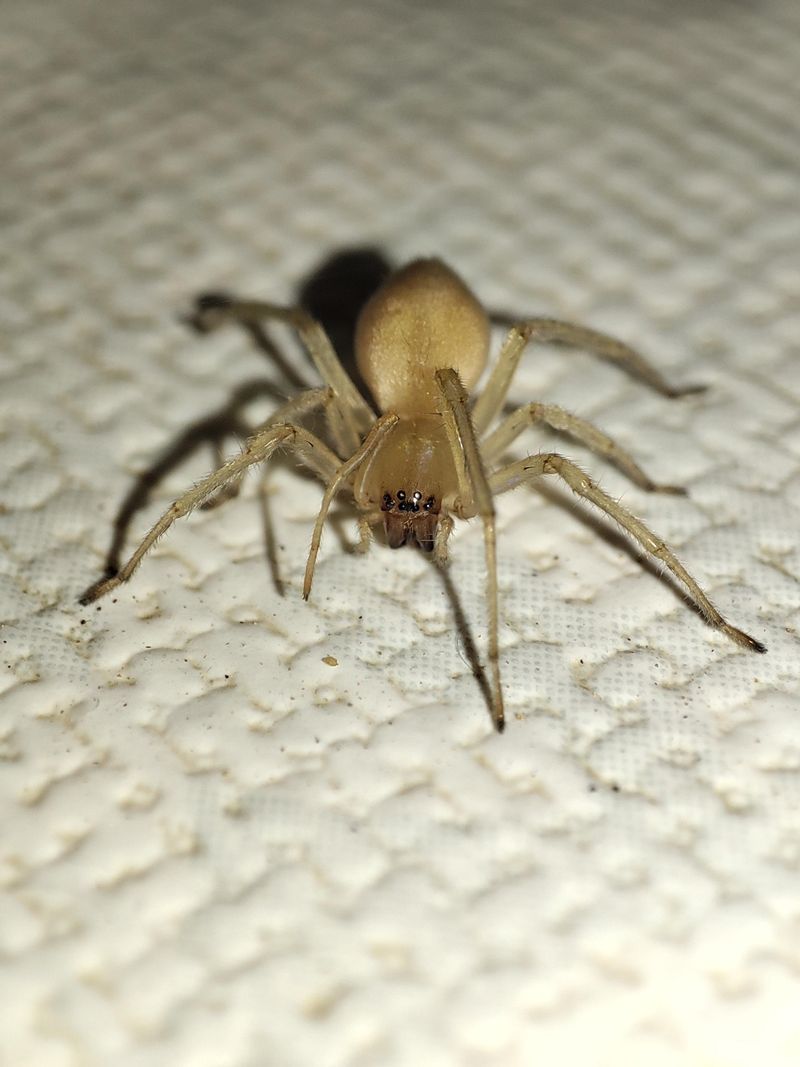
Most spiders sit in a web and wait. This one prefers to go out and chase its dinner.
Yellow sac spiders are active hunters that roam at night. They wander across walls, ceilings, floors, and furniture looking for small insects, insect eggs, and even other spiders. Speed is their main tool, and they move surprisingly quickly for such a small creature.
That roaming habit is why you see them in odd places, like crossing a ceiling or climbing a lampshade. A web-building spider stays put, but this one covers ground.
Outside, they help gardeners by eating aphids, small caterpillars, and other plant pests. Some researchers have even studied sac spiders as helpful predators in orchards and crops.
Indoors, their wandering puts them closer to people. A spider crawling over bedding or into a shirt left on the floor is far more likely to meet human skin than one sitting in a web.
If you want to see one in action, try a flashlight check around ten or eleven at night. Shine it along ceiling edges and upper walls. You may be surprised how busy your quiet house becomes after dark.
Bedding and Stored Clothes Are Common Spots for Bites
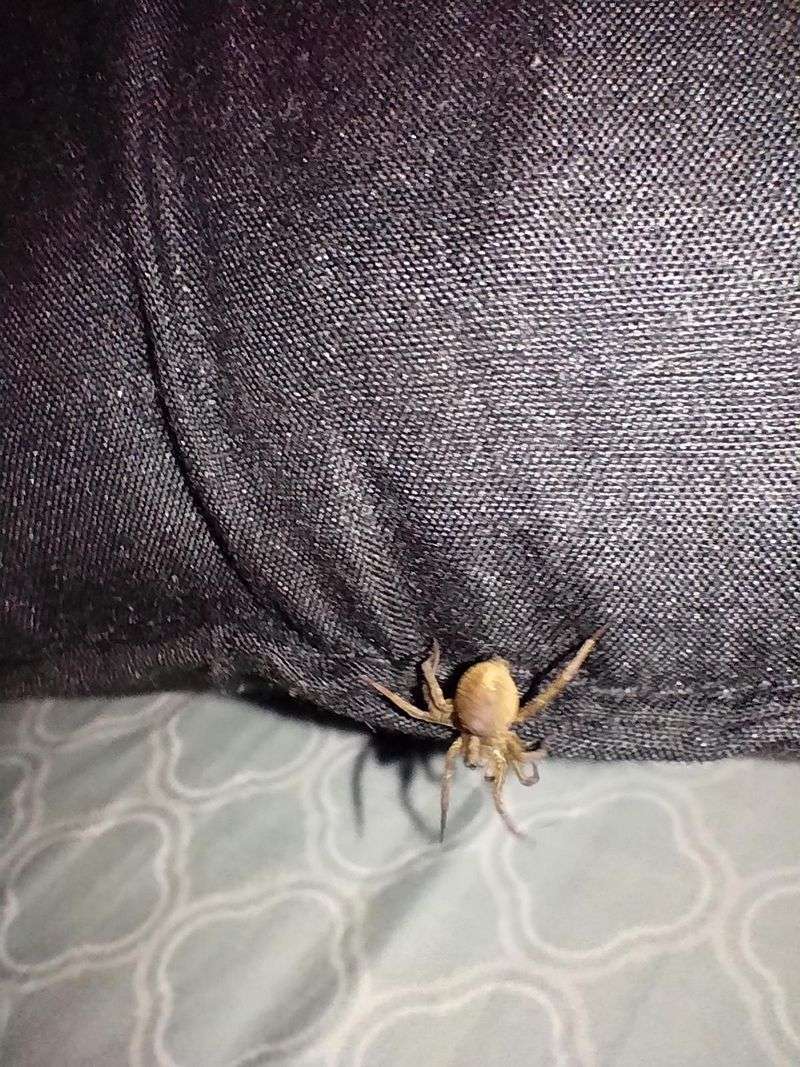
Picking up a sweatshirt from the floor last fall taught me something. A pale spider tumbled out of the sleeve, and I was lucky it did not decide my wrist was a threat.
Most yellow sac spider bites are defensive. They happen when a spider gets pressed against skin, such as when you roll over in bed or slide into clothes and gloves where one is hiding.
The European species is the one most often found indoors. Because it lives mostly indoors, it is often the species linked to household bites.
A few simple habits lower your risk a lot. Shake out clothes, towels, and shoes that have been sitting around before using them.
Move beds a few inches away from walls, and keep blankets from draping to the floor. That makes it harder for a roaming spider to climb aboard.
Store out-of-season clothing in sealed plastic bins instead of open boxes. Wear gloves when moving items in garages, sheds, and attics. These small steps take only seconds, yet they can cut down on surprise encounters.
Sealing Gaps and Trimming Shrubs Keeps Sac Spiders Outside
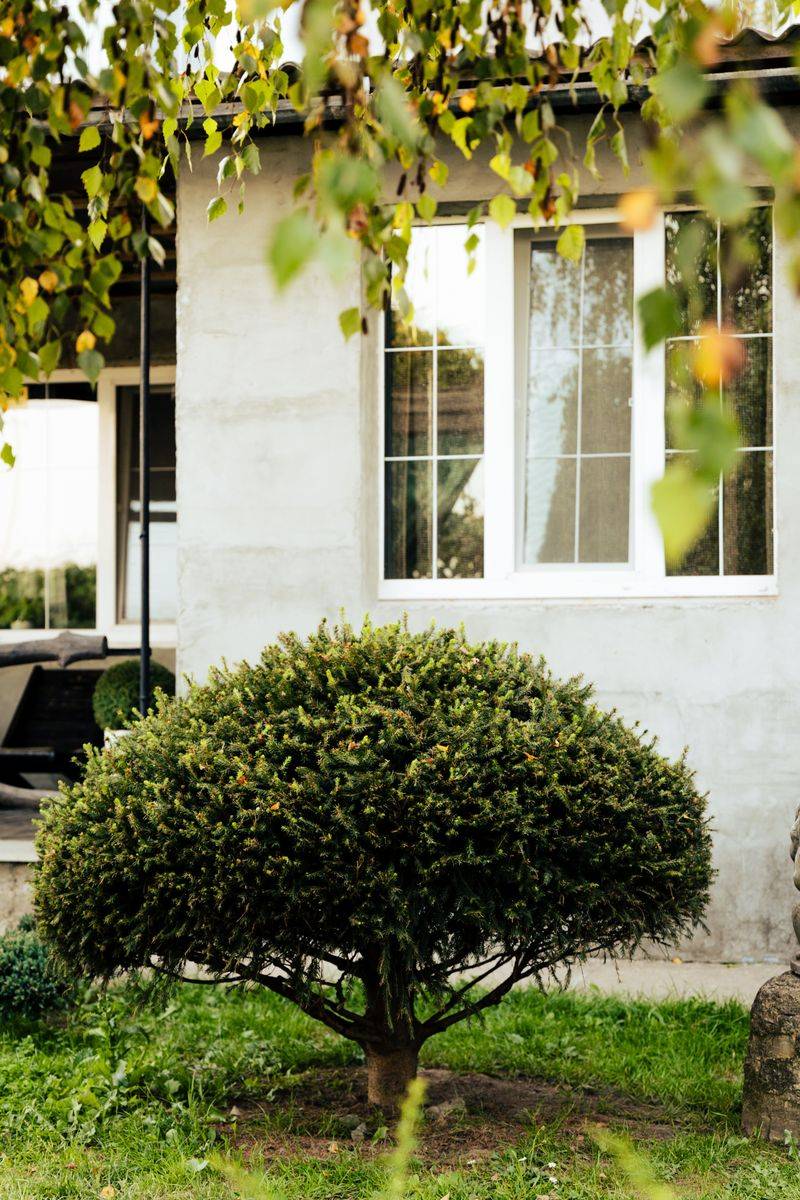
A tube of caulk might be the best spider tool in your garage. Blocking the way in works better than chasing spiders once they arrive.
Walk around your house on a dry fall afternoon. Seal cracks around windows, door frames, pipes, and utility lines with caulk or foam. Replace worn door sweeps and patch torn window screens.
Next, look at your landscaping. Shrubs, vines, and tree branches that touch the siding act like little bridges for spiders and insects. Trim them back so there is a small gap between plants and your walls.
Pull mulch a few inches away from the foundation as well. Thick mulch and leaf piles hold moisture and attract the insects spiders like to eat.
Outdoor lighting matters too. Bright white porch lights draw moths and flies at night, which then draw hunters. Yellow bug lights or motion-sensor lights reduce that evening buffet.
Firewood should stay stacked away from the house and off the ground. Bring in only what you plan to burn that day.
None of these steps require harsh chemicals. They simply make your home a less convenient doorway for the critters looking for shelter.
A Vacuum and Sticky Traps Beat Panic Every Time
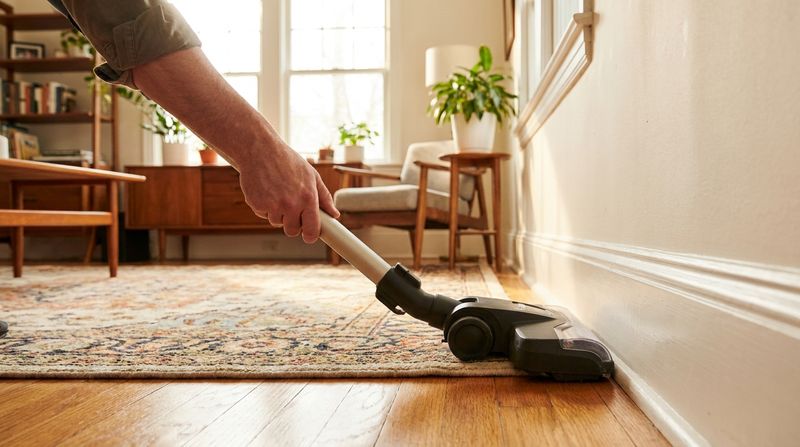
My favorite fall chore might surprise you. Once a week, I run the vacuum attachment along every ceiling corner and window frame.
Vacuuming removes spiders, silk sacs, and egg cases in one pass. Empty the canister or seal the bag right away and toss it in an outdoor trash bin.
Sticky traps are another simple helper. Place them along baseboards, behind furniture, and under beds. They catch roaming spiders and also show you where activity is highest.
Cutting down on other household bugs makes a big difference. Wipe up crumbs, store food in sealed containers, and fix leaky pipes that attract insects. Fewer snacks mean fewer reasons for a hunter to stay.
For a single spider, a cup and a piece of paper work fine. Carry it outside to the garden, where it can eat pests instead of wandering over your pillow.
If you keep finding many spiders or bites continue, a licensed pest professional can inspect and treat problem areas safely.
Remember that these spiders do useful work outdoors. A little cleaning, a few sealed gaps, and some awareness let you share the season without losing sleep over a pale stranger above.