Lumpy Little Mounds Covering Maryland Lawns After Fall Rain Are Actually A Good Sign
A single acre of healthy lawn can hide hundreds of thousands of tiny diggers, all eating dirt for a living. After a soaking autumn rain, some of them leave their calling cards right on top of the grass.
I used to think those gritty little piles meant trouble was brewing in my yard. Every fall, I would grumble, grab a rake, and wonder what was tunneling under my feet.
Truth is, the culprits are some of the hardest workers a Maryland yard can have. Their lumpy leftovers are packed with plant food, and they show up most when cool, wet soil brings the workers closer to the surface.
So why do the bumps seem to pop up overnight after a good shower? And should you worry, celebrate, or simply mow around them? The answer might change how you look at your lawn.
Those Tiny Coiled Dirt Piles On Your Wet Lawn Have A Hidden Maker
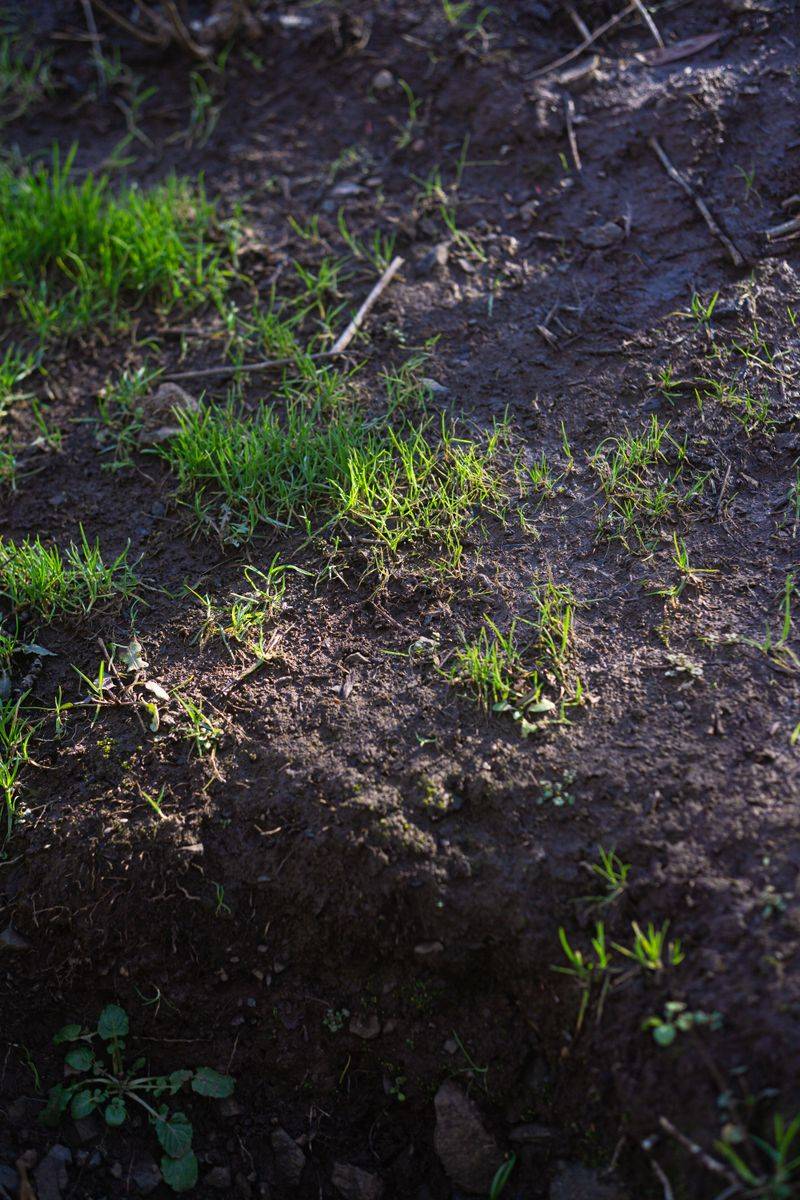
Kneel down and take a good look at one of those bumps. You will probably see a small, crumbly pile, somewhere between pea and golf ball size, often shaped like a little coil or a cluster of tiny beads.
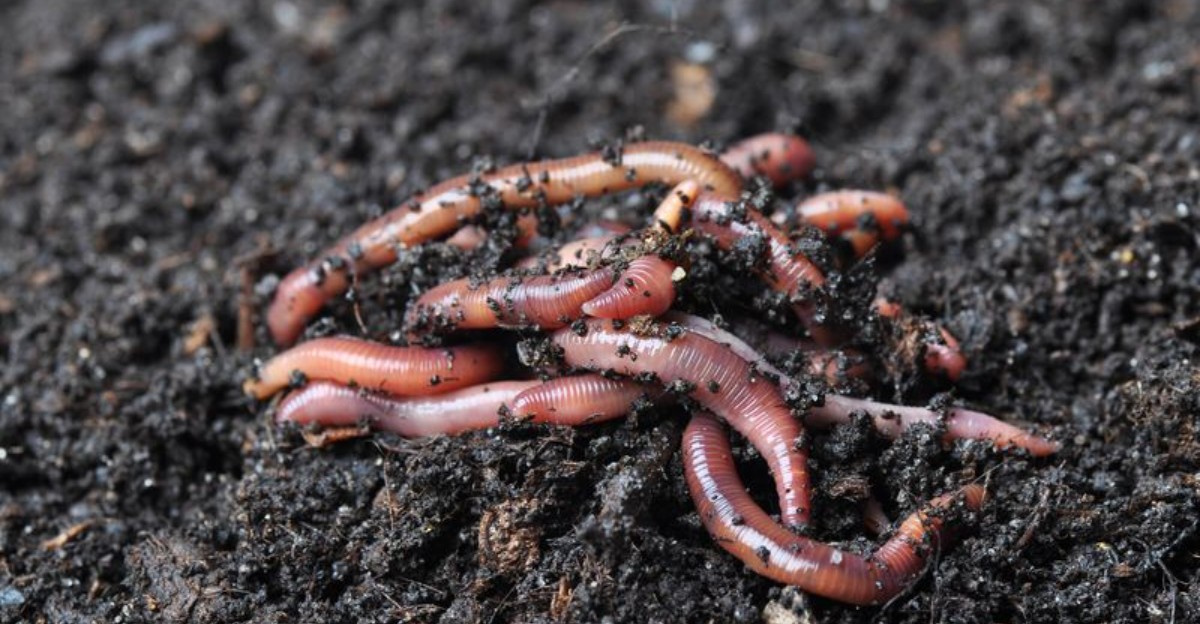
Those piles are earthworm castings, which is a polite way of saying worm poop. Worms swallow soil and bits of rotting plant material, digest what they can, and push the leftovers out behind them. Some species, especially the common nightcrawler, deposit those leftovers right at the mouth of their burrows on the surface.
Fresh castings feel soft and sticky. Once they dry, they crumble easily between your fingers and look a lot like rich potting soil.
Moles leave something very different. Their mounds are larger, often several inches tall, and look like small volcanoes of loose dirt pushed up from a deeper tunnel. Moles also leave raised ridges you can feel when you step on them.
Voles make surface runways through the grass, and ants build sandy cones with a tiny center hole. If your bumps are small, plentiful, and gritty with no hole or ridge, you are almost surely looking at worm work. That is worth a quiet little cheer.
Worm Castings Mean Your Soil Is Alive And Busy
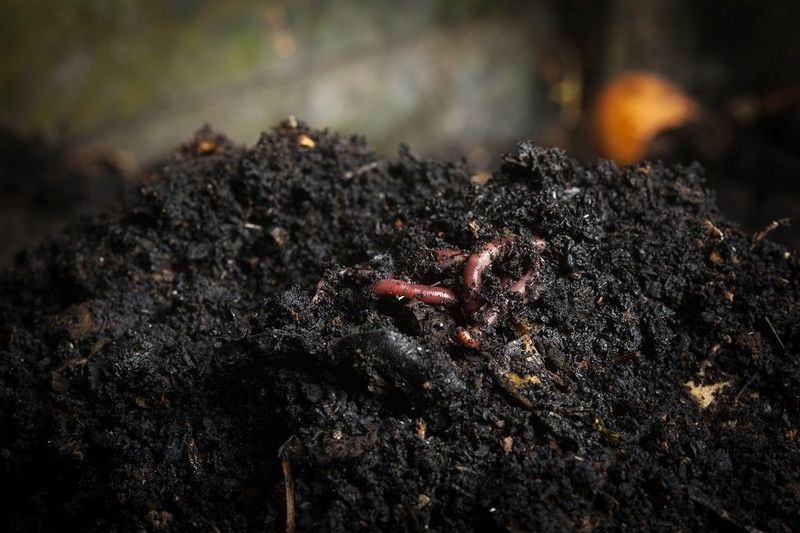
I’ll say this much, a lawn full of worm castings is bragging about its soil. Earthworms do not stick around in places that lack food, moisture, or decent living conditions.
Extension specialists often use earthworm numbers as a simple measure of soil health. A common backyard test is to dig a shovel-sized block of soil, about a foot square and a foot deep, and count the worms. Finding around ten or more suggests your ground is in good shape.
Worms feed on dead roots, grass clippings, and fallen leaves. That means they are turning yard waste into useful soil right where your grass needs it.
Their presence also hints that your lawn care routine is working with nature. Heavy use of certain pesticides, very acidic soil, or tightly packed ground can drive worm numbers down.
So when you spot those bumps, give your yard a little credit. Somewhere below the turf, a whole crew of diggers is mixing, chewing, and recycling around the clock.
Plenty of folks pay good money for bagged worm castings at the garden center. You are getting a steady supply delivered for free, no shopping trip needed.
Cool Fall Rain Brings Nightcrawlers Up Near The Grass
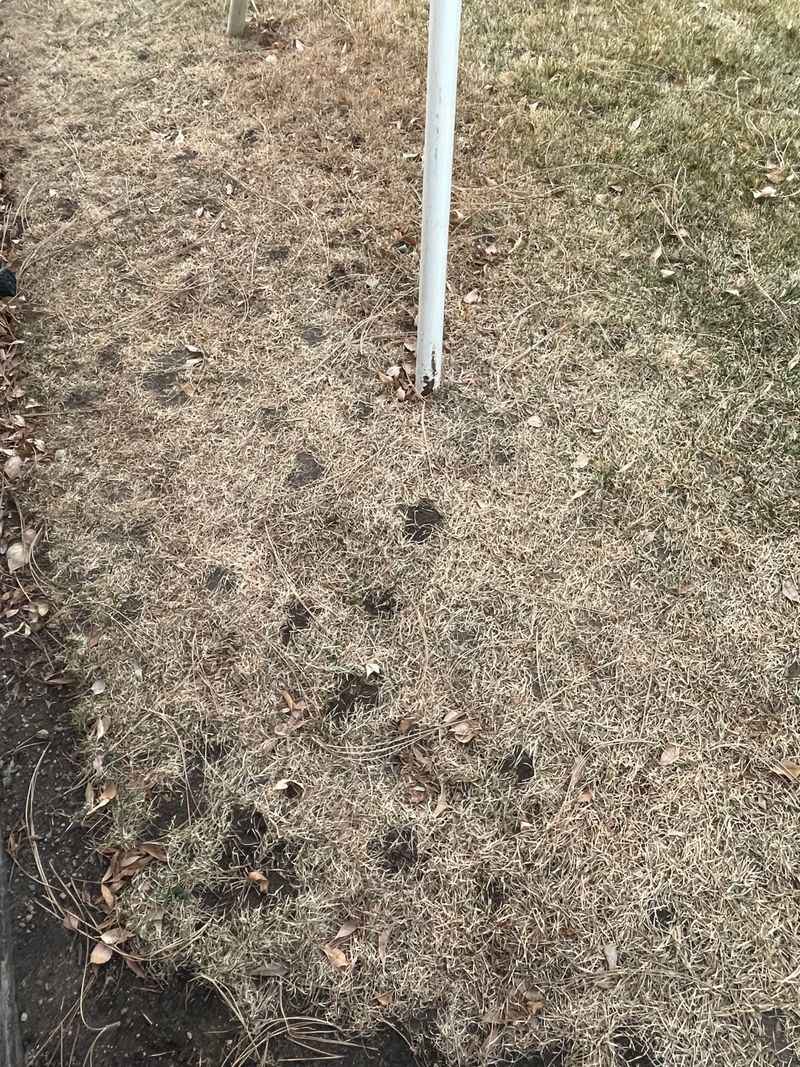
Summer is a tough season for worms. When Maryland soil turns hot and dry in July and August, many earthworms burrow deeper and slow way down to wait it out.
Once fall arrives, everything changes. Cooler temperatures and regular rain create the moist, comfy soil worms love, so they move back up and get busy feeding near the surface.
Rain also plays a direct role. Wet soil makes it easier for worms to travel, and soaked ground can push them upward. More movement near the top means more castings left on the grass, often appearing overnight after a good shower.
Spring brings a similar burst for the same reasons. In between, during the coldest stretch of winter, worms head deeper again to avoid frozen ground.
Soil type matters too. Much of central Maryland has heavy clay, while the Eastern Shore leans sandier. Clay holds water longer, so castings may stick around and look more obvious in Piedmont yards after a rainy week.
Not going to lie, I once blamed a neighbor’s dog for my bumpy yard. The timing with the rain should have tipped me off sooner.
Those Earthworm Tunnels Feed And Loosen Your Grass Roots
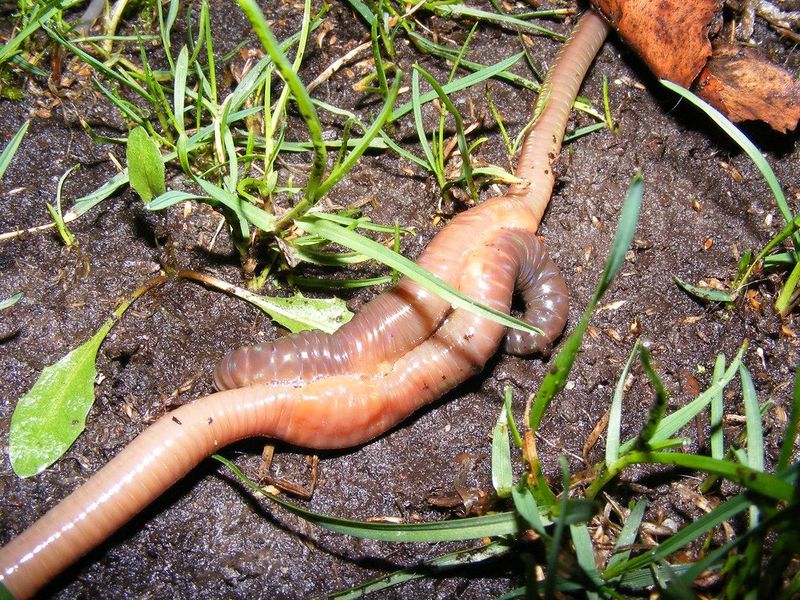
Free fertilizer, free aeration, and zero effort on your part. That is what a healthy worm population offers your turf.
Castings tend to hold more available nutrients than the soil around them, including nitrogen, phosphorus, and potassium. Research has found castings also carry helpful microbes, and their nutrients release slowly as the little piles break down.
The tunnels may be even more valuable. As worms burrow, they open channels that let air, rain, and grass roots move deeper into the ground. That is especially helpful in compacted Maryland clay, where water often pools on top.
Better drainage means fewer soggy spots. Deeper roots mean grass that handles summer heat and dry spells with less stress.
Worms also help with thatch, the spongy layer of stems and roots that can build up above the soil. By pulling organic bits underground and mixing them in, they keep that layer from getting too thick.
Picking a favorite benefit is hard, but I’m a sucker for the drainage boost. My once-puddly side yard started soaking up storms much faster after I stopped fighting the worms and let them get to work.
Bumpy Lawns And Smeared Castings Can Annoy Your Mower
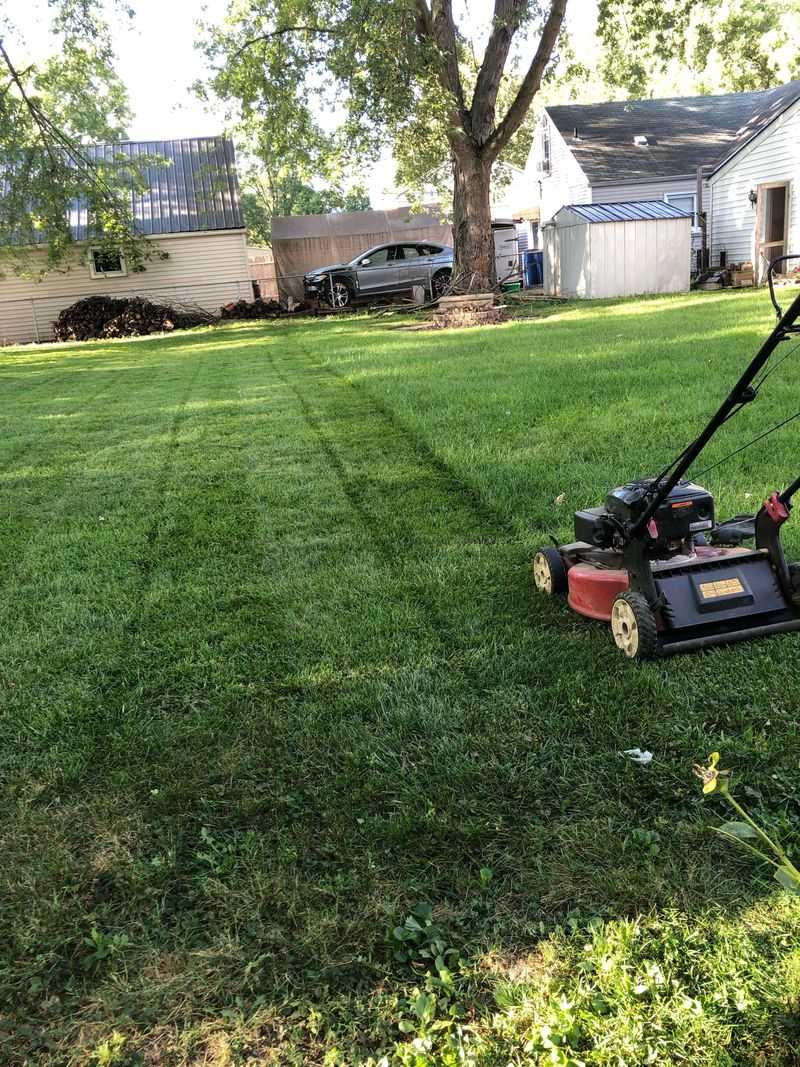
Fair warning, a worm-rich lawn is not always a pretty one. Heavy casting activity can leave turf feeling lumpy underfoot and looking a bit muddy.
Mowing over fresh, wet castings is the biggest headache. The blades and wheels can smear them across the grass, leaving slick brown streaks that block sunlight from small patches of leaves.
Over many seasons, a very active lawn can also grow uneven. That matters most on golf greens and sports fields, where groundskeepers want a perfectly smooth surface. In a backyard, it is mostly a looks issue.
There is one more thing to know. Moles eat earthworms and grubs, so a yard loaded with worms can be an inviting buffet. If you suddenly see raised tunnels and volcano-shaped piles, moles may have followed the food.
Still, keep the trade-off in perspective. A few weeks of bumpy mowing in fall and spring is a small price for better soil, stronger roots, and natural feeding.
I’m the first to admit I grumble when my shoes come back muddy. Then I look at how thick the grass grows the next season, and the grumbling fades fast.
Raking Dry Worm Castings Back Into The Turf Works Wonders
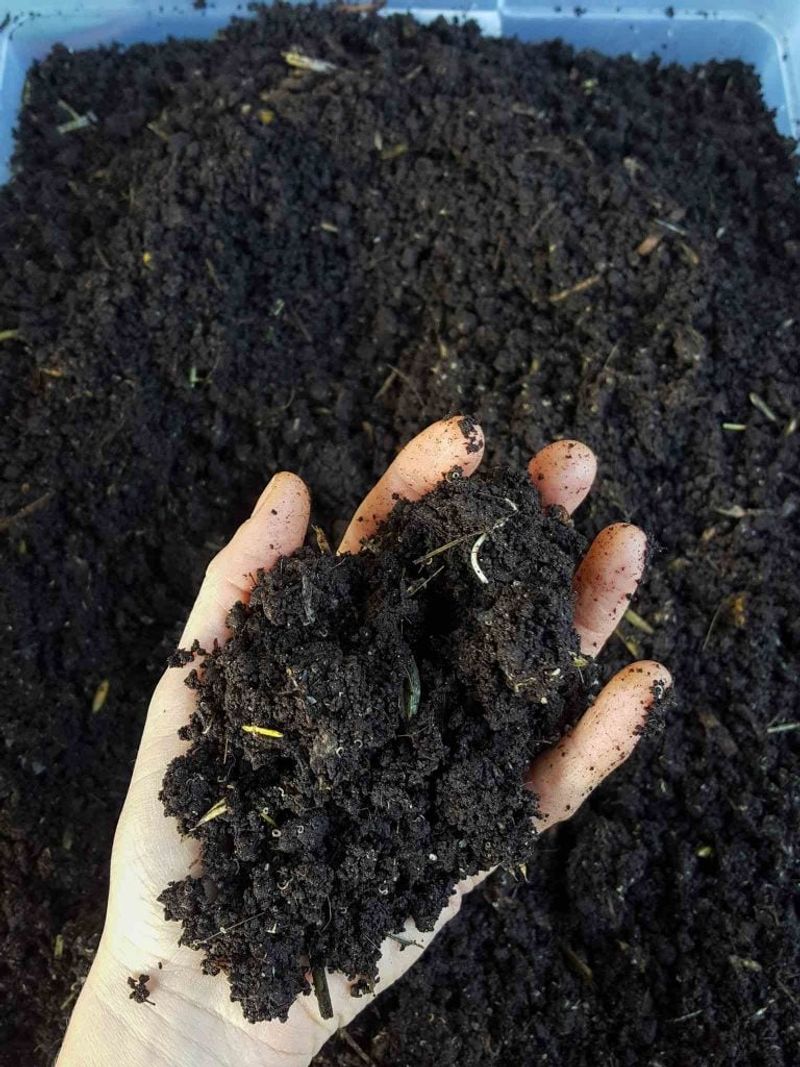
Patience is your best tool here. Wait until the castings dry out, often a day or two after rain, and they become crumbly and easy to handle.
Once dry, run a leaf rake, stiff broom, or drag mat over the lawn. The castings break apart and settle down between the grass blades, where their nutrients keep feeding the turf.
Skip mowing while the lawn is soaked. Waiting for drier grass prevents smearing and gives you a cleaner cut.
Raising the mower deck also helps. Keeping cool-season grasses like tall fescue, the most common lawn grass in Maryland, at about 3 to 4 inches lets the blades hide small bumps and keeps roots healthier.
Some people want to roll the lawn flat. Use caution, since heavy rolling packs down soil, especially clay, and undoes the work your worms are doing. A light roller on dry ground is the most you should try.
Please avoid products meant to drive worms away, since harming them hurts your soil far more than a few bumps ever could.
Shredded Fall Leaves And Compost Keep Your Earthworms Happy
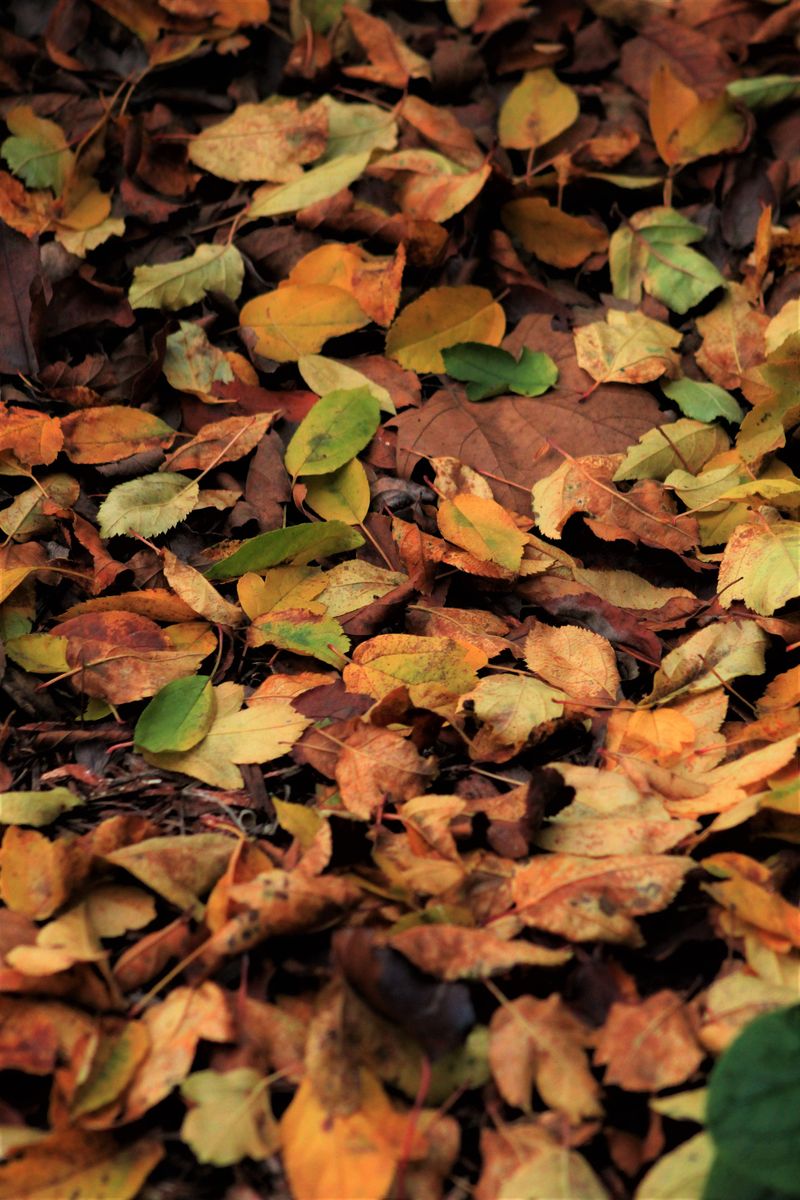
Every fall, I let my mower do double duty. Instead of bagging all the leaves, I run over them a few times and let the small shreds fall into the grass.
Worms treat those chopped leaves like a feast. University research, including work at Michigan State, found that mulching leaves into turf does not harm the lawn when the pieces are small enough for grass to show through.
A thin top dressing of compost, about a quarter inch, also feeds worms and improves soil. Fall core aeration pairs nicely with it, opening holes for compost to settle into.
Watering habits matter too. Deep, less frequent watering encourages deeper grass roots.
Get a soil test, following University of Maryland Extension guidance, before adding lime. Worms prefer soil that is not too acidic, and many Maryland lawns need lime only when tests show it.
The takeaway is simple. Those lumpy little mounds are a sign your yard is alive and improving. Feed the worms, rake the bumps when dry, and let nature handle the rest.