8 Trees California Homeowners Cannot Trim Without A Permit
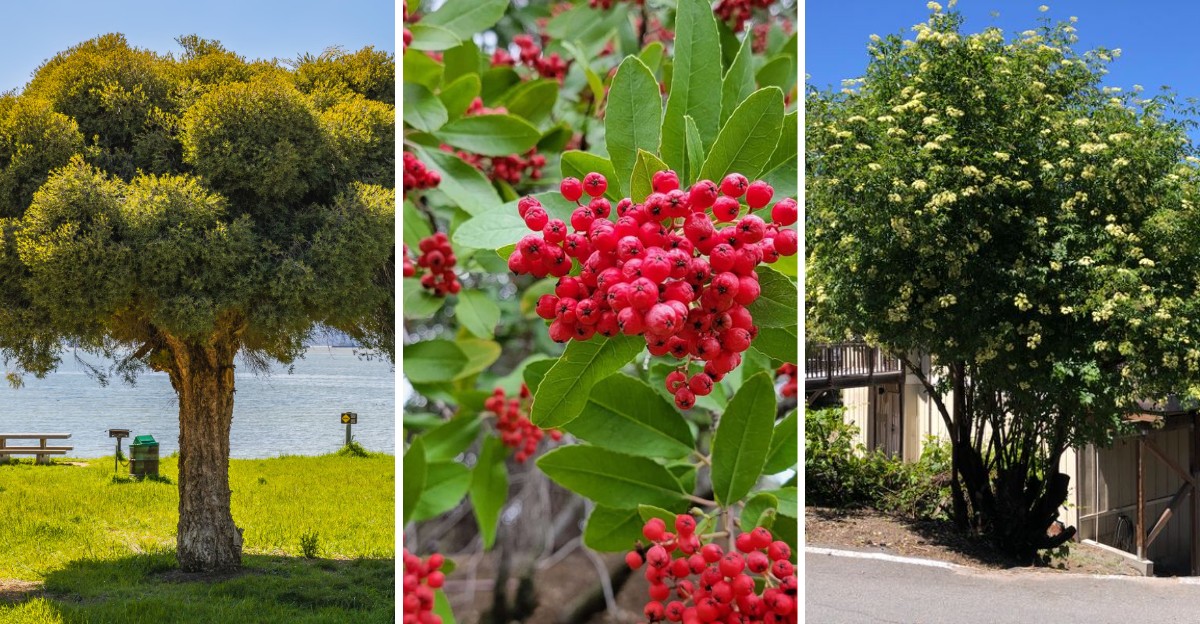
Los Angeles quietly lists a scraggly shrub with red winter berries right beside its mighty native oaks for protection. Snip the wrong branch on that humble bush, and you could face fines plus a very awkward city visit.
Across California, cities and counties write their own tree rules, so neighbors a mile apart may follow different laws. One desert species even enjoys statewide protection, which means a simple trim can require paperwork from wildlife officials.
I have to admit my first reaction was disbelief, since I treat my pruning saw like an old friend. You may feel the same way, especially if you assumed your backyard trees belonged only to you.
Some of these protected trees probably shade your patio right now, looking innocent and perfectly ordinary. So which familiar California natives could land a careful gardener in trouble with the local permit office?
1. Native Oaks
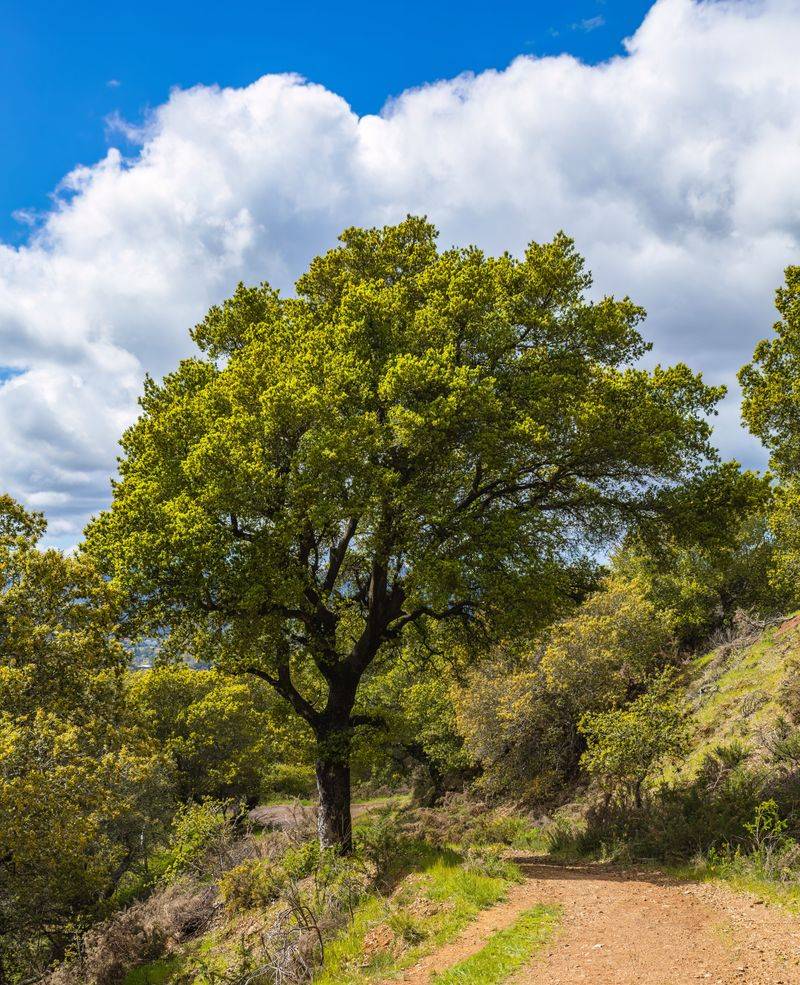
A single valley oak can host hundreds of insect species, which explains why birds crowd its branches every spring. I love standing under a coast live oak and hearing the whole canopy rustle with busy, hungry visitors.
Many counties and cities treat these trees like neighborhood treasures, and the rules reflect that deep respect. Los Angeles County, for example, protects oaks measuring eight inches or more in trunk diameter at chest height.
Cutting or damaging a protected oak there usually requires a permit, and that includes harm to the roots. The protected zone stretches five feet past the drip line, or fifteen feet from the trunk, whichever is greater.
Pruning rules vary widely by city, so a quick phone call to your planning office saves real headaches. Some places allow light cleanup of broken twigs without paperwork, while others want an arborist for most cuts.
Personally, I would rather ask first than explain later, especially since penalties in some cities can be surprisingly steep. Replacement trees may also be required, and young oaks take decades to fill the gap left behind.
When pruning is approved, experts with University of California programs suggest working during dry summer weather. Wet conditions help fungal diseases enter fresh wounds, so timing matters as much as technique for these trees.
You can also help oaks by keeping lawn sprinklers away from the trunk and root crown. Summer water near the base invites root rot, and a mature oak rarely appreciates that kind of kindness.
2. Southern California Black Walnut
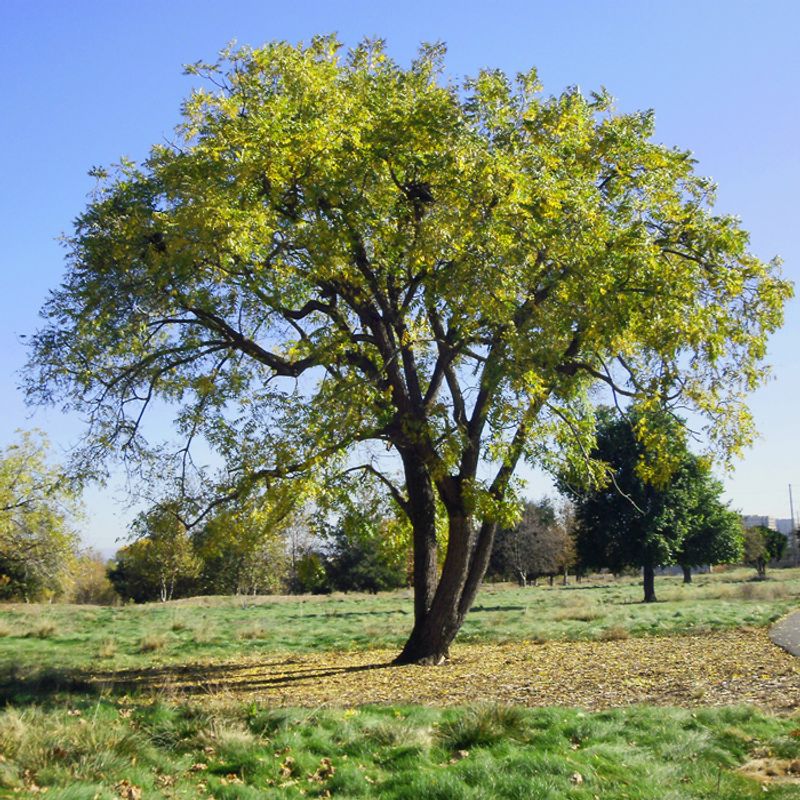
Few people realize that a scrappy walnut grows wild in the hills above Los Angeles freeways. Its small, thick-shelled nuts look like miniature versions of grocery store walnuts, and squirrels adore them.
Botanists know this native as Juglans californica, and much of its original woodland habitat disappeared under development. That loss is why the City of Los Angeles added it to the protected tree and shrub list.
Protection there begins once trunks reach four inches in cumulative diameter, measured four and a half feet up. Multi-trunked specimens add up quickly, so even a modest backyard walnut may already qualify for protection.
City rules mostly target removal and any work that could seriously harm the tree, including heavy pruning. I have to admit the gray area surprised me, because what feels light to you may look severe to inspectors.
Your safest move is hiring a certified arborist who knows the local ordinance before touching a single limb. Many arborists can file paperwork for you, which makes the process far less stressful than it sounds.
Out in the garden, these walnuts handle summer drought well once established and prefer soil that drains quickly. They often grow as broad shrubby trees reaching fifteen to thirty feet, with several trunks rising from one base.
You may notice fewer plants growing beneath them, since many walnuts release compounds that can discourage some neighbors. Planting tough natives nearby that are adapted to dry slopes usually works better than thirsty flowers.
3. Western Sycamore
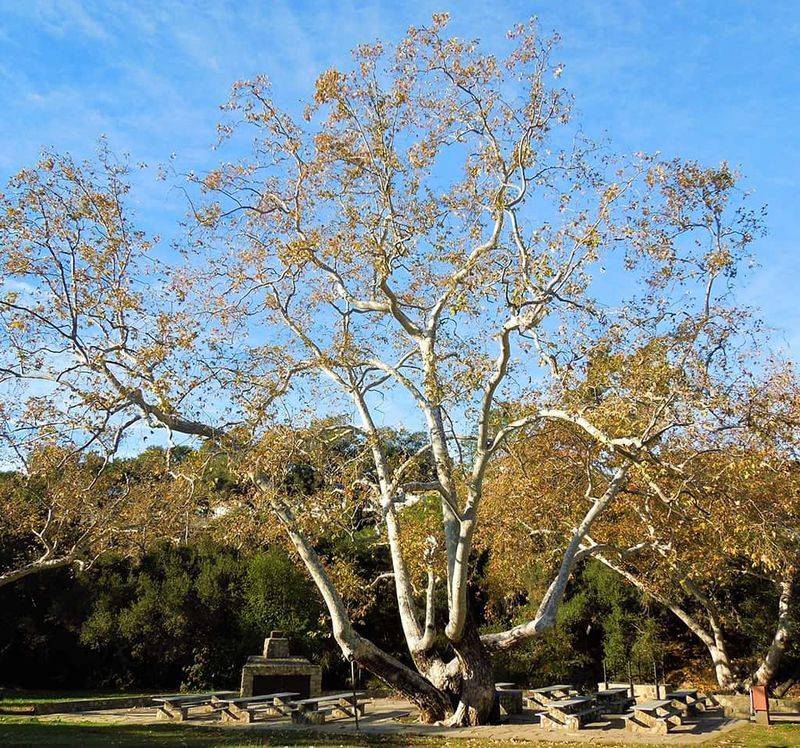
Patchy bark in cream and olive tones makes the western sycamore look like a living camouflage jacket. I can’t walk past one along a creek without running my hand over those smooth puzzle-piece patches.
Platanus racemosa naturally follows streams and canyon bottoms, where its thirsty roots tap into steady groundwater. Mature trees can tower well over fifty feet, spreading wide limbs that shade entire creek beds below.
Western tiger swallowtail caterpillars feed on its leaves, so a backyard sycamore doubles as a butterfly nursery. Woodpeckers and owls also use cavities in older trunks, which gives mature trees extra wildlife value.
Los Angeles protects western sycamores once trunks reach four inches in cumulative diameter at chest height. Other cities and counties include them in heritage tree rules, often based on trunk size or age.
In Ventura County, removing more than twenty percent of a protected tree’s canopy is considered major pruning. That kind of work requires a permit, so heavy cuts after storm season need some advance planning.
You may notice brown, crinkled leaves dropping in spring, which usually signals a fungal disease called anthracnose. Trees typically push out fresh leaves later, so harsh pruning to fix the problem rarely helps.
Give your sycamore plenty of room and deep watering during dry months, plus patience during messy leaf seasons. Personally, I think the shade and the swallowtails more than make up for the raking chores.
4. California Bay Laurel
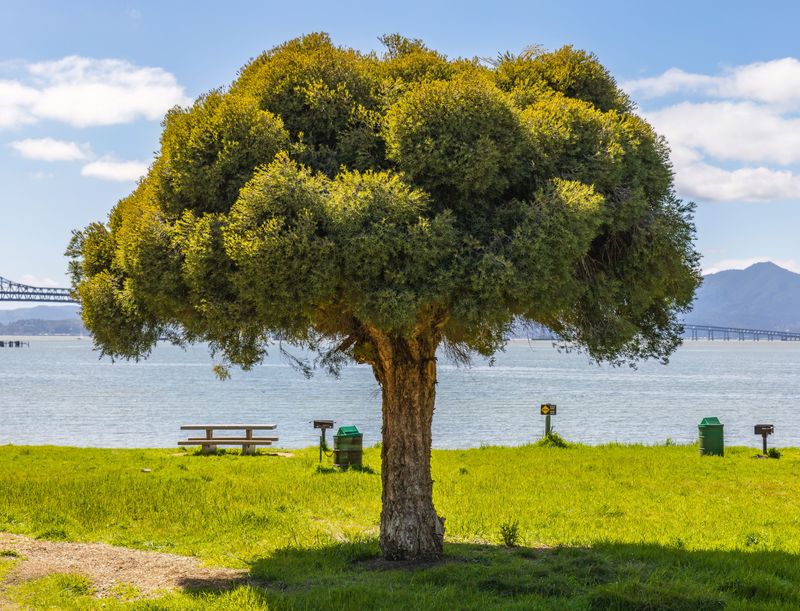
Crush one leaf from this tree and the sharp, peppery scent might make your eyes water a little. Umbellularia californica smells far stronger than kitchen bay, so cautious cooks use it sparingly in soups.
Native peoples roasted its olive-like fruits, and squirrels and jays still harvest the nuts each autumn. Trees grow slowly but can become broad giants, especially in moist canyons and along coastal hillsides.
Things get complicated because this tree hosts Phytophthora ramorum, a pathogen that seriously harms many native oaks. Infected bay leaves release spores during rainy weather, which can spread the disease to nearby oak trunks.
Despite that issue, Los Angeles still lists bay laurel as protected at four inches cumulative trunk diameter. Some Bay Area cities also protect large specimens under general size rules, so permits often still apply.
Experts sometimes recommend removing bays growing very close to valuable oaks, but that decision needs official approval. I believe asking your city first protects both your wallet and the oak you hoped to save.
When pruning is approved, schedule it during dry months, since wet weather encourages spores and fungal infections. Clean your tools between trees, and bag infected leaves instead of tossing them into a compost pile.
You might be surprised how forgiving bay laurel is, because it resprouts eagerly after careful, well-placed cuts. That resilience makes it a fine hedge or screen wherever local rules allow regular shaping.
5. Western Joshua Tree
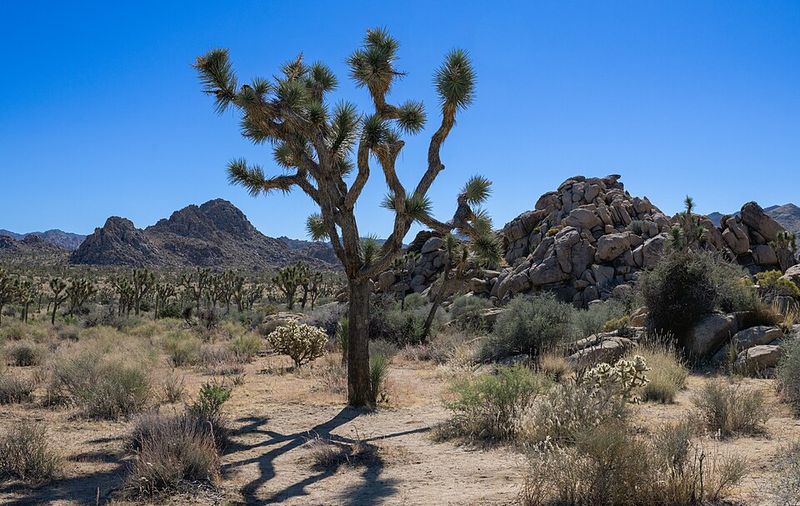
Only one tiny moth pollinates this spiky desert icon, and the partnership has lasted for millions of years. I love that the yucca moth tucks pollen into each flower on purpose, like a careful little gardener.
Western Joshua trees grow mostly in the Mojave Desert, and they add only a few inches each year. Climate change threatens much of their future habitat, which pushed lawmakers to act at the state level.
The Western Joshua Tree Conservation Act passed in 2023, making it a statewide rule rather than a city one. Under the law, trimming or removing one generally requires a permit from the state Department of Fish and Wildlife.
Size does not matter here, so even a short young plant in your yard deserves careful handling. You’re in for a surprise if you assumed desert homeowners could shape these trees whenever they liked.
The wildlife agency offers permits for trimming trees that pose real hazards to homes or public safety. Fees and mitigation rules vary by situation, so check the agency website before scheduling any work.
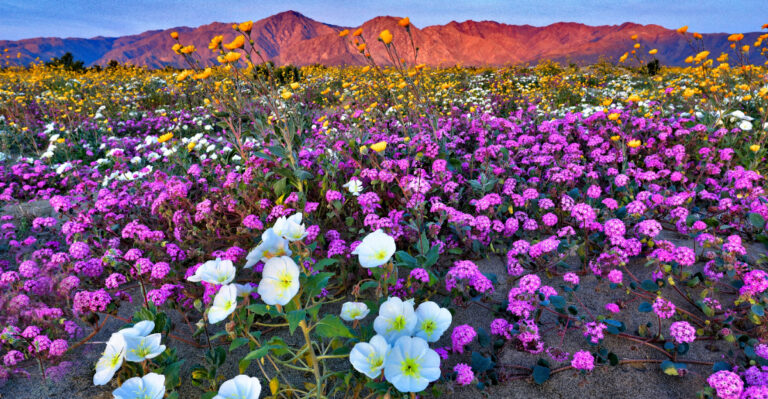
Routine cosmetic pruning on a healthy tree is unlikely to be approved, which frustrates some tidy landscapers. Personally, I think their shaggy, untrimmed look is half the charm, especially against a pink desert sunset.
If you live in desert communities like Yucca Valley or Twentynine Palms, contact the agency early. Penalties for unpermitted take can be serious, and a short email beats any stressful legal conversation.
6. Coast Redwood
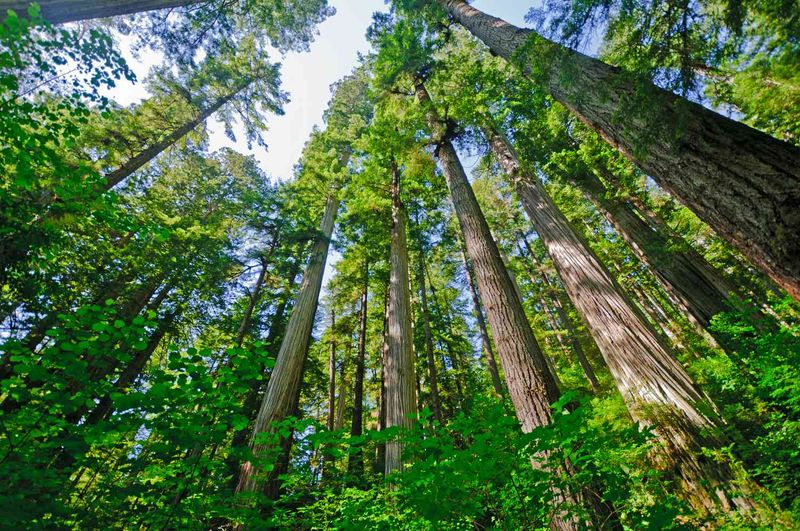
The tallest known living tree is a coast redwood named Hyperion, stretching roughly 380 feet into the fog. Your backyard redwood will probably stay much shorter, but it carries that same skyscraper ambition in its genes.
Sequoia sempervirens grows naturally along a narrow foggy coastal strip, sipping moisture straight from those cool summer fog banks. Homeowners plant them widely, yet many inland gardens struggle to keep them happy without generous water.
Because redwoods grow so large, many Bay Area cities protect them under heritage or size-based ordinances. Palo Alto, for example, protects coast redwoods measuring eighteen inches or more in trunk diameter at chest height.
Major pruning on protected trees often requires a permit, and topping a redwood is widely discouraged by arborists. I can’t imagine the regret of chopping a crown that took decades to grow, only to face fines afterward.
Redwood City requires permits to prune protected trees, so even its namesake species gets careful oversight there. San Mateo County also designates certain significant and heritage trees, with special rules in some coastal zones.
Redwoods resprout vigorously from cut stumps and burls, which is impressive but also leads to dense thickets. Before removing those sprouts, ask whether your city counts them as part of a protected tree.
When pruning is allowed, focus on removing broken branches and lifting low limbs rather than thinning heavily. Deep, infrequent watering during long dry summers keeps the needles green and reduces stress browning inside the canopy.
7. Mexican Elderberry
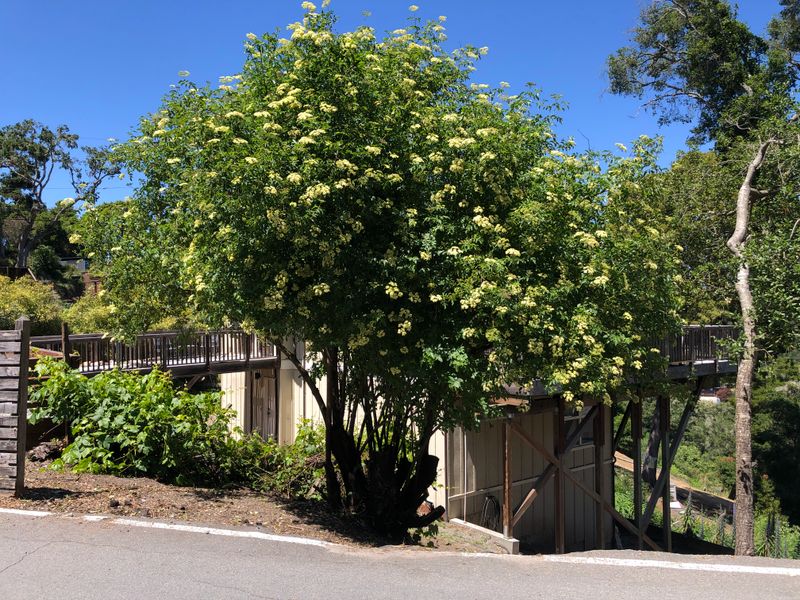
Flat clusters of creamy flowers can cover this native for months, and bees treat them like a busy snack bar. Later, dusty blue berries appear, and I swear every mockingbird in the neighborhood suddenly knows my address.
Botanists now often call it blue elderberry, or Sambucus nigra subspecies caerulea, but older names still linger. Los Angeles uses the name Mexican elderberry in its protected tree and shrub ordinance, adopted in 2021.
Protection kicks in when trunks reach four inches in cumulative diameter at four and a half feet. Because elderberries often grow several stems, measuring all of them together can surprise plenty of unsuspecting gardeners.
Activities that could cause serious harm or lead to removal require approval from the city’s Urban Forestry Division. Light shaping may be fine, yet you should confirm details with the city before making big cuts.
Elderberries grow fast and forgive pruning, which tempts people to hack them back hard each winter. Personally, I prefer gentle annual trims that keep flowers coming and keep inspectors uninterested in my yard.
Raw berries and stems contain compounds that can upset stomachs, so cook ripe berries before eating them. Many families turn cooked fruit into syrup or jam, a tasty tradition that stretches back many generations.
You can grow elderberry in full sun with occasional deep watering, and it tolerates many soil types. Just give it space, because healthy plants can reach twenty feet or more in good conditions.
8. Toyon
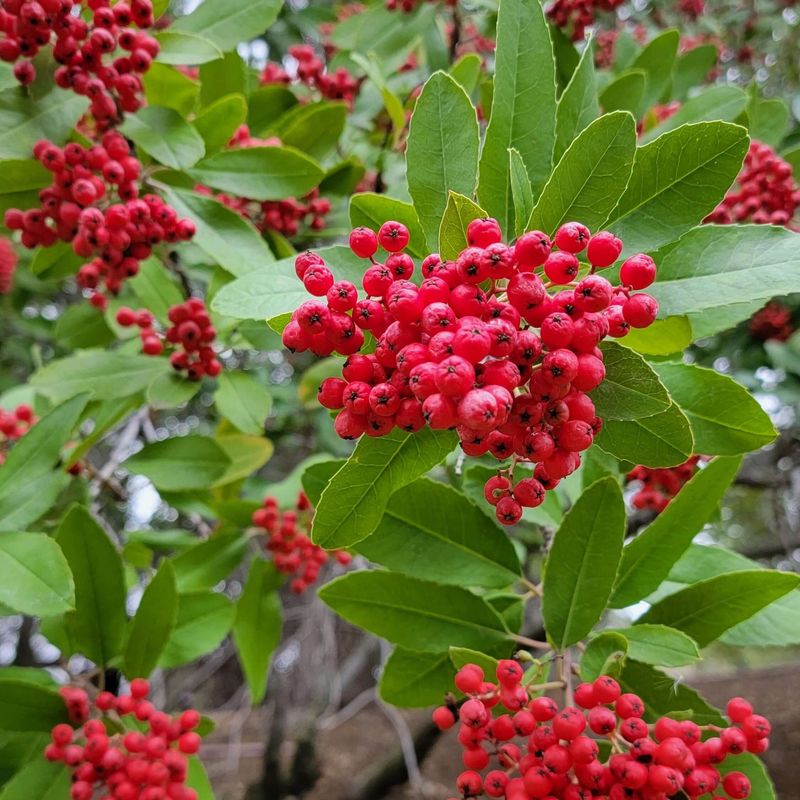
Hollywood supposedly took its name from this shrub, whose red winter berries resemble holly on sunny hillsides. Legend or not, I love that a whole film industry may trace back to a humble native bush.
Los Angeles declared toyon its official native plant in 2012, and the city now protects mature specimens. Heteromeles arbutifolia qualifies once trunks reach four inches in cumulative diameter at four and a half feet.
Small white flowers appear in early summer, drawing bees and butterflies to otherwise sleepy dry-season gardens. By late fall, bright berries ripen and attract hungry flocks of robins and cedar waxwings to your yard.
Watching those birds strip a branch in a single afternoon is one of my favorite garden shows. You may notice the berries taste bitter raw, since toyon fruit contains compounds best avoided uncooked.
Under the Los Angeles ordinance, work that could seriously harm a protected toyon needs city approval first. Homeowners elsewhere should check local rules, since protections for native shrubs vary from one city to the next.
Toyon handles summer drought beautifully once established, needing only occasional deep watering during long heat waves. It tolerates sun or partial shade, and it often grows eight to fifteen feet tall.
Prune lightly in late winter or early spring, after birds finish the berries and before flowers form. That timing keeps the plant tidy while leaving the next winter’s berry show mostly untouched for the birds.