The Late-Fall Fertilizer Mistake New York Gardeners Make That Washes Away in Storms
A bag of lawn food spread in late November can be illegal in parts of Long Island. Truth be told, that surprised me the first time I read the county rules.
Even where it’s legal, cold grass barely eats. Roots slow way down once the soil cools, so those granules mostly sit there like leftovers nobody wants. Then a nor’easter rolls in and does the rest.
In my own yard, I’ve watched a hard rain push little blue pellets down the driveway and toward the storm drain. That was my money floating away. It was also feeding something I didn’t mean to feed.
New York has clear rules about this, and most of us learned them the hard way, if at all. So what exactly goes wrong when we feed the lawn one last time, and what should we do instead?
That Last Bag of Lawn Fertilizer Might Be Feeding the Storm Drain
Late November feels like tidy-up time. You rake the last leaves, drain the hose, and maybe grab that half-used bag of lawn food from the garage so it won’t go to waste.
That instinct is kind, but the timing quietly works against you. Grass in a cool, short-day lawn is slowing down for winter, so it pulls in very little of what you spread.
The rest stays on the surface or in the top layer of soil, waiting.
Then the weather does what late fall weather does. A soaking rain, a nor’easter, or a quick thaw on half-frozen ground sends water sheeting across the yard.
Nitrogen dissolves easily, and loose granules roll right along with the flow.
Where does it go? Down the curb, into the storm drain, and out to the nearest creek, pond, or bay, usually with no treatment along the way.
Cornell Cooperative Extension and state agencies point to lawn runoff as one source of the extra nutrients that feed algae in local waters.
So the mistake isn’t fertilizing itself. It’s fertilizing too late, when the grass can’t use it and the storms are lined up to carry it off.
Your wallet loses, the lawn gains little, and the water downstream gets a meal it didn’t need.
Cold Soil Means Grass Roots Stop Taking Up Nitrogen
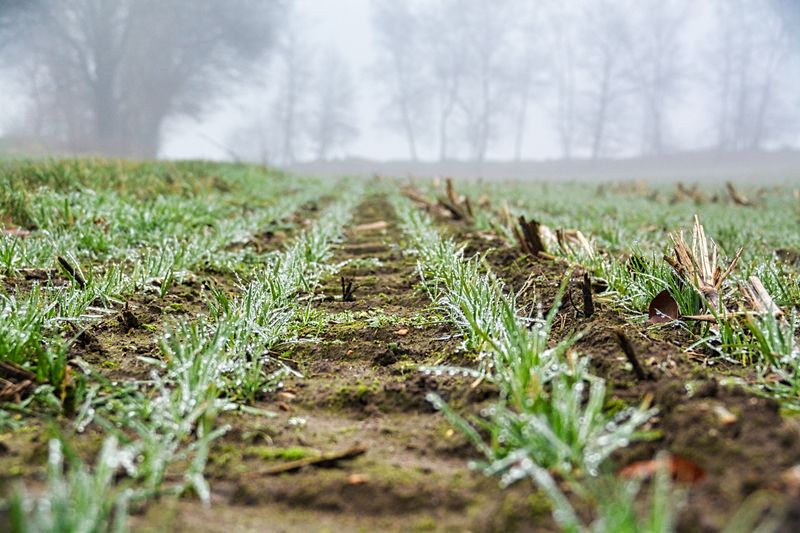
Grass is a lot like a sleepy teenager in December. It’s still alive, but it isn’t interested in a big meal.
Cool-season lawns, like Kentucky bluegrass, fine fescues, tall fescue, and perennial ryegrass, grow best when soil sits in the 50s and 60s. Once soil temperatures slide toward the low 50s and below, top growth stalls and root activity slows sharply.
Nutrient uptake drops right along with it.
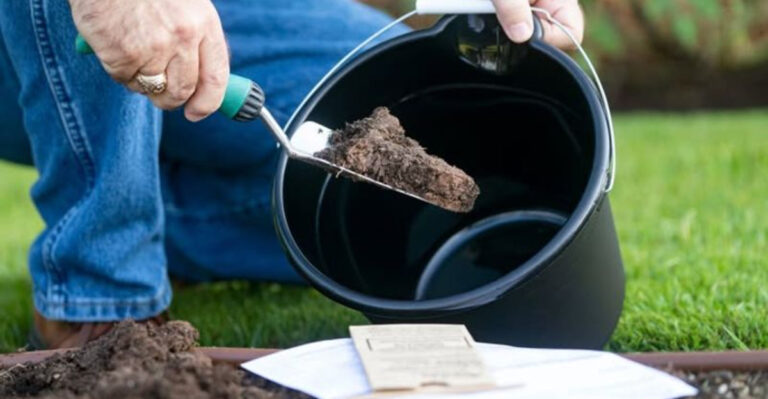
In my own yard, I use a cheap soil thermometer pushed about four inches down. It takes ten seconds, and it tells me more than the calendar does.
Many county extension offices also post soil temperature readings online.
Frozen ground is a bigger red flag. Water can’t soak into icy soil, so anything spread on top just waits for the next melt or rain to carry it away.
That’s why extension experts warn against spreading anything on frozen or snow-covered lawns.
Regional timing varies a lot across the state. The Adirondacks and North Country often cool off by early October, while Long Island and the five boroughs can stay workable into November.
Western New York and the Finger Lakes usually fall somewhere in between.
The takeaway is simple. Feed while roots are hungry, and let the lawn rest once the soil turns cold.
New York’s Fertilizer Calendar Has Hard Dates for Lawn Spreaders
Truth be told, plenty of gardeners have no idea there’s a legal calendar for lawn fertilizer. There is, and it’s stricter in some places than others.
Under the New York Nutrient Runoff Law, which took effect in 2012, lawn fertilizer can’t be applied between December 1 and April 1 anywhere in the state. The rule covers homeowners and professional applicators alike.
Farm fields and vegetable gardens follow different rules, but the turf in your front yard is covered.
Long Island goes further. Suffolk County’s blackout starts November 1, and Nassau County’s begins November 15, both running into spring.
Some towns and counties have added local rules too, so it pays to check with your town or county before you spread anything late in the season.
Fines can apply, but the bigger reason for these dates is water. Long Island sits on top of its own aquifer, which supplies drinking water to millions of residents, and its bays have struggled with nitrogen pollution for years.
If you ask me, the smartest move is to mark your local cutoff on the kitchen calendar in September. That way you’ll plan your last feeding well ahead of the deadline, instead of rushing out with the spreader the week before Thanksgiving.
Rain-Soaked Granules on Driveways Head Straight for Local Waters
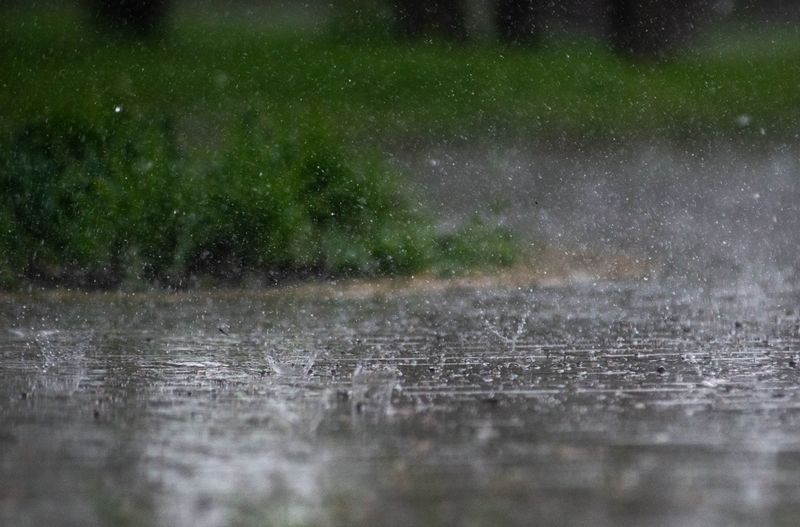
Blue and green pellets scattered on a driveway look harmless enough. After a heavy rain, they become tiny pollution packets on a fast track to the nearest stream.
Pavement doesn’t absorb anything. Fertilizer that lands on sidewalks, driveways, or the street dissolves in the first good storm and flows straight to the storm drain.
State law requires anyone applying lawn fertilizer to clean up spills on these hard surfaces, and a broom takes about a minute.
Once nitrogen and phosphorus reach lakes, ponds, and bays, they act like plant food for algae. Algal blooms can turn water green and murky, block sunlight from underwater plants, and pull oxygen down as they break apart.
Fish and shellfish then struggle, and some blooms produce toxins harmful to pets and people.
Funny thing is, the water you see from your yard is often just the start of the trip. The Finger Lakes, the Hudson River, and Long Island Sound all collect runoff from countless neighborhoods.
A few easy habits help a lot. Use a spreader with an edge guard near paved areas, fill it on the lawn instead of the driveway, and sweep stray granules back onto the grass.
Skip spreading when a downpour is in the forecast for the next day or two.
Phosphorus-Free Lawn Fertilizer Is the Law for Most Yards
Did you know most established lawns in the state don’t need any extra phosphorus at all? Many soils here already hold plenty, built up from years of past feeding and natural minerals.
New York law bans phosphorus lawn fertilizer unless a soil test shows a deficiency or you’re establishing a new lawn from seed or sod. Look at the three numbers on the bag.
The middle one is phosphorus, and for most yards it should be zero.
Phosphorus matters so much because even small amounts can spark algae growth in freshwater lakes. Places like Lake Champlain and several Finger Lakes have dealt with blooms tied partly to phosphorus runoff.
When I shop now, I reach for a phosphorus-free product with a good share of slow-release nitrogen. Labels often call it water-insoluble nitrogen, or list ingredients like polymer-coated urea or natural organic sources.
Slow-release forms feed grass gradually, so less nitrogen is sitting loose when a storm hits.
Quick-release fertilizers aren’t evil, but they’re riskier near the end of the season. They dissolve fast, and in cool, rainy weather that speed works against you.
A soil test settles the guesswork. Cornell Cooperative Extension offices across the state can point you to testing options, often for a modest fee, and the results tell you exactly what your lawn needs.
Early Fall Feeding Gives Cool-Season Grass the Real Boost
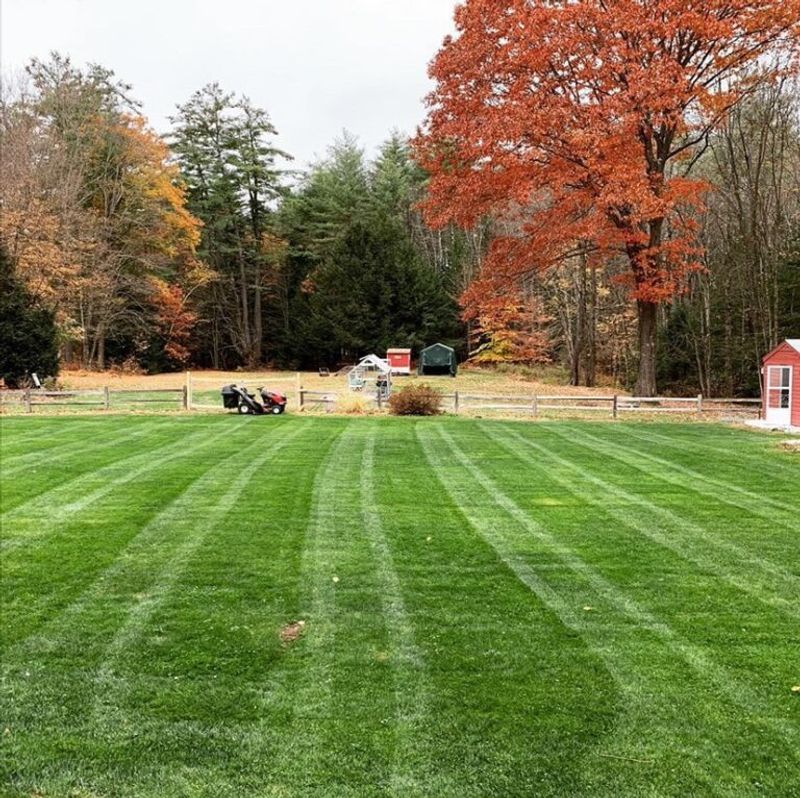
September is the month your lawn has been waiting for. Days are still mild, nights are cooler, and the soil holds onto summer warmth, which is a sweet spot for cool-season grass.
Cornell turf specialists point to fall as the most important feeding time for lawns in the Northeast. A main application around late August to mid-September helps grass recover from summer heat and thicken up.
Many programs add a second, lighter feeding in October while the grass is still green and growing.
Some gardeners use a late feeding in early November where it’s legal. Research shows it can help spring color, but only while the grass is still actively green and the ground isn’t frozen.
On Long Island, those county cutoffs make early fall the wiser choice anyway.
My garden taught me that rate matters as much as timing. Light applications, usually around half a pound to one pound of nitrogen per 1,000 square feet, are easier for grass to absorb than one heavy dose.
Watch the forecast before you head out. A gentle rain or a light watering after spreading helps move granules into the soil, while a forecast downpour can wash them away.
Roots store those fall nutrients, and you’ll see the payoff in a thicker, greener lawn come April.
Grass Clippings, Soil Tests, and Leafy Shoreline Buffers Keep Nutrients at Home
A simple habit saves money and protects water at the same time. Leave your grass clippings on the lawn.
Clippings break down quickly and return nitrogen to the soil. Turf programs report grasscycling can noticeably reduce fertilizer needs, with some estimates around 25 percent, and mulching mowers make the job tidy.
Fallen leaves can do similar work. Mow them into small pieces and let them settle into the turf, as long as you can still see grass blades through the layer.
Shredded leaves also feed soil life over the winter.
Near water, give nature some room. New York law prohibits lawn fertilizer within 20 feet of a lake, pond, stream, or wetland, unless there’s a 10-foot vegetated buffer or you use a spreader with a deflector shield and stay at least 3 feet back.
Native plants along a shoreline soak up nutrients before they reach the water.
A soil test every few years keeps you honest. It might show your lawn needs less than you think, or that pH, not nutrients, is the real issue.
Cornell’s soil lab and local extension offices can help.
So this fall, feed early, sweep up, and let the late storms roll through a lawn that’s already well fed. Your grass, your budget, and the creek down the road will all be better off.