How To Plan Next Year’s Vegetable Garden Before New York’s Snow Arrives
Parts of the Adirondacks can see frost in early June, while gardens near New York City warm up by mid-April. That gap of seven weeks means your planting calendar depends on which corner of the state you call home.
Garden lime added in fall has months to slowly change soil pH before the first spring seeds go in. I like that this slow chemistry works for you all winter, while the beds sit quiet under snow.
Seed companies often mail their new catalogs in late fall, and popular varieties can sell out by early spring. Ordering early gives you first pick of disease-resistant tomatoes and short-season melons for cooler parts of New York.
Right now your garden still holds clues, like which beds stayed soggy and which plants struggled in afternoon shade. I believe those notes beat any catalog, so what did your garden teach you this year?
1. Your Garden Notebook Matters More Than Any Seed Catalog
This past summer’s vegetable garden is still a valuable teacher, as long as you write things down soon. Memories fade quickly once snow covers the beds, so October is a smart month to record what happened.
Start with a simple sketch of your garden that shows each bed, path, fence, and nearby tree. Label what grew in every spot this year, including flowers and herbs, since they affect future planting choices.
Next, add short notes about which crops did well and which ones struggled with pests or disease. Many extension services, including Cornell, suggest keeping garden records because patterns often show up after several seasons.
Write down harvest amounts too, even rough guesses like two buckets of tomatoes or one small basket of beans. Those numbers help you decide whether to plant more, plant less, or swap a crop for something else.
Notice which beds got less than six hours of direct sun, since most fruiting vegetables need at least that much. Tomatoes, peppers, and squash usually want full sun, while lettuce and spinach can handle a bit of shade.
Drainage matters too, so mark any low spots where water pooled after heavy rain this summer or fall. Those soggy areas might work better for a raised bed next year, which drains faster and warms sooner.
Keep your notebook and sketch in one folder or phone album so nothing gets lost over the winter. When seed catalogs arrive, you will have real facts to guide your choices instead of guesses.
2. Grab A Soil Sample Before The Ground Freezes
Ever wonder why some beds grow huge squash while others barely produce, even with the same care and watering? Soil chemistry is often the hidden answer, and a fall soil test is the easiest way to find out.
Many county offices of Cornell Cooperative Extension offer pH testing or can point you toward a lab that does. Fall is a calm time to send samples, since labs are less busy than during the spring rush.
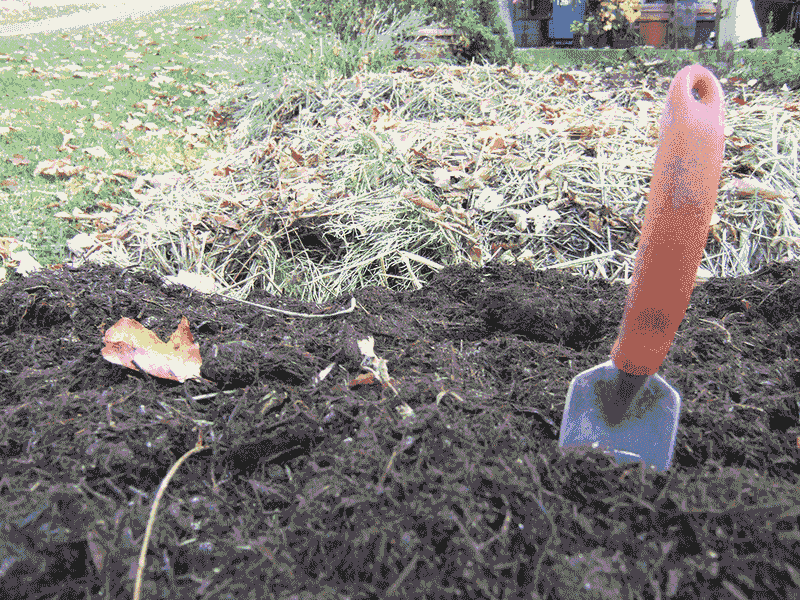
To collect a sample, use a clean trowel and dig down about six inches in several spots. Mix those small scoops in a clean plastic bucket, then let the soil air dry before packing it.
Your New York Garden Changes Every Week. Your Plan Should Too.
Gardening in New York changes quickly throughout the season. Every Friday you’ll receive a simple weekly plan showing exactly what to plant, prune, fertilize, harvest, and protect so you never miss the right timing.
Keep each garden bed separate if they were treated differently, because one mixed sample can hide important differences. Avoid sampling right after adding fertilizer, compost, or lime, since fresh additions can throw off the results.
Most vegetables grow best when soil pH sits between about 6.0 and 7.0, which is slightly acidic to neutral. Many New York soils lean acidic, especially in wetter regions, so lime is a common recommendation from test reports.
Results also show levels of phosphorus and potassium, which helps you avoid buying fertilizer your garden does not need. Too much phosphorus can run off into streams and lakes, so testing protects local water as well.
Plan to test every two or three years, which is a schedule many extension experts suggest for home gardens. Tuck the report into your garden notebook so the numbers sit right beside your bed map.
3. Your Beds Need A Rotation Map For Next Spring
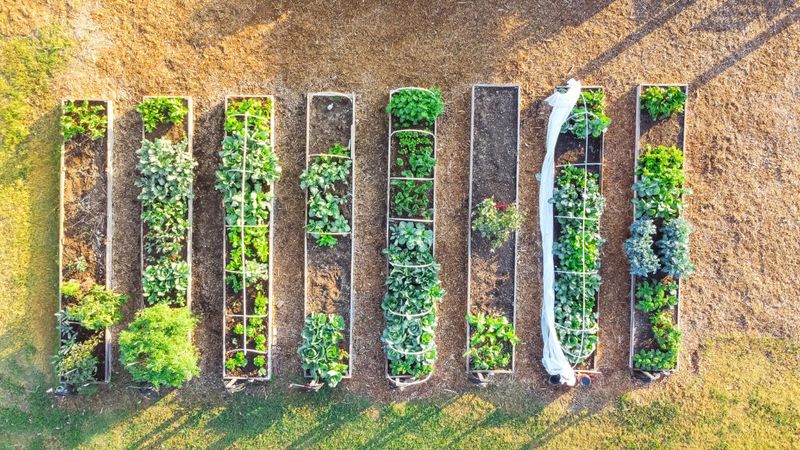
Tomatoes are a bit like houseguests who leave a mess, because their disease spores can linger in the soil. Early blight and Septoria leaf spot can survive on old plant debris and come back the following season.
Crop rotation means moving plant families to a new spot each year so problems have a harder time building up. Many extension services suggest waiting three or four years before returning a plant family to the same bed.
Families matter more than single crops, since tomatoes, peppers, eggplants, and potatoes all belong to the nightshade group. Cabbage, broccoli, kale, and radishes are cousins too, and they share many of the same pests.
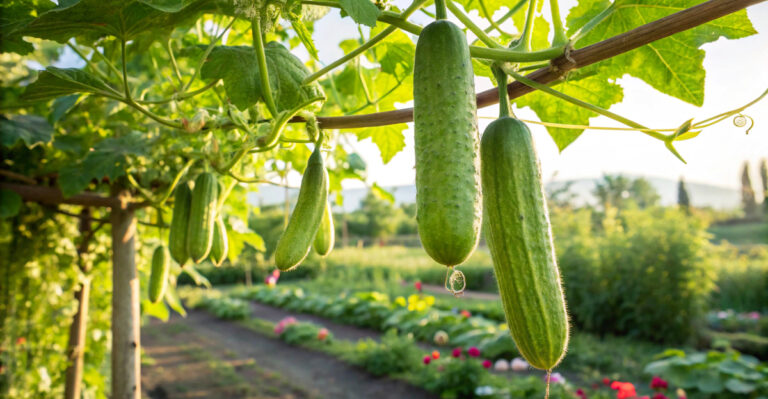
Squash, cucumbers, and melons form another family, while beans and peas belong to the legume group. Grab your bed map from this fall and shade each spot with a color for its plant family.
Then draw a second map for next year and slide each family over to a fresh bed. Small gardens make this tricky, but even shifting crops a few feet can help a little.
Containers or grow bags filled with fresh potting mix offer another option when space runs short, which is common in New York City yards.
Clearing out diseased tomato and squash leaves this fall also lowers the number of spores waiting for spring. Bag that material for the trash instead of composting it, since home piles rarely get hot enough.
4. Spread Lime Or Compost While You Still Can
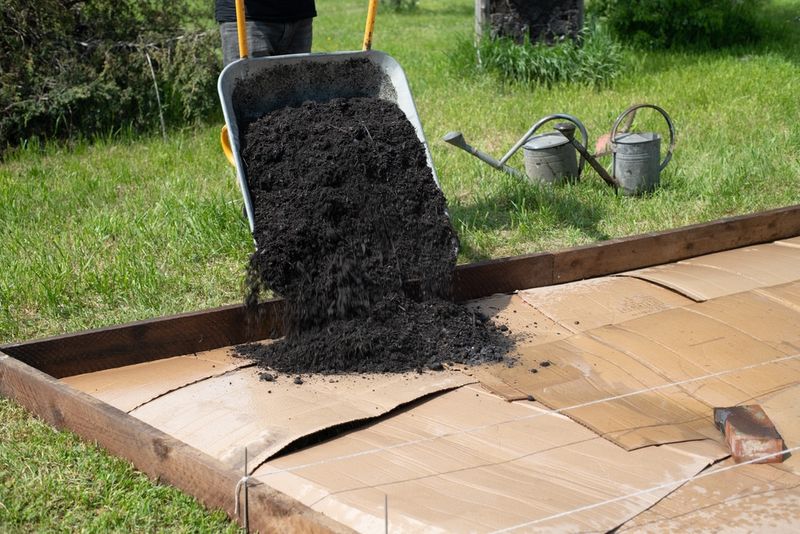
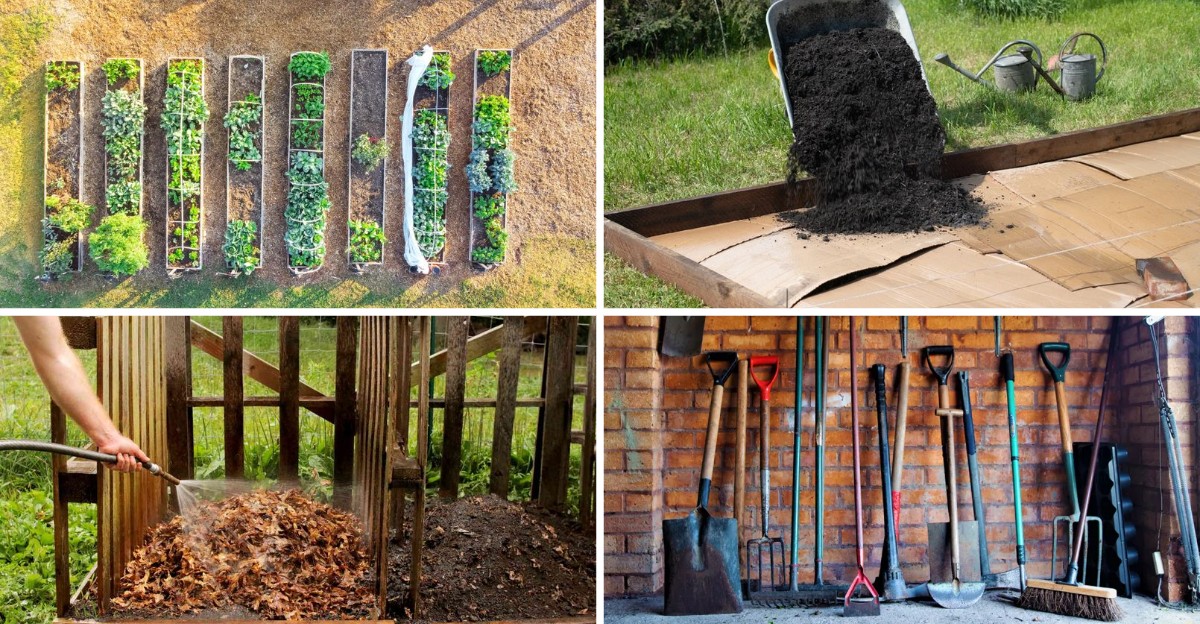
My favorite fall chore involves a wheelbarrow, a pitchfork, and a pile of dark compost waiting by the shed. Feeding the soil in October gives it months to settle before you plant anything in spring.
Lime works slowly, often taking several months to raise soil pH, which makes fall a smart time to spread it. Follow the amount listed on your soil test report, since adding too much can push pH too high.
Spread finished compost about one to two inches deep over empty beds after you clear away summer crops. Earthworms and soil microbes will slowly pull that organic matter down into the soil during cool weather.
Aged manure works well in fall too, because it has time to break down before you harvest anything. USDA organic rules require 120 days between applying raw manure and harvesting crops whose edible parts touch soil.
Another option is planting a cover crop, though most need to go in by early fall to grow enough. Winter rye is a common choice in New York because it can still sprout in cool October soil.
Rye roots hold soil in place during heavy rain and melting snow, which helps reduce erosion on sloped yards. Cut or turn it under in spring before it gets tall, since mature rye can be tough to manage.
Skip heavy nitrogen fertilizer this time of year, because it can wash away before spring crops can use it. Compost and lime are slower and steadier, which suits a garden that will rest under snow for months.
5. Tuck Garlic Into The Ground This Month
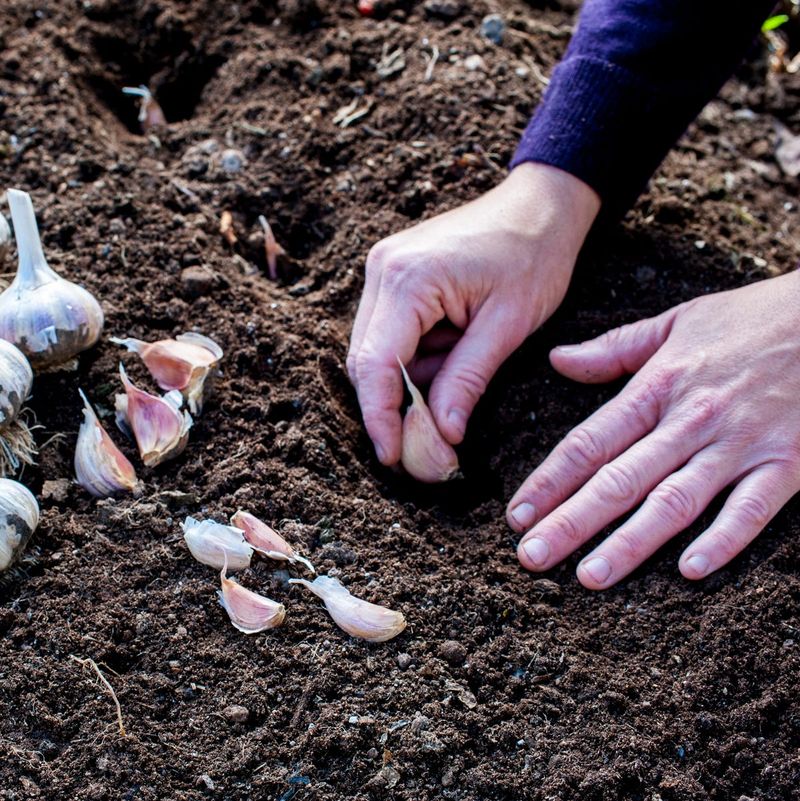
Garlic is a crop that wants to spend the winter in your garden, sleeping under a blanket of mulch. Cornell Cooperative Extension suggests planting cloves in New York a few weeks before the ground freezes, often in October.
That timing lets roots grow in fall while the green tops stay small until spring warms up. Garlic needs a long cold period to form big bulbs, so fall planting fits its natural rhythm.
Buy seed garlic from a garden center or local grower, since grocery store bulbs may be treated to slow sprouting. Hardneck types usually handle New York winters well and grow a curly flower stalk called a scape.
Separate the cloves just before planting, then set each one pointy end up about two inches deep. Space them roughly six inches apart in loose, well-drained soil that gets plenty of direct sun.
Choose a bed that did not grow onions, leeks, or garlic recently, since they share pests and diseases. Your new rotation map makes that choice easy, because every past crop is already marked on paper.
After the ground starts to freeze, cover the bed with about four inches of straw or shredded leaves. That mulch helps prevent heaving, which happens when freezing and thawing push cloves up out of the soil.
Pull back some mulch in spring once green shoots appear, and expect to harvest bulbs around mid-July. Garlic rewards a little fall effort with full bulbs the following summer.
6. Fallen Leaves Can Feed Your Beds All Winter
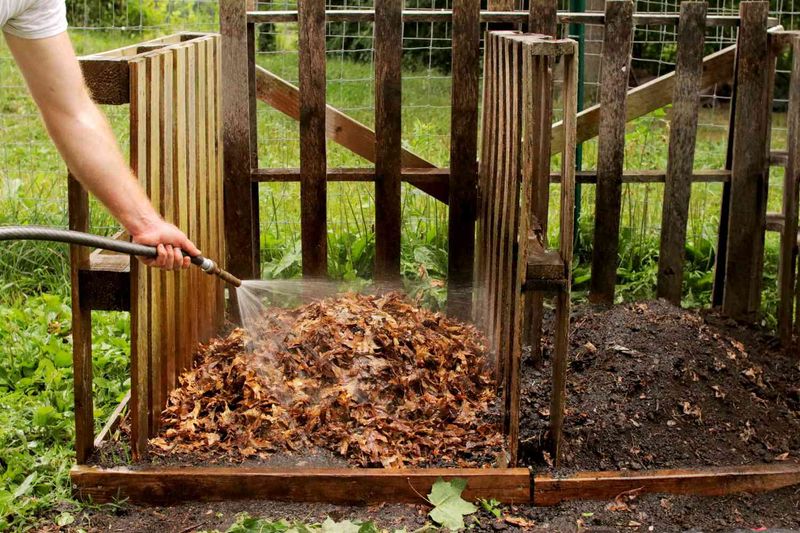
Every autumn, maple and oak trees across New York drop a free supply of garden material right onto lawns. Instead of bagging every leaf for the curb, you can turn many of them into mulch or compost.
Shredding leaves first makes a big difference, since whole leaves can mat together and block water and air. Running a lawn mower over a pile a few times is an easy way to chop them up.
Spread a few inches of shredded leaves over empty vegetable beds to protect bare soil from winter erosion. By spring, the bottom layer will be softer and partly broken down, adding organic matter to the beds.
Extra leaves can go into a wire bin or a corner pile to become leaf mold over time. Leaf mold often takes one to two years to form, but it holds moisture beautifully in garden soil.
Mixing leaves with green material like vegetable scraps or grass clippings helps a compost pile break down faster. Leaves supply carbon while greens supply nitrogen, and soil microbes need both to stay busy and productive.
Black walnut leaves deserve caution, since they contain juglone, a natural chemical that can harm tomatoes and peppers. Many extension services suggest composting them for several months before using them near sensitive vegetable crops.
Leaving some leaves under shrubs or in a quiet corner also gives shelter to overwintering butterflies and beneficial insects. Many of those insects help pollinate squash and cucumbers or eat garden pests once warm weather returns.
7. Your Frost Dates Shape The Whole Seed Order
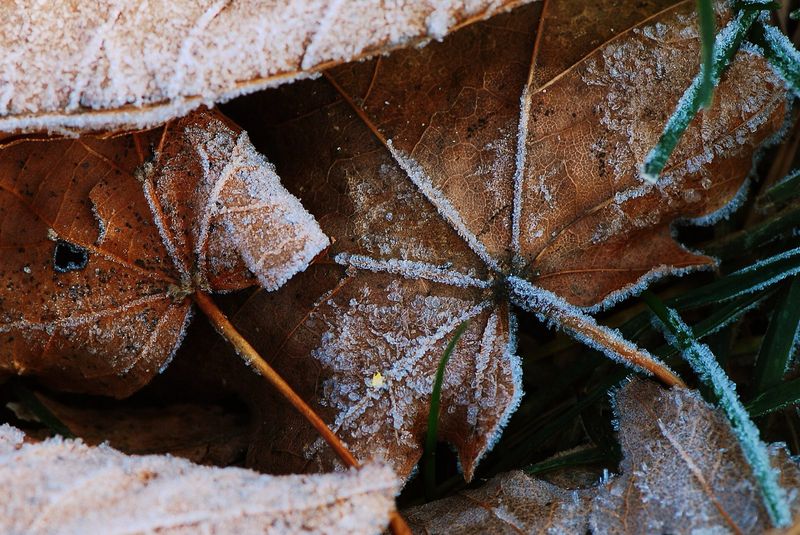
Frost dates in New York swing widely, and they decide when nearly every crop on your list can go outside. Long Island and New York City often see their last spring frost in April, while northern areas wait longer.
Parts of the Adirondacks and the Tug Hill region can see frost into late May or even early June. Look up the average frost dates for your zip code using a trusted source such as your county extension office.
Once you know your dates, check the days to maturity printed on each seed packet or catalog listing. Gardeners in short-season areas should favor tomatoes or melons that ripen in about 70 days or less.
Count backward from your last frost date to plan indoor seed starting for tomatoes, peppers, and onions. Tomatoes usually need about six to eight weeks indoors, while peppers often need eight to ten weeks.
Write those starting dates on a calendar now, so February and March tasks do not sneak up on you. Cool-season crops like peas and spinach can go outside a few weeks before the last frost.
Look for disease-resistant varieties too, since codes like V, F, or N on tomato labels show built-in resistance. Ordering in late fall or early winter gives you the best selection before popular seeds sell out.
Saving leftover seeds is fine, but test old packets by sprouting ten seeds on a damp paper towel first. If only five sprout, you know to sow those seeds twice as thickly or buy a fresh packet.
8. Clean Tools Make Spring Planting Much Easier
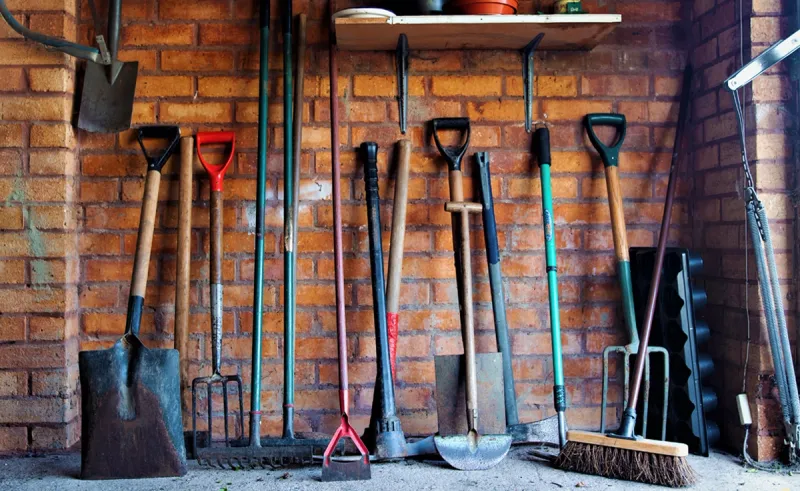
Spring planting day feels much smoother when your shovel is sharp, your hose works, and your seed trays are ready. Taking an hour in October to care for gear saves money and frustration when the busy season returns.
Scrape caked soil off shovels, hoes, and trowels, then scrub them with a stiff brush and water. Dry the metal well and wipe on a thin coat of oil to help prevent rust over winter.
Pruners touched by diseased plants should be cleaned with a household disinfectant before you put them away. Rinse and dry them afterward, since some cleaners can cause metal parts to corrode over time.
Drain garden hoses fully and store them indoors, because water trapped inside can freeze and split the rubber. Shut off outdoor faucets from inside the house too, since frozen pipes are a common winter repair problem.
Wash old seed trays and pots in warm soapy water to remove leftover soil and possible disease organisms. Seedlings are tender, and damping-off disease can spread quickly in dirty containers during indoor seed starting.
Store leftover seeds in a sealed jar in a cool, dry spot like an interior closet shelf. Most vegetable seeds stay usable for a few years when they are kept away from heat and moisture.
Finish by making a short shopping list of tools, stakes, or supplies that wore out this season. End-of-season sales at garden centers often run through fall, which makes now a great time to restock.