Why Ohio Gardeners Spread Compost Over Beds Before The Ground Freezes
Earthworms in Ohio can tunnel up to six feet down to dodge frozen soil. Then they come back up hungry, and they bring the surface goodies down with them.
I didn’t expect a pile of brown crumbles to matter so much in November. Truth is, I used to rake my beds bare and call it a season. My spring soil looked like a cracked parking lot.
Freezing and thawing can heave small plants right out of the ground. Heavy winter rain can wash loose topsoil into the street. Bare dirt has very little defense against either one.
So why do so many experienced growers haul wheelbarrows out on chilly afternoons, right before the first hard freeze? The answer sits in a few inches of dark, earthy stuff. It does far more work over winter than most of us give it credit for.
That Dark Layer On Fall Garden Beds Keeps Working All Winter
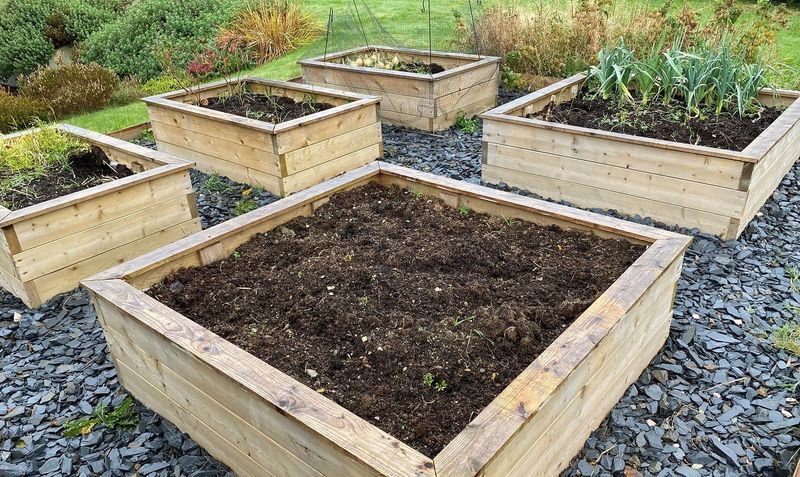
Walk past an Ohio garden in mid-November and you might spot beds that look freshly frosted with chocolate cake crumbs. That dark topping is finished compost, and it has a job to do long after the tomatoes are gone.
Soil does not shut off when the air turns cold. Until the ground freezes solid, roots, fungi, bacteria, and earthworms keep moving, just at a slower pace. Compost gives them food and shelter during those last active weeks.
I’m a sucker for any chore that pays me back later. Fall compost is the champion of that. You spread it once, walk away, and let rain, snow, and soil life handle the mixing for months.
The real value comes from organic matter. Ohio State University Extension points out that adding organic matter is one of the best ways to improve almost any garden soil, from heavy clay to sandy loam. Fall timing simply gives that material a long head start.
By the time you pull on gloves in April, much of the compost has settled into the top layer. The soil feels softer and darker. Your spring planting starts on a better foundation than bare dirt could offer.
Earthworms And Soil Microbes Turn Compost Into Plant Food
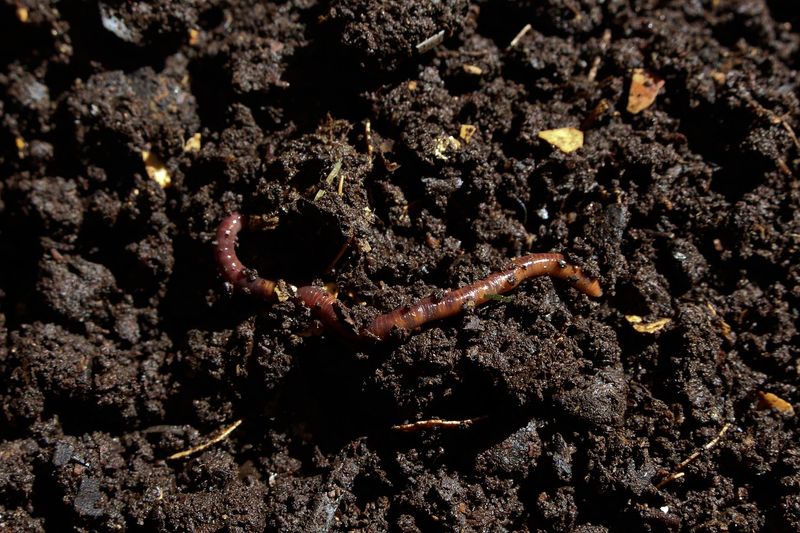
Here’s what gets me about compost. It does not feed plants directly in the way a bag of fertilizer does. Tiny helpers in the soil do most of the heavy lifting first.
Bacteria and fungi break compost down into simpler pieces. That slow process releases nitrogen, phosphorus, potassium, and trace nutrients in forms roots can absorb. Earthworms pull bits of compost downward, leaving behind castings and tunnels that let air and water move through the soil.
Cold weather slows these workers, but it does not stop them right away. In Ohio, soil often stays above freezing well into late fall, and it may thaw several times during winter. Each mild stretch gives microbes another chance to keep chewing.
Because compost releases nutrients gradually, it rarely causes the quick, soft growth that heavy fertilizer can trigger. That makes it a safer fall choice. Extension experts generally advise against adding high-nitrogen fertilizer to perennial beds late in the season.
Fun fact for your next garden chat: one teaspoon of healthy soil can hold hundreds of millions to a billion bacteria. Feeding that hidden crowd in fall means a livelier, more productive bed when spring returns.
Late October Through Early November Is The Sweet Spot For Spreading Compost
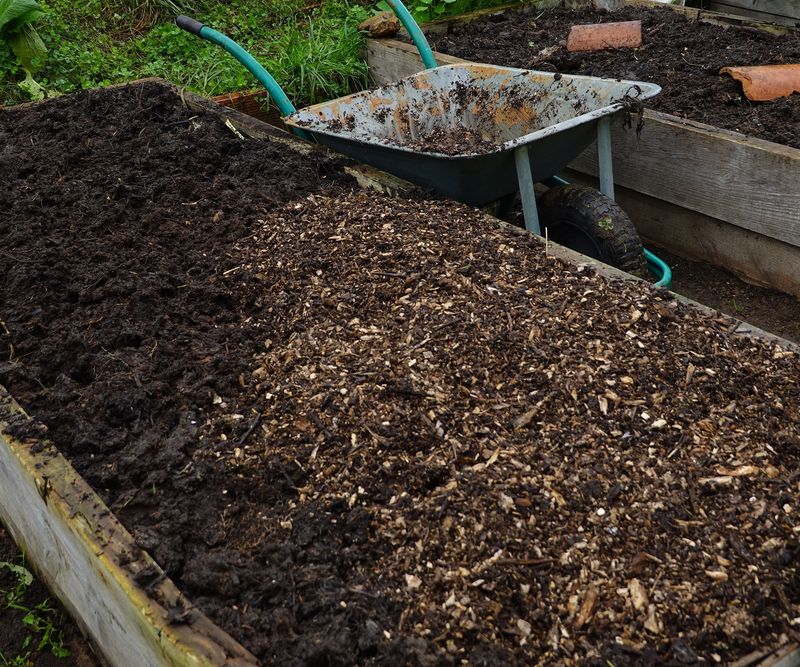
Timing this chore is a bit like catching a bus. Show up too early and you wait around, but show up too late and the door is shut.
The best window usually opens after your vegetables are harvested and perennials start to fade. For much of central Ohio, that lands between late October and early November. Northern counties near Lake Erie may freeze a little earlier, while southern Ohio often gives you a few extra weeks.
Watch the soil more than the calendar. If you can still push a garden fork into the ground easily, you are in good shape. Once the top few inches freeze hard, working compost into the bed gets tricky.
Spreading over frozen ground is not a disaster, though. The compost will still sit on top and slowly settle as things thaw. You just lose some of that early microbial activity.
One more tip from experience: try to finish before heavy snow rolls in. Shoveling snow off a bed so you can add compost is a workout nobody needs. A dry afternoon with soil that crumbles in your hand is pure gold for this job.
One To Two Inches Of Compost Is Plenty For Most Beds
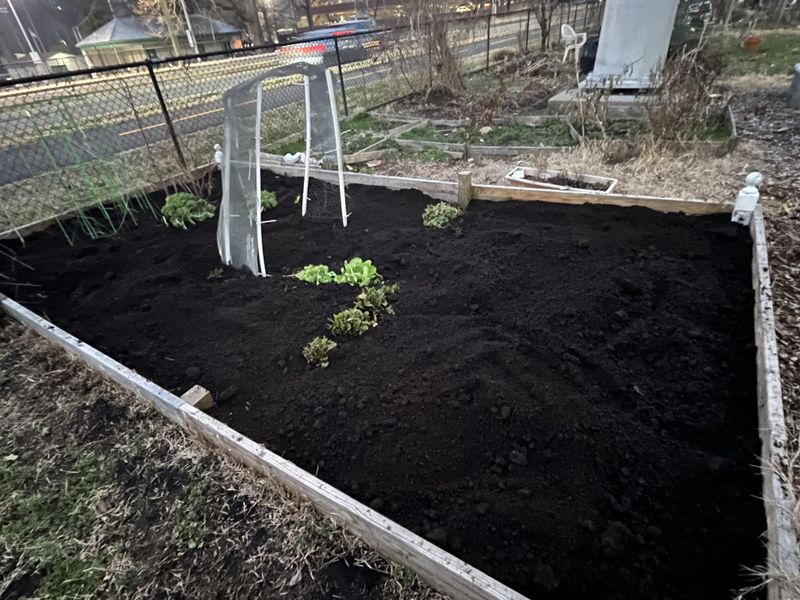
More is better, right? Not with compost. A layer about 1 to 2 inches deep is the range many extension specialists suggest for garden beds.
Go much thicker and you can create a soggy mat that stays wet too long. Very heavy yearly doses of manure-based compost can also push phosphorus and salt levels higher than plants need. A simple soil test from a lab can show if your beds already have plenty.
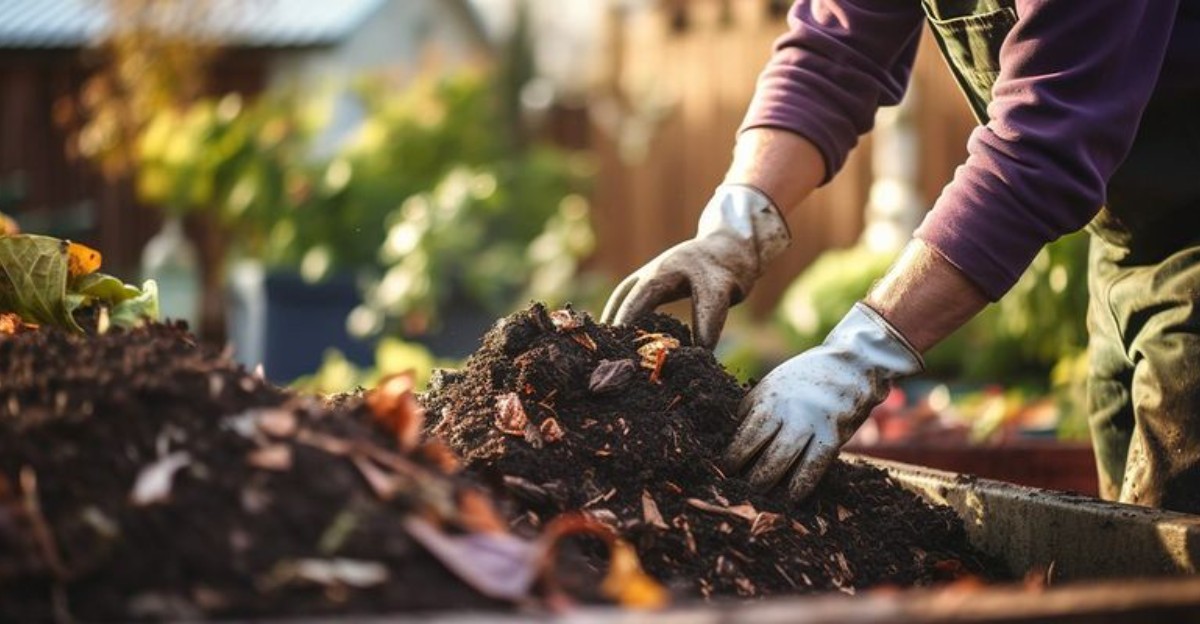
Spreading is easy. Dump small piles across the bed, then use the back of a rake to level everything out. You can lightly mix it into the top few inches of soil or simply leave it on the surface.
No-till gardeners love the surface method. Earthworms and freeze-thaw cycles slowly blend the compost in, and you avoid disturbing soil structure. Tilling can bring buried weed seeds up to the light.
Around perennials, shrubs, and trees, keep compost a few inches away from stems and trunks. Piling it against bark can hold moisture there and invite rot. For a typical 4 by 8 foot raised bed, about 2.5 to 5 cubic feet of compost does the job nicely.
Bare Soil Washes Away In Heavy Winter Rain And Snowmelt
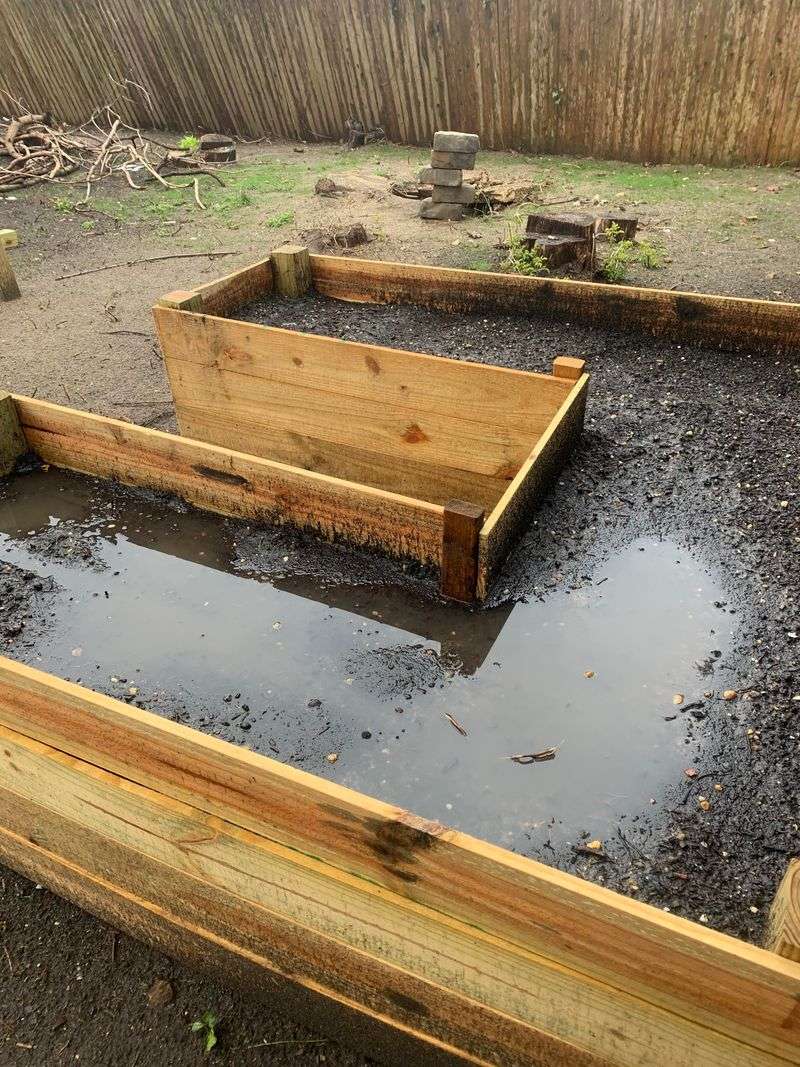
I learned the hard way that a bare garden bed in winter is basically an open invitation for erosion. One soaking March rain left a muddy streak running from my bed right down the driveway.
Ohio gets plenty of winter and early spring precipitation. When raindrops slam into exposed soil, they knock fine particles loose. Water then carries that topsoil, along with its nutrients, out of your garden and sometimes into storm drains.
A compost covering softens the blow. It absorbs the impact of rain and slows water as it moves across the surface. More water soaks in instead of running off.
Compost also improves soil structure over time. It helps tiny soil particles clump into crumbs, creating spaces where water can drain and air can move. Clay-heavy soils, common across much of the state, benefit the most from this change.
Sandy spots get help too. Compost acts like a sponge, holding moisture that would otherwise drain straight through. That balance matters during snowmelt, when soil can swing from soaked to dry quickly.
Keeping topsoil where it belongs might be the least glamorous perk of fall compost. Your garden and your local streams both benefit from it.
Frost Heaving Can Push Young Perennials Right Out Of The Ground
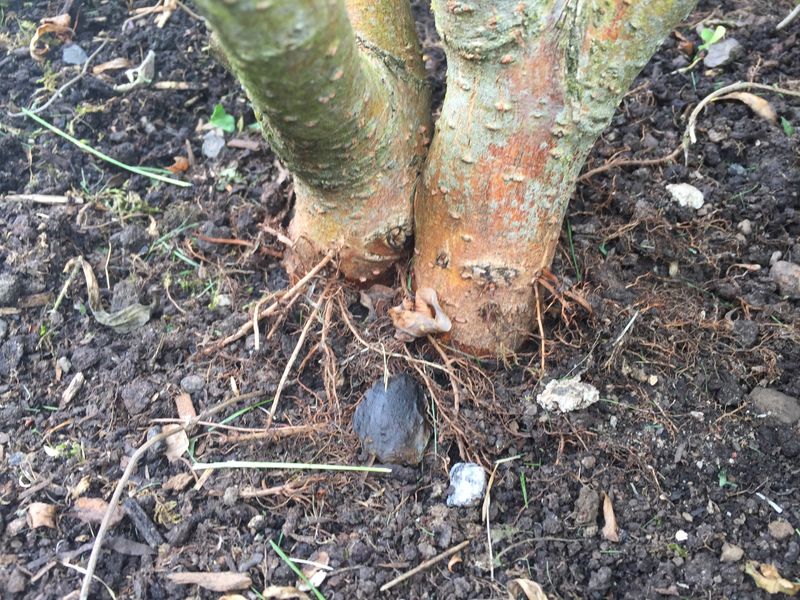
Guilty as charged: I once found a brand-new coral bells plant sitting on top of the soil in February, roots exposed to the cold air. Frost heaving had lifted it clean out.
Heaving happens when soil freezes, thaws, and refreezes again and again. Water in the soil expands as it turns to ice, pushing the ground upward. Shallow-rooted or newly planted perennials can get shoved up along with it.
Ohio winters are famous for wild temperature swings. A sunny 50-degree day can follow a single-digit night. Those ups and downs create perfect conditions for heaving.
A layer of organic material on top helps moderate soil temperature. It shades the surface and slows how fast the ground warms and cools. Many gardeners add a few inches of shredded leaves or straw over the compost around tender perennials once the ground freezes for extra protection.
Still, compost is not a heated blanket. It reduces sudden swings rather than stopping freezing altogether. If you spot heaved plants during a thaw, gently press them back down and cover the roots. Quick action gives those plants a much better chance of bouncing back in spring.
Skip The Diseased Tomato Vines And Half-Finished Compost
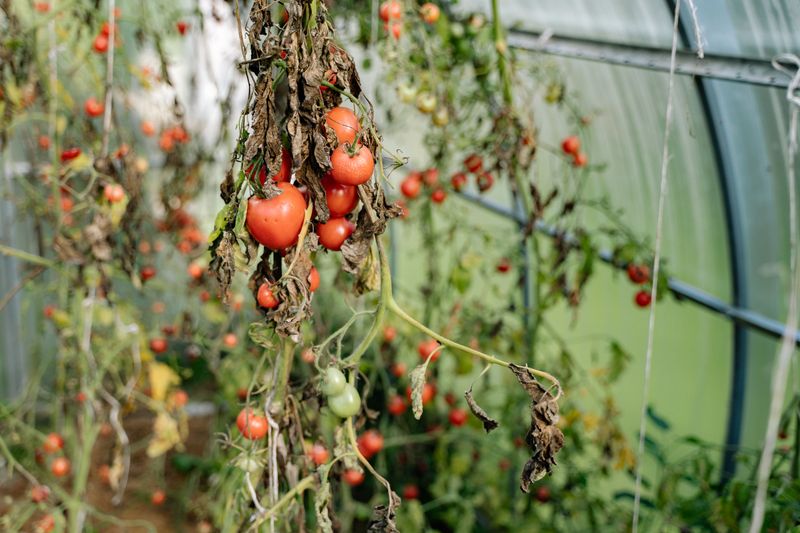
Fair warning: not every compost belongs on your beds in fall. Some materials can create more trouble than they solve.
Start with what you clean out. Tomato vines with early blight, squash leaves covered in powdery mildew, and plants damaged by serious pests are better bagged or removed than tossed into a backyard pile. Home compost piles often do not get hot enough to break down disease spores reliably.
Next, check that your compost is truly finished. Good compost smells earthy and looks dark and crumbly, with few recognizable scraps. If it still smells sour or shows chunks of food, give it more time.
Unfinished compost can tie up nitrogen as it keeps breaking down. It may also attract raccoons, skunks, or rodents looking for a free snack. Nobody wants that kind of winter company near the garden.
Buying bagged or bulk compost? Look for products from facilities that test for quality. The US Composting Council runs a Seal of Testing Assurance program that helps buyers compare products.
A quick sniff and squeeze test before spreading saves headaches later. Clean, mature compost is what you want tucked around next year’s crops.
Crumbly Spring Soil Is Your Reward For A Few Hours In The Cold
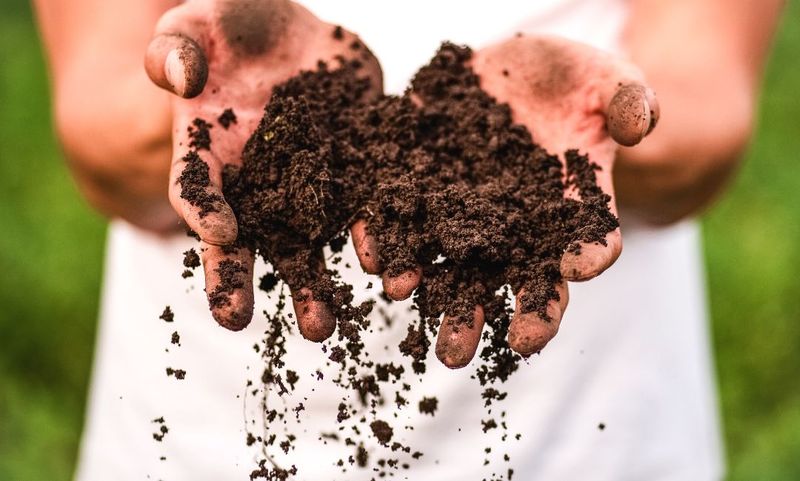
Every spring, I do the same little ritual. I grab a handful of soil from a bed that got fall compost, squeeze it, and watch it crumble apart. It feels like a small victory each time.
That crumbly texture means better drainage, more air for roots, and easier planting. Beds that wintered with compost usually warm and dry out more evenly in spring. You can often get seeds and transplants in without fighting sticky clods.
Here are a few next steps to make the most of it. First, order a soil test through a lab recommended by Ohio State University Extension every few years. It shows whether you need lime, sulfur, or extra nutrients.
Second, start a backyard compost pile now with fall leaves. Shredded leaves mixed with kitchen scraps can become next year’s supply. Third, keep notes on which beds got compost and how they performed.
Fall compost is not magic, and results build over several seasons. Still, few chores offer this much payoff for so little effort. Spend one cool afternoon with a wheelbarrow, and your future self will be grinning at those happy spring seedlings.