10 Smells That Keep Mice Out of Florida Homes This Fall
A whiskered intruder weighing less than an ounce can slip through a gap about the width of a pencil. Their noses are so sharp that scent guides nearly every move they make inside walls and cupboards.
In Florida, fall rarely brings frost, yet cooler nights and fewer outdoor seeds still push them toward our homes. Garages and pantries start looking like five-star hotels to a hungry little visitor with big ambitions.
I have to admit that my herb bed has quietly become my favorite tool for this seasonal problem. I love that some of the same aromas you enjoy in tea can make those visitors uneasy.
Scents alone rarely solve everything, so I pair them with sealed gaps and tidy storage around my Florida home. Which familiar smell from your kitchen or garden do you suspect tiny noses dislike the most?
1. Peppermint Oil Cotton Balls Tucked Near Entry Points
My kitchen smelled like a candy cane factory the first week I tried peppermint oil near the back door. That bright menthol punch feels refreshing to us, but it seems to overwhelm a mouse’s sensitive nose.
Researchers have found that strong odors can make rodents hesitate, though results in real homes are often mixed. I treat peppermint as a helpful nudge rather than a magic wall that solves every problem alone.
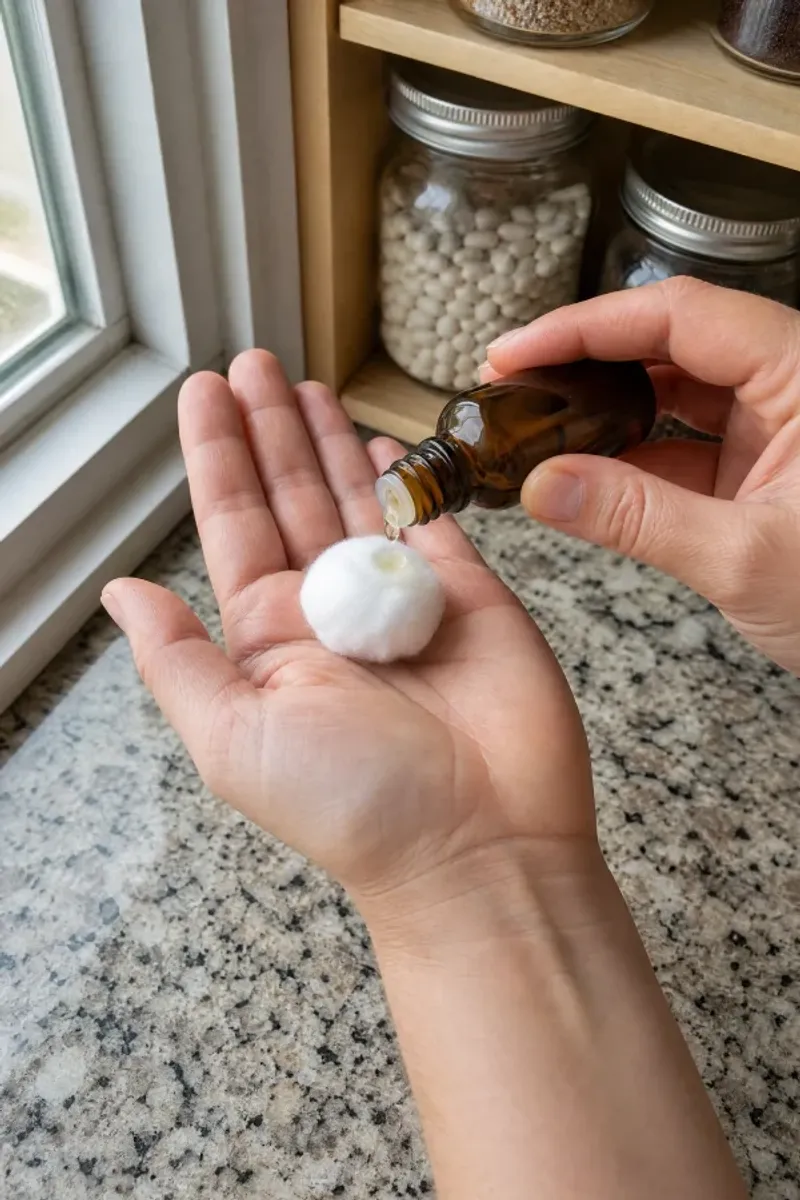
You need to soak a few cotton balls in pure peppermint oil and tuck them near gaps under sinks. Spots behind the stove and inside the garage door frame are favorite highways for tiny visitors.
The oil fades faster than most people expect, so refresh those cotton balls every few days for steady strength. I keep a small labeled jar of soaked balls ready, which makes swapping them quick and painless.
Cat owners should be careful, because concentrated peppermint oil can upset feline stomachs and irritate their skin. Place treated cotton high or behind panels where curious paws and little hands cannot easily grab them.
2. Eucalyptus Oil Sprayed Along Garage Door Seams
Walking into a steamy spa and catching that cool eucalyptus scent might be one of my favorite small joys. Mice do not share my enthusiasm, since the sharp, medicinal smell seems to make them uneasy.
Much of that punch comes from a compound called cineole, also known as eucalyptol, found in the leaf oil. It gives eucalyptus its clean, camphor-like bite that lingers on fabric and wood surfaces for hours.
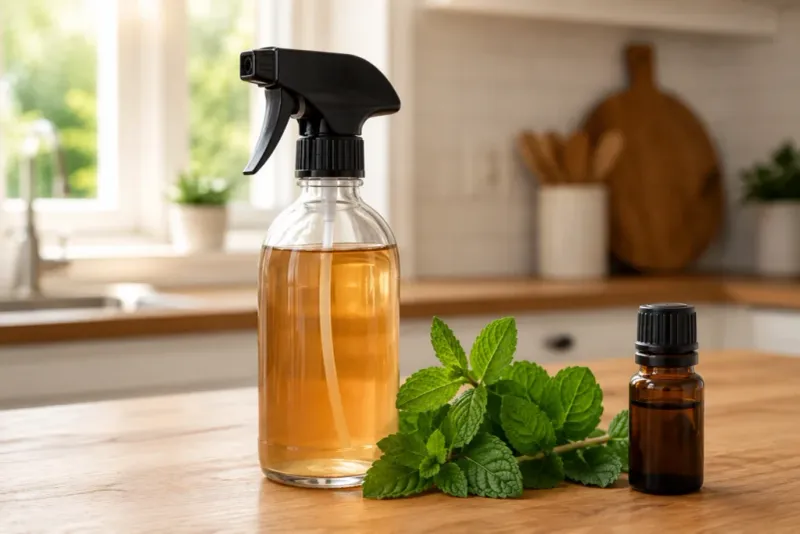
I mix about fifteen drops of eucalyptus oil into a cup of water inside a small spray bottle. Then I mist along the garage door seal and baseboards where droppings or chewed debris have shown up.
Fall is a smart time to start, before rodents settle into regular travel routes around your home. Reapply every day or two, because the scent fades quickly in our warm, humid afternoons and breezy evenings.
Eucalyptus oil can be harmful to pets and children if swallowed, so let treated areas dry fully. Store the bottle on a high shelf and skip spraying near food bowls or pet beds altogether.
3. Whole Cloves Tucked Into Pantry Sachets
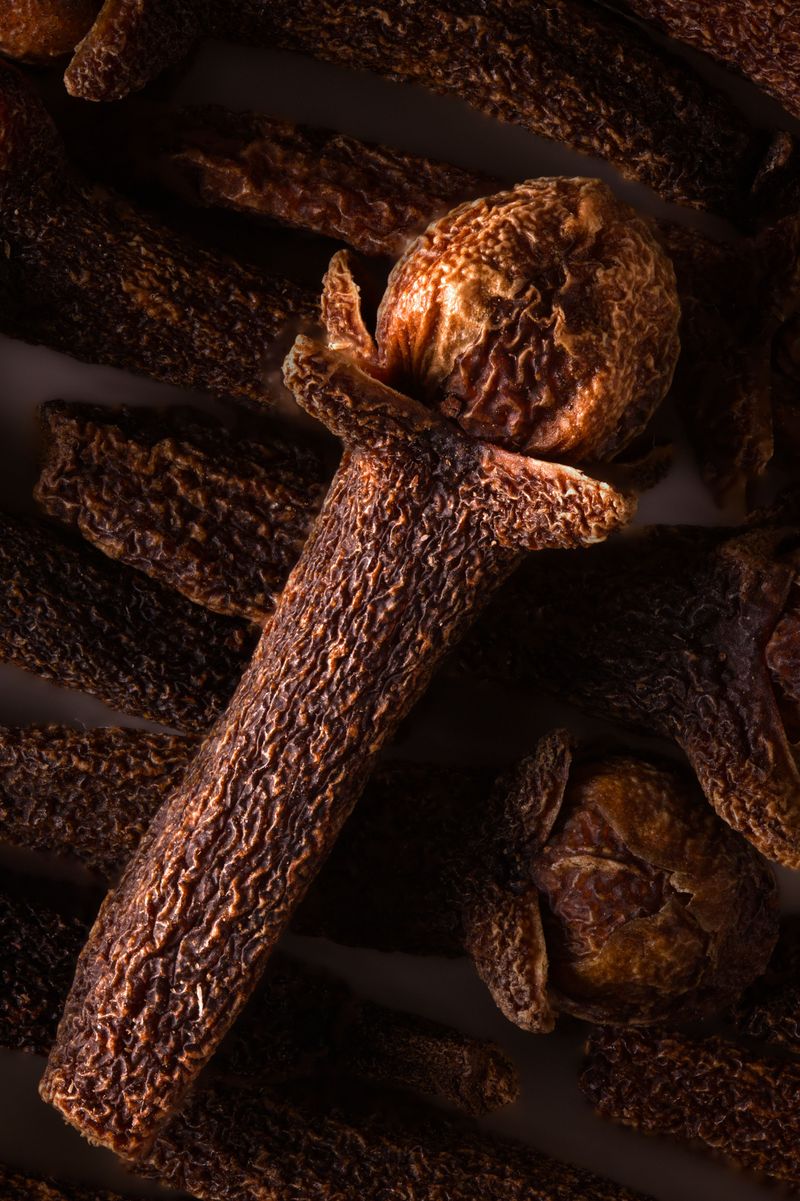
Grandma’s holiday ham studded with cloves taught me early how powerful that warm spice can smell. Years later, I tucked those same little dried flower buds into my pantry for a very different reason.
Cloves come from the tree Syzygium aromaticum, and their oil is rich in a strong compound called eugenol. Some studies suggest rodents avoid eugenol, though scientists still debate how well it works inside busy homes.
I fill small cloth sachets with a handful of whole cloves and set them on pantry shelves and cabinets. You might notice the scent stays pleasant for us while feeling intense to a twitchy, curious nose.
Squeeze or crush the sachets every week to release fresh oil, and replace the cloves about once a month. Clove oil on cotton balls works too, but it fades faster and needs more frequent attention.
Sachets work best alongside sealed containers, because mice will ignore smells if open cereal boxes sit nearby. I moved my oats and rice into glass jars, and the nibbled bags quickly became a thing of the past.
4. Cayenne Pepper Sprinkled Around Outdoor Gaps
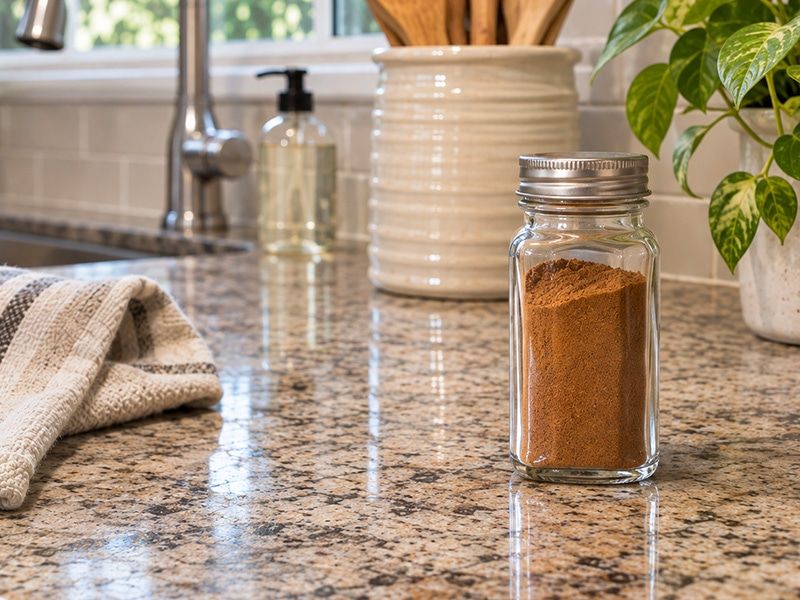
One careless sniff of cayenne while cooking chili sent me into a sneezing fit that lasted several minutes. Imagine that feeling magnified for a creature whose entire world is built around a sensitive nose.
Capsaicin, the fiery compound in hot peppers, irritates the nose and mouth of mammals, including rodents. Birds barely notice capsaicin, which explains why hot pepper suet is popular with backyard bird lovers everywhere.
I sprinkle a thin line of cayenne powder along foundation gaps, utility openings, and the edges of my shed. Rain washes it away quickly, so plan to reapply after every afternoon shower or heavy morning dew.
Some gardeners mix cayenne with water and a drop of dish soap to spray along outdoor walls. I keep this strategy mostly outside, because the powder can irritate human eyes and lungs indoors.
Pets and kids should stay clear of treated spots, since a curious lick or rub can sting quite a bit. Think of cayenne as a short-term barrier while you seal holes with steel wool and caulk.
5. Lemongrass Planted Near The Back Door
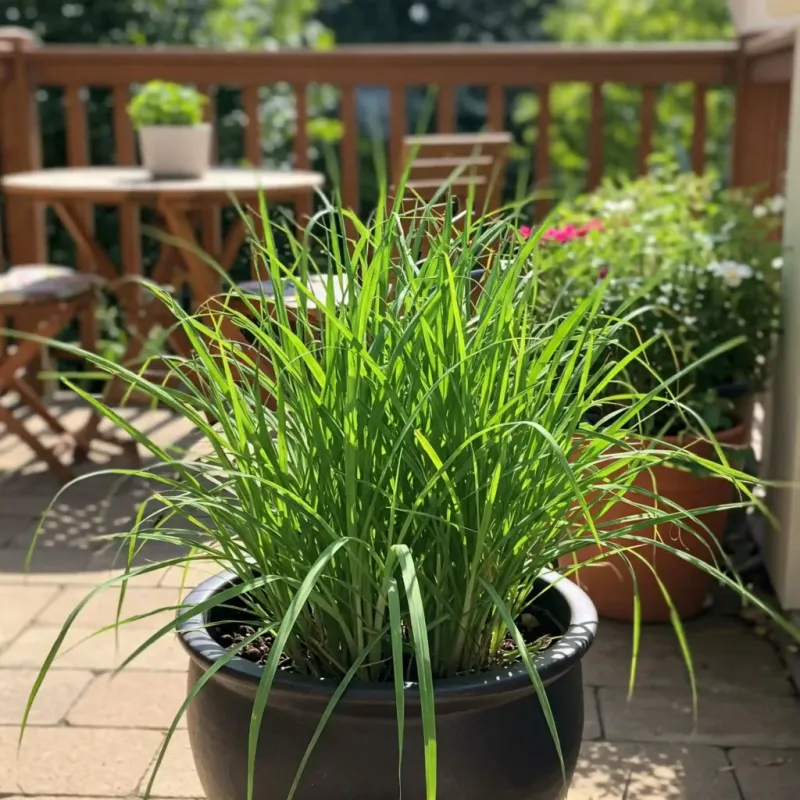
Brushing past my lemongrass on the way to the compost bin releases a lemony burst that wakes me right up. That citrus punch comes from citral, a compound shared with its cousin, the citronella grass plant.
Many homeowners report that citrus-scented oils discourage rodents, though solid scientific proof remains fairly limited. I enjoy lemongrass for cooking first, and any help with whiskered visitors feels like a fun bonus.
Lemongrass, Cymbopogon citratus, thrives in Florida heat and grows into fountain-like clumps three to five feet tall. Give it full sun, regular water during dry spells, and soil that drains well after heavy rains.
North Florida gardeners may see the leaves brown during a rare winter frost, but roots usually resprout in spring. Cutting a few stalks for soup gives the plant a tidy trim and releases even more scent.
For quick indoor use, place citronella or lemongrass oil on cotton balls near garage doors and storage bins. Keep concentrated oils away from pets, because swallowing them can cause stomach upset and other unpleasant symptoms.
6. Dried Lavender Bundles Hanging In Closets
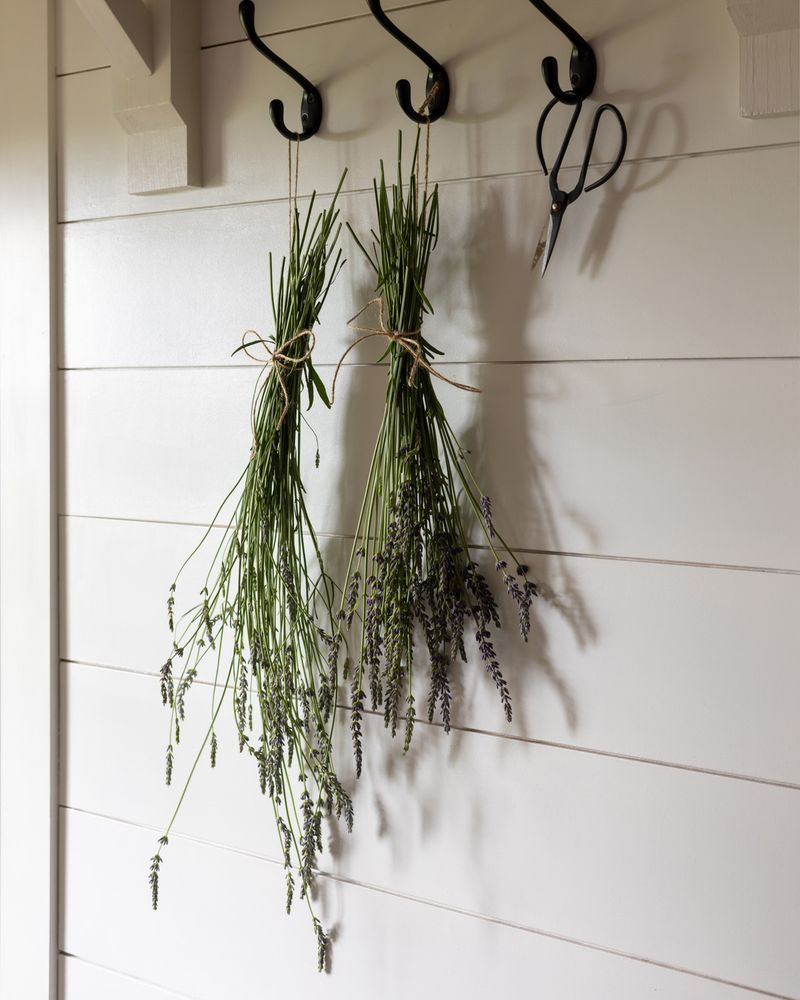
Lavender relaxes me before bed, yet that same floral perfume may make a mouse turn around in a hurry. I find that funny contrast delightful, especially when I open a closet that smells like summer.
The scent comes from compounds such as linalool and linalyl acetate, which give lavender its sweet, slightly woody note. Evidence that lavender repels rodents is mostly anecdotal, so I use it as one piece of a bigger plan.
Dried bundles hung in linen closets and tucked into storage bins keep fabrics fresh while adding a pleasant barrier. Lavender oil on cotton balls packs a stronger punch, and I replace those about once a week.
Growing lavender in Florida takes patience, because our humid summers often cause root rot in English varieties. Spanish lavender and French lavender handle the heat better, especially in containers with gritty, fast-draining soil and full sun.
Fall and early winter are lovely times to plant lavender here, when the air finally dries out a bit. Keep the oil away from cats, since it can be harmful to them if licked or swallowed.
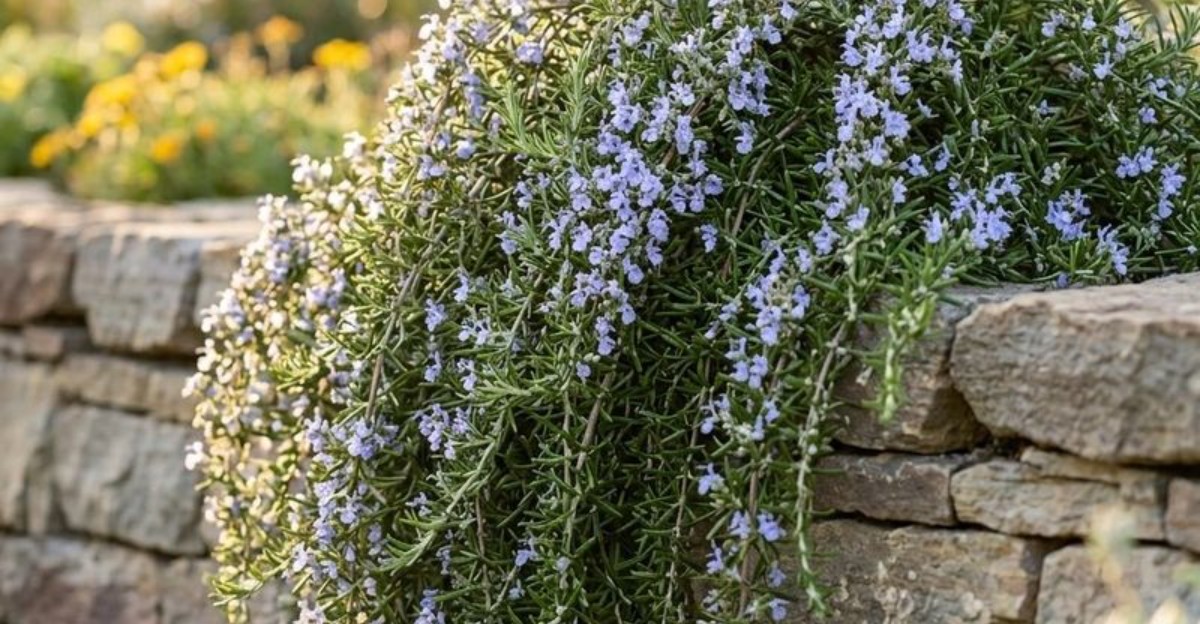
7. Rosemary Shrubs Lining The Garden Border
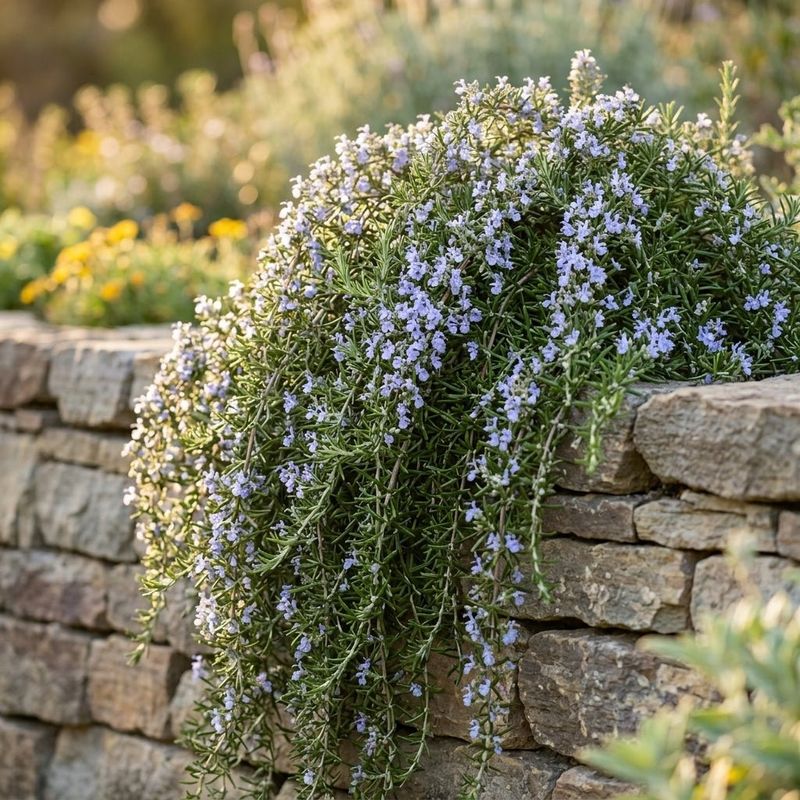
Running my fingers through a rosemary bush on a cool morning feels like a free aromatherapy session. That piney, resinous scent clings to your hands for hours and fills the whole patio with flavor.
Botanists renamed this herb Salvia rosmarinus a few years ago, placing it in the same genus as sage. Its oils contain camphor and eucalyptol, two strong compounds that many pests seem to find unpleasant.
I planted rosemary along my garden border, creating a fragrant edge that also supplies my roasted potatoes every week. Science on rosemary repelling mice is thin, but the plant earns its spot through beauty and flavor.
Rosemary grows well across Florida when it gets full sun and sandy, fast-draining soil without soggy roots. Fall is a fine planting window, since cooler temperatures help young shrubs settle before next summer’s heat.
Avoid planting rosemary right against walls with mulch piled high, because thick cover can give rodents hiding places. Leave a small gap of bare ground near the foundation, and trim branches that touch the siding.
8. Marigold Flowers Edging The Vegetable Bed

Few flowers announce themselves quite like marigolds, whose sharp, musky leaves smell nothing like their cheerful orange petals. Kids in my neighborhood wrinkle their noses after sniffing them, which always makes me laugh out loud.
Marigolds belong to the genus Tagetes, and their strong odor comes from natural compounds called thiophenes and terpenes. You may read online that they contain pyrethrum, but that insecticide actually comes from a type of chrysanthemum.
Gardeners have long tucked marigolds around vegetables, hoping the smell confuses pests, though rodent evidence is mostly anecdotal. I plant them anyway, because they draw helpful pollinators and brighten my fall beds like little suns.
Fall planting works beautifully in Florida, since marigolds love sunshine and tolerate our sandy soil with decent drainage. Water at the base in the morning to reduce fungal problems, and pinch spent blooms for steady flowering.
French marigolds stay compact and fit neatly along raised bed edges, while African types grow taller and bolder. Both bring cheerful color through the cooler months, and you can save seeds from dried flower heads.
9. Crushed Garlic Cloves Near Hiding Spots
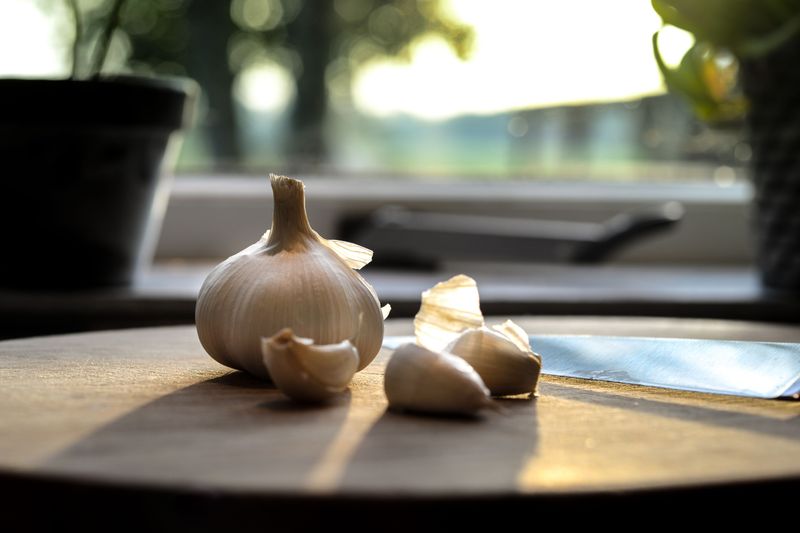
Chopping garlic for dinner leaves my fingers smelling for hours, and I wonder how tiny noses handle that punch. Garlic, Allium sativum, releases sulfur compounds like allicin once the cloves are crushed or sliced.
Those sulfur smells fade fairly quickly, which is why fresh garlic works better than old, dried-out cloves. Any repelling effect on rodents is modest at best, so treat garlic as a supporting player.
I place crushed cloves in shallow dishes near shed corners and outdoor storage areas where droppings have appeared. Swap them every few days, before they turn soft and start attracting fruit flies or other bugs.
Some gardeners blend garlic with water and a splash of hot sauce for a pungent outdoor spray. Wear gloves while mixing, because the combination can sting skin and eyes surprisingly fast during application.
Fall happens to be garlic planting season in Florida, using softneck or Creole types that tolerate mild winters. Plant cloves pointy side up in rich, well-drained soil, and enjoy harvesting your own bulbs next spring.
10. Potted Catnip Beside The Shed Door
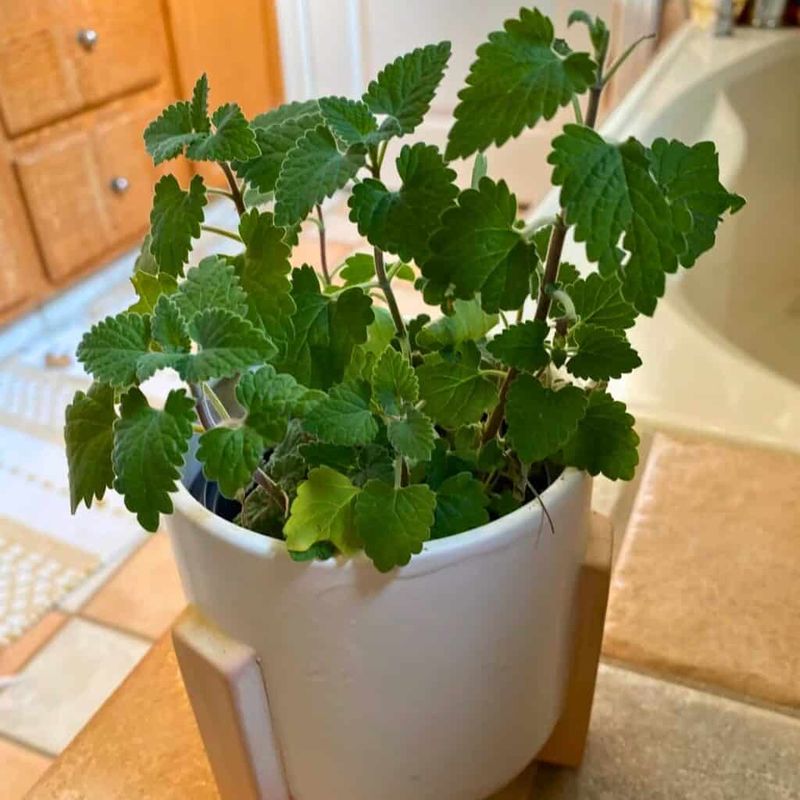
My tabby rolls around my catnip pot like it is the best party in town every single afternoon. That reaction comes from nepetalactone, an oil in catnip leaves that excites roughly two out of three cats.
Catnip, Nepeta cataria, is a mint family herb with soft gray-green leaves and small white flowers. Research shows nepetalactone repels mosquitoes well, but proof that it bothers mice is still quite limited.
I grow catnip in pots beside my shed door, because it spreads eagerly when planted directly in the ground. Containers also let me move it into partial shade during our scorching summer afternoons when leaves wilt.
Give catnip well-drained soil and morning sun, and let the top inch dry out between waterings. Pinch flower stems regularly to keep the plant bushy, full of leaves, and less likely to drop seeds.
Neighborhood cats may visit more often, and their presence can make rodents think twice about moving in. Personally, I enjoy watching the feline visitors, though sealing gaps remains the most reliable way to stop mice.