The Yellow Florida Native You’ll Start Seeing Everywhere As Fall Approaches
Drive down almost any highway right now and there’s a good chance something yellow catches your eye along the shoulder. It wasn’t there a few weeks ago, or at least not in these numbers.
Now it’s everywhere, spreading through ditches, medians, even empty lots, like it timed its arrival on purpose. That’s not far off.
This particular plant waits for a specific shift in daylight and temperature before it puts on its show, and fall happens to be exactly when conditions line up. Once it starts, it doesn’t hold back.
Whole stretches of roadside turn gold within days, and it’s no accident those areas keep filling in year after year. It’s a genuine Florida native, not some import that escaped a garden, and it’s been doing this every autumn long before anyone started paying attention.
So what’s actually behind all that color showing up out of nowhere?
1. Leavenworth’s Tickseed Is A Florida Original With A Tiny Alabama Detour
For years, Leavenworth’s tickseed was considered a Florida endemic because nearly all known wild populations occurred within the state.
Later discoveries outside Florida slightly changed that label, but it remains one of the state’s most distinctive native wildflowers.
That claim held for years, until a couple of populations turned up across the state line in Alabama.
So the label softened to near-endemic. Honestly, it barely changes the story, since the overwhelming majority of wild plants still sit inside Florida borders.
What makes that special is how unusual it is for a common roadside flower to have such a small home range. Plenty of yellow daisies show up across the eastern United States, but this one stayed put and adapted to the state soils, rainfall, and heat.
Gardeners can use that history to their advantage. When you plant something that evolved right where you live, you spend less effort fighting the weather and more time enjoying the blooms.
If you want seed, look for a source grown in our state rather than a generic mix shipped from another region. Seed from local sources can be better matched to regional growing conditions and help preserve native plant genetics.
Buying local also supports the small growers and native plant nurseries keeping regional genetics intact. That matters more than it sounds, because a wildflower with a narrow range depends on people paying attention to where its seeds come from.
2. The Name Comes From Seeds That Look Like Bugs
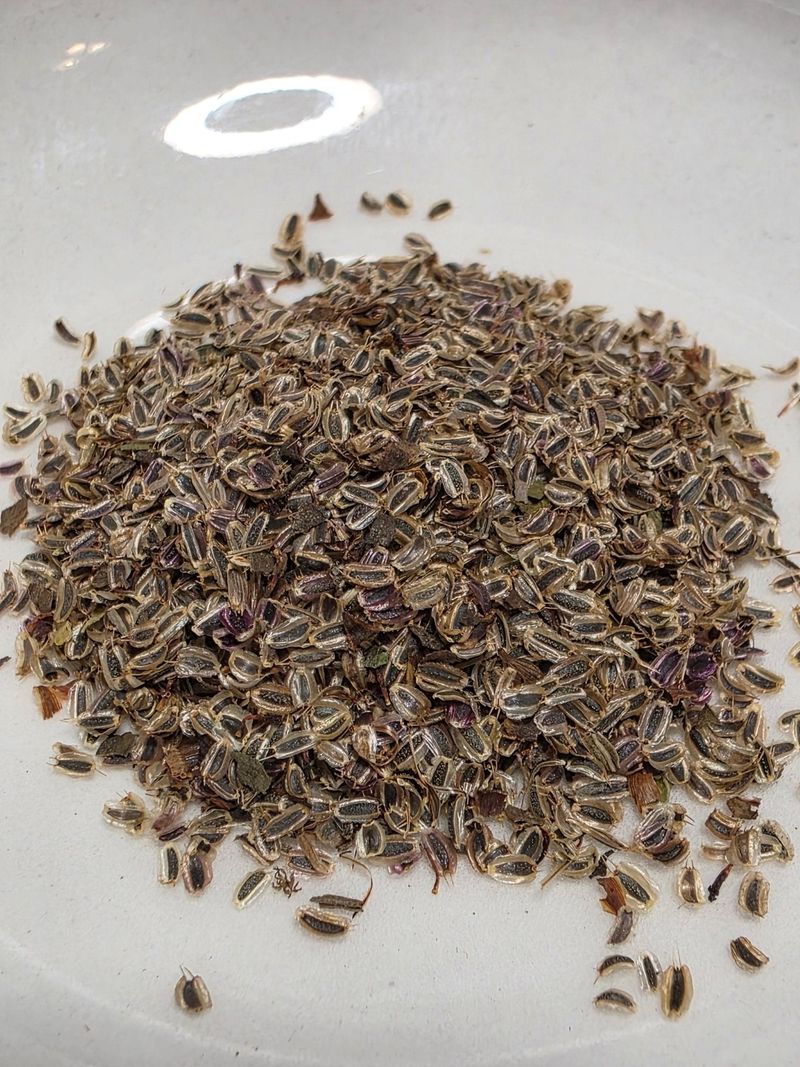
Leavenworth’s tickseed. Say it out loud and it sounds like something from a tall tale, but the name is refreshingly literal.
Look at the mature seeds and you will see small, flattened, dark specks that genuinely resemble ticks or tiny beetles clinging to the flower head. Early plant collectors noticed the same thing, and the nickname stuck across the whole Coreopsis group.
The scientific name even doubles down on the joke. The genus name Coreopsis comes from Greek roots referring to the seed’s resemblance to a small insect.
Your Florida Garden Changes Every Week. Your Plan Should Too.
Gardening in Florida changes quickly throughout the season. Every Friday you’ll receive a simple weekly plan showing exactly what to plant, prune, fertilize, harvest, and protect so you never miss the right timing.
The Leavenworth part honors Melines Conklin Leavenworth, a nineteenth century army surgeon and plant collector who wandered the Southeast gathering specimens between his medical duties.
Knowing the seed shape helps you at harvest time. Wait until the centers turn dry and brittle, then tip the heads into a paper bag and shake gently.
What falls out will look like a pinch of insects, which surprises first-time collectors every single season. Store the seed somewhere cool and dry, label the bag with the date, and scatter it before the rains return.
Fun aside: those bug-shaped seeds are also part of why songbirds cruise the seed heads all autumn, treating them like a roadside snack bar.
3. Annual, Perennial, Or Somewhere In Between
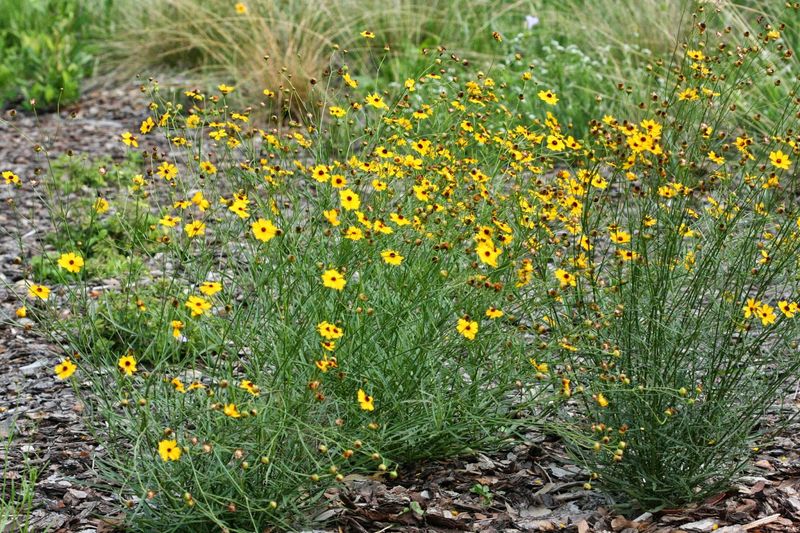
Ask three Florida gardeners how long this plant lives and you may get three different answers. All of them can be right.
In some yards it behaves like a true annual, sprouting, blooming hard, setting seed, and finishing its run within a single year. It is often grown as an annual, although plants may persist longer in favorable locations where conditions allow.
The flexible lifespan is actually a feature. Instead of worrying about whether a particular stem returns, you learn to think about the patch as a whole, because seedlings keep filling in the gaps.
A practical tip: resist the urge to tidy up too early. If you cut every stem down the moment blooms fade, you remove the seed supply that keeps next year’s display going.
Let a portion of the plants ripen and drop their seed naturally, then trim the rest for neatness. That balance keeps a bed looking cared for without ending the cycle.
Light shearing in midsummer can also push tired plants into a second flush of flowers. Take off roughly the top third, water it in, and give it a couple of weeks.
Treat the planting as a rolling population rather than a fixed set of individuals and it will reward you for years.
4. Wiry Stems, Lacy Leaves, Knee-High Charm
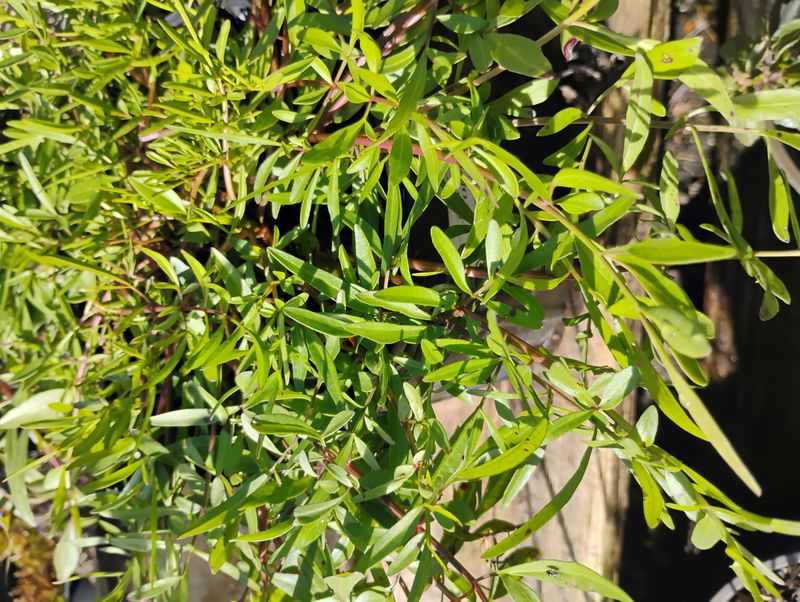
Picture a plant built like a ballet dancer: thin, springy, and somehow stronger than it looks. That is the frame holding up all those yellow flowers.
Most plants land between one and three feet tall, with slender wiry stems that bend in wind and pop back upright. The leaves are bright green and finely cut, either deeply lobed or divided into narrow segments that give the whole plant a lacy, airy texture.
That fine foliage is worth planning around. Because the leaves are so thin, the plant reads almost transparent in a garden bed, which makes it a wonderful mixer rather than a bully.
Try setting it in front of something with broad leaves or bold structure. The contrast between chunky and feathery makes both plants look better.
Spacing matters more than you might guess. Crowd them and the stems stretch, lean, and flop into each other by midseason.
Give each plant roughly a foot of elbow room and the stems stay sturdier, with better airflow between them. In a mass planting, a little natural leaning is part of the charm, so do not stress over perfect posture.
One more thing: skip the heavy fertilizer. Rich feeding pushes lush, weak growth, and this wildflower looks its best when it grows a bit lean.
5. Sunny Petals Around A Dark, Velvety Eye
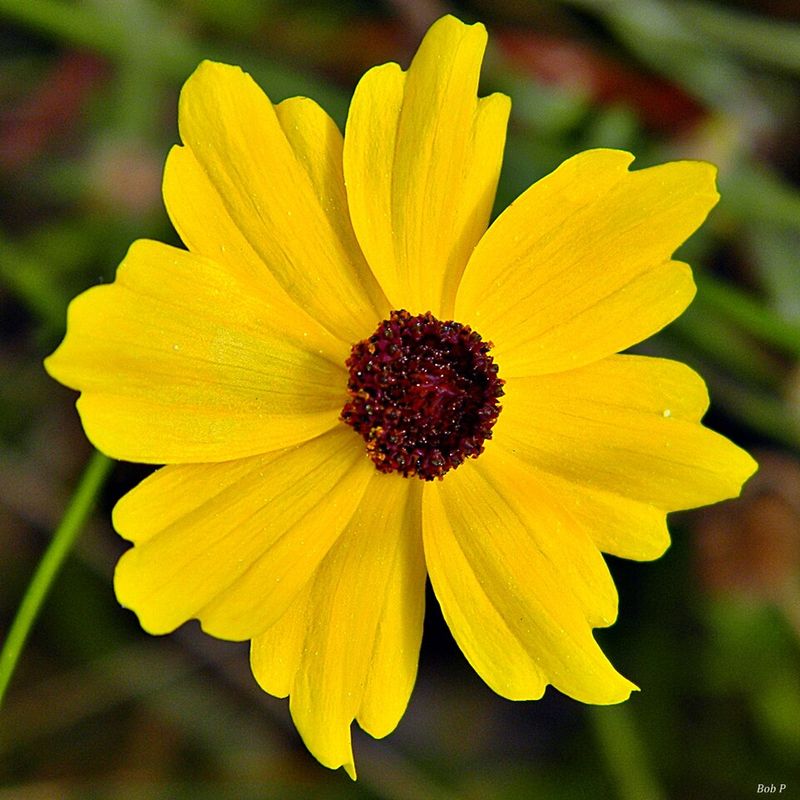
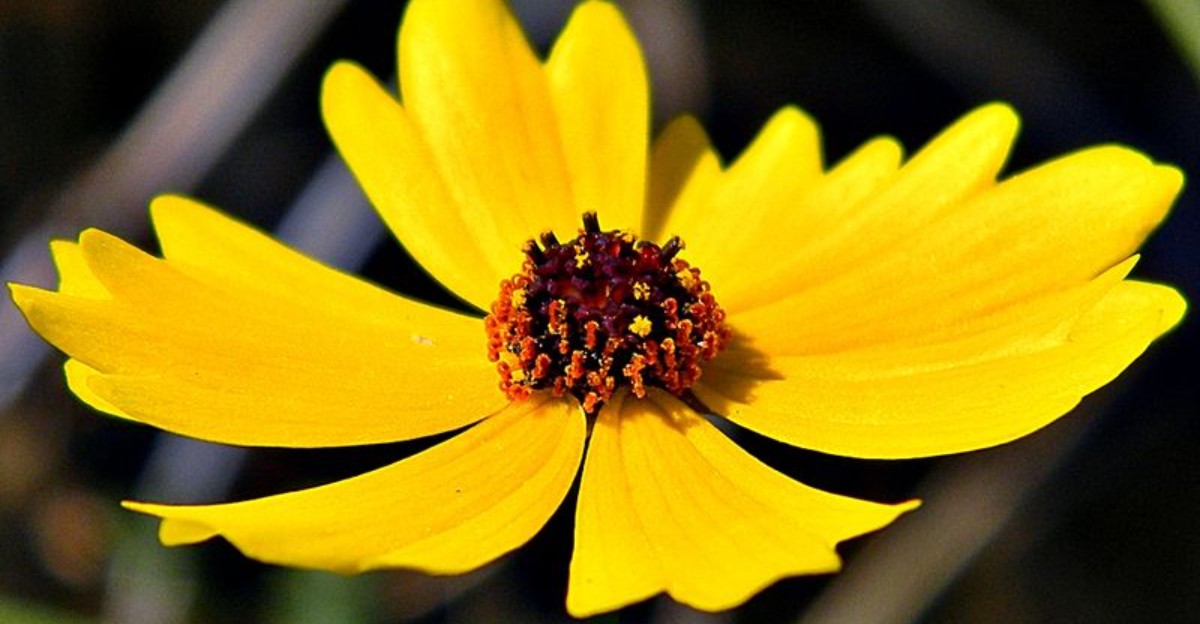
The flower itself is the reason people slam on the brakes and pull over. Each bloom is a classic daisy shape, one to two inches across, in a clean unfussy yellow.
What lifts it above ordinary is the center. A dark disk, ranging from chocolate brown to near black or deep burgundy, sits at the middle like a velvet button.
That contrast is the whole trick. Bright petals catch your eye from a distance, and the dark eye gives each bloom a little depth up close.
Ray petals usually carry a few small notches at the tips, so the outline looks slightly ruffled rather than perfectly round. Blooms sit on long bare stalks that hold them above the foliage, which is why a big patch looks like floating confetti.
For anyone cutting flowers, those long stems are a gift. Snip in the cool morning, drop them straight into water, and they will hold up nicely in a simple jar.
The dark centers also photograph beautifully. If you are trying to capture them, get low and shoot toward the light so the petals glow a little.
Small distinction worth remembering: the dark eye separates this species from the more familiar lanceleaf tickseed, which shows a yellow center instead.
6. Flowers That Just Keep Coming
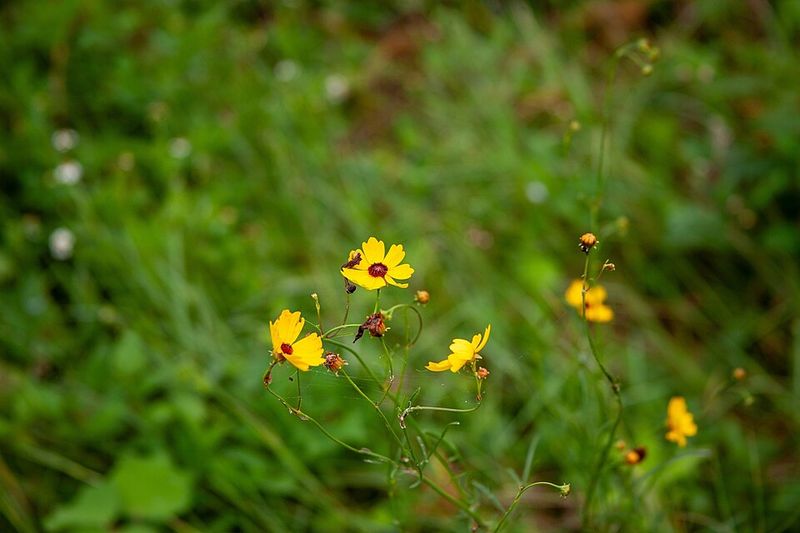
Few wildflowers work a longer shift. Blooming typically starts in late spring and rolls on through late fall, with the biggest show landing in May, June, and July.
Down in South Florida the schedule gets even looser. Warm winters can keep scattered flowers opening nearly year-round, which is why the plant feels like a permanent fixture there.
The fall stretch is the one most people notice. By then summer growth has filled in, seeds from earlier waves have sprouted, and whole stretches of highway shoulder turn gold at once.
Timing your planting around that rhythm helps. Sow seed in fall or early winter and you set up a strong spring bloom, since the seed gets a natural cool, damp period first.
Trimming extends the run, though you do not have to be obsessive about it. Pinch off spent blooms once or twice a week during peak season and the plant keeps pushing new buds.
Then, around late summer, stop trimming and let the last flowers mature into seed. That single switch gives you a fresh crop of volunteers.
Worth knowing: Florida’s roadside wildflower programs schedule their mowing around bloom and seed cycles like this one, which is exactly why those golden highway edges keep returning each year.
7. Loves Full Sun And Moist Soil
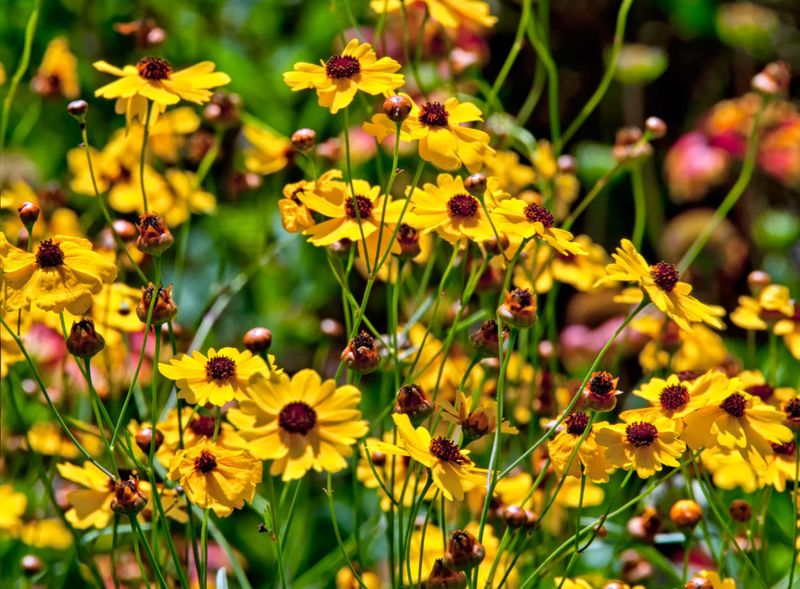
Here is the detail that trips up gardeners who assume every wildflower wants dry sand. Coreopsis leavenworthii grows naturally in wet prairies, damp pine flatwoods, and low roadside ditches.
Consistent moisture helps it thrive, especially during establishment, but good drainage still matters. Soils that stay damp, and lean slightly acidic, suit it best, though it handles sandy, loamy, and even clay-heavy ground with surprising patience.
Full sun is the firm requirement. Six or more hours of direct light keeps stems compact and flowering steady, while shade produces stretched, floppy plants with fewer blooms.
That combination makes it a natural pick for the low spot in your yard where water sits after a storm. A rain garden, swale edge, or the soggy corner near a downspout are all fair game.
Watering is straightforward. Keep new seedlings evenly moist for the first several weeks, then ease back and let established plants ride out normal rainfall.
Mulch lightly or not at all. Heavy mulch smothers the self-sown seedlings you actually want, so a thin layer of pine straw is plenty.
Skip rich compost and high-nitrogen feed. Wildflowers adapted to lean, wet ground put on floppy growth when overfed, and you will end up staking something that should never need support.
8. Florida’s State Wildflower And A Pollinator Hotspot
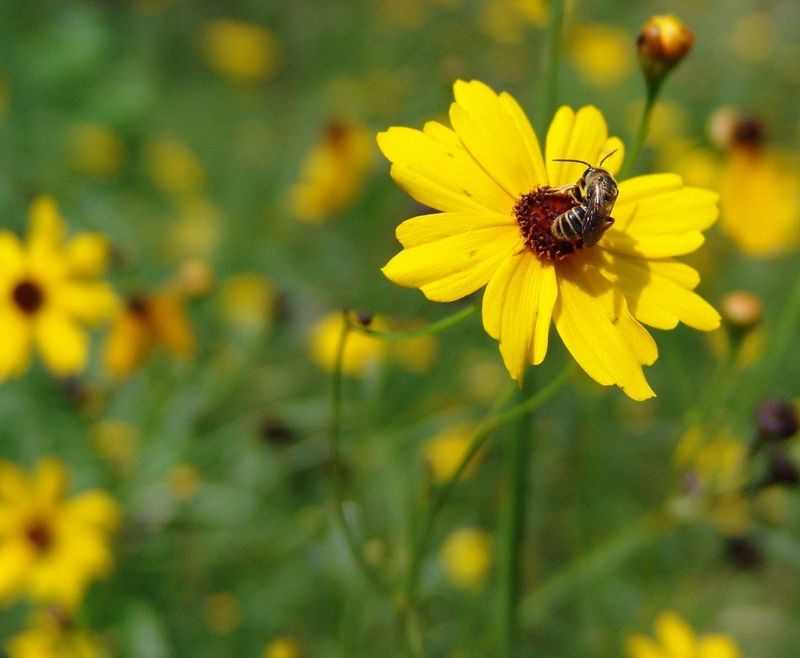
In 1991 Florida named Coreopsis its official state wildflower, honoring the whole genus rather than one species. Several Coreopsis species occur in Florida, and Leavenworth’s tickseed is among the most recognizable native species found across the state.
The honor fits. Stand beside a blooming patch on a warm afternoon and the air hums with traffic.
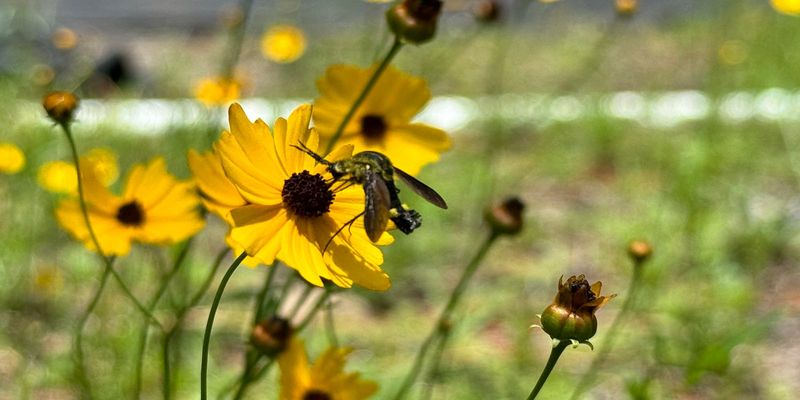
Small native bees, honeybees, wasps, hoverflies, and a rotating cast of butterflies all work the flat open blooms. That accessible shape matters, since short-tongued insects can reach the nectar without any acrobatics.
Beneficial insects like parasitic wasps and predatory flies also stop by, and those are the same insects that quietly manage aphids and caterpillars elsewhere in your garden.
Planting a patch helps support a wider community of beneficial insects that contribute to a healthier garden ecosystem.
When flowering winds down, the buffet changes hands. Goldfinches, sparrows, and other seed-eating songbirds pick over the dried heads through cooler months.
So leaving seed heads standing does double duty, feeding birds and reseeding the bed at the same time. Tidiness can wait until late winter.
For the best wildlife results, plant in groups rather than singles. A drift of a dozen or more plants is far easier for pollinators to find than one lonely flower, and the visual payoff is bigger too.
9. Self-Sows Into Golden Colonies
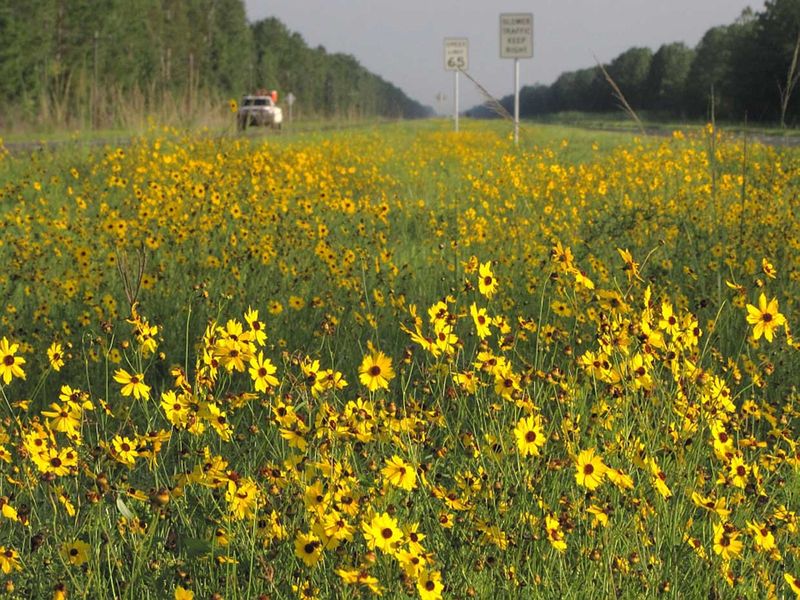
Plant a handful this year and you may be counting hundreds later. Self-seeding is this wildflower’s signature move, and it does the job without any help from you.
Seeds drop, rain settles them in, and new rosettes appear wherever there is bare soil and sunlight. Over a few seasons those scattered volunteers knit together into broad golden colonies.
Land managers put that habit to work in roadside restorations and wildflower corridors across the state. Once established, a planting can maintain itself with little more than well-timed mowing.
Home gardeners can borrow the same approach. Choose a spot where a little wandering is welcome, like a meadow strip, a fence line, or the sunny back edge of a bed.
If you want more control, pull unwanted seedlings while they are small, since they lift out easily. Alternatively, transplant them to fill holes elsewhere in the yard.
For a first sowing, rake the surface lightly, scatter seed, and press it down instead of burying it deep. These seeds need contact with soil and a bit of light to sprout well.
Mass plantings, rain gardens, and casual cottage-style borders all suit it. Give it room to roam and you get a self-renewing sweep of yellow that shows up faithfully every fall.