How To Use A Rain Gauge To Water Smarter In A California Garden
New Year’s Day means nothing to California rain. The official water year kicks off October 1 and runs through September, matching the state’s wet season far better than any wall calendar.
Backyard numbers are even more surprising. Weather apps pull totals from stations that may sit miles away. Thanks to hills, fog, and valleys, the airport can get soaked while your street barely gets a sprinkle.
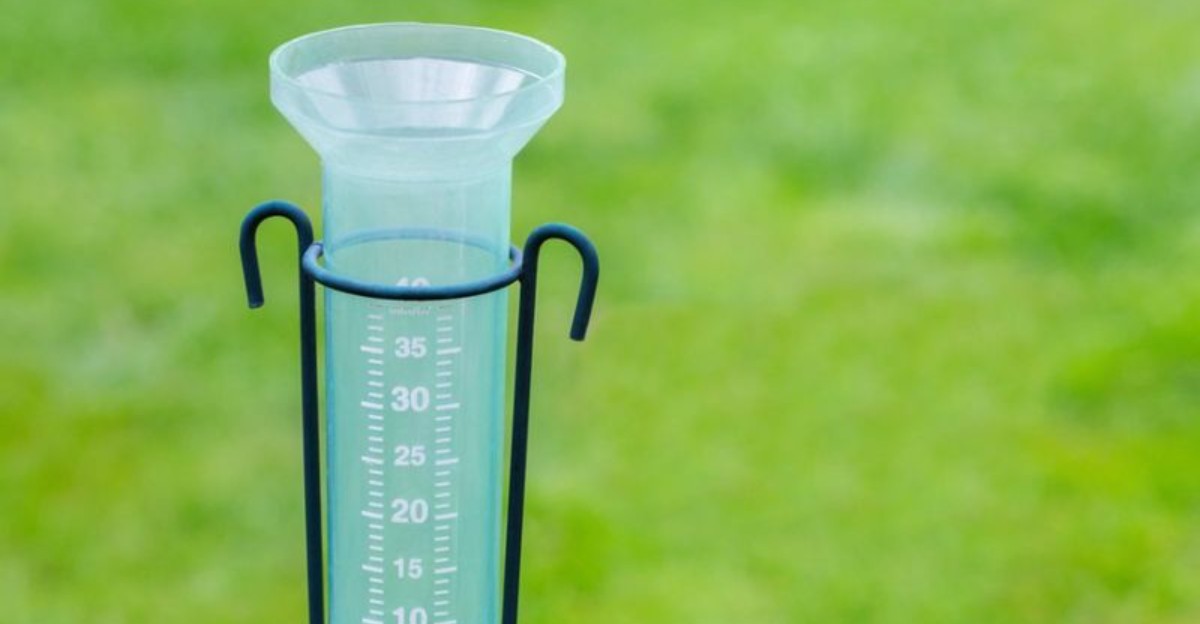
This month, the first storms are rolling in, and I’ve turned into a rain nerd. A clear measuring tube in my yard gets checked every morning after a downpour.
When it shows a full inch, I celebrate like my team just scored. When it shows a sad little puddle, the sprinklers get their job back.
Storms that sound dramatic on the roof sometimes leave surprisingly little behind. Your own yard, it turns out, keeps the most honest weather report in town.
That Little Plastic Rain Gauge Knows More Than Your Weather App
Weather apps report rain from stations that might sit miles from your yard. In California, hills, coastal fog, and valleys can make rainfall change a lot over a short distance.
One storm might drop an inch at the airport and barely a quarter inch on your street. A rain gauge measures what lands on your actual garden, and that number matters most.
I check mine the morning after every storm. Sometimes the reading surprises me, like a big, noisy shower that left only a thin layer of water in the tube.
Short bursts of heavy rain often run off hard ground before soaking in. Slow, steady drizzle usually soaks deeper, even when it seems less dramatic.
Small amounts need extra caution. A rain of less than a quarter inch mostly wets the surface and evaporates quickly, especially on warm or windy days.
That means your plants may still be thirsty after what looked like a decent shower. With a gauge, you stop guessing and start knowing.
Once you have that number, every watering choice gets easier. You can skip, shorten, or keep your normal schedule with real confidence, and your water bill may thank you too.
Turn Each Rain Gauge Reading Into A Simple Sprinkler Decision
Numbers only help if you know what to do with them. My rule of thumb is simple and works well for most home gardens.
Under a quarter inch of rain, I usually water as normal. Between a quarter and half an inch, I often delay my next watering by a few days, depending on heat and soil.
Half an inch or more often means I can turn the sprinklers off for a while. During cool winter months, one solid inch can carry many established plants for a week or longer.
Many California cities ask residents to skip outdoor watering for at least 48 hours after measurable rain. Rules vary by water district, so checking your local agency is a smart move.
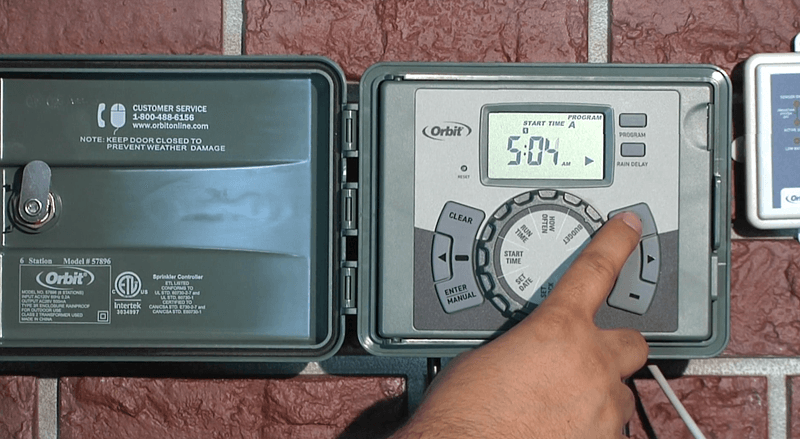
Your irrigation controller makes this easy. Most have a rain delay button, and many smart controllers can pause on their own.
Still, a gauge helps you double-check what the controller assumes. If the reading is lower than expected, you can step back in.
Write the decision next to the reading in a notebook. After a season, you will see which amounts truly let you rest and which ones barely counted.
Set Your Rain Gauge In An Open Spot Away From Roofs And Trees
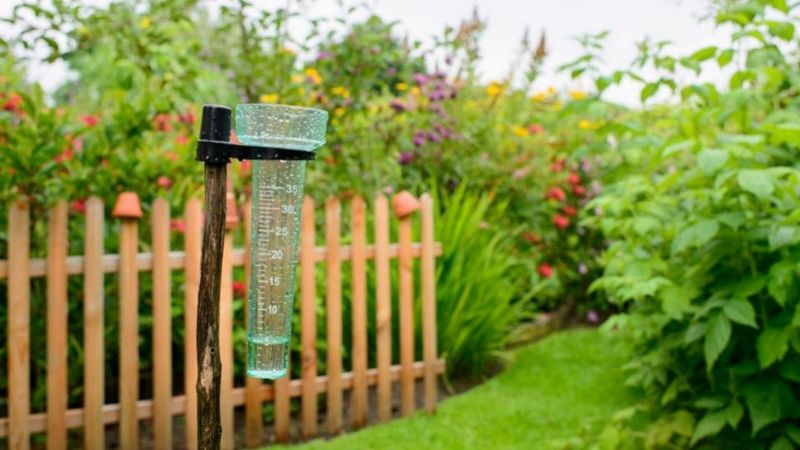
Placement can make or break your readings. A gauge tucked under an oak branch or beside the house will catch too little, or sometimes too much from drips.
The National Weather Service suggests a distance of roughly twice the height of nearby objects. So if a fence is six feet tall, place the gauge about twelve feet away.
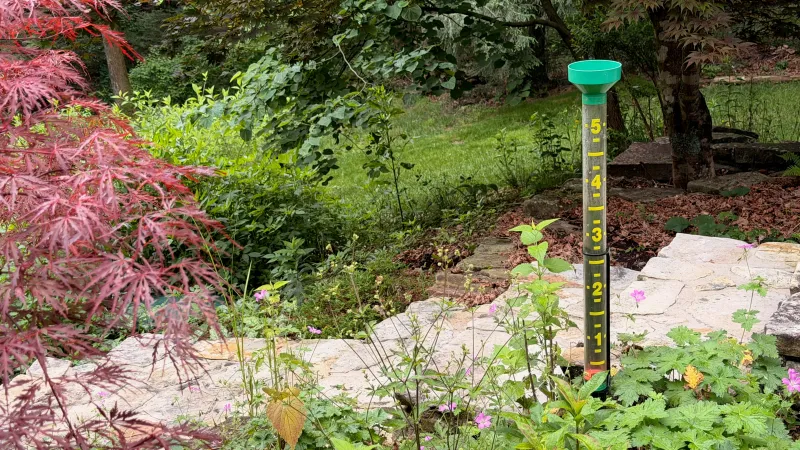
Mount it on a sturdy post with the opening level and a few feet off the ground. That height helps avoid splash from soil while keeping it easy to read.
Avoid spots where sprinklers hit it. Nothing confuses the data faster than a gauge filling up from your own irrigation.
Large yards may benefit from two gauges. My front slope and back vegetable bed often show different totals, and the difference helped me adjust each zone.
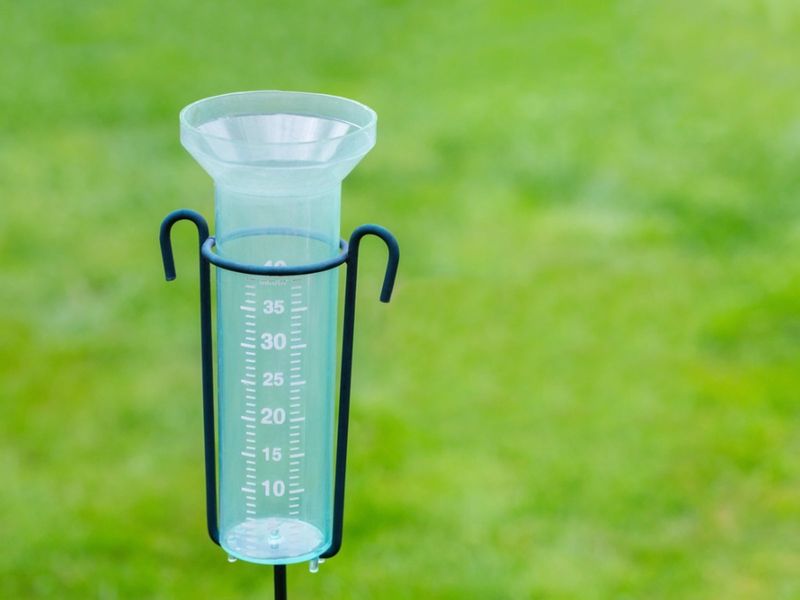
Choose a clear tube with large, easy numbers. Wide funnel styles tend to catch light rain more accurately than skinny novelty gauges.
Empty it after each reading. A gauge left full can overflow or collect leaves, and yesterday’s water will quietly mix with today’s storm.
A Rainfall Notebook Reveals Patterns In Your Backyard
Some of my favorite garden tools cost almost nothing. A cheap notebook beside the back door turned my rain gauge into a true planning helper.
Record the date, the amount, and a quick note on the weather. Add whether you watered and how the plants looked a few days later.
Over a winter, totals start telling a story. You might notice your yard gets less than the city average, or that December storms soak deeper than spring ones.
Did you know? California’s water year runs from October 1 through September 30, which matches the state’s wet season far better than a calendar year.
Tracking by water year lets you compare one season to the next. A dry winter shows up quickly, so you can plan to mulch more or hold off on planting thirsty additions.
Phone apps and spreadsheets work too. I prefer paper because muddy hands and screens are rarely friends.
Citizen science groups like CoCoRaHS welcome daily rain reports from volunteers. Your backyard numbers can help scientists and forecasters understand local weather, which feels pretty rewarding for a few seconds of effort.
Push A Soil Probe In To See Where The Rain Really Went
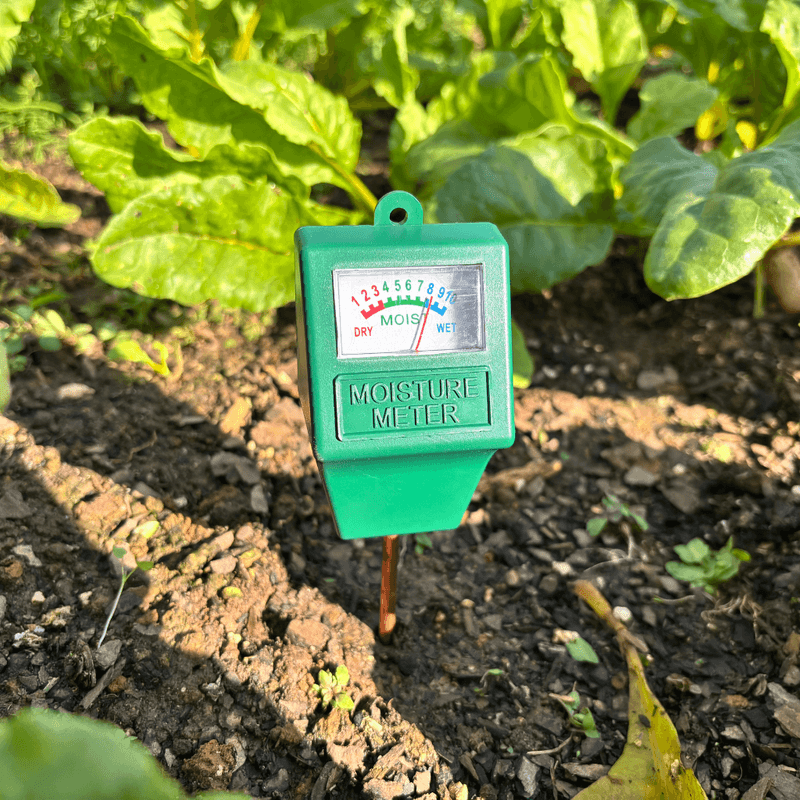
Rain in the tube is only half the picture. The other half sits underground, where roots do their drinking.
A day after rain, grab a trowel, soil probe, or even a long screwdriver. Push it into the soil near your plants and feel how deep the moisture reaches.
Moist soil at six inches usually means you can wait a while. Dry soil just below the surface means the rain did more for the look of things than the roots.
Soil type changes everything. Sandy soils, common near the coast and in some inland areas, drain fast and dry out sooner.
Clay soils, found across many California valleys, hold water longer but soak it up slowly. Heavy rain on clay often runs off before it sinks in.
UC Master Gardeners often suggest checking soil moisture before watering anything. Pairing that habit with your gauge gives you a clear, two-part answer.
Try testing a few spots. A shady bed and a sunny slope can behave like two different gardens, even after the same storm, and knowing that saves both water and plants.
Deep Watering Helps Shrub Roots Stretch Down After Dry Spells
Shallow, frequent sprinkles train roots to stay near the surface. Those roots struggle fast when a hot August afternoon arrives.
Deep, less frequent watering encourages roots to grow downward. University of California guidance often suggests wetting soil about 12 to 18 inches for shrubs and deeper for trees.
Your rain gauge helps you fill the gap. If a storm gave half an inch but your shrubs need more, you can add a slow, deep soak instead of a quick spray.
Drip lines and soaker hoses work beautifully for this. They let water sink in slowly, which matters a lot on clay soils.
I like running drip in cycles. Water for a short time, pause, then water again, and you will see less runoff down the sidewalk.
Established California native plants often need very little summer water once rooted. Some, like manzanita, can even suffer from too much.
Group plants with similar needs together. That way, one deep watering schedule fits the whole bed, and your gauge readings translate into decisions for each zone without much fuss.
A Thick Layer Of Bark Mulch Holds Onto Every Raindrop
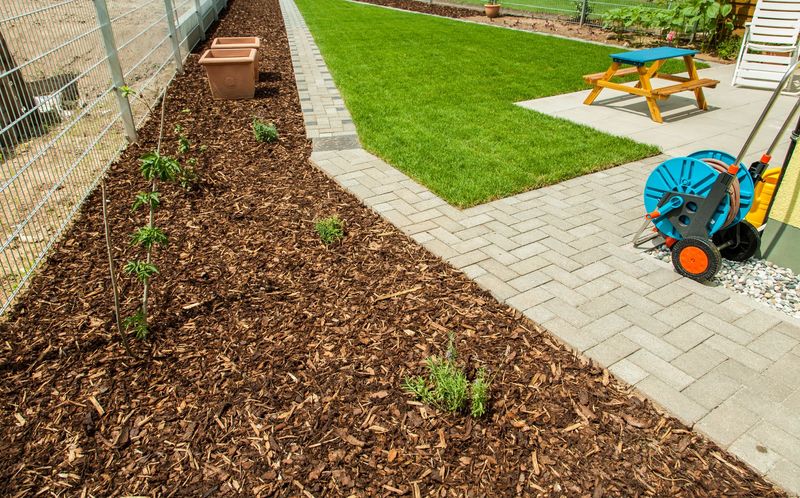
Mulch is basically a sunhat for your soil. It slows evaporation, keeps roots cooler, and helps rain stay where it lands.
Spread two to four inches of wood chips or shredded bark over bare soil. Keep it a few inches away from trunks and stems to avoid rot.
After a storm, mulched beds hold moisture much longer than bare ground. That means each inch your gauge records goes further.
Mulch also softens the impact of heavy rain. Instead of crusting or washing away, soil stays loose and drinks more easily.
Many cities in California offer free wood chips through local programs. Arborists sometimes give away chips too, and your wallet will appreciate it.
Over time, organic mulch breaks down and feeds soil life. Better soil structure means better water holding, which helps both sandy and clay ground.
Gravel mulch suits some succulents and Mediterranean plants. It keeps crowns dry while still slowing evaporation.
Check your mulch depth each fall before the rainy season starts. Topping it up then lets winter storms soak into a well-protected bed instead of running off.