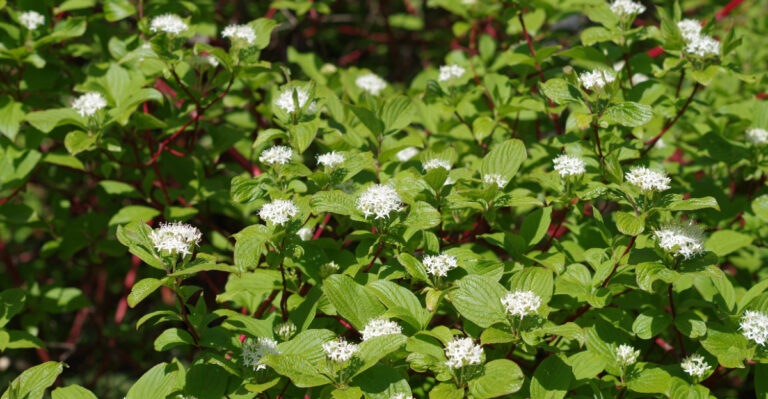
10 Things You Cannot Keep In An Ohio Yard Without A Permit

A pet tiger once counted as legal in many backyards across Ohio, with very few rules stopping curious buyers. Everything shifted after a 2011 escape near Zanesville, and lawmakers soon wrote much stricter rules for exotic animals
What surprises me most is how many ordinary yard projects now need paperwork before the first shovel touches dirt. Some rules come from the state, while plenty more come from your own city hall or township office.
I have to admit that I learned this lesson the hard way while planning a backyard project last spring. You might notice your neighbors quietly skipping permits, yet fines and removal orders can arrive with surprising speed.
Which backyard dreams need a green light first, and which ones could land you in hot water with officials? Some answers on this list feel obvious, while others might change the plans sitting on your kitchen table.
1. Big Cats And Bears Need A Special Wildlife Permit

Lions, tigers, and bears were once surprisingly easy to buy, and some people kept them in rural backyards with flimsy fencing. Ohio passed its Dangerous Wild Animal Act in 2012 after dozens of exotic animals were released near Zanesville in 2011.
The law covers a long list of species, including hyenas, gray wolves, alligators, crocodiles, Komodo dragons, and most nonhuman primates. Owners who already had these animals before 2014 needed a wildlife shelter or propagation permit from the Ohio Department of Agriculture.
Getting that permit is not a quick weekend chore, because the requirements are strict and closely checked by state inspectors. Owners must meet caging standards, carry liability insurance or bonds, and install microchips so each animal can be identified quickly.
Personally, I cannot imagine trading my tomato beds for a cage sized to hold an adult tiger or a black bear. Big predators need wide space, specialized diets, and expert veterinary care that most families honestly cannot provide at home.
New residents hoping to bring home a cute primate or baby big cat should pause and research the rules first. In most cases, the new law blocks private ownership of these animals for anyone who did not register them earlier.
A better plan is visiting accredited zoos or sanctuaries, where trained keepers care for these animals with proper support and space. You still get that wild thrill, and the animals get a safer life with experts watching over them daily.
2. Giant Pythons And Venomous Snakes Need A Restricted Snake Permit

Snake lovers often gasp when they learn that size matters under state rules for big constricting snakes. Burmese pythons, reticulated pythons, and green anacondas measuring twelve feet or longer require a restricted snake possession permit.
Venomous snakes fall under the same law, including every species in the viper, cobra, and burrowing asp families. That group covers rattlesnakes, copperheads kept as pets, cobras, and mambas, and the law separately lists a few rear-fanged species like the slender boomslang from southern Africa.
I love how reptiles show off glossy scales and calm movement, yet a huge python is a serious responsibility. These snakes grow strong enough to overpower adults, so secure housing matters far more than fancy decorations or lighting.
Permit holders must keep snakes in locked, escape-proof enclosures and follow rules set by the Ohio Department of Agriculture. Owners also need to report escapes quickly, because a loose python could frighten neighbors and harm pets wandering nearby.
Smaller species like corn snakes and ball pythons usually fall outside these rules, which makes them friendlier choices for beginners. Even so, your city or landlord could have separate pet rules, so checking local codes remains a smart move.
You need to ask yourself whether you can handle a snake that might outgrow your spare bedroom someday. Many experienced keepers suggest starting small, learning proper care, and choosing a species that fits your space and schedule well.
3. Backyard Chickens Often Need A City Permit
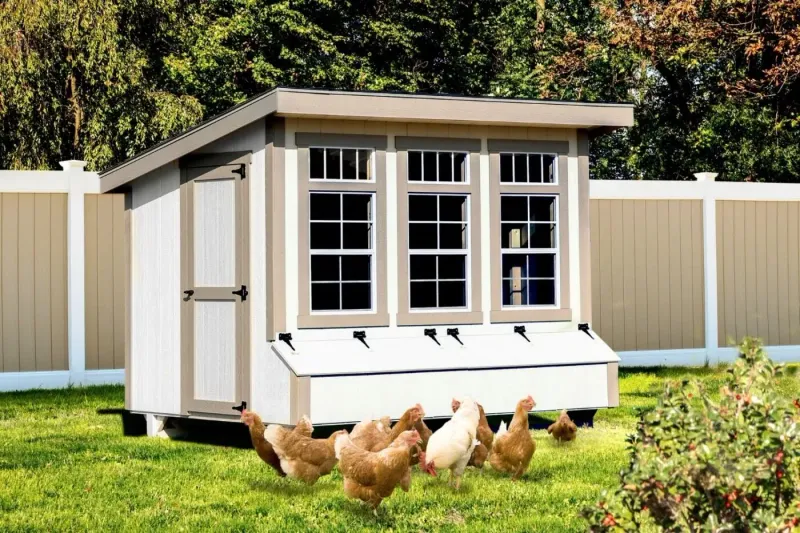
Fresh eggs taste amazing, and I believe a clucking hen makes any vegetable garden feel cozier and more alive. Many cities, however, want paperwork before you build that cute coop beside your raised beds and compost pile.
No statewide law bans backyard chickens here, so cities, villages, and townships each write their own rules for flocks. Columbus, Cleveland, and Cincinnati all allow hens in many neighborhoods, though each city attaches permits, limits, or zoning requirements.
Roosters are commonly banned in residential areas, mostly because their early morning crowing tends to annoy nearby neighbors. Hens lay eggs without a rooster around, so you rarely lose anything by skipping that loud fellow in town.
Many codes set coop distances from property lines and limit the total number of birds you can keep. Some cities also require inspections, fees, or neighbor notices, so call your zoning office before ordering chicks this season.
You might notice that chickens love scratching up mulch and nibbling young lettuce, so fencing off garden beds helps a lot. Their manure makes excellent compost, but it should age several months before it touches vegetables you plan to eat.
Predators like raccoons, hawks, and foxes visit coops often, so sturdy hardware cloth works better than thin chicken wire. A locked coop at night keeps your hens safer and gives you one less worry when you head to bed.
4. Honeybee Hives Must Be Registered Every Year
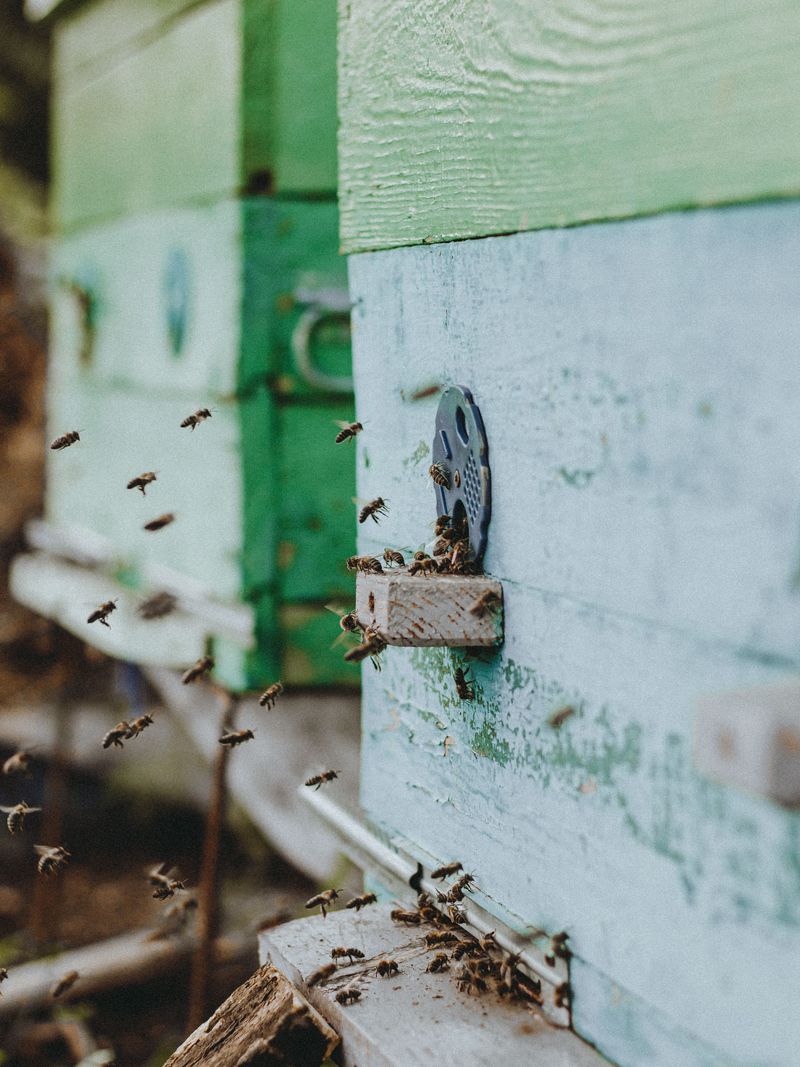
Bees buzzing through my squash blossoms always make me smile, because each visit means better pollination and more fruit. Keeping your own hives sounds charming, yet state law expects every beekeeper to register apiaries with the Department of Agriculture.
Registration happens every year, and it helps state inspectors track hive locations and watch for serious honeybee diseases. Apiary inspectors check colonies for problems like American foulbrood, which can spread quickly between nearby hives if left unchecked.
Local governments often add their own rules, including hive limits, setbacks from property lines, and water source requirements. Some towns ask for a local permit too, so a quick call to your zoning office saves plenty of headaches later.
Personally, I suggest placing hives where flight paths point away from sidewalks, patios, and your neighbor’s favorite hammock. A tall fence or hedge near the entrance encourages bees to fly upward, which keeps them above people’s heads.
Providing water nearby matters more than many new beekeepers realize, especially during hot and dry summer stretches. Bees will happily visit swimming pools or birdbaths next door, and that can quickly sour relationships with nearby families.
Planting bee-friendly natives like purple coneflower, wild bergamot, and asters gives your colony plenty of food through the seasons. You get honey, better garden harvests, and a front-row seat to fascinating insect teamwork happening right outside your back door.
5. Goats And Pigs Face Strict Local Livestock Rules
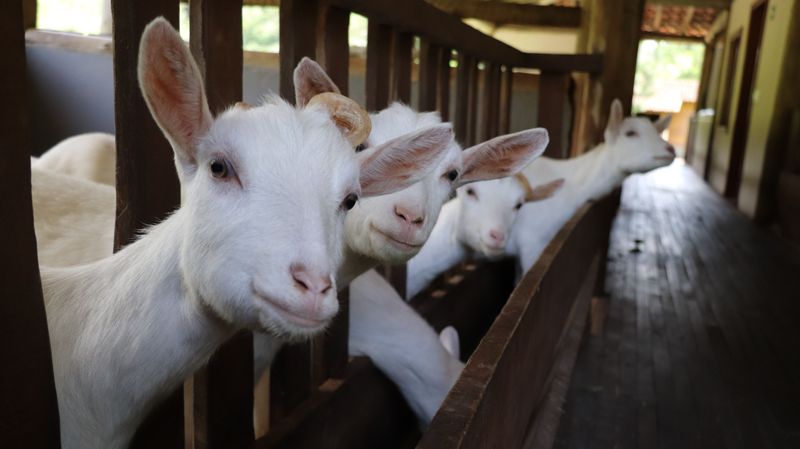
Tiny goats bouncing on stumps look adorable online, and I have to admit those videos tempt me every single time. Your city, though, may treat goats, pigs, and sometimes rabbits as livestock that need special permission or larger properties.
Rules vary widely across towns, so a neighbor two miles away might follow different guidelines than you do. Some cities, like Belpre, specifically require permits before residents keep certain farm animals on residential lots within city limits.
Many codes set minimum lot sizes, shelter distances from homes, and limits on how many animals live on one property. Zoning permits help officials confirm your setup keeps odors, noise, and runoff from bothering neighbors or entering nearby storm drains.
Goats are herd animals, so keeping just one often leads to loud, lonely bleating that echoes through the neighborhood. Most experts recommend at least two goats, which also means doubling the space, fencing, and feed you will need.
Fencing deserves serious planning, because goats climb, jump, and squeeze through gaps that seem far too small. They also nibble fruit trees, roses, and vegetable plants, so protect any garden areas with sturdy barriers before they arrive.
Pigs grow surprisingly large, and even so-called mini pigs often reach weights well over one hundred pounds. Talk with your zoning office and a local veterinarian first, so your farm dream fits both the law and your lifestyle.
6. Big Garden Sheds And Gazebos Often Need Building Permits
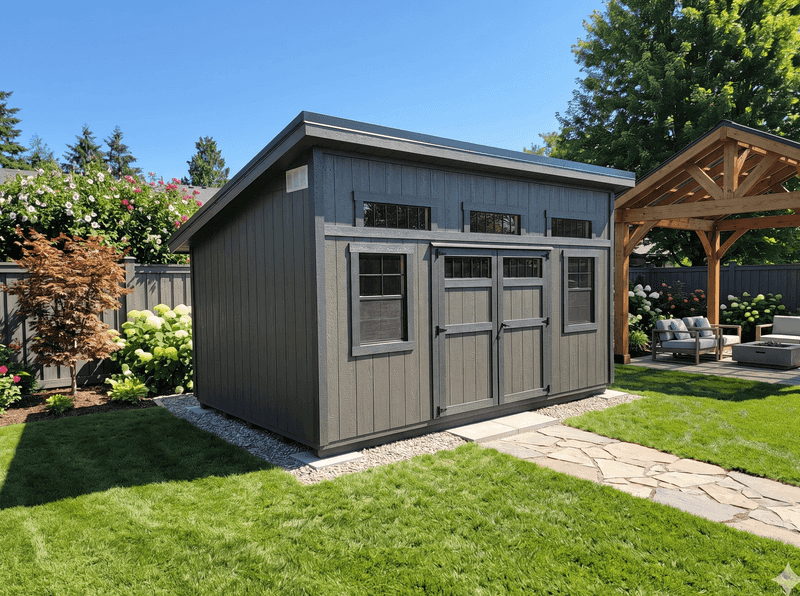
Few things feel better than a roomy garden shed where tools, seed packets, and muddy boots all have a home. Before building one, you should know that many towns require permits once structures pass certain size limits.
Plain Township and Kirtland, for example, require both zoning and building permits for accessory structures over two hundred square feet. Smaller sheds sometimes skip the building permit, though many places still require a zoning permit for placement and setbacks.
Setbacks control how close your shed sits to property lines, fences, and easements where utility lines run underground. Placing a shed over a buried line could create costly problems, so call 811 before digging any footings or posts.
I like how a well-placed gazebo turns an ordinary yard into a shady spot for reading or sipping lemonade. Pavilions and detached garages follow similar permit rules, since inspectors want roofs strong enough to handle heavy winter snow loads.
Homeowner associations often add their own rules about colors, materials, and height, even when the city approves your plans. Checking both sets of rules early can prevent frustrating delays after you have already purchased lumber and roofing supplies.
Think about drainage too, because sheds placed in low spots often collect water and rot from the bottom up. A gravel base and gutters directing runoff toward rain gardens can help your new structure stay sturdy for many years.
7. Backyard Swimming Pools Require Permits And Safety Fencing
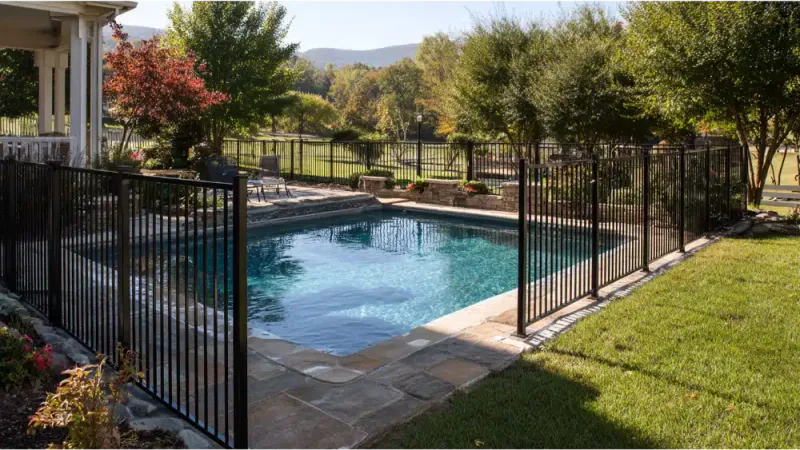
Cannonballs on a humid July afternoon make summer feel complete, and I fully understand why pools tempt so many families. Most local governments still require building permits before installing pools, including many above-ground models sold at big box stores.
Many jurisdictions set permit triggers around pools deeper than twenty-four inches or larger than one hundred fifty square feet. Electrical permits often apply too, because pumps, heaters, and lights near water need proper grounding and careful professional installation.
Safety fencing is usually required, with gates that close and latch automatically to keep curious children away from the water. Inspectors commonly check fence height, gate hardware, and gaps beneath fences, so read your local code before choosing materials.
You need to think about landscaping around the pool, since dropping leaves and flower petals can clog filters quickly. Low-mess shrubs and ornamental grasses usually work better poolside than fruiting trees, which drop sticky fruit into clean water.
Splashed pool water containing chlorine can stress nearby plants, especially sensitive perennials and young vegetable seedlings. Leaving a mulched buffer strip or using salt-tolerant plants near the deck often helps keep your garden happier through summer.
Draining pools also falls under rules in many towns, since chlorinated water flowing into storm drains can harm streams. Ask your local officials about safe draining methods, and you will avoid fines while protecting nearby fish and frogs.
8. Large Backyard Ponds Can Trigger Permits

Frogs singing from a backyard pond on a warm evening sounds like pure magic to me every single spring. Bigger ponds, however, can bring permit requirements from local zoning offices and sometimes from state environmental agencies.
Projects disturbing one acre or more of soil often need a construction stormwater permit from the Ohio EPA. Dams or embankments taller than six feet may fall under the state Dam Safety Program, which reviews designs closely.
Many townships require local permits once ponds pass a certain surface area or depth, along with setbacks from property lines. Some also require fencing or specific slopes, so contact your zoning office before renting an excavator for weekend work.
Small decorative water gardens rarely need permits, yet checking local rules still makes sense before you start digging. Personally, I find a modest pond easier to maintain, and it still attracts dragonflies, songbirds, and plenty of friendly toads.
Choose native plants like pickerelweed, blue flag iris, and swamp milkweed instead of invasive options sold at some stores. Avoid planting purple loosestrife or yellow flag iris, since both spread aggressively and crowd out native wetland plants.
Soil testing helps confirm whether your ground holds water well, since sandy soils often leak and need liners. Your county soil and water conservation district can offer helpful advice about pond design, placement, and long-term water quality.
9. Selling Plants From A Home Nursery May Need Zoning Approval
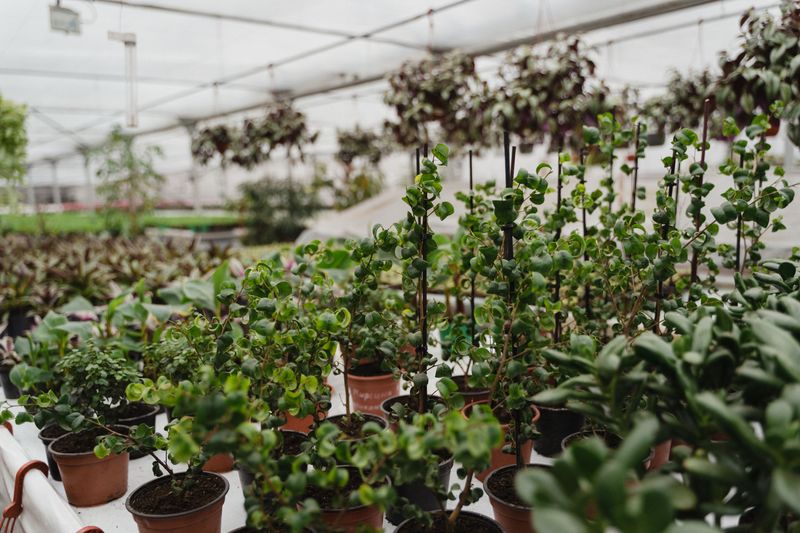
Extra hosta divisions and tomato seedlings piling up on your patio can spark dreams of running a small plant business. Turning hobby gardening into steady sales, though, may require zoning approval when your home sits in a residential district.
Zoning codes separate residential and commercial land uses, so customer traffic, signs, and parking can raise questions quickly. Many towns allow small home businesses with limits, while larger nursery operations may need conditional use permits or rezoning.
State rules matter too, since nursery dealers and growers selling plants commonly need licensing from the Ohio Department of Agriculture. Inspectors check nursery stock for harmful pests, helping prevent problems like spotted lanternfly spreading through potted plants.
I believe sharing plants with friends ranks among the sweetest parts of gardening, and casual swaps rarely draw attention. Occasional plant swaps or a small yard sale usually feel very different from regular weekend sales with advertising.
Before expanding, call your zoning office and ask how they define home occupations for your specific property. Ask about signs, customer parking, greenhouse sizes, and sales tax, since each one could affect how you run things.
You should also avoid selling invasive plants, since the state restricts dozens of species like Callery pear and Japanese barberry. Focusing on native perennials can delight customers, support pollinators, and keep your small business on the right side of rules.
10. Outdoor Wood Boilers Face Smoke And Setback Rules
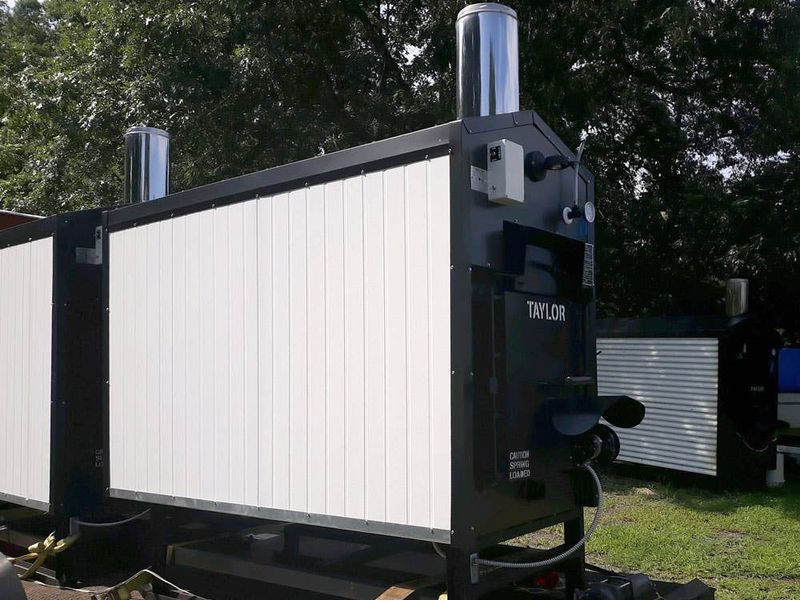
Smoky winter air drifting across a quiet neighborhood can spark heated arguments faster than almost any other backyard feature. Outdoor wood boilers heat homes efficiently for some rural families, yet many towns regulate them closely because of lingering smoke.
Lancaster, for example, requires a permit from its zoning inspector before anyone installs or operates one of these units. Rules often cover chimney height, distance from neighboring homes, and approved fuels, since burning trash or treated lumber creates harmful smoke.
Some cities ban these boilers entirely within residential areas, while rural townships may allow them with certain setbacks. Checking local codes first saves money, because removing a large unit after installation can cost a small fortune.
I can’t imagine enjoying my garden if thick smoke drifted over my lettuce rows every chilly morning. Well-seasoned hardwood burns cleaner, so drying split logs for six months or longer often reduces smoke and improves heat.
Newer models certified by the EPA burn more efficiently and release less smoke than many older units still in use. Asking dealers about certification can help you meet local rules and keep neighbors happier during long winter months.
Wood ash from clean hardwood can add potassium to garden soil when spread lightly and tested first. Avoid using ash around blueberries and other acid-loving plants, since ash raises soil pH and can make them struggle.