The Red Fruit Of Minnesota Hides A Secret Color Underneath Its Skin
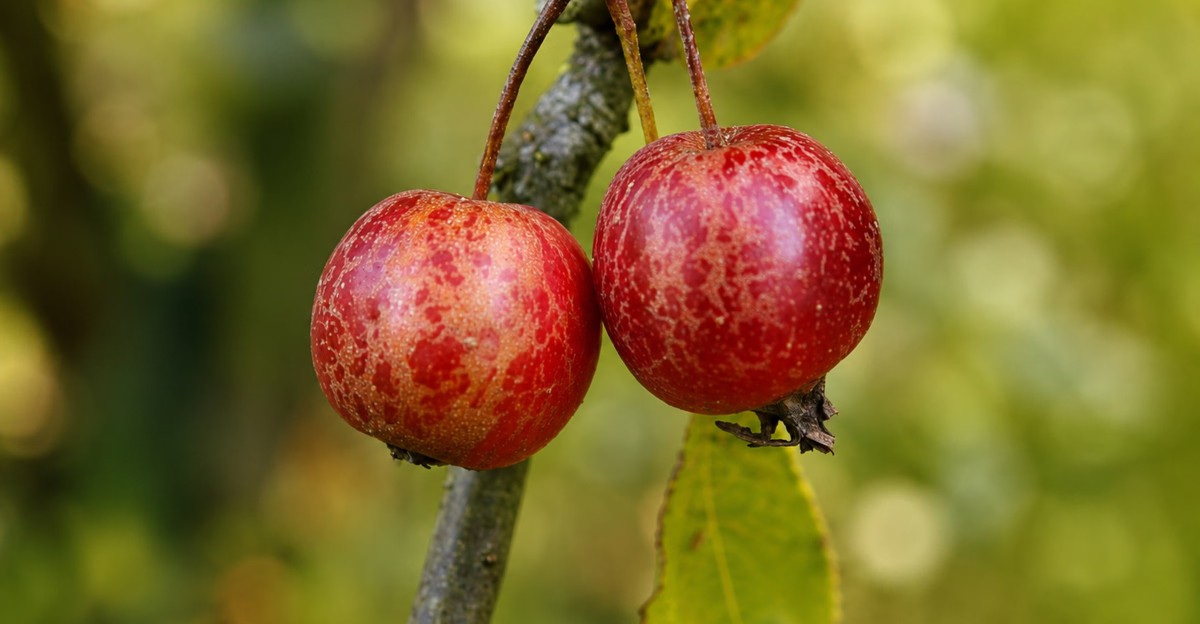
Slice one small fall fruit in half, and the inside can look like someone spilled cranberry juice through it. The flesh glows red, sometimes deep and solid, sometimes in thin streaks like veins.
I am still amazed every time I cut one open. The tree that grows it often shows off red blossoms in spring and reddish young leaves too, as if the whole plant decided one color was not enough to show only on the surface.
Here in Minnesota, this little fruit has quiet roots in old breeding work and cold-climate gardens. You might walk past one in a park across Minnesota and assume it is just another ornamental tree. Birds know better, and so do jelly makers.
The fruit is tart enough to make you pucker. So why would anyone grow it on purpose, and what makes that red center happen?
Cut One Open and That Little Red Crabapple Surprises You
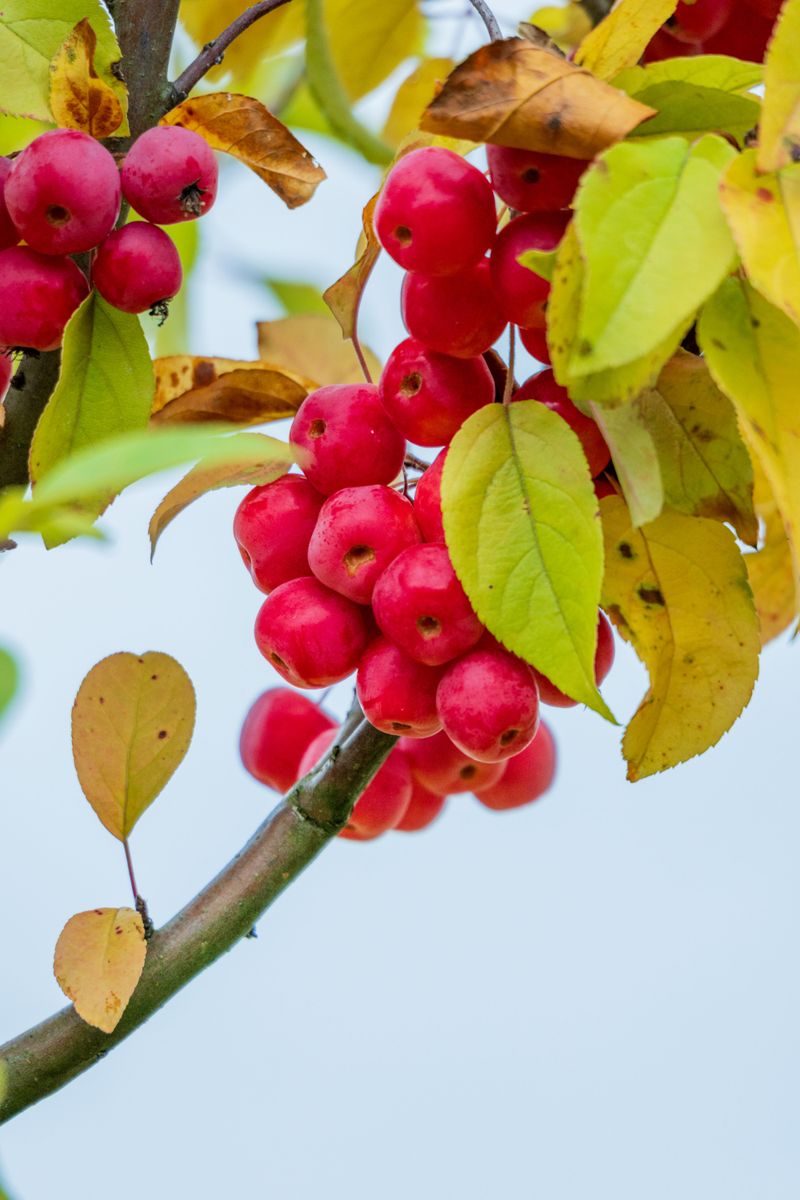
My first red-fleshed crabapple looked like a plain ruby marble. Then the knife went through, and the inside was pink and crimson like a tiny sunset.
The fruit is often sold as Red Vein crabapple, linked to Malus pumilaniedzwetzkyana var. , a red-fleshed apple from Central Asia. Its skin can range from ruby and pink to touches of gold. Inside, the flesh may be fully cranberry red or just streaked with red lines.
Most fruits are smaller than a golf ball, usually an inch or less across. You can cut a whole bowl and get a different pattern in nearly every one.
The texture is firm, crisp, and juicy. Take a bite, though, and the bright acidity hits fast. Most people find it too sour for snacking, which is why kitchen use matters so much.
If you spot one of these trees at a nursery, farmers market, or orchard, ask for a sample slice. Seeing the inside is the best way to know what you are getting. Not every red-skinned crabapple hides red flesh, so the cut is your proof.
That Red Flesh Comes From Pigments Packed Inside the Apple
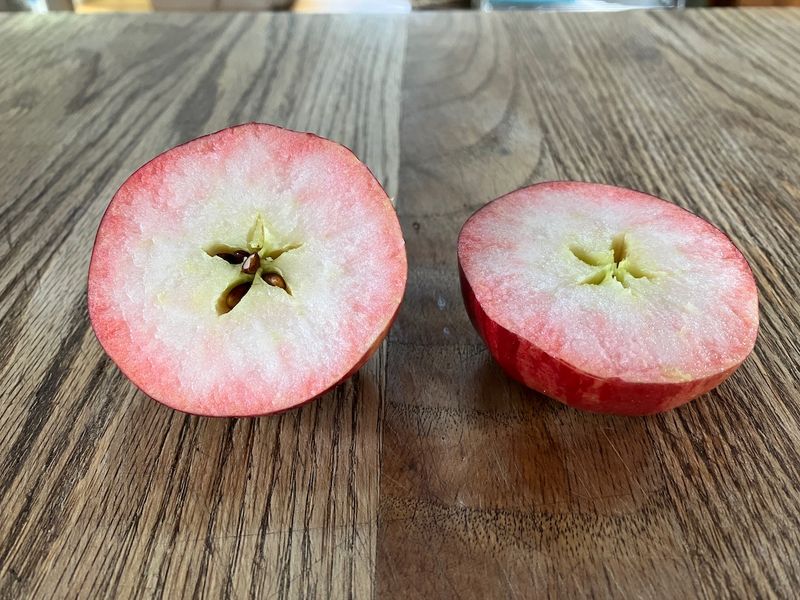
Science gives this fruit its party trick. The red color comes from anthocyanins, the same family of plant pigments that color blueberries, red cabbage, and cherries.
In most apples, those pigments stay in the skin. In red-fleshed types, a genetic trait lets the pigment build up in the flesh too.
Researchers have traced this trait in many red-fleshed apples back to the Niedzwetzkyana line from Central Asia.
That same trait shows up in other parts of the tree. Red-fleshed varieties often have reddish new leaves, deep pink or rosy blossoms, and even reddish wood. The tree basically wears its secret on its sleeve before the fruit ever forms.
Color can change from year to year. Sunlight, cool nights, and fruit maturity all play a role in how rich the red looks.
A shaded fruit may show paler streaks, while one in full sun often colors more deeply. Here is a handy tip for your own tree. Give it the sunniest spot you have.
Better light means better color on both skin and flesh, and it also helps leaves dry faster after rain, which keeps disease pressure lower.
Old Russian Crabapple Roots Shaped Cold-Country Fruit Breeding
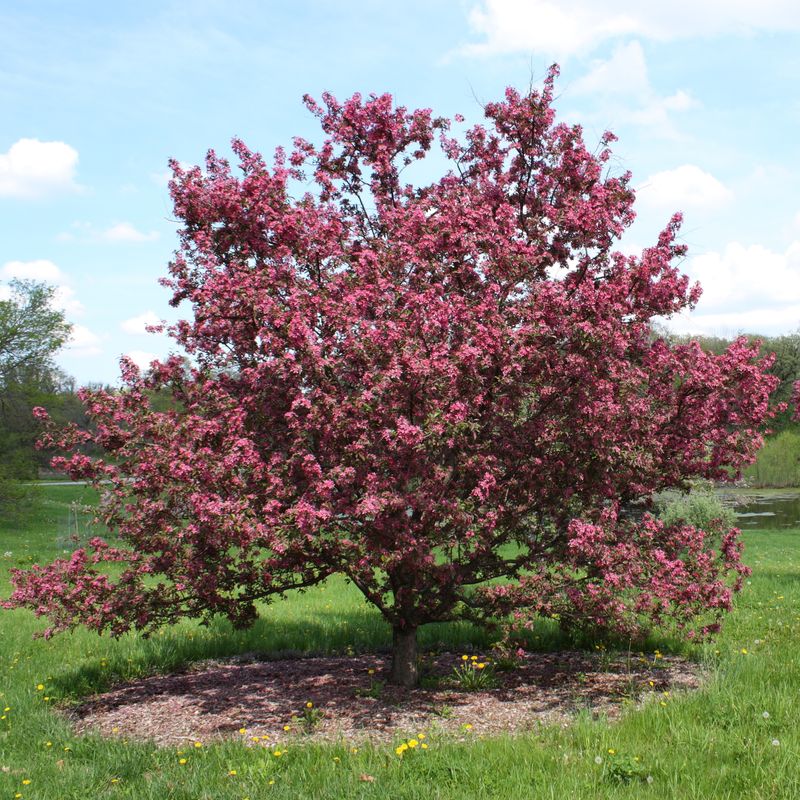
History buffs, this part is for you. The red-fleshed Niedzwetzkyana apple reached North America in the late 1800s, often called a Russian variety back then.
Breeders in the cold northern plains loved hardy, unusual parents. Niels Hansen, a plant explorer working in South Dakota, used this red-fleshed type to create crabapples such as Hansen’s Red Flesh.
Those trees spread across the Upper Midwest because they could handle tough winters. Meanwhile, the University of Minnesota started its own fruit breeding work in 1878. The goal was simple and very practical.
Growers needed fruit trees that could survive bitter cold, and that program later gave us famous apples like Haralson and Honeycrisp.
Red-fleshed crabapples are part of that bigger story of cold-climate fruit. They were not just pretty curiosities.
They carried useful hardiness and offered strong color for jellies, ciders, and breeding experiments.
Next time you see one of these trees on an old farmstead or in a historic orchard, give it a second look. It may be a living link to pioneer gardeners who tested plant after plant, hoping something tasty would make it through a Minnesota winter.
Pink Jelly and Rosy Cider Are Where These Tart Crabapples Shine
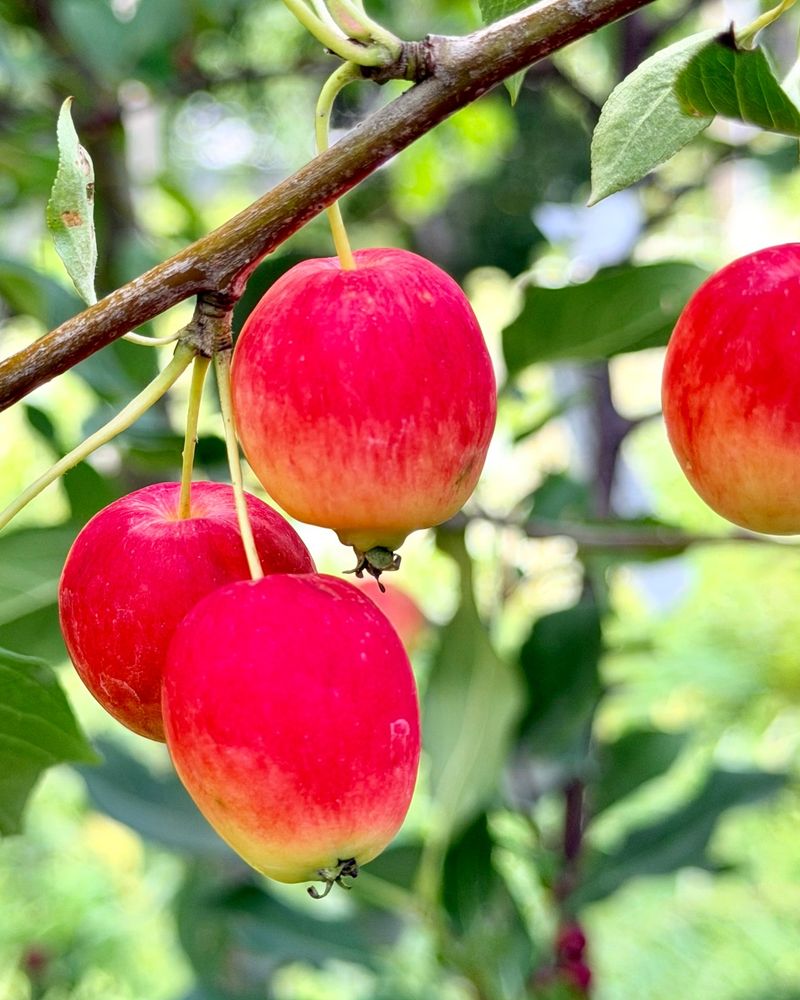
Sour fruit turns into something wonderful once it hits the stove. Red-fleshed crabapples cook down into sauces and jellies with a gorgeous pink to ruby color, no food coloring needed.
Crabapples are naturally high in pectin, the stuff that helps jelly set. That makes them a favorite for home canners.
Simmer the fruit, strain the juice, add sugar, and you get a tangy spread that looks like stained glass on toast.
They also work well mixed with sweeter apples. Try one part crabapple to three or four parts sweet apples for applesauce or apple butter.
The red flesh tints the whole batch a lovely blush while the sweet apples soften the sharp bite. Pressing them into fresh cider is another treat. Even a few red-fleshed fruits can turn the juice a pretty pink.
For safe preserving, follow tested recipes from a source like University of Minnesota Extension or the National Center for Home Food Preservation.
Those guides cover sugar ratios, jar processing times, and safe acidity. A little care in the kitchen means your jars stay tasty on the shelf all winter long.
Plant Your Red Vein Crabapple Tree in Full Sun and Well-Drained Soil
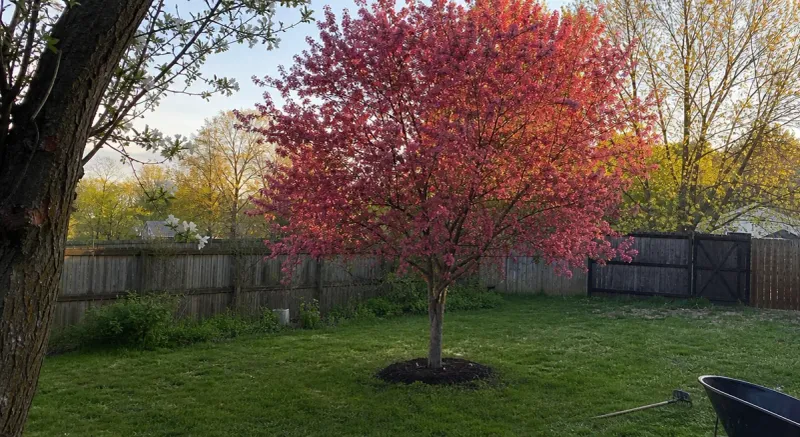
Good news for small yards is hiding in this tree’s size. Red Vein crabapples grow on fairly compact trees, and many crabapples stay between 6 and 25 feet tall.
Crabapples are generally hardy in USDA Zones 3 to 7. Minnesota mostly falls in Zones 3 through 5, so these trees fit much of the state, from the cold north to the milder south. Always check the specific variety tag, since hardiness can vary.
Pick a spot with full sun, which means at least six hours of direct light. The soil should be moist but well drained, and slightly acidic soil is ideal. Heavy clay that stays soggy can stress roots, so avoid low spots where water pools.
Spring is the best planting time, once the ground thaws and before summer heat. Dig a hole wider than the root ball, not deeper.
Keep the root flare at soil level, then spread two to three inches of mulch, keeping it a few inches away from the trunk.
Water deeply about once a week during the first year if rain is light. Steady moisture helps young roots settle in before their first winter.
Watch Those Crabapple Leaves for Olive Spots of Apple Scab
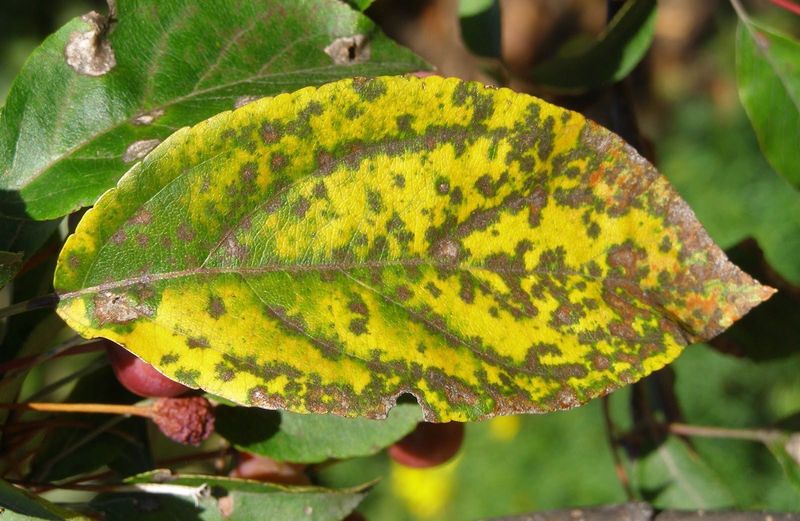
Nothing dims a pretty tree faster than fuzzy dark spots on the leaves. Apple scab is the most common disease on crabapples in Minnesota, and red-fleshed types can be quite prone to it.
The fungus causes olive-green to brown spots on leaves and fruit. Badly infected leaves turn yellow and drop early, sometimes by midsummer. The tree usually survives, but repeated leaf loss can weaken it over time.
Scab spreads in cool, wet spring weather. Spores overwinter on fallen leaves, then splash onto fresh growth when rain returns. That cycle gives you a clear place to break it.
Rake and remove fallen leaves in autumn. Prune in late winter to open the canopy so air moves through and leaves dry faster. Full sun helps here too.
Fungicide sprays can help, but timing matters. They need to start around bud break and repeat during wet spring weather, so follow the label and Extension guidance closely.
For many home gardeners, cleanup and pruning are enough to keep scab manageable. If scab bothers you a lot, ask your nursery about disease-resistant crabapple cultivars before you buy. Resistance saves plenty of work.
Songbirds Will Happily Raid Your Crabapple Branches in Fall
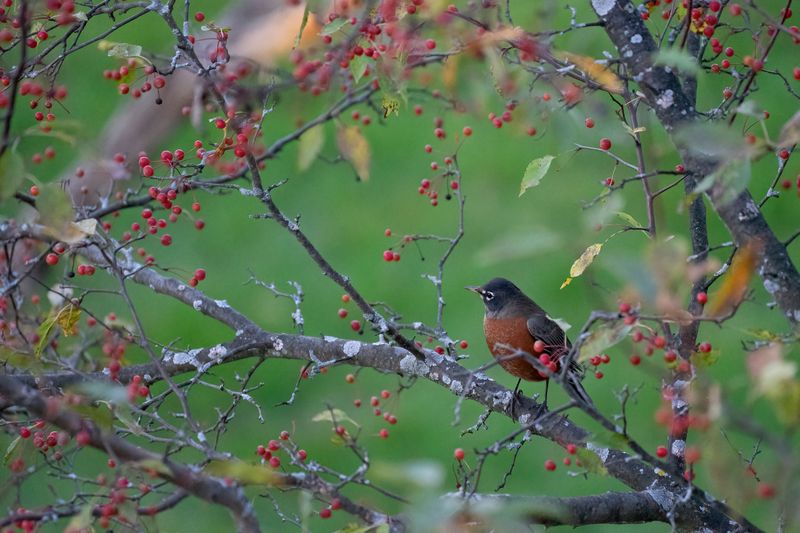
Leave a few fruits on the tree, and your yard becomes a bird diner. Crabapples feed songbirds, migrating birds, and small mammals, especially when other food runs short.
Cedar waxwings are famous for stripping crabapple trees in big, chattering flocks. American robins that stick around into fall and winter also visit. Squirrels and other small critters snack on dropped fruit below.
Small fruit is a big plus for wildlife. Birds can swallow little crabapples whole, while larger apples are much harder to manage.
Some crabapples hang on through winter, giving birds a snack when snow covers the ground.
I love sharing, but I also want jelly. My simple plan is to pick what I need in early fall and leave the rest. That balance keeps both the pantry and the feathered visitors happy.
Plant your tree where you can see it from a window. Watching waxwings pass berries to each other on a frosty morning is pure joy.
Add a nearby water source, and you may notice even more bird activity around your little red-fruited tree.
Pick Ripe Crabapples in Early Fall and Store Them Cool
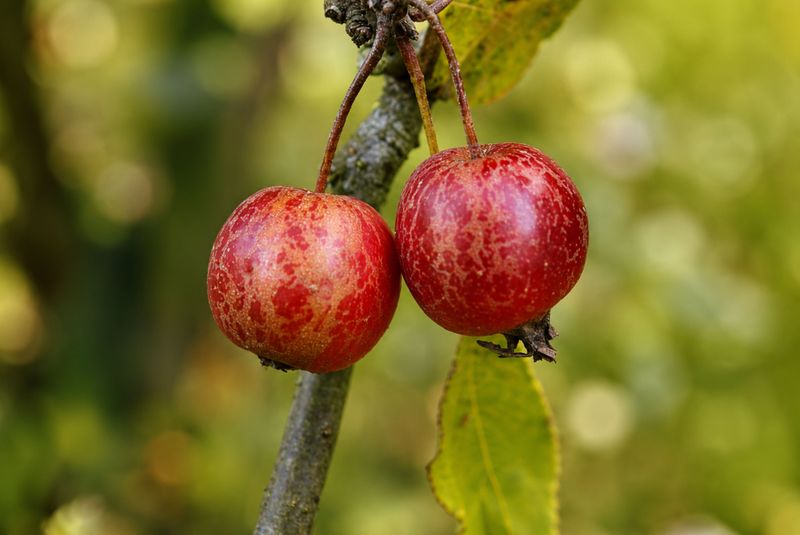
Harvest timing makes all the difference with this fruit. Crabapples in general ripen anywhere from July to November, and Hansen’s Red Flesh usually comes ready around early October.
Look for full color on the skin and fruit that pulls off easily with a gentle twist. Cut a test fruit open.
Mature seeds turn brown, and the red flesh tends to show its richest color as the fruit ripens.
A light frost can sweeten some crabapples a bit, but hard freezes may damage fruit you plan to store. Keep an eye on the forecast, especially in northern parts of the state where cold arrives early.
Red Vein crabapples can keep for one to two months in cool, dry storage. A spare refrigerator drawer or a chilly garage that stays above freezing works well.
Sort out bruised or scabby fruit first, since one soft spot can spread trouble. My best takeaway is simple. Grow one tree, cut one fruit open with a friend, and watch their face light up.
Then turn the harvest into pink jelly, share some with the birds, and enjoy a Minnesota secret hiding in plain sight.