Do This In November And Ohio Screech Owls May Move In By Spring
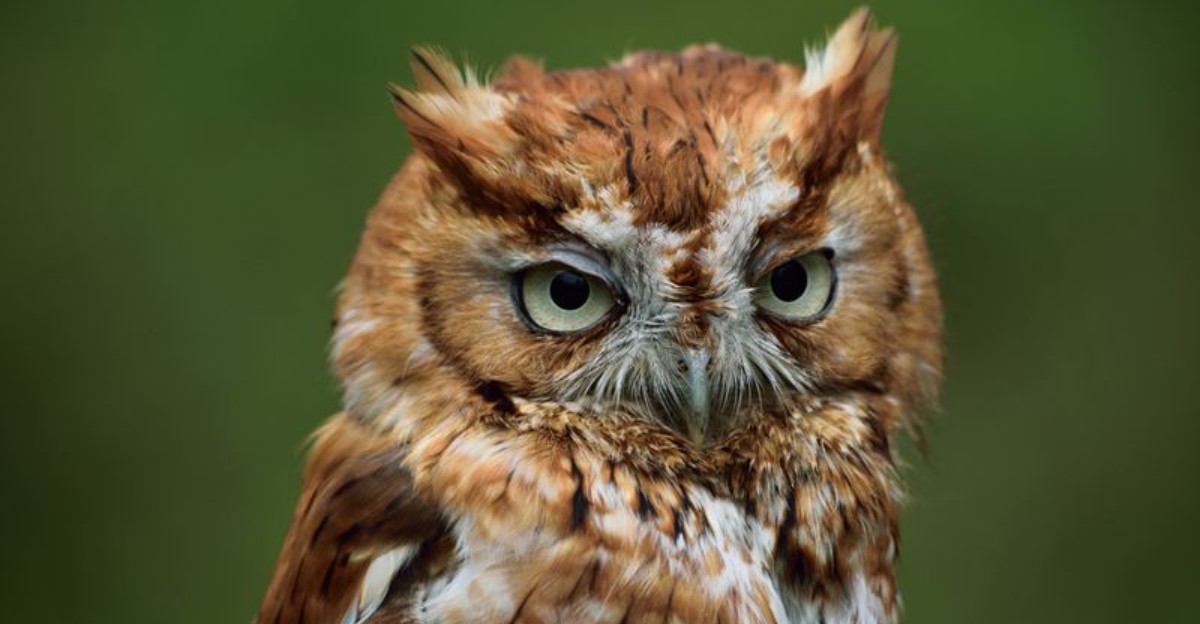
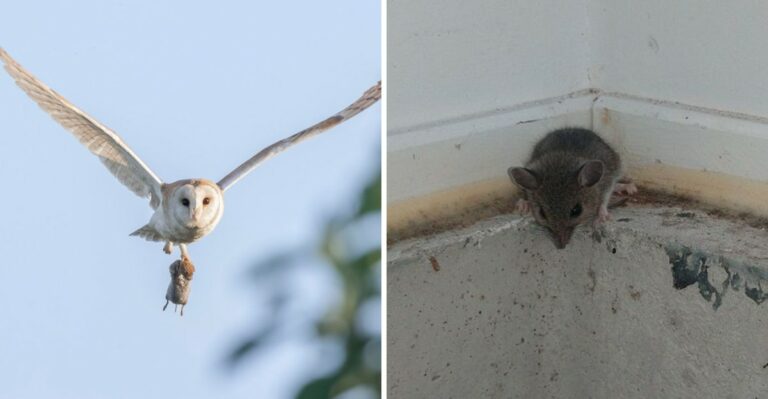
Some backyard owls carry live blind snakes home to their nests instead of eating them.
Researchers found the wriggly guests stay put and munch on insect larvae that bother the chicks, and those nests raised faster-growing babies.
That tiny housekeeping trick comes from a bird about the size of a pint glass. It hunts mice, crickets, and moths, then vanishes into a tree hole by sunrise. Most people walk right past one without noticing.
I love that something so small can be so clever. You don’t need acres of woods to host one, either. A suburban Ohio yard with a few big trees can do the job.
The surprising part is the timing. Late fall is when these little hunters start shopping for winter shelter, and a cozy spot picked now can turn into a nursery by April. Will your yard make their short list this winter?
That Tiny Gray Owl Is House Hunting Before Winter Arrives
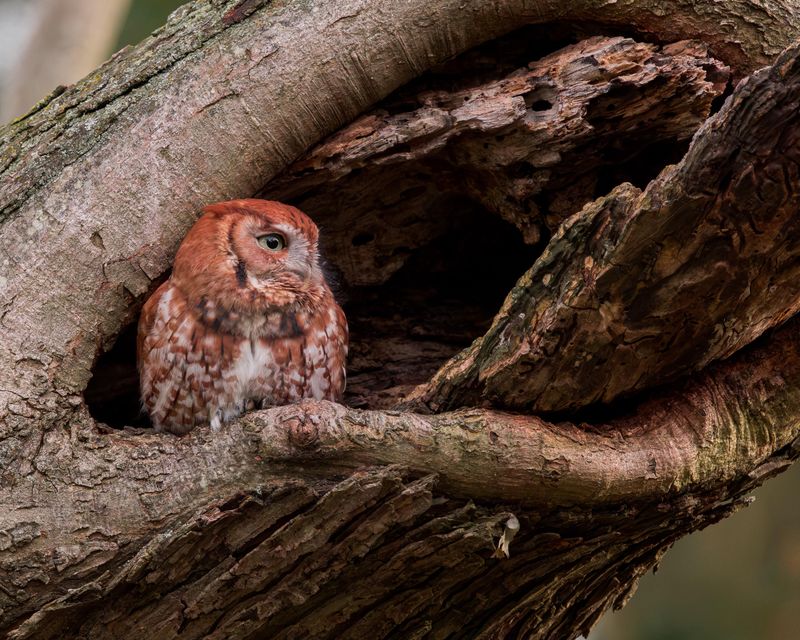
Most songbirds are long gone or hunkered down by November, but one small predator is busy scouting real estate. Eastern screech owls, the only screech owl species found in Ohio, stand only about 6 to 10 inches tall, and they spend chilly days tucked inside snug cavities.
They can’t dig those holes themselves. Biologists call them secondary cavity nesters, which means they borrow old woodpecker holes, hollow limbs, or a well-built box.
Good hollows are scarce in many neighborhoods, since people tend to cut down aging trees.
Fall timing matters for a simple reason. Screech owls live in Ohio year-round, usually staying in the same territory, and pairs often bond for years.
A cavity that works as a winter roost is a natural candidate for nesting once spring rolls around.
That’s the whole idea behind the title. You aren’t luring an owl from miles away.
You’re offering a better bedroom to one that may already be hunting nearby without your knowledge.
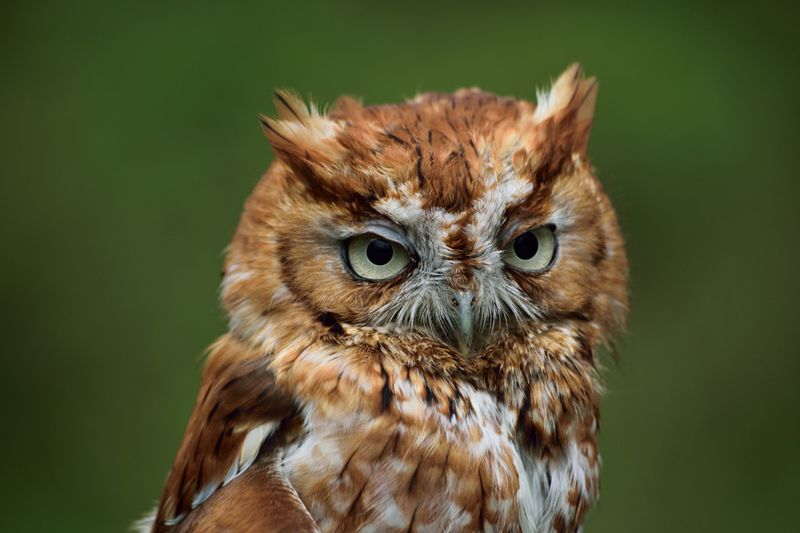
Ohio’s screech owls come in gray and reddish color forms, with some brownish birds in between, and their bark-like feathers make them hard to spot. I once stared at the same oak for ten minutes before realizing an owl was staring back.
A box put up now gives those hidden neighbors a reason to settle in.
A Cedar Owl Box Is the One Project Worth Doing This Month
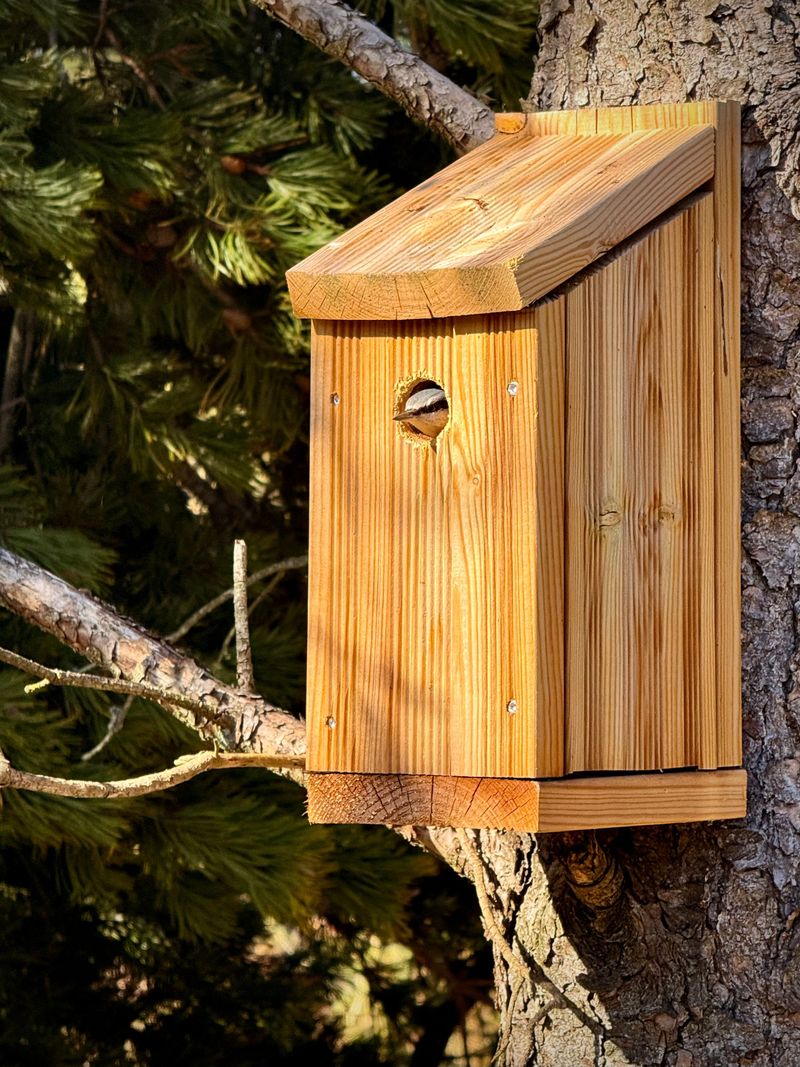
A plain cedar box might be the best owl invitation money can buy. Cornell Lab’s NestWatch plans call for a floor about 8 by 8 inches, a box roughly 12 to 15 inches tall, and a 3-inch entrance hole set near the top.
Use untreated wood like cedar or pine that’s at least three-quarters of an inch thick. Thick boards help buffer heat and cold, and skipping pressure-treated lumber keeps chemicals away from the owlets.
Leave the outside unpainted or use a light, water-based stain on the exterior only.
Screech owls don’t carry in nesting material. Spread 2 to 3 inches of clean wood shavings on the floor so the eggs don’t roll around on bare wood.
Skip fine sawdust, which can get damp and packed down.
A few small details help a lot. Drill drainage holes in the floor and leave vent gaps under the roof.
Cut shallow grooves on the inside wall below the hole so young owls can climb out when it’s time.
Add a side panel that opens for cleaning. Personally, I think building one is a fun weekend project, though ready-made owl boxes work just as well if you check the measurements first.
Mount the Nest Box High on a Sturdy Tree Trunk
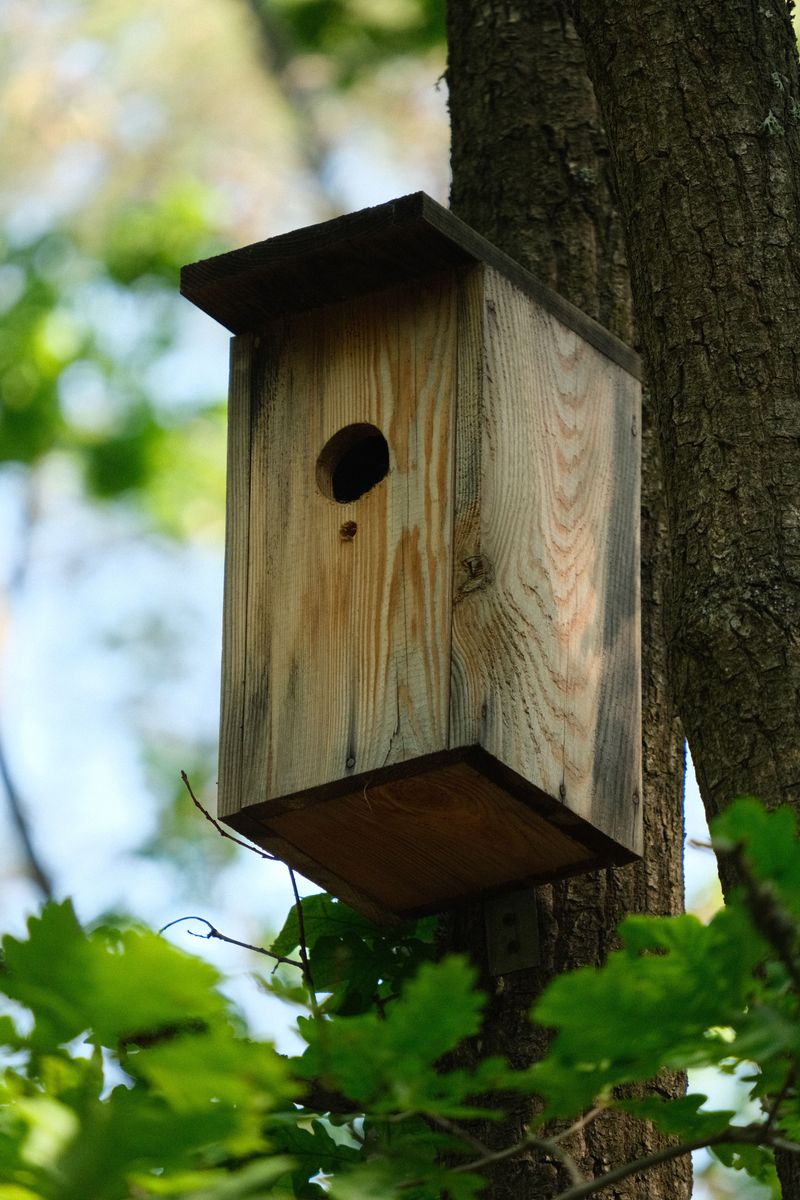
Height gives owls confidence. Hang the box 10 to 30 feet off the ground on a healthy tree trunk or a sturdy pole, where it won’t sway in the wind.
Many owl fans aim the entrance away from the strongest prevailing winds. In Ohio, where winter winds usually blow from the west and northwest, that means facing it somewhat south or east.
Some shade from overhead branches keeps the box from overheating during warm spring days.
Owls like a clear approach. Trim a few twigs right in front of the hole, but leave nearby limbs alone so adults have a place to perch and fledglings have something to hop onto.
Edges work well, such as a big tree beside a lawn, field, creek, or woodland opening.
Attach the box with lag screws or bolts, and leave some room for tree growth. A ladder plan is smart too, since you’ll want to reach it for yearly cleaning.
Please climb carefully and ask a helper to steady the ladder.
One box per yard is plenty for screech owls. They defend territories, so a second box close by is more likely to attract squirrels.
Kestrels, flickers, and even wood ducks near water sometimes claim these boxes, which is a pleasant surprise rather than a failure.
Hollow Trees and Old Snags Make Owls Feel Right at Home
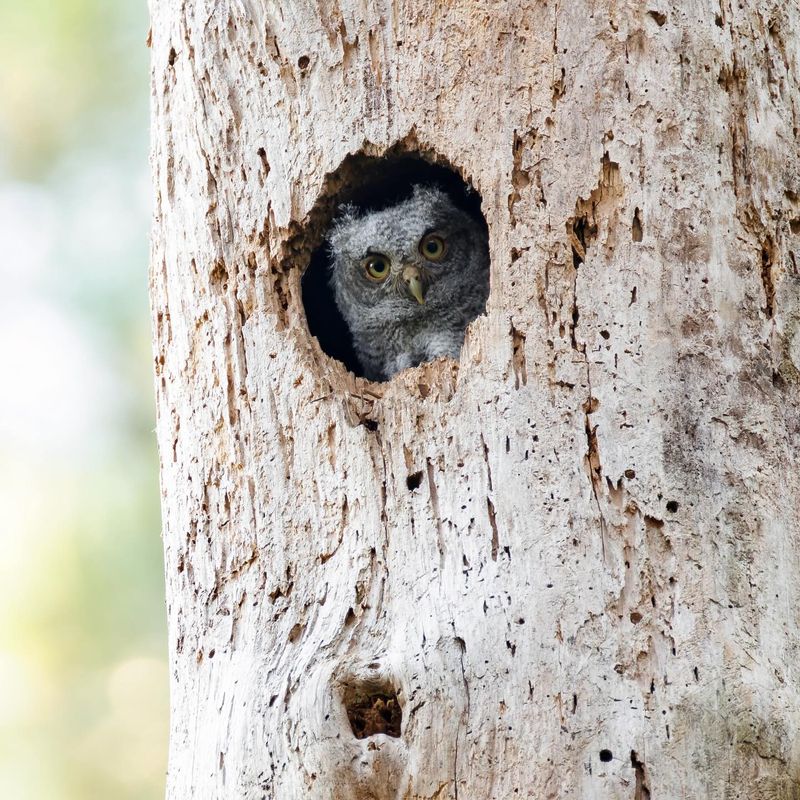
That hollow old maple you’ve been meaning to remove could be prime owl housing. Standing trees past their prime, called snags, are where woodpeckers carve the holes screech owls later borrow.
Wildlife experts in Ohio and elsewhere encourage homeowners to keep snags when they’re safely away from houses, driveways, sidewalks, and play areas. A tall trunk trimmed down to 10 or 15 feet can keep its cavities with far less risk.
Ask a certified arborist if you’re unsure about stability.
Big living trees matter too. Mature oaks, sycamores, maples, and cottonwoods often have hollow limbs and thick horizontal branches that make handy daytime roosts.
Native evergreens like eastern red cedar, eastern white pine, and, in southern counties, American holly give owls dense cover in winter, when bare branches leave them exposed.
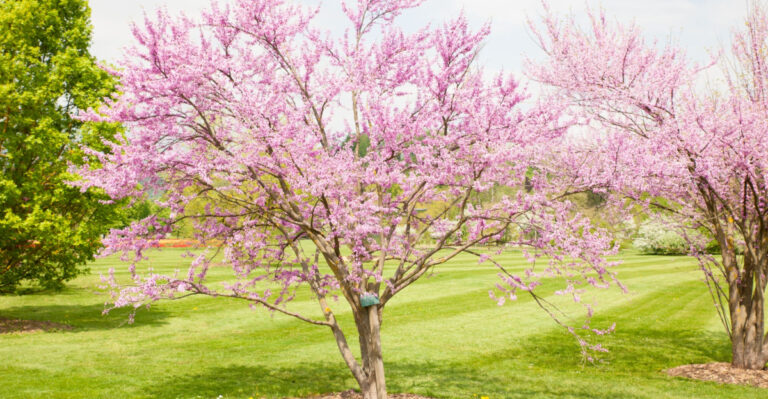
November is a smart time to plant native trees and shrubs in many regions, since cool air and moist soil help roots settle in. Check with your local extension office for species suited to your area, and skip invasive choices like Callery pear.
Owls also appreciate brushy cover. Songbirds often mob a resting owl, so thick foliage helps it doze in peace.
Aim for layers in your yard, with tall trees, mid-height shrubs, and ground cover working together.
Leaf Piles and Bug-Filled Corners Keep Hungry Owls Fed
Screech owls eat a surprisingly wide menu. Mice, voles, shrews, crickets, beetles, moths, earthworms, crayfish, frogs, and the occasional small bird all show up in their diet, according to Cornell’s All About Birds.
That variety is great for gardeners. A pair raising chicks needs lots of food, and many of those meals come from the same critters nibbling your bulbs and seedlings.
The biggest favor you can do is drop the rat poison. Owls that eat poisoned rodents can suffer secondary poisoning, and studies of raptors have found rodenticide residues in many birds tested.
Snap traps placed inside garages or sheds are a safer way to handle indoor mouse problems.
Go easy on insecticides as well. Fewer bugs mean fewer meals, especially in spring when insects make up a big share of the menu.
Now for the fun part, which is being a little messy. Leave fallen leaves under shrubs, let a corner of native grass stand through winter, and build a loose brush pile.
Those spots shelter beetles, moths, and small mammals. A shallow birdbath helps too, since screech owls sometimes drink and bathe at night.
Honestly, it’s the easiest garden chore you’ll skip all year.
Cats, Raccoons, and Bright Floodlights Can Scare Owls From the Box
Outdoor cats are among the biggest threats to backyard birds, owls included. Keeping cats indoors, especially from dusk to dawn, protects owls and the small prey they rely on.
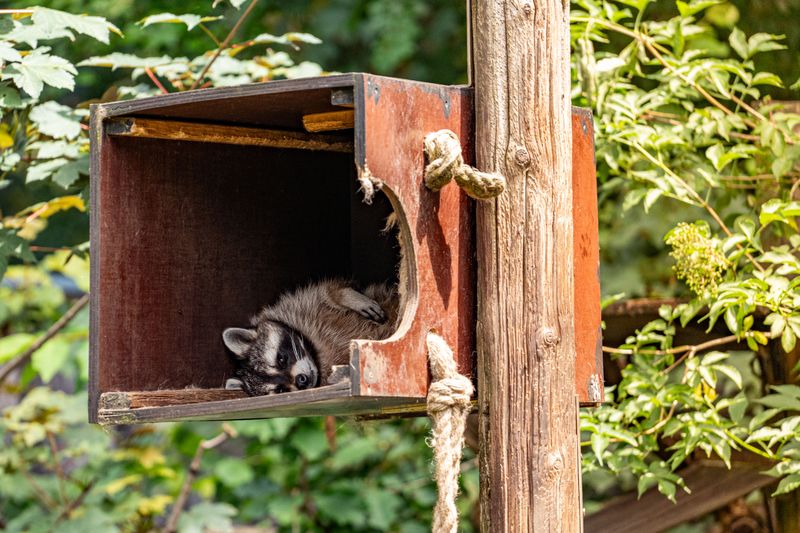
Raccoons are clever climbers and sometimes raid owl boxes. A metal baffle or wide sheet-metal band wrapped around the trunk or pole below the box makes it much harder for them to reach the eggs.
Mount the box away from branches that act like bridges.
Bright lights can cause trouble too. Constant floodlights wash out the shadows owls use while hunting.
Switch to motion-sensor lights, aim fixtures downward, or turn off what you don’t need.
November is also cleanup month for existing boxes. Wear gloves and a dust mask, scoop out old nesting material, and add fresh shavings.
If European starlings or house sparrows nested there, remove their leftovers, since both are non-native species that compete for cavities.
Once owls move in, give them space. Screech owls are protected under the federal Migratory Bird Treaty Act, so handling them, their eggs, or their nests without a permit is illegal.
Enjoy the view from a respectful distance, maybe with binoculars or a camera set well back from the tree.
Listen for a Soft Whinny From the Owl Box by Late Winter
Despite the name, screech owls rarely screech. The Eastern species gives a descending horse-like whinny and a long, even trill, while the Western bird sounds like a bouncing ball speeding up.
Calling picks up in late winter as pairs renew their bonds. If you hear duets after dark in February or March, that’s a hopeful sign someone is checking out your yard.
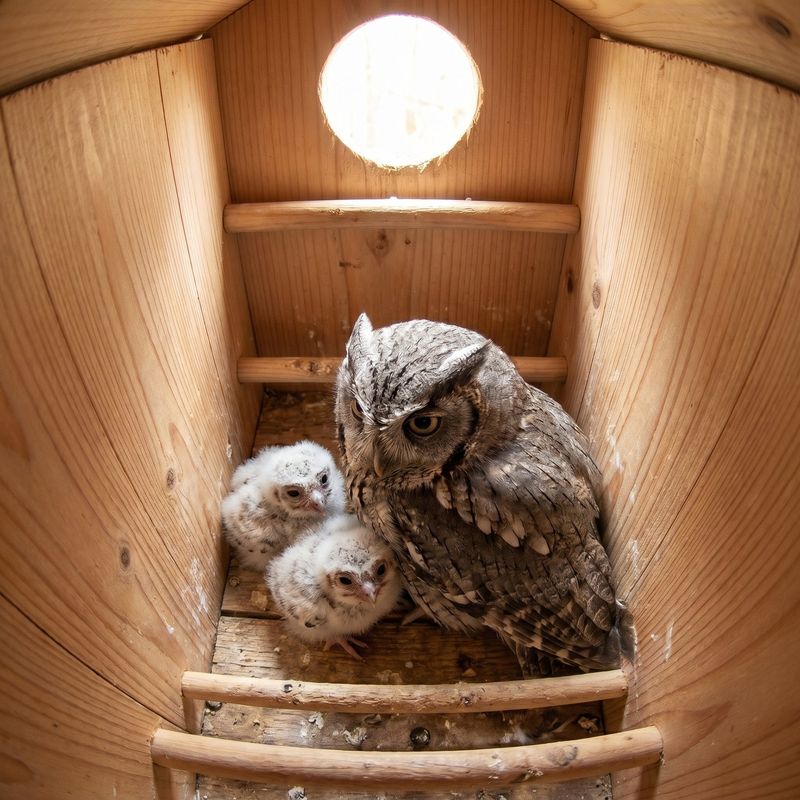
In Ohio, egg laying usually starts in March or April, often a bit earlier in southern counties than near Lake Erie. Females lay about 2 to 6 white eggs and incubate them for roughly a month while the male brings food.
The owlets leave the box around four weeks after hatching, often looking like fluffy pinecones on a branch.
Patience pays off. Some boxes get used the first season, while others sit empty for a year or two before an owl claims them.
Squirrels may squat for a while, so check and clear the box each fall.
My best advice is simple. Put the box up this month, keep your yard a little wild, skip the poisons, and listen on quiet evenings.
Spring might bring a tiny face peeking out of that round hole.