The One Soil Task That Sets Up Georgia Gardens For Spring
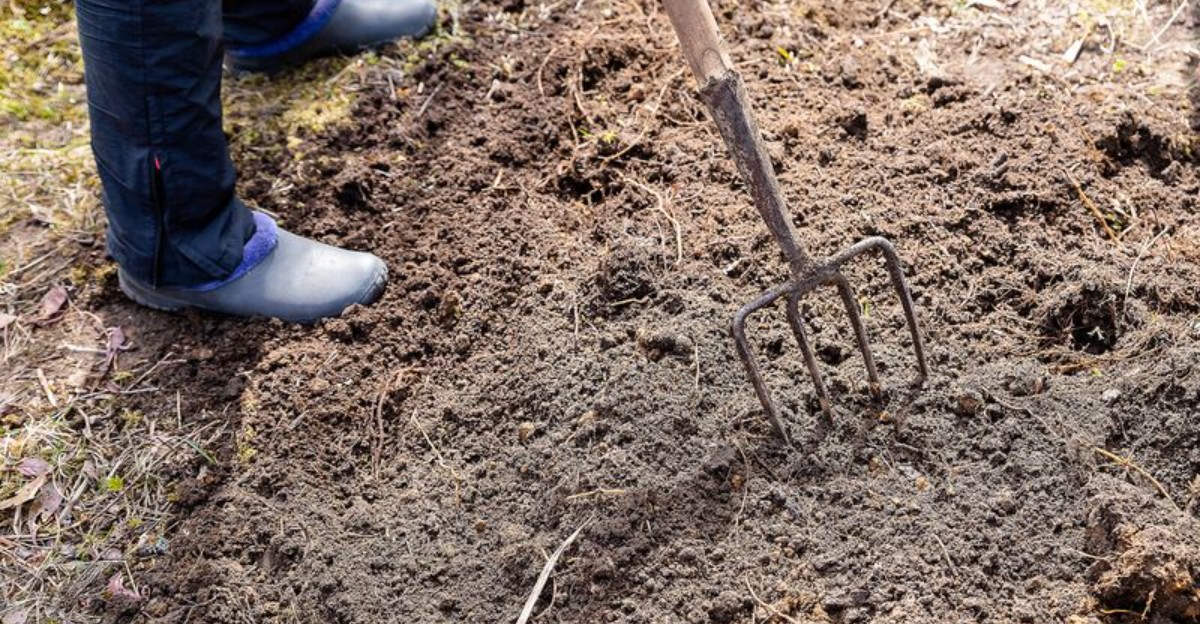
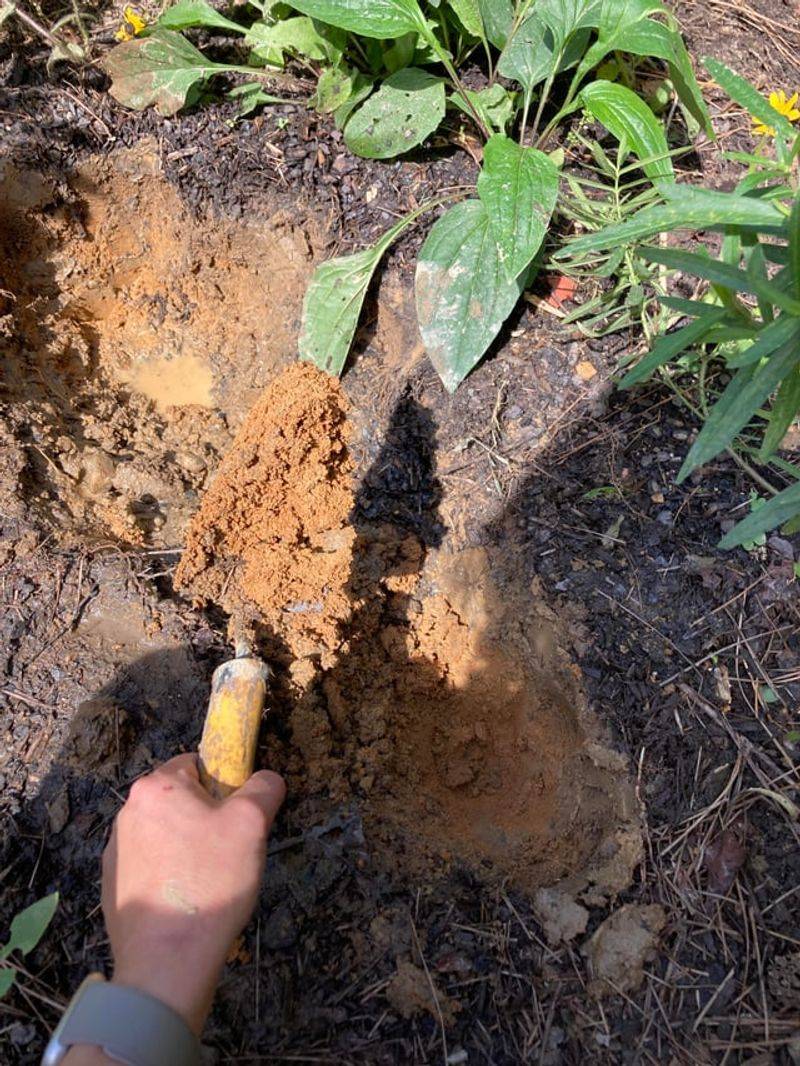
That famous red clay gets its color from iron oxides, basically the same stuff that makes rust. Pretty wild, right?
Your garden might literally be sitting on a slow, earthy form of rust.
Georgia soil is full of surprises like that. Clay in the Piedmont can feel like modeling dough, while Coastal Plain sand drains faster than you can fill a watering can.
Many backyards also lean acidic, which quietly locks away nutrients your plants are begging for.
I spent years blaming seeds, weather, and even bad luck for weak tomatoes. I believe plenty of gardeners do the same thing.
The real culprit was hiding under my boots the whole time.
One simple step changed how I garden every spring. It costs less than a bag of fancy fertilizer and takes about ten minutes of digging.
Want to know what your soil has been trying to tell you?
1. Your Red Clay Garden Bed Is Keeping Secrets
My first Georgia garden looked perfect on paper. I had healthy transplants, plenty of sun, and a hose within reach.
Still, my peppers sulked all summer, and I could not figure out why.
The answer was a soil test. That single task tells you two things guessing cannot: your soil pH and the nutrients your ground already holds or lacks.
Without it, adding fertilizer is a bit like taking medicine without knowing what is wrong.
Soil can look rich and dark yet still be too acidic for most vegetables. When pH drops too low, nutrients like phosphorus get tied up, so roots struggle to reach them.
Your plants may turn pale, grow slowly, or produce small harvests, even when you feed them often.
UGA Extension recommends testing before you plant and then about every two to three years after that. Think of it as a checkup for the ground beneath your garden.
I like how a test turns frustration into a plan. Instead of buying random bags of amendments, you get clear numbers and specific advice.
Once I saw my results, those sulky peppers suddenly made sense, and the next season looked very different.
2. Grab A Clean Bucket And Sample Soil The Right Way
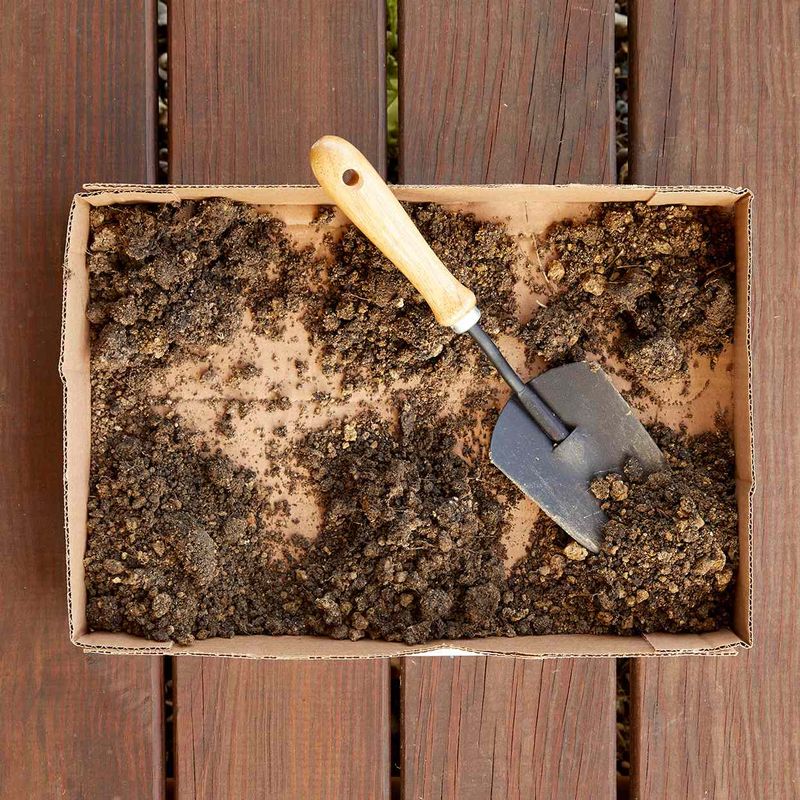
Collecting a sample takes about ten minutes, and you probably own every tool you need already. A clean plastic bucket, a trowel or soil probe, and a zip-top bag will do the job nicely.
Walk across your garden in a zigzag pattern and dig 8 to 10 small samples. For vegetable gardens and flower beds, go down about 6 inches.
Lawns only need a sample around 4 inches deep, since grass roots stay closer to the surface.
Toss all those little scoops into the bucket and mix them well. Pull out any roots, rocks, or mulch as you go.
You want about a pint of mixed soil, which is roughly two cups.
Skip metal buckets, especially galvanized ones, because they can add zinc and throw off the results. Also make sure your bucket never held fertilizer or lime.
Even a little leftover dust can confuse the lab.
Got a lawn, a veggie patch, and a shrub border? Sample each area separately, since they often need different care.
Label every bag clearly so you remember which spot is which when results arrive.
3. Your County Extension Office Makes Soil Testing Easy
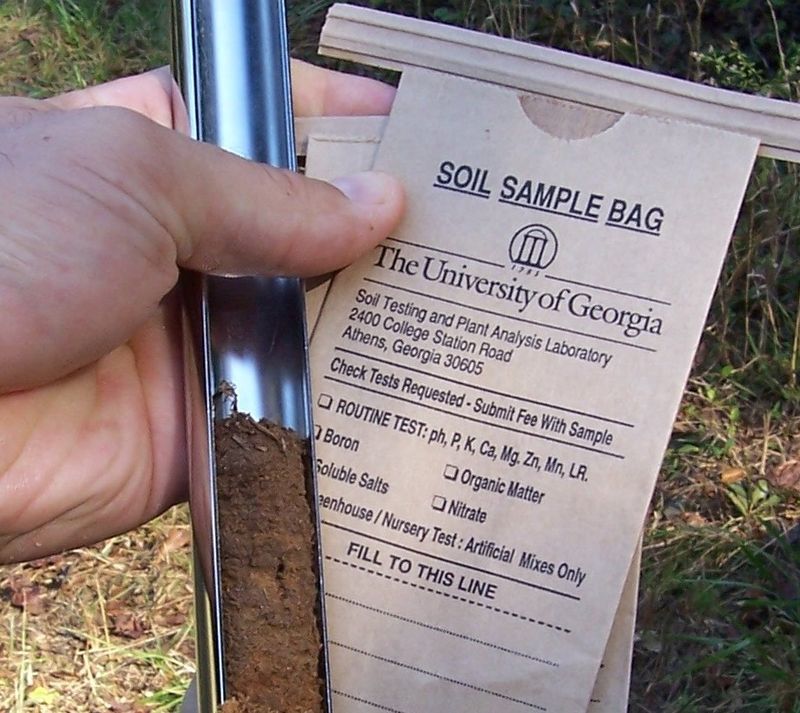
Few gardening bargains beat this one. Every county in Georgia has a UGA Extension office, and most accept soil samples for testing at the University of Georgia lab in Athens.
You drop off your bagged sample, fill out a short form, and pay a modest fee. Fees vary a bit by county, so call ahead to check.
Many offices also hand out the official sample bags, which makes labeling simple.
On the form, you list what you plan to grow. That detail matters because tomatoes, blueberries, centipede grass, and azaleas all want different conditions.
The lab tailors its lime and fertilizer advice to your chosen crop.
Results usually arrive by email within a week or two. Spring is busy season, though, so expect a little longer wait if you mail samples in March.
Home test kits exist, and they can be fun to play with. Still, they rarely match the detail of a lab report.
You also lose the specific recommendations written for Georgia soils.
Personally, I love that a real person at the office will help explain the results if anything looks confusing. Just ask.
4. That Soil pH Number Tells You Whether Lime Belongs In Your Garden
Open your report, and the first number to find is pH. Most vegetables and flowers grow best between 6.0 and 7.0.
Plenty of Georgia soils sit lower than that, partly because heavy rainfall slowly washes calcium and magnesium away.
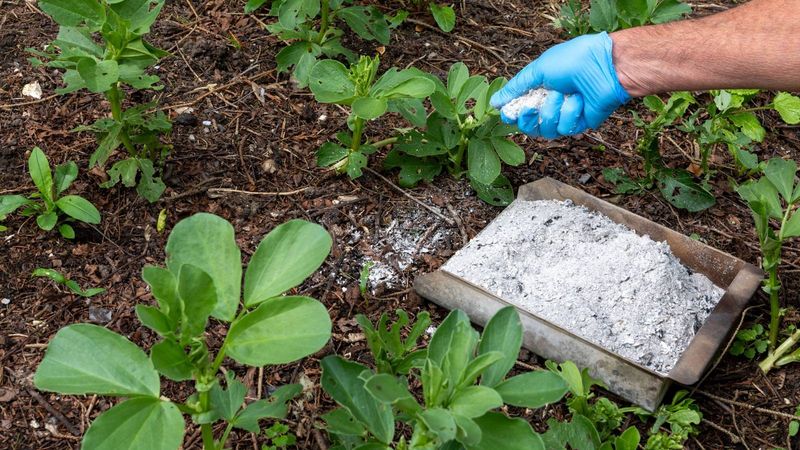
When pH comes in low, the lab will likely recommend lime. Dolomitic lime adds both calcium and magnesium, which suits many Georgia gardens.
Your report lists exactly how much to spread, usually in pounds per 1,000 square feet.
Resist the urge to add extra. Too much lime can push pH too high, and that creates a fresh set of nutrient problems.
Following the numbers saves both money and headaches.
Some plants actually enjoy acidic ground. Blueberries prefer a pH around 4.0 to 5.5, and azaleas like it on the low side too.
So never lime the whole yard just because the veggie bed needed it.
The report also lists phosphorus, potassium, calcium, and other nutrients. You may discover your soil already has plenty of phosphorus.
Honestly, that surprised me, and it meant I could stop buying the wrong fertilizer for years.
5. Fall And Winter Testing Gives Lime A Head Start Before Spring
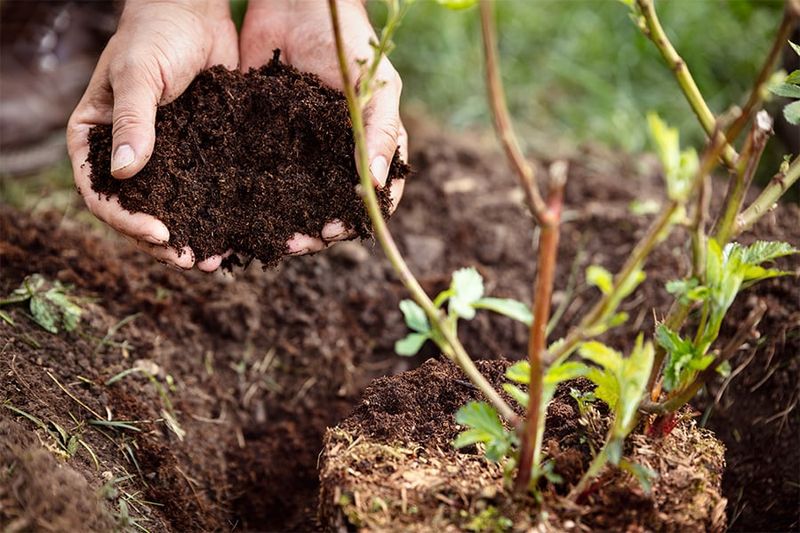
Lime works slowly, which surprises many first-time gardeners. It can take a few months to noticeably change soil pH.
That makes timing a big deal.
Testing in fall or early winter gives lime plenty of time to react before spring planting. Rain and cool weather help it soak in and start working.
By the time you set out tomatoes in April, the soil is ready.
Missed that window? No need to panic.
You can still test in late winter or early spring and apply amendments before planting. Working lime into the top several inches of soil helps it act faster than simply scattering it on top.
Timing also differs across the state. North Georgia mountain gardens warm up later, while south Georgia gardeners may plant weeks earlier.
Plan your test at least a month or two before your local last frost date if possible.
I keep a little note in my phone calendar each October that says test the garden. It feels like a gift to my spring self.
Once that habit sticks, you rarely scramble with amendments when planting season suddenly arrives.
6. Compost Turns Sticky Clay And Thirsty Sand Into Happier Soil
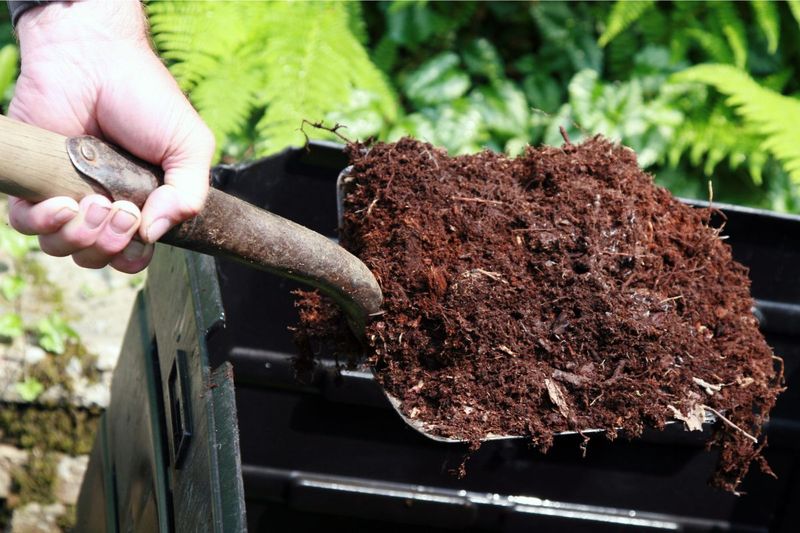
Here comes my favorite part, because compost works like a friendly fixer for almost any soil. Once your test shows what to adjust, organic matter helps everything else work better.
In heavy Piedmont clay, compost opens up tiny spaces for air and water. Roots spread more easily, and puddles drain faster after storms.
In sandy Coastal Plain soil, it does the opposite job by helping hold water and nutrients longer.
Spread about 2 to 3 inches of compost over your beds. Then work it into the top 6 to 8 inches with a garden fork or spade.
Well-aged manure and shredded leaves are also solid choices.
Avoid working soil when it is soggy, especially clay. Squeeze a handful first.
If it forms a sticky ball that will not crumble, wait a few dry days, or you risk making hard clods.
Georgia heat breaks down organic matter quickly. That means one application rarely lasts forever.
Adding compost every season, or topping beds with mulch, keeps the soil life busy and your plants well fed through the long growing season.
7. Test Results Plus A Garden Fork Equal A Stronger Spring Harvest
Picking up that first soil report felt like getting a map after years of driving lost. Suddenly every amendment had a reason behind it.
Your next steps are simple. Test now if you have not already, follow the lime and fertilizer advice exactly, and add compost to improve structure.
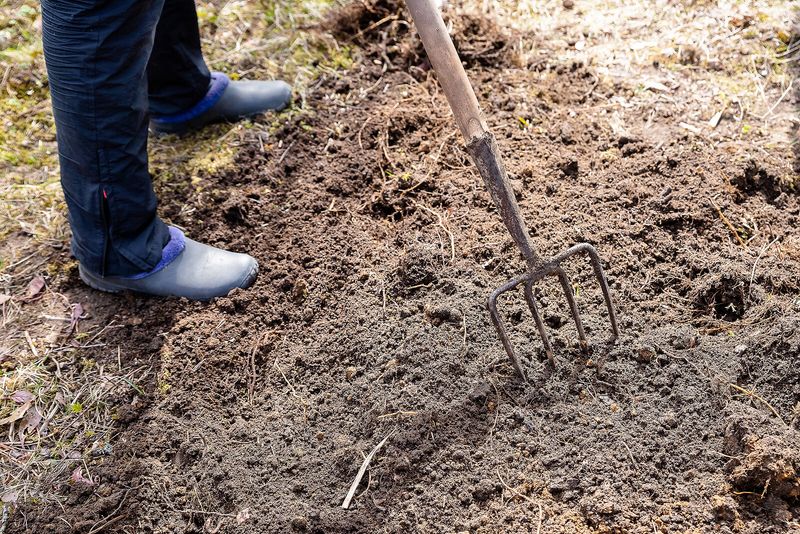
Loosen compacted beds with a garden fork or broadfork, but skip constant deep tilling, which can harm soil life.
Keep your report somewhere safe. Comparing results every two to three years shows whether pH is holding steady and whether nutrients are building up.
Many gardeners learn they have been overfeeding phosphorus, and that extra can wash into creeks and ponds.
Fertilize with a purpose rather than by habit. Split nitrogen into smaller doses through the season, since Georgia rain moves it quickly through the soil.
Your plants and your wallet will both appreciate it.
I can’t imagine planting another spring garden without this step. It turned my guessing into confidence and my thin harvests into baskets full of produce.
Start with a clean bucket and two cups of soil, and watch your garden respond.