What Georgia Gardeners Should And Shouldn’t Do To Crape Myrtles Before Winter
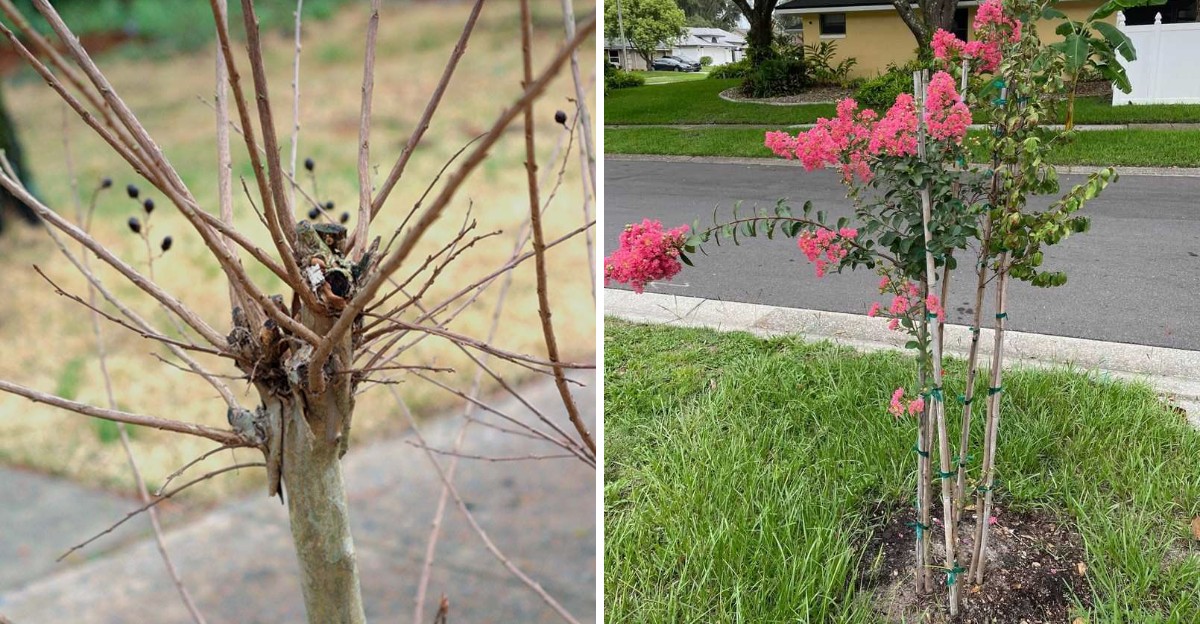
Crape myrtles line countless Georgia driveways, putting on a colorful show through the summer heat before their bark peels into smooth patches of cinnamon and cream.
I have to admit that fall is when most of us accidentally hurt them the most. A few well-meaning chores done at the wrong time can cost you a whole season of flowers.
You might notice neighbors grabbing loppers the moment leaves turn orange, and the temptation is real for everyone. I learned the hard way that patience pays off better than any tool hanging in my shed.
Winters here swing from mild afternoons to sudden hard freezes, so smart timing matters more than hard work.
Some chores deserve your attention before winter, while others are better left alone until the right time arrives.
1. Give Established Crape Myrtles A Deep Drink During Dry Fall Spells
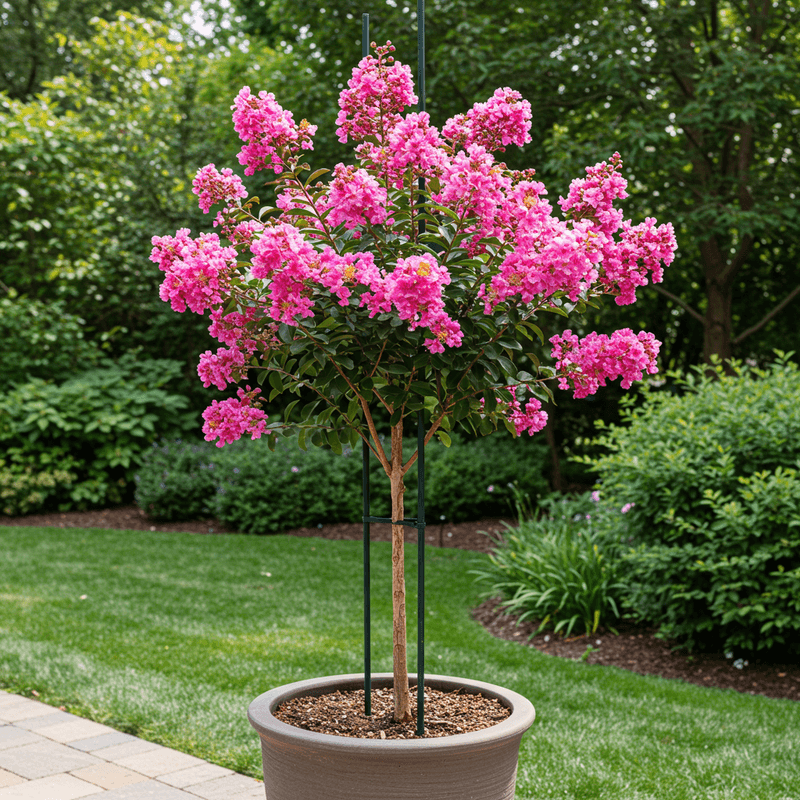
Thirsty roots heading into a freeze are like kids heading outside without coats on a January morning. Moist soil holds heat better than dry, dusty ground, so a fall soaking quietly protects your tree.
Autumn in much of Georgia can turn surprisingly dry, with weeks passing between decent rains in some years.
I like to push a finger a few inches into the soil before deciding whether to water.
If it feels dry at that depth, give established trees a slow, deep soaking about once a week. A soaker hose or a trickling garden hose left at the base for an hour works nicely.
Shallow sprinkles mostly wet the surface and encourage roots to stay near the top, where cold hits hardest.
Deep watering coaxes them downward into steadier soil temperatures that change slowly through the cold season.
Once leaves drop and the tree settles into dormancy, its thirst shrinks dramatically, so you can ease off. Let rainfall do most of the work and only step in during long, rainless stretches of weather.
Soggy soil is no friend either, because waterlogged roots struggle to breathe and can start to rot. Heavy clay common across the Piedmont drains slowly, so check moisture before reaching for the hose again.
Newly planted trees from the past year or two need the most attention during dry fall weeks. Their roots have not spread far yet, so they depend on you more than older trees do.
2. Spread A Flat Ring Of Mulch Around Crape Myrtle Roots
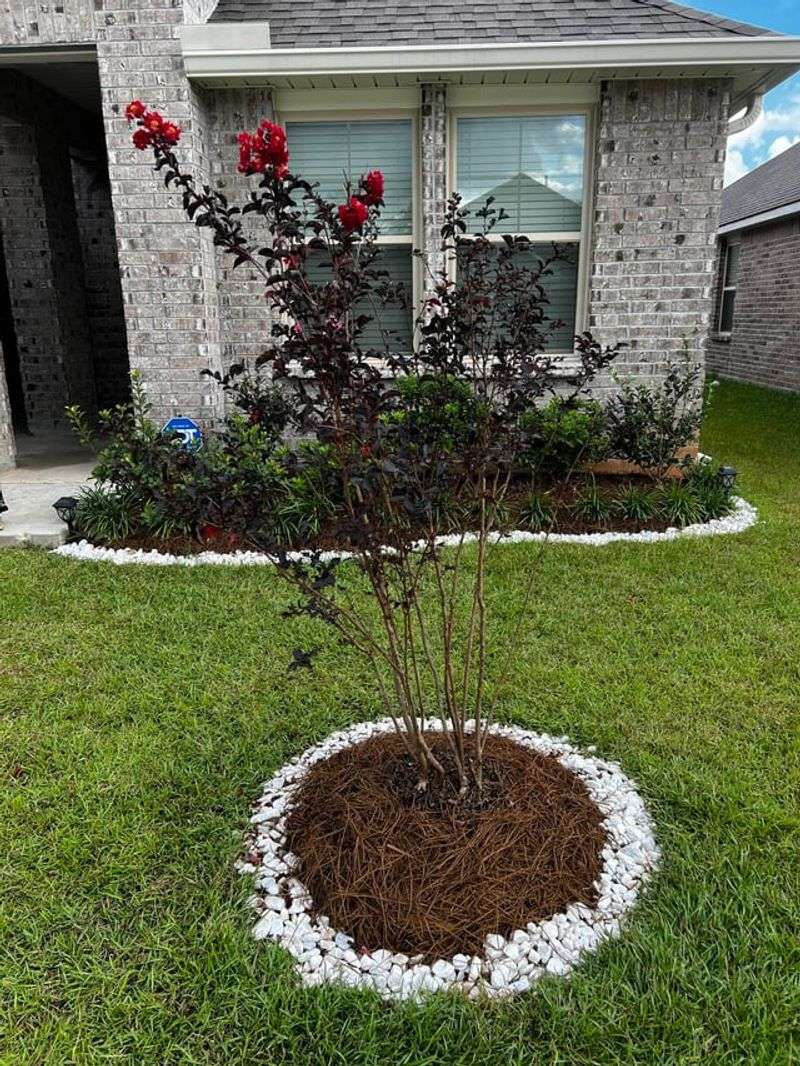
Few garden chores feel as satisfying as spreading fresh pine straw and catching that warm, resin-sweet scent.
Your crape myrtle appreciates it too, since mulch works like a cozy blanket over its shallow roots.
Aim for a layer about two to three inches deep, using pine straw or shredded hardwood bark. Spread it outward toward the drip line, which is the edge where the outer branches end overhead.
I believe the biggest mistake people make is piling mulch high against the trunk like a volcano. Those mounds trap moisture against the bark and can invite rot or gnawing rodents looking for winter shelter.
Instead, pull the mulch back a few inches from the stems and shape a wide, flat ring. It looks tidier, and it lets that gorgeous peeling bark show off all winter long without hiding.
Mulch also smooths out soil temperature swings, which matter in a state where frosty nights follow warm afternoons.
Those ups and downs can stress roots, and a steady layer of mulch softens the blow nicely.
Moisture lingers longer under mulch too, so you may find yourself dragging the hose out less often. As it breaks down slowly, organic mulch feeds soil life and improves the texture of tough clay.
Raked autumn leaves make a free option, especially after you run them over with the lawn mower. Shredding keeps them from matting into a soggy layer that blocks air and water from reaching roots.
3. Shelter Young And Potted Crape Myrtles From Hard Freezes
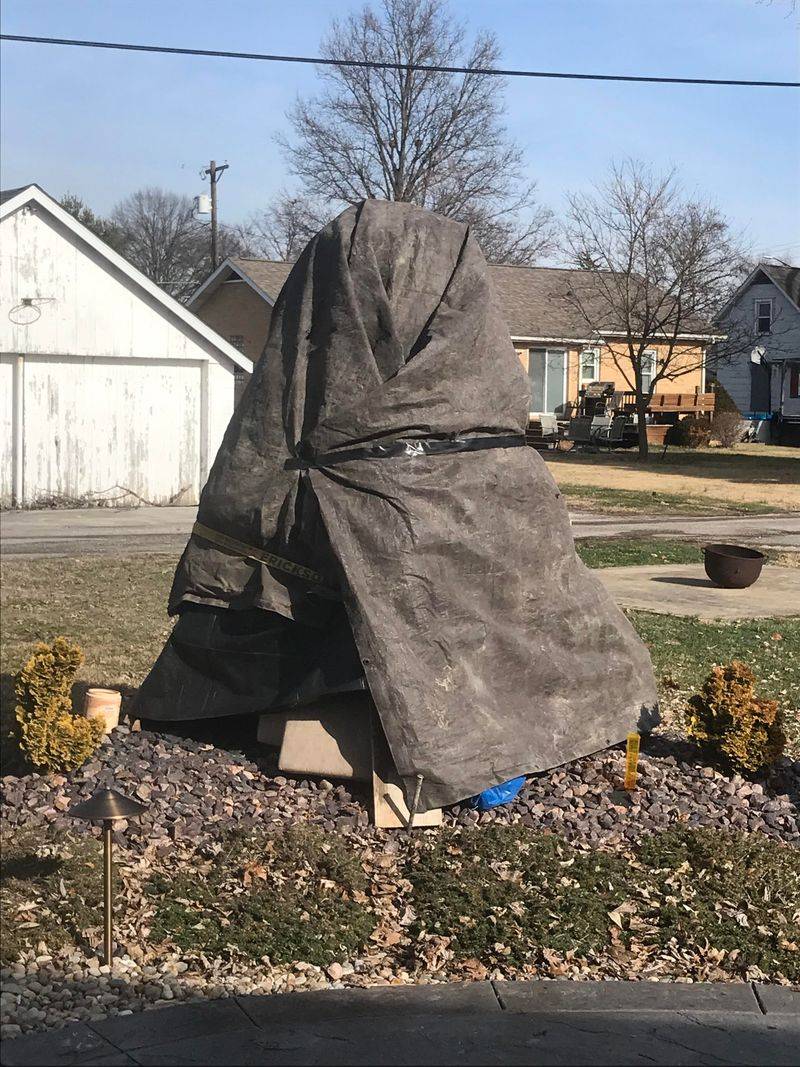
Potted plants face a strange winter problem, because their roots sit above ground with only thin walls for protection. Cold air wraps around the container from every side, chilling roots far faster than garden soil would.
Dwarf crape myrtles grown on patios are especially exposed, even though the same varieties shrug off cold in beds.
I can’t imagine leaving a favorite potted tree out during a hard freeze without some kind of backup plan.
When forecasts call for temperatures in the low twenties or below, roll containers into an unheated garage or shed. Dormant trees need little light, so a few days in a dim spot will not bother them.
Heavy pots that refuse to budge can be clustered together against a south-facing wall for extra warmth. Wrap the outsides with burlap or bubble wrap, then tuck mulch or leaves around the base.
Young trees planted this year in the ground deserve similar attention, since their roots are still settling in. A thicker ring of mulch helps, and a frost cloth draped over small plants offers emergency coverage.
Skip plastic sheeting touching the branches, because it can trap moisture and actually transfer cold right through.
Remove any covers once temperatures climb again so the plant does not overheat on sunny afternoons.
Northern parts of the state, especially the mountains, see harsher cold than coastal areas near Savannah. Gardeners up there should keep a closer eye on forecasts and act a little sooner when freezes approach.
4. Check Crape Myrtle Bark For Scale Insects And Sooty Mold
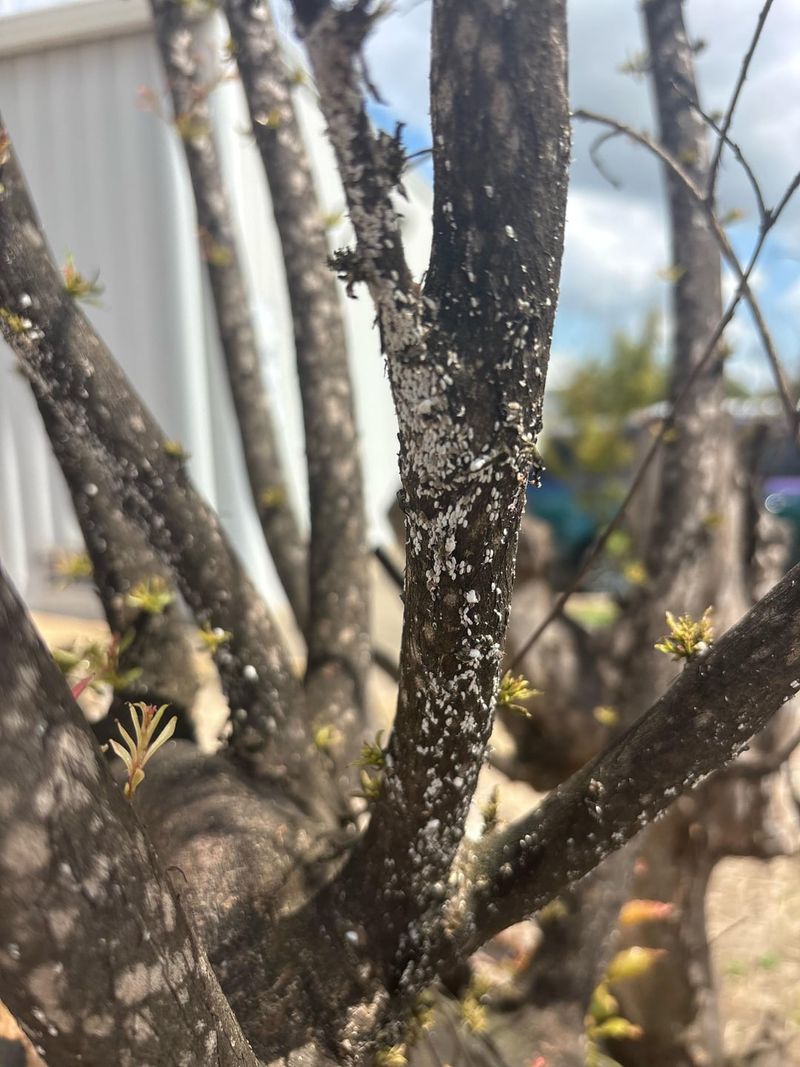
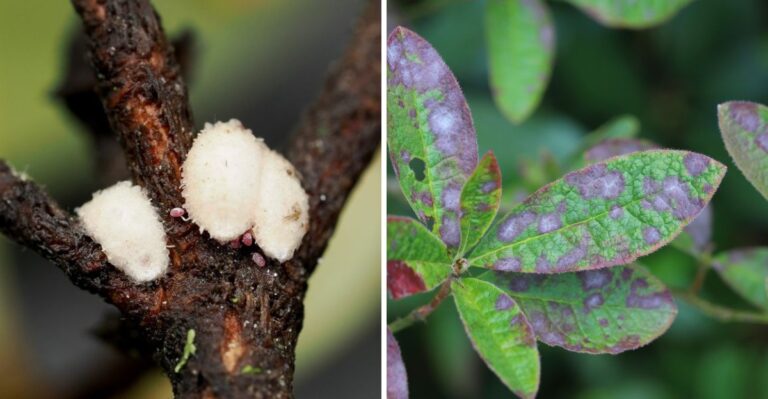
Black, sooty trunks on crape myrtles around town often signal a tiny pest hiding in plain sight. Crape myrtle bark scale, first found in Texas in 2004, has since been confirmed in Georgia.
You need to look closely, because the insects appear as small white or gray felt-like dots on bark. Crush one with a fingernail, and pink fluid oozing out is a telltale sign of this pest.
Bare winter branches make scouting much easier, so I love using this quiet season for a careful inspection.
Check branch crotches and pruning wounds first, since the scale often gathers in those protected spots.
Gently scrubbing infested trunks with a soft brush and mild soapy water removes many insects and blackened residue. Following up with a dormant horticultural oil spray can smother more of the pests that remain behind.
Read the label carefully, and spray on a calm day when temperatures sit comfortably above freezing.
Heavy infestations may need a systemic treatment later in spring, which your county Extension office can explain.
Sooty mold itself is a fungus growing on sticky honeydew, so controlling the insects clears it up. Aphids also leave honeydew during summer, so black bark does not automatically mean scale is present.
Rake up fallen leaves around the base too, since leftover debris can shelter fungal spores over winter. A cleaner base gives powdery mildew and leaf spot fewer chances to return when spring arrives.
5. Snip Suckers From The Base Of Crape Myrtle Trunks
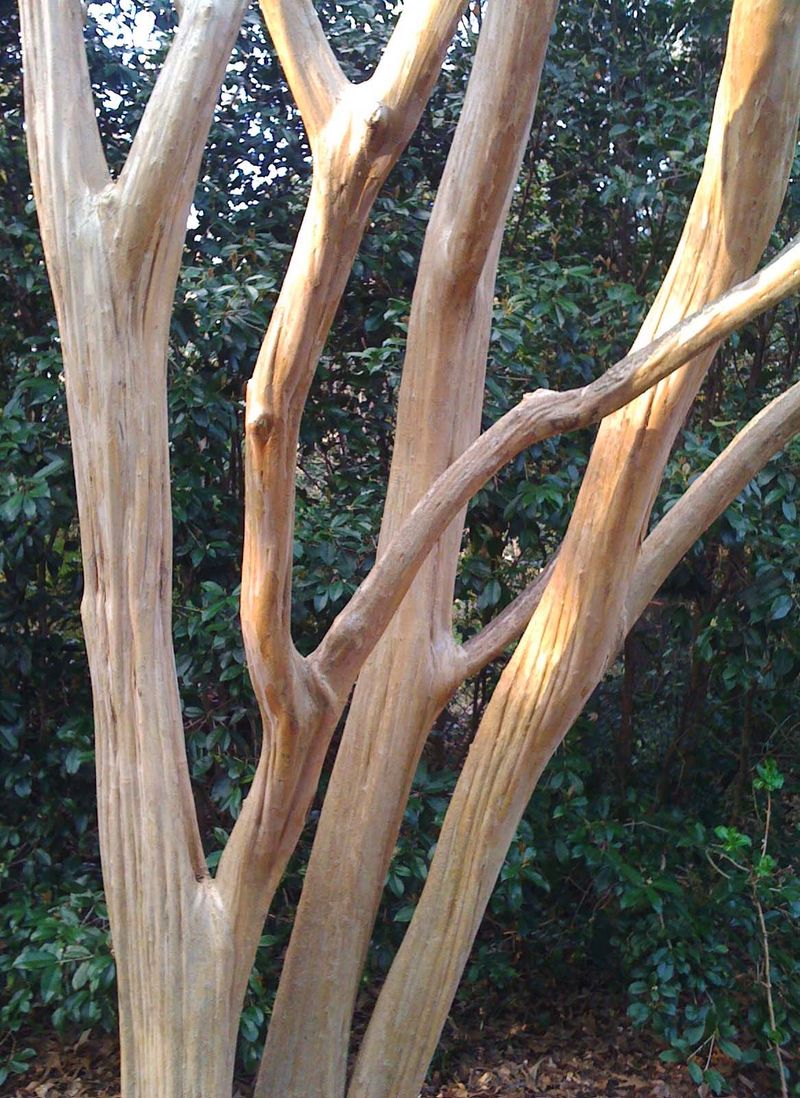
Those skinny green shoots popping up around the trunk are the tree’s way of hedging its bets. Crape myrtles sucker freely, and left alone, those sprouts can turn a graceful tree into a messy thicket.
Suckers rise from the base or roots, while water sprouts shoot straight up from larger branches higher up.
Both steal energy that the main trunks could use for sturdy growth and bigger flower clusters next summer.
Personally, I find snipping suckers oddly relaxing, like trimming stray threads off a favorite old sweater. Use clean, sharp pruners and cut each shoot flush where it emerges, without leaving little stubs behind.
Pulling or ripping shoots can tear bark and create wounds, so pruners or loppers make better tools. Wipe the blades with a household disinfectant between plants if you notice signs of disease on branches.
Unlike major pruning, removing suckers is fine to do almost any time of year, including late fall. These small cuts do not trigger the flush of tender growth that heavy pruning can cause.
Clearing the base also improves airflow through the lower canopy, which helps reduce powdery mildew problems later.
Better airflow means leaves dry faster after rain, giving fungal spores less time to settle and spread.
What surprises me most is how much bolder the trunks look once the clutter around them disappears. That mottled, peeling bark becomes a real showpiece through the gray months when little else catches your eye.
6. Hold Off On Pruning Crape Myrtles Until Late Winter
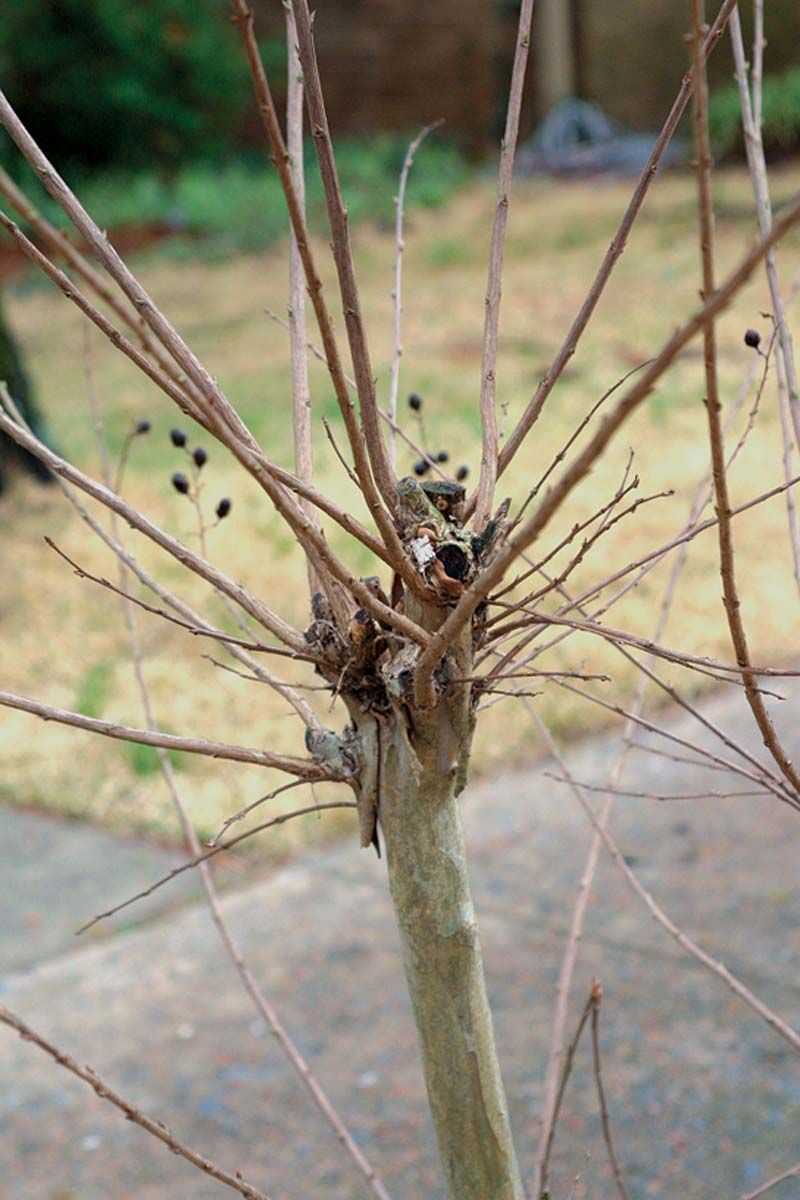
Bare branches against a gray November sky can make anyone itch to grab the loppers and start cutting.
I get it, but heavy pruning in fall or early winter often backfires on crape myrtles.
Cuts made during a warm spell can wake buds early, pushing out soft shoots with no cold tolerance.
A sudden freeze then damages that fragile growth, and fresh wounds can also suffer from winter cold.
University of Georgia Extension experts suggest waiting until late winter or very early spring for any structural pruning. February is usually a sweet spot across most of the state, before new buds begin to swell.
Crape myrtles bloom on new wood, so late winter cuts do not cost you any summer flowers. You’re in for a pleasant surprise if you expect waiting to mean fewer blooms, since timing like this protects them.
Old seed heads can stay put through winter, and some birds, like goldfinches, may nibble the seeds. The clusters also catch frost on chilly mornings, adding a bit of sparkle to a sleepy yard.
Storm damage is the main exception, so remove broken or cracked limbs promptly to prevent tearing. Make clean cuts just outside the branch collar, the slightly swollen ring where a limb meets the trunk.
Use the waiting months to study your tree’s shape and plan which crossing branches should go later. A little planning now makes that February pruning session go quicker and feel far more thoughtful.
7. Skip Topping Crape Myrtle Trunks Into Ugly Knuckles
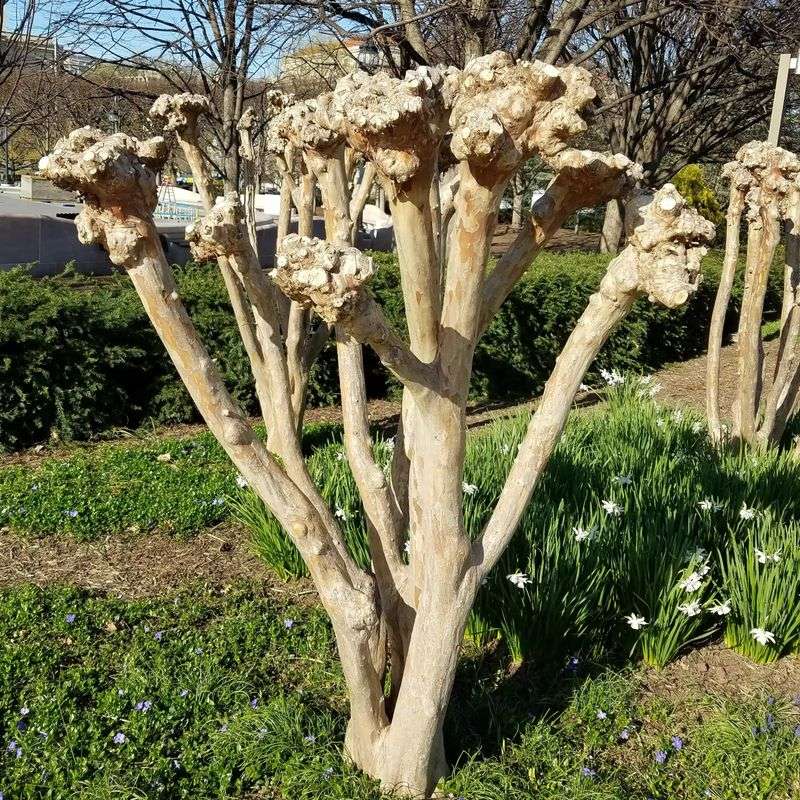
Drive through almost any Southern neighborhood in late winter and you will spot trees chopped into stubby knuckles. Those lumpy fists at the ends of bare trunks come from topping, a habit arborists beg homeowners to drop.
Many people believe hard cuts produce more flowers, but that idea mostly comes from habit rather than science.
Topping triggers a burst of thin, whippy shoots that often droop under the weight of heavy blooms.
Those large cuts also leave open wounds where decay can creep in over time and weaken the trunk. Year after year, the knobs grow larger and uglier, and the tree loses its naturally graceful vase shape.
I love how an untouched crape myrtle looks in winter, with smooth trunks twisting upward like sculpture. That elegant framework takes years to develop, and one season of topping can undo much of it.
Selective thinning works far better, so remove crossing branches and twigs growing inward toward the center. Cut back to a side branch or the trunk instead of leaving a random stub hanging in midair.
Trees that keep outgrowing their space were probably the wrong size choice, and no amount of chopping fixes that.
Dwarf and semi-dwarf varieties range from shrubby to small tree sizes, so matching size to space matters.
Already have a topped tree at home, inherited from a previous owner or a hired crew last year? Over a few seasons, you can select strong new shoots and gradually rebuild a more natural form.
8. Put The Fertilizer Bag Away Until Spring
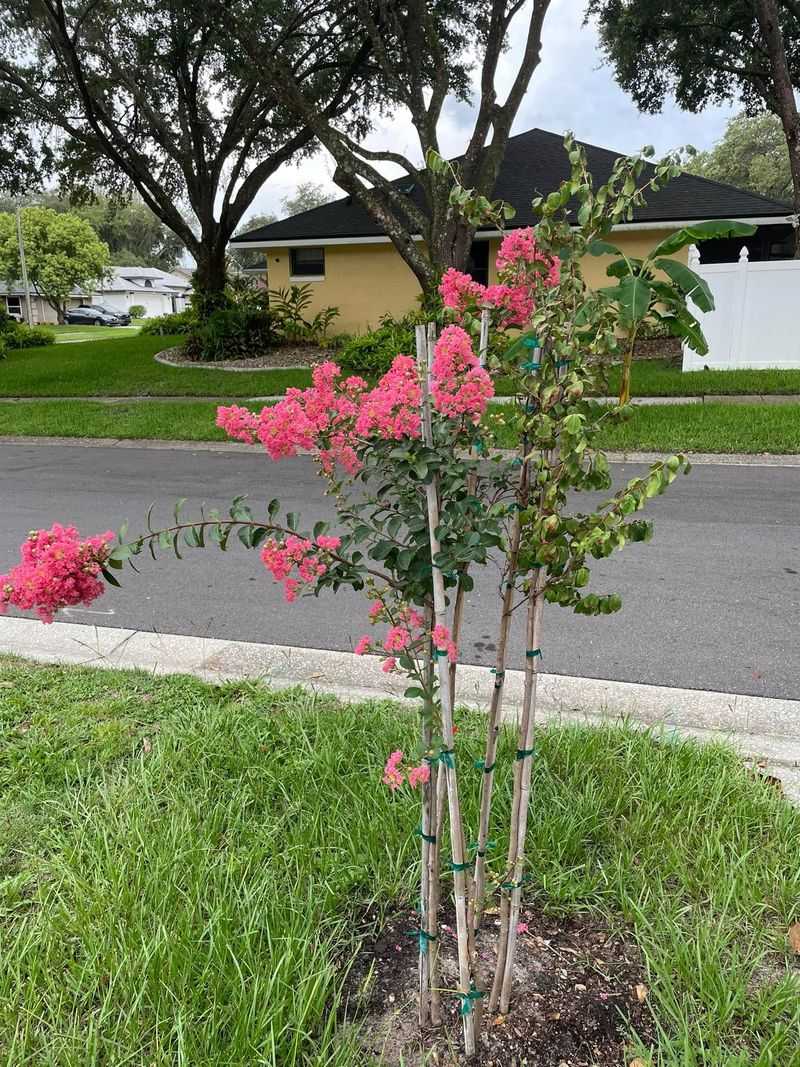
A bag of fertilizer on sale in October looks like a bargain, but your crape myrtle disagrees.
Feeding now sends mixed signals to a tree that is trying hard to slow down for winter.
Nitrogen encourages leafy growth, and soft new shoots in late fall rarely have time to harden off. The first hard freeze can then damage those tender tips, leaving brown, brittle twigs come spring.
Wait until spring, when new leaves begin unfolding, before offering your tree a light, gentle meal. A balanced slow-release fertilizer spread lightly around the root zone usually gives crape myrtles everything they need.
Honestly, I once overfed a young tree and got gorgeous green leaves with barely any blooms to show. Too much nitrogen pushes foliage at the expense of flowers, so a lighter hand usually pays off.
Established trees growing near a fertilized lawn often get plenty of nutrients without any extra feeding at all. Watch out for lawn fertilizer runoff in fall too, since it reaches roots just as easily.
A soil test takes the guesswork out, and UGA Extension offices across Georgia process samples for a small fee.
Results show exactly what your soil lacks, so you only add nutrients the tree truly needs.
Fall is actually a great time to collect that sample, since labs are less busy than in spring. You will have answers ready long before the first spring buds start nudging their way open.