Rats May Leave These 9 Warning Signs In Georgia Yards Before Moving Indoors
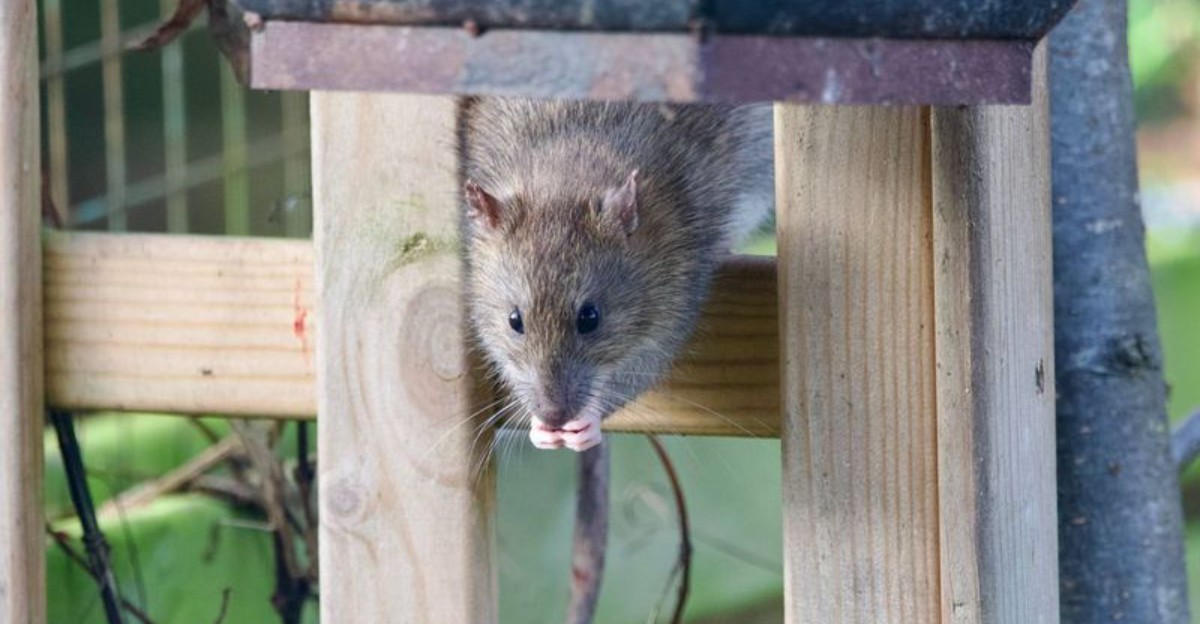
A common rat can squeeze through a hole about the size of a quarter, and it gnaws constantly. Those front teeth keep growing for life, so chewing your garden hose is basically routine dental care for them.
Georgia has two main troublemakers, and they live very different lives around our homes and gardens. One digs tunnels under shrubs and sheds, while its cousin prefers climbing trees, fences, and power lines.
I have to admit that I ignored a few odd clues in my own beds before learning their meaning.
You might notice them too, scattered around your yard long before anything scratches inside your walls at night.
Most of these signs are small, quiet, and easy to overlook while you water tomatoes or pull weeds. Some of those warning clues could already be hiding near your back steps without you even realizing it.
1. Dark Rat Droppings Along Fences And Walls
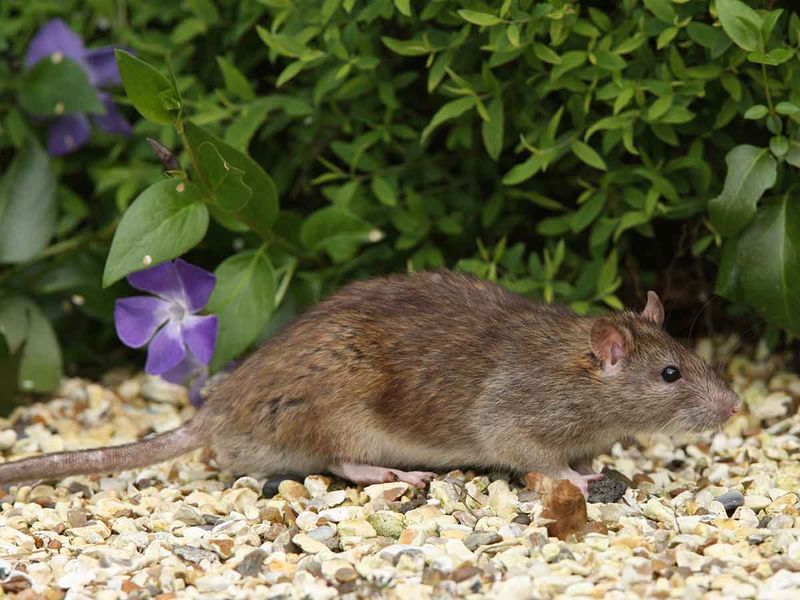
Nobody enjoys poking around for poop, yet these tiny pellets often give rats away before anything else does. Rat droppings usually measure about one half to three quarters of an inch, much larger than mouse droppings.
Norway rats tend to leave blunt-ended pellets, while roof rats often leave slimmer droppings with pointed ends.
I like checking along fence lines, shed walls, and stacked pots, since rats prefer traveling beside solid edges.
Fresh droppings look dark and shiny, which tells you rats passed through within the last day or two. Older droppings turn gray and crumbly, so a mix of both suggests they have been visiting for a while.
You need to protect yourself before cleaning up, because rodent droppings and urine can carry harmful germs. Wear disposable gloves, then spray the area with a disinfectant or diluted bleach solution before wiping things up.
Please skip sweeping or vacuuming dry droppings, since that can stir tiny particles into the air you breathe. Instead, wipe them up with paper towels, seal everything in a plastic bag, and toss it in the trash.
Keep a simple notebook of where you find droppings, because patterns can reveal their favorite routes and hiding spots.
That record becomes really helpful if you later call a pest professional or your county Extension office for advice.
2. Fresh Rat Burrows Under Shrubs And Sheds
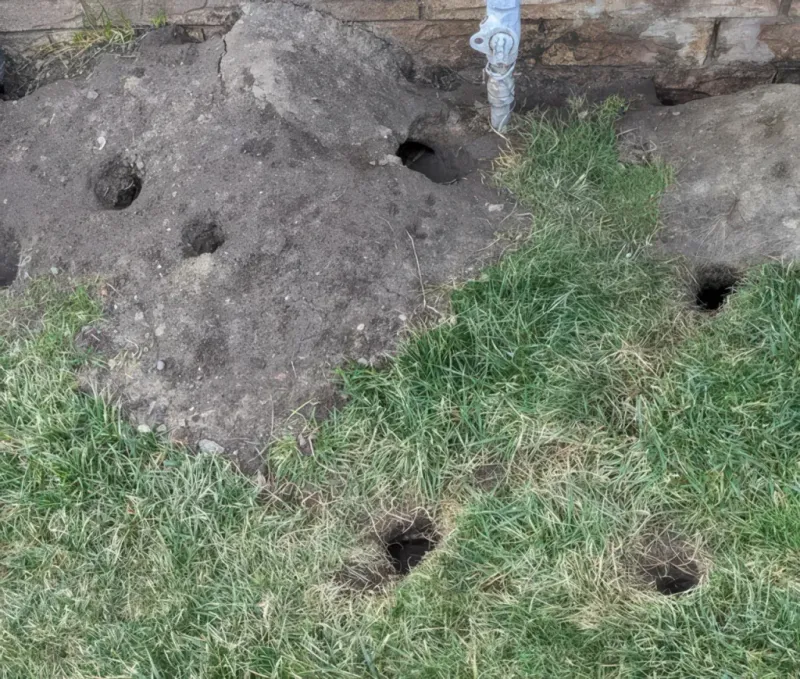
Norway rats are surprisingly talented diggers, and they love building homes right under your favorite foundation shrubs.
Their burrow openings usually measure about two to four inches across, with smooth edges worn down by traffic.
You might notice a little fan of loose dirt spilling from the entrance, which often means fresh digging is happening. Look under sheds, doghouses, woodpiles, and dense weedy patches, since rats feel safest with cover overhead.
Burrows often connect into short tunnel systems where several rats can sleep, raise young, and stash food. Personally, I find it a little unsettling how tidy these entrances look compared with chipmunk or vole holes.
A quick test can confirm whether anyone still lives below ground in that suspicious hole. Loosely fill the opening with soil or crumpled newspaper, then check the next morning to see whether it was reopened.
Reopened holes deserve attention, since active colonies can grow quickly when food and shelter stay easy to reach. Trim back thick ground cover near your foundation and move stored lumber up off the soil onto racks.
Avoid pouring random chemicals or fuels into burrows, because that creates real hazards for pets, kids, and soil life.
For larger colonies, a licensed pest professional can recommend safe and legal control methods for your property.
3. Chewed Garden Hoses And Gnawed Wood
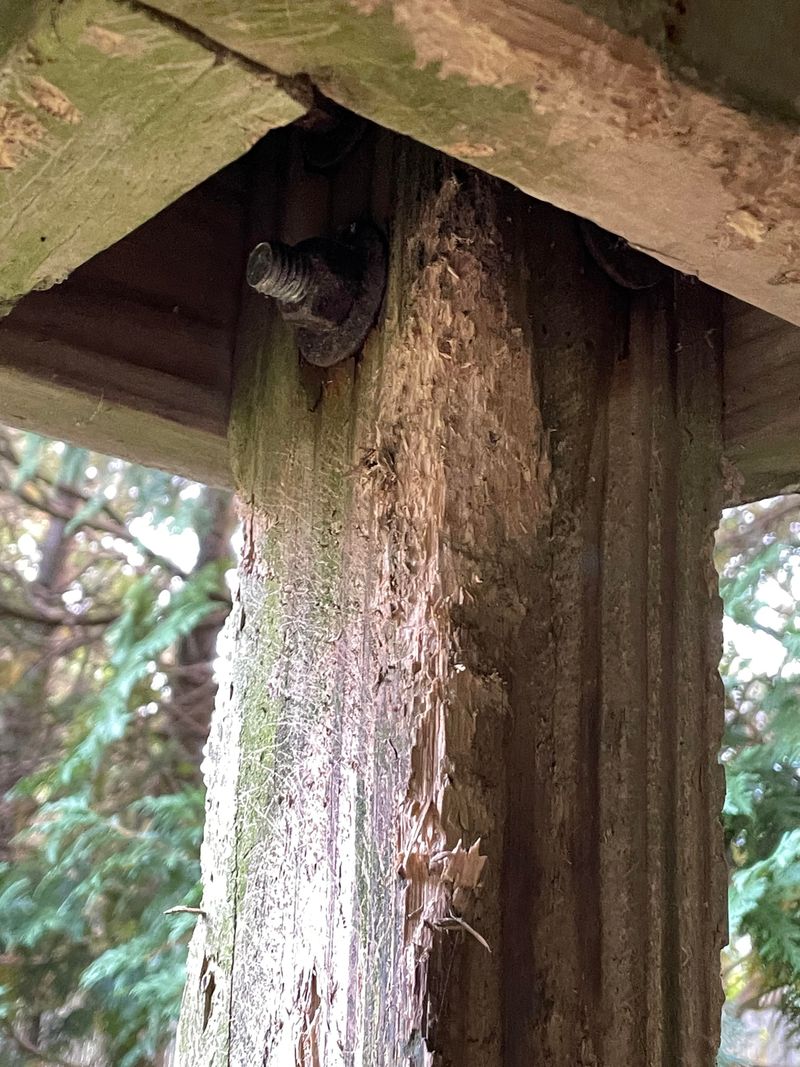
My first clue one summer was a garden hose that suddenly sprayed sideways from a ragged little hole. Rats have front teeth that grow throughout their lives, so they chew constantly to keep them filed down.
Their gnawing leaves rough grooves and torn edges on wood, plastic, and even soft metals like aluminum.
Check hoses, irrigation lines, plastic bins, deck boards, and the bottom edges of shed doors for fresh damage.
New gnaw marks look light colored and clean, while older ones darken and weather over time. You may also find small wood shavings or plastic crumbs piled near the damaged spot, which suggests recent work.
Rats sometimes chew through plant stems near the soil line or nibble tender leaves in vegetable beds. That damage can resemble rabbits or voles, so look for droppings or tracks nearby before blaming the wrong critter.
Store hoses on reels and keep plastic feed bins inside sturdy metal cans with tight lids.
Hardware cloth wrapped around vulnerable spots can help, since rats struggle to chew through quarter-inch galvanized mesh.
Chewing outdoors matters because the same habit can eventually damage wiring and pipes inside your house. Catching it early in the yard gives you time to seal gaps before the gnawing moves closer.
4. Beaten Rat Runways Along Fence Lines
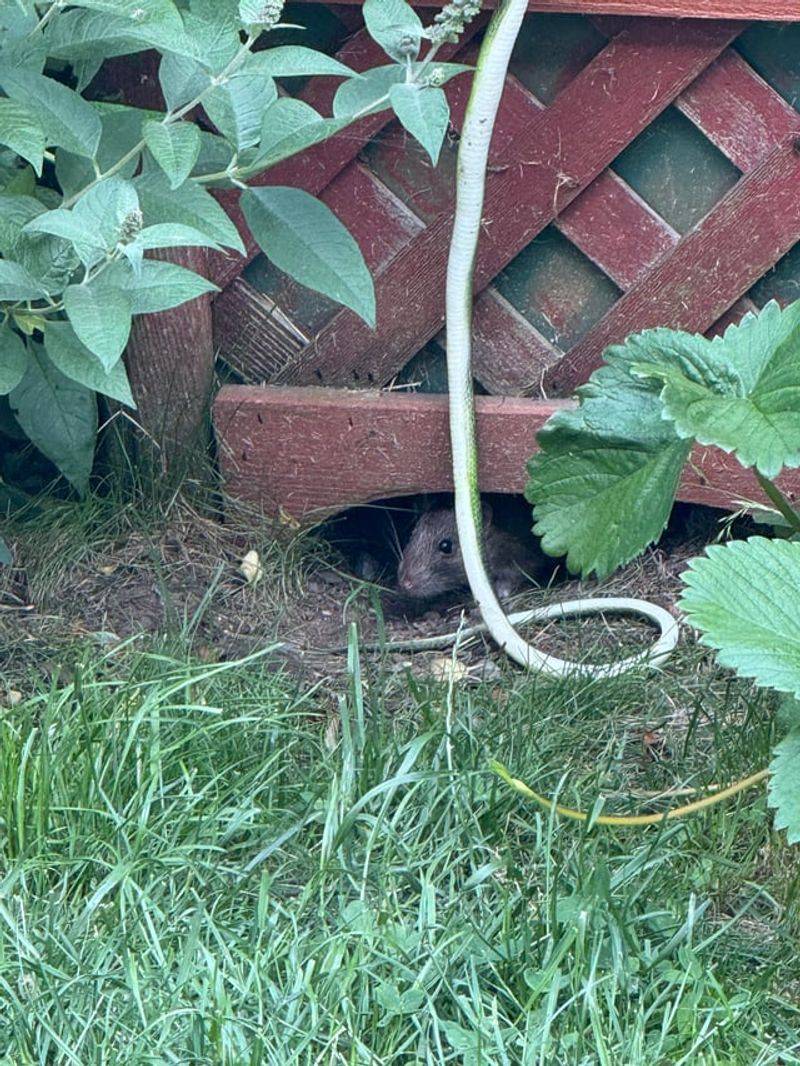
Rats are creatures of habit, and they travel the same routes night after night like tiny commuters. Over time, those trips wear narrow paths through grass and mulch that look smooth and packed down.
These runways usually hug fences, foundation walls, garden edges, and the sides of sheds or raised beds.
I love how obvious they become once you know what to look for, almost like faint trails on a map.
A simple trick can tell you whether a path is still busy after dark in your backyard. Sprinkle a thin layer of flour or unscented talc across the route, then look for tracks early the next morning.
Rat footprints show four toes in front and five behind, and you might spot a thin tail drag line. Those tracks can confirm activity better than guessing, especially when droppings are hard to find under leaves or pine straw.
Runways also point you toward the places where rats find food, water, or shelter in your landscape. Follow them carefully, and you may discover a leaky spigot, an open compost pile, or a gap under the porch.
Keeping grass mowed and clearing clutter along fences removes the cover rats depend on while traveling.
They feel exposed without protection overhead, so open, tidy edges often discourage regular visits.
5. Greasy Rub Marks On Pipes And Siding
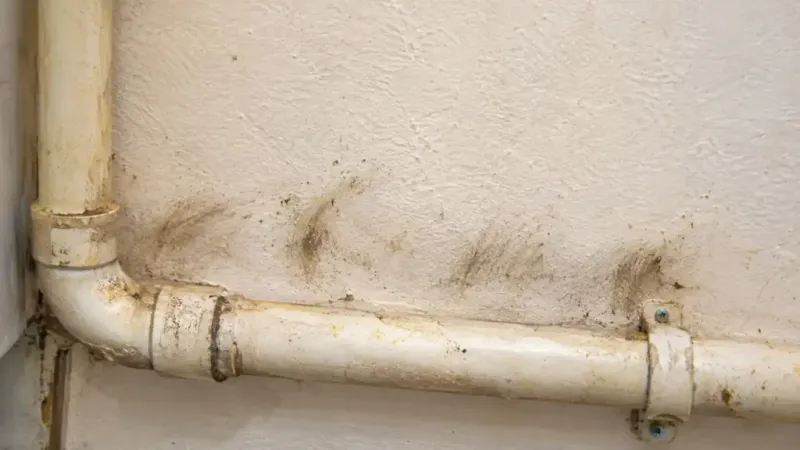
Rats are not exactly known for bathing, and their oily fur leaves a trail as proof. As they brush along surfaces again and again, dirt and body oils build up into dark, greasy smudges.
These rub marks often appear along siding, foundation edges, pipes, and the openings where utility lines enter your home.
You might also find them around gaps beneath doors or along the top of fences where roof rats climb.
Fresh marks feel slightly soft and may smear when you touch them with a gloved finger. Older marks turn dusty and flake away, which suggests that route has not been used much lately.
Rub marks deserve extra attention because they frequently sit right beside possible entry points into your house. A dark smear around a pipe gap often means rats have already tested that opening, even if they have not moved in.
You need to seal those spots with materials rats struggle to chew, like steel wool paired with sealant.
Hardware cloth, sheet metal, and cement also work well for larger holes near foundations and crawl space vents.
Clean old marks with soapy water after sealing, so you can easily spot any new ones later. That fresh, clean surface acts like a simple monitor, telling you whether the problem is fading or returning.
6. Shredded Rat Nests Under Decks And Woodpiles
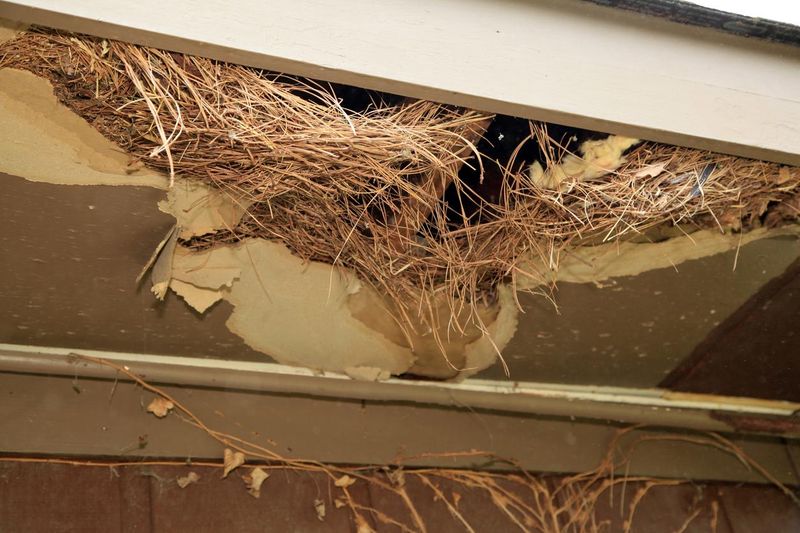
Finding a messy bundle of shredded leaves and paper under your deck can feel like discovering a secret apartment.
Rats build these nests for shelter and raising young, using whatever soft materials your yard happens to provide.
Nests often contain chewed paper, fabric scraps, insulation, dry grass, and torn leaves packed into a loose ball. Look under decks, behind sheds, inside woodpiles, and deep within thick shrubs or overgrown ivy.
Roof rats sometimes nest higher up, tucking themselves into dense vines, palm fronds, or tree cavities. Norway rats usually stay lower, often building nests inside their underground burrows or beneath heavy clutter.
I believe a nest is one of the clearest signs rats feel comfortable and plan to stick around. Female rats can have several litters each year, so a single nest can quickly lead to many more visitors.
Avoid disturbing an active rat nest, and contact a pest control professional if extensive rodent contamination is present. Bag the material tightly and place it in a covered trash can away from the house.
Afterward, make that hiding spot less inviting by clearing clutter and raising firewood off the ground.
Keep woodpiles at least eighteen inches high and well away from your walls, which reduces both shelter and easy access.
7. Nibbled Tomatoes And Fallen Fruit In The Garden

Few things sting quite like finding your best tomato hollowed out right before you planned to pick it. Rats eat almost anything, but they especially enjoy fruits, vegetables, nuts, and seeds from home gardens.
Look for ragged gouges in tomatoes, squash, melons, or sweet corn, often with chunks missing near the bottom.
Fallen figs, peaches, pecans, and citrus scattered on the ground can attract rats night after night.
Roof rats are skilled climbers, so they may feed right in fruit trees instead of waiting for drops. You might notice half-eaten fruit still hanging, or piles of empty nut shells collected under a sheltered spot.
Squirrels, raccoons, and birds can cause similar damage, so check for droppings and tracks before deciding.
Squirrels usually feed during daylight, while rat damage tends to appear overnight without anyone seeing the culprit.
Pick produce as soon as it ripens and collect fallen fruit and nuts every day or two. Your compost pile also matters, so skip meat and greasy scraps and use an enclosed bin with a secure lid.
Trim tree branches back several feet from your roofline, since roof rats use them as bridges. That small chore makes it harder for fruit-loving rats to wander straight from your orchard onto the shingles.
8. Missing Pet Food And Scattered Bird Seed
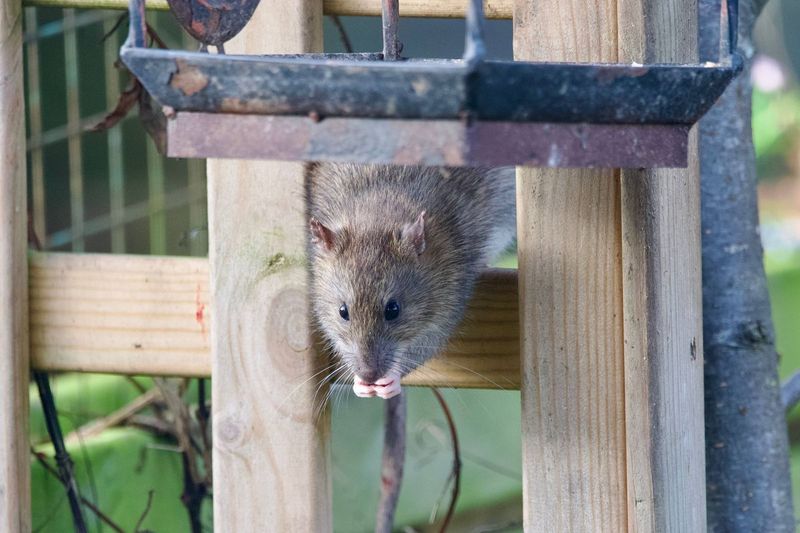
That bowl of kibble you left on the porch might be feeding more than your dog after dark. Pet food and bird seed are rich, easy meals, and rats find them quickly once they learn the routine.
You might notice the bowl emptier than usual each morning, or seed hulls piled beneath your feeders.
Torn feed bags in garages and sheds are another strong clue, especially with droppings scattered nearby.
What surprises me most is how fast a feeder can become a nightly snack bar for rodents. Spilled seed collects under feeders, and rats often visit after the birds settle down for the evening.
Bring pet bowls inside at night and feed outdoor animals only what they finish in one sitting. Store kibble, chicken feed, and bird seed in hard metal or thick plastic bins with tight lids.
Use seed trays under feeders, and rake up spilled seed regularly so less food piles up on the ground.
Some gardeners pause feeding for a few weeks when rats appear, which can help break the habit.
Water matters too, so fix dripping spigots and empty pet water dishes before bedtime. Cutting off easy food and drinks makes your yard far less appealing than the neighborhood next door.
9. Curious Pets And Musty Odors Near Hiding Spots
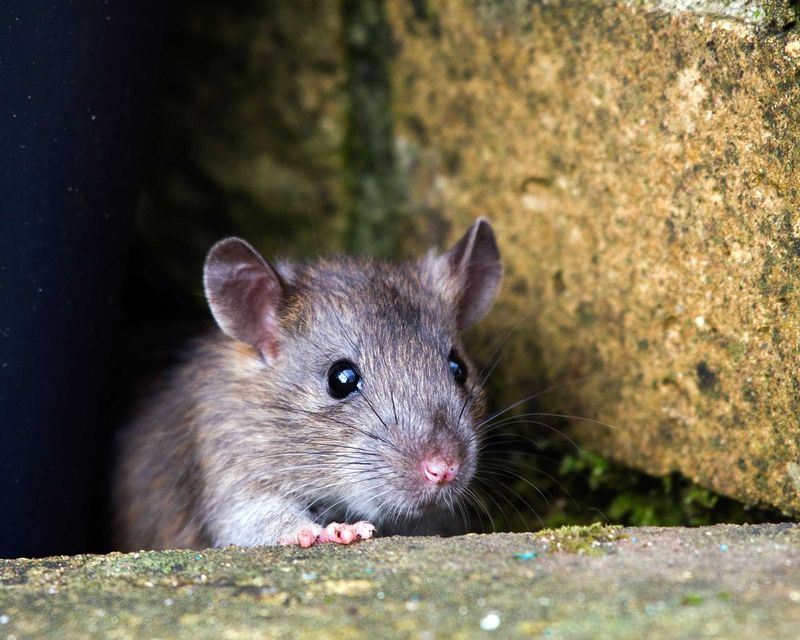
Your dog might be smarter than you think when it barks at an empty corner of the yard.
Pets can often smell and hear rodents long before people notice anything unusual happening outside.
Watch for a cat staring at the same shrub, or a dog digging and sniffing under the shed.
Pawing at gaps beneath decks or growling at a woodpile can point toward hidden activity you cannot see yet.
A strong musty or urine-like smell is another clue, especially around sheds, crawl spaces, and stored items. That odor often builds where rats nest or travel often, and it rarely fades without cleanup.
Rats in Georgia stay active all year, though many homeowners notice them more as weather cools in fall. Shorter days and fewer garden crops can push rats toward warm, sheltered spaces close to houses.
Keep pets away from rodent baits and traps, since many products can harm dogs and cats. Place any traps inside covered stations or in spots pets cannot reach, and follow every label direction carefully.
When several signs show up together, it is smart to inspect your foundation and seal gaps right away. A licensed pest professional or your county Extension agent can help you choose safe next steps.