Deer Are Visiting Ohio Yards More Often This November For A Reason
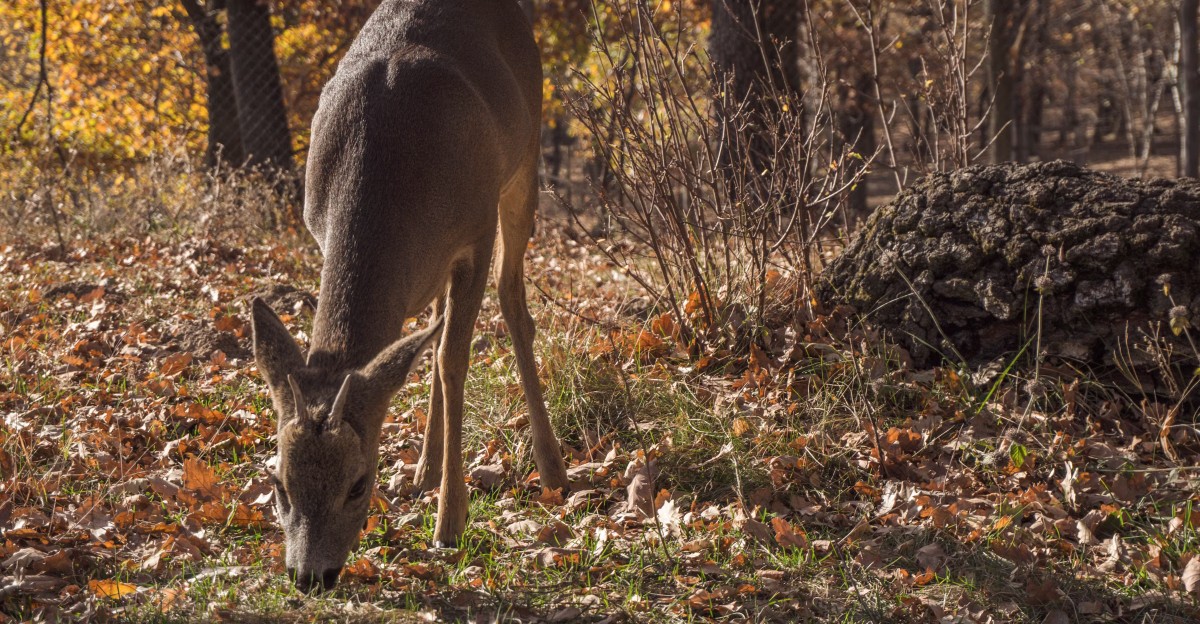
A single buck can roam several miles from his usual home turf in just a few November days. He skips meals, ignores danger, and sometimes wanders straight past your porch light at noon.
I noticed it last fall when a big eight-pointer strolled across my lawn in broad daylight. He barely glanced at my kale.
His mind was clearly somewhere else, and I couldn’t stop wondering where.
If your Ohio yard feels busier than usual, you’re not imagining things. Fresh hoofprints in the mulch, shredded bark on a young maple, and sudden sightings at odd hours all point to the same seasonal story.
Nature runs on a very old calendar, and this month sits right at its busiest page.
I believe knowing the reason changes how you garden, drive, and even look out the window. Those unexpected daytime visits are no coincidence, and the reason behind them might surprise you.
1. Those Wandering White-Tailed Bucks Have Something Big On Their Minds
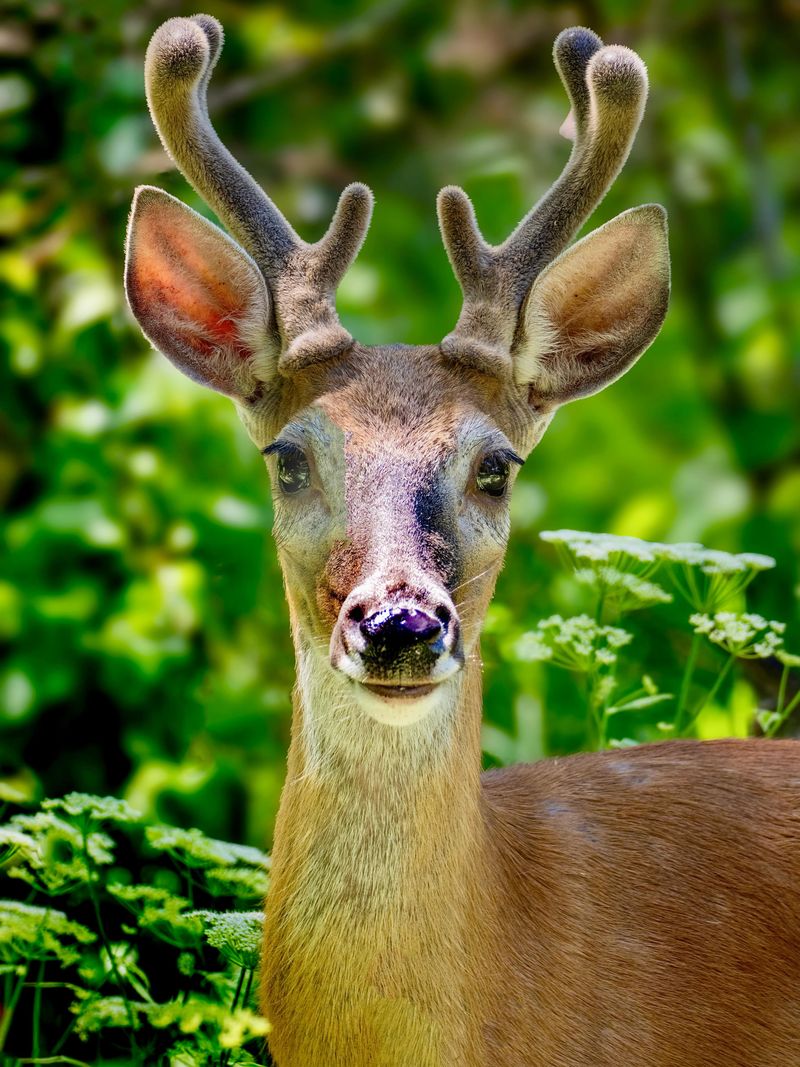
Love is in the air, at least for the deer. November marks the peak of the white-tailed deer breeding season, which hunters and biologists call the rut.
In Ohio, wildlife officials note that peak breeding often lands around the first half of November.
Activity starts building in late October and can trickle into December. During those weeks, bucks pack on miles searching for does that are ready to breed.
Shorter daylight hours trigger hormone changes that push this behavior every single year.
That means the extra visits are mostly normal, not a sign of some strange new trend. Your yard simply sits on a route that a busy buck finds handy.
Edges between woods, fields, and lawns make perfect travel lanes.
I find it oddly comforting to know the reason. A deer crossing my garden in November usually has bigger goals than my hostas.
Of course, that doesn’t mean he’ll skip a snack on the way through.
Keep in mind that local deer numbers also matter. Neighborhoods near parks, creeks, or wooded ravines often see more traffic than open subdivisions.
The rut just turns up the volume on what was already there.
2. Daytime Deer Sightings Jump When The Rut Kicks In
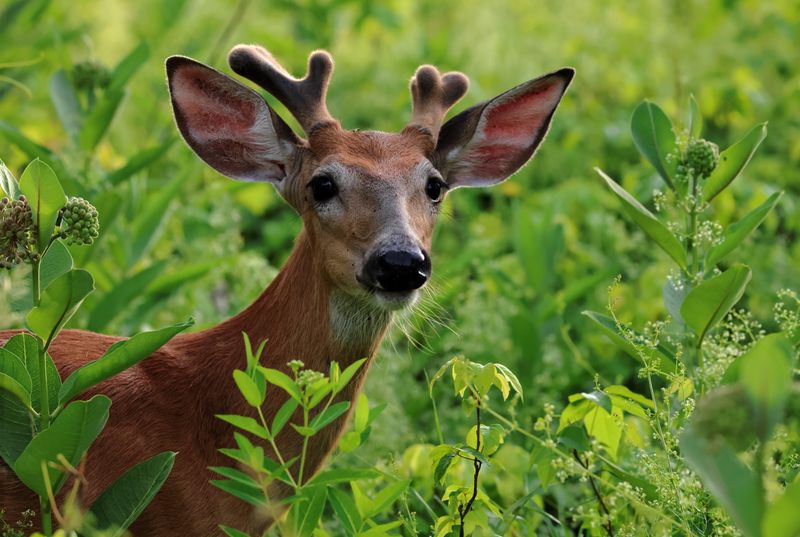
Most of the year, deer are creatures of dawn and dusk. They bed down in thick cover during the day and slip out to feed when light is low.
November flips that routine on its head.
Bucks chasing does can move at nearly any hour, including midday. Does may also get pushed around by eager males, so they pop up in unexpected places.
That’s why you might spot a deer by the mailbox at lunchtime.
Bucks also lose some of their usual caution during this stretch. They focus so hard on finding a mate that they cross open lawns and streets they would normally avoid.
Some lose noticeable body weight because they eat less while searching.
For gardeners, this means more chances to see deer and more chances for surprise damage. Watch your yard during odd hours this month.
You may learn exactly which paths these visitors favor.
A quick tip from my own notebook helps here. Jot down the times and spots where you see deer for two weeks.
Patterns appear fast, and they tell you where protection matters most.
3. Shredded Bark On Young Trees Means A Buck Stopped By
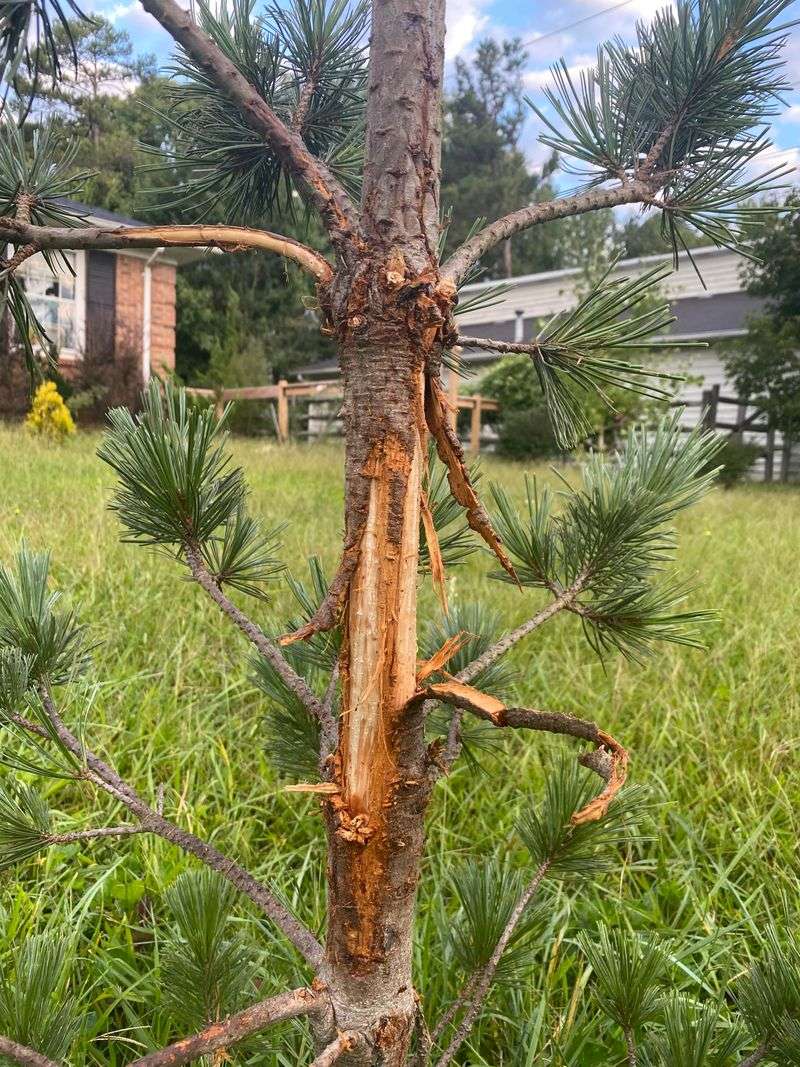
Spot a strip of torn bark about knee to waist high on a skinny tree? You’ve found a buck rub.
Bucks scrape their antlers and foreheads on small trunks to leave scent and show off.
Young trees with smooth bark get picked most often. Think maples, cherries, cedars, and freshly planted ornamentals.
Sadly, heavy rubbing can girdle a trunk and seriously harm a young tree.
You might also find scrapes on the ground. These look like bare, pawed patches of soil, often under a low overhanging branch.
Bucks mark both the dirt and the branch with scent to signal other deer.
Hoofprints in soft mulch and narrow trails through flower beds are other clues. Heart-shaped tracks are hard to miss once you know them.
Droppings in small piles confirm regular traffic.
Here is my favorite fix for rubs. Wrap young trunks with plastic tree guards or circle them with a cage of welded wire about four feet tall.
Set it a few inches away from the bark so antlers can’t reach. It’s cheap, quick, and saves years of growth.
4. Fallen Acorns And Leftover Garden Treats Keep Deer Lingering
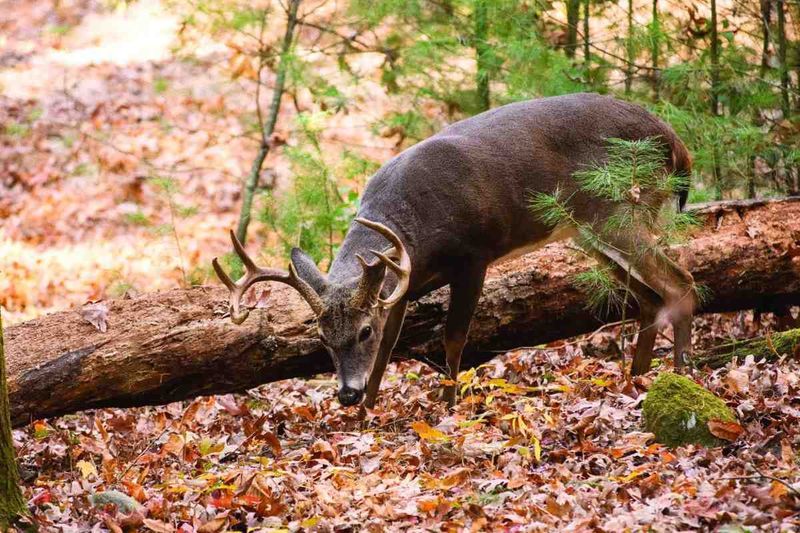
Acorns are deer candy. Oaks drop them all autumn, and deer gobble them up for fat and energy before winter.
A yard with a big oak can feel like a buffet line in November.
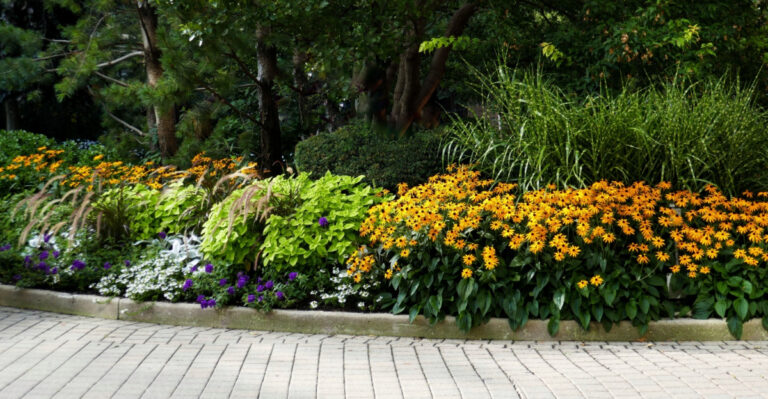
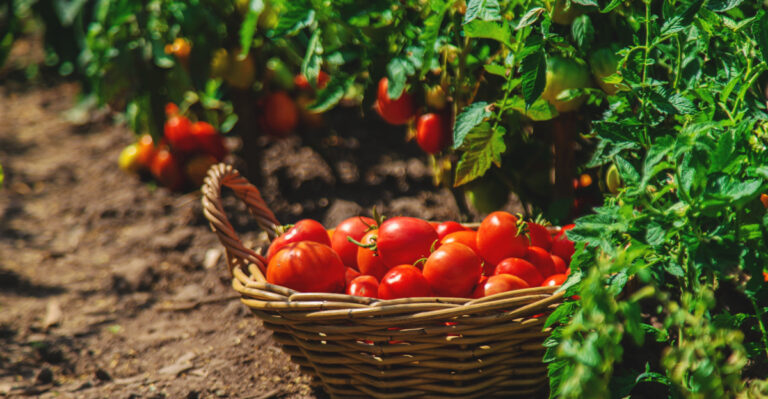
Other leftovers add to the menu. Fallen apples, pumpkins on the porch, unharvested vegetables, and tender evergreen shrubs like arborvitae and yews all tempt hungry deer.
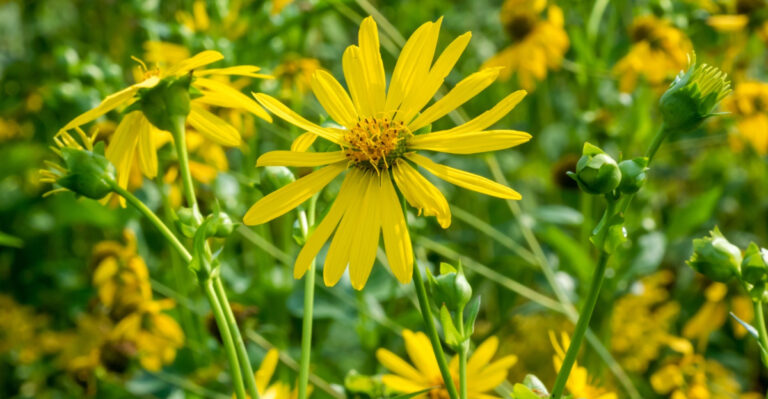
Hostas and other soft perennials are mostly fading now, so woody plants get more attention.
Food gets scarcer as fields are harvested and plants go dormant. Your watered, fertilized landscape suddenly looks rich compared to the countryside.
Deer remember reliable meals and return again and again.
A little tidying goes a long way. Rake up fallen fruit, compost pumpkins once Halloween decorations come down, and clear spent vegetable plants.
I bring my porch gourds into the garage at night now, and the nibbling stopped.
You can’t remove acorns from a giant oak, and honestly you shouldn’t worry about that. Oaks support hundreds of insect and wildlife species.
Just focus on cutting extra temptations near plants you value most.
Even small changes can make your yard less appealing to deer searching for an easy meal.
5. Fences, Netting, And Repellents That Actually Protect Your Shrubs
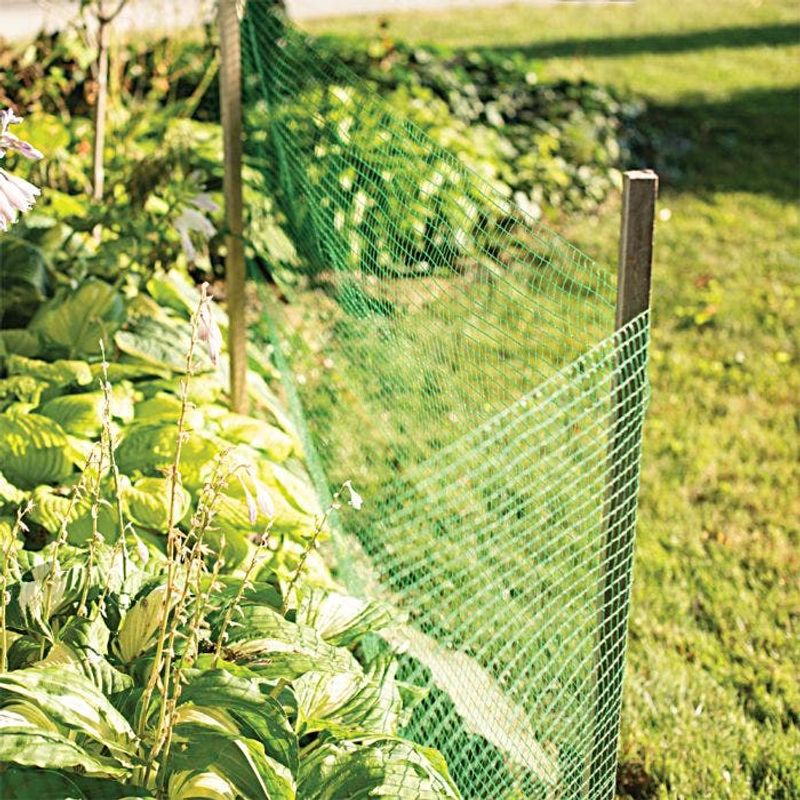
Ohio State University Extension points to fencing as the most reliable way to keep deer out. A fence around eight feet tall works best, since deer jump surprisingly high.
That’s a big project, so many folks start smaller.
Lightweight deer netting draped over evergreens works wonders through winter. Arborvitae, yews, and rhododendrons are favorite targets once snow covers other food.
Secure the netting at the base so deer can’t nose underneath.
Repellents help too, especially products with egg or garlic-based scents. Rotate between types so deer don’t get used to one smell.
Reapply after heavy rain and follow label directions carefully.
Motion-activated sprinklers startle deer during warmer spells. Once temperatures drop below freezing, though, store them to avoid cracked lines.
Noise makers and shiny objects tend to lose effect quickly.
Plant choices matter for next season. Deer usually skip strongly scented or fuzzy plants like native mountain mint, bee balm, and wild ginger.
Still, a hungry deer will taste nearly anything in a hard winter. I mix several methods, and that layered approach gives me the best results by far.
6. Watch For Darting Deer On The Road During Your November Drives
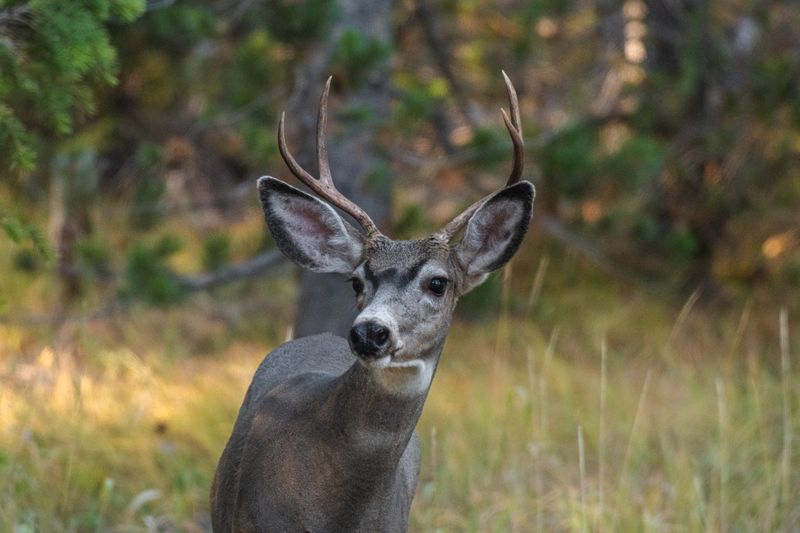
Here’s the part that matters beyond the garden. November is the top month for deer-vehicle crashes in Ohio.
State data shows a large share of yearly deer crashes happen in October through December, with November leading.
Rutting bucks often bolt across roads without warning. Does running from pursuing bucks do the same.
Where you see one deer, more are frequently close behind.
Dawn and dusk remain the riskiest hours, but daytime crossings rise this month too. Daylight saving time ending in early November puts many commuters on the road right at dusk.
That timing adds to the danger.
A few habits really help. Slow down near wooded edges and creeks, use high beams when no traffic approaches, and scan the road shoulders.
If a deer appears, brake firmly and stay in your lane rather than swerving.
Swerving often causes worse crashes than hitting the animal itself. If you do strike a deer, pull over safely and call local police if anyone is hurt or the deer blocks traffic.
Please stay clear of an injured deer, since sharp hooves and antlers can cause serious harm.
7. Skip The Corn Pile And Let Backyard Deer Stay Wild
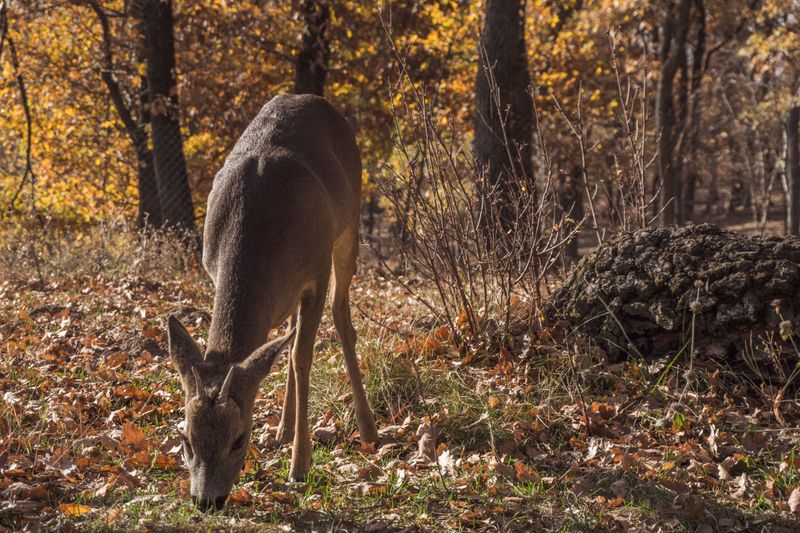
Tossing out corn feels kind. Many Ohio cities, including Worthington and Middleburg Heights, actually ban feeding deer.
Check your local rules before setting out anything.
Feeding draws deer into tight groups, which helps illnesses spread. Chronic wasting disease has been found in Ohio wild deer, and crowding at feed piles raises the risk.
Bunched-up deer also wander into roads near homes more often.
Sudden rich foods like corn can upset a deer’s digestion in winter. Their stomachs adjust slowly to new diets.
Natural browse such as twigs, buds, and acorns suits them far better.
Feeding also teaches deer that your yard equals easy food. Once they learn that, your neighbors’ gardens suffer too.
Fewer handouts mean fewer visitors over time.
My takeaway after many Novembers is simple. Enjoy the show from your window, protect plants you care about, and drive with extra care this month.
Plant native shrubs and trees that support wildlife without making your beds a buffet. By late December, the rut winds down, and those restless visitors settle back into quieter routines until next fall.