Petunias, Snapdragons and Pansies: The Winter Annuals That Thrive in Arizona
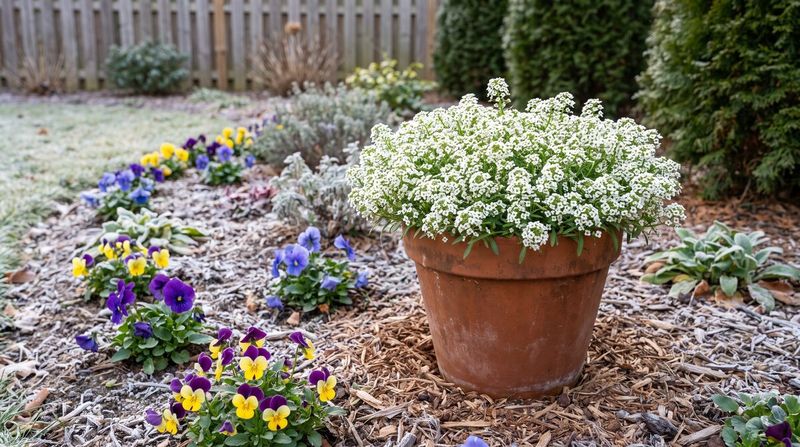
One cheerful flower filling garden center benches this month is a botanical cousin of the tomatoes in your vegetable bed. Another favorite opens its blooms like a tiny mouth when you gently squeeze the sides of each flower.
In the Arizona low desert, real flower season starts when most of the country rakes up leaves. Nighttime lows dipping below about 65 degrees signal the moment these cool-weather bloomers can finally go into the ground.
I have to admit that October planting feels backward, but my patio looks its best from Thanksgiving through April. You might notice that the same plants that sulk in July turn into nonstop color machines by midwinter here.
Some of these picks even bring butterflies and bees, while others end up as pretty garnishes on your dinner plate. So which ten flowers deserve a spot in your beds and pots across Arizona before the first chilly night arrives?
1. Petunia
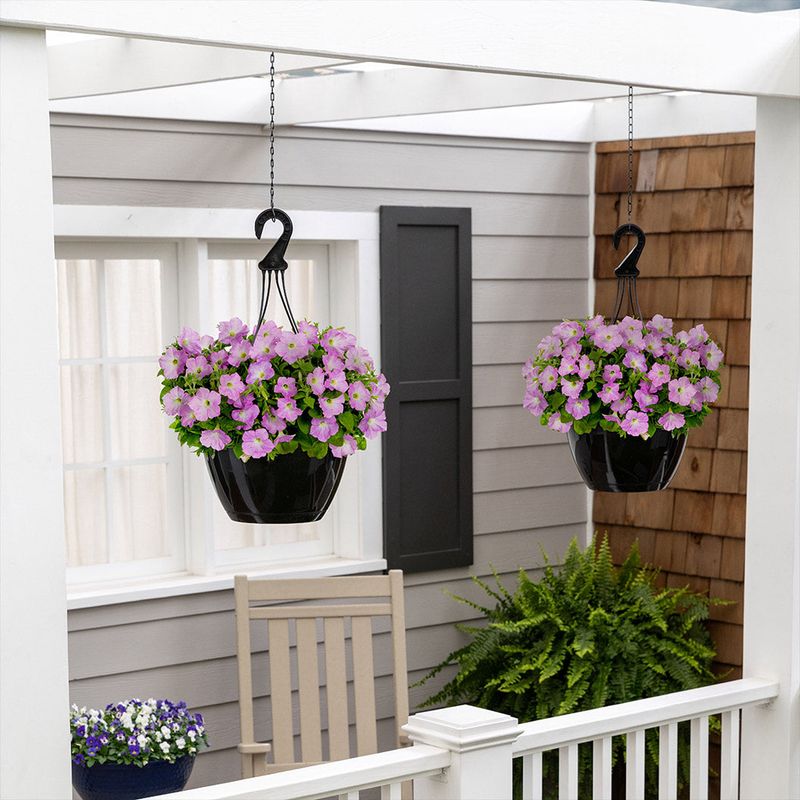
Petunias belong to the nightshade family, which makes them distant relatives of the tomatoes and peppers growing in your vegetable patch. Run a finger along the leaves and you will feel fine sticky hairs that quietly catch bits of desert dust.
I love how a single basket can spill trumpet-shaped blooms over the edge until the pot almost disappears from view. Most garden types reach six to eighteen inches tall, with mounding or trailing habits depending on the variety you choose.
Frost is their weak spot, since petunias handle cold snaps less gracefully than the other flowers on this list. Keep a frost cloth handy and drape it all the way to the ground when forecasts drop near 32 degrees.
Give them six to eight hours of sun, and an east-facing spot works beautifully once spring heat returns next year. Water deeply whenever the top inch of soil dries, because hanging baskets in dry air can need a drink almost daily.
Butterflies visit the fragrant blooms, and the plants may discourage some aphids and leafhoppers while they are flowering heavily. Budworms still find them, so check buds for tiny holes and pick off any caterpillars by hand when you spot them.
2. Snapdragon
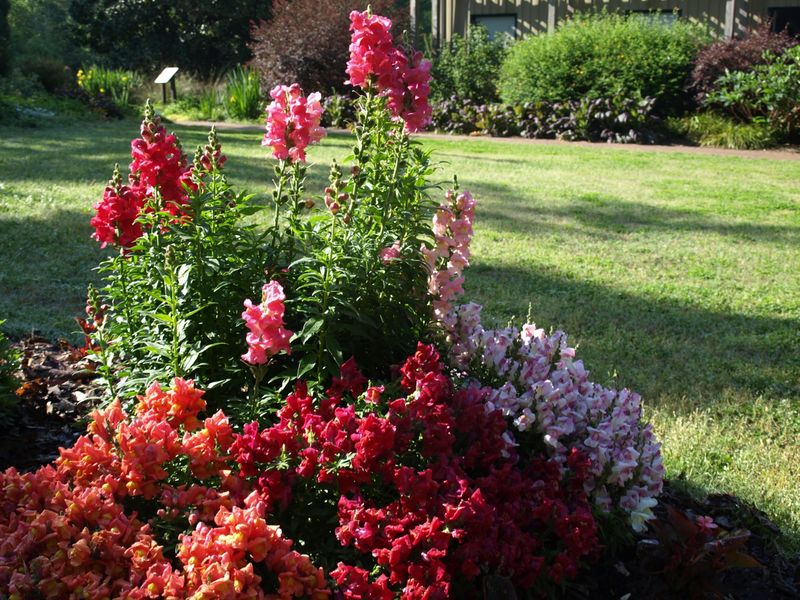
Squeeze the sides of a snapdragon blossom gently and its two lips pop open like a hungry little dragon jaw. Kids adore this trick, and honestly, I still catch myself doing it every time I walk past my border.
Botanists call it Antirrhinum majus, and it is technically a short-lived perennial that most desert gardeners treat as a cool-season annual. Heights range from compact six-inch dwarfs to dramatic three-foot spikes, so read the tag before you plant anything.
Tall varieties look fantastic at the back of a bed, where they rise above lower flowers like colorful candles. Shorter types tuck neatly into containers and window boxes without needing stakes or any extra support from you.
Water at the base instead of overhead, because wet foliage invites rust and fungal leaf spots on these plants. Leave enough space between plants for air to move freely, which helps keep downy mildew from settling into the leaves.
Pet owners can relax a little, since snapdragons are listed as non-toxic to cats, dogs and horses by plant safety references. Cut the first spikes for a vase once they bloom, and side shoots usually follow with a second round of color.
3. Pansy
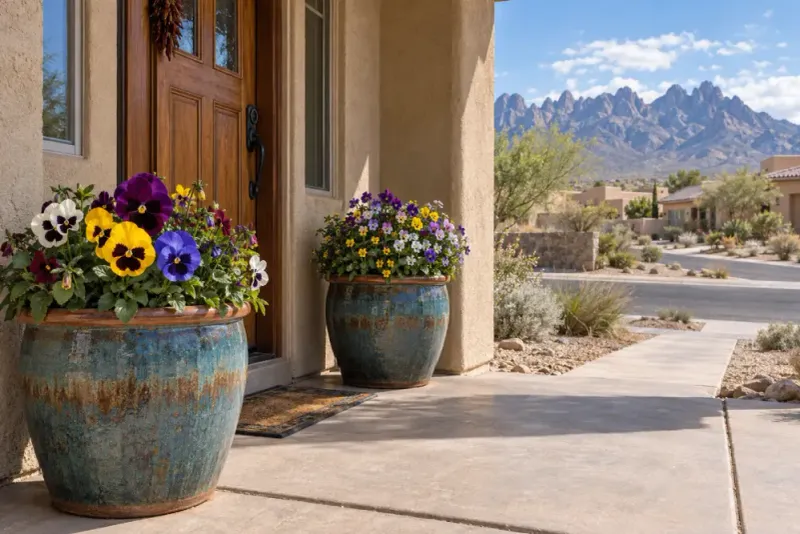
Those little faces staring up from a pansy bed always make me smile, especially on a crisp January morning. Each bloom seems to wear its own expression, with dark blotches that look like eyes and a tiny frowning mouth.
Garden pansies go by Viola x wittrockiana, a hybrid name that hints at their long history of careful breeding by gardeners. They stay compact at six to twelve inches tall, spreading gently to fill gaps between taller winter flowers in your beds.
What surprises me most is how tough they are, shrugging off cold snaps and even light snow in higher elevations. Usually only the open blossoms show any damage, while the plant itself bounces back within a few sunny days afterward.
Plant them in rich, well-drained soil amended with three to four inches of compost mixed deeply into the bed. Clay pots and hanging baskets dry out fast, so check them often and water when the top inch feels dry.
The flowers are edible, so a few bright petals can dress up a salad or a homemade cupcake for guests. Bees also visit the blooms, which gives your yard a small pollinator boost during the quieter months of the year.
4. Viola
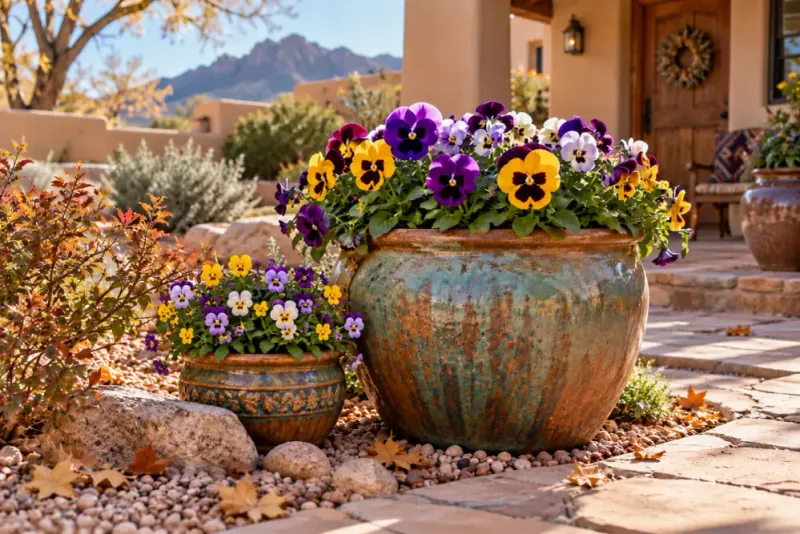
Violas are the pansy’s smaller cousins, and personally, I think they outperform their famous relatives when temperatures start climbing in spring. Their dainty blooms are smaller, yet a single plant often carries far more flowers at one time than a pansy does.
Many gardeners know the classic Johnny jump-up, a cheerful purple and yellow viola that happily reseeds in cooler garden spots. You might find surprise seedlings popping up in cracks and pots after the plants finish their show next year.
Violas shine along walkways and container edges, where their low mounds soften hard lines without blocking taller plants behind them. Tuck them beneath snapdragons or stock, and they will fill the ground layer with tiny splashes of color all season.
Give them morning sun and a little afternoon shade once late winter warms, which helps stretch their bloom time longer. Keep the soil evenly moist but never soggy, since standing water in heavy soil can quickly lead to root rot problems.
Like pansies, viola flowers are edible and look adorable frozen into ice cubes for a festive winter gathering. I like scattering a handful over a holiday cheese board, because guests rarely expect flowers from the backyard on their plate.
5. Calendula
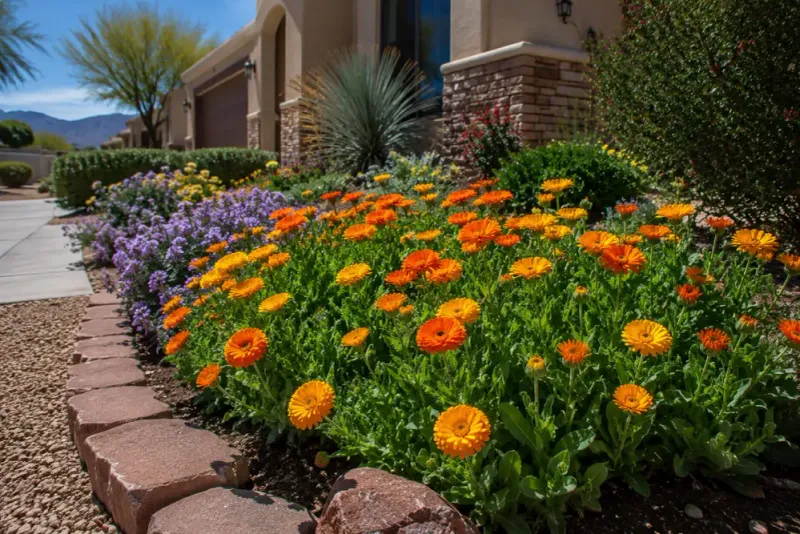
Calendula once earned the nickname pot marigold because cooks tossed its golden petals into soups and stews for color. Those bright orange and yellow blooms still feel like a burst of sunshine on the grayest winter afternoon in the yard.
Botanically known as Calendula officinalis, it belongs to the daisy family and grows roughly one to two feet tall. It is not a true marigold, even though the nickname causes plenty of friendly confusion at garden center registers each fall.
I believe calendula is one of the easiest winter annuals to start from seed sown directly into the ground. Plant seeds in October or early November, and seedlings usually appear within one to two weeks in warm soil.
Full sun keeps the plants compact and loaded with blooms, while too much shade makes them floppy and sparse. Pinch off faded flowers regularly, because the plant slows down noticeably once it starts producing its curved seeds instead.
Bees and hoverflies visit the open flowers, and hoverfly larvae help control aphids on nearby vegetables and roses. That makes calendula a helpful neighbor for your winter veggie bed, pulling double duty as decoration and natural pest control.
6. Sweet Alyssum
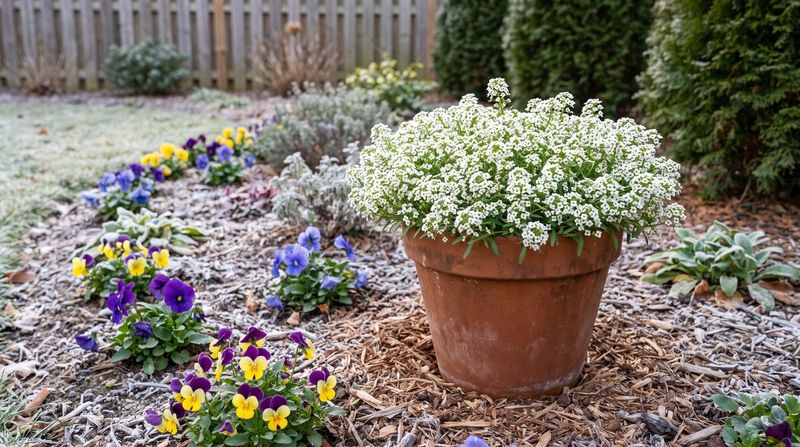
Bend down near a patch of sweet alyssum on a sunny afternoon and you will catch a faint honey scent. It is such a small plant, yet the fragrance drifts surprisingly far on a still winter day in the garden.
Known scientifically as Lobularia maritima, this low grower forms soft carpets only about three to nine inches tall. Tiny white, pink or purple flowers cover the foliage so densely that the green leaves almost vanish beneath them.
I can’t imagine a winter container without a few alyssum plants spilling gracefully over the rim like lace. They also make a lovely living mulch under roses, helping shade the soil and keeping the ground looking tidy.
Plant transplants in full sun to light shade, spacing them about six inches apart so air moves freely. If plants look tired and stringy by late winter, shear them back by half and fresh blooms will return soon.
The tiny flowers attract hoverflies and small parasitic wasps, which are helpful insects that prey on aphids. For homeowners who want a yard that works hard, alyssum offers real pest-fighting help without any sprays or fuss.
7. Stock
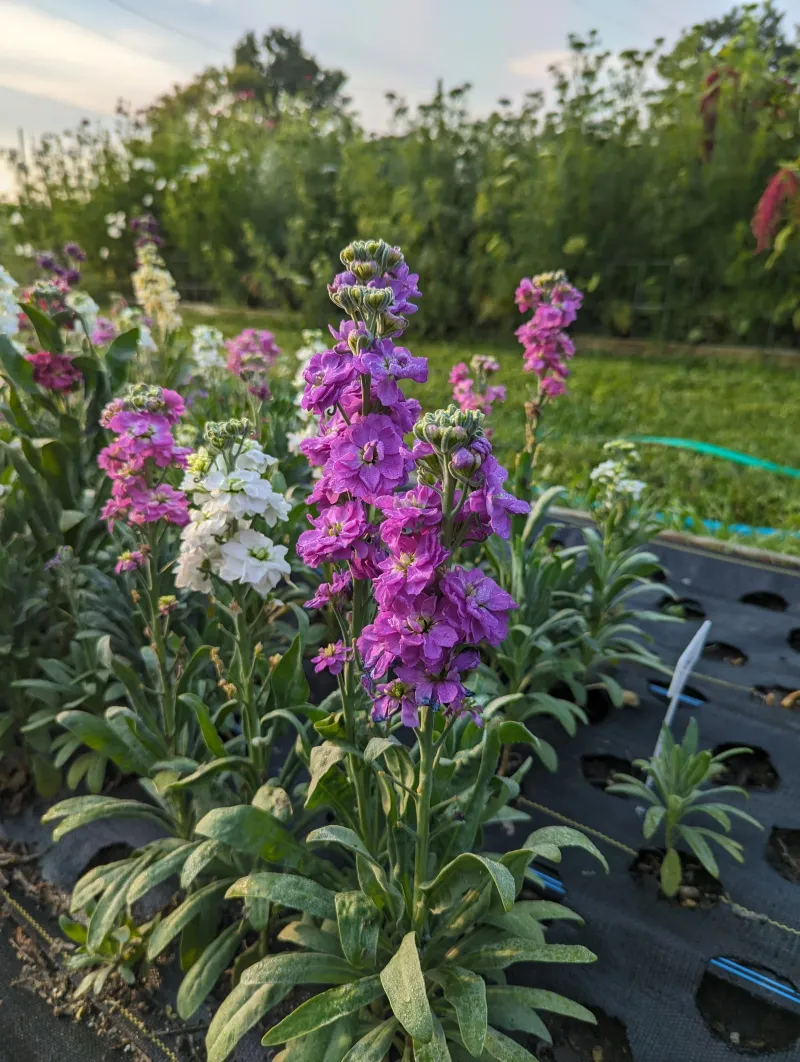
Stock might be the most fragrant flower you can grow during winter, with a spicy clove scent that fills a room. Bring a few stems indoors and your kitchen will smell like a florist shop for nearly a week.
Gardeners know it as Matthiola incana, a member of the mustard family with soft gray-green leaves and sturdy spikes. Flowers come in white, pink, lavender and deep purple, often packed so tightly that the stems look like fuzzy wands.
Most varieties grow between one and two feet tall, so they fit nicely in the middle of a mixed bed. I like pairing them with snapdragons, because the two share similar heights and bloom during the same cool months together.
Plant stock in full sun with well-drained soil, and avoid overwatering since soggy roots quickly lead to trouble. Mid-October through early November is the sweet spot for transplants, giving roots time to settle before colder nights arrive.
Stock struggles once spring temperatures climb into the upper eighties, so enjoy every fragrant stem while the weather stays cool. Cut flowers early in the morning for the longest vase life and the strongest perfume drifting through your house.
8. Dianthus
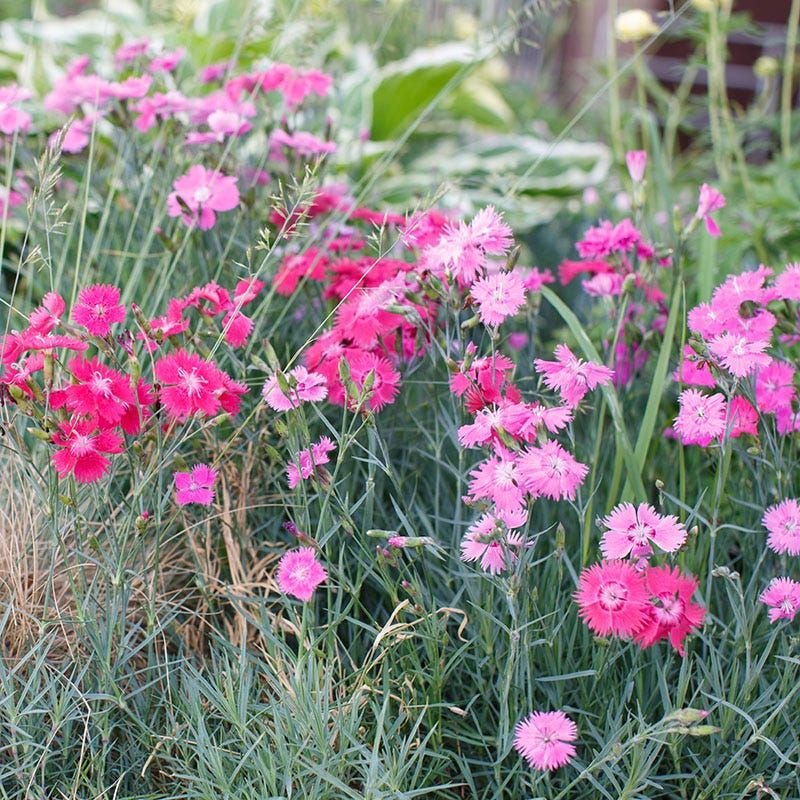
Look closely at a dianthus bloom and you will see petal edges that look like someone trimmed them with pinking shears. That jagged fringe is actually how the nickname pinks began, rather than the flower color many people assume.
Dianthus, sometimes sold as China pinks or sweet William, offers a spicy clove fragrance that rivals stock in the garden. Most bedding types stay under a foot tall, forming neat mounds of blue-green foliage topped with pink, red or white flowers.
You’re in for a big surprise if you expect delicate behavior, because dianthus handles chilly nights and some drought quite well. It also tolerates the alkaline soils common in our region better than many other popular winter bedding plants do.
Plant in full sun with sharp drainage, and add compost to loosen heavy ground before setting transplants in place. Water deeply but less often, letting the top inch dry between sessions to keep crowns healthy and free of rot.
Butterflies enjoy the fragrant blooms, so a border of dianthus can bring flutters of color on warmer winter afternoons. Snip off faded flower clusters every week or so, and new buds will keep forming from the leafy base below.
9. Lobelia
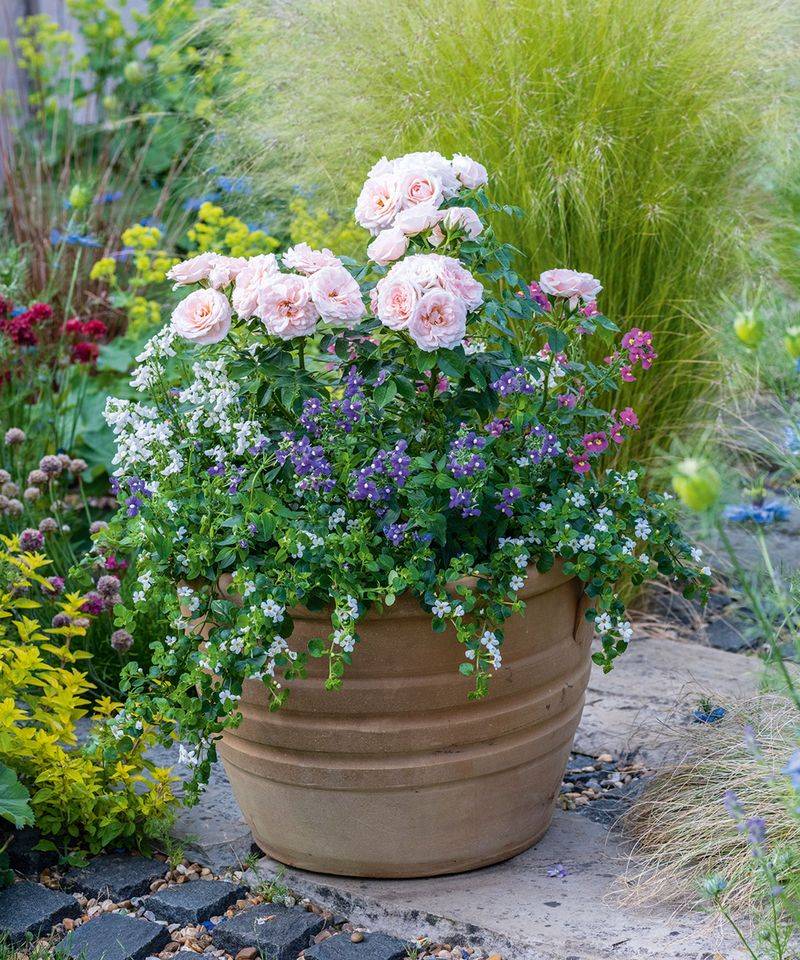
Few winter flowers deliver a blue as intense as lobelia, which looks almost electric against a terracotta pot. I have to admit that true blue blooms are rare, so this little plant earns a spot on my patio every single year.
Edging lobelia, or Lobelia erinus, grows in compact mounds or trailing forms that spill gracefully over basket edges. Its tiny flowers come in cobalt, sky blue, purple and white, often with a small white eye in the center.
Lobelia appreciates bright morning sun and some afternoon shade, especially once warmer days return in late winter next year. Too much heat makes it stop flowering and look stringy, so an east-facing porch keeps it happiest for the longest stretch.
Keep the soil evenly moist, since lobelia sulks quickly when its fine roots dry out in small containers. A fast-draining potting mix and regular checks on breezy days will help prevent those sudden wilts that catch many gardeners off guard.
Pair trailing lobelia with petunias or alyssum for a container combination that looks lush from every angle on the patio. The cool blue tones also calm down hot orange calendula nearby, creating a balanced and relaxing winter color scheme.
10. Nasturtium
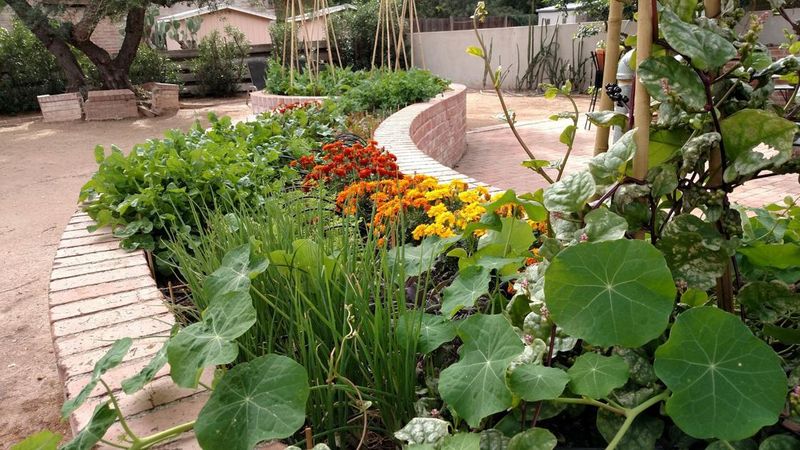
Nasturtium leaves look like tiny lily pads, and water droplets bead up and roll off them like little mercury balls. Pick a flower and nibble it, because the petals carry a peppery bite similar to watercress or fresh radish.
Tropaeolum majus comes in trailing and bushy forms, with bright orange, red and yellow blooms shaped like little funnels. Trailing types can wander several feet, making them handy for covering a bare slope or tumbling over a raised bed wall.
What I love most is how little they demand, since rich soil and heavy feeding actually reduce their flowering. Plant seeds about half an inch deep in October, and soaking them overnight first can speed up sprouting noticeably.
Full sun works well through the cool months, though light afternoon shade helps once warmer spring days arrive later. Water when the top inch of soil dries out, and skip fertilizer unless the leaves look pale and weak.
Gardeners often grow nasturtiums as a trap crop, since aphids tend to gather on them before reaching nearby vegetables. Check the undersides of leaves regularly, then rinse aphids away with a strong spray of water to keep things balanced in Arizona gardens.