The Meaning Behind Hearing Scratching Inside Your Pennsylvania Walls At Night
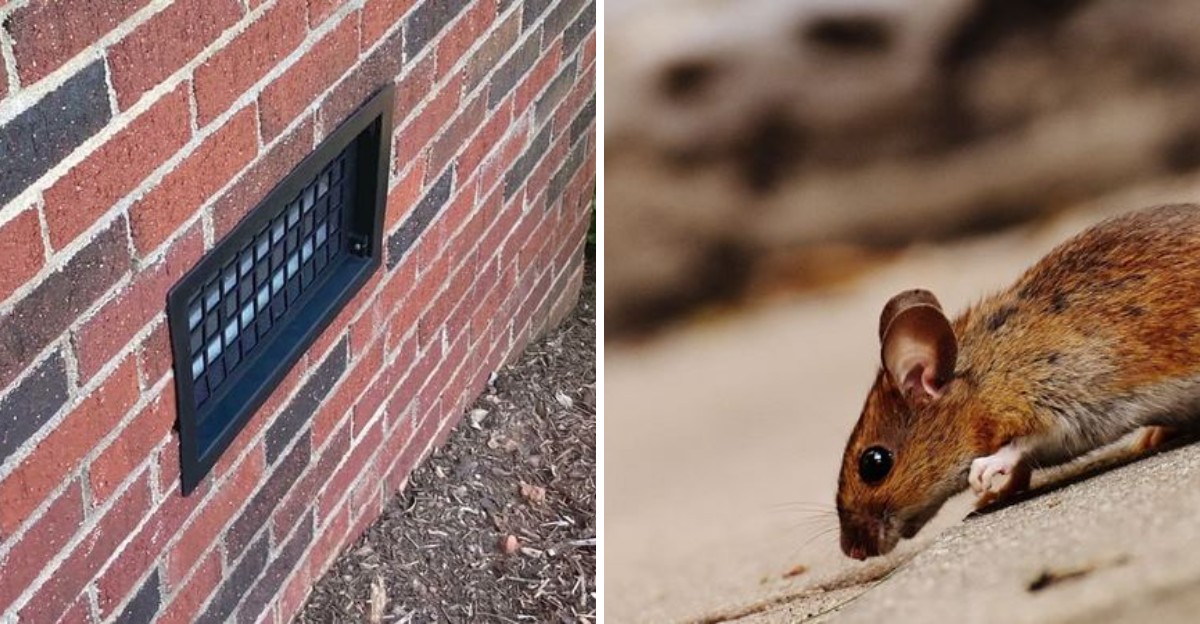
A mouse can squeeze through a gap about the width of a pencil. That tiny fact explains a lot of strange midnight sounds.
I used to blame the furnace for every tick and thump after dark. Then one chilly fall night, the noise started moving, and that changed my whole theory.
In Pennsylvania, cooler months push plenty of small animals toward warm houses. Your walls offer shelter, quiet, and hidden highways that run from the basement to the attic. To my surprise, the sound itself carries real clues about who moved in.
Soft and quick means one thing. Heavy and slow means something else entirely. Who exactly is keeping you awake, and what should you do before the problem grows?
1. That Midnight Scratching Behind The Drywall Has A Pattern
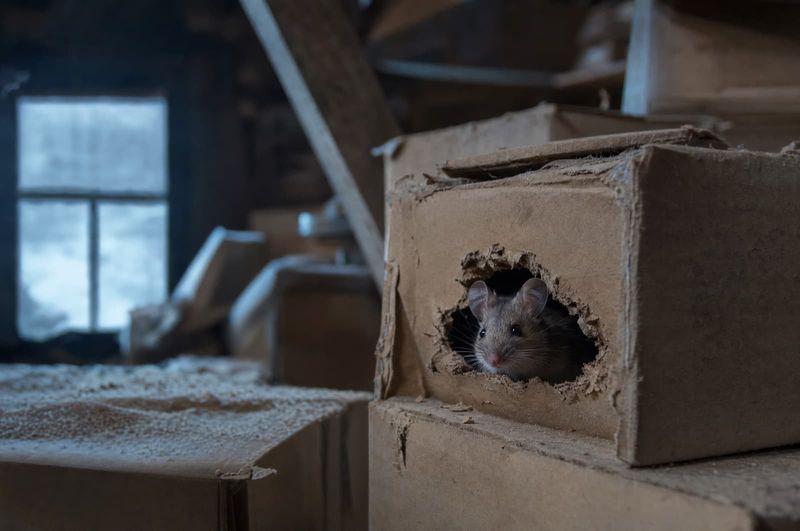
Night noises inside a wall are rarely random. Most of the time, they point to a small animal that is active after dark and has found a cozy hiding spot.
Mice, rats, flying squirrels, raccoons, and bats are the usual suspects in Pennsylvania homes. Every one of them is nocturnal or busiest around dusk and dawn.
That explains why the house sounds quiet all day and then turns into a tiny construction zone after you turn off the lights.
Pay attention to timing first. Sounds that start right after sunset and fade near sunrise suggest a night-loving critter heading out and coming back. Sounds that continue on and off all night often point to rodents roaming between rooms.
Next, notice where the noise lives. Low wall sections near the floor or basement often mean rats. Ceilings and upper walls tend to attract squirrels and raccoons.
Personally, I keep a little notebook by the bed when this happens. Jot down the time, the room, and what the sound resembles.
After two or three nights, a clear pattern usually shows up, and that pattern is the best clue you will get before calling anyone for help.
2. Light, Speedy Scurrying Usually Means House Mice
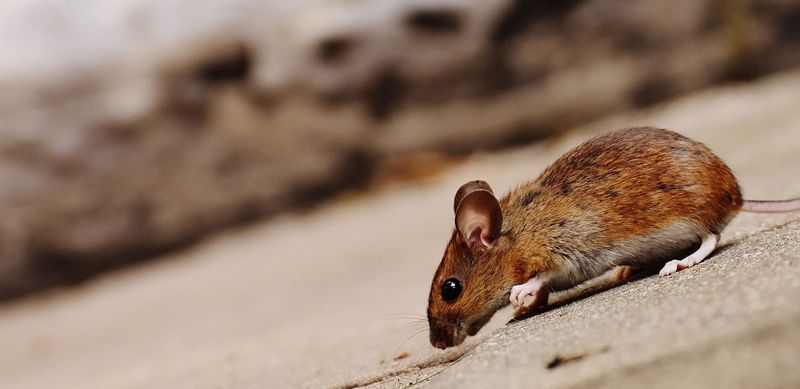
Quick, light, and all over the place. That is the signature sound of mice, the most common wall guests in the state.
A house mouse weighs less than an ounce, so its footsteps sound like tiny fingernails tapping on paper.
You may hear soft squeaks or faint gnawing too. The noise often seems to jump from one spot to another, because mice move fast and change direction constantly.
Believe it or not, these little guys can slip through openings about a quarter inch wide. That is roughly the size of a pencil. Gaps around pipes, cables, and foundation cracks are open doors to them.
Look for backup evidence before deciding. Mouse droppings are small, dark, and shaped like grains of rice. You might find them under sinks, in pantry corners, or along baseboards.
Snap traps baited with a dab of peanut butter work well along walls, since mice like to run along edges. Place them where you see droppings and check daily.
Wear gloves when cleaning up, and avoid sweeping droppings dry, because that can stir up dust carrying germs. Spray the area with a disinfectant first, then wipe it up.
3. Heavier Gnawing Down Low Could Be A Norway Rat
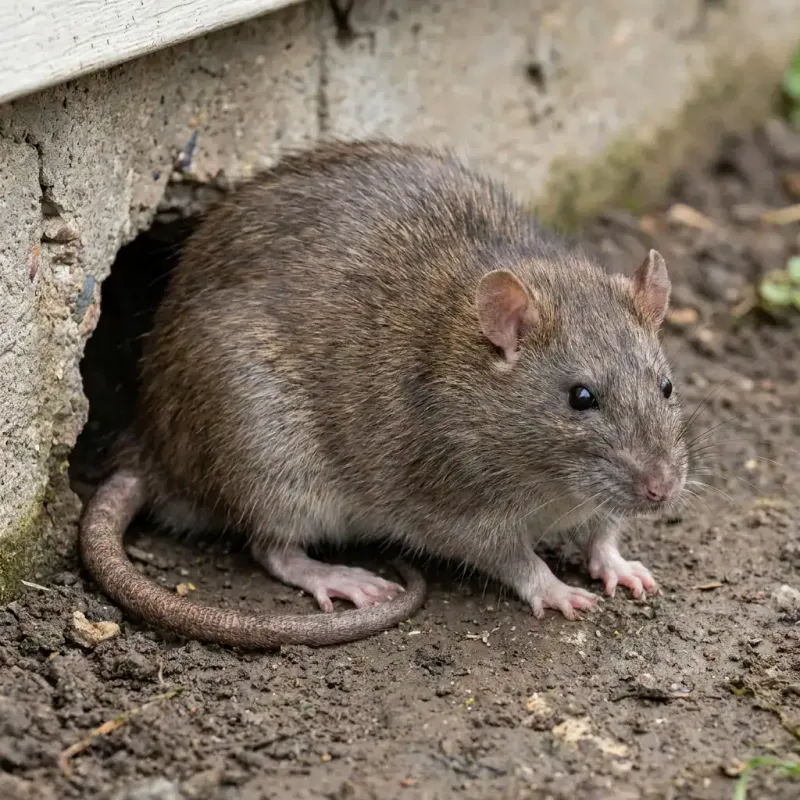
Mice tiptoe, but rats stomp. If the scratching sounds thicker and the gnawing louder, a Norway rat may be the one on the night shift.
Norway rats are common across Pennsylvania, from busy city blocks in Philadelphia and Pittsburgh to farm buildings in quieter counties.
They prefer the lower parts of a house. Basements, crawl spaces, and the bottom of wall voids are their favorite zones.
Rats can squeeze through a hole about the size of a quarter. Their teeth grow nonstop, so they chew on wood, plastic, and sometimes electrical wires to keep them worn down.
Chewed wiring can create a real fire risk, which makes rats more than a simple nuisance. Here are signs that back up your guess:
Droppings about half an inch to three quarters of an inch long, with blunt ends. Greasy rub marks along walls where their fur brushes the surface. Burrows near the foundation outside.
Rats are clever and cautious around new objects, so trapping can take patience. For a larger rat problem, I truly believe a licensed pest professional is worth the cost. They can find nesting spots and entry holes you might miss.
4. Flying Squirrels Throw Surprisingly Busy Parties In Your Attic Walls
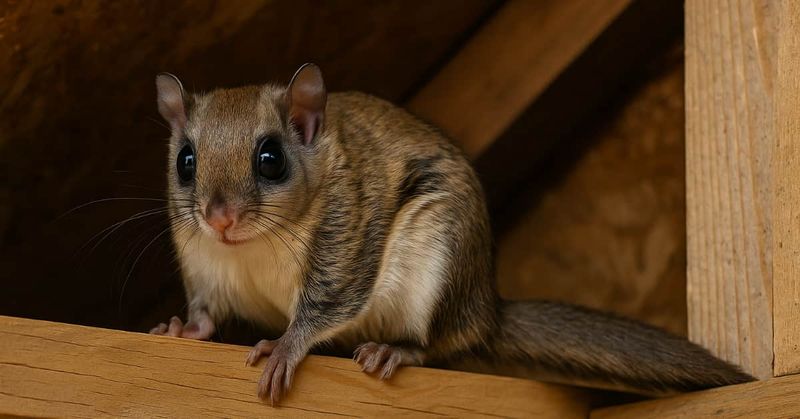
Here is a fun twist most people miss. Pennsylvania has flying squirrels, and they only come out at night.
Southern flying squirrels are small, soft, and big-eyed. They glide between trees using a furry flap of skin, and they love hollow spaces. Your attic and upper wall voids look like a perfect tree hollow to them.
Unlike gray squirrels, which make noise in daytime, flying squirrels get busy after dark. You might hear light scratching, tapping, scurrying, and chewing.
Some homeowners even notice crinkling sounds as the animals gather nesting material.
They are social, too. A single entry hole can lead to a whole group sharing your attic in colder months. Their trails of droppings and urine can soak into insulation and leave stains.
Squirrel activity tends to climb in late winter and again in late summer, when females look for safe places to raise babies. That timing matters. Removing a mother while young are still inside can leave babies trapped.
A wildlife control specialist can install one-way doors that let squirrels leave but not come back. Once they are out, the hole gets sealed for good, and your nights get quiet again.
5. Thumps And Chittering Point To A Raccoon Family
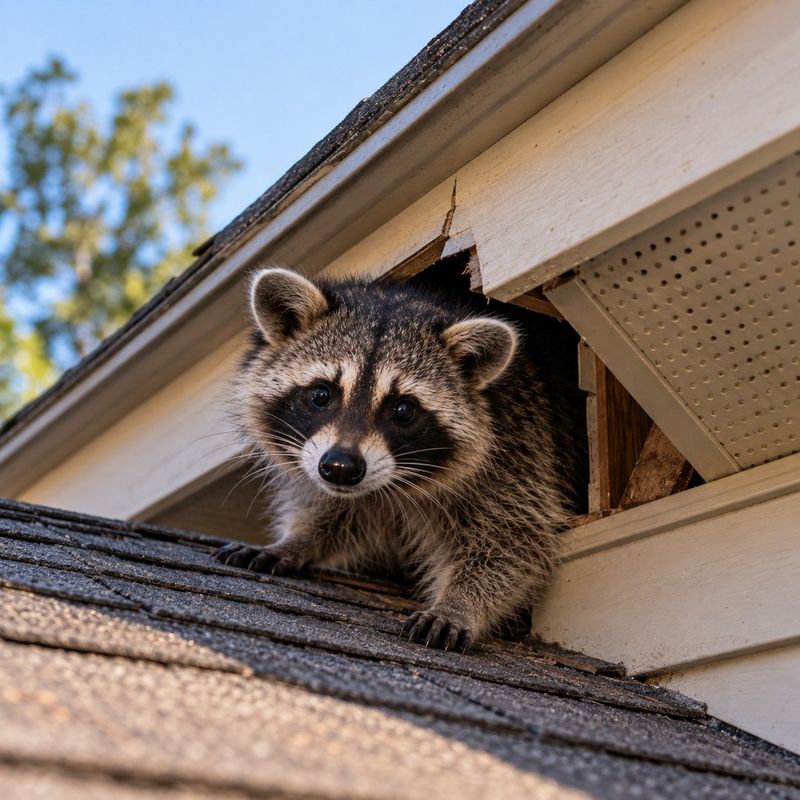
Nobody warned me how loud a raccoon can be indoors. When the scratching comes with thumps, dragging, and growls, you are likely hosting something far bigger than a mouse.
Raccoons are strong climbers with clever front paws. They can pull apart loose soffits, roof vents, and weak chimney caps to get inside. Once in, they often settle into attics, chimneys, or wide spaces between walls and ceilings.
In spring, mother raccoons look for safe dens to raise their kits. From roughly April through June, chimneys and attics become popular nurseries. Soft chittering, purring, or whimpering often means babies are present.
Please do not try to grab a raccoon yourself. They can carry rabies and raccoon roundworm, a parasite found in their droppings.
Even a calm-looking raccoon may defend its young. A better plan:
Call a licensed wildlife professional who handles nuisance animals in your area. They can safely remove the family, often keeping the mother and kits together.
After that, ask them to repair the damage and add sturdy chimney caps and vent covers. Securing trash cans and bringing pet food inside will also make your yard less tempting.
6. Fluttering At Dusk Might Be Bats, And They Get Special Treatment
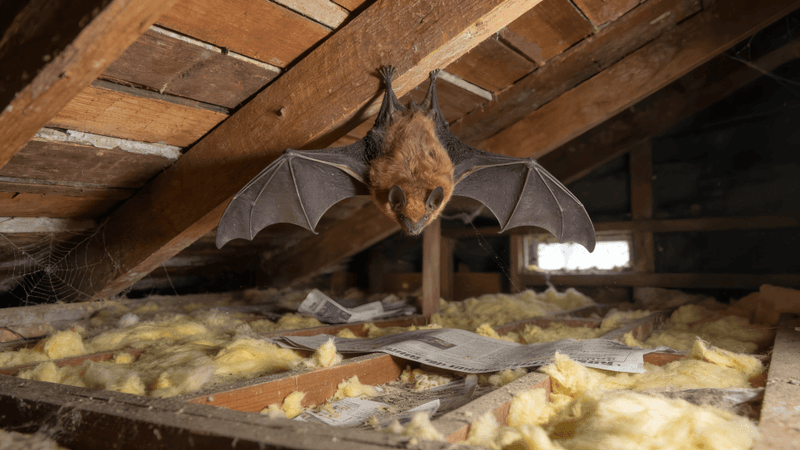
Sometimes the sound is less of a scratch and more of a soft rustle. If you also catch high squeaks around dusk and dawn, bats may be roosting in your walls.
Big brown bats and little brown bats are the species most often found in Pennsylvania buildings.
They slip through narrow gaps near rooflines, siding, and attic vents. At sunset they leave to hunt insects, then return before sunrise.
Bats are incredible pest controllers, eating huge numbers of insects every night. Several bat species in the state have suffered serious declines from white-nose syndrome.
That is why the Pennsylvania Game Commission protects them and encourages careful, humane exclusion.
Timing really counts here. Bat exclusion should be avoided during the summer pup season, roughly June through mid-August, when young bats cannot fly yet. Sealing the house during that window can trap babies inside.
Watch the outside of your home at dusk to spot where bats exit. A wildlife pro can then install one-way devices in spring or late summer.
If a bat ever ends up in a living space, avoid touching it with bare hands, and contact your local health department if anyone might have been bitten.
7. Chewed Wires And Soiled Insulation Are The Hidden Cost
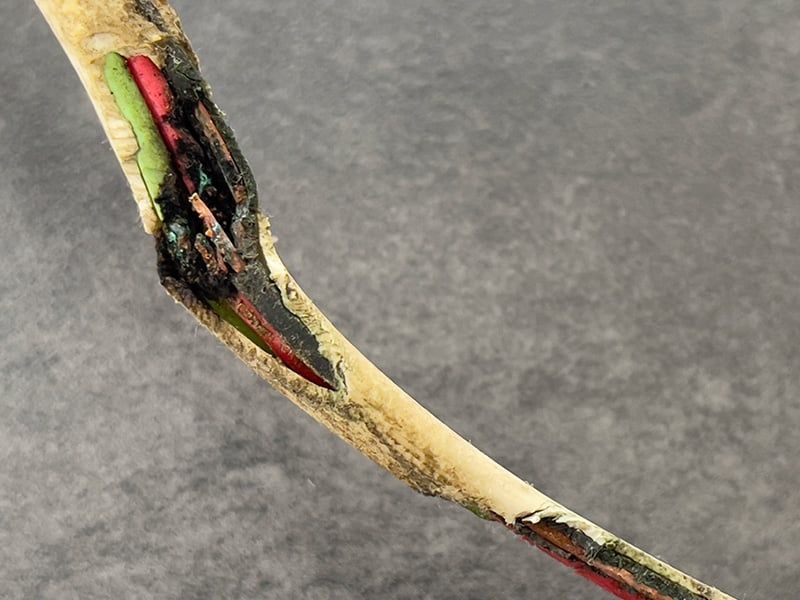
Noise is annoying, but damage is the bigger worry. Animals living in your walls rarely just sit still.
Rodents chew constantly, and electrical wiring is an easy target. Exposed wires can spark inside a wall, which raises the risk of a house fire.
Many homeowners only learn about the chewing after a breaker keeps tripping or an outlet stops working.
Insulation takes a beating too. Animals tunnel through it, pack it into nests, and soak it with urine. Once insulation is flattened and soiled, it stops keeping your home warm, so heating bills can creep up.
Then there are the germs. Droppings and urine can carry illnesses such as salmonella, leptospirosis, and hantavirus, which is spread by certain mice.
Wild guests can also bring fleas, ticks, and mites inside. So what can you do right now?
Check outlets and light switches on walls where you hear noises. Look for chewed edges on wood trim or plastic pipes in the basement. Notice any musty or ammonia-like smells.
If you spot heavy contamination, hire a cleanup crew with protective gear rather than tackling it with a broom and hoping for the best.
8. Sealing Gaps Around Vents And Foundations Keeps Critters Out For Good
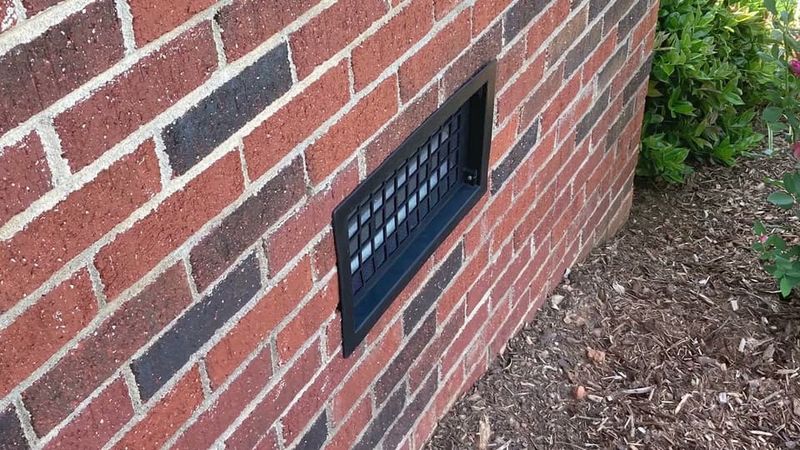
Grab a flashlight and take a slow walk around your house. Prevention starts with finding every gap an animal could use.
Common entry points include gaps where pipes and cables enter, cracked foundations, loose soffits, roof and gable vents, dryer vents, and spaces under garage doors.
Chimneys without caps are open invitations too. Fall is a smart time for this check, before cold weather sends critters looking for warmth.
One rule matters more than the rest. Never seal a hole while an animal is still inside. A trapped animal may chew a fresh exit through your drywall, or it may perish inside the wall and leave a terrible smell.
Once you know everyone is out, use sturdy materials: Steel wool or copper mesh packed into small holes, topped with caulk. Hardware cloth over vents.
Metal flashing around damaged areas. Rodents chew right through foam and plastic, so skip those for main repairs.
Outside, trim tree branches away from the roof and keep firewood off the ground and away from the house. Store birdseed and pet food in metal bins. A quiet house at night is worth every bit of that effort.