Have a Water Feature in Your North Carolina Yard? Do This Before the First Hard Freeze
Water swells by roughly nine percent when it turns to ice. That tiny stretch packs enough push to split a concrete basin or crack a pump housing overnight.
I learned this the hard way one January morning in North Carolina. My little tiered fountain had a hairline crack running right down the bowl, and the pump inside sat frozen in a solid block.
One thing I love about water in the garden is how it sounds on a calm evening. The real question is whether that sound will still be there in April. A hard freeze can arrive in the mountains by mid-October, while the coast may wait until December.
So which job matters most, and which one can wait? Some answers surprised me, and one popular habit with pond ice could do more harm than you would guess.
1. That Cracked Fountain Bowl Started With a Little Trapped Water
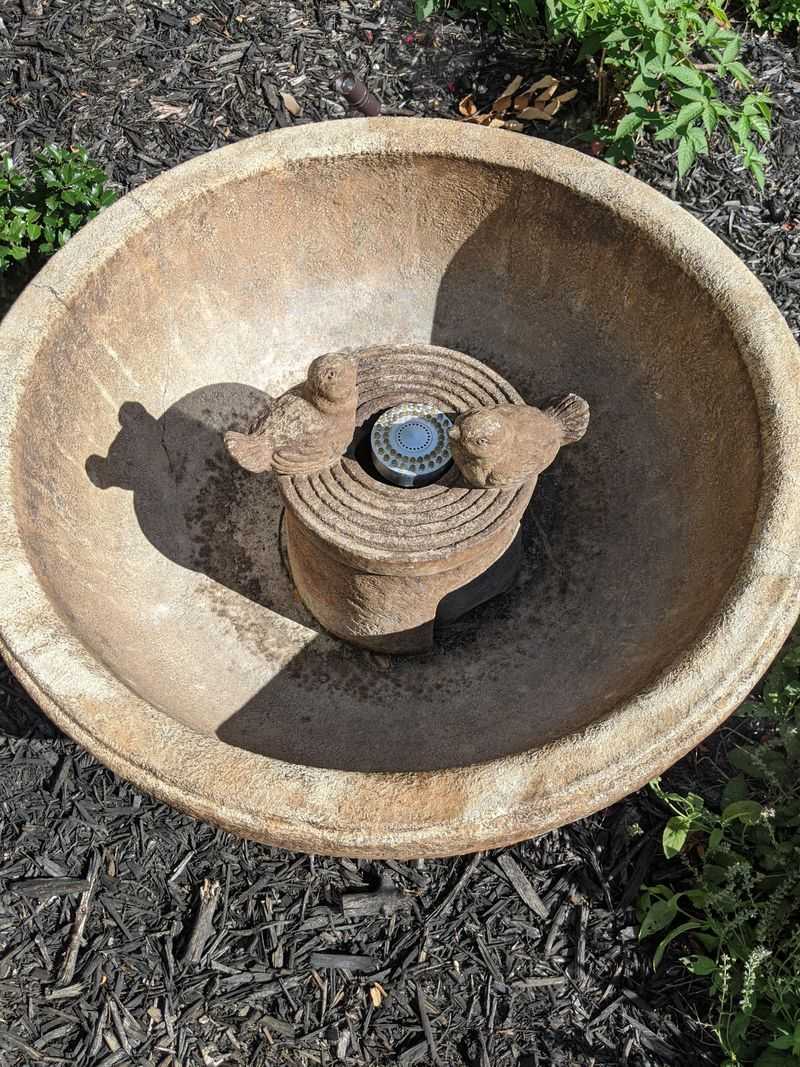
A hairline crack in a fountain bowl usually starts with a puddle nobody noticed. Water sitting in a basin, a pipe, or a tiny pocket of cast stone expands as it freezes. That pressure pushes outward with real force.
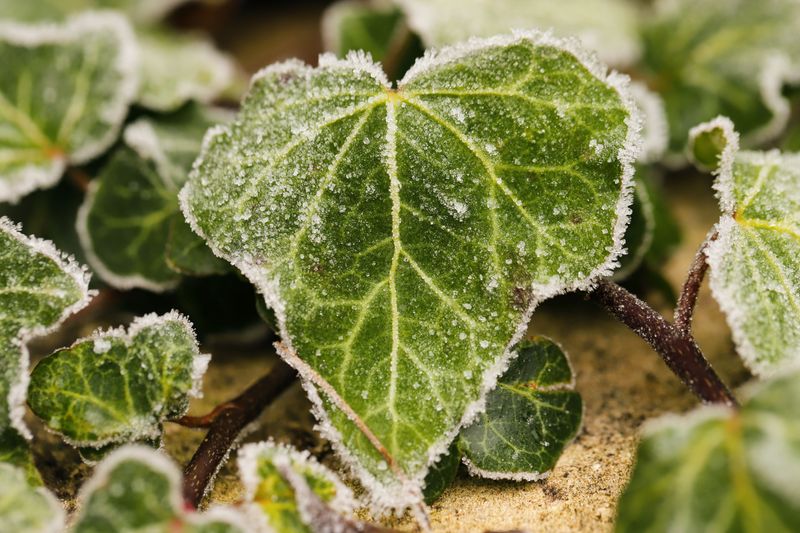
The National Weather Service calls it a hard freeze when temperatures reach about 28 degrees or lower. At that point, standing water freezes deep enough to cause damage. A light frost at 32 degrees is mostly a warning shot.
Concrete, ceramic, and cast stone are porous. They soak up water like a sponge during fall rains. When that hidden moisture freezes and thaws again and again, small chips turn into wide cracks by spring.
Pumps face the same trouble. Their housings and impellers hold water inside, and ice can split plastic parts or warp seals. Plumbing lines running to tiered fountains are just as exposed.
Here in the state, we often get warm afternoons followed by icy nights. That back-and-forth cycle is rough on outdoor materials, especially in the Piedmont and mountains.
The fix is simple once you understand the problem. Your goal is to leave no water where ice can form. Every step that follows builds on that one idea.
2. Drain Every Drop From Your Garden Fountain and Pump Lines
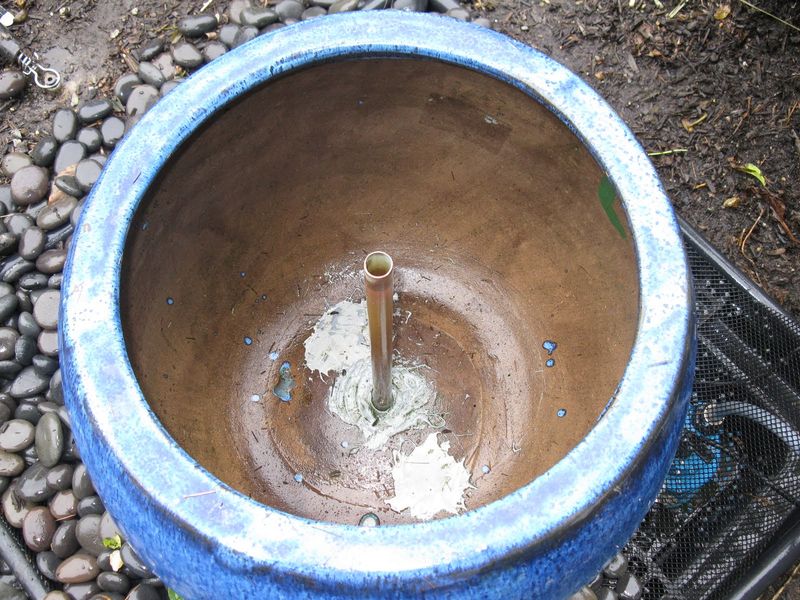
Grab a shop vac and a sponge, because this job is the big one. Draining your fountain fully before the first hard freeze prevents most winter damage.
Start by unplugging the pump at the outlet. Pull the drain plug if your fountain has one, then vacuum or sponge out the leftover water. Check every tier, since the upper bowls often hold small hidden pools.
Next, disconnect any tubing between the pump and the spout. Blow through it or let it hang upside down so water drips out. Even a few tablespoons left inside can freeze and split a line.
While the basin is empty, give it a gentle scrub. A soft brush and mild soap remove algae and mineral crust without scratching the finish. Skip harsh chemicals, which can stain stone or harm birds that visit later.
Let everything air dry for a day or two. A dry surface holds up far better against freezing weather than a damp one.
I like to finish by tucking a towel into the bowl. It soaks up stray rain that sneaks under covers. A little fuss now saves a pricey replacement next spring.
3. Bring That Fountain Pump Indoors for a Cozy Winter Rest
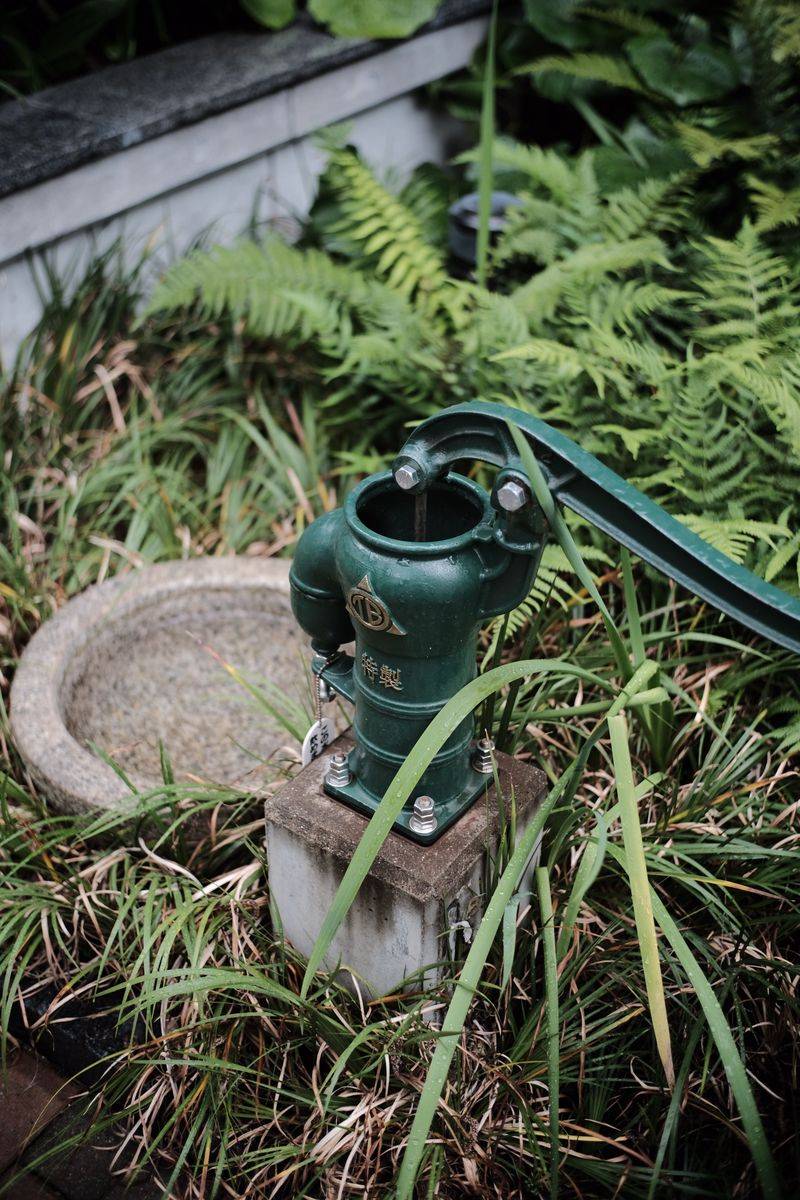
Fountain pumps are the heart of the whole setup, and they are surprisingly delicate. Most replacement pumps cost more than people expect, so this step pays for itself.
After draining the fountain, remove the pump completely. Rinse off slime and grit, then clean the intake screen with an old toothbrush. Clogged screens make pumps work harder and wear out sooner.
Many manufacturers suggest storing submersible pumps in a bucket of water. Keeping the seals wet helps prevent them from drying out and cracking over the winter. Check your pump manual, since a few models prefer dry storage.
Store the bucket somewhere that stays above freezing. A heated garage, basement, or utility room works well. An unheated shed in Boone could still drop well below 28 degrees in January.
Coil the power cord loosely and label it with the fountain it belongs to. That small habit saves a puzzled search in April.
Fun fact for the curious gardener. Many small fountain pumps use magnetic drive motors, which have very few moving parts. That design helps them last for years, as long as ice stays away from the housing.
4. Covered Fountains Need Breathing Room and a Lift Off the Ground
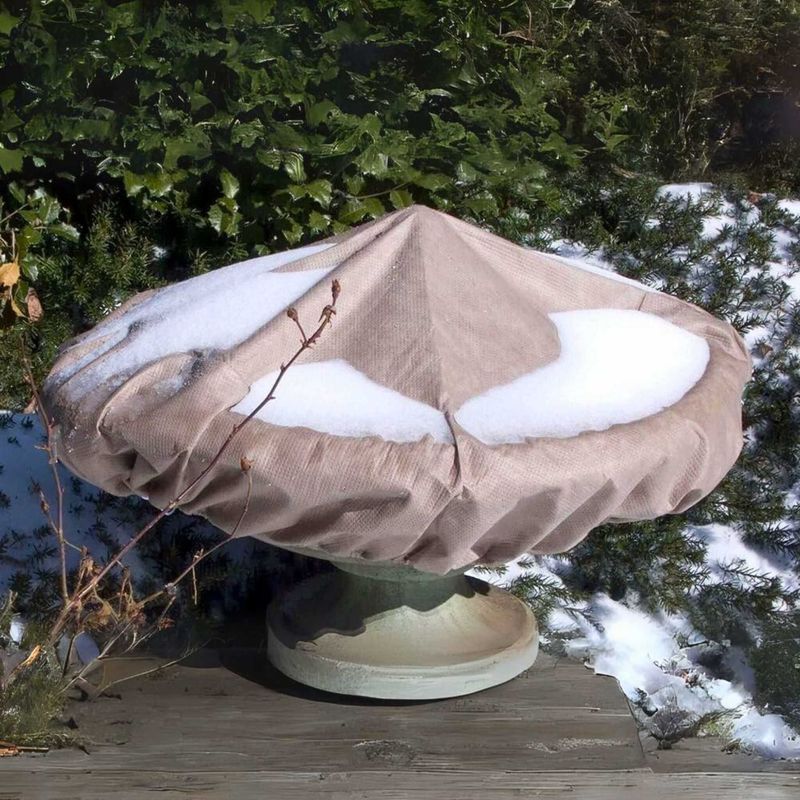
Big fountains rarely fit through a garage door. If yours stays outside, a good cover becomes its winter coat.
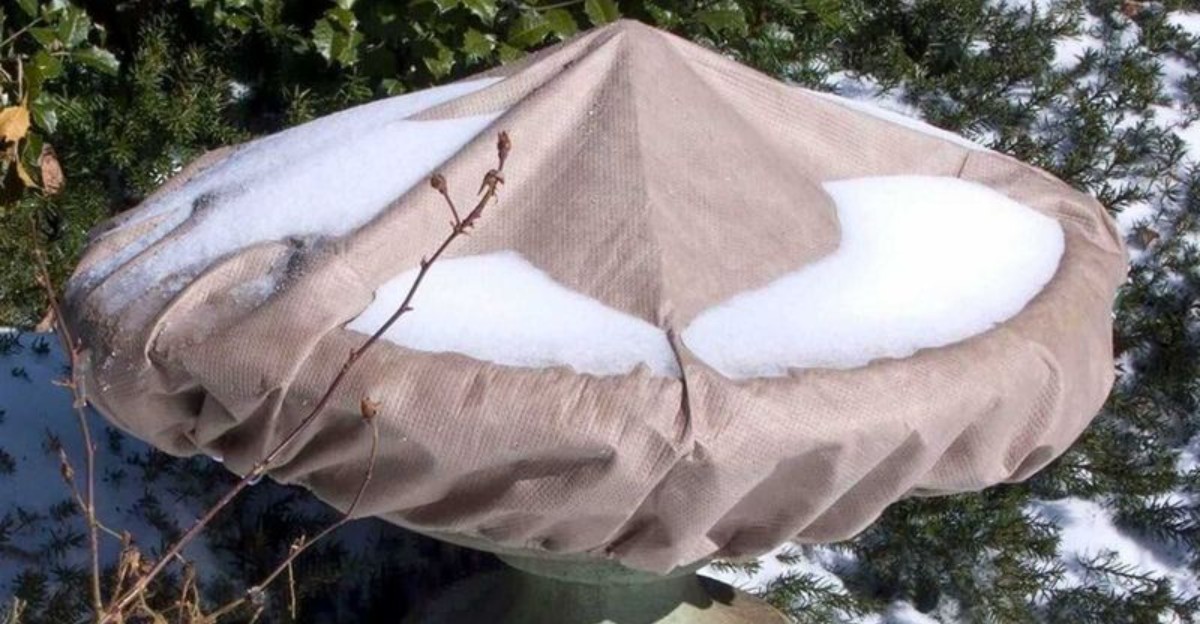
Choose a breathable fountain cover rather than a plastic tarp. Plastic traps moisture underneath, and that damp air can lead to the same freeze damage you are trying to avoid. Fabric covers made for outdoor fountains let humidity escape.
Secure the cover with a drawstring or bungee cords. Winter winds in the mountains and along the coast can whip a loose cover right off. A snug fit also keeps leaves and acorns out of the basin.
Some gardeners place a dry towel or foam pad inside the bowl before covering. It absorbs condensation and adds a small cushion against ice.
Lifting the fountain a bit helps too. Small pot feet or wooden shims keep the base from sitting in puddles. A base frozen to wet ground can crack as the soil heaves.
Smaller pieces, like ceramic wall fountains or tabletop styles, should come inside entirely. They are more fragile, and moving them takes only a few minutes. Your future self will appreciate that quick effort.
5. Scoop Those Soggy Leaves Out of the Backyard Pond Now
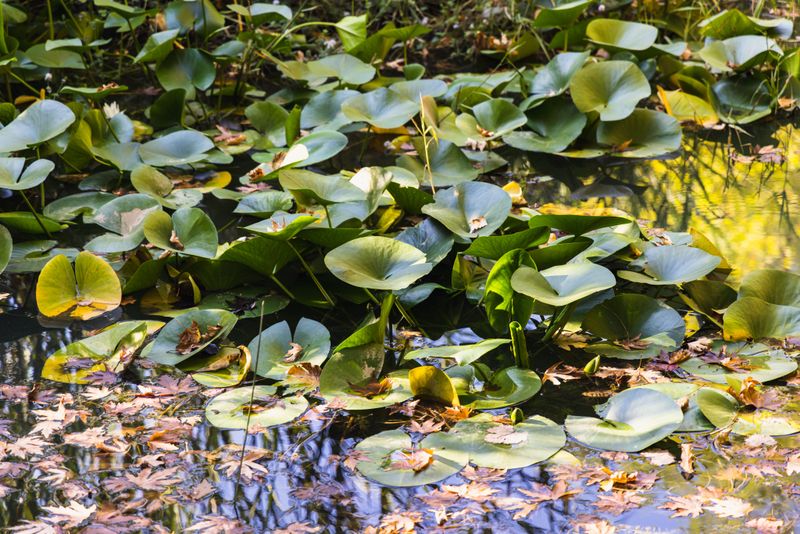
Fall leaves look lovely floating on a pond, but they cause trouble once they sink. As they rot, they use up oxygen and release gases that can build up under ice.
A long-handled pond net makes quick work of the job. Skim the surface every few days while trees are dropping. Then reach down and pull out the mushy layer collecting on the bottom.
Many pond keepers stretch fine netting over the water in October. It catches most of the leaves before they land. Pull it off once the trees are bare.
Trim back hardy water plants, like water lilies, removing yellow leaves near the base. Tropical plants such as water hyacinth should be tossed in the trash, not set loose. Water hyacinth is invasive and should not be released into any natural waterway.
Feeding changes too. Once the water stays below about 50 degrees, fish digest food slowly. Most experts recommend stopping feeding at that point, since uneaten food simply fouls the water.
A clean pond heading into winter means healthier fish come spring. It also means less green sludge to scrub out once the weather warms.
6. Keep a Hole Open in the Pond Ice Without Grabbing a Hammer
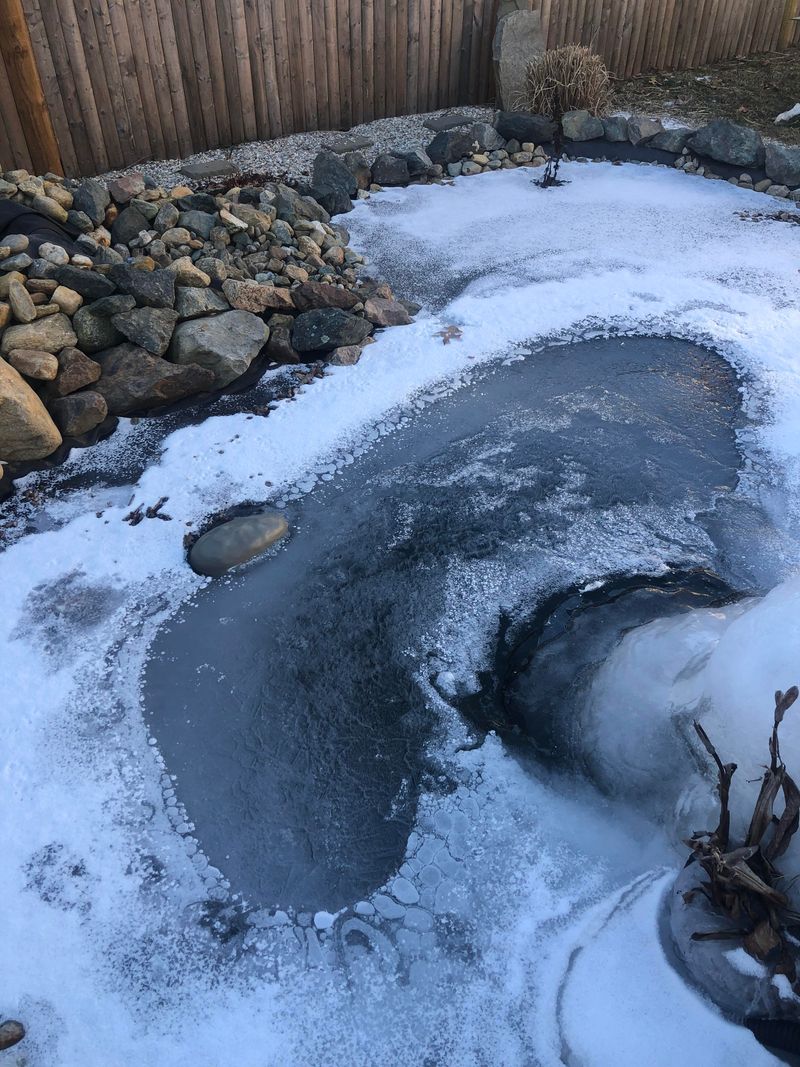
Smashing pond ice with a hammer feels satisfying. Sadly, the shock waves travel through the water and can stress or injure fish resting near the bottom.
Fish still need gas exchange in winter. A small opening in the ice lets harmful gases escape and fresh oxygen enter. Without that gap, waste gases can build up quickly.
A floating pond de-icer is the easiest tool for the job. It warms just a small spot, keeping a hole open rather than heating the whole pond. Many models switch on only when temperatures drop near freezing.
An air pump bubbler also helps. Place the air stone in a shallower area instead of the deepest point. Fish gather in the slightly warmer bottom water, and strong mixing can chill that refuge.
If ice does form unexpectedly, set a pot of hot water on top. It gently melts a hole without any pounding.
Across much of eastern North Carolina, ponds may only skim over briefly. Mountain ponds can stay iced for days. Either way, a little preparation keeps your goldfish and koi comfortable until spring.
7. That Ceramic Bird Bath Belongs in the Shed Until Spring
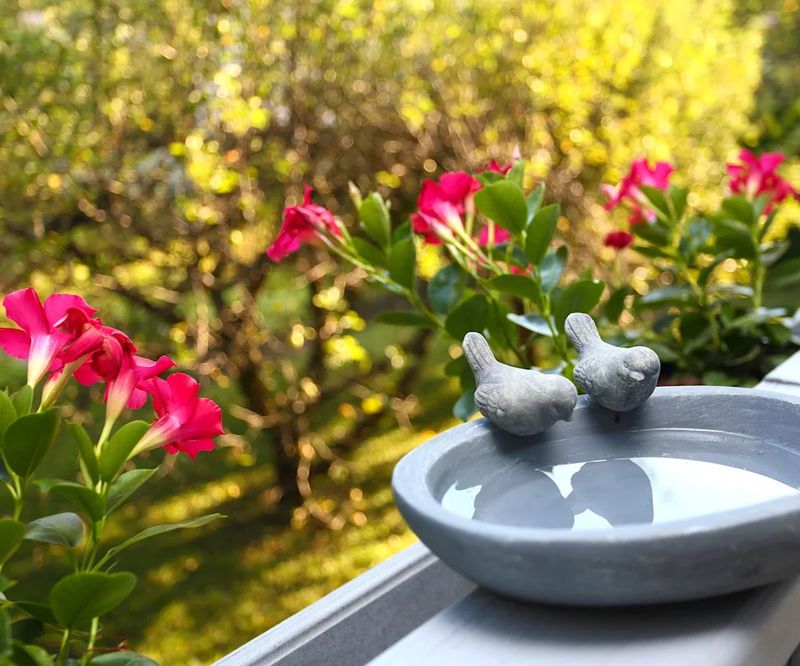
Cardinals, bluebirds, and chickadees keep visiting bird baths long after summer ends. Winter water can be harder for birds to find than winter food.
Glazed ceramic and thin concrete baths struggle in freezing weather. Empty them, scrub them with a stiff brush and mild soap, and store them in a garage or shed. A cracked bird bath rarely holds water well again.
Want to keep the drinks flowing? A heated bird bath or a small immersion heater keeps water liquid without making it warm. Choose one with a thermostat and an outdoor-rated cord.
Plastic or resin bird baths hold up better if left outside. Still, tip them over or empty them before a hard freeze if you skip the heater.
Placement matters as well. A sunny, sheltered spot near shrubs helps water stay open longer on mild days. The nearby cover also gives birds a quick escape from hawks.
Refresh the water every few days, even in winter. Clean water helps reduce the spread of bird diseases. Watching a bluebird splash on a frosty morning is one of the season’s sweetest little shows.
8. Mark Your Local Hard Freeze Date on the Garden Calendar
Timing makes all these chores easier. Knowing when cold usually arrives lets you work on a pleasant afternoon instead of in a scramble.
North Carolina covers a wide climate range, from about Zone 6 in the high mountains to Zone 8 along the coast and even 9a on parts of the Outer Banks.
Mountain towns like Asheville and Boone often see their first hard freeze in October. The Piedmont usually follows in November, while Wilmington and the Outer Banks may wait until December.
These dates shift from year to year. Check the National Weather Service forecast for freeze watches and warnings. Your local Cooperative Extension office also shares regional frost data.
I like to plan backward from that average date. About two weeks ahead, I drain the fountain and pull the pump. Pond cleanup happens as the leaves fall, and the bird bath heater goes in last.
Write a quick checklist and tape it inside the garage door. Include pump storage spots, cover locations, and the de-icer plug.
Come spring, reverse the list. Refill, reconnect, and listen for that first gentle splash. It sounds even better when you know everything made it through winter in one piece.