Water Your Christmas Cactus This Way in New York and Watch It Bloom by December
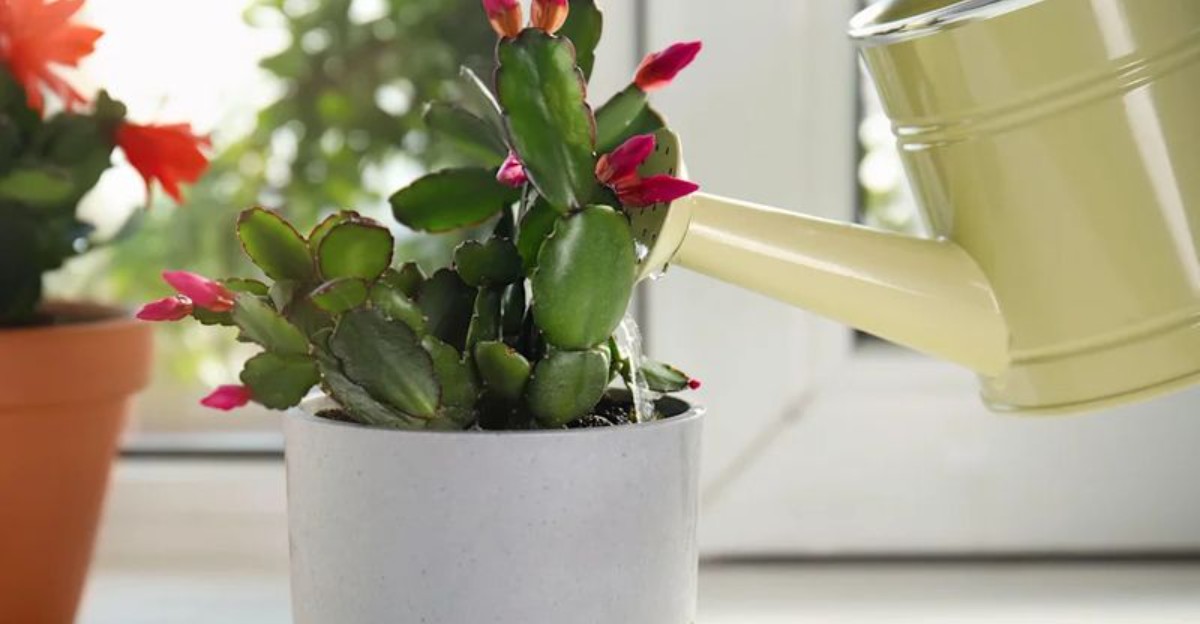
In the wild, this holiday favorite skips the desert sand and grows high in tree branches along Brazil’s misty coastal mountains. Its roots cling to bark and moss, soaking up rain and then drying out fast.
I find that detail hilarious, since most of us shove the pot onto a sunny sill and treat it like a tough little camel. Personally, I made that exact mistake for two winters straight. My reward was a plump green plant with zero flowers.
Here in New York, our homes add another twist. Furnaces kick on in October, the air turns crackly dry, and windows let in chilly drafts and long, dark evenings.
Those dark evenings are secretly on your side. Pair them with a smarter watering habit, and your plant may surprise you with bright pink or red flowers by the holidays. So how thirsty is this jungle dweller, really?
That Christmas Cactus on Your Windowsill Comes From a Rainforest Treetop
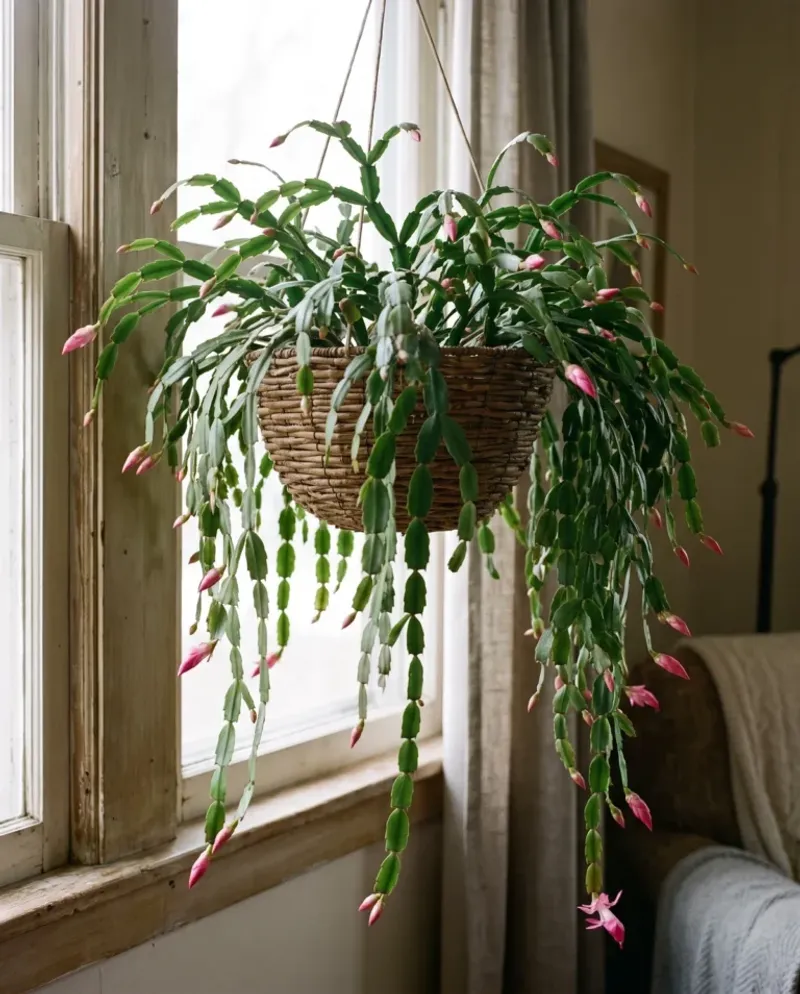
Honestly, the name fools almost everyone. A Christmas cactus, known to botanists as Schlumbergera, belongs to a group of tropical cacti that grow on trees in the Atlantic Forest of southeastern Brazil.
Plants that grow on other plants are called epiphytes. They do not steal food from the tree. They simply perch in crooks of branches, where leaf litter and moss collect, and they get regular rain followed by quick drying.
That habitat explains nearly every care tip in this article. The roots like moisture, yet they also need air, because they evolved in loose, spongy material rather than heavy dirt. Soggy soil suffocates them, while bone-dry soil stresses them.
I like thinking of my plant as a houseguest from the cloud forest. Once I pictured that leafy, damp branch, watering suddenly made sense.
Fun detail: many plants sold as Christmas cactus in stores are actually Thanksgiving cactus, Schlumbergera truncata. You can tell by the pointy, claw-like teeth on the stem segments. Christmas types have rounder, scalloped edges. Both bloom from the same short-day and cool-night triggers, so the watering and care advice below works for either one. Yours may simply open a few weeks earlier.
Check the Top Inch of Christmas Cactus Soil Before You Water
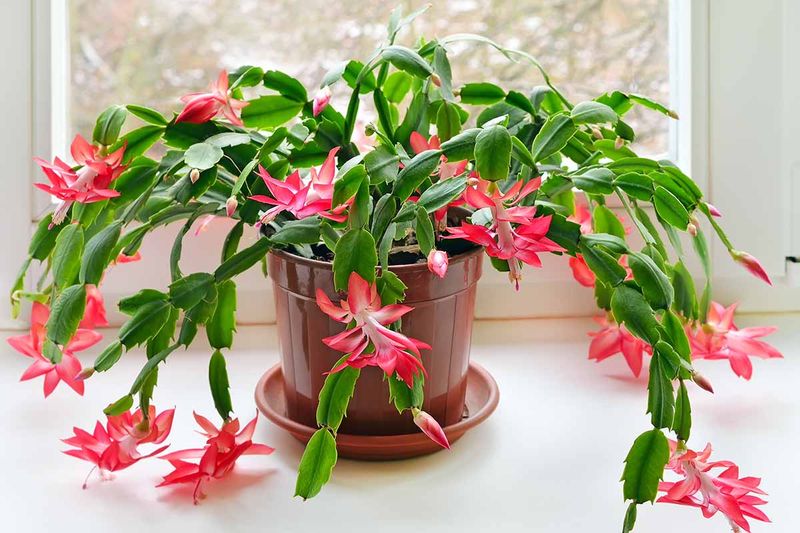
Your finger is the best moisture meter you own. Push it into the potting mix about one inch deep, and water only when that top layer feels dry.
When it is time, water slowly and deeply until some runs out the drainage holes. A small sip each day keeps the surface wet while the lower roots stay confused, so one thorough soak works better.
In most New York homes, this lands somewhere around every one to two weeks. Warm, bright rooms speed it up, and cooler rooms slow it down. A calendar can guide you, but the soil should make the final call.
Next comes the step people skip. Empty the saucer or decorative pot cover within about 15 minutes, because standing water is the quickest path to root rot.
I keep a small towel near my plant for this exact chore. It takes ten seconds and saves a lot of heartache.
Use room temperature water, too. Icy tap water straight from a winter pipe can shock tropical roots. Let a watering can sit out overnight, and you are set. Plain tap water is fine for most plants, though rainwater is a nice bonus if you collect it.
Ease Back on Watering Your Christmas Cactus as Fall Arrives
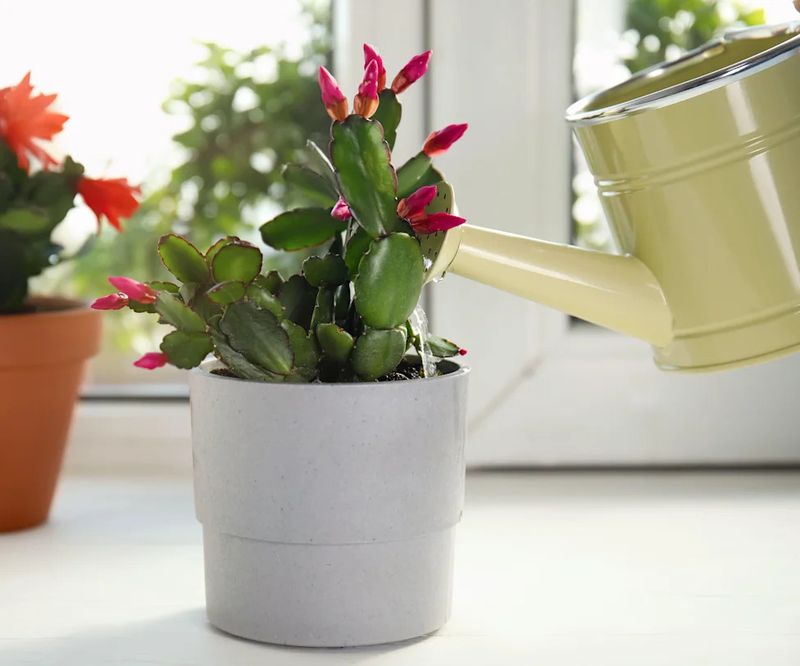
Summer is party season for this plant. During spring and summer growth, it may want water close to once a week, plus diluted fertilizer.
Once September rolls in, the rhythm shifts. University extension experts, including those at Penn State and Minnesota, suggest letting the soil dry a bit more between waterings in early fall. This slight cutback, together with cooler nights and longer darkness, nudges the plant toward making buds instead of new stems.
Notice the word slight. You are not putting the plant on a drought diet. Let the top inch or so dry out, then give a full drink as usual, just a little less often.
Stop fertilizing around late summer or early fall as well. Feeding encourages leafy growth, which competes with flowers.
When tiny buds appear at the stem tips, usually in October or November, return to steady, even moisture. Buds are thirsty little things. If the soil swings from soaked to parched while they swell, many simply fall off before opening.
I mark the first bud sighting on my phone each year. It reminds me to stop slacking and keep watering consistent until the flowers finish.
Long Dark Nights and Cool Rooms Set Christmas Cactus Buds
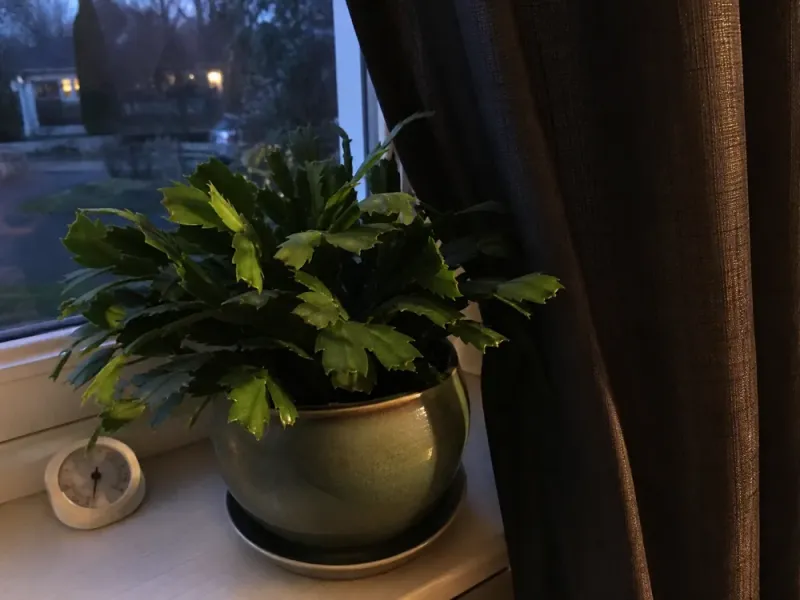
Water gets the plant ready, but darkness flips the switch. Holiday cacti form buds when nights are long, roughly 12 to 14 hours of uninterrupted dark, or when nights stay cool, around 50 to 60 degrees Fahrenheit.
Many growers combine both for the best results. Start in late September or early October and keep it up for about six weeks, which lines blooms up nicely for December.
New York actually helps here. By mid-October, natural daylight in Albany or Buffalo has already dropped to roughly 11 hours. A spare bedroom, enclosed porch, or cool windowsill that nobody lights up at night can do most of the work for you.
Lamps, TVs, and streetlights can interrupt the dark period. Even short bursts of evening light may delay flowering.
Some people tuck the pot into a closet each evening and bring it back out in the morning. That works, though I find a quiet unused room much easier to manage.
Keep the plant away from frost, of course. Nights below about 45 degrees can harm it, so move it indoors from any porch before hard cold arrives upstate.
Dry Furnace Air Can Make Christmas Cactus Buds Drop
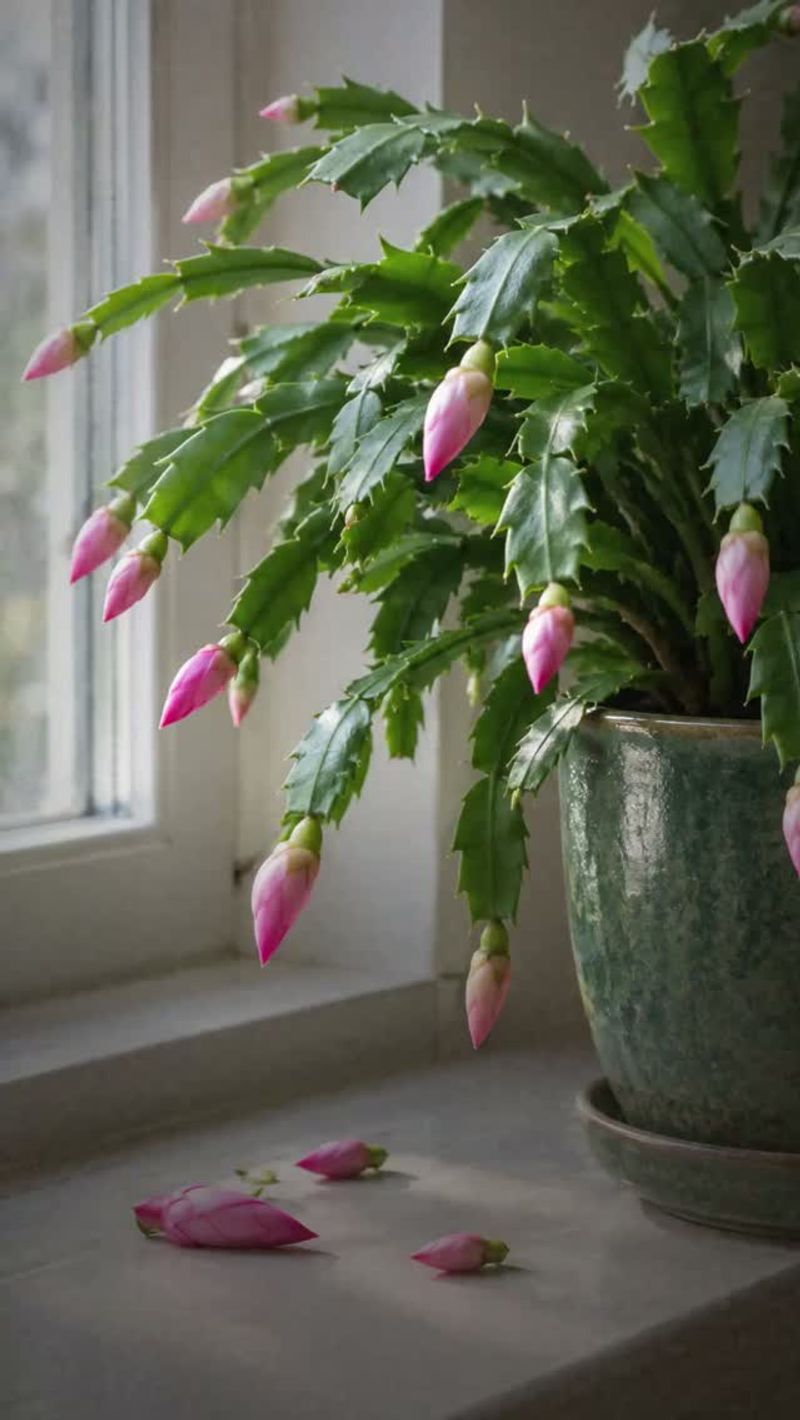
Radiators clank, forced air hums, and suddenly your living room feels like a cracker box. Winter humidity indoors often falls well below what this rainforest native prefers.
Low humidity combined with heat blasts can dry out buds and soil much faster than you expect. Bud drop is the most common complaint I hear from fellow New York growers each December.
A pebble tray offers an easy fix. Fill a shallow tray with gravel, add water just below the top of the stones, and set the pot on top so the roots never sit in water.
Grouping houseplants together also raises moisture in the air around them. A small room humidifier helps even more if your apartment runs extra dry.
Placement matters as much as moisture. Keep the pot at least a few feet from radiators, heating vents, and fireplaces, and away from doors that let in icy blasts.
Check soil a bit more often during heating season. Warm, dry rooms can turn a two-week watering schedule into a weekly one. I learned that the hard way after a cold snap in January sent my thermostat working overtime and left my plant limp.
Soggy Soil Shows Up as Limp Christmas Cactus Segments
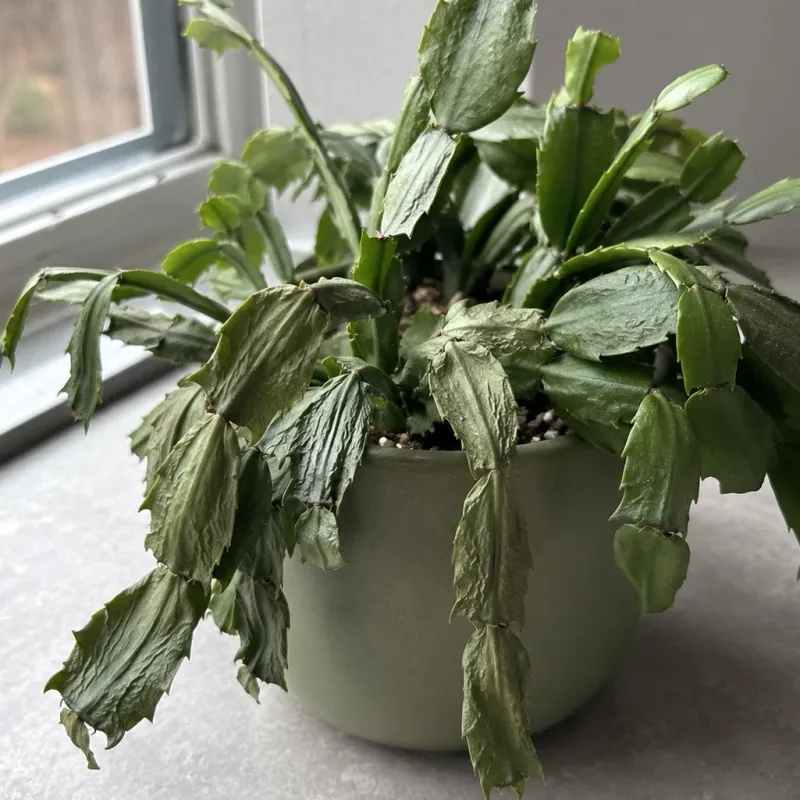
Sad, droopy stems are confusing, because too much and too little water look surprisingly alike. The trick is checking the roots and soil, not just the leaves.
Wrinkled, thin segments with dry, light soil usually mean thirst. A deep soak, followed by a better watering routine, often perks things up within a few days.
Limp segments sitting in heavy, wet soil tell a different story. Roots may be rotting, and you might notice a sour smell, mushy stem bases, or segments falling off at a touch.
Slide the plant gently out of its pot to look. Healthy roots are firm and pale, while rotted ones are brown, soft, and stringy.
If rot has started, trim away the mushy roots and repot into fresh, fast-draining mix. A blend of regular potting soil with perlite or orchid bark mimics those airy treetop pockets nicely.
Always choose a container with drainage holes. Decorative pots without holes trap water at the bottom, out of sight. Healthy segment tips can also be rooted as backups, so even a rough situation offers a chance for new plants to share with friends.
Leave That Budding Christmas Cactus Right Where It Is
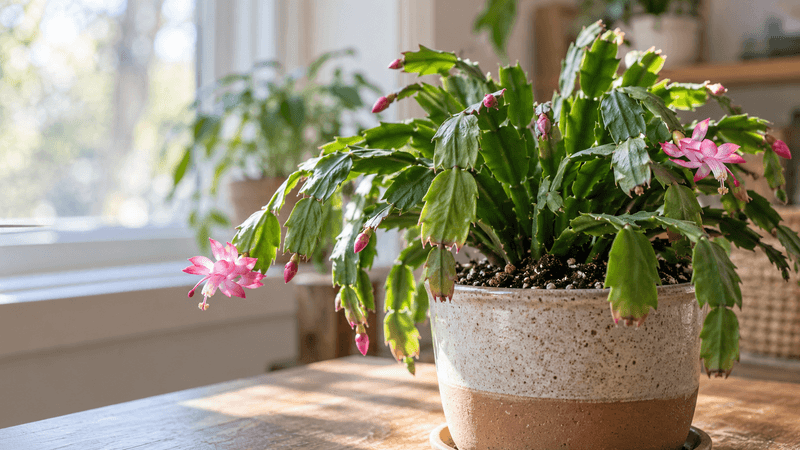
Patience is a gardening skill nobody brags about, yet this is where it pays off. Once buds form, try not to move, spin, or relocate the plant.
Sudden changes in light, temperature, or drafts can cause buds to drop. That shiny new spot on the dining table might look festive, but the shift can undo weeks of careful work.
Bright, indirect light suits this plant best. An east-facing window or a spot a few feet from a south window gives plenty of brightness without scorching the stems, which can turn reddish in harsh sun.
Keep the room steady, ideally in the 60s during the day. Very warm rooms can shorten flower life too.
As buds swell, keep watering evenly. Soil that stays lightly moist, not wet, helps each flower open fully.
Do you want to show off the blooms at a holiday party? Move the plant only after flowers open, and handle it gently. Open flowers handle travel far better than tight buds.
I grin every year when the first magenta bloom unfurls. It feels like the plant is waving hello right as snow begins dusting the streets outside.
Give Your Christmas Cactus a Rest After the Last Bloom Fades
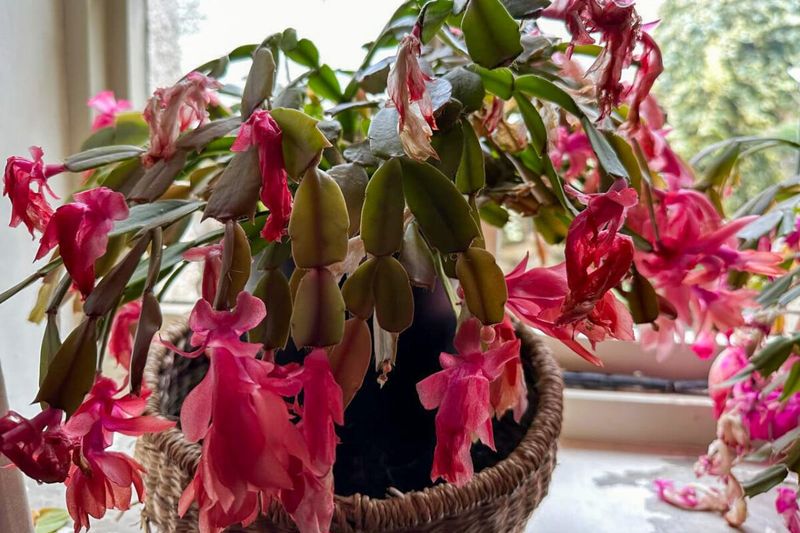
After the holiday show, your plant deserves a breather. Many growers let the soil dry a little more between waterings for about six weeks after flowering ends.
This lighter routine gives the roots a rest. Still, avoid letting the pot go bone dry for long stretches.
Late winter to early spring is a fine time for light pruning. Twist or snip off a few segments at the joints, which encourages branching and more tips for next year’s flowers.
Those pieces make wonderful gifts. Let cuttings dry for a day, then tuck them into moist potting mix, and roots usually form within a few weeks.
Once spring growth begins, return to regular watering and feed with a balanced houseplant fertilizer at half strength. Repot only every few years, since this plant blooms well when slightly snug in its container.
In summer, a shaded spot outdoors in New York can boost growth. Bring it back inside before nights dip toward 50 degrees.
My biggest takeaway is simple. Treat this plant like a rainforest native, water with care, respect its dark nights, and it may keep blooming for decades. Some families pass theirs down through generations.