8 Bulbs New York Gardeners Can Still Plant Through November and Into December
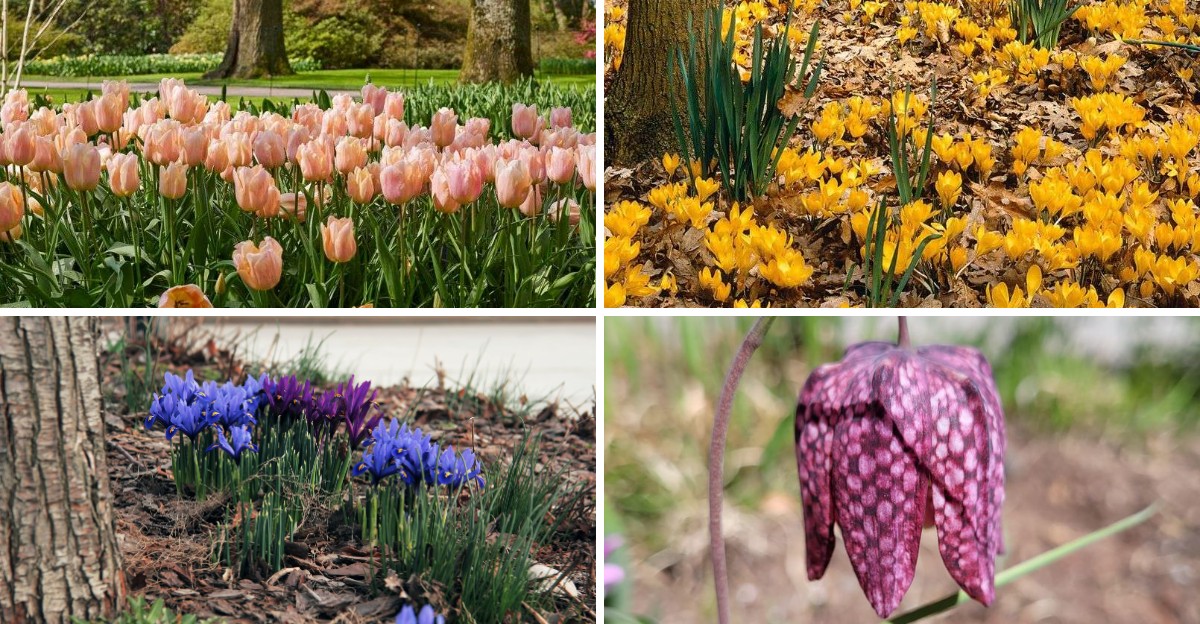
Many spring flowers refuse to bloom unless they spend roughly twelve weeks sitting in cold, dark soil first. That chilly waiting period is not a hardship for them, because it switches on the flowering process inside.
Garden experts agree that planting can continue until the ground freezes, which often happens late in New York. Around many yards, workable soil lingers well past Thanksgiving, especially in sheltered beds close to the house.
Between you and me, I once left a forgotten bag in the garage until the second week of December. Those late arrivals bloomed right on schedule the next April, and I felt like I had cheated the calendar.
For what it’s worth, the trick is choosing tough varieties that forgive a gardener running a little behind. So which eight belong in your cold New York soil before winter locks the gate for good?
1. Daffodils
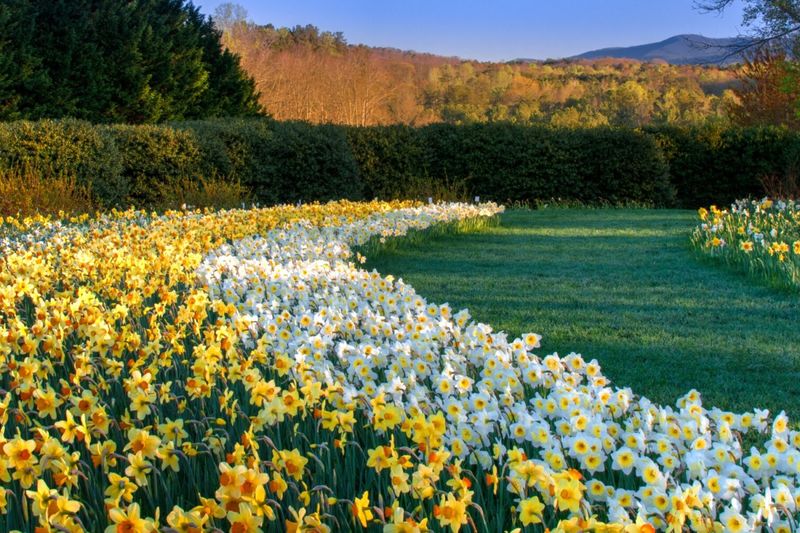
Squirrels and deer usually walk right past daffodils, because every part of the plant contains a bitter compound called lycorine. That built-in protection makes them my favorite choice for yards where hungry visitors treat tulips like a buffet.
Daffodil bulbs like to grow roots before winter, so late planting works as long as your shovel slides in. Cold soil does not bother them, and they settle in quickly once tucked down where frost cannot heave them.
Dig holes about six inches deep, roughly three times the bulb’s height, and set each one pointy end up. Space them around five or six inches apart, then water once to settle the soil around the bulbs.
Choose a spot with at least six hours of sun during spring, since leafy summer shade comes later. That timing explains why daffodils often thrive under deciduous trees, which stay bare while the flowers are busy blooming.
Soggy ground is their main enemy, because waterlogged bulbs can rot before they ever send up green shoots. If your yard holds puddles, try a raised bed or work compost into the soil to improve drainage.
For a longer show, mix early trumpet types with later varieties that open in late April and May. Small cultivars like Tete-a-Tete work beautifully along walkways, where you can admire their cheerful faces up close.
After blooming, let the leaves stay until they turn yellow, usually about six weeks later in early summer. Those leaves feed the bulb for next year, so resist braiding or cutting them while they still look green.
2. Tulips
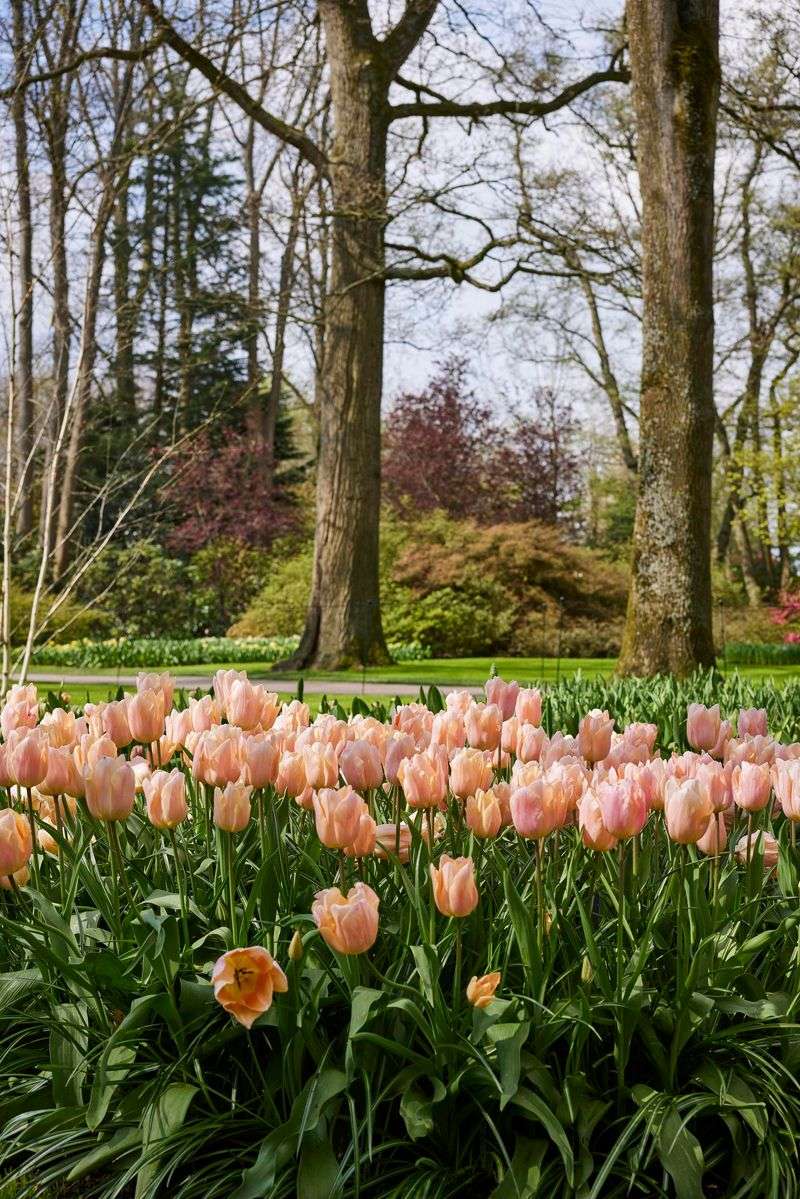
Tulips are a little dramatic, because they will not flower well unless they spend about twelve to sixteen weeks chilling. Planting them late in the season actually suits them, since cold soil also helps slow down fungal problems like tulip fire.
Wait until soil temperatures fall below about fifty-five degrees, which typically happens across New York by November. If the ground still cooperates in early December, go ahead and plant, because tulips forgive a tardy gardener.
Set bulbs six to eight inches deep with the pointed tip facing up toward the sky. Deeper planting helps them return more reliably and gives a little extra protection from digging squirrels.
Full sun keeps stems sturdy and straight, while shady spots often produce floppy plants with fewer flowers. Well-drained soil matters just as much, so skip low corners where melting snow tends to collect each spring.
Let’s just say deer think tulips taste like dessert, and squirrels enjoy digging up freshly planted bulbs. Laying chicken wire over the bed after planting, then covering it with mulch, keeps most curious paws out.
Many hybrid tulips fade after a few years, so I treat them like generous annuals rather than lifelong residents. Darwin hybrids and species tulips such as Tulipa tarda tend to return more faithfully than fancy double types.
Once flowers fade, snip off the seed heads but leave the leaves in place until they turn yellow. That simple habit lets the bulb store energy, giving you a better chance of seeing blooms again next spring.
3. Crocus
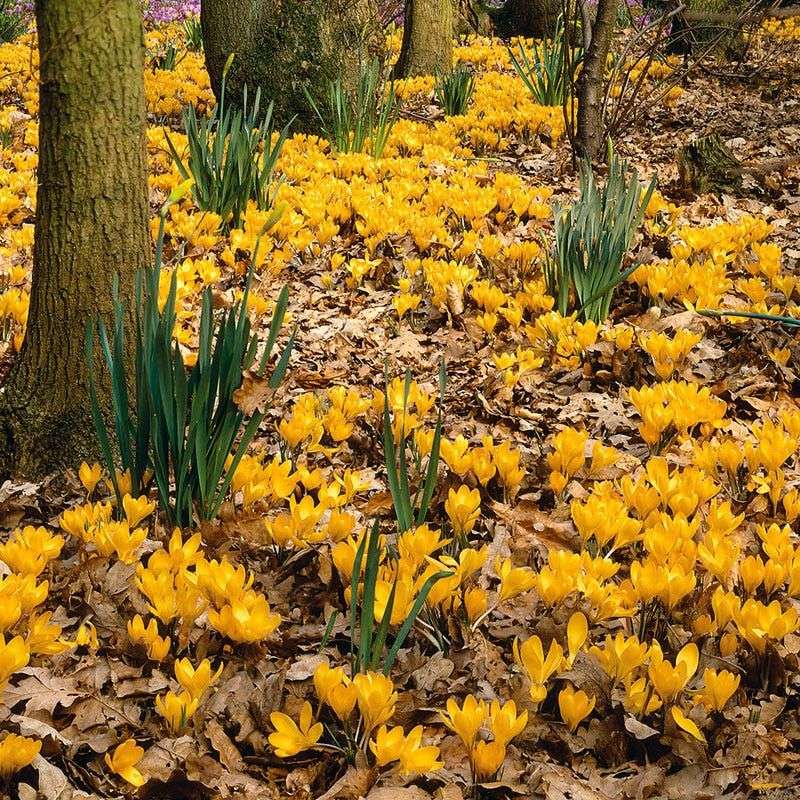
Crocus flowers sometimes open while patches of snow still linger, and early bees eagerly visit them for pollen. Watching a fuzzy bumblebee wobble inside a purple cup on a chilly March afternoon makes my whole week.
These small corms only need a shallow hole, which makes them easy to plant when your fingers feel stiff. Tuck them about three to four inches deep, spacing them a few inches apart for a natural look.
Snow crocus, Crocus chrysanthus, blooms first, while larger Dutch crocus, Crocus vernus, follows a couple of weeks later. Planting both kinds stretches your color season, giving you blooms for weeks instead of just a few days.
Full sun opens their petals wide, though light shade under deciduous trees works fine since branches remain bare early. Sandy or loamy soil that drains quickly suits them best, because crocus corms dislike sitting in cold water.
Don’t make my mistake of planting them in an open bed where squirrels have free run of the buffet. Chipmunks and squirrels love crocus corms, so a layer of hardware cloth or gravel can discourage their digging.
Crocus also naturalize well in lawns, popping up through the grass before your first mowing of the season. Just hold off cutting that area until the leaves yellow, which usually happens by late spring.
Hardy in zones three through eight, they handle winters across New York with very little fuss. Buy a big bag of mixed colors, scatter them across the yard, and plant them right where they land.
4. Hyacinths
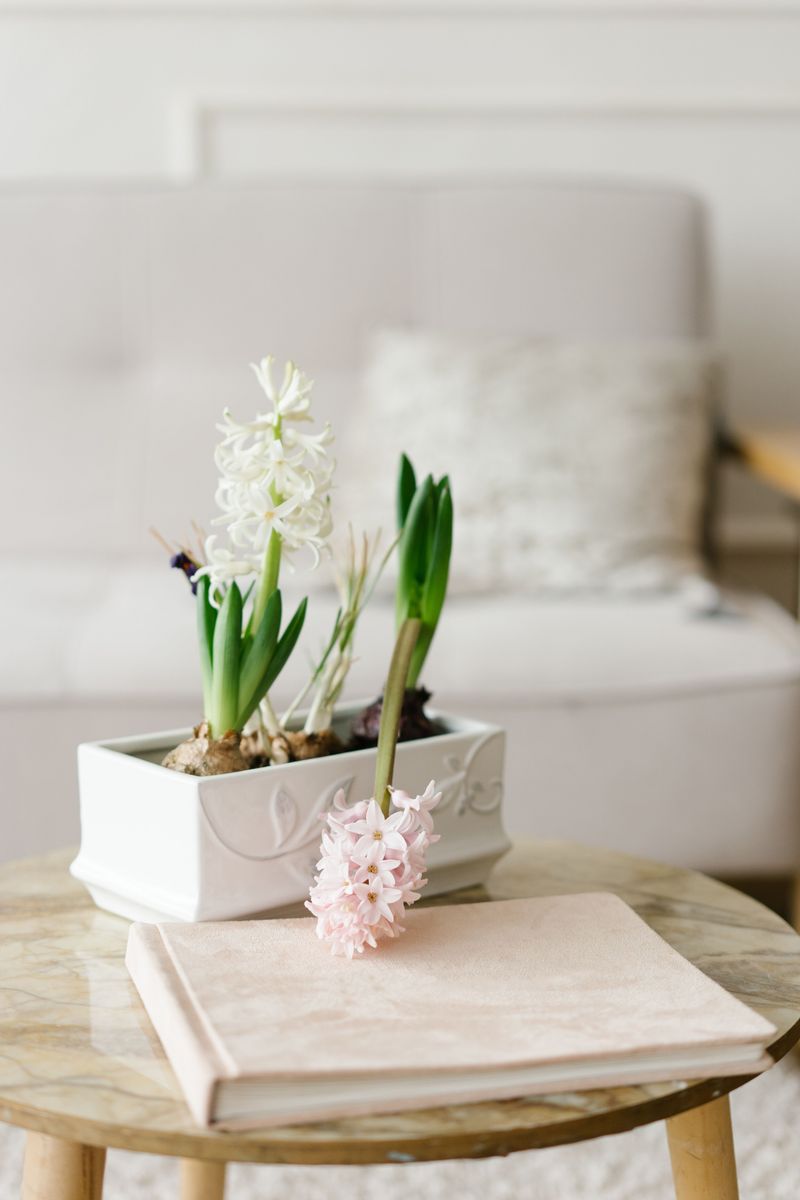
One blooming hyacinth can perfume an entire front porch, and that sweet scent drifts through open windows easily. I like planting them near the door, because walking past them in April feels like a spring greeting.
Hyacinthus orientalis bulbs are larger than most, so plant them about five to six inches deep in loose soil. Space bulbs roughly six inches apart, since their chunky flower spikes fill in quickly once spring arrives.
Late planting suits them well, as long as the soil is not frozen when you dig your holes. They need a long cold spell to develop flower spikes, so November and early December work nicely.
Gloves are a smart idea, because the papery bulbs contain oxalic acid crystals that can irritate bare skin. The bulbs are also toxic to pets if chewed, so keep curious dogs away from your planting supplies.
Deer and rodents tend to leave hyacinths alone, which makes them a reliable choice for wildlife-heavy neighborhoods. Pair them with daffodils for a bed that looks lovely and stays mostly untouched by nibbling visitors.
Expect the giant first-year flower spikes to shrink a bit in later years, which is perfectly normal behavior. Many gardeners actually prefer the looser, more relaxed clusters that appear during the second and third springs.
Sun to part shade keeps them happy, but good drainage matters most for preventing soft, rotting bulbs. After blooming, remove the spent flower stalk and let the foliage fade naturally to recharge the bulb.
5. Snowdrops
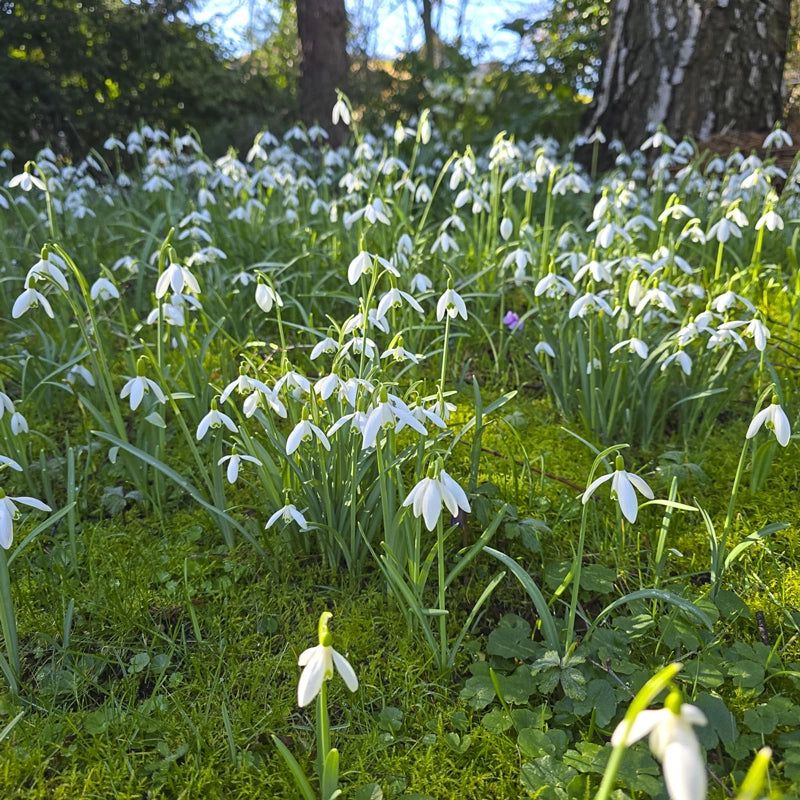
Snowdrops often bloom in late winter, sometimes poking their nodding white bells through a thin crust of snow. Flip one over gently and you will find a tiny green mark on the inner petals, like a painted smile.
Galanthus nivalis bulbs are small, usually under an inch across, and they dry out easily in storage bags. Plant them as soon as you bring them home, setting each one about three inches deep in moist soil.
Partial shade under deciduous trees suits snowdrops perfectly, since they finish blooming before the canopy fills in. They prefer soil rich in leaf mold, so leave some fallen leaves around them as natural mulch.
If you ask me, snowdrops look best planted in generous clusters rather than lonely single rows. Group ten or more bulbs together, spacing them just a couple of inches apart for a fuller look.
Many experienced gardeners say snowdrops establish best when moved green, meaning transplanted right after flowering with leaves attached. Dry bulbs planted late can still succeed, though a few may skip blooming during their first spring.
Deer and rodents usually ignore snowdrops, since the bulbs contain compounds that taste unpleasant to most animals. That makes them a lovely low-effort addition to woodland edges and shady corners where other flowers struggle.
Over several years, a small clump slowly multiplies into a sweeping white carpet that greets you each February. Hardy to zone three, they handle harsh upstate winters, and patience rewards you with a bigger show annually.
6. Alliums
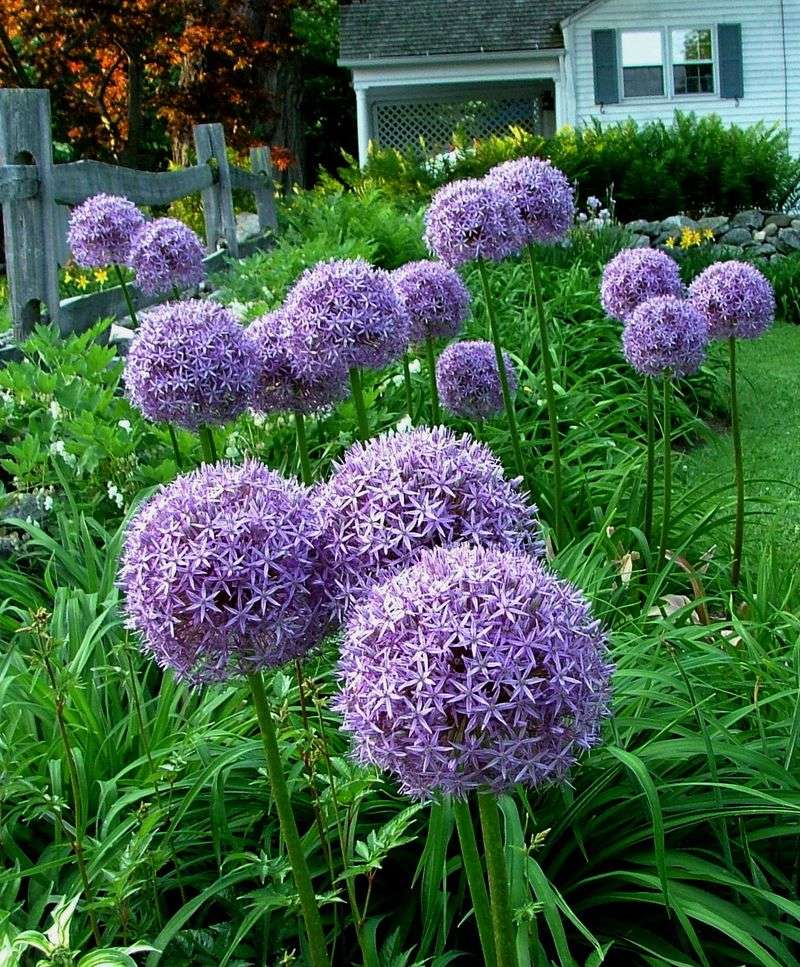
Giant allium heads look like purple fireworks frozen in midair, and bumblebees crowd them during late spring. These ornamental onions bloom after tulips fade, filling that awkward gap before most summer perennials take over the garden.
Their oniony scent works like a natural repellent, so deer and rabbits usually leave them alone. I plant them beside hostas and lilies as a gentle distraction, though results vary from yard to yard.
Larger varieties such as Allium Globemaster need holes about eight inches deep, roughly three times the bulb height. Smaller types like drumstick allium, Allium sphaerocephalon, can go about four inches deep in tighter clusters.
Full sun produces the strongest stems and biggest flower heads, while shade tends to make stems lean. Sharp drainage matters a lot, because allium bulbs rot quickly in heavy clay that stays wet through spring.
Late planting works fine for most alliums, provided the ground in your part of New York still yields. Water once after planting, then let winter rain and snow handle the rest until shoots appear.
Their leaves often turn yellow and tattered right as flowers open, which surprises many first-time growers. Hide that untidy foliage by planting alliums behind bushy perennials like catmint or hardy geraniums in the border.
After petals drop, the dried seed heads stay sculptural for weeks and look striking in arrangements. Leave a few standing in the garden, since they add interesting texture long after the color fades.
7. Dwarf Iris
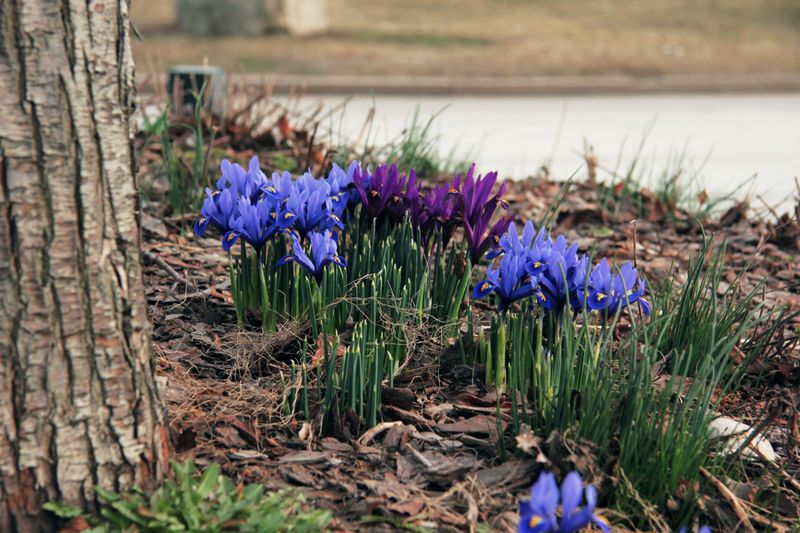
Iris reticulata stands only four to six inches tall, yet its velvety petals look hand-painted with gold markings. These tiny irises bloom in late winter, often alongside snowdrops, and their sweet scent rewards anyone who kneels close.
Plant the small bulbs about three to four inches deep, spacing them roughly three inches apart. Group them in clusters of a dozen or more, because single flowers can get lost in the landscape.
Sharp drainage is the secret to success, since these bulbs come from rocky, dry hillsides in western Asia. Rock gardens and sunny raised beds give them the gritty, quick-draining conditions they enjoy most in spring.
Full sun helps the flowers open wide on chilly afternoons, so avoid spots shaded by evergreens or buildings. Late planting through November suits them nicely, as long as you can still dig into unfrozen soil.
Popular varieties include deep blue Harmony and pale blue Katharine Hodgkin, which features intricate yellow and gray markings. Iris danfordiae offers bright yellow blooms, though it tends to split into tiny bulblets that skip flowering later.
Squirrels and deer seem less interested in these irises than in crocus, which gives them a helpful edge. Still, a layer of fine gravel on top discourages digging and keeps muddy splashes off the delicate petals.
Looking back, I should have planted them near a window, because their blooms are easy to overlook outside. Containers near the front steps also work, letting you enjoy them up close during those gray March days.
8. Checkered Lily
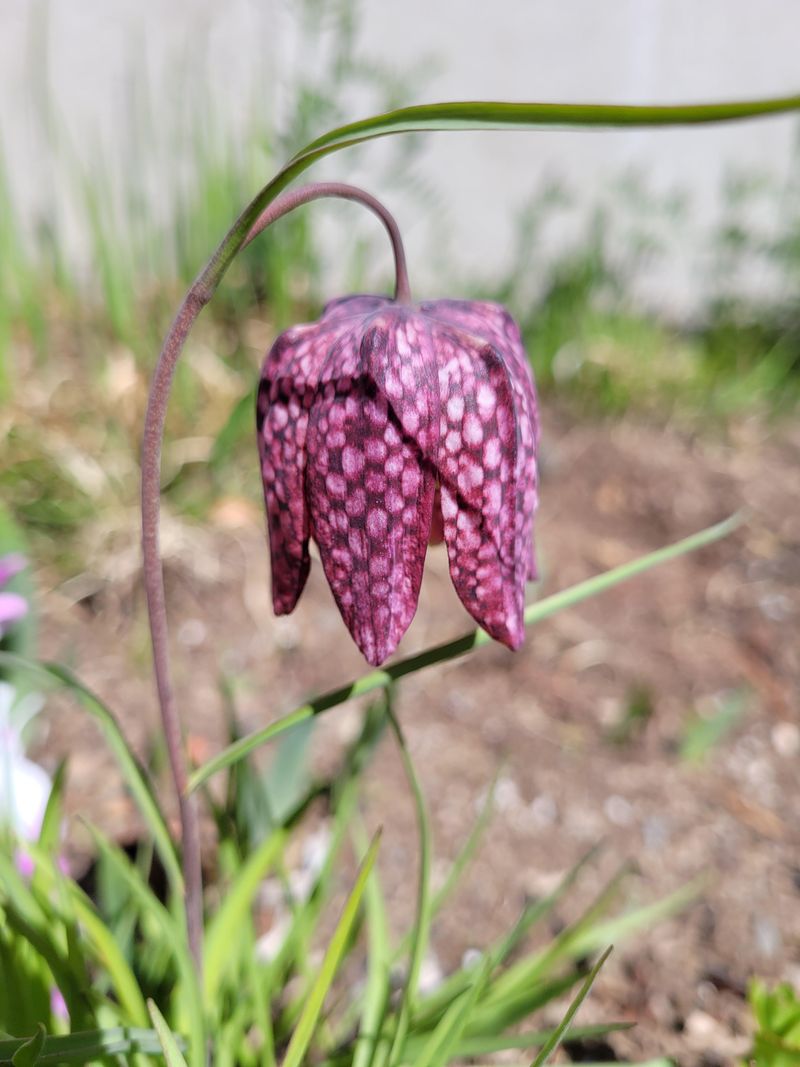
Checkered lily flowers look like tiny lanterns stitched from purple and white gingham, and visitors often ask if they’re real. Fritillaria meleagris has charmed gardeners for centuries, and its nodding bells sway beautifully in a light spring breeze.
Unlike many spring bulbs, this one enjoys moist soil, since it grows wild in damp meadows across Europe. That makes it a fine choice for low spots where tulips and daffodils might struggle with soggy roots.
The bulbs lack a protective papery coat, so they dry out quickly and should be planted soon after purchase. Set them about four inches deep and roughly four inches apart in soil enriched with compost or leaf mold.
Partial shade or full sun both work, especially along woodland edges or near a downspout that stays damp. Hardy in zones three through eight, checkered lilies handle cold winters across much of New York without trouble.
Their bulbs have a mild skunky odor that many animals dislike, so deer and squirrels usually pass them by. Red lily leaf beetles can chew the foliage, though, so check leaves in spring and remove any bright red insects.
Flowers appear in mid-spring, usually in shades of checkered purple, with occasional pure white forms mixed in. Planting a blend of both colors creates a dreamy patchwork that looks wonderful in naturalized grassy areas.
Over time, these bulbs self-seed and slowly spread where conditions suit them, forming charming little colonies. Give them a few seasons to settle in, and you will likely find new seedlings popping up nearby.