8 Fig Pruning Cuts Ohio Gardeners Make Before Moving Trees Into Winter Storage (and 3 That Hurt)
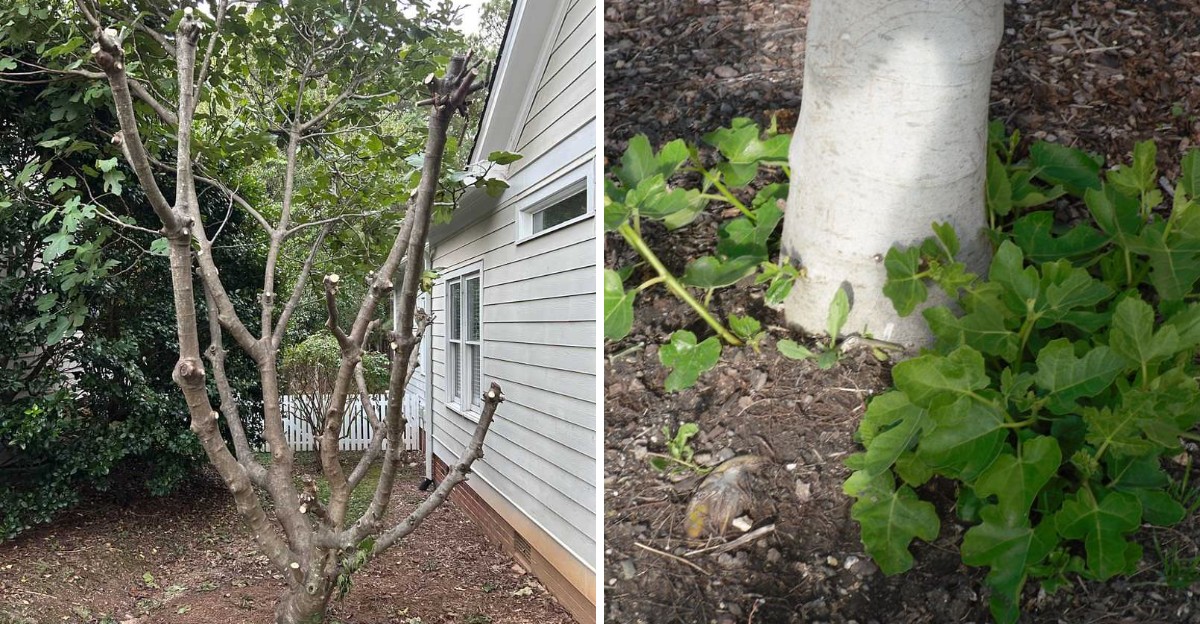
A single snipped twig on this tree oozes a milky white sap that can leave itchy rashes on bare skin. That sticky latex is only one surprise waiting for anyone who grabs pruners this time of year.
Gardeners in Ohio coax these Mediterranean trees through winters that dip well below what their wood can handle. Many growers roll big potted specimens into garages and basements once the leaves drop each fall.
I’ve been known to learn things the hard way, and my first storage season was no exception. You might notice that a few smart snips make the move easier, while careless ones cost next summer’s fruit.
Ohio growers argue about timing every single autumn, and the extension experts hold strong opinions too. The trick is knowing which cuts belong before the garage door closes and which ones are worth saving for late winter.
1. Snip Broken And Diseased Fig Branches First
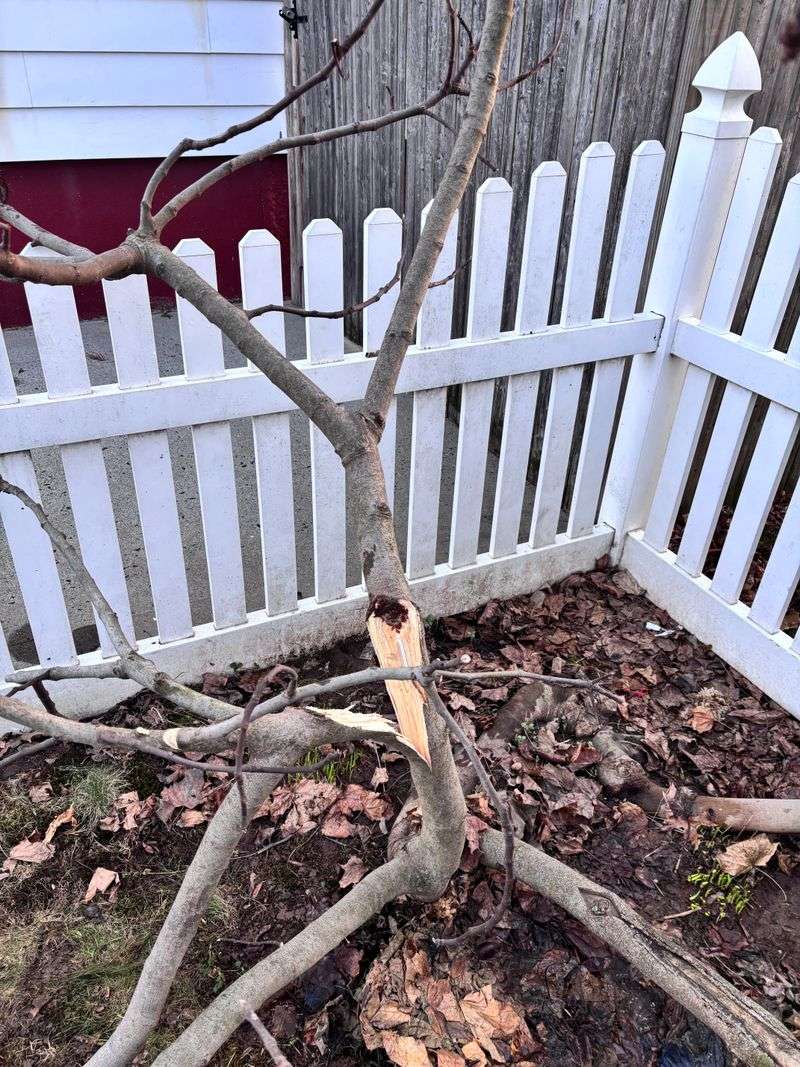
Brittle twigs snap like pretzel sticks, and that crunchy sound tells you exactly where your first cut belongs. I love starting here because it feels like tidying a messy closet before the big move.
Look for gray, shriveled wood with no green under the bark when you scratch it with a thumbnail. Healthy fig wood shows a bright green layer hiding just beneath that thin, papery outer skin.
Cut broken or diseased branches back to healthy tissue, just above a bud or a strong side branch. Wipe your pruners with a household disinfectant between cuts so you avoid spreading problems around the tree.
Fungal cankers can linger on sick wood all winter, and a stuffy garage offers them nothing but comfort. Removing that wood now means fewer trouble spots riding along with your tree into the dark for months.
Rake up fallen fig leaves too, since rust spores and other fungi often overwinter on old foliage. I bag mine instead of composting them, which feels fussy but keeps next season much cleaner.
Wear gloves and long sleeves for this job because fig sap contains compounds that can irritate sensitive skin. Sunlight can make that reaction worse, so rinse any sticky spots with soap and water quickly.
Keep these cuts modest, since you only need to remove wood that is clearly broken or sick right now. Anything questionable can wait until late winter, when the true condition of each branch becomes obvious.
2. Remove Fig Branches That Rub Together
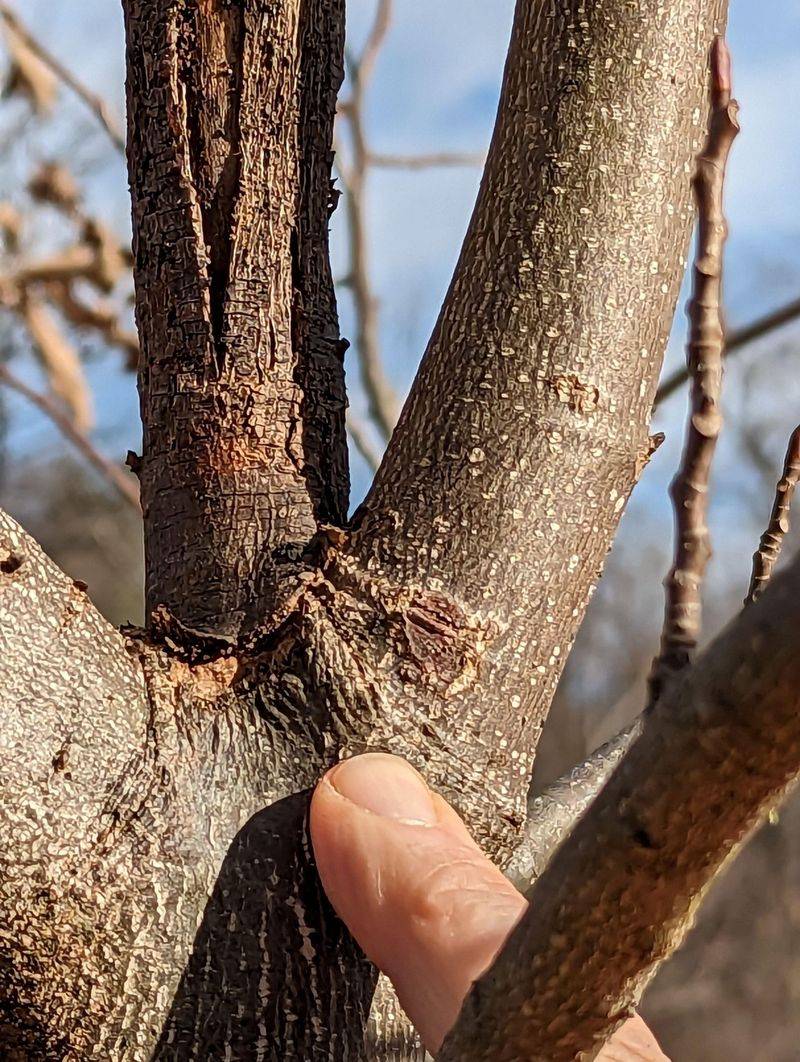
Two branches scraping together sound harmless, but that slow friction works like sandpaper on soft fig bark. Every windy afternoon on the patio this summer may have rubbed a fresh wound into your tree.
Moving a potted fig makes things worse, because branches jostle and grind against each other on the dolly. I learned this after wheeling mine into the garage and finding raw scrapes the next morning.
Open wounds give fungal spores an easy doorway into the wood, especially in damp and still storage spaces. Removing one branch from each rubbing pair ends the problem before it has a chance to start.
Pick the weaker, poorly placed branch and keep the one growing outward in a healthier direction. Cut it back to its point of origin, just outside the slightly swollen collar where it joins the limb.
That collar holds special tissue that helps the tree seal off wounds naturally over time. Slicing flush against the trunk removes it, so leave that little bump alone and let it do its work.
Smaller crossing twigs come off easily with hand pruners, while thicker limbs may need loppers or a fine-toothed saw. Sharp blades make cleaner cuts, which close faster and look much tidier by next spring.
You might be surprised how much more open the tree looks after just a couple of these careful snips. Personally, I find the calmer, uncluttered shape makes the whole storage process feel less stressful.
3. Thin Inward Growing Shoots From The Fig Canopy
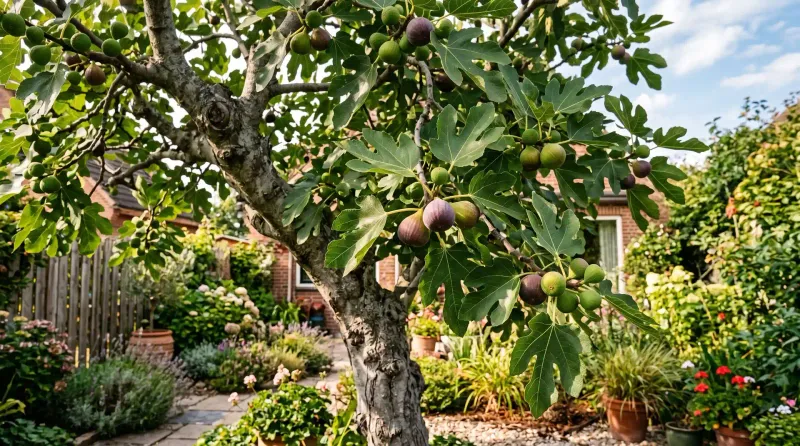
Shoots aimed straight at the center of a fig act like uninvited guests crowding into a tiny kitchen. They block light and trap moisture, and the tree gains very little from keeping them around.
Air movement matters a lot for figs, since stagnant, humid conditions encourage leaf diseases and fungal trouble. An open center lets breezes flow through and helps sunlight reach developing fruit next summer.
Better light inside the canopy often leads to more even ripening, which every fig lover appreciates in August. Nobody enjoys watching half the crop sweeten while the shaded fruit stays hard and stubbornly green.
Find branches heading inward and trace each one back to where it starts on a larger limb. Make your cut just outside the branch collar, keeping the blade angled slightly away from the trunk.
Before storage, keep this thinning light and target only the most obvious offenders tangled in the middle. Larger structural thinning works better in late winter, when the tree has rested and you can see clearly.
I like stepping back after every few cuts, since it is surprisingly easy to remove more than you planned. A quick look from across the yard shows the overall shape far better than staring up close.
Bare branches make this job simpler once the leaves have dropped and the framework stands fully visible. You can spot crowded areas in seconds, which feels a bit like reading a map for the first time.
4. Pull Suckers From The Base Of Your Fig
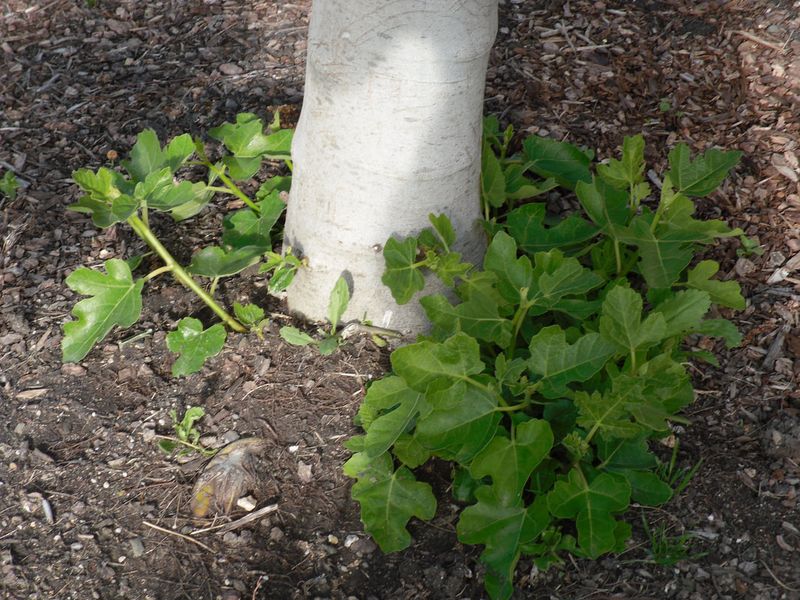
Sneaky green shoots popping up from the soil around a fig trunk grow with remarkable speed and confidence. Gardeners call them suckers, and they can steal energy that your fruiting branches would rather keep.
Water sprouts are their upright cousins, shooting straight up from branches like skinny green flagpoles. Both types of growth tend to be vigorous but rarely produce the tidy, productive structure you actually want.
Snip suckers at or slightly below soil level, pulling back a little potting mix to reach the base. Cutting them low keeps fresh shoots from sprouting right back from a leftover stub next spring.
Water sprouts can be removed where they emerge from the branch, using clean pruners and a steady hand. If one sits in a useful spot, you could keep it as a future replacement limb instead.
Some growers prefer a bushy, multi-trunk fig, and in that case a few strong suckers become welcome additions. Many cold-climate gardeners like this form because new trunks can replace any that suffer winter injury.
Personally, I keep my potted figs on a single short trunk, because that shape fits through doorways more easily. You need to decide which style suits your space before you start trimming away extra shoots.
Removing this growth before storage also makes the tree lighter and less awkward to tip onto a hand truck. Fewer stems poking out sideways means fewer snapped branches on the way into the garage.
5. Shorten Tall Potted Figs To Fit The Garage
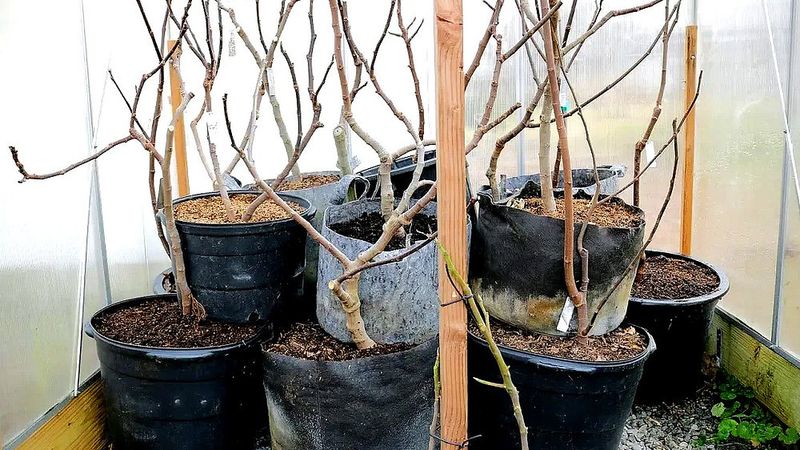
Garage doors have a funny way of shrinking every autumn, at least when you are hauling a seven-foot fig. Shortening long branches before the move saves your back and protects the tree from scrapes.
Figs handle size control remarkably well, and many growers top their potted trees to keep them manageable. These plants bounce back with vigorous new shoots once warm weather returns and the roots wake up.
Measure your storage spot first, including ceiling height and the width of any doorway you must squeeze through. Then trim only the branches that stick out too far, rather than shearing the whole tree evenly.
Cut each branch just above an outward-facing bud, leaving about a quarter inch of stem above it. New growth will head outward from that bud next season, keeping the canopy open instead of crowded.
Keep fall size trimming fairly light, because the tree is still settling into dormancy and storing energy. Save the heavier shaping for late winter, after the coldest stretch has passed and buds are still closed.
Many Ohio gardeners wait until a few light frosts drop the leaves before moving pots indoors for winter. A cold, dark spot that stays between about 25 and 40 degrees keeps the tree resting quietly.
I have to admit, trimming a fig shorter feels a little sad after watching it stretch all summer. Still, a compact tree that fits safely beats a tall one with broken limbs on any day.
6. Trim Last Year’s Fig Growth For Main Crop Fruit
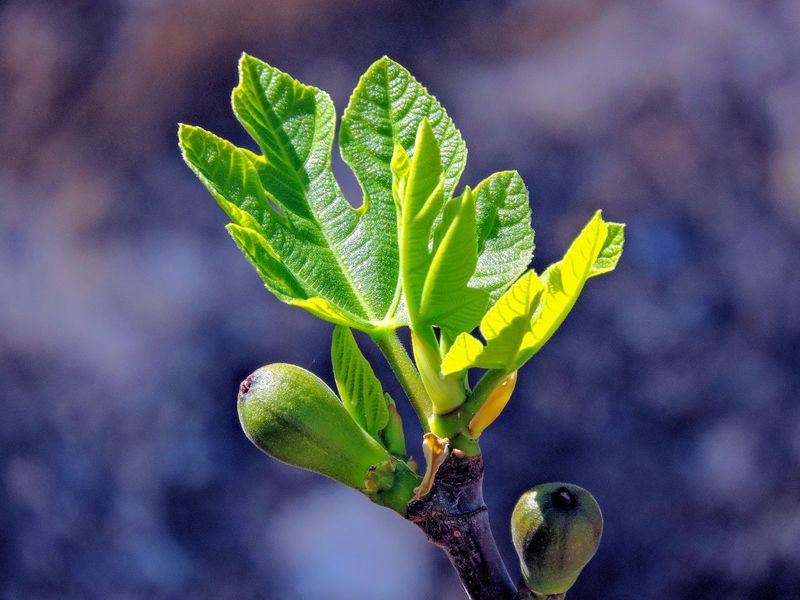
Cold winters often ruin the early breba crop, which forms on last year’s wood and gets nipped by frost. That leaves the main crop, which grows on brand-new shoots, as the real prize for northern growers.
Cutting back some of last season’s growth encourages fresh shoots, and those shoots carry the fruit you want. Many growers remove roughly one-third of that growth to keep the tree producing well each year.
Timing matters here, so I treat this as a late winter task while the tree still sleeps in storage. Pruning just before buds swell lets you see winter damage and avoid wasting the tree’s stored energy.
Before the move, you might only tip back a few extra-long whips that make the tree hard to handle. Leave most of last year’s wood for now, then finish the job once the hardest freezes have passed.
Choose cuts just above a healthy bud, preferably one facing outward toward open space in the canopy. Each bud you keep can become a shoot loaded with figs by late summer, depending on the variety.
Varieties like Chicago Hardy and Celeste are popular with cold-climate gardeners because they ripen main-crop fruit reliably. Brown Turkey also shows up often, though its ripening can run late in shorter seasons.
What surprises me most is how a fig responds to thoughtful cutting with even more fruit the following year. Fewer, stronger shoots usually beat a tangle of weak growth when harvest time finally arrives.
7. Protect The Main Fig Scaffold Limbs
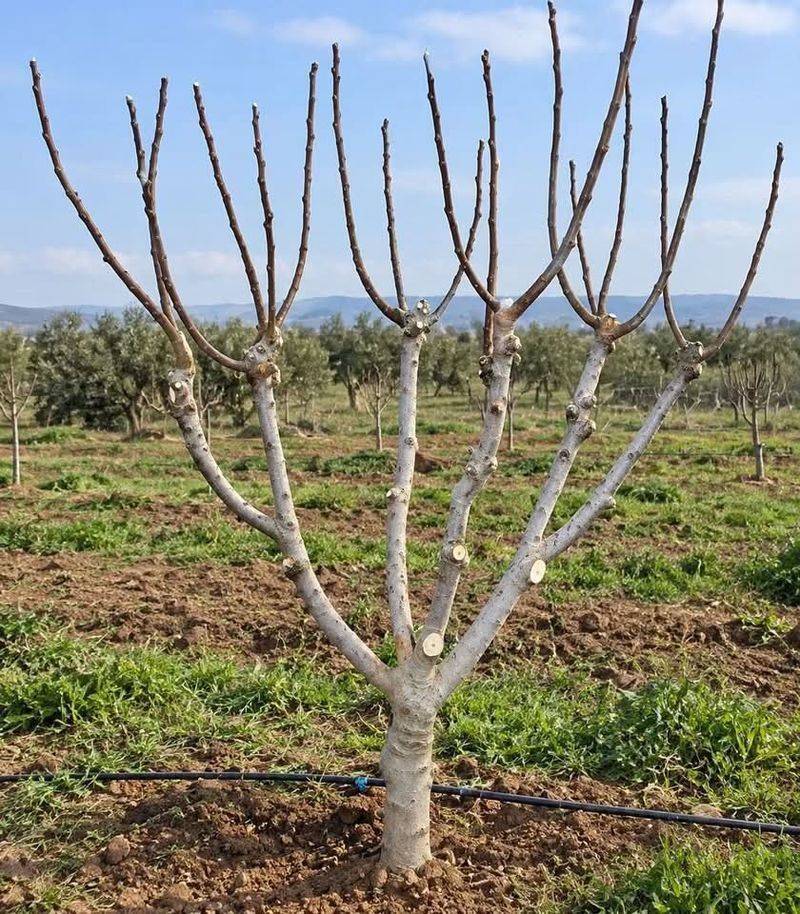
Every fig has a skeleton, and those thick main limbs carry years of growth and future harvests. Treat them like the load-bearing walls of a house, because removing one changes everything about the structure.
Scaffold branches form the permanent framework that supports smaller fruiting shoots during each growing season. Most pruning should focus on those smaller side branches and new growth rather than the sturdy main limbs.
Large cuts on thick wood leave big wounds that take a long time to close, especially on resting trees. Those openings can invite decay organisms, and a stored fig has limited ability to respond quickly.
Before moving your tree, step back and identify the strong limbs that give it balance and good shape. Mark them mentally as off-limits, then make your smaller cuts around them with careful attention.
If a scaffold limb truly blocks the doorway, consider tying it gently inward with soft twine for the trip. I use old strips of fabric, which hold branches snugly without biting into the tender bark.
Tying branches together also reduces wind resistance if you need to move the pot across the yard. Just loosen the ties once the tree settles into storage, so nothing cuts into the bark over winter.
Protecting this framework pays off for years, since a well-built tree produces more predictable harvests. You can remove a limb later if needed, but no glue reattaches one after a hasty cut.
8. Thin Old Tired Fig Limbs On Mature Trees
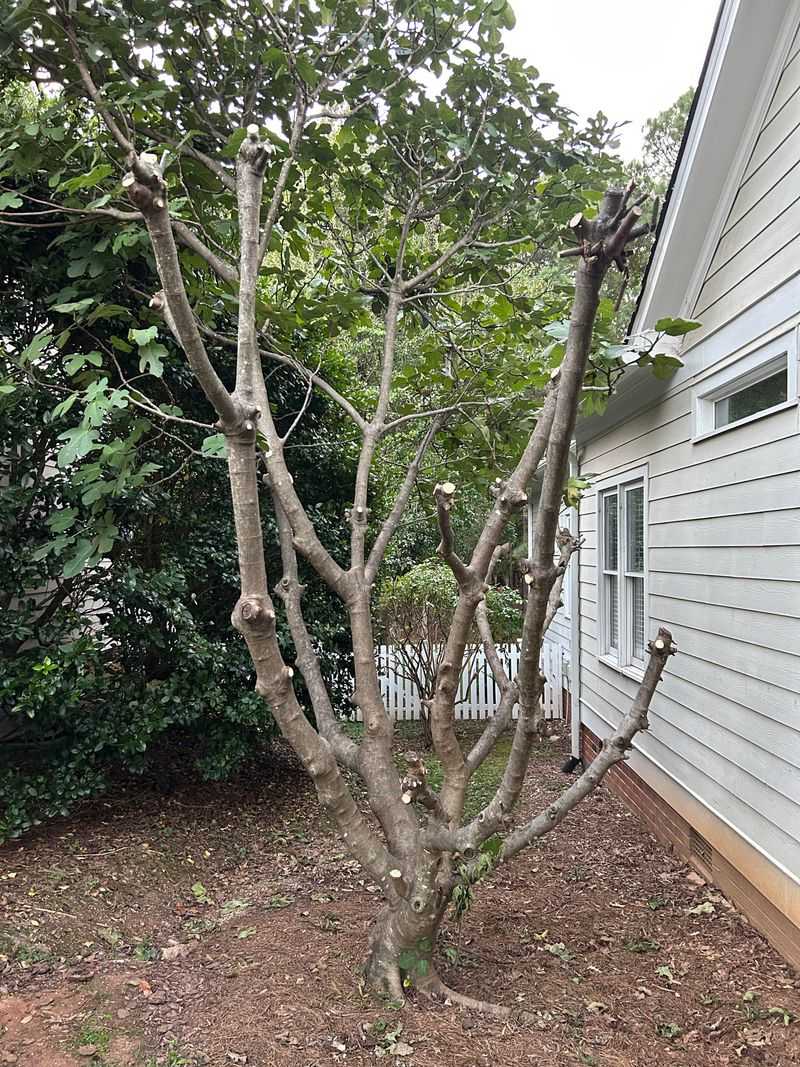
Older fig trees sometimes slump into a lazy phase, producing short shoots and fewer figs each year. A little thoughtful thinning can wake them up, and the transformation feels almost magical by midsummer.
Experts note that mature figs producing little new growth benefit from removing some of their older wood. Many guides suggest a healthy tree should push about a foot of new growth during each season.
Look for gray, gnarled limbs that bear only stubby twigs and rarely ripen fruit anymore. Removing one or two of these opens space for younger, more productive branches to fill in over time.
Spread this renewal across several seasons instead of tackling every old limb at once in one afternoon. Heavy removal in a single year can stress the tree and reduce your harvest more than expected.
Since big cuts belong in late winter, I simply mark candidates with a bright ribbon before storage. That way I remember which limbs to remove when spring arrives and I am back outside again.
Thinning older wood also tends to increase fruit size, because the tree directs energy toward fewer branches. Bigger, juicier figs make a lovely reward for a little patience with your pruning saw.
Container figs in particular benefit from renewal, since their roots have limited space to support aging wood. Repotting or root pruning every few years pairs nicely with this kind of gradual branch refresh.
9. Heavy Fall Pruning Drains Stored Fig Energy
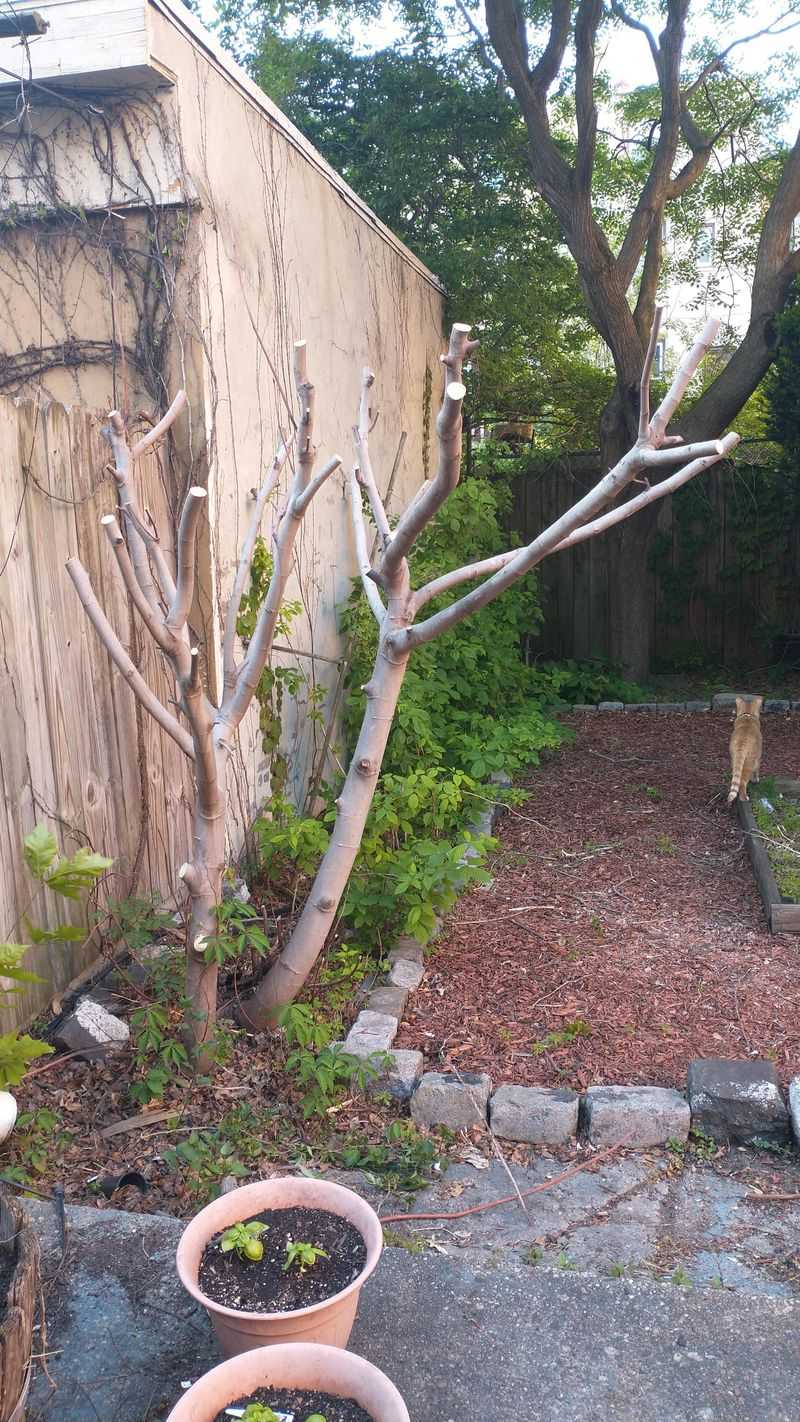
Cutting a fig hard in early fall feels productive, but the tree is quietly packing its bags for winter. Sugars from the leaves and branches move down into roots and wood for safe keeping.
Heavy pruning at this stage removes much of that stored energy before the tree finishes its seasonal shift. Spring growth may then arrive weaker, and fruit production can suffer for a full season afterward.
Fresh cuts during active growth can also bleed plenty of sticky white sap, which looks alarming and wastes resources. Late-season pruning may even trigger tender new shoots that an early frost quickly damages.
I know the temptation, especially when a sprawling tree barely fits through the garage door in October. You need to resist hacking it down to stubs just because the move feels inconvenient this week.
Instead, make only the light trims needed for safe transport, and tie floppy branches together for the trip. Most extension guides recommend saving major pruning for the dormant season, after leaves drop and growth stops.
Wait until a few frosts have stripped the leaves before you even pick up the pruners in fall. Leafless branches show the tree has slowed down, and you can see its structure much more clearly.
Patience here rewards you with a stronger tree and a better harvest when next summer rolls around. Your fig will thank you with vigorous shoots once it heads back outside in the spring sunshine.
10. Early Winter Cuts Remove Wood Too Soon
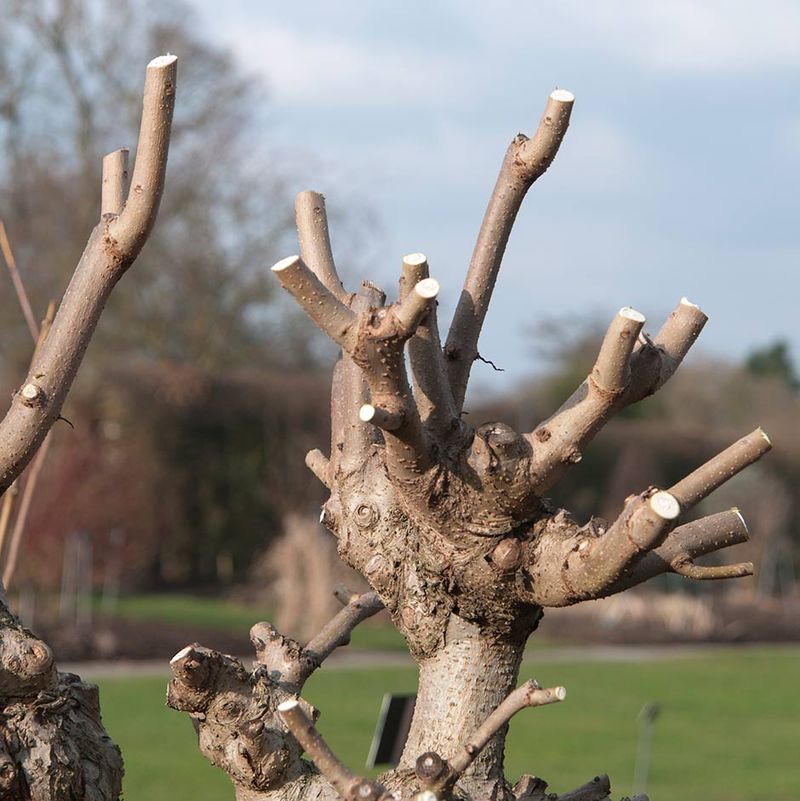
A branch that looks perfectly fine in November might show winter injury by March, even in storage. That uncertainty is why seasoned growers hold off on major cuts until the coldest weeks pass.
Garages and sheds can get surprisingly cold during January snaps across Ohio, and exposed tips sometimes suffer. If you prune hard first, then lose more wood to cold, the tree takes a painful double hit.
Late winter or early spring gives you the clearest picture, because damaged wood becomes easier to spot by then. Scratch the bark gently, and look for green tissue to decide where healthy wood begins.
Leaving a little extra length on branches acts like insurance against unexpected cold damage near the tips. You can trim back to healthy buds later without losing the shoots you actually need for fruit.
Personally, I set a calendar reminder for late winter so the pruning job does not slip my mind. Most years I tackle it a few weeks before I plan to move the tree back outside again.
Check stored trees about once a month while you wait, giving the soil a small drink if it feels dry. Roots need slight moisture through winter, but soggy pots invite rot and plenty of other trouble.
Waiting can feel strange when your sharp pruners sit right there on the garage shelf all season. Still, a little restraint protects healthy wood and leads to a stronger, happier tree by summer.
11. Bare Stubs Invite Rot Into Fig Wood
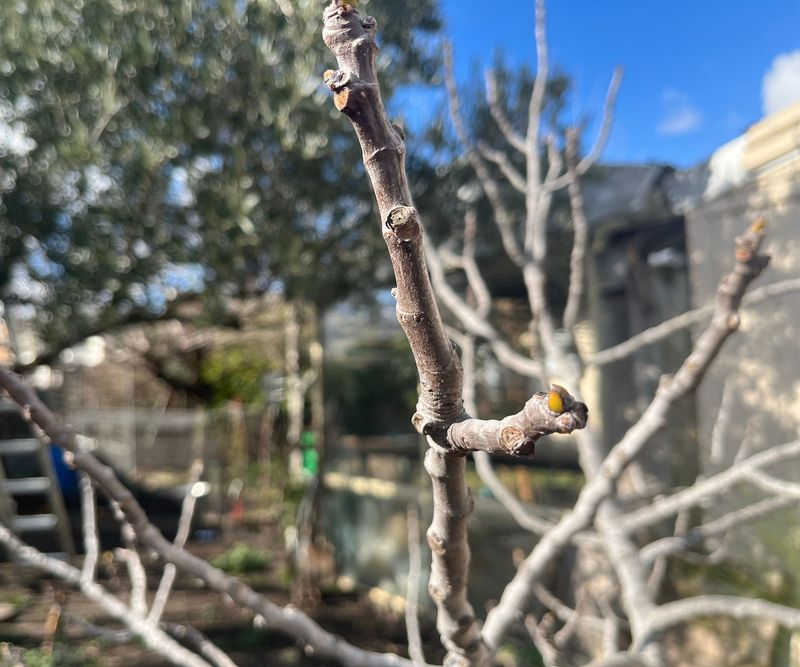
Little nubs of bare wood left after a sloppy cut look harmless, almost like tiny coat hooks on the trunk. Unfortunately, those stubs rarely heal well and often invite decay fungi into deeper wood.
Trees seal wounds best at a branch collar or just above a healthy, plump bud. A stub sits far from both, so the tree struggles to grow protective tissue over that exposed end.
Over time, the stub shrivels and decay can creep slowly downward into the main limb. I have seen hollow spots on older figs that likely started with one careless snip years earlier.
Make every cut either just above an outward-facing bud or right outside the collar where branches meet. Angle the blade slightly so water runs off instead of pooling on the fresh, open surface.
Sharp, clean tools make a huge difference, because ragged cuts tear bark and leave rough edges behind. I hone my pruners before storage season, which takes just a few minutes with a small sharpener.
Wound paints and sealers are generally not recommended, since research shows they can trap moisture and slow healing. Clean cuts made at the right spot do far more good than any coating you brush on.
You might notice that tidy cuts close faster and look much neater by the middle of next summer. Your future self will appreciate those careful snips every time you admire a healthy, productive fig.