This Fast Forager Is Working Overtime In Minnesota’s Evergreens Right Now
A single animal can pile up a heap of chewed cone scales several feet wide, all under one evergreen tree. I found one of these heaps last fall in a Minnesota woodlot, and it looked like someone had shredded a hundred pine cones by hand.
The culprit weighs about half a pound. It can snip green cones from a spruce faster than you can count them as they hit the ground. Then it races down, gathers them up, and hauls them off to a secret stash.
You might notice a loud, rattling scold coming from your pines as you walk past. I used to think a bird was making that racket.
Turns out the noise comes from a tiny landlord who wants you off its property. Across Minnesota, the cone harvest is in full swing. Who is this busy little worker, and what is it planning for winter?
That Scolding Chatter in Your Spruce Trees Has a Small Source
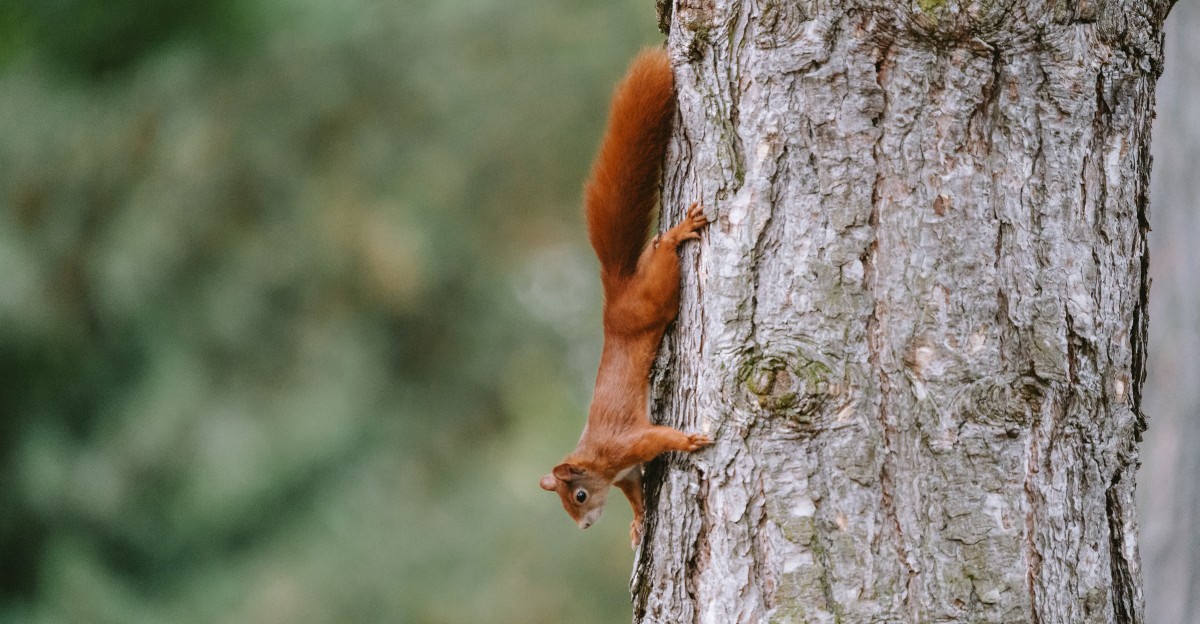
Walk under a big spruce in fall and you may get yelled at. The sharp, rattling trill sounds almost like a fishing reel spinning out. That noisy critic is the American red squirrel, and it means business.
Red squirrels are the smallest tree squirrels in the state besides flying squirrels. They weigh only about 5 to 8 ounces and measure roughly a foot long, including the tail.
Look for rusty red fur on the back, a bright white belly, and a crisp white ring around each eye.
In winter, their coat gets thicker and they grow little ear tufts. A dark stripe often runs along each side, dividing the red back from the pale belly. Once you know these marks, you will spot them quickly.
I love how much attitude fits into such a small body. They stamp their feet, flick their tails, and chatter from a safe branch. The show is mostly a warning that says this tree is taken.
Red squirrels live across much of Minnesota, especially in the north where conifer forests are common.
In southern towns, you will find them wherever pines and spruces grow, including parks, cemeteries, and backyards with mature evergreens.
Falling Pine Cones Mean the Red Squirrel Harvest Has Begun
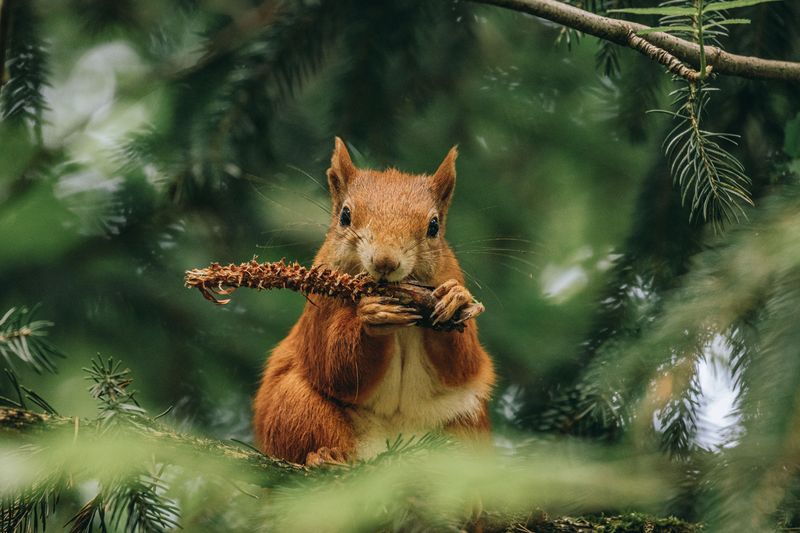
If green cones are dropping around your pines on a calm day, look up A red squirrel is likely snipping them off one after another.
Late summer through fall is harvest season. Conifer seeds ripen at this time, and red squirrels race to collect cones before they open and release those seeds. A closed cone keeps its seeds packed inside, which makes it a perfect lunchbox for later.
The squirrel bites through the stem, lets the cone fall, and keeps going. After a big batch hits the ground, it climbs down and carries each cone off in its mouth. Researchers have watched single squirrels gather thousands of cones in one season.
White pine, red pine, jack pine, white spruce, and balsam fir all make the menu. Some years, trees produce huge cone crops, and other years they produce very few.
The squirrels adjust their effort to match what the forest offers. You may also see a squirrel with sticky sap smeared on its fur. Pine pitch is part of the job.
Watching from a window with a cup of coffee is one of my favorite fall habits, and it costs nothing.
A Pile of Shredded Cone Scales Is a Red Squirrel Midden
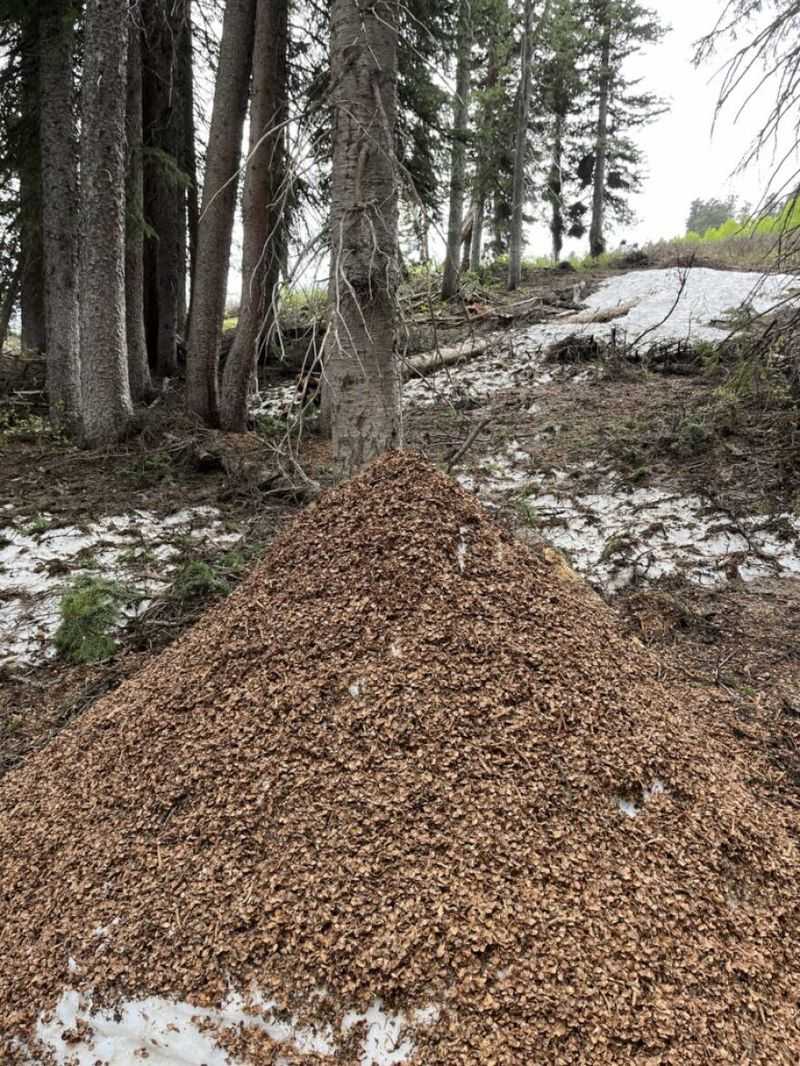
Found a big mound of brown flakes under an evergreen? Congratulations, you have discovered a midden. This is the red squirrel’s pantry and dining room rolled into one.
Red squirrels are called larder hoarders. Instead of burying single nuts all over the yard like gray squirrels, they store most of their food in one or a few central spots.
They sit on a favorite log or stump, peel the scales off cones, eat the seeds, and drop the leftovers below.
Over years, those scraps pile up. Some middens grow several feet across and can be used by many generations of squirrels. Fresh cones get tucked into the pile, into hollow logs, or into tunnels underneath.
Location matters. Middens are often in cool, shady, damp places, which helps keep stored cones closed and the seeds fresh through winter. A sunny, dry spot would let cones open and spill their prize.
If you find one in your yard, try to leave it alone. Raking it up removes the squirrel’s winter food supply.
Other animals, like voles and even small owls hunting those voles, also make use of these busy little piles.
Mushrooms Drying on Tree Branches Are Part of the Plan
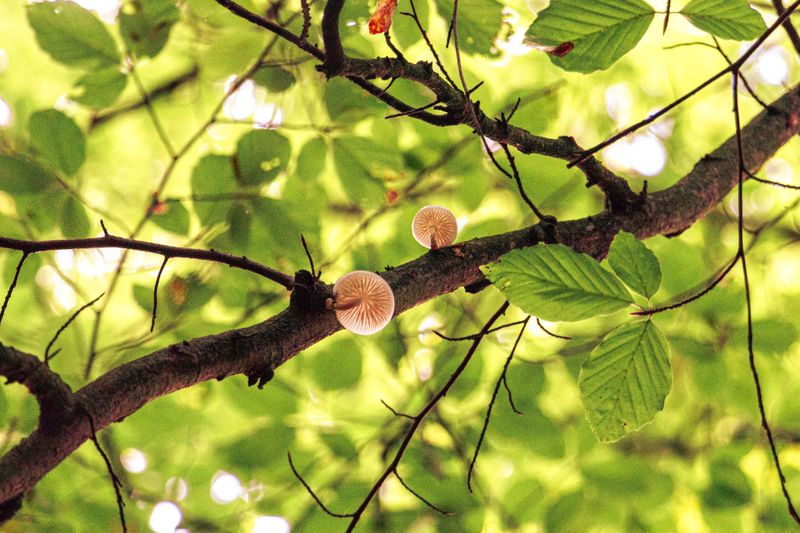
Here is a sight that confuses plenty of hikers. A mushroom sits wedged in the crotch of a pine branch, six feet off the ground. No, it did not grow there.
Red squirrels pick mushrooms and set them in trees to dry. Dried fungi keep much longer than fresh ones, so the squirrels move them into their stores later.
They can safely eat some kinds of mushrooms that would make people very sick, so please do not take a hint from them on that one.
Cones are the main menu, but these squirrels eat a lot more. They munch on tree buds, maple seeds, hazelnuts, acorns, berries, flowers, and insects. In spring, they sometimes nick maple bark and lick the sweet sap that drips out.
They are also known to eat bird eggs and young nestlings now and then. That habit is natural, even if it bothers some bird lovers. It is part of how a small predator survives a northern year.
Next time you walk through Minnesota woods in fall, scan the branches at eye level. Spotting a squirrel’s drying mushroom feels like finding a tiny secret left out in plain view.
Red Squirrels Guard Their Evergreen Territory With Real Grit
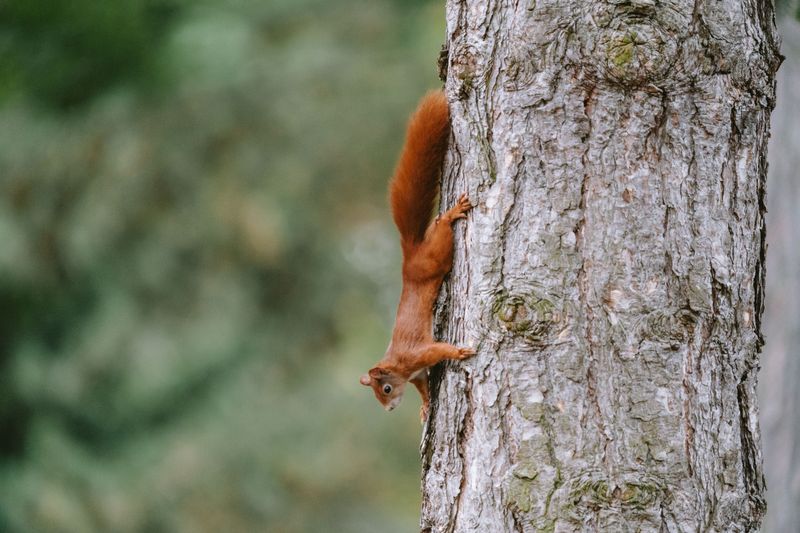
Picking a fight with something ten times your size takes nerve. Red squirrels do it anyway. Each red squirrel usually defends its own territory around its midden.
The size depends on how much food the area produces, but it often covers an area roughly the size of a large backyard or a little more.
Rich cone areas can mean smaller territories, since less space is needed. That loud rattle call works like a fence. It tells neighbors that this land and its stash are claimed.
Squirrels without a territory have a tough time making it through winter, so the stakes are high.
Theft is a real risk. Other red squirrels will raid an unguarded midden, and chipmunks or birds may help themselves too. Constant patrolling keeps losses low.
Young squirrels born in spring must find their own spot by fall. Sometimes a mother leaves part of her territory, or even her midden, to her offspring. That generous move gives a youngster a head start before the snow falls.
Snow Tunnels Lead Red Squirrels Back to Their Winter Cone Stash
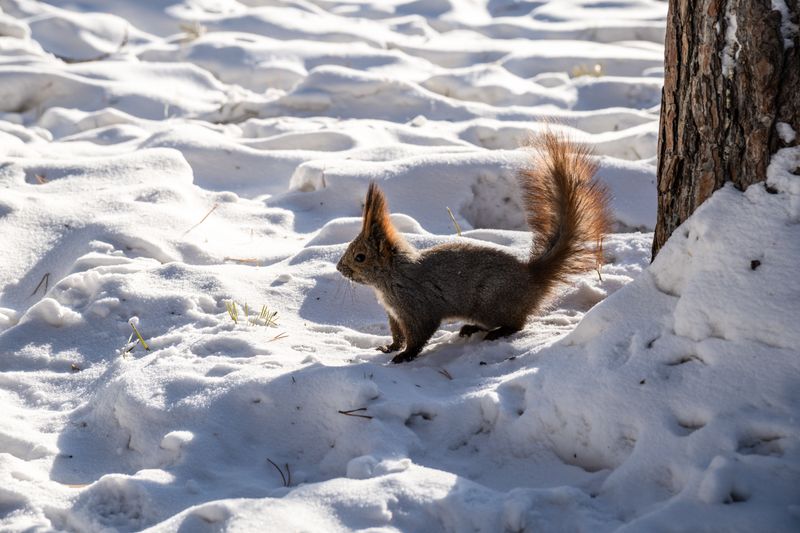
When January cold settles in, all that fall hustle pays off. Red squirrels do not hibernate. They stay active through the coldest months, eating from the food they packed away.
On bitter days, they spend more time in their nests. These may be leafy balls high in a tree, hollow cavities, or burrows under the ground. Many squirrels dig tunnels under the snow that connect their nest to their midden.
Snow actually helps. It works like a blanket, holding warmth near the ground and keeping wind out. A squirrel can slip below the snow, grab a cone, and eat without facing the full chill.
Look for small holes in the snow near the base of evergreens. Tracks leading in and out, with fresh cone bits scattered around, are a strong clue someone is home.
On mild, sunny winter afternoons, you may still see them sitting on a branch working a cone. I always smile when I catch one stripping scales in a snowstorm. It feels like proof that good planning wins out in the north woods.
Your Attic Is Not a Good Place for a Red Squirrel Pantry
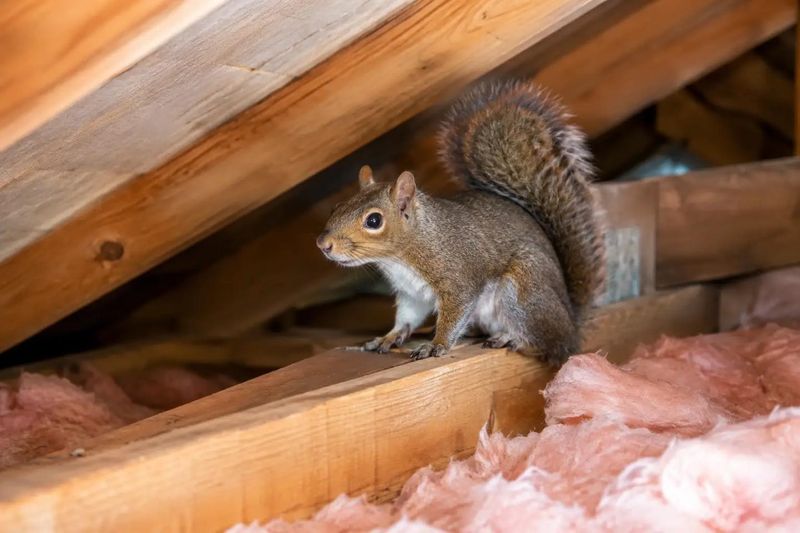
A cozy squirrel nest sounds cute until it is above your bedroom. Red squirrels sometimes move into attics, sheds, and cabins, especially those near tall evergreens. Fall is when many go looking for warm shelter and storage.
Signs include scratching in the walls at dawn, chewed wood or vents, and cone scraps in odd places like porches or garages. Some homeowners even find stashed nuts in boots or drawers in seasonal cabins.
The best fix is prevention. Trim branches back several feet from your roof so squirrels cannot leap over.
Check soffits, vents, and chimney areas, then seal gaps with metal mesh or flashing they cannot chew.
Before sealing anything, make sure no squirrel is still inside, particularly in spring when babies may be present. A one-way exclusion door lets animals leave but not come back in.
Minnesota rules on trapping and moving wildlife can be tricky, so check with the DNR before trying it yourself.
A licensed wildlife control professional is a smart call for stubborn cases. Removing feeders and spilled seed near the house also lowers the attraction quite a bit.
Planting Native Pines and Spruces Gives These Foragers a Future
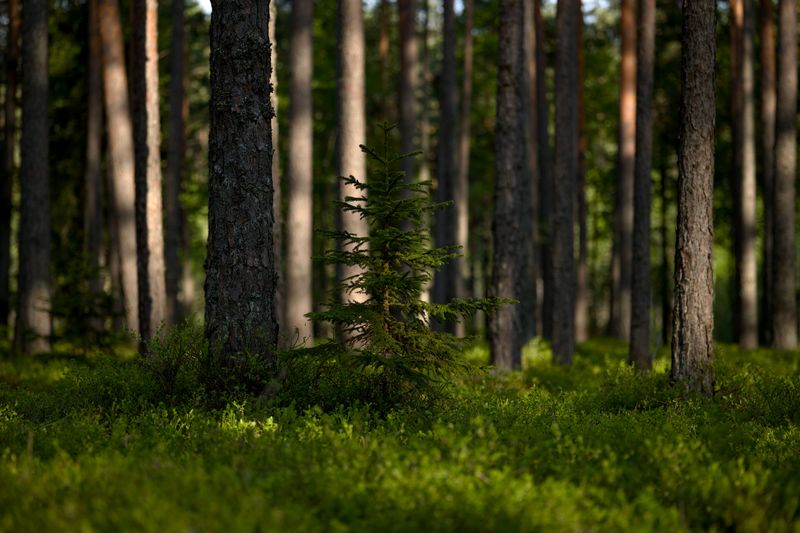
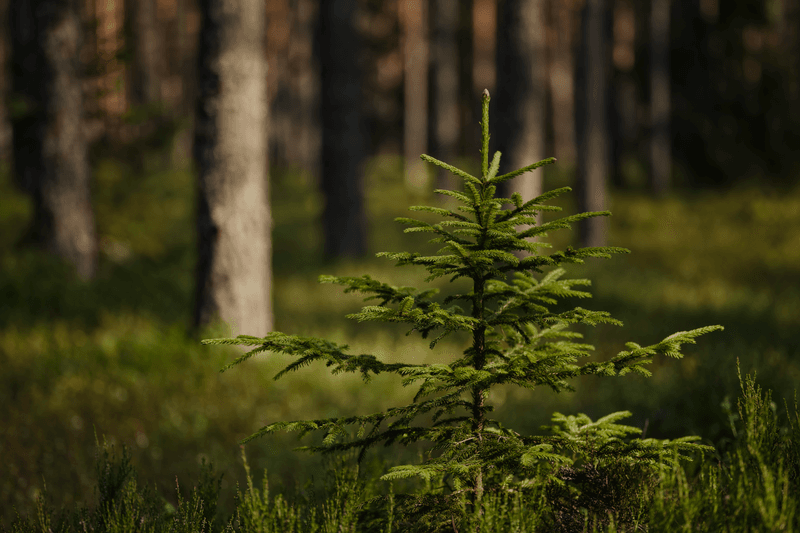
Want a front row seat to the cone harvest? Plant the trees that fuel it. A yard with native conifers gives red squirrels food, cover, and nesting spots for years.
Good choices include white pine, red pine, white spruce, and balsam fir. Each one fits much of Minnesota well, though balsam fir and white spruce prefer cooler, moister northern sites.
Check your local conditions and soil before you dig. Fall is a fine time to plant evergreens, as long as you get them in several weeks before the ground freezes. Water deeply until freeze-up so roots can settle.
A layer of wood chip mulch helps hold moisture over winter. Skip non-native, invasive trees and shrubs. Native conifers support far more local wildlife, from chickadees and crossbills to the squirrels themselves.
Leave some leaf litter, logs, and old stumps where they sit. These become lookout posts and dining tables.
My best tip is simple: slow down and watch. Red squirrels are noisy, clever, and endlessly busy, and a little patience turns your backyard evergreens into the liveliest show in the neighborhood.