What To Do With Acorns Covering Your Ohio Lawn
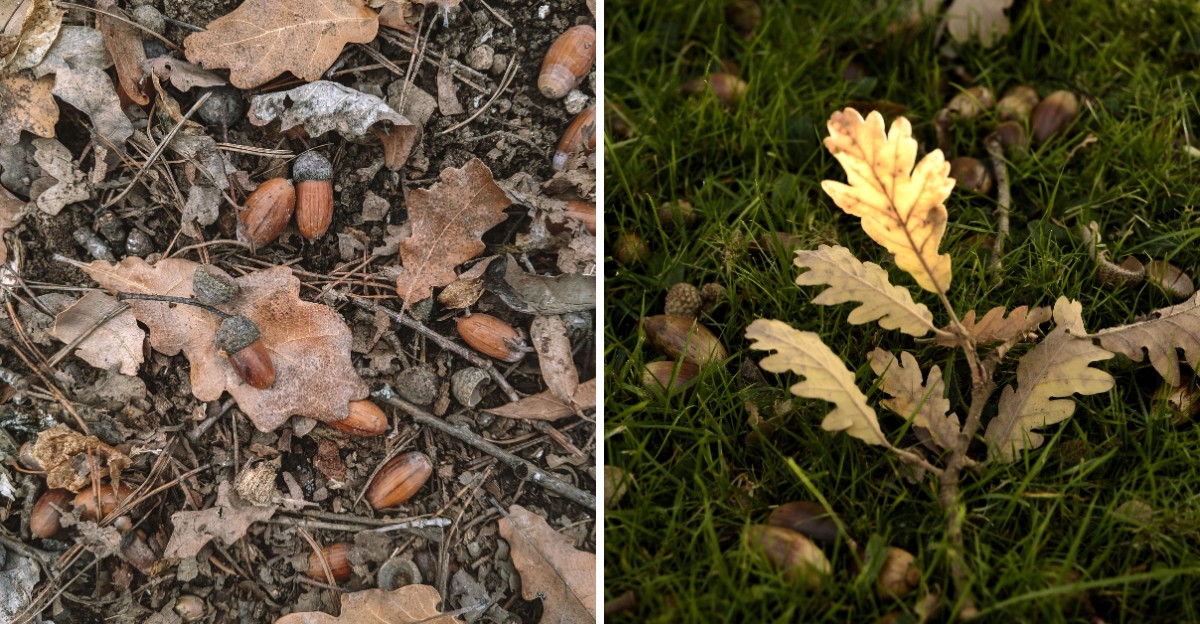
A single mature oak can drop thousands of nuts in one autumn, and some years it drops far more than others. Scientists call those heavy years mast years, and nobody can predict them perfectly.
I love that sound of a nut bouncing off the deck at dawn. I like it a lot less when I roll an ankle on the way to the mailbox. Across Ohio, plenty of yards look like someone spilled a giant bag of brown marbles.
Here’s a fun twist. Those hard little nuts feed blue jays, wild turkeys, deer, squirrels, and dozens of other creatures through the cold months. One tree is basically a wildlife grocery store.
Should you rake them, mow them, compost them, or leave a few for the critters? You’re in for a surprise, because the smartest answer depends on where they land.
That Carpet Of Oak Nuts Is Telling You Something About This Year
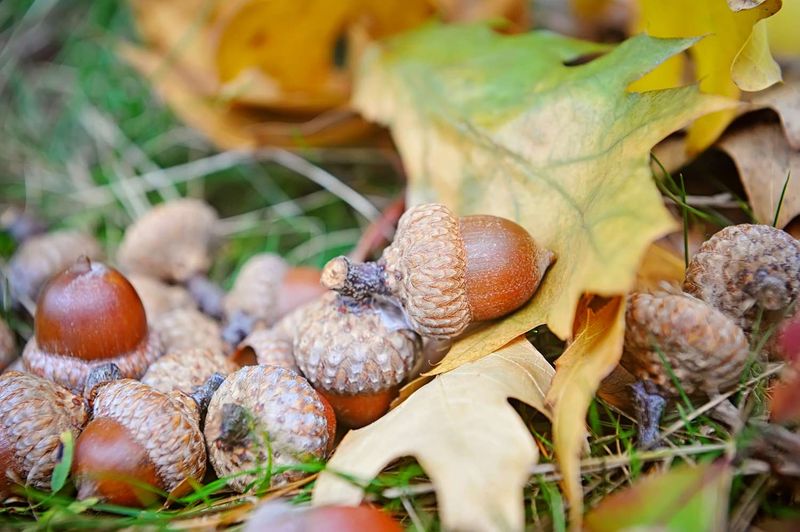
Oak trees run on a boom and bust schedule. Some autumns bring a light sprinkle, while others bury the grass in nuts, and that swing is perfectly normal.
Foresters call a big year a mast year. Researchers believe oaks sync up these heavy crops across a region, possibly guided by spring weather during flowering.
When a whole neighborhood of oaks produces at once, squirrels and jays simply cannot eat them all, so more acorns survive to sprout.
The Ohio Division of Wildlife runs an annual mast survey, counting acorns on white and red oaks at sites across the state. Results shift year to year and even between oak types, so one tree might be loaded while the next one barely produces.
White oak acorns ripen in a single season and fall from late summer into fall. Red oak acorns take two seasons to mature, and they often keep dropping later into autumn.
Knowing this helps you plan. A heavy crop is not a sign your tree is sick or stressed.
It just means cleanup may come in waves over several weeks, so one big raking session probably will not finish the job.
Rake Or Sweep The Acorns Before You Fire Up The Mower
Mowing over a thick layer of acorns sounds like a shortcut. In reality, your mower can fling them hard enough to dent siding, crack a window, or sting anyone standing nearby.
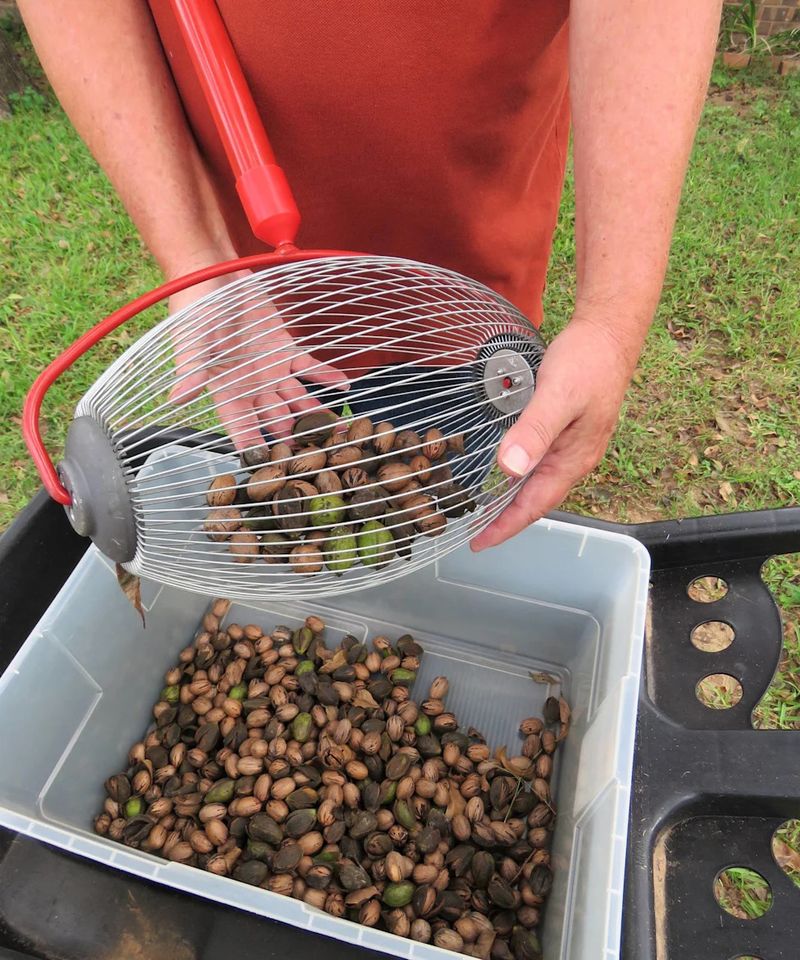
Collect them first whenever the pile is heavy. A stiff-tined leaf rake works fine on dry grass, and dry days make the job far easier because wet nuts stick to the blades and to each other.
Got a big yard? A push or tow-behind lawn sweeper picks up acorns and leaves in one pass.
Rolling nut gatherers, those wire cage tools on a handle, scoop acorns without bending, which my back appreciates every October.
A leaf blower can push acorns onto a tarp for quick hauling. On patios and driveways, a sturdy push broom clears the rolling hazard fast.
If only a light scattering remains, a mulching mower with a sharp blade can handle it. Keep people and pets well away, and wear eye protection.
Spread the work out. Quick sessions every few days during peak drop beat one exhausting weekend battle, and they keep the nuts from settling into the turf.
Toss Those Collected Acorns Into The Compost Pile The Smart Way
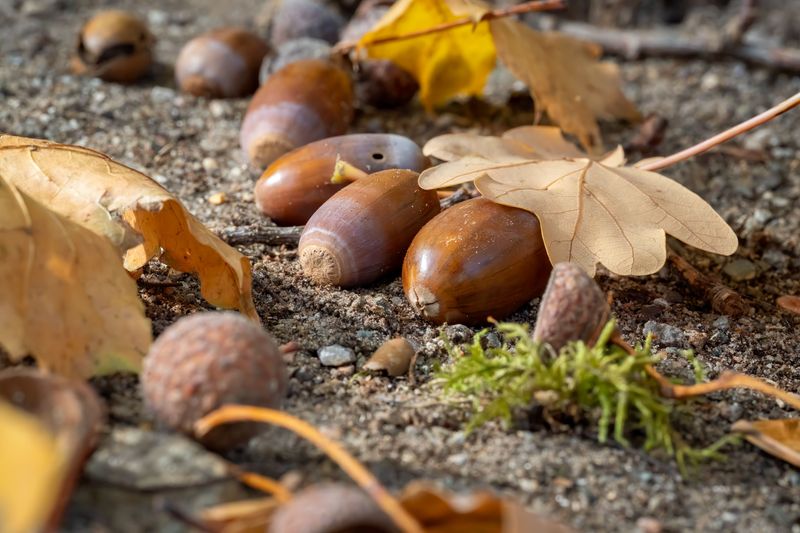
My first compost pile taught me a lesson. Whole acorns sat there for ages looking exactly the same, because that tough shell resists breaking down.
Acorns count as a carbon-rich brown material, like dry leaves. The trick is to crack them open.
Run them over with a mower on a tarp, smash them with a tamper, or crush them in a bucket with a heavy board.
Mix the crushed bits with green materials such as grass clippings and vegetable scraps. A good balance keeps the pile warm and active.
Turn it every week or two so oxygen reaches the middle.
Acorns hold tannins, the same bitter compounds you taste in strong tea. In a mixed pile, those tannins get diluted and should not cause trouble, so there is no need to worry about adding a reasonable amount.
Do not dump a huge mountain of pure acorns into one bin, though. Spread them out over several weeks alongside other material.
Many Ohio communities also accept acorns with yard waste pickup in fall. Check your city or county rules for bags, bundles, or curbside dates.
Blue Jays And Wild Turkeys Will Happily Take Some Off Your Hands
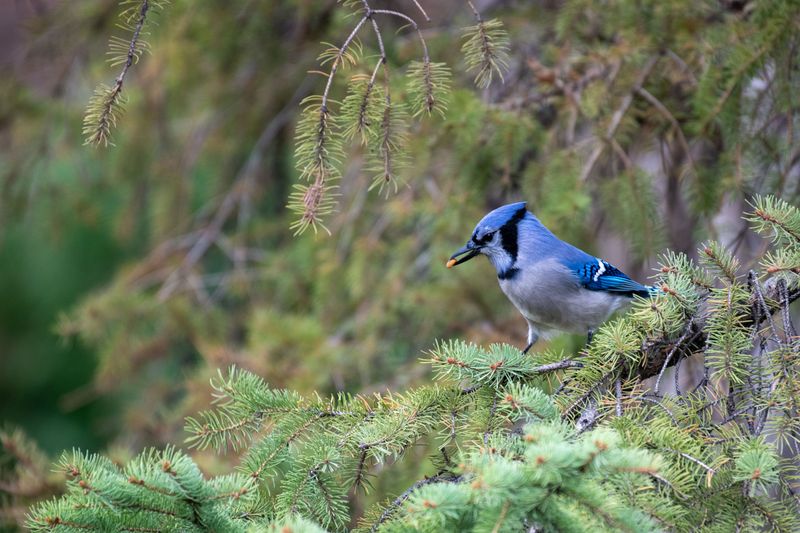
Watch a blue jay for ten minutes in fall and you will see a busy little farmer. These birds carry acorns away and bury them, and the ones they forget can grow into new oaks.
Acorns rank among the most valuable wildlife foods in eastern forests. White-tailed deer, wild turkeys, wood ducks, squirrels, chipmunks, mice, and jays all lean on them heading into winter.
Fat and carbohydrates in the nuts help animals build reserves.
So consider sharing. Pour a bucket of collected acorns along a woodland edge, a brushy back corner, or under shrubs where critters already travel.
Keep them away from your house, garden beds, and bird feeders to avoid drawing rodents close.
One caution matters here. Feeding deer can be restricted in some Ohio cities and villages, and piling food can concentrate animals.
Check local rules before setting out large heaps.
Letting acorns stay naturally in a wooded spot works too. No raking needed, and the wildlife does the cleanup.
Personally, I keep a small section unraked every year. The parade of visitors outside my window makes it worth a little messiness.
Thick Acorn Layers Can Smother Grass And Invite Squirrel Digging
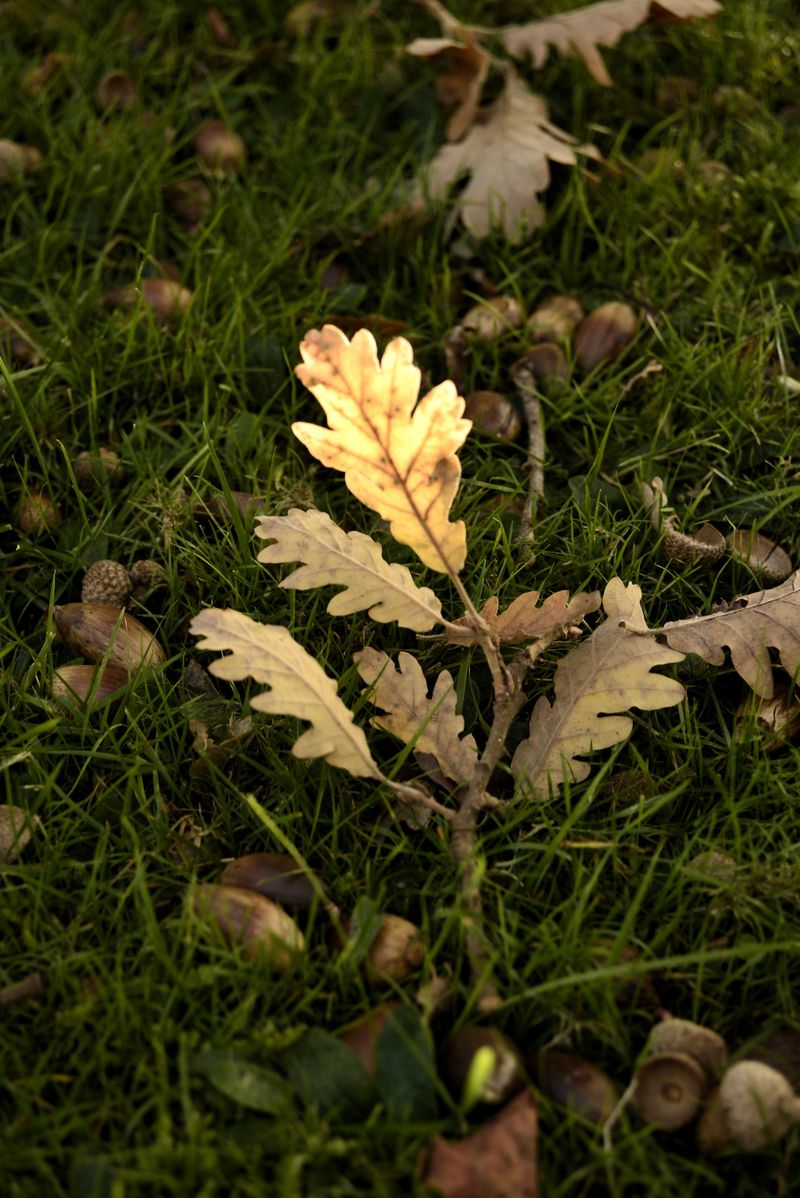
Grass under a big oak already has a rough life. Shade, root competition, and fallen leaves all push it toward thin, patchy growth.
Add a dense blanket of acorns and conditions get tougher. A heavy layer blocks light and holds moisture against the blades, which can weaken turf heading into winter.
Leaves mixed with acorns make that cover even thicker.
Then come the diggers. Squirrels bury acorns one at a time, leaving small holes across the lawn.
Chipmunks and other critters join the hunt, and a bumper crop can turn tidy turf into something that looks lightly shelled.
Fall is a key growing season for Ohio cool-season grasses like tall fescue and Kentucky bluegrass. Keeping the surface reasonably clear helps them soak up sunlight while temperatures are mild.
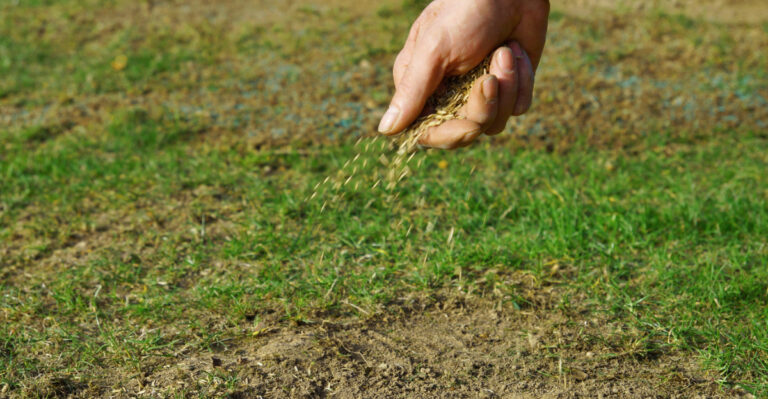
Fill noticeable squirrel holes with a bit of soil and tamp them down. A light overseeding in early fall can help bare spots, though seed under dense oak shade often struggles.
Acorns themselves are not poisonous to grass. The trouble comes from the smothering cover, so even partial cleanup makes a real difference.
Keep Dogs And Horses Away From Big Piles Of Fallen Acorns
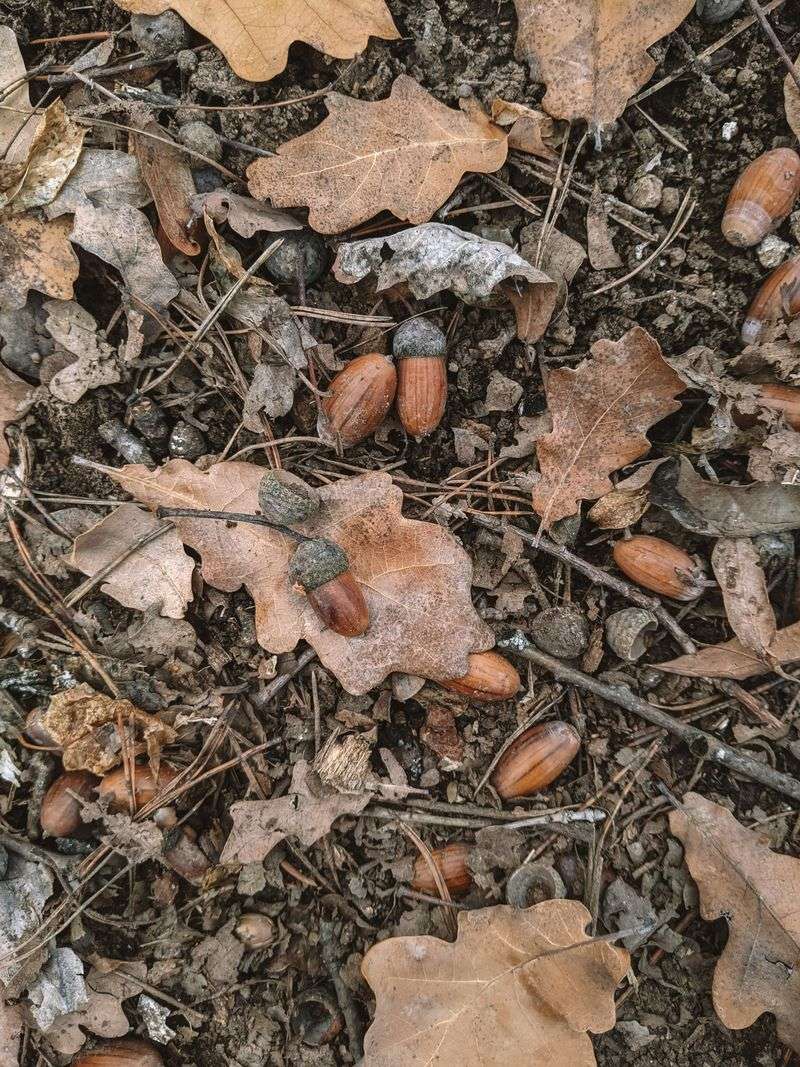
Here comes the safety section, and it matters for pet owners. Acorns contain tannins that can upset animal stomachs when eaten in quantity.
Veterinary sources note that dogs who munch acorns may vomit, have diarrhea, or seem sluggish. The hard shells can also cause choking or block the gut, especially in smaller dogs.
Puppies that chew everything are the biggest worry.
Livestock face a bigger risk. Cattle and horses that eat large amounts of green acorns or oak leaves can develop oak poisoning, which harms the kidneys.
Ohio farm families with pastures under oaks often fence off those areas during heavy drop years.
For backyard dogs, simple habits help. Clear acorns from the spots where your pup plays, and supervise trips into the yard during peak fall.
Teach a leave-it command if yours is a snacker.
Call your vet if your pet eats a lot of acorns or shows stomach trouble. Quick advice beats waiting to see what happens.
Kids are lower risk, but toddlers can choke on small round objects. Keep play areas tidy while the oaks are busy.
Tiny Oak Seedlings Will Pop Up Next Spring If You Wait

Spring has a funny way of revealing what fall left behind. Suddenly little oak sprouts with lobed leaves poke up through the lawn and flower beds.
White oak acorns often sprout roots soon after falling in autumn. Red oak acorns usually wait through winter cold before germinating in spring.
Either way, missed nuts and forgotten squirrel stashes turn into a crop of baby trees.
Regular mowing clips most lawn seedlings before they get going. In beds and along fences, though, they can grow a long taproot surprisingly fast.
Pull them while young, ideally after rain when soil is soft, and grab low to get the root.
Small seedlings snapped off at the surface may resprout. A hand weeder or narrow trowel helps lift the whole root.
Want to grow an oak on purpose? Collect healthy acorns, toss any that float in a bucket of water, and plant a few in pots.
Native oaks are among the best trees for supporting caterpillars and birds.
Many communities and native plant groups welcome extra seedlings. Sharing them feels a lot better than tossing them.
A Mulched Bed Under Your Oak Tree Makes Next Fall So Much Easier
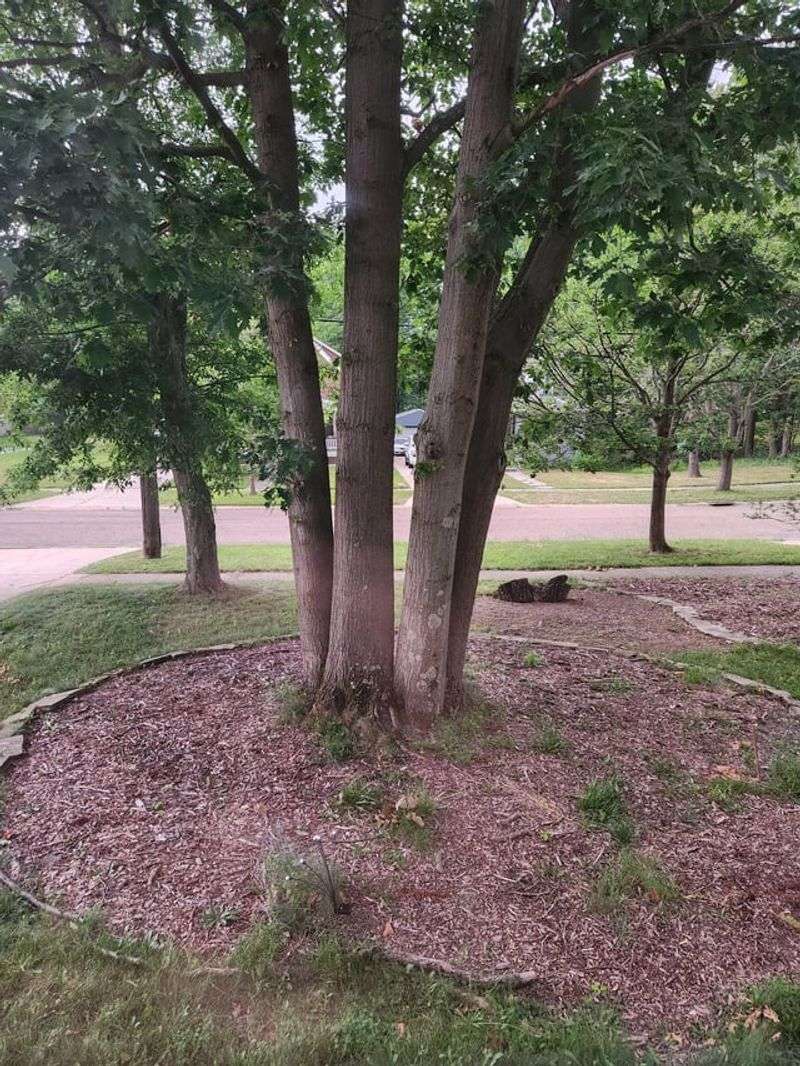
After years of fighting grass under my oak, I finally gave up the battle. Swapping turf for a wide mulched bed was the best yard decision I have made.
Under a mature oak, mulch handles acorns gracefully. Nuts simply settle in, break down slowly, or get carried off by wildlife.
Nobody needs a perfectly raked bed, and there is no mower turning nuts into flying pellets.
Spread two to three inches of wood chips, keeping mulch a few inches away from the trunk. Skip the tall volcano pile, which can harm bark.
Avoid heavy digging too, since oak roots sit mostly in the top foot of soil.
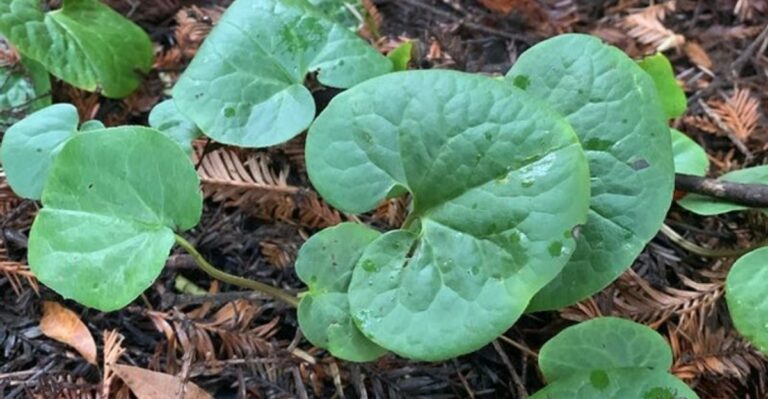
Tuck in shade-loving native plants for extra charm. Wild ginger, wild geranium, and native sedges fit nicely in much of Ohio and attract helpful insects.
For lawn areas you keep, try spreading tarps under the tree in late summer before peak drop. Then you can fold them up and dump acorns where you want them.
Remember that the oak itself is a treasure. Plan around its rhythm, and every fall feels less like a chore.