Who’s Responsible When a Neighbor’s Leaves Pile Up in Your Florida Yard?
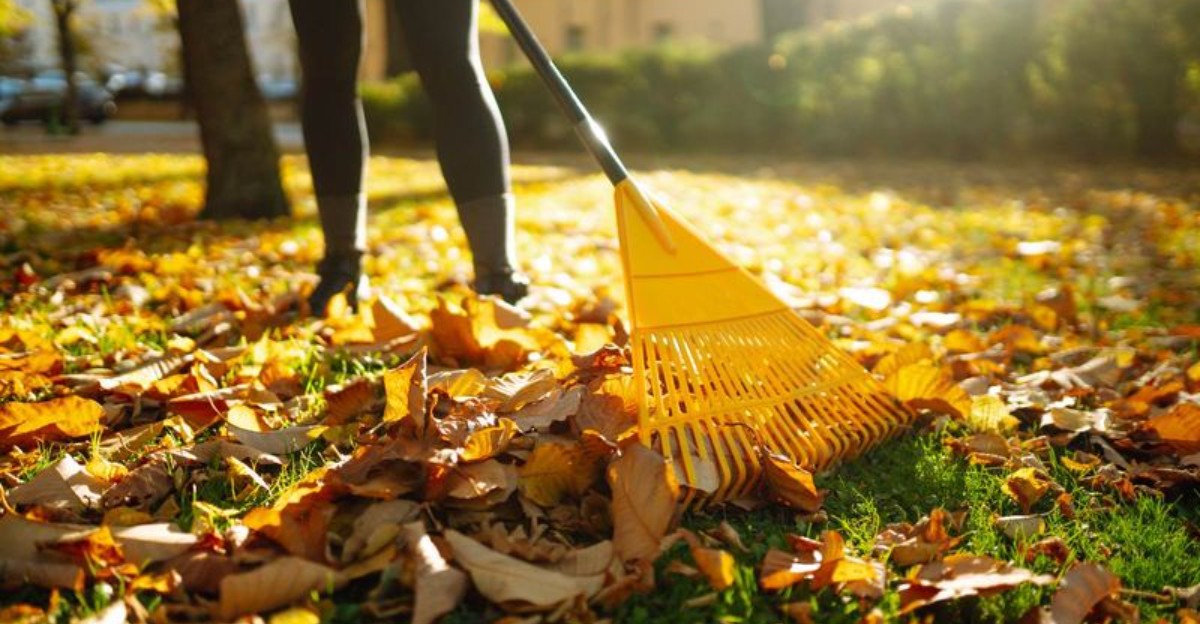
A single mature live oak can drop tens of thousands of leaves in one spring, and every one of them ignores property lines. In much of Florida, oaks shed their old leaves in late winter and early spring, right as new ones push out.
I’ve raked piles taller than my compost bin and grumbled the whole time. I bet you have too, especially when the tree belongs to someone else and the mess lands on your lawn, patio, or pool.
So who should be holding the rake? Most people assume the tree owner must clean up. The legal answer surprised me, and it might surprise you as well.
There are also a few situations where the rules shift in a big way. Knowing them could save you money, stress, and maybe a friendship with the folks next door.
Ready to find out who really owns that leaf pile?
1. Those Oak Leaves on Your Lawn Have a Surprising Owner
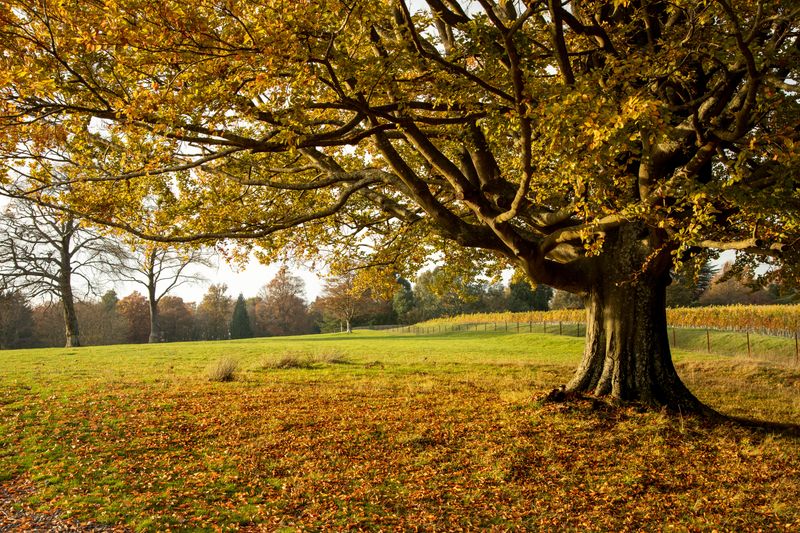
Once a leaf crosses the fence and lands on your grass, it’s basically yours. Under Florida common law, natural debris like leaves, acorns, pine needles, and small twigs from a healthy tree is treated as a normal part of life.
That means the homeowner whose yard catches the leaves usually handles the cleanup. Your neighbor generally isn’t liable just because their healthy oak sheds on schedule.
Courts have reasoned that allowing lawsuits over every falling leaf would flood the system with petty disputes.
I’ll admit that felt unfair the first time I learned it. Then I realized my own crape myrtle drops blooms into the yard next door every summer.
Trees share their mess in both directions, and the law reflects that reality.
Live oaks and laurel oaks are common culprits across the state. They often drop most of their old leaves in a short burst from late winter into spring.
Southern magnolias shed tough leaves year-round, which can feel endless.
So before you knock on a door with a complaint, know where you stand. For routine leaf fall from a healthy tree, the rake is probably in your hands.
The rules do change, though, once branches, roots, or tree health enter the picture.
2. Overhanging Branches Give You the Right to Trim
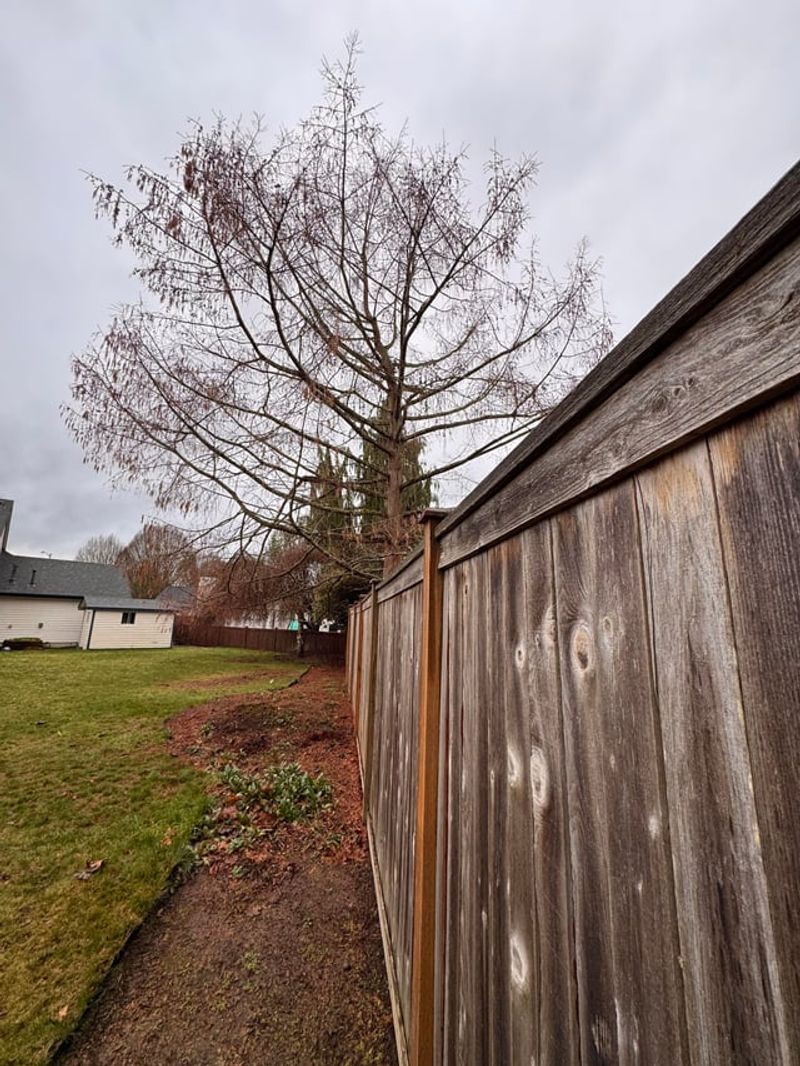
Leaves may be your problem, but branches hanging over your yard give you real power. Florida recognizes a right of self-help, so you can trim limbs that cross into your airspace, up to the property line.
You usually don’t need your neighbor’s permission for this. That said, a quick heads-up keeps things friendly and avoids surprise when they see fresh cuts on their tree.
Trimming overhanging limbs can cut down on the leaves landing in your gutters and pool. Fewer branches above your yard simply means less to drop.
It also helps sunlight reach your lawn, which matters for St. Augustinegrass struggling in heavy shade.
Keep a few practical points in mind before grabbing the saw:
You pay for the work you choose to do. Your neighbor isn’t required to cover the cost of trimming their healthy tree on your side.
Stay on your own property while cutting. Leaning ladders on their fence or stepping into their yard can count as trespass.
Make clean cuts at a branch collar when possible, following UF/IFAS pruning guidance. Ragged cuts invite decay and pests.
For big limbs or anything near power lines, call a pro instead of risking injury.
3. Heavy-Handed Pruning Can Cost You a Mature Tree’s Value
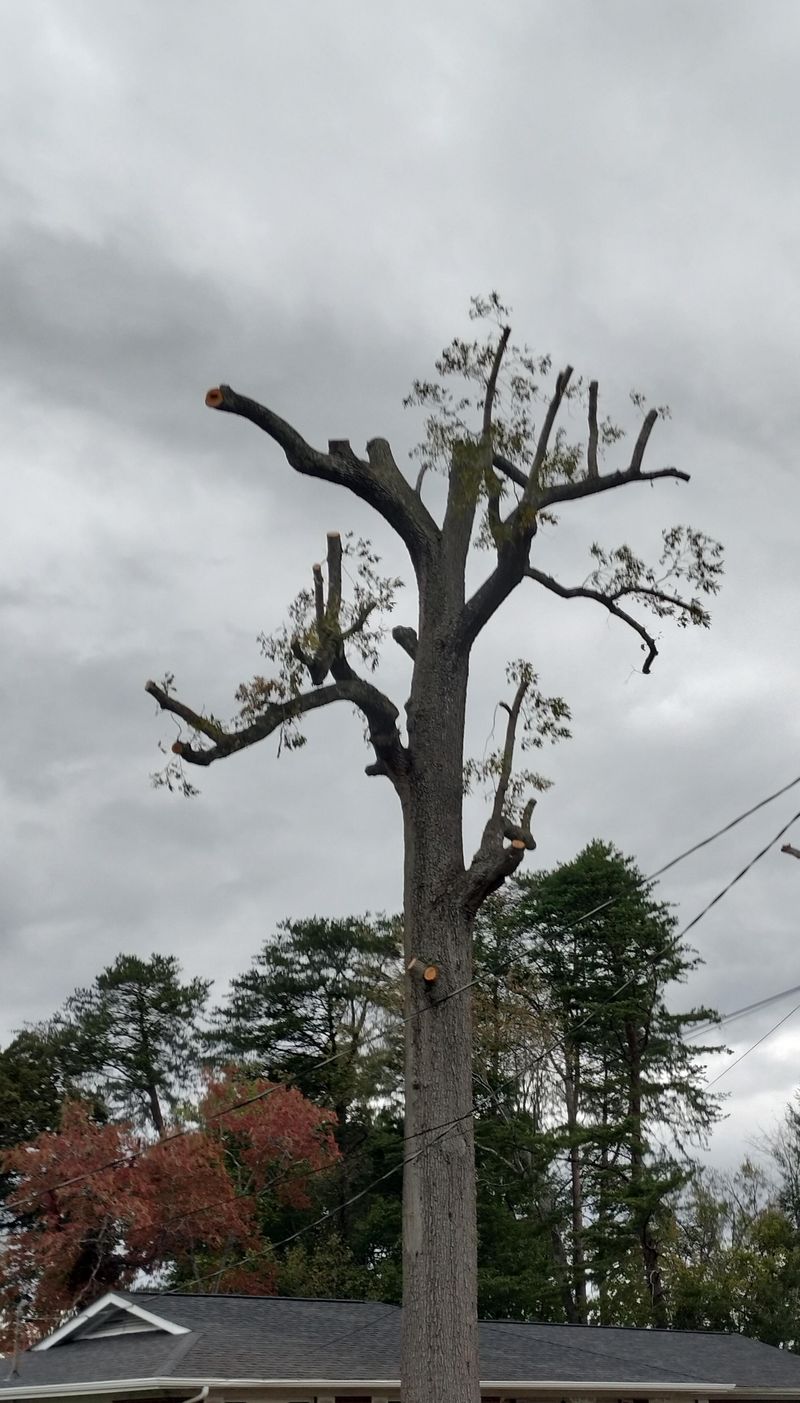
Picture-perfect pruning isn’t required, but careless cutting can backfire fast. Your right to trim comes with a big limit: you can’t seriously harm the tree.
If aggressive cutting causes your neighbor’s tree to decline or become unstable, you could be held responsible. Mature trees often carry replacement values in the thousands of dollars, and arborists use formal appraisal methods to calculate them.
Removing a huge share of the canopy at once stresses any tree. UF/IFAS experts generally advise against topping and caution against removing too much live growth in one session.
Large cuts on one side can also leave a tree lopsided and more likely to fail in a storm.
Roots raise similar concerns. Cutting major roots close to the trunk can weaken a tree’s anchor, which matters a lot during hurricane season.
My personal rule is simple: if I’d hesitate to explain the cut to the tree’s owner, I don’t make it. When a job involves thick limbs or big roots, a certified arborist can tell you how much is safe to remove.
A little patience protects your wallet, the tree, and your reputation on the block.
4. A Sickly or Hollow Tree Changes Who Pays
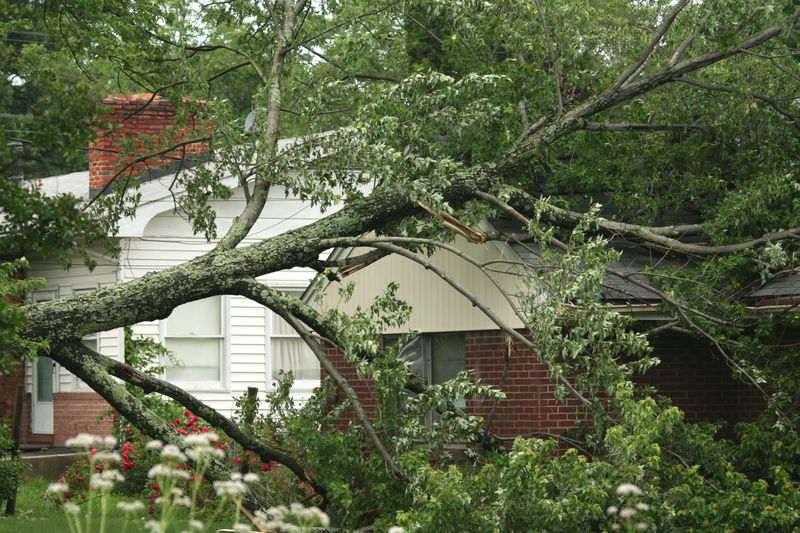
Healthy trees dropping leaves are one thing. A visibly decaying tree is a different story, and Florida law treats it differently.
If a hazardous tree or limb falls and damages your property, the owner may be liable when they knew, or reasonably should have known, about the danger and did nothing. Lawyers call this notice, and it’s often the heart of a negligence claim.
Warning signs worth watching include:
Mushrooms or conks growing at the base or on the trunk. Large cracks, cavities, or peeling bark with no leaves behind it.
Bare, brittle limbs in an otherwise leafy canopy. A sudden lean or lifting soil near the roots.
Spotting these on a neighbor’s tree? Take dated photos and send a polite written note describing your concern.
That record shows the owner was informed.
On the flip side, if a healthy tree comes down in a hurricane, it’s often treated as an act of nature. In that case, each homeowner usually turns to their own insurance for their own damage.
Checking your policy before storm season starts on June 1 is a smart move for every Floridian.
5. A Tree Trunk Straddling the Property Line Belongs to Both of You
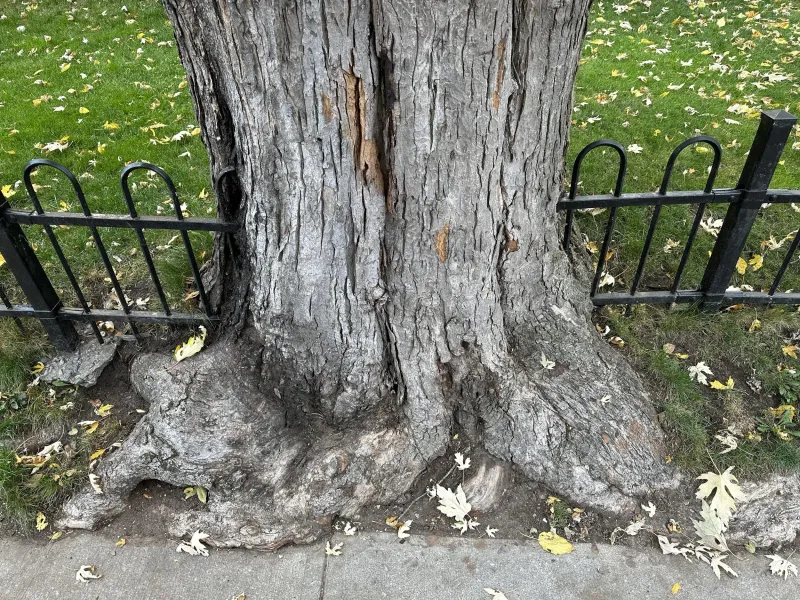
Some trees refuse to pick a side. When a trunk sits right on the boundary, it’s often called a boundary tree, and both owners typically share it.
That shared ownership means neither of you should remove it or make drastic changes alone. Cutting down a boundary tree without agreement can lead to claims for its lost value or the shade and beauty it provided.
Leaves from a shared tree feel especially awkward. Who rakes?
Honestly, the answer usually stays the same: whatever lands on your side is yours to handle.
The bigger questions involve care and cost. A shared tree may need pruning, a health check, or eventual removal.
Splitting those bills is fair, but it takes a conversation and ideally something in writing.
I’d suggest a short, signed note listing what you both agreed on. It doesn’t need fancy language, just names, the plan, and who pays what.
Not sure where the line actually runs? A licensed surveyor can settle it.
Guessing wrong about a property line has sparked plenty of neighborhood feuds, and a survey costs far less than a court case.
6. Your HOA Rulebook and Local Tree Permits Might Have a Say
Plenty of Florida neighborhoods add their own layer of rules on top of state law. Homeowners association covenants often address tree care, debris, and yard upkeep.
Some HOAs require owners to keep trees trimmed back from shared spaces or neighboring lots. Others limit which trees you can remove.
Reading your declaration and rules could reveal tools you didn’t know you had.
Cities and counties matter too. A 2019 state law, section 163.045 of Florida Statutes, says local governments can’t require a permit to prune or remove a tree on residential property when a certified arborist or licensed landscape architect documents that it poses a danger.
Outside that exception, many local tree ordinances still apply. Removing a protected tree without a required permit can bring fines.
Debris rules vary as well. Many cities ask you to bag leaves or place yard waste at the curb on specific days.
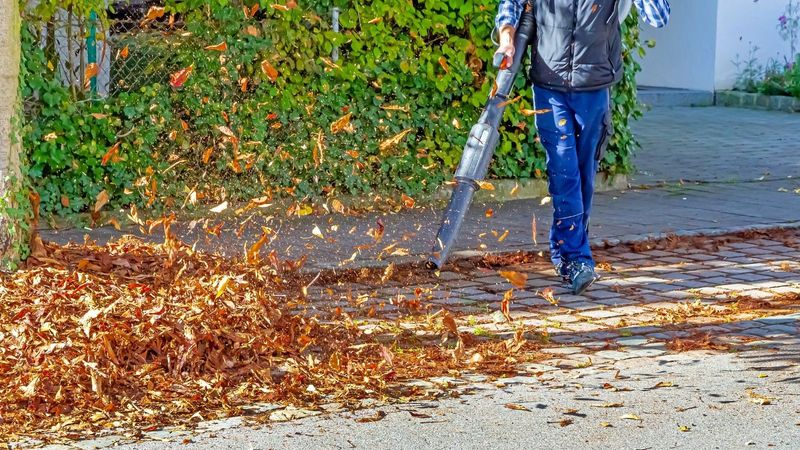
Blowing leaves into the street or storm drains is discouraged because it can clog drains and add nutrients to waterways.
Before you trim, remove, or dump anything, a five-minute call to your HOA or city office can save serious headaches.
7. A Friendly Chat Over the Fence Beats a Lawsuit Every Time
Most leaf disputes start with frustration, not bad intentions. Your neighbor might not even realize how much their tree drops on your side.
Pick a calm moment, not right after you’ve spent three hours raking. Lead with something kind, like how much you enjoy the shade their oak provides.
Then share the specific problem. Clogged gutters, a leaf-filled pool, or a branch scraping your roof are easy to understand.
Photos help keep the talk about facts instead of feelings.
Come ready with a few ideas:
Offer to split the cost of a trimmer who can handle both sides in one visit. Neighbors often save money booking together.
Suggest a shared cleanup weekend during peak spring leaf drop. Some folks turn it into a cookout, which beats any courtroom.
Ask whether they’d be open to an arborist check if the tree looks unhealthy. Framing it as safety for both families keeps defenses down.
If talks stall, community mediation programs exist in many Florida counties and cost far less than lawyers. A good relationship next door is worth more than winning an argument about acorns.
8. Turn That Leaf Pile Into Free Mulch for Your Garden
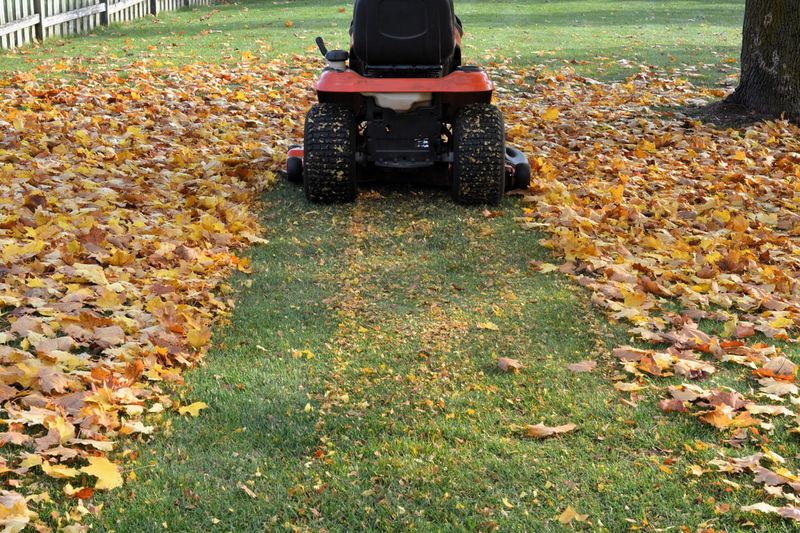
Here’s my favorite twist: those annoying leaves are free garden gold. UF/IFAS encourages Florida gardeners to keep leaves out of landfills and use them as mulch or compost.
Shredded oak leaves make a lovely mulch around shrubs and flower beds. A layer of about two to three inches helps hold moisture, cools roots, and slows weeds.
Keep mulch a few inches away from trunks and stems to avoid rot.
A mulching mower can chop light leaf layers right into your lawn. The small pieces break down and return nutrients to the soil.
Got more leaves than you can use? Start a compost pile by mixing dry leaves with green material like grass clippings or kitchen scraps.
Turn it every few weeks, and Florida’s warmth speeds things along nicely.
A few more next steps worth taking:
Clean gutters after the spring oak drop to prevent overflow during summer storms.
Keep leaves out of streets and drains, since they can harm local waterways.
Save a bag of dry leaves for later compost layers. Once you start treating leaves as a resource, the pile next door feels a lot less like a burden.