What Georgia Law Says About Trimming A Neighbor’s Overhanging Branches
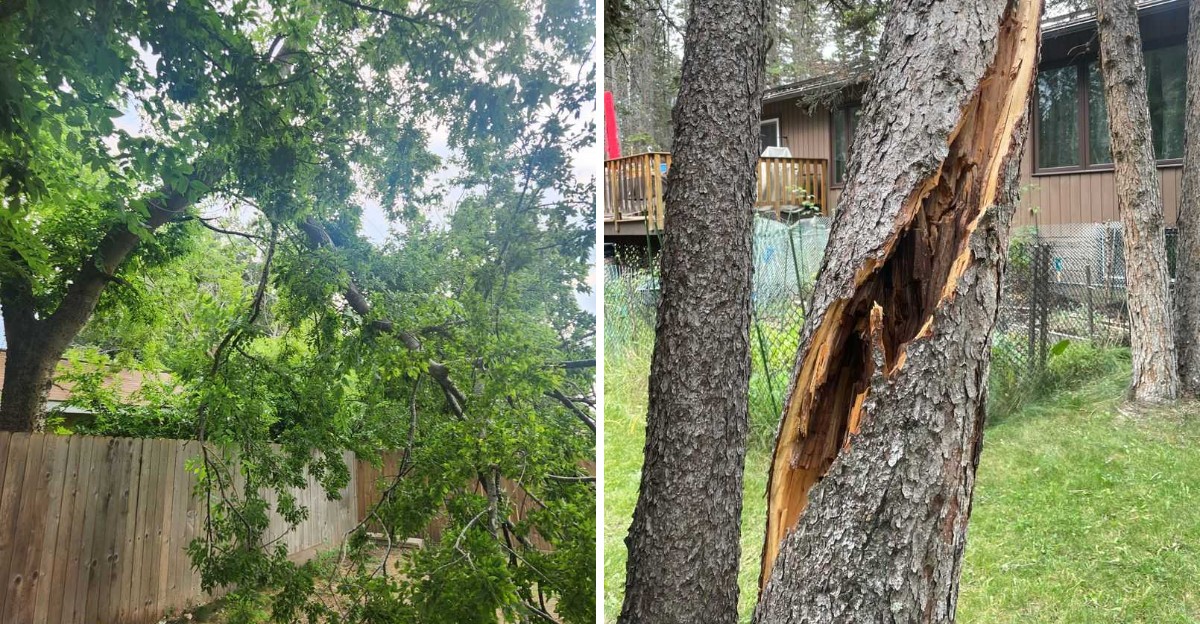
Branches hanging over your property line may be yours to trim under Georgia law, even without asking the tree’s owner first. Yes, really.
No permit slip, no polite note, no waiting period in most cases.
That freedom comes with strings attached, though. Cut too much, step one foot over the line, or harm the trunk, and you could owe your neighbor serious money for the tree.
I love a shady yard as much as anyone. Still, I can’t imagine watching a heavy oak limb creep toward my roof every stormy season and doing nothing about it.
Knowing where your trimming rights end and who is responsible when a branch falls could save you from a costly mistake with your neighbor.
1. Those Branches Over Your Fence Are Partly Your Call
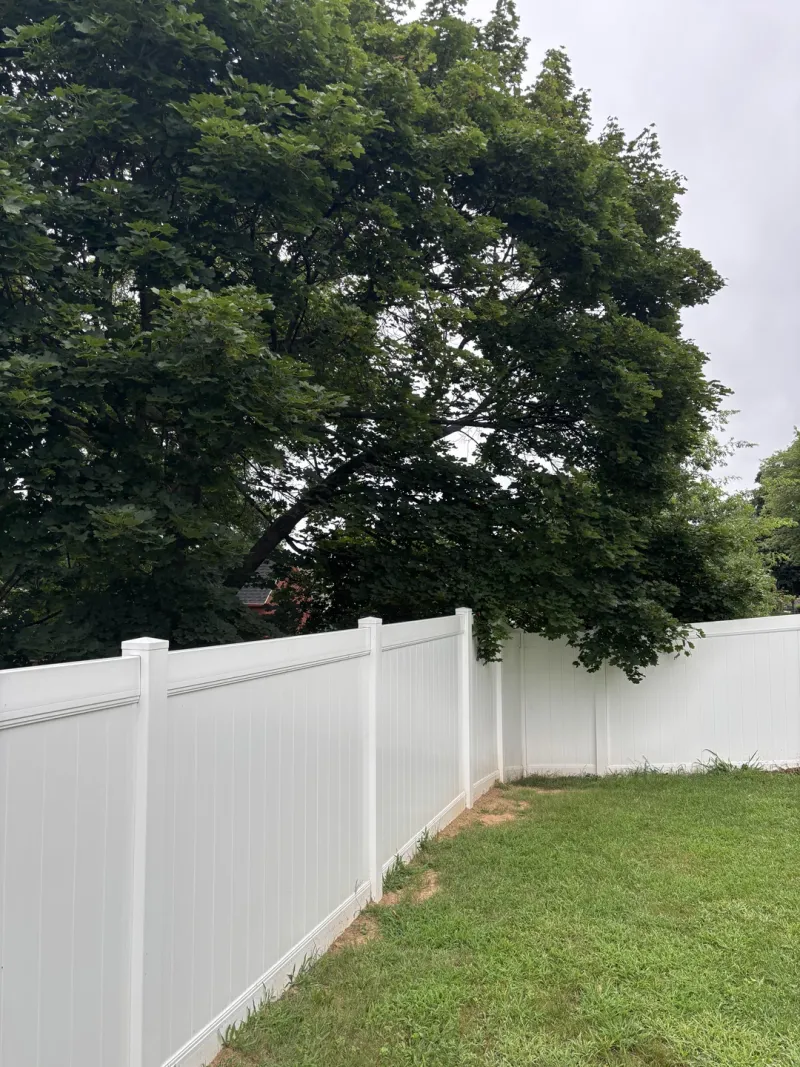
Good fences make good neighbors, but branches tend to ignore fences. Georgia follows what lawyers call the self-help rule, and it works in your favor.
Under this rule, you may trim limbs and even roots that cross onto your property. You do not need your neighbor’s permission to do it.
The tree still belongs to them, but the airspace over your yard belongs to you.
Georgia courts have backed this idea for years. Many other states follow a similar approach, so it’s a fairly common rule across the country.
Personally, I find this freeing. A pecan limb dropping nuts on your car or a sweetgum branch scraping your gutters doesn’t have to be a permanent headache.
You have options.
Still, having a right doesn’t mean you should rush outside with a chainsaw. The self-help rule comes with clear limits, and those limits matter more than the right itself.
A quick tip before you start: take a few photos of the branches first. Pictures show exactly what crossed the line and how much you removed.
If a disagreement ever pops up later, those dated images can help show you acted fairly and stayed within your rights.
2. Your Loppers Stop Right at the Property Line
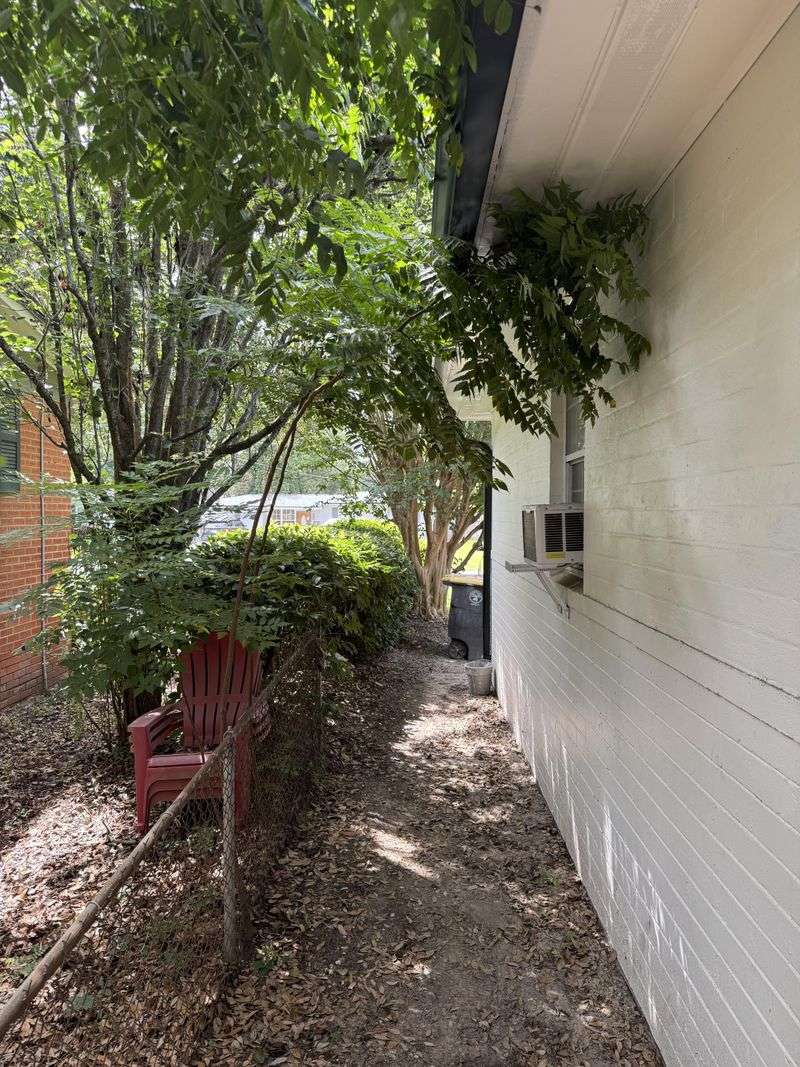
Picture-perfect pruning ends at an invisible line. You may only cut the parts of the branch that hang over your side.
That means no leaning over the fence with a pole saw to tidy up the rest. Stepping into your neighbor’s yard without permission counts as trespassing, even if your intentions are kind.
Not sure where the line actually sits? Fences aren’t always built on the true boundary.
Your property survey or plat, often available through your county records office, shows the real line.
For big jobs, I recommend hiring a certified arborist. The International Society of Arboriculture lists certified pros, and many carry insurance that protects you if something goes wrong.
Ladders and heavy limbs are a risky mix for weekend gardeners.
Clean cuts matter too. Trim just outside the branch collar, that slightly swollen ring where a limb meets a larger branch.
University extension experts say this helps the tree seal the wound naturally.
Skip the paint or wound dressing. Research shows trees usually heal better without it.
Finally, ask before handing debris back. Tossing cut limbs into your neighbor’s yard is a fast way to turn a small chore into a big feud.
3. Harming the Whole Tree Can Cost You Big
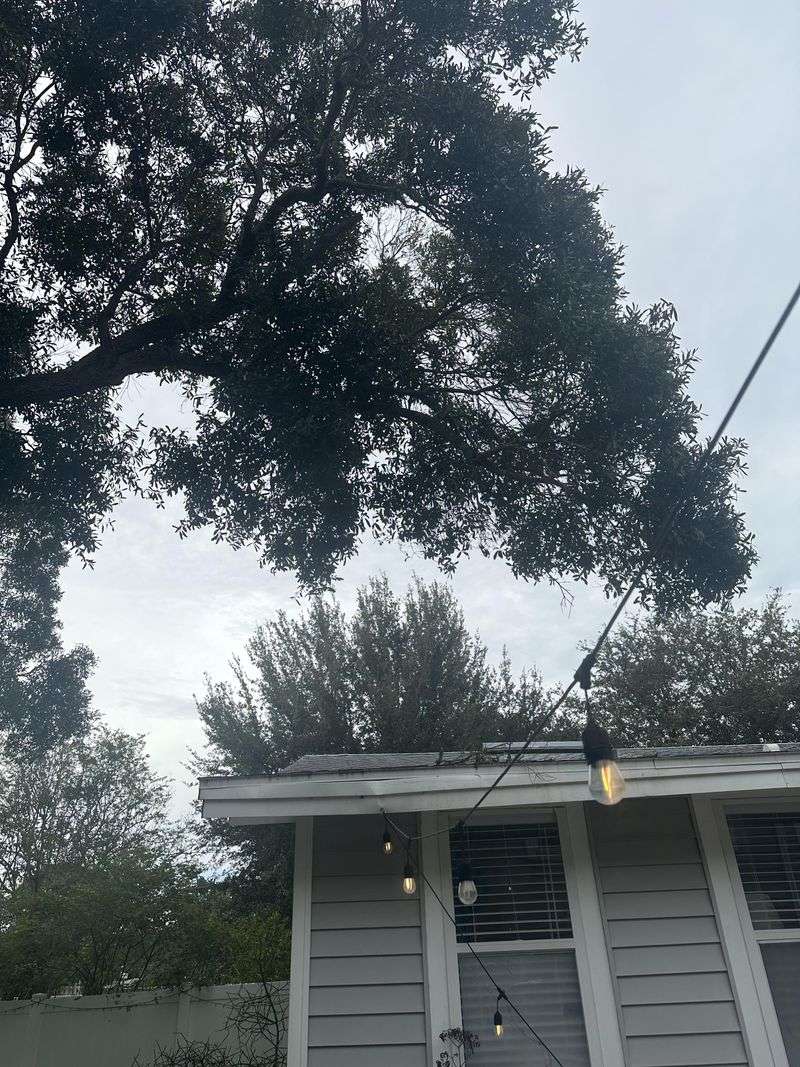
Here’s where a simple trim can turn into a lawsuit. Georgia allows you to cut overhanging limbs, but you may not seriously harm the tree itself.
Removing a huge share of the canopy or slicing through major roots can weaken a tree. If it declines or becomes unstable because of your work, your neighbor may be able to seek damages.
Georgia’s timber trespass law, O.C.G.A. § 51-12-50, provides for damages in certain cases involving unlawfully cut trees, but the amount depends on the circumstances and applicable legal requirements.
Mature shade trees can be valued in the thousands of dollars, so that adds up fast.
Topping is a classic mistake. Chopping a tree flat across the top invites weak, fast-growing sprouts and decay, according to UGA Extension.
Roots deserve extra care. Many large trees keep most roots in the top foot or so of soil, and cutting a big one close to the trunk can make the tree lean or topple.
My rule of thumb is simple. If your cut would remove more than a quarter of the living canopy, or a root thicker than your wrist near the trunk, stop and call an arborist first.
4. The Trimming Bill Usually Lands in Your Mailbox
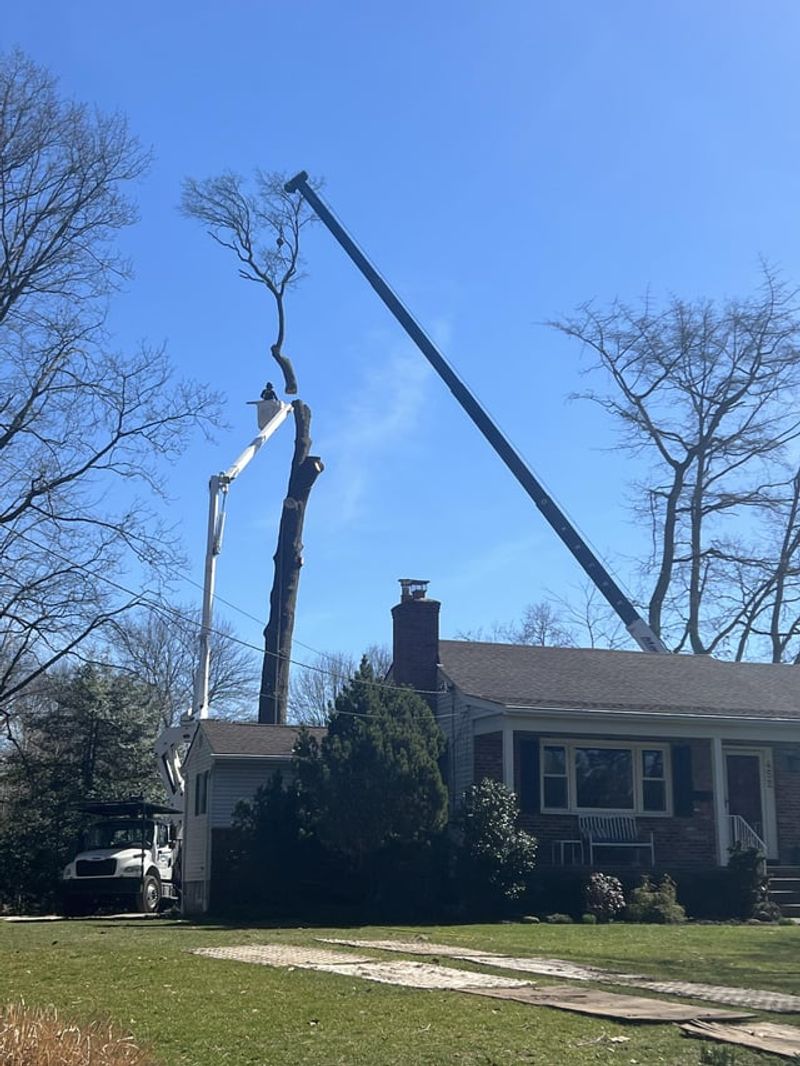
Money talk isn’t fun, but it’s worth knowing upfront. When you choose to trim branches over your yard, you usually pay for it.
The logic is straightforward. The self-help rule gives you a right, not a requirement for your neighbor to fund your project.
Your neighbor generally doesn’t owe you for routine trimming of a healthy tree.
Costs vary a lot. A few small limbs might be a quick DIY job, while big branches over a roof often need a crew with ropes or a bucket truck.
Things can shift when a tree is clearly hazardous. If a neighbor knows a tree is unsafe and ignores it, they may become responsible for damage it causes.
That’s a different situation from simply disliking shade or leaves.
A friendly chat can soften the bill, too. Some neighbors happily split the cost, especially when the work improves the tree’s health or protects both homes.
Want to save money? Get at least two written quotes and ask whether cleanup and hauling are included.
Also, check whether the company is insured. An uninsured worker hurt on your property could leave you with a much bigger expense than the trim itself.
5. A Trunk Sitting on the Line Belongs to Both of You
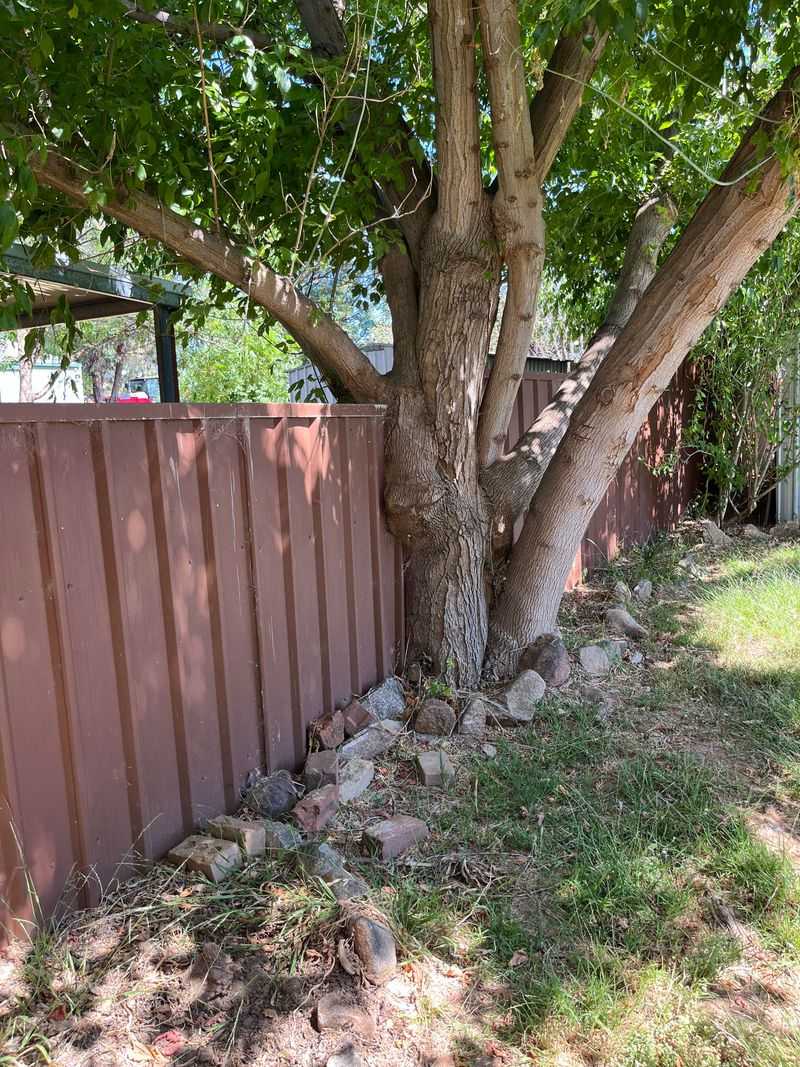
Some trees just refuse to pick a side. When a trunk grows right across the property line, it’s often called a boundary tree.
In Georgia, a boundary tree is generally treated as shared property. Both owners have an interest in it, so neither one should remove it or make major cuts that harm it without the other’s agreement.
I think of it like a co-owned car. You wouldn’t sell it or strip the engine without talking to your partner first, right?
Routine trimming of small branches over your own side may still be fine. Big decisions, like removal or heavy pruning, call for a real conversation.
Get any agreement in writing. A short, signed note listing what work will happen, who pays, and who hires the arborist can prevent misunderstandings down the road.
Fun fact: older boundary trees sometimes predate the fences and even the houses around them. Some Georgia neighborhoods were built around massive water oaks and live oaks that were already decades old.
If you’re unsure whether a trunk sits on the line, a licensed land surveyor can mark it. That small cost is cheap insurance against a long, uncomfortable dispute with the people next door.
6. A Cracked Or Rotting Limb Calls for a Written Warning
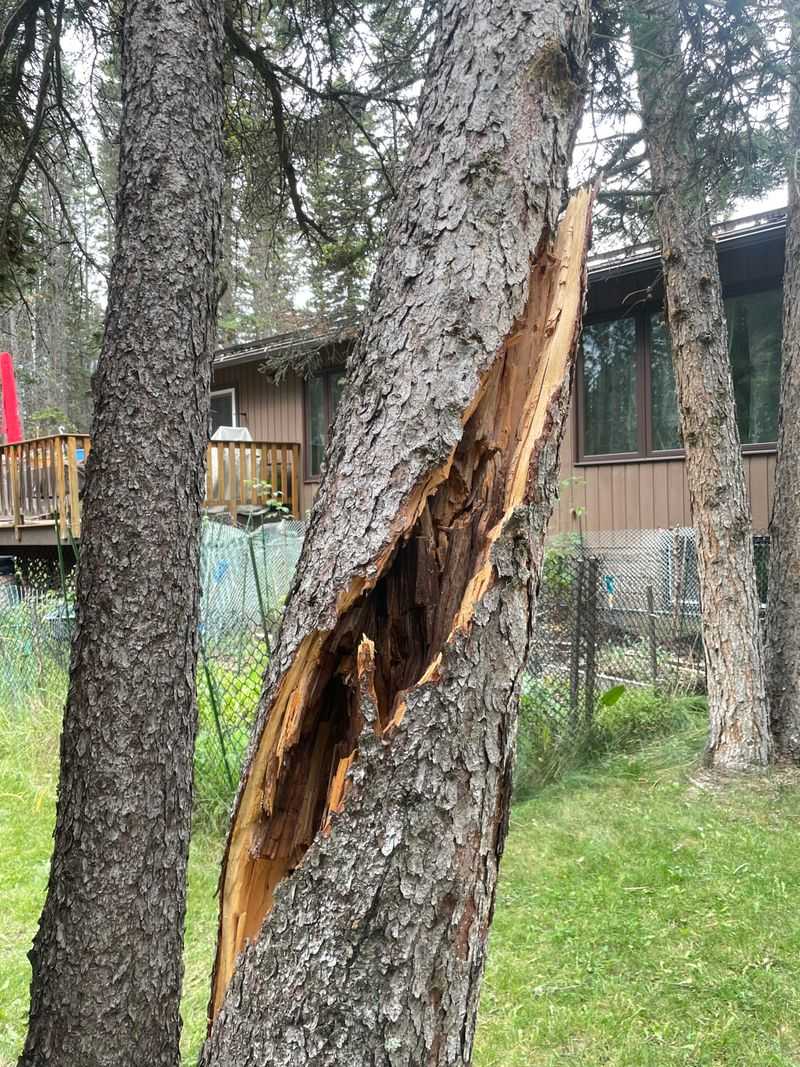
Mushrooms sprouting from a trunk might look charming in a storybook. On a big tree leaning toward your house, they can signal internal decay.
Georgia law generally holds a tree owner responsible for damage when they knew, or reasonably should have known, about a dangerous condition and didn’t fix it. Your notice can help establish that knowledge.
Start with a calm conversation. If that doesn’t work, send a dated letter describing the problem, ideally by certified mail so you have proof it arrived.
Include clear photos of the warning signs. Common red flags include deep cracks, hollow areas, large damaged limbs, peeling bark, fungus at the base, or a sudden new lean.
An arborist’s written report adds real weight. It turns your worry into a professional opinion that’s hard to brush aside.
Keep copies of everything in one folder. If a limb later falls and damages your property, those records can make a big difference for insurance claims or any legal action.
Remember, the goal isn’t to win an argument. You simply want the hazard handled before someone gets hurt or a roof gets crushed during the next thunderstorm.
7. Storm-Toppled Healthy Trees Send You to Your Own Insurance
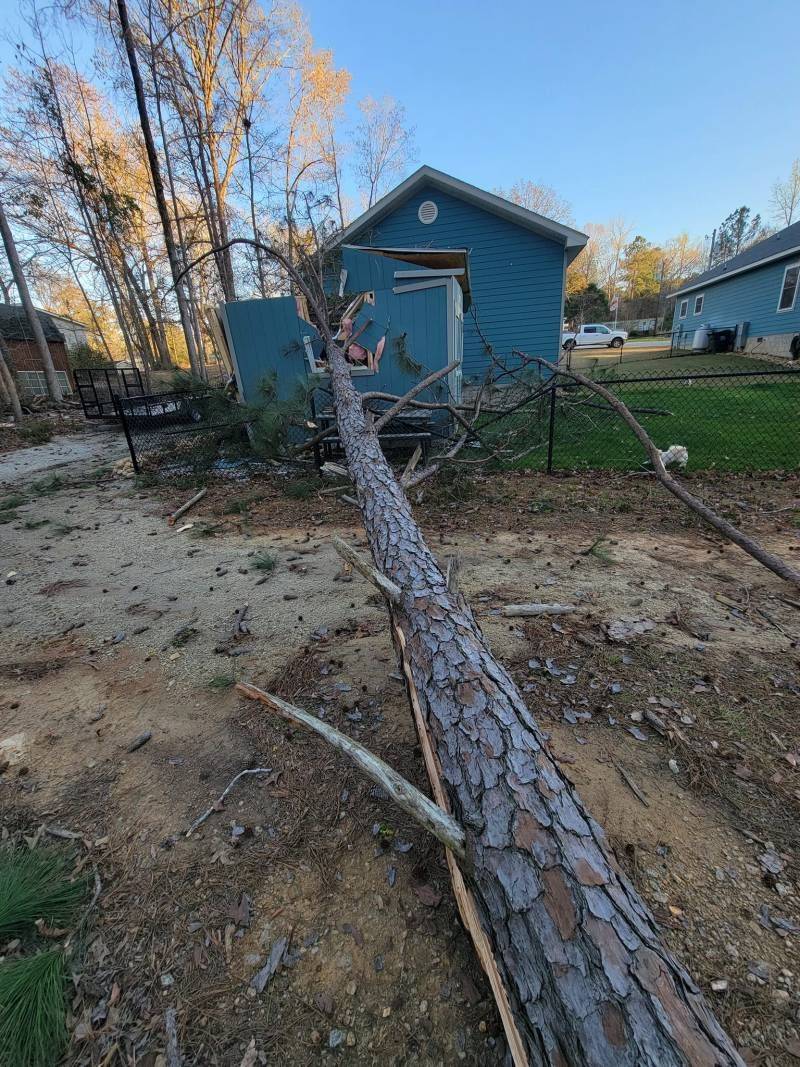
Georgia storms don’t mess around. Summer thunderstorms, tropical systems, and the occasional ice storm up north can snap even sturdy limbs.
When a healthy tree falls because of severe weather, it’s often called an act of God. In those cases, the tree’s owner usually isn’t considered at fault.
So who pays? Typically, you file a claim with your own homeowner’s insurance for damage to your house or covered structures.
Your neighbor’s policy generally steps in only when negligence is involved.
This is exactly why insurance adjusters ask about the tree’s condition before it fell. A healthy oak brought down by hurricane winds is a very different story from a rotted pine someone was warned about.
Read your policy now, before storm season. Many policies cap tree removal coverage, often around a few hundred to a thousand dollars per tree, and some only pay if the tree hits a structure.
After a storm, photograph everything before cleanup begins. Then contact your insurer promptly.
Stay clear of downed limbs touching power lines. Call your utility company right away, since those wires can still carry current even when they look harmless.
8. City Tree Rules and a Friendly Fence Chat Can Save the Day
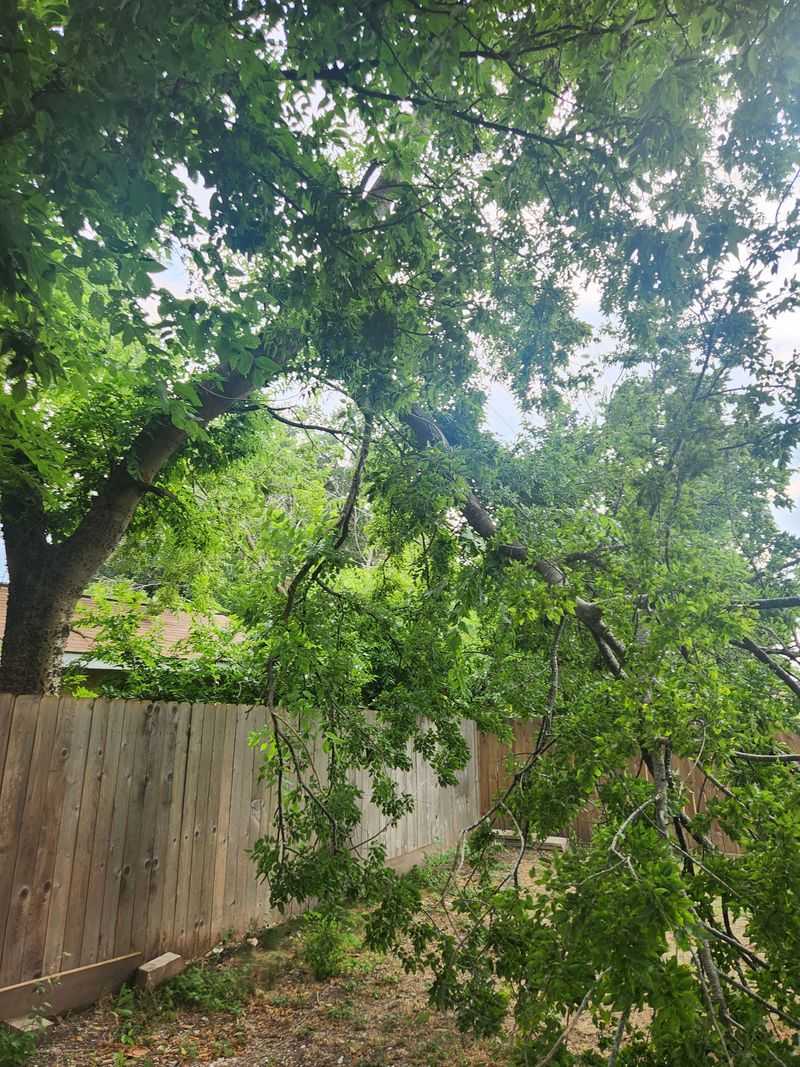
State law sets the basic rules, but your city or county may add its own. Atlanta, for example, has a well-known tree protection ordinance that can require permits for removing certain trees.
Routine trimming usually doesn’t need a permit. Removal or major work on large trees sometimes does, so a quick call to your local planning office is smart before any big job.
HOAs can also have rules. Check your covenants, since some neighborhoods regulate tree removal, replanting, or even which contractors may work on common areas.
Honestly, the most useful tool here isn’t a saw. It’s a friendly conversation over the fence, maybe with a glass of sweet tea in hand.
Most neighbors don’t realize their tree is causing trouble. Mention the issue kindly, suggest a plan, and offer to share the arborist’s contact or even the cost.
If talks stall, many Georgia counties offer community mediation programs that are cheaper than court.
My best advice? Know your rights, respect the tree, and keep records.
Then lead with kindness, because you’ll likely share that fence line for many years, long after the branches are trimmed and forgotten.