8 Things You Should Never Do To Your Texas Compost Pile In Winter
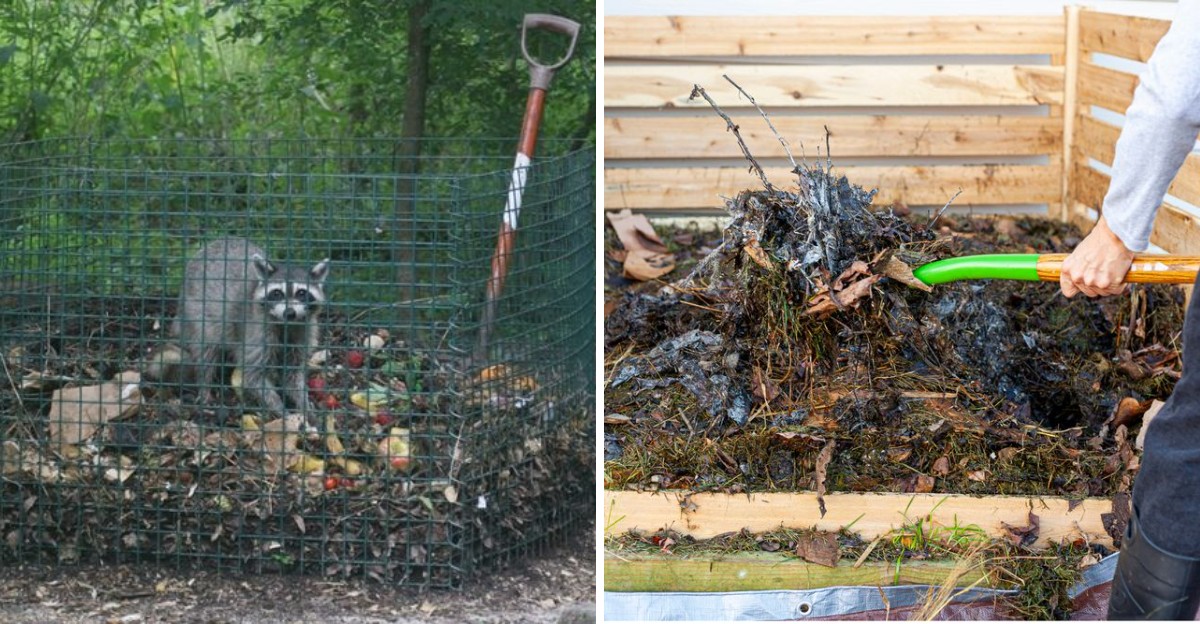
A well-built heap of rotting leaves and kitchen scraps can reach 140 degrees inside, even on a frosty morning. I still grin when steam curls off the top while my breath fogs the cold air beside it.
That heat comes from billions of tiny microbes chewing through food, and they slow down when chilly weather arrives. Texas winters swing wildly, so a warm afternoon in Houston can turn into a hard freeze by the weekend.
You might be surprised how many friendly habits quietly stall those helpful microbes during the cooler months each year.
I learned several of them the hard way, with a soggy, smelly mess sitting behind my garden shed.
Gardeners across Texas share the same goal, which is rich, crumbly soil food ready for spring planting beds.
So which winter mistakes are secretly working against you, and how easy are they to fix?
1. A Tiny Compost Pile Loses Heat Fast In Winter
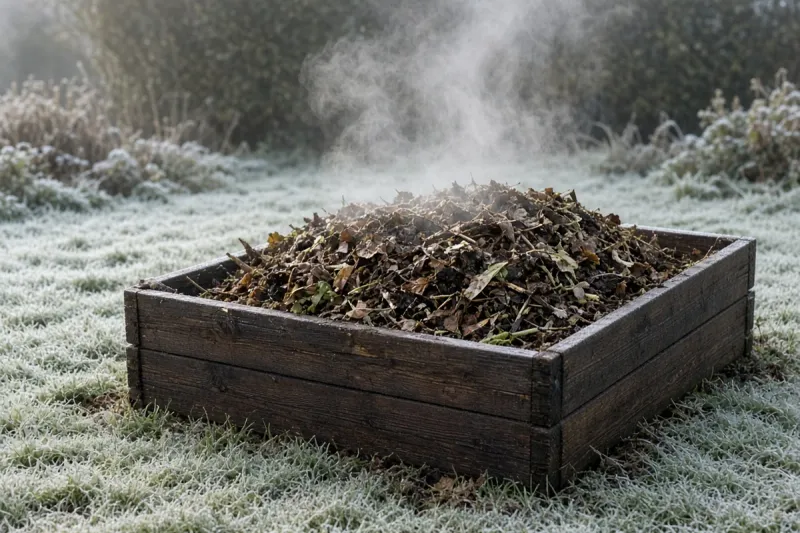
A compost pile acts like a big, cozy blanket for microbes, but only when it has enough bulk. Shrink it down to a little mound, and the heat slips away almost as fast as it builds.
Texas A&M AgriLife experts suggest building a pile that measures at least a three-foot cube, about one cubic yard. That size gives the center enough insulation to stay warm while the outer layers face the chilly wind.
In winter, many of us stop adding fresh material because the garden is quieter and scraps feel scarce. The pile then settles and shrinks week by week, until it barely feels warm when you poke inside.
My fix is simple, and it costs nothing more than a little planning during the busy fall cleanup. I stash bags of shredded leaves beside the bin, then mix them with kitchen scraps whenever I add food.
You can also combine two small piles into one larger heap, which helps the microbes hold onto their warmth. A ring of straw bales or a tarp around the outside adds even more protection on frosty nights.
Bigger is better only up to a point, since piles taller than five feet can struggle for fresh air. Aim for a size you can still reach and manage comfortably with a garden fork or a shovel.
Keep feeding the heap through the cooler months, and it should keep working quietly beneath the surface. By spring, you will likely find dark, earthy compost waiting near the bottom, ready to tuck into your beds.
2. Turning Compost With A Pitchfork During A Cold Snap
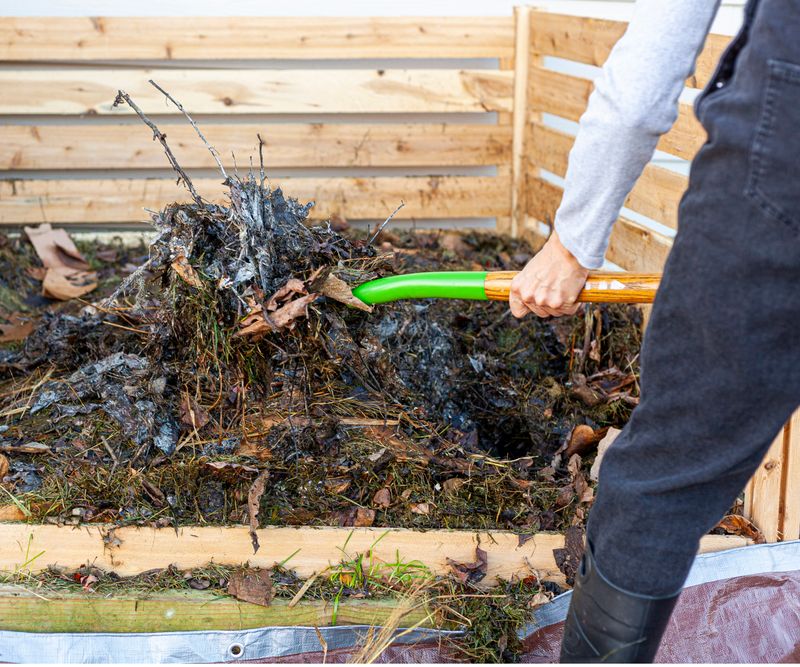
Flipping a steaming compost pile feels productive, almost like stirring a big pot of soup on the stove. On a freezing morning, though, every forkful releases precious warmth that the microbes worked hard to build.
Turning adds oxygen, and that matters, because the helpful decomposers in your pile need air to breathe. The trouble starts when cold air rushes into the center and chills the busy core all at once.
Some winter composting guides note that a turned pile may take days to warm up again in harsh weather. In milder parts of the state, recovery is often quicker, but a hard freeze can still slow things.
I like to check the forecast before grabbing my fork, and I wait for a sunny, mild stretch. A few warmer afternoons give the pile time to bounce back before the next chilly front blows through.
A compost thermometer helps a lot, since it shows you what is happening deep inside without any guessing. If the center reads above 130 degrees, the pile is active and probably does not need turning yet.
When the temperature drops and the pile smells fine, a gentle fluff along the edges can be enough. Save the full, deep turn for when you truly see the heat fading or notice a sour odor.
Patience pays off in winter, because a quiet pile still breaks down materials at a slower, steady pace. Your compost does not need daily attention, and honestly, your cold fingers will thank you for that.
3. Soggy Compost Piles Turn Sour After Winter Rains
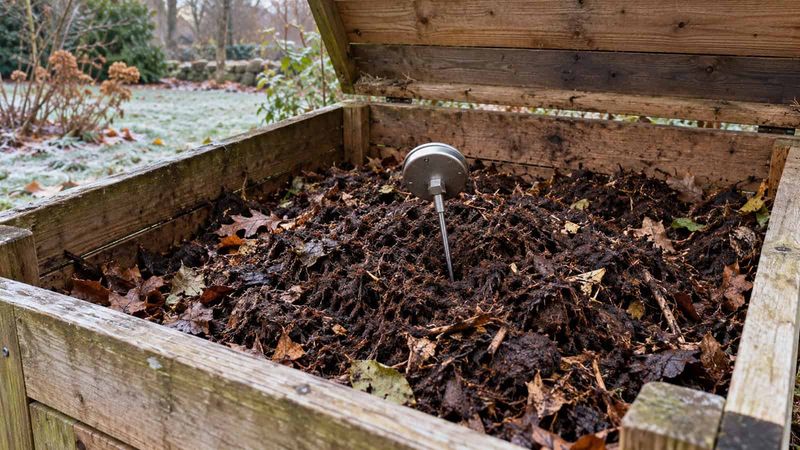
Nothing smells quite like a compost pile that has soaked in cold rain for a week straight. That sour, rotten egg odor tells you the microbes have run out of air and switched to slower work.
Water fills the tiny spaces between materials, pushing oxygen out and leaving the pile heavy and slimy. Cold temperatures make the problem worse, since wet material chills faster and takes longer to warm back up.
Extension experts often describe the ideal moisture as feeling like a wrung-out sponge when you squeeze a handful. A few drops should appear, but water should not stream through your fingers like a leaky garden hose.
East Texas and the Gulf Coast can see plenty of winter rain, so covering the pile really helps. A simple tarp or a bin lid keeps the worst downpours away while still letting some air reach the pile.
If your heap already feels soggy, mix in dry browns like shredded cardboard or crunchy leaves to soak up water. Fluff the materials as you go, so fresh air can slip back into those packed, airless pockets.
Dry piles cause trouble too, especially in West Texas, where winter winds can pull moisture out quickly. In that case, sprinkle a little water while mixing, then cover the top to hold the dampness in.
I check my pile after every big storm now, and it takes only a minute to grab a handful. That quick squeeze test has saved me from more smelly surprises than I would like to admit.
4. Dry Oak Leaves Piled High Without Kitchen Scraps
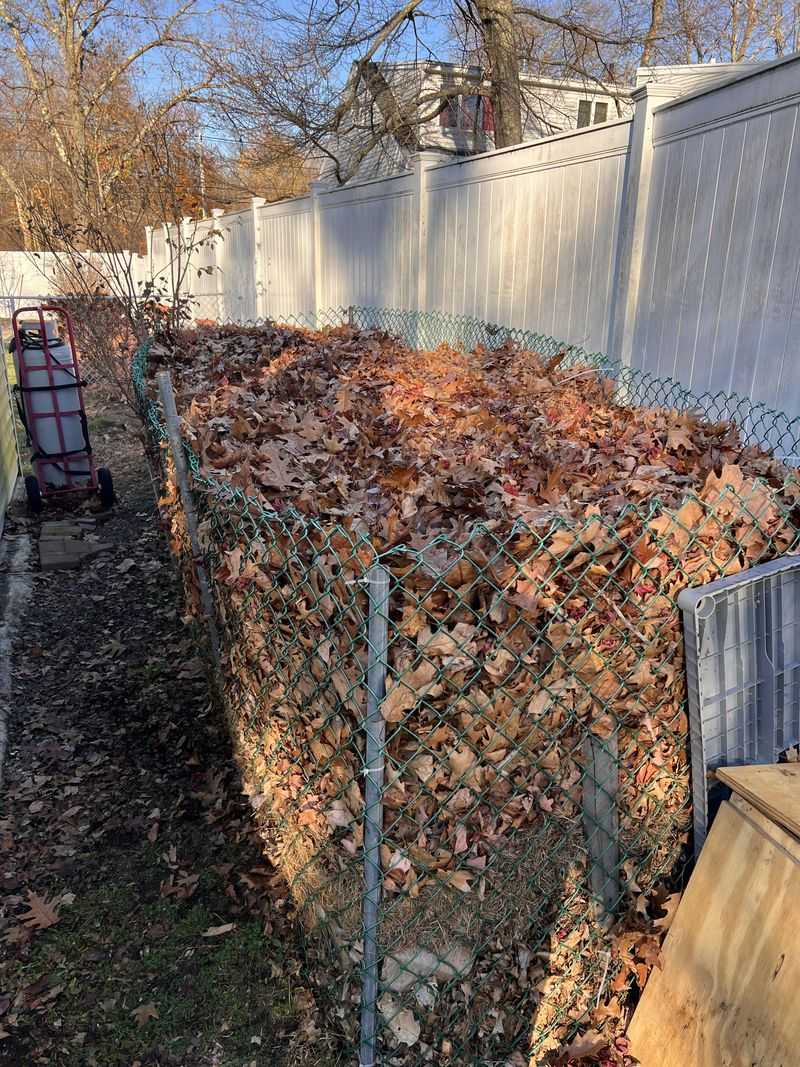
Fall leaves pile up so fast that dumping every bag onto the compost feels like the easy answer. Unfortunately, a heap made mostly of crunchy brown leaves can sit there unchanged for many months.
Microbes need a balanced diet, with carbon-rich browns for energy and nitrogen-rich greens for building their bodies. Many composting guides suggest roughly two or three parts browns to one part greens by volume.
Oak leaves are a wonderful resource, but they are tough and slow to break down on their own. Without enough greens, the pile stays cool and quiet, especially when the weather turns chilly and gray.
Your kitchen is the best partner here, since vegetable trimmings and used coffee grounds supply plenty of nitrogen. Fresh grass clippings work too, if you still have some from a late mowing before the first frost.
I shred my leaves first by running the mower over them, which makes them break down noticeably faster. Smaller pieces give microbes more surface area to munch on, and the pile settles into a tidier heap.
Extra leaves do not have to go to waste, so store them in bags or a wire bin nearby. Add a few scoops every time you dump scraps, and you will have browns ready all season long.
Those stored leaves become a handy pantry, waiting to balance each bucket of greens you carry outside. Get the mix right, and even a cool winter pile will keep turning leaves into rich, dark crumbles.
5. Meat And Dairy Scraps Attract Raccoons To The Compost Bin
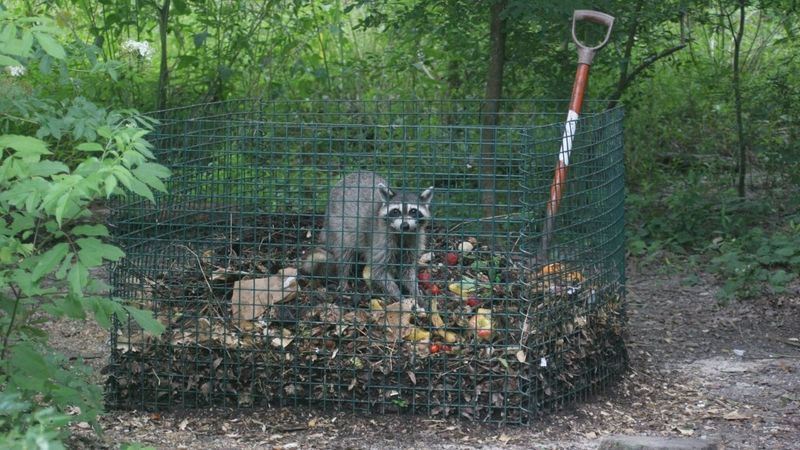
Raccoons have clever little hands, and they can pry open a loose bin lid faster than you might expect. Toss leftover chicken or cheese into the pile, and you are basically mailing them a dinner invitation.
Texas A&M AgriLife and most extension services advise keeping meat, bones, dairy, and oily foods out of home compost. These scraps can draw rodents and curious dogs, and they often create strong smells as they slowly rot.
Winter can make the risk worse, since hungry animals may search harder for easy meals when natural food runs low. A cool pile also breaks down greasy scraps slowly, so they linger and keep sending out tempting odors.
Backyard heaps rarely get hot enough everywhere to safely handle animal products, especially in chilly weather. Commercial facilities manage those materials with careful controls, but home gardeners are better off skipping them.
Plenty of kitchen scraps are fair game, including vegetable peels, coffee grounds, tea leaves, and crushed eggshells. Bury fresh scraps several inches deep in the center, so smells stay hidden under a layer of browns.
I keep a small covered pail by the sink and sort scraps right away, before temptation sets in. Bones and leftover sauces go in the trash, and the pile stays much happier without them.
A sturdy bin with a snug lid or wire mesh base adds another layer of protection. Your neighbors will appreciate the lack of smells, and the raccoons can find dinner somewhere else instead.
6. Fireplace Ashes Can Push Compost Too Alkaline
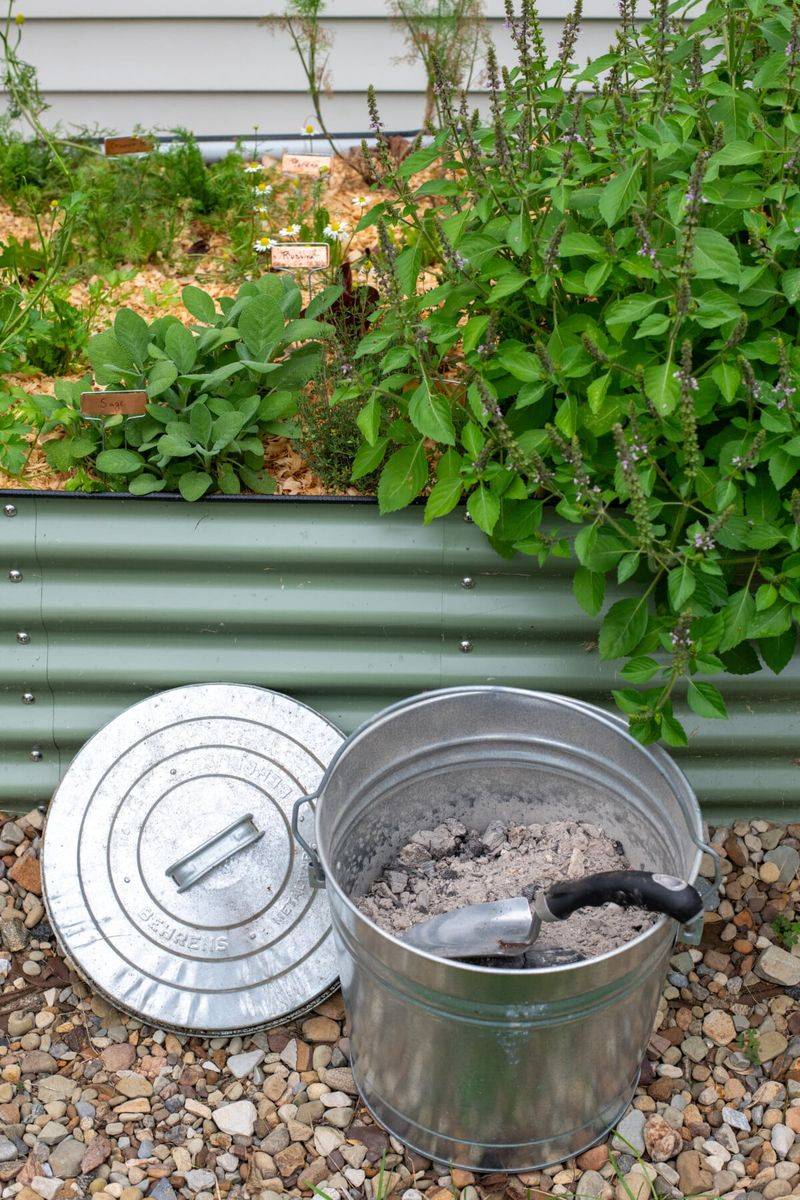
A crackling fire on a chilly evening leaves behind a bucket of soft gray ash by morning. Dumping it on the compost seems thrifty, but in much of Texas, that habit can backfire in the garden.
Wood ash is very alkaline, and it acts a lot like lime when it mixes into soil. Many soils across the central and western parts of the state are already alkaline because of limestone beneath them.
Adding lots of ash raises pH even higher, which can make iron and other nutrients harder for plants to absorb. Yellow leaves with green veins on plants like roses or gardenias often hint at this kind of trouble.
Ash also contains salts and potassium, so heavy doses may cause problems in soils that drain poorly. A light dusting now and then is rarely a disaster, but a whole winter’s worth adds up quickly.
I could be wrong about your yard, so a simple soil test is the smartest first step here. Your county extension office can point you toward affordable testing, and the results guide what your soil truly needs.
If your soil turns out acidic, as in parts of East Texas, small amounts of ash may help. Mix it thinly through the pile instead of dumping it in one thick layer that cakes and clumps.
Only use ash from clean, untreated wood, since painted lumber and charcoal briquettes can carry unwanted chemicals. Most winters, my extra ash goes into a covered metal can, far from both the compost and the shed.
7. Diseased Tomato Vines And Seedy Weeds Belong Elsewhere
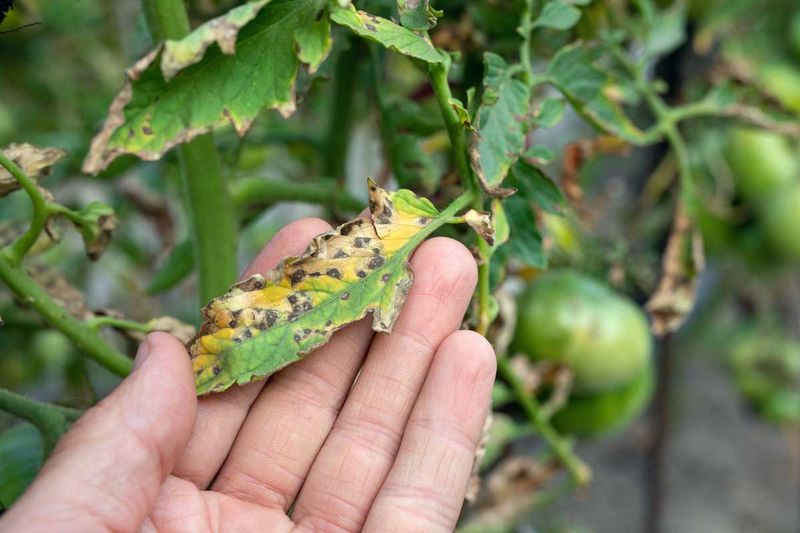
Those spotted, wilted tomato vines from last season look harmless enough once they turn brown and brittle. Hidden inside, though, fungal spores and bacteria may be waiting for a free ride back into your beds.
Hot composting can reduce many pathogens and weed seeds, but the pile needs sustained heat above 130 degrees. Winter piles often run cooler, and even summer heaps have chilly outer edges where trouble can survive.
Weeds that already set seed are another sneaky problem, since some seeds stay viable for years in soil. Spread unfinished compost loaded with them, and you may spend spring pulling a fresh crop of weeds.
I once composted a bunch of seedy pigweed, and my vegetable bed looked like a weed nursery by April. Lesson learned, and now anything questionable goes into a separate bag before it ever touches the bin.
Plants with blight or root knot nematodes are best bagged for the trash or your local yard waste program. Check your city rules first, since some programs handle diseased material differently than ordinary yard trimmings.
Pull weeds before they flower whenever you can, and young green weeds make fine additions to the pile. Pruning healthy perennials during winter cleanup also gives you plenty of safe material to toss in.
A little caution now keeps your finished compost a helpful gift rather than a sneaky source of headaches. Your spring tomatoes deserve a fresh start, and clean compost gives them exactly that kind of welcome.
8. Dog And Cat Waste Stays Out Of The Compost Pile
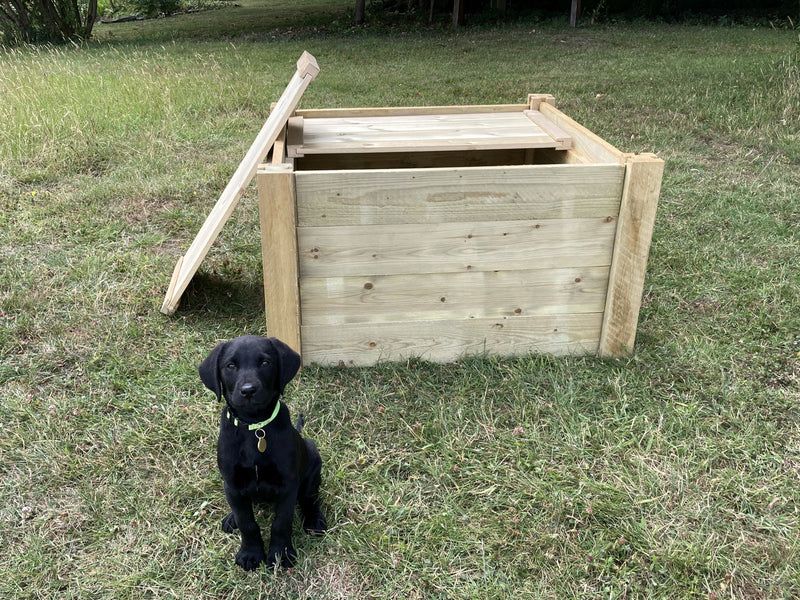
Walking the dog on a brisk winter morning often ends with a little bag and a big question. Since it all seems organic, why not toss it in the compost and save some trash space?
Dog and cat waste can carry parasites like roundworms, along with harmful bacteria that can affect people. Cat waste may also carry Toxoplasma, a parasite that poses special risks for pregnant women and young children.
Most home compost piles seldom reach the steady high temperatures needed to reliably neutralize these stubborn germs. Cold weather lowers the odds even further, since winter heaps tend to run much cooler than summer ones.
Roundworm eggs are especially tough and can stay viable in soil for a long time, according to health experts. Spreading that compost around carrots or lettuce could put those eggs right where you harvest food.
Manure from plant-eating animals is a different story, since rabbit droppings and horse manure often compost nicely. Those still need proper handling, but they lack the same parasite concerns tied to meat-eating pets.
If you want to handle pet waste at home, a separate in-ground pet waste digester is one option. Place it far from vegetable beds and water sources, and use it only for that single purpose.
For most of us, bagging pet waste and putting it in the trash remains the simplest choice. Your compost stays clean and safe, and you can spread it around edibles with real peace of mind.