How to Save Your Florida Garden After Heavy Rain and Flooding
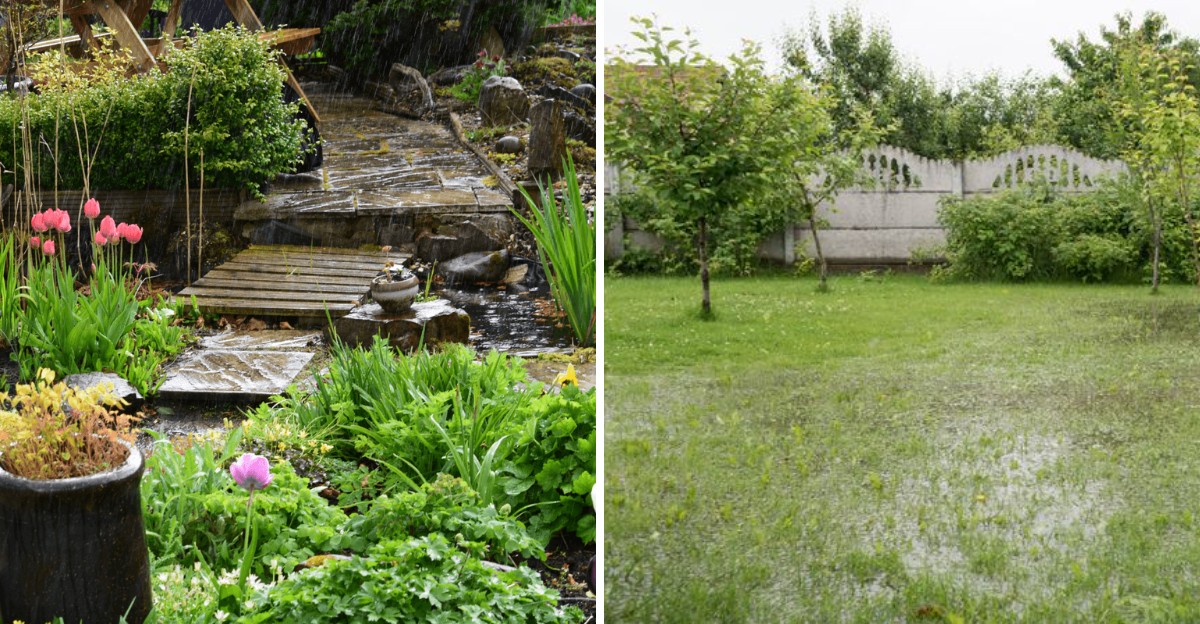
Plant roots can run short of oxygen in as little as a day or two of standing water. Roots breathe, and soggy soil quietly cuts off their air supply.
What I find interesting is how normal everything can look at first. Leaves stay green for days, sometimes weeks, while trouble builds underground.
Then one hot afternoon, a shrub wilts even though the soil is still wet.
You might be surprised by the twist in the story. After a storm surge in Florida, grabbing the hose and soaking your plants with even more water can be one of the smartest moves you make.
Salt is the reason, and it acts faster than most of us expect.
I never get tired of seeing how tough a garden can be with a little help. So what should you do first, and what should you leave alone for now?
1. Stay Off That Soggy Flowerbed Until It Firms Up
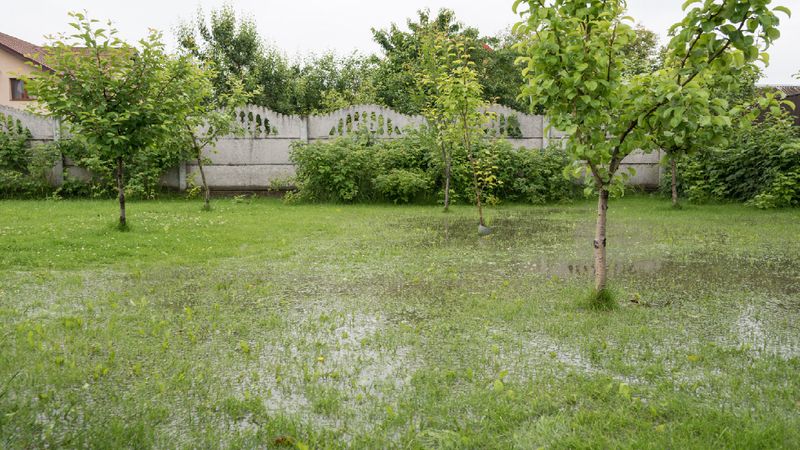
Your first instinct after the rain stops is probably to march outside and start fixing things. Hold that thought for a moment, because the safest first step is mostly about watching and waiting.
Floodwater can carry sewage, fertilizer, fuel, and other chemicals. It can also hide sharp debris and displaced critters, including snakes and fire ants.
Pull on rubber boots, sturdy gloves, and long sleeves before you touch anything that sat in the water.
Look up as well as down. Check for downed power lines, leaning trees, and cracked limbs before stepping into the yard.
Stay far away from any line and call your utility company to report it.
Now for the part many gardeners miss. Walking on saturated soil squeezes out the tiny air spaces that roots need.
Wet soil compacts quickly, and that damage can linger long after the puddles disappear.
Stick to paths, pavers, or the driveway while the beds are mushy. If you have to cross a wet area, lay down a wide board to spread out your weight.
A simple squeeze test helps. Grab a handful of soil, and if it drips or smears like clay paste, it needs more time.
Once it crumbles a bit in your hand, you can start working in that area again without causing harm.
2. Rinse Salty Storm Surge Off Leaves and Roots With Fresh Water
Salt from a storm surge pulls moisture out of plant roots, which explains why a soaked coastal garden can still look thirsty. Fresh water is your best fix, and speed matters a lot.
UF/IFAS experts suggest rinsing leaves, stems, and the soil around plants as soon as it is safe. Try to do it within the first few days, ideally within 48 to 72 hours.
A long, slow soak helps push salt down below the root zone.
Hit the foliage first, since salt spray clings to leaves and can cause brown, scorched edges. Then let the hose run gently at the base of each plant for several minutes.
Thick mud on leaves blocks sunlight and makes it harder for plants to make food. Pre-wet the leaves with plain water, then spray them with a mix of one tablespoon of dishwashing liquid per gallon of water.
Let it sit about a minute and rinse well.
Freshwater flooding from heavy rain is a different story. You can skip the extra soaking there, because the soil already has plenty of water.
Keep an eye on salt-sensitive plants like many fruit trees and lawn grasses. Salt-tolerant natives such as sea grape, saw palmetto, and coontie often handle surge water better.
3. Floodwater on Tomatoes and Lettuce Means Tossing That Harvest
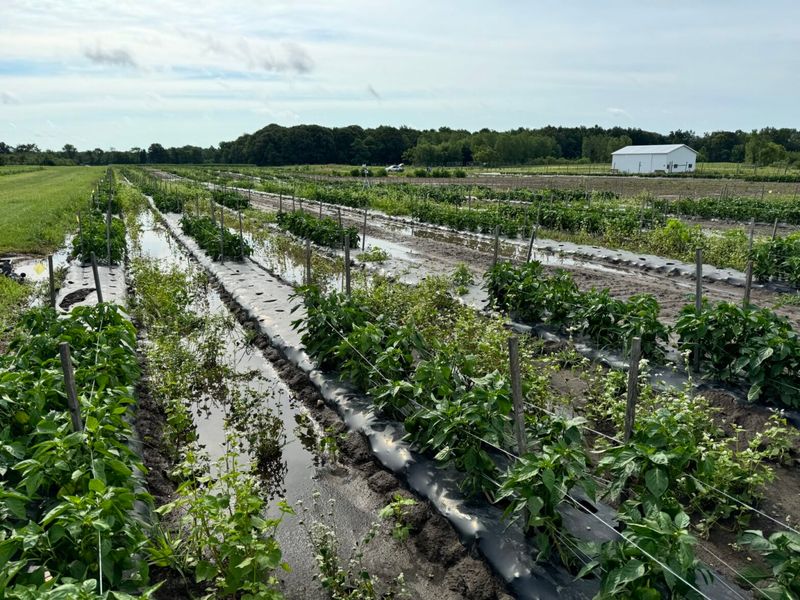
Nobody likes throwing away homegrown tomatoes. Still, food safety rules are strict after a flood, and for good reason.
Floodwater can carry bacteria, viruses, and chemicals that you cannot wash off. Guidance from extension services is clear.
Toss any produce that the water touched directly, including leafy greens, herbs, and berries.
Root crops like carrots, radishes, and potatoes that sat in flooded soil should go too. The same goes for anything near a spot where fuel, septic waste, or chemicals may have mixed in.
Crops that were not under water but got splashed fall into a gray area. Experts suggest waiting at least 72 hours, then washing, peeling, and cooking them well.
Skip eating those raw.
Planning a fresh start? A common recommendation is to wait 90 to 120 days after flooding before harvesting new crops from that soil.
The waiting period gives sunlight and soil microbes time to break down many harmful germs.
When in doubt, let it go. A lost harvest stings, but a stomach bug or worse is a much bigger problem.
Wash your hands and tools after handling anything from the flooded patch.
Raised beds that stayed above the water line are usually in better shape. Check them carefully, though, since splashing can travel farther than you think.
4. Pull Back the Mulch So Waterlogged Soil Can Breathe Again
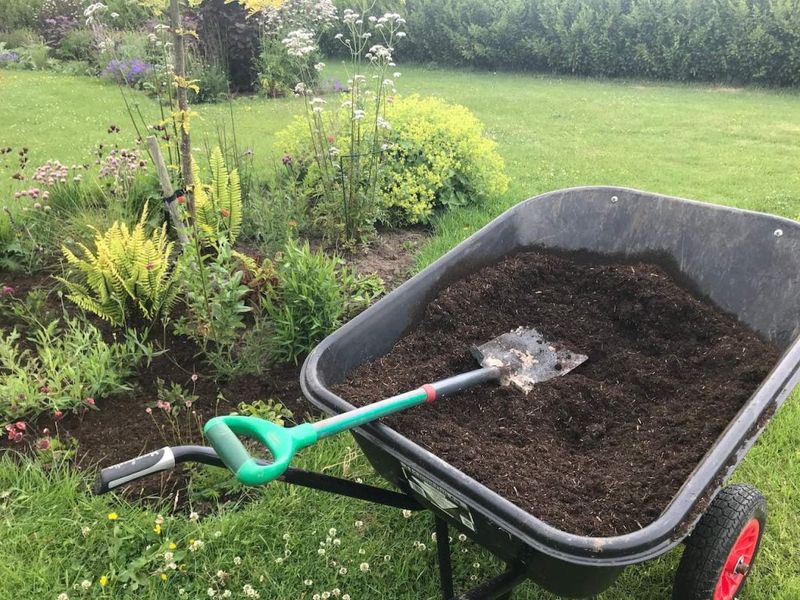
Mulch is usually a gardener’s best friend. After days of heavy rain, though, that cozy layer acts like a wet blanket that keeps soil soggy.
Soil is roughly half solid material and half open space. Normally, much of that space holds air.
When water fills every gap, roots lose oxygen and start to struggle, which opens the door to root rot.
Rake mulch a few inches back from the base of trees and shrubs. In beds that stay wet, you can pull it off for a couple of weeks.
Sunlight and breezes will help dry the surface much faster.
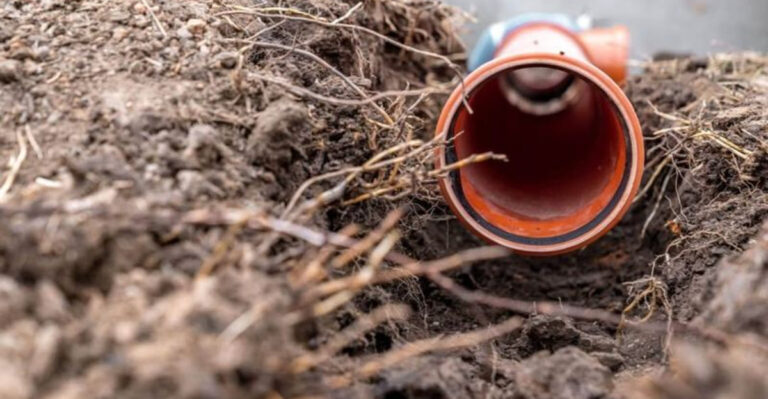
Check for low spots where water keeps pooling. A shallow trench or a small channel can guide extra water away from plant roots and toward the street or a lower area.
Once the top two to three inches of soil feel dry, you can gently poke holes with a garden fork. Push it in, wiggle it slightly, and move on.
Skip the rototiller, which crushes soil structure when things are still damp.
Potted plants need their own rescue. Tip containers on their sides to drain, and clear out any blocked drainage holes.
Move pots onto bricks or plant stands so water can escape from the bottom.
Put the mulch back once the soil dries out.
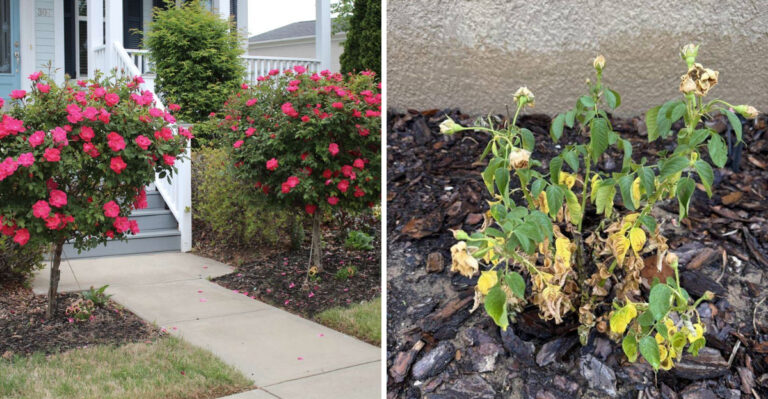
5. Yellow Leaves and Sudden Wilting Can Show Up Weeks Later
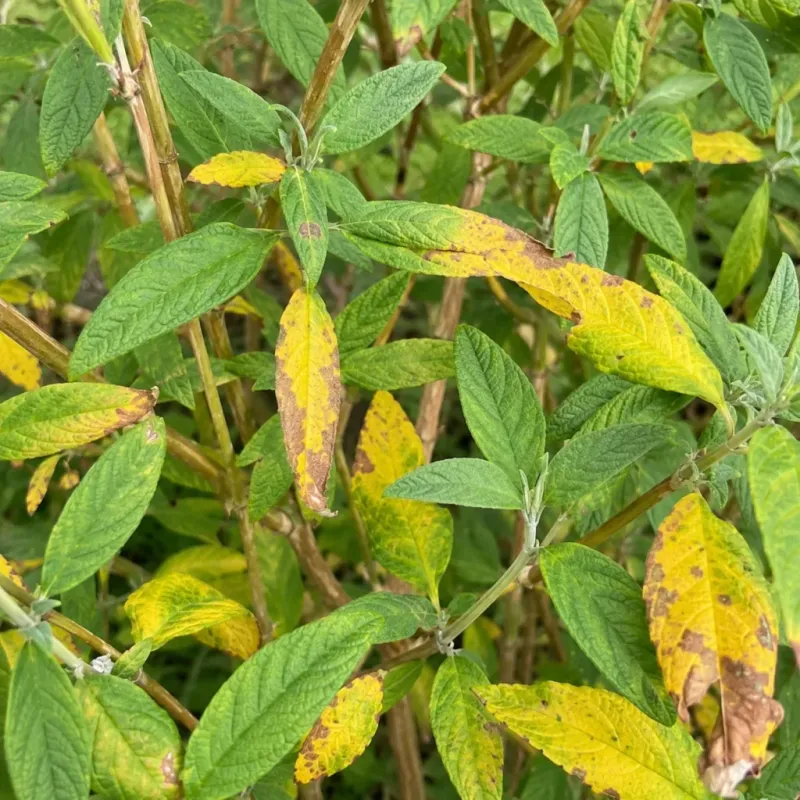
Patience might be the hardest tool in the shed after a flood. Some plants show stress right away, while others look fine for weeks before trouble appears.
Early warning signs include yellow leaves, drooping stems, and leaves dropping off. You might also notice brown edges or new growth that looks small and weak.
Odd as it sounds, wilting in wet soil often points to root damage. Roots that lack oxygen cannot pull water up to the leaves, so the plant acts thirsty even though water is everywhere.
Gently dig near a struggling plant and look at the roots. Healthy roots are usually firm and white or light tan.
Mushy, dark roots with a sour smell suggest rot.
For trees, scratch a small spot of bark on a twig with your thumbnail. Green tissue underneath means that part is still alive.
Brown, dry tissue means that branch may need pruning.
Resist the urge to rip out plants that look rough. Many Florida shrubs and trees drop leaves under stress and push out fresh growth later in the season.
Snap a few photos each week to track changes. Your local UF/IFAS Extension office can help you identify problems if a plant keeps declining, and some offices accept plant samples for diagnosis.
6. Mildew, Leaf Spots, and Fire Ant Mounds Love a Soaked Yard
Warm air plus wet leaves is a dream setup for fungus. Florida summers already lean humid, so a flood can tip the balance quickly.
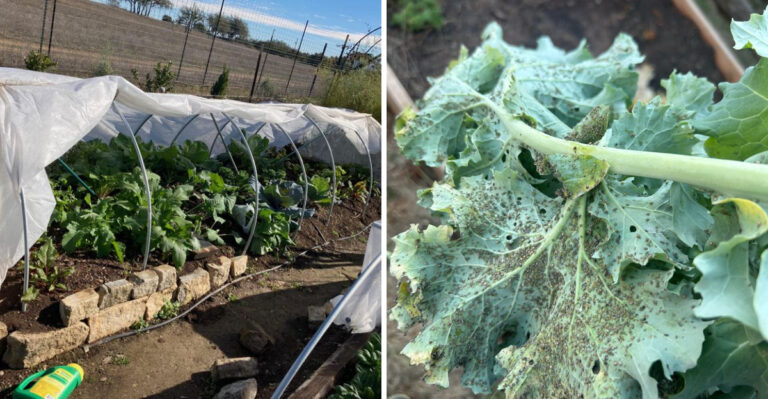
Watch for powdery white coating, dark leaf spots, and gray or brown patches. Roses often get black spot, while lawns can develop large patch or gray leaf spot during long wet stretches.
Clip off badly spotted leaves and bag them instead of composting. Clean your pruners between plants with rubbing alcohol or a household disinfectant to avoid spreading problems.
Thin crowded branches so air can move through. Water in the morning once regular watering resumes, so leaves dry before evening.
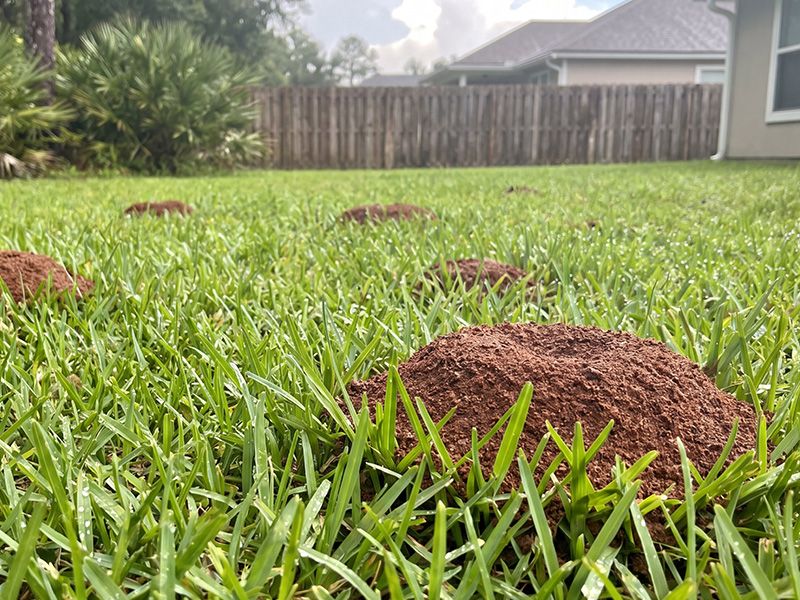
Pests also go on the move after flooding. Fire ants can link together and float, forming rafts that drift to new spots.
Give any floating mass of ants a wide berth, since their stings hurt and can trigger allergic reactions.
New mounds may pop up in higher areas of your yard. Bait products labeled for fire ants work well once the ground dries.
Mosquitoes are the other big headache. Empty buckets, saucers, birdbaths, tarps, and anything holding standing water every few days.
A mosquito can go from egg to adult in about a week, so steady cleanup makes a real difference.
7. Compost and a Soil Test Help Rebuild Washed-Out Garden Beds
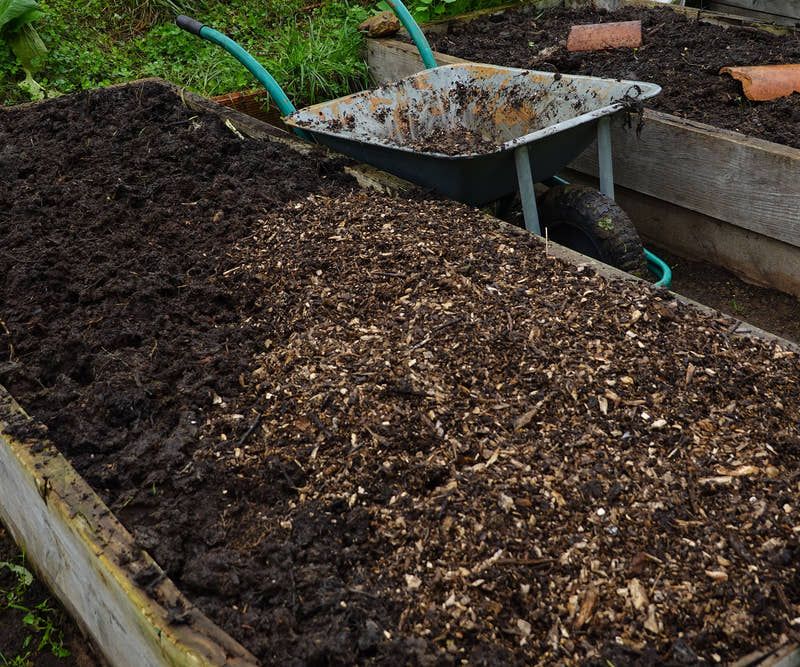
Heavy rain does more than drown roots. It also washes away nutrients, especially nitrogen, and can leave behind a crust of silt.
A soil test takes out the guessing. The UF/IFAS Extension Soil Testing Laboratory offers affordable tests that show pH and key nutrients.
Coastal gardeners can also ask about checking salt levels after surge flooding.
Wait until the soil is dry enough to crumble before you work it. Then mix in organic matter like compost, leaf mold, or well-aged manure.
These additions improve structure, help sandy soil hold nutrients, and feed helpful soil life.
A layer of one to two inches worked into the top few inches of soil is plenty for most beds. Gently scrape off thick silt deposits first, since they can seal the surface.
Fertilizer can wait. Damaged roots cannot use much food yet, and extra fertilizer may burn tender tissue.
Hold off until you see healthy new leaves or shoots.
When you do feed, choose a slow-release product and follow the label closely. Many Florida counties and cities restrict fertilizer containing nitrogen or phosphorus during the summer rainy season, often June through September.
Check your local rules before you spread anything, because runoff feeds algae in lakes and springs.
8. Rain Gardens and Flood-Tolerant Natives Make the Next Storm Easier
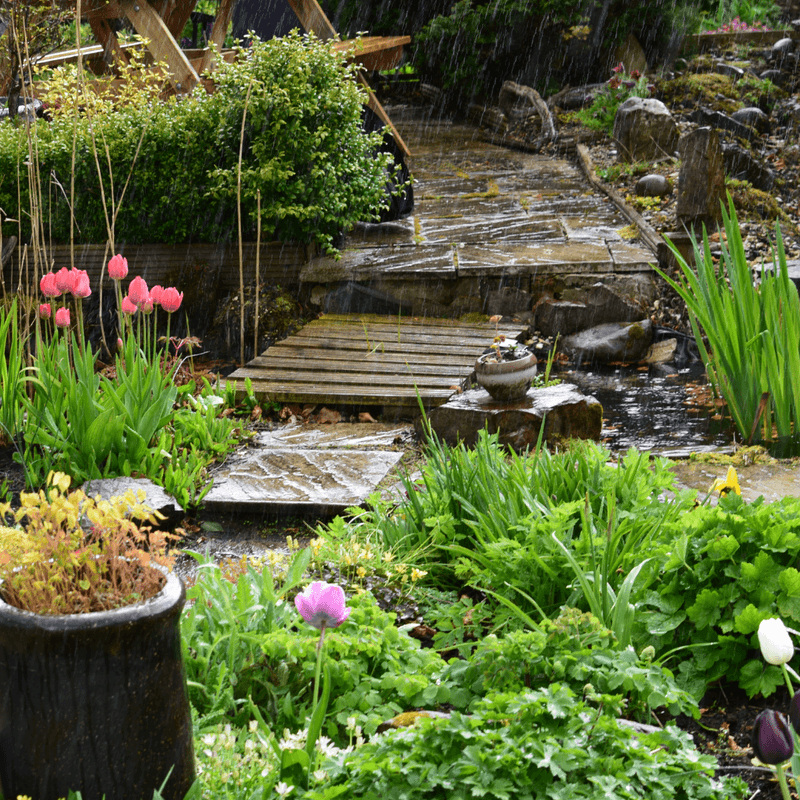
Every flood leaves clues about how water moves through your yard. Take notes while the memory is fresh, because those soggy spots will likely flood again.
Mark the places where water pooled the longest. Those low areas might be perfect for a rain garden, which is a shallow planted basin that catches runoff and lets it soak in slowly.
Fill those spots with plants that handle wet feet. Native choices like blue flag iris, swamp sunflower, scarlet hibiscus, and Simpson’s stopper often adapt well.
Bald cypress and red maple are solid tree options for wet areas in many parts of the state.
Steer clear of invasive plants, even if they tolerate water. The Florida Invasive Species Council keeps a list that is worth checking before you buy.
Simple upgrades help too. Clean gutters regularly, and extend downspouts so water flows away from the house and planting beds.
Swales and French drains can manage stubborn trouble spots, though larger regrading jobs may need a professional.
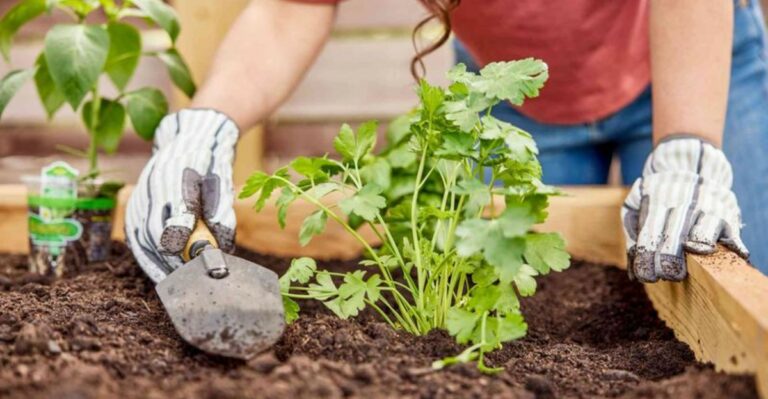
Raised beds keep vegetables above most standing water. Plant stands do the same job for potted plants.
Hurricane season runs from June through November, so planning ahead pays off. A garden built to handle water will bounce back faster, and you will spend less time bailing it out next time.