The Leathery Pods Hanging From Bare Indiana Trees Hold Seeds Pioneers Roasted For Coffee
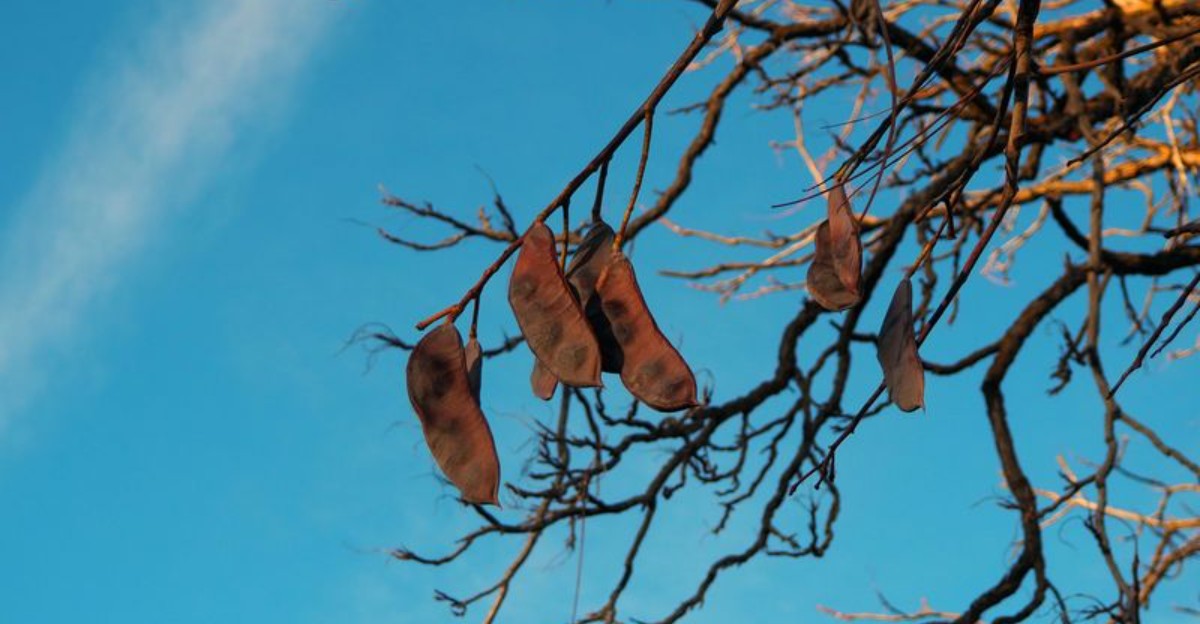
Some Indiana trees spend half the year with no leaves at all, yet they still dangle fat brown pods in January.
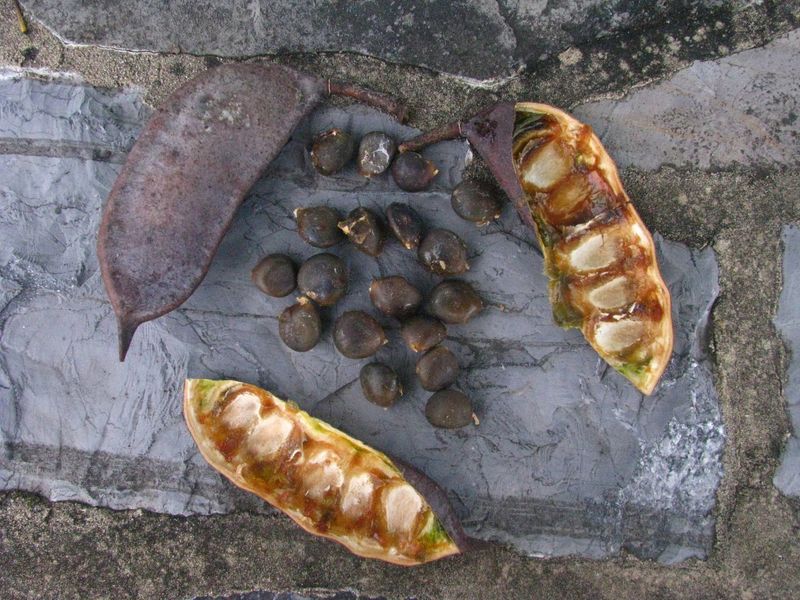
Crack one open and you find hard, glossy seeds tucked inside a sticky green goo, and early settlers once roasted, ground, and brewed those seeds into a morning cup.
I’ll admit it, the first time I spotted them I assumed something had gone wrong with the tree. Truth is, nothing was wrong at all. The pods often hang on through winter, and some stay up until spring.
You’ve probably walked past one in a park or along a street without a second glance. So what made pioneers trust these odd seeds enough to drink them, and why do modern gardeners still plant the tree that grows them?
Those Rattling Winter Pods Belong To A Tree With A Coffee Past
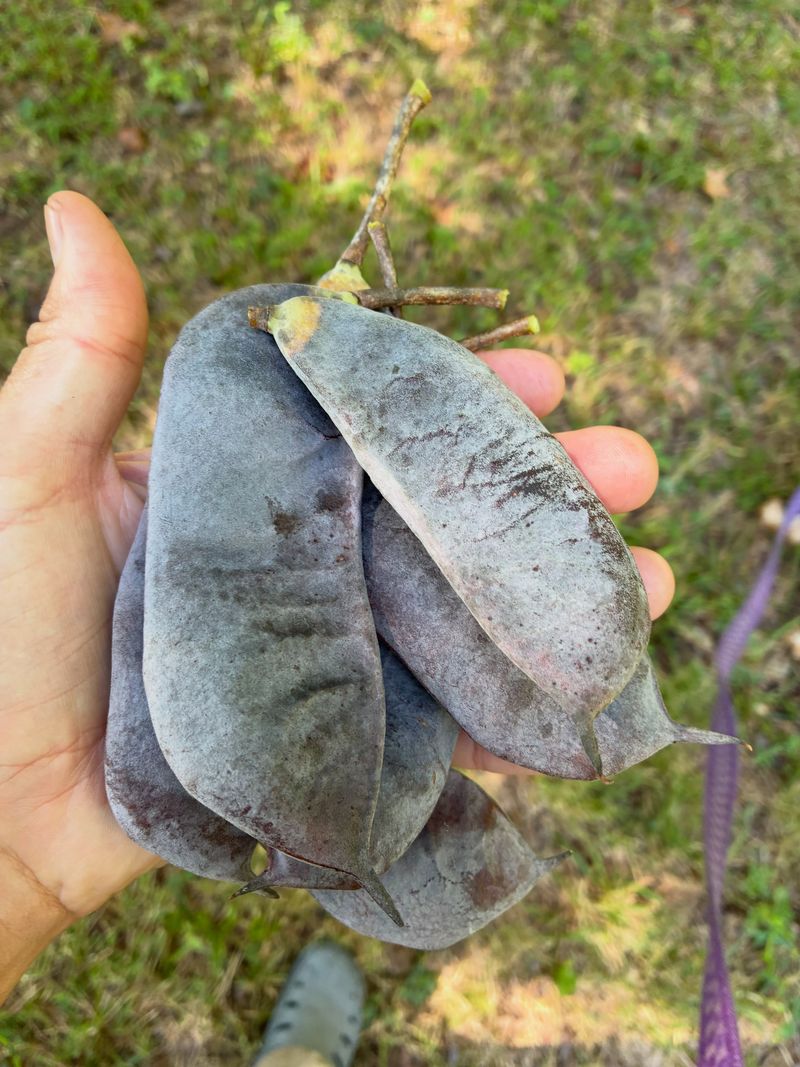
Bare branches covered in dark, leathery pods are a real head-turner in the middle of winter. The tree behind them is the Kentucky coffeetree, known to botanists as Gymnocladus dioicus.
The pods are thick, flat, and reddish-brown to nearly black. Most measure about 4 to 10 inches long and up to 2 inches wide. Many cling to the twigs well into winter, which makes the tree easy to pick out once the leaves are gone.
Inside each pod sit several hard, rounded seeds. They are packed in a sticky, greenish pulp that feels a bit like jelly when the pod is fresh.
The tree is native to Indiana and much of the Midwest. You can find it scattered along river valleys, moist woods, and floodplains, though it rarely grows in big groups in the wild.
Look for a coarse, open crown with thick, stubby twigs. The bark is also a strong clue, since it forms grayish ridges that curl outward like scales.
Once you learn these signs, you will start spotting coffeetrees in parks, campuses, and city streets. Winter makes the job easier, because those dangling pods act like a name tag hanging right on the branches.
Settlers Roasted Coffeetree Seeds When Real Coffee Ran Short
Real coffee beans were costly and often hard to get on the frontier. Settlers in Kentucky and nearby areas needed a cheaper stand-in, so they turned to the seeds of this native tree.
They roasted the seeds, ground them up, and steeped them in hot water. The result was a dark drink that looked like coffee, which explains how the tree earned its common name.
Plenty of folks noted it did not taste quite the same. Historical accounts describe the flavor as more bitter and earthy than true coffee.
Another big difference was the lack of caffeine. The brew gave people a warm cup and a familiar ritual, but not the morning jolt they missed.
Native American nations knew the seeds long before settlers arrived. The Meskwaki, Ho-Chunk, and Pawnee are among the groups recorded roasting the seeds as food, and some used parts of the tree in traditional medicine.
Many pioneers likely learned about the seeds from these communities. Once real coffee became easier to buy, the substitute faded from most kitchens. The name stuck around, though, and today it serves as a handy reminder of how people stretched what they had during hard times.
Raw Coffeetree Seeds And Pulp Can Make People Sick
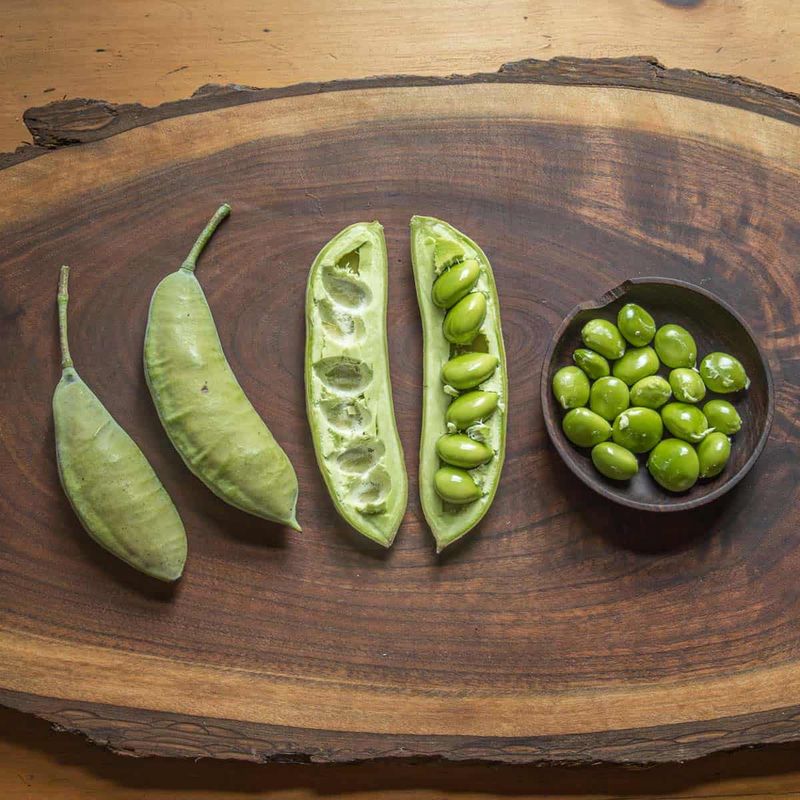
Fair warning before anyone gets curious in the kitchen. The raw seeds, pulp, and leaves of the Kentucky coffeetree contain an alkaloid called cytisine.
Eating raw parts can cause stomach pain, nausea, vomiting, and other symptoms. Extension sources and state agencies list the tree as toxic for that reason.
Pioneers relied on thorough roasting to make the seeds safer. Heat breaks down much of the harmful compound, but home roasting is hard to control, and an underdone batch can still cause trouble.
My honest advice is simple. Enjoy the history, admire the pods, and skip the homemade brew. There are far tastier and safer options sitting on any grocery shelf.
Livestock have also been sickened by grazing on the leaves or sprouts. Reports mention cattle and horses showing symptoms, and older accounts describe problems when animals drank water where many pods had fallen.
Families with small kids or curious dogs should keep an eye on fallen pods. Pick them up in spring when they drop, and teach children that the seeds are for looking, not tasting.
If someone swallows raw seeds, call Poison Control at 1-800-222-1222. Quick advice from the experts makes a big difference.
Only Female Coffeetrees Grow Those Leathery Pods
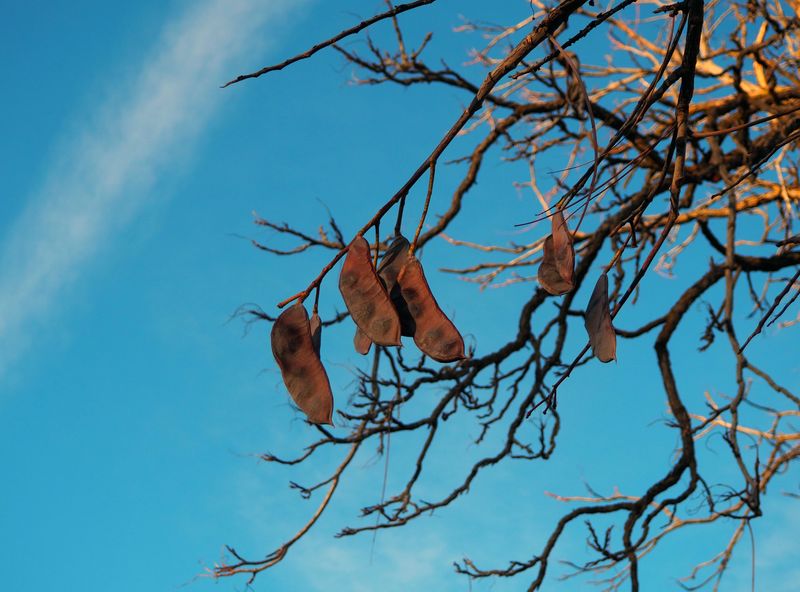
Here’s a twist that surprises a lot of gardeners. Kentucky coffeetrees come in separate male and female trees, which is what the word dioicus in the scientific name points to.
Only the females produce pods. A male tree will grow tall and handsome but will not drop a single seed.
Both kinds bloom in late spring, usually around May or early June in Indiana. The flowers are greenish-white and easy to miss, though female blooms carry a pleasant, light fragrance.
Pods form over the summer and ripen in fall. Many hang on through winter, then drop gradually into the following spring.
Nurseries often sell male cultivars on purpose. Espresso is one popular seedless choice, and Stately Manor is another male selection with an upright shape.
Choosing a male tree makes sense near patios, driveways, and sidewalks, where pods mean extra raking. Picking a female makes sense if you love the winter look of dangling pods or want to show kids a living piece of history.
Check the plant tag or ask the nursery before buying. A tree grown from seed will be a surprise, and you may wait years before flowers reveal which kind you have.
That Naked Branch Name Fits This Late-Leafing Tree
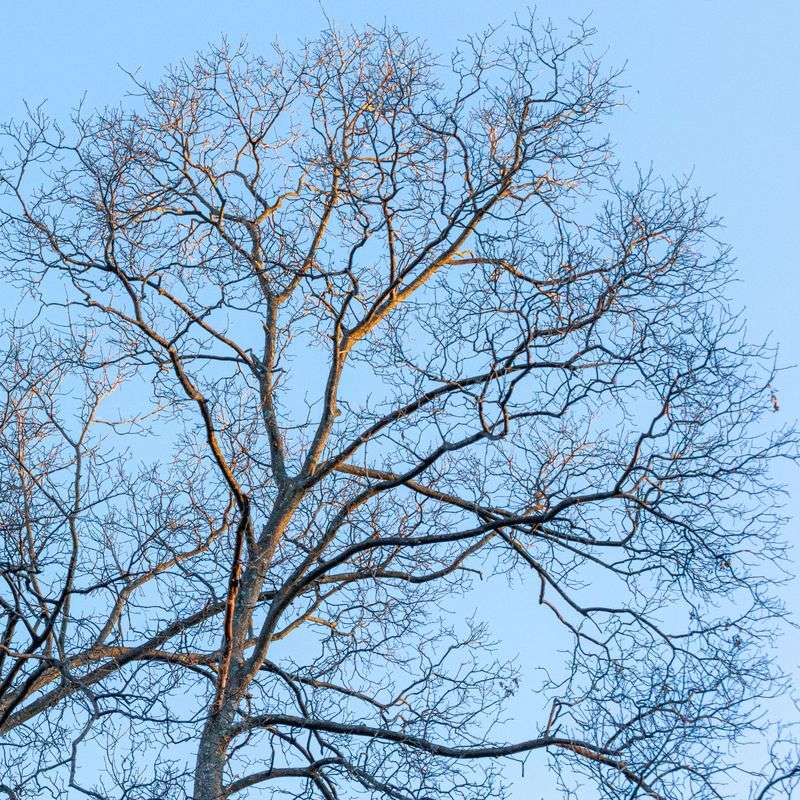
Gymnocladus comes from Greek words meaning naked branch. Once you live near one of these trees, the name makes perfect sense.
Coffeetrees are among the last trees to leaf out in spring. While maples and redbuds are already green, the coffeetree can still look bare well into May.
Leaves also drop fairly early in fall. Put those two habits together and the branches stay exposed for a large chunk of the year, often around six months.
Some gardeners find that bare stretch awkward. I happen to love it, because the heavy, crooked limbs create a bold winter shape you can spot from across a field.
The leaves deserve attention too. Each one is a huge doubly compound leaf, sometimes reaching 2 to 3 feet long, made of many small leaflets.
New leaves often open with a pinkish or bronze tint. Summer foliage turns a soft bluish-green, and fall color usually leans yellow.
That fine-textured foliage casts light, dappled shade. Grass and many perennials grow well beneath it, which is a nice bonus compared to trees with dense canopies that leave the ground below bare and patchy.
Tough Coffeetrees Handle Clay Soil, Drought, And City Streets
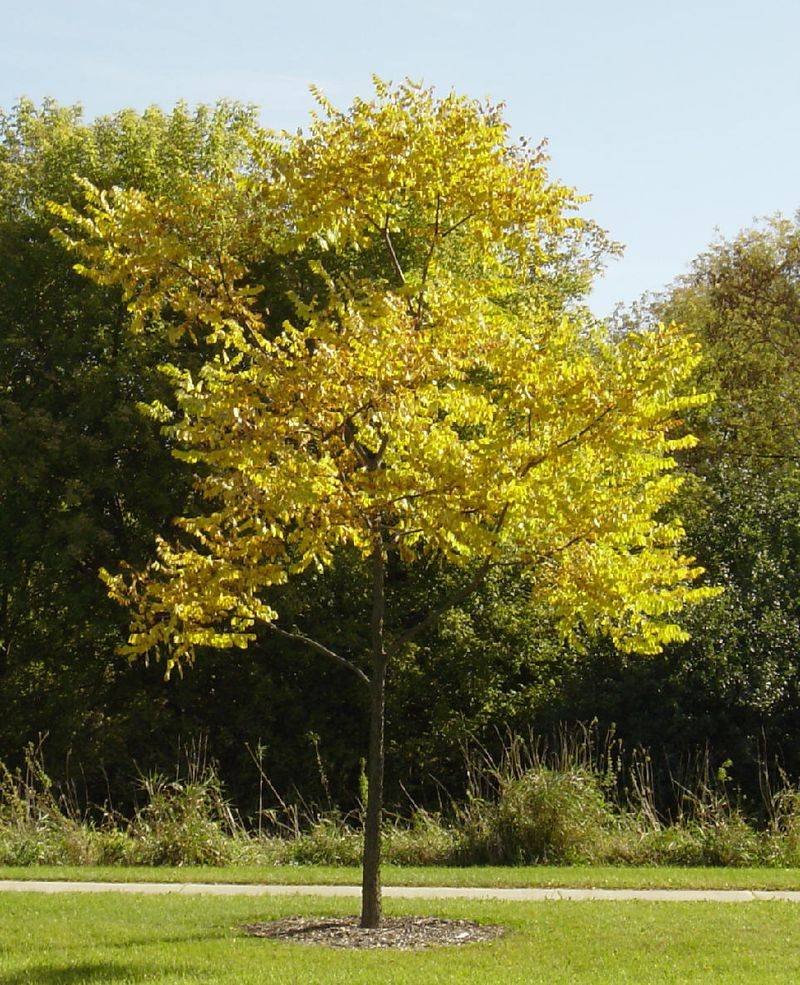
Clay soil, road salt, summer drought, and compacted ground. Plenty of trees sulk in those spots, but the Kentucky coffeetree often shrugs them off.
It grows best in full sun with deep, moist, rich soil. Still, it tolerates alkaline soil, heavy clay, pollution, and dry spells once it settles in.
The tree is hardy in USDA zones 3 through 8. That covers all of Indiana, which sits mostly in zones 5b through 6b with some 7a pockets in the south.
Pest and disease problems are rare. That reliability is a big reason cities have planted more coffeetrees after emerald ash borer wiped through so many street ashes.
Arborists also like it for diversity. Mixing in species like this one helps protect neighborhoods from losing most of their shade to a single pest.
Mature trees usually reach 60 to 75 feet tall with a spread of 40 to 50 feet. Give it room away from power lines and buildings.
Water young trees deeply during dry stretches for the first two or three years. After that, most coffeetrees manage on rainfall alone, which is exactly the kind of easygoing tree busy gardeners appreciate.
Plant A Young Coffeetree In Spring Or Fall For The Best Start
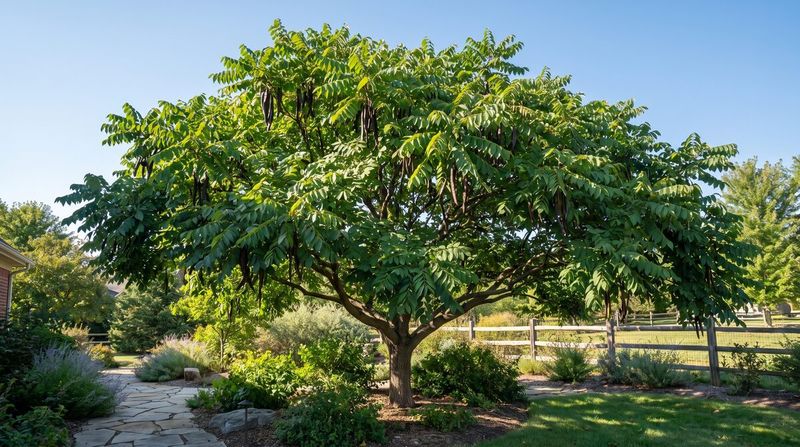
Patience pays off with this tree. Young coffeetrees grow slowly at first, often around a foot per year, before picking up a bit of speed.
Early spring or early fall are the best planting windows in Indiana. Cool air and steady moisture help roots settle before summer heat arrives.
Pick a sunny spot with plenty of room overhead and underground. Dig a hole two to three times wider than the root ball but no deeper, so the root flare sits right at soil level.
Spread 2 to 3 inches of mulch in a wide ring. Keep it a few inches away from the trunk to prevent rot and discourage rodents.
Pruning needs are light. Remove broken or crossing branches in late winter, and guide young trees toward a single strong central leader.
Plan a little spring cleanup if you choose a female. Pods drop over several months, and the big leaf stalks fall in autumn after the leaflets.
Growing from seed is possible too. The seed coat is extremely hard, so growers nick or file it before soaking, which helps water reach the inside and wake the seed up.
Mastodons And Ground Sloths May Have Spread Coffeetree Seeds Long Ago
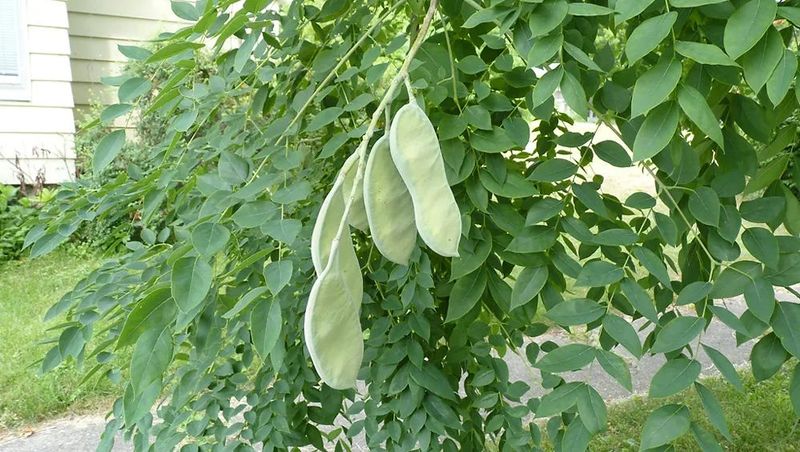
Ever wonder why so many pods just sit beneath the parent tree? The seeds are tough, the pods are heavy, and very few modern animals eat them.
Many scientists suspect that huge Ice Age mammals, such as mastodons or giant ground sloths, once ate the pods and spread the seeds. This idea is widely discussed, though it remains a likely explanation rather than a proven fact.
Without those big helpers, the tree relies mostly on water, gravity, and people. That helps explain why wild coffeetrees are scattered and uncommon across their range.
Rivers and floodwaters probably carry some pods to new spots. Human planting now does a lot of the work too.
Planting one connects your yard to a story that stretches from the Ice Age to frontier kitchens. Few trees offer that much history in one trunk.
Start by visiting a local park, arboretum, or campus to see a mature tree in person. Then ask a native plant nursery whether male or female suits your space.
Collect a pod or two for a winter display, kept out of reach of kids and pets. It makes a great conversation piece and a reminder of how clever early Hoosiers had to be.