Creeping Charlie Keeps Coming Back In Texas Yards (Here’s The Fall Fix)
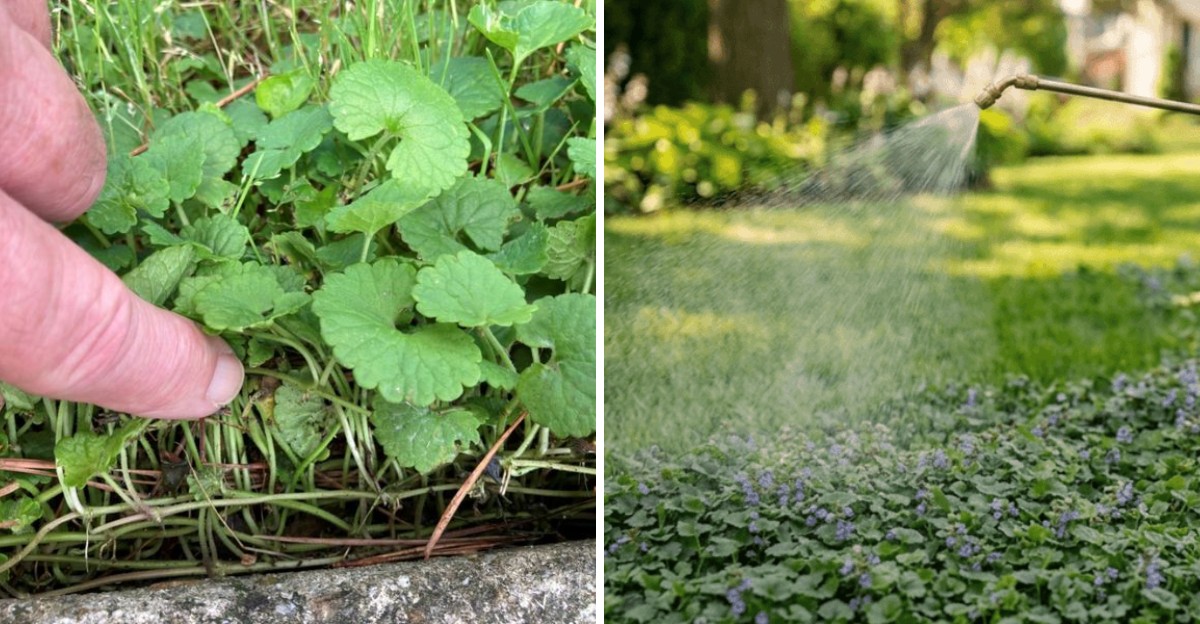
A certain lawn weed can root itself at nearly every little joint along its stems, almost like it is stitching itself into the soil.
Pull up one section, and a forgotten scrap the size of your pinky can start a fresh patch. Crush a leaf, and you get a surprising whiff of mint.
I used to blame my mower for those round-leaved green mats under the oak tree. Nobody warned me that the real trouble was hiding in square stems and sneaky runners. Believe it or not, the shady, damp corners of many Texas yards suit this plant just fine.
So why does it keep coming back after you pull it, spray it, and grumble at it? Personally, I think the answer has more to do with timing than effort. Cooler autumn weather quietly changes the rules in your favor.
Those Scalloped Leaves And Square Stems Are Giving Something Away
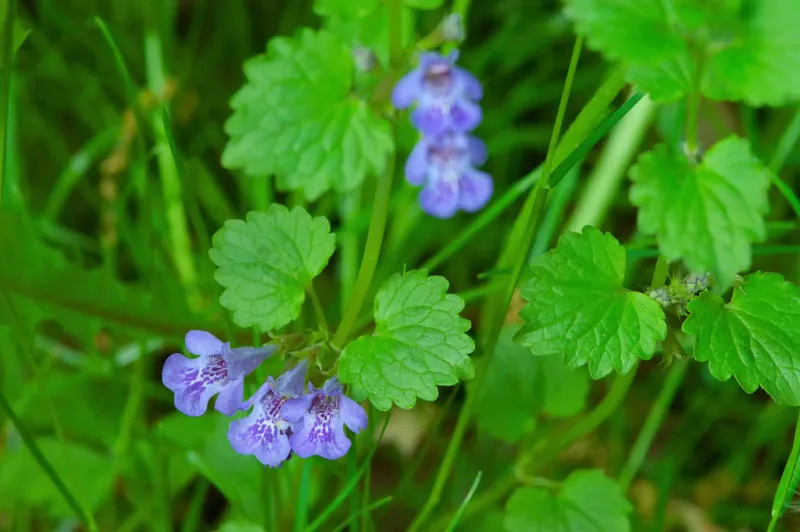
Roll a stem between your fingers and you will feel four flat sides. That square stem is a classic mint family trait, and it is your first clue that you are dealing with creeping Charlie, also called ground ivy or Glechoma hederacea.
The leaves are round to kidney-shaped with scalloped, wavy edges. They sit in pairs across from each other along long, trailing stems.
Crush one and you will notice a minty, slightly sharp smell. In spring, small purple-blue flowers shaped like tiny funnels pop up along the stems.
Getting the name right matters in Texas, because several lookalikes share our lawns. Henbit also has square stems and purple flowers, but it is a cool-season annual that fades once hot weather arrives.
Dichondra has smooth, round leaves without scallops and no square stem. Native frogfruit has toothed leaves and white flower heads that pollinators adore.
Creeping Charlie shows up most in moist, shady spots, and it is more common in the eastern and northern parts of the state than in the dry west. If your weed matches every clue above, the fall plan in the next sections fits your yard well.
Cooler Fall Days Send Ground Ivy Energy Down Into Its Roots
Autumn is the season when this weed gets busy underground. As days shorten and nights cool, perennial weeds like creeping Charlie move sugars down into their stems and roots to store energy for winter.
That shift is your opening. A systemic broadleaf herbicide sprayed on the leaves rides along with that downward flow, reaching the runners and roots instead of just burning the top.
University extension programs, including Iowa State, point to fall as the most effective time to treat ground ivy for exactly this reason.
In much of Texas, the sweet spot usually lands from mid-October into November, once the summer heat breaks but before a hard freeze.
North Texas may hit that window a little earlier, while the Gulf Coast and Rio Grande Valley often run later. Watch your local forecast instead of the calendar alone.
The weed needs to be green and actively growing for this to work. A plant that is stressed by drought or already frost-bitten absorbs far less product.
Spring, right around bloom time, makes a decent backup window, though results tend to be weaker. If you only treat once a year, I truly believe fall gives you the best shot.
Pick A Broadleaf Weed Spray That Matches Your Texas Grass

Grab the bottle and flip it straight to the back label. The product you choose makes a huge difference with this weed, and your grass type matters just as much.
Research from several extension services shows triclopyr is one of the stronger active ingredients against creeping Charlie.
Three-way blends with 2,4-D, dicamba, and mecoprop can also help, especially with repeat treatments. Products with 2,4-D alone often leave the weed looking rough but ready to bounce back.
Here is the Texas twist. Many lawns here are St. Augustine or centipede, and both grasses can be injured by some triclopyr and 2,4-D products, particularly when it is warm. Bermuda and zoysia usually tolerate these ingredients better.
Look for a label that names both creeping Charlie or ground ivy and your specific grass as safe.
Spot spraying patches tends to be smarter than blanketing the whole yard. It uses less product, protects nearby plants, and keeps stress off healthy turf.
If the label leaves you unsure, your county Texas A&M AgriLife Extension office can help match a product to your lawn. A two-minute call can save a whole season of frustration.
Spray Day Details Decide Whether Creeping Charlie Comes Back
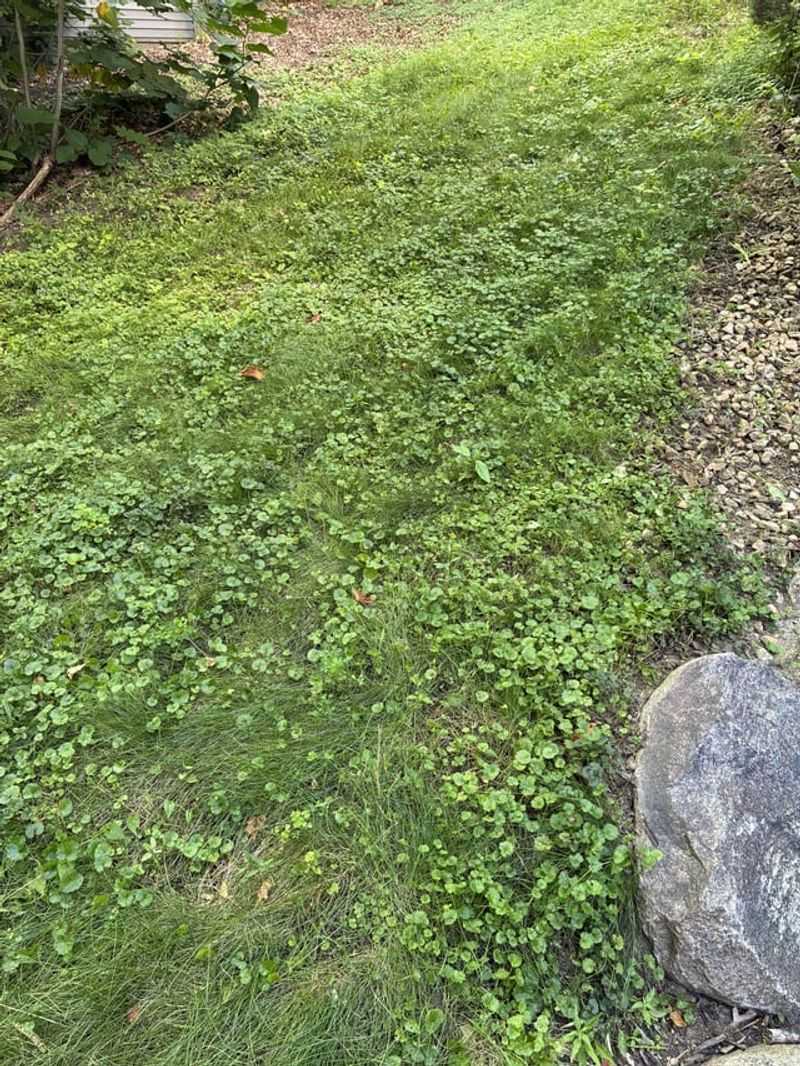
A perfect product can still flop if the weather and mower do not cooperate. I learned that the hard way after a surprise shower washed off my first round.
Aim for a calm, dry day with temperatures roughly between 60 and 85 degrees. Wind can drift spray onto flowers and shrubs, so morning stillness helps.
Check that no rain is expected for at least 24 to 48 hours, and skip sprinklers during that stretch too.
Hold off on mowing for about three days before and three days after you treat. More leaf surface means more spray soaks into the plant. Mowing right after can also remove treated leaves before the product moves down to the roots.
Plan on more than one visit. Thick, older patches usually need a follow-up treatment two to four weeks later, and stubborn yards may take a couple of seasons.
Follow the label for spacing and rates every time. Be careful near tree roots.
Dicamba in particular can move through soil and harm trees and shrubs, so stay well back from the drip line of your favorite oak. Gloves, long sleeves, and keeping pets off wet grass round out a smart spray day.
Those Rooting Runners Explain Every Surprise Comeback
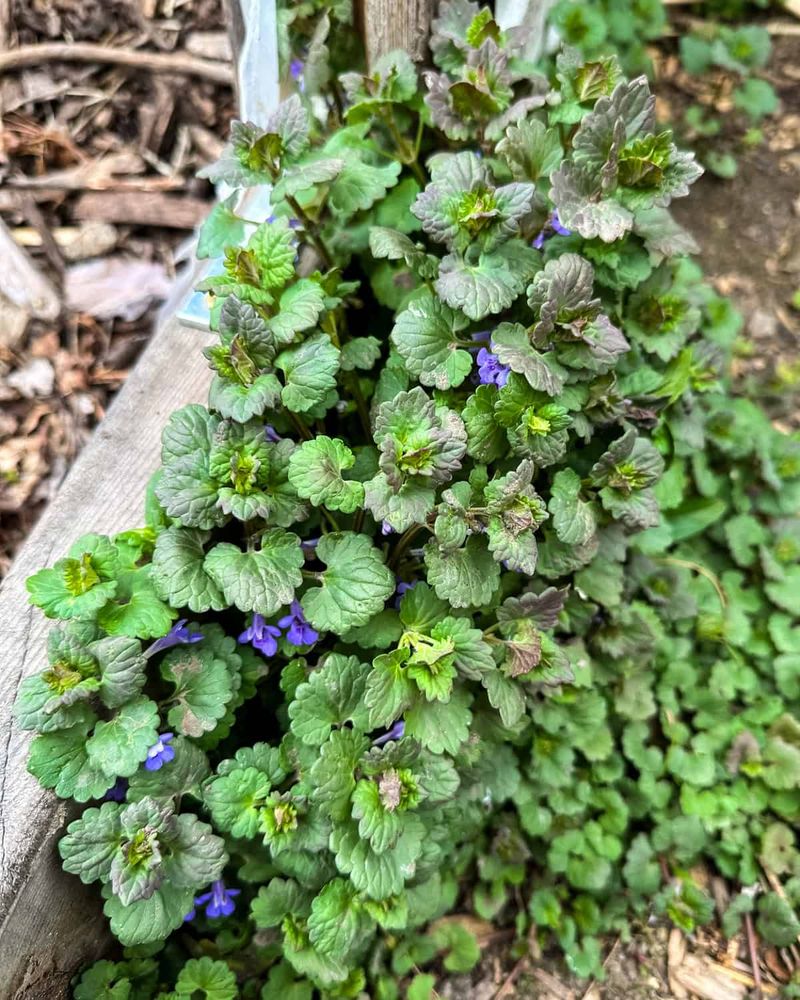
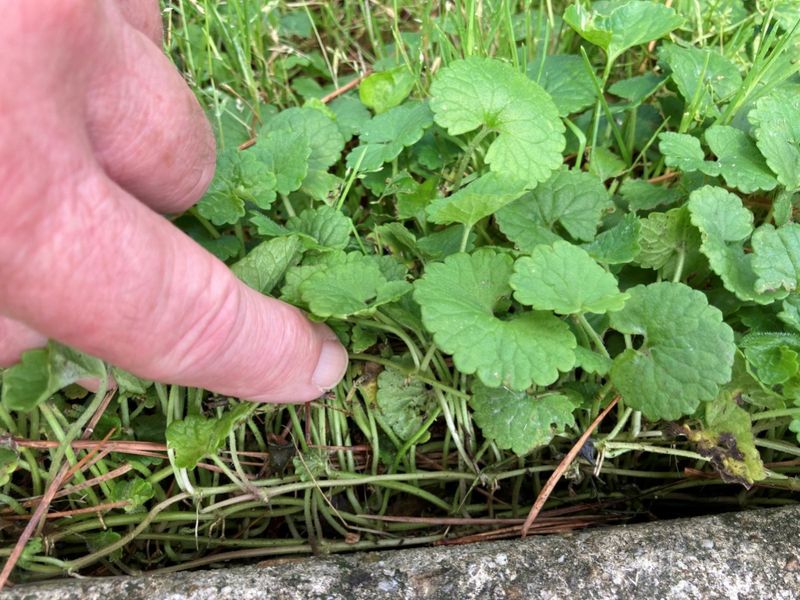
Lift a mat of creeping Charlie and you will spot tiny white roots dangling from the stems. Those stems are called stolons, and they crawl along the ground, rooting at nodes where the leaves attach.
Every one of those rooted nodes can act like its own little plant. When you yank a patch, stems often snap, leaving rooted bits behind.
A few weeks later, the patch looks like you never touched it. That is not bad luck, it is plain biology. Creeping Charlie also produces seeds, though spreading by runners is its main trick.
Mowers can carry stem pieces across the yard, and so can garden tools or a wheelbarrow rolled through a patch. Before long, a shady corner turns into three shady corners.
The plant is a fan of moisture but adapts better than many folks expect. It handles partial sun and a range of soils, which helps it creep from flower beds into turf. In Texas, it often hides along fences, under trees, and near leaky spigots.
Knowing all this changes your approach. Treatments need to reach the runners and roots, and cleanup needs to catch every fragment, not just the leafy tops.
Hand-Pulling Small Ground Ivy Patches Works After A Good Rain
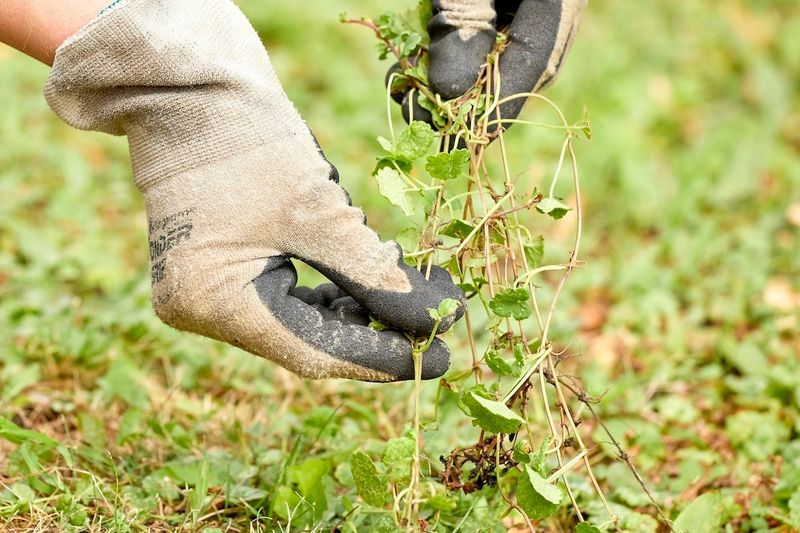
Got just a small patch? Pulling by hand can work nicely, and you skip sprays entirely. It just takes patience and a little stubbornness of your own.
Wait until after a soaking rain or a deep watering. Moist soil lets the runners slide out instead of snapping.
Start at the center of the patch, find a main stem, and gently follow it outward, lifting each rooted node as you go.
A hand weeder or an old fork helps loosen roots without tearing them. Work slowly and sift through the soil with your fingers for broken pieces. Any scrap left behind can regrow, so a quick second pass is worth the effort.
Toss what you pull into the trash, not the compost pile. Home compost often does not get hot enough to stop those stems from rooting again. Bagging them keeps your hard work from spreading back across the yard later.
Check the spot every week or two for new sprouts and pluck them while they are tiny. Fall is a lovely time for this chore in Texas, since the cooler air makes kneeling in the yard far more pleasant. A podcast and a bucket make it go faster.
Shady Oak Trees And Soggy Soil Roll Out The Welcome Mat

Take a walk around your yard and notice where the weed is thickest. Odds are good it sits under a big tree, along a north-facing wall, or near a spot that stays damp after watering.
Creeping Charlie loves conditions that make grass weak. Deep shade, compacted soil, and poor drainage thin out turf, and the weed happily fills every gap. Spraying without fixing these problems often leads right back to the same patch next year.
Start with light. Having a certified arborist thin or raise tree canopies can let more sun reach the ground.
In Texas, prune oaks between July and January when possible, which lowers the risk of oak wilt spreading through fresh wounds.
Next, check the water. Fix leaky hoses, adjust sprinkler heads, and cut back on watering in areas that stay soggy.
Core aeration helps compacted soil breathe and drain, and it suits warm-season grasses best in late spring or early summer.
Some spots will stay too shady for any lawn. Turning those areas into mulched beds with shade-loving native plants, such as inland sea oats or Turk’s cap, often works better than fighting the grass battle forever.
A Thick St. Augustine Or Bermuda Lawn Becomes Your Best Shield
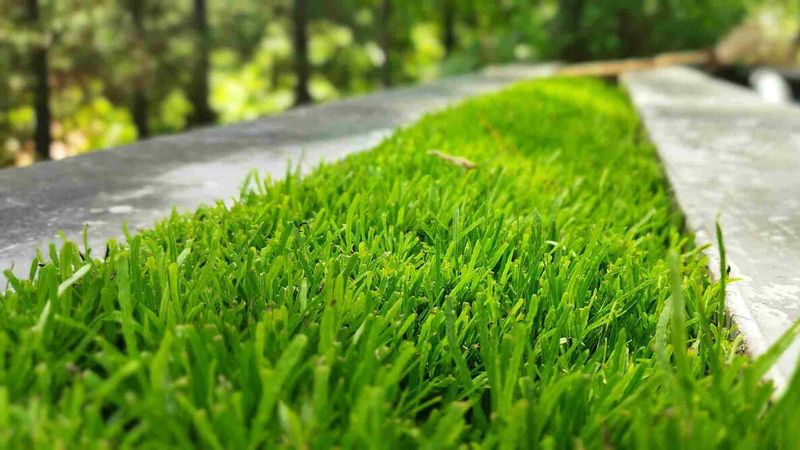
Dense, healthy grass leaves very little room for creeping Charlie to sneak in. Sprays and pulling buy you time, but a strong lawn keeps the weed from moving back.
Mowing height is a quick win. St. Augustine usually does best around 3 to 4 inches, while Bermuda prefers a shorter cut, often 1 to 2 inches. Taller grass shades the soil and makes life harder for low-growing weeds.
Water deeply and less often, about an inch per week in hot weather, depending on rain. Shallow daily sprinkling keeps the surface damp, which is exactly what creeping Charlie enjoys.
Feed warm-season grass during its active growing season, from spring through late summer. Skip heavy nitrogen in late fall, since it can push tender growth right before cold weather and raise disease risk in St. Augustine.
Bare patches in Texas lawns are often best repaired with sod or plugs in late spring, when warm-season grass grows fast. Fall seeding with cool-season grass is mostly a northern habit and rarely fits here.
So here is my takeaway. Treat in fall, follow up, fix the shade and soggy soil, and let thick grass finish the job.