How To Stop Your Texas Lavender From Going Woody In Fall
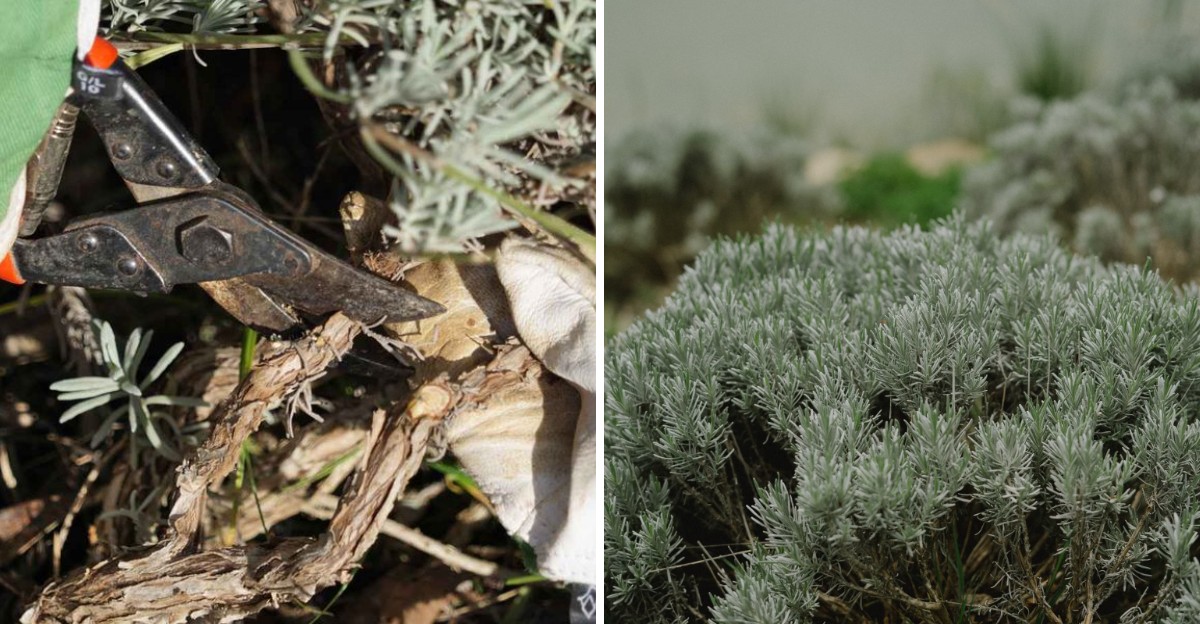
It usually happens slowly. At first, your lavender looks full, silvery, and covered in fragrant purple spikes. Then, a season or two later, the center starts to open up.
Thick, gray, twisted stems take over, while the fresh green growth sits only at the tips like a bad haircut. That’s what gardeners mean when they say lavender has “gone woody.”
It’s a natural part of how lavender grows, but in Texas, the process can speed up. Heat stress, rich soil, extra water, and long stretches without trimming all push the plant to stretch out and harden.
Once those old, woody stems take over, they rarely sprout new growth again. The trick is staying one step ahead.
A few smart moves in the fall can help your lavender stay compact, full, and productive for years instead of turning into a tangle of bare sticks.
1. Give It A Light Trim In Early Fall
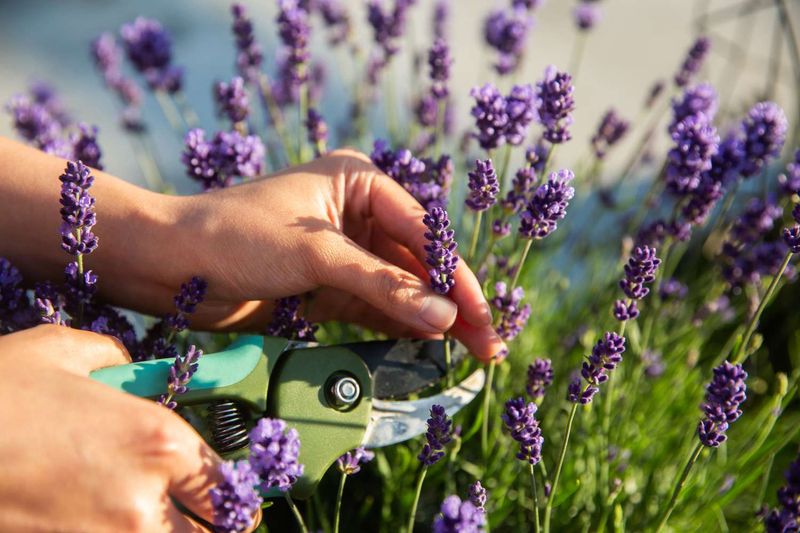
Late September in Texas feels like a deep breath after a long, hot summer. Your lavender feels it too. Now is the moment to grab your snips and give it a gentle haircut.
Start by cutting off the old flower stems. These dry, brown spikes are done blooming, and they just sap energy from the plant. Snip each stem down to where the leaves begin. You will instantly see a neater, fresher shape.
Next, lightly shape the whole plant. Aim for a soft, rounded mound, a bit like a cushion. Take off only about an inch or two of leafy growth. Think of it as tidying up, not a makeover.
So why does a small trim matter so much? Lavender loves to stretch out and get leggy. When you trim the tips, the plant sends energy back toward its base.
That push creates fresh, leafy shoots lower down, which keeps the plant compact and full.
Timing is the secret here. Trimming in early fall gives new growth several weeks to toughen up. Soft shoots that pop out too late can get hurt by the first cold snap.
In most of Texas, aim to finish trimming by early October. Gardeners in the Panhandle may want to start a little sooner.
Use clean, sharp shears for the job. Dull blades can crush stems, and dirty tools may spread disease. A quick wipe with rubbing alcohol works well between plants.
Here is a fun bonus. Those trimmed stems still smell wonderful. Tie them in small bundles and hang them indoors to dry. Your kitchen or closet will smell like a summer garden for weeks.
2. Don’t Cut Back Into Old Wood
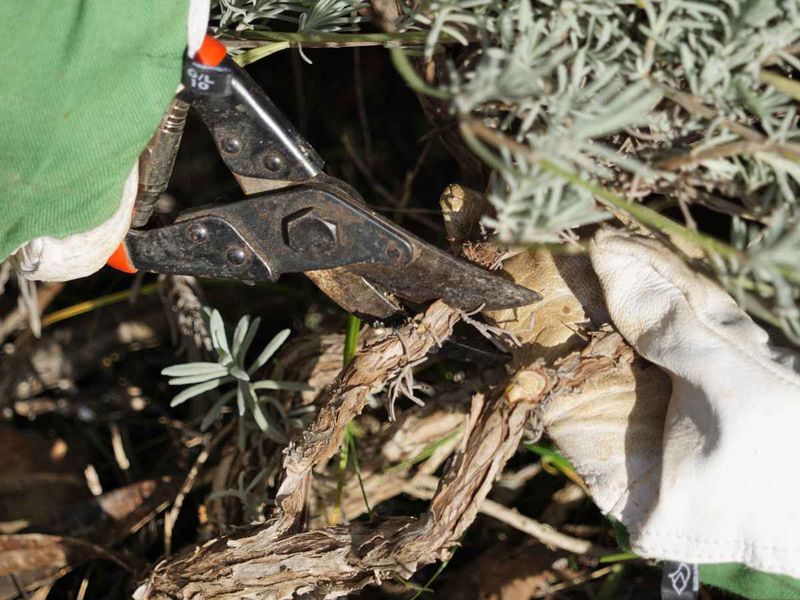
Ask any longtime lavender grower about their biggest mistake, and many will say the same thing. They cut too low. One bold snip into brown, bare stems, and that part of the plant never came back.
Here is the tricky truth about lavender. Unlike roses or many shrubs, it rarely sprouts new growth from old, woody stems.
Those thick brown branches near the base have mostly lost their ability to make fresh buds. If you cut them down to bare wood, you often get a stubby, empty patch that stays empty.
So how do you know where to stop? Look closely at each stem. You will see the woody part at the bottom, which is brown, rough, and stiff.
Above it, you will find softer, green growth covered in leaves. That green zone is where the magic happens.
Always leave at least two or three inches of leafy green growth above the woody base. Small leaf buds hide along those green stems. They are the ones that will wake up and fill out your plant.
A simple trick can help if you feel unsure. Before cutting, gently bend a stem. Green stems feel bendy and alive.
Woody stems feel stiff and snap more easily. Let that bend test guide your shears.
Some gardeners also find it helpful to trim in small steps. Cut a little, step back, and look at the shape. Then cut a little more if needed. Rushing is how mistakes happen.
Remember, you can always trim more later. You cannot glue a stem back on. Being careful today means a fuller, happier plant next spring.
3. Skip Heavy Fall Pruning
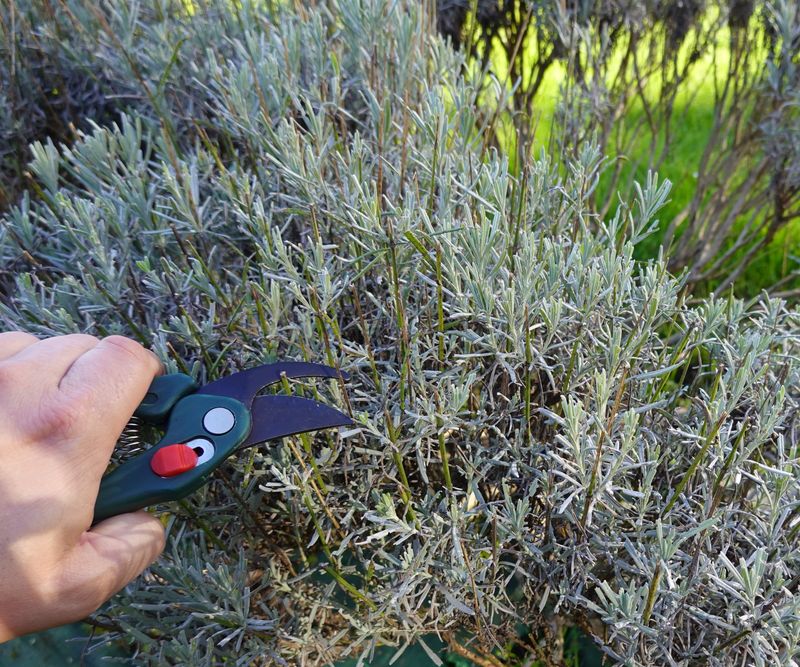
Hard pruning in fall is a bit like getting a buzz cut right before a snowstorm. It sounds bold, but your timing could not be worse. Lavender feels the same way about a big chop when cold weather is coming.
Heavy pruning means cutting off a large part of the plant at once. In spring, that can work well. In fall, it causes trouble. The plant needs its leafy growth to protect its center from cold winds and frost.
When you remove too much, you expose the inner stems. Those bare areas can get damaged by freezing nights.
Texas may be known for heat, but sudden winter freezes happen often. Remember the big freeze of February 2021? Many lavender plants with fresh, heavy cuts took a hard hit that year.
Big cuts also make woody gaps worse. The plant tries to heal open wounds instead of storing energy for winter. That stress can leave you with more bare, brown stems by spring.
So what should you do instead? Be patient and wait. Early spring is the best time for any major shaping.
Watch for tiny green shoots poking out along the stems. Once you see them, you know exactly which parts are alive and ready to grow.
In most Texas areas, that happens between late February and March. At that point, you can shape your plant with more confidence. You will also avoid cutting off healthy growth by accident.
For now, keep your fall work light and simple. A tidy trim is plenty. Your lavender will thank you with stronger stems and fuller growth when warm days return.
4. Stop Fertilizing
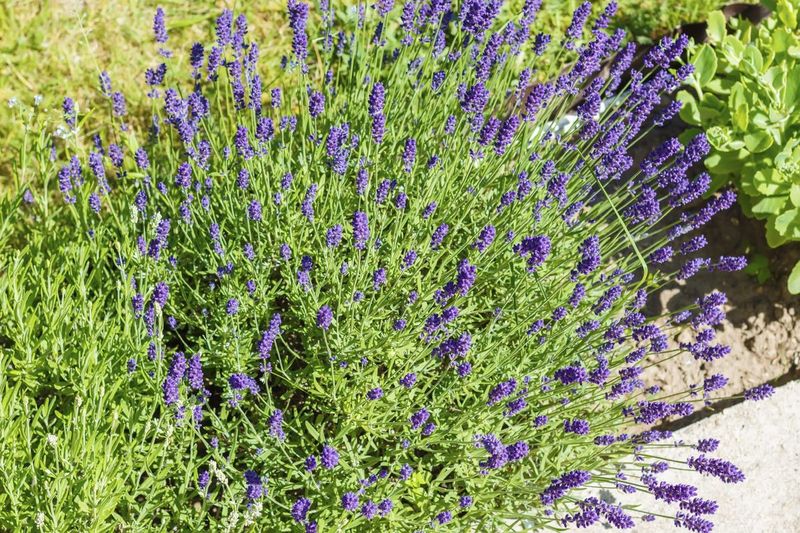
Did you know wild lavender grows on rocky hillsides around the Mediterranean, where the soil is thin and poor? It has spent thousands of years living on very little food. That tough history explains a lot about what your plant needs.
Many gardeners think more fertilizer means a healthier plant. With lavender, the opposite is often true.
Rich feeding pushes out lots of soft, fast growth. Those new stems look nice for a short time, but they are weak.
Weak stems tend to stretch and flop. They become leggy, and then they turn woody quickly. In fall, it gets even worse.
Soft growth that appears late in the season has no time to harden before cold weather. A single freeze can damage it badly.
So put the fertilizer away for now. Your lavender will happily rest through fall and winter without any extra food. In fact, that rest helps it stay compact and strong.
What about spring? Many lavender plants in Texas never need fertilizer at all. If your plant looks pale or grows very slowly, a light sprinkle of compost in spring is usually enough. Skip high-nitrogen products, since nitrogen fuels leafy, floppy growth.
Watch out for sneaky feeding too. Lawn fertilizer can drift into garden beds when you spread it nearby. Try to keep a little distance between your grass and your lavender.
Texas soils vary a lot, from sandy to heavy clay. Lavender actually likes alkaline soil, which many parts of Texas already have.
That means your yard may be naturally perfect for it. Sometimes, doing less really is the smartest gardening move.
5. Keep The Roots Dry
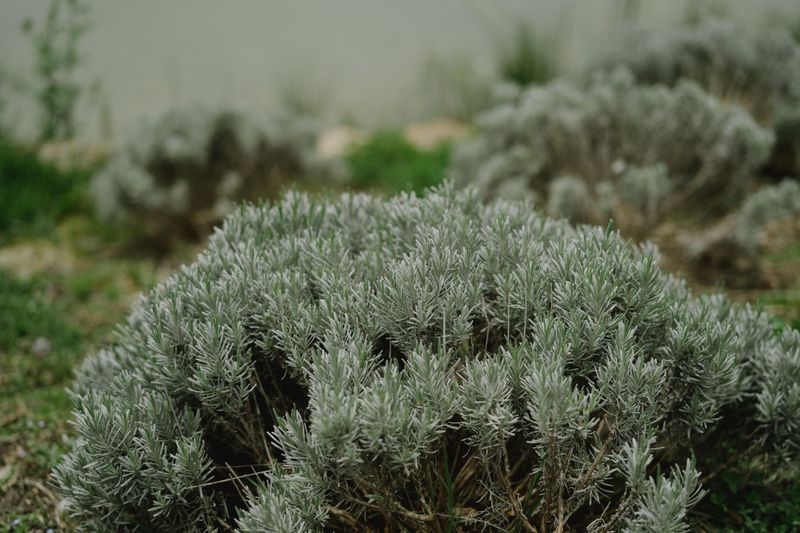
Lavender can laugh at a 100-degree August afternoon. Give it a week of soggy winter soil, though, and it starts to sulk. Wet roots are one of its worst enemies.
When soil stays damp for too long, lavender roots cannot breathe. They start to rot. As the roots weaken, parts of the plant begin to dry out and fail. That dieback leaves behind bare, woody stems that rarely recover.
Fall and winter bring cooler temperatures and less sun. Water does not evaporate as fast. Even a normal amount of watering can leave the soil wet for days. So cut back sharply on watering once the weather cools.
A simple finger test helps. Push your finger about two inches into the soil. If it feels damp, skip watering. Established lavender in the ground often needs no extra water at all during a Texas winter, thanks to rain.
Mulch matters more than you might think. Wood chips and bark hold moisture against the base of the plant.
That is great for many flowers, but not for lavender. Pull organic mulch away from the crown, which is where the stems meet the soil.
Replace it with a layer of gravel or crushed granite. Light-colored gravel also reflects sunlight up into the plant, which lavender loves. Plus, it gives your garden a clean, Mediterranean look.
If your yard has heavy clay, think about raised beds or mounds for future plantings. Even a few inches of height helps water drain away.
Growing in pots works too, as long as they have big drainage holes. Dry feet mean a fuller, greener plant.
6. Take Cuttings To Replace Woody Plants
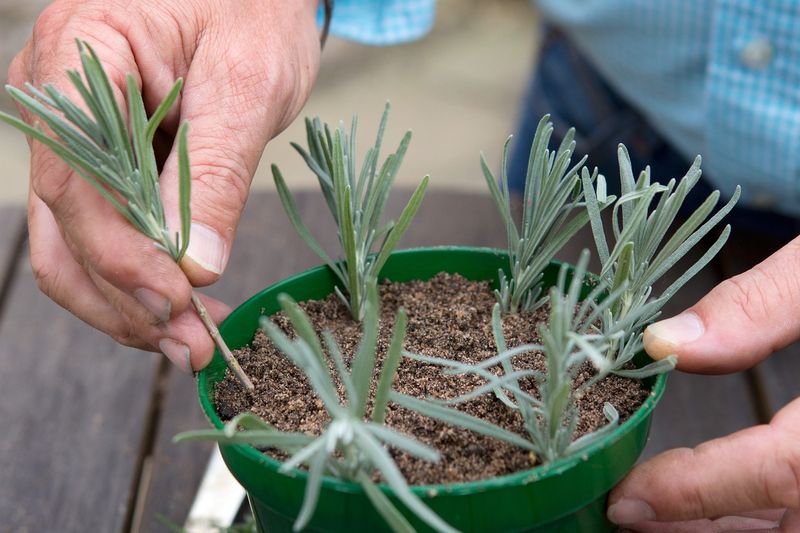
Every lavender plant has a lifespan, and that is perfectly okay. After about five to eight years, most plants turn woody no matter how well you care for them. The clever fix is to grow your own replacements for free.
Fall is a great time to take cuttings. The plant has finished its big summer bloom, and the stems are healthy and firm.
Look for green, non-flowering shoots about three to four inches long. Shoots without flowers root much more easily.
Here is how to do it. Snip a stem just below a leaf joint. Strip the leaves from the bottom inch or two. If you have rooting hormone, dip the cut end in it, though many cuttings root fine without it.
Next, stick the cutting into a small pot filled with gritty, well-draining mix. A blend of potting soil with perlite or coarse sand works well. Gently firm the soil around the stem. Water lightly, just enough to settle it in.
Place your pots somewhere bright but out of harsh direct sun. A covered porch or sunny windowsill is ideal.
Keep the soil barely moist, never soggy. In about four to six weeks, give a cutting a gentle tug. If it resists, roots have formed.
Plant your new lavender outside in spring once frost danger passes. Then you can retire your oldest, woodiest plants without losing that lovely purple glow.
Fun fact: one healthy lavender bush can give you a dozen or more cuttings. Share extras with neighbors and friends. Few gifts smell sweeter than a homegrown lavender plant.