The Bug With a Built-In Gear on Its Back Delivers One of Virginia’s Most Painful Bites
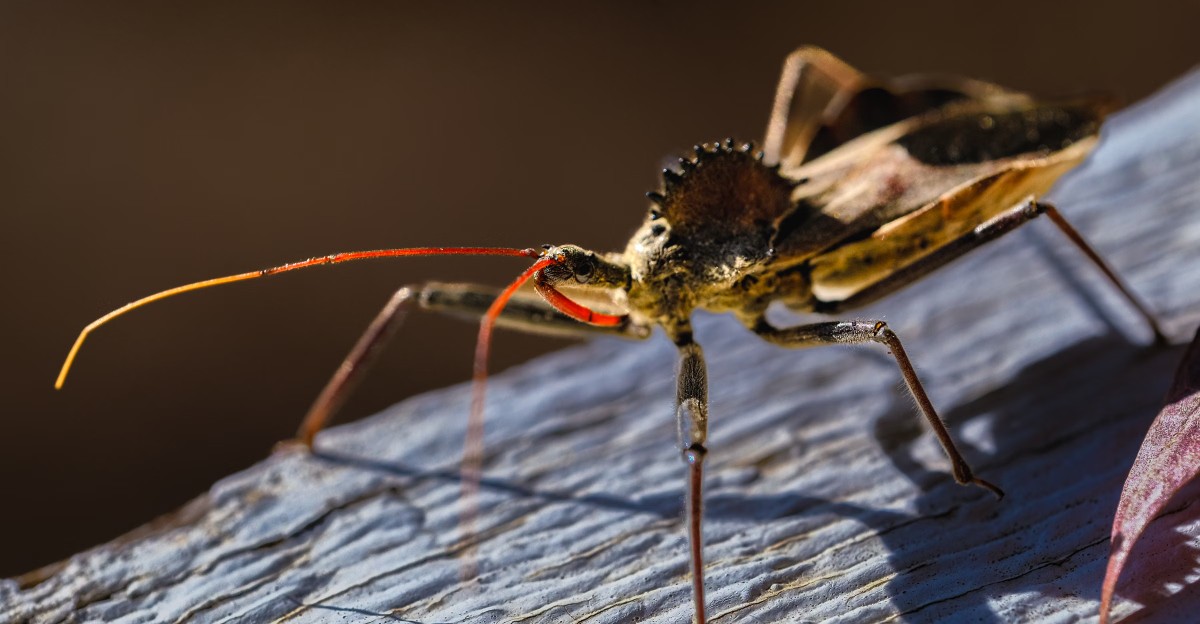
A gray insect in my flower bed wears a spiky half-circle on its back that looks like a part pulled from an old clock.
That crest is real, and it belongs to one of the biggest assassin bugs in North America. Adults can reach about an inch and a half long.
They stalk caterpillars and beetles on slow, careful legs, then strike with a beak that works like a tiny needle.
I first noticed one on a late-summer zinnia here in Virginia, and I almost reached for it. Turns out that would have been a painful mistake.
People who have been bitten often compare it to a hornet sting, and some say the sore spot lingers for days.
If you garden anywhere in Virginia, you might have one patrolling your tomatoes right now. So is this odd little hunter a garden ally, a hazard, or a bit of both?
That Gear-Shaped Crest Makes This Assassin Bug Easy to Spot
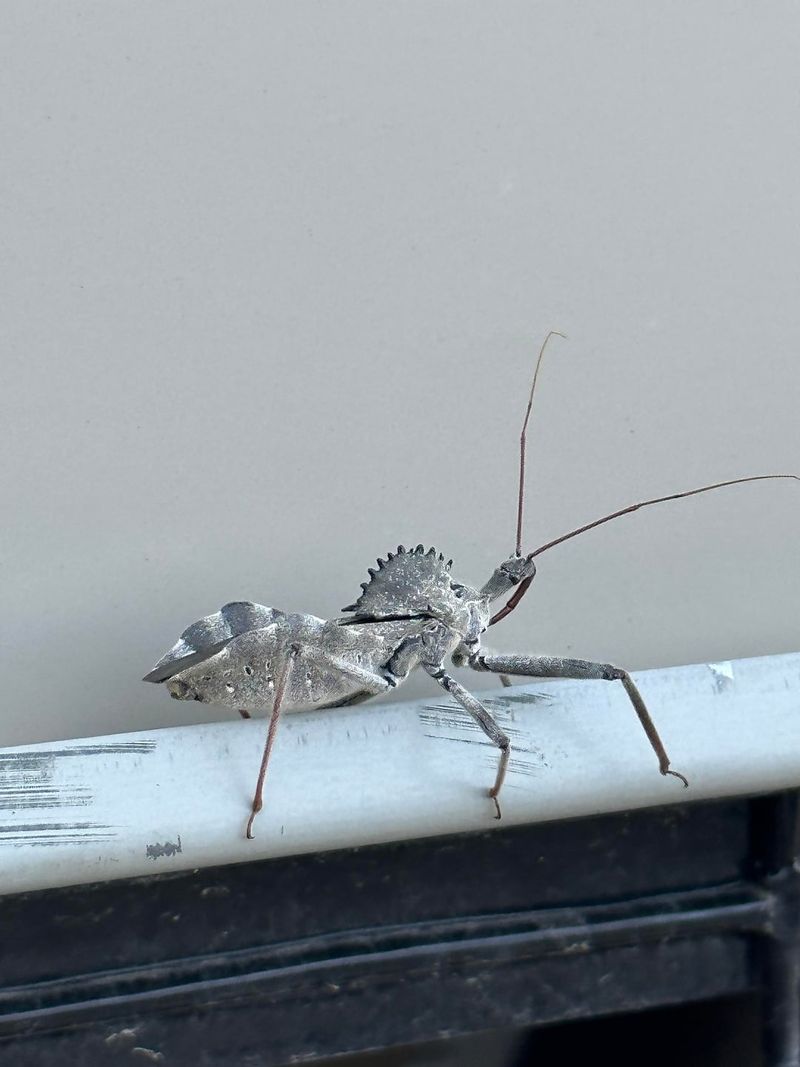
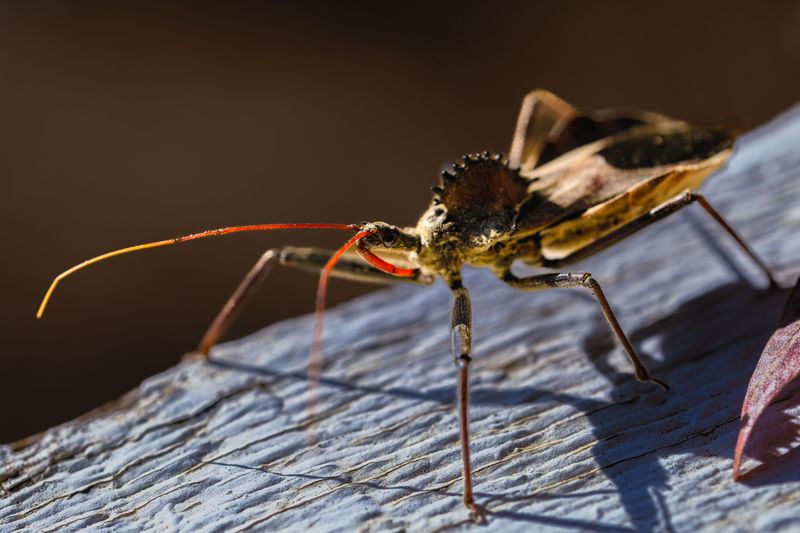
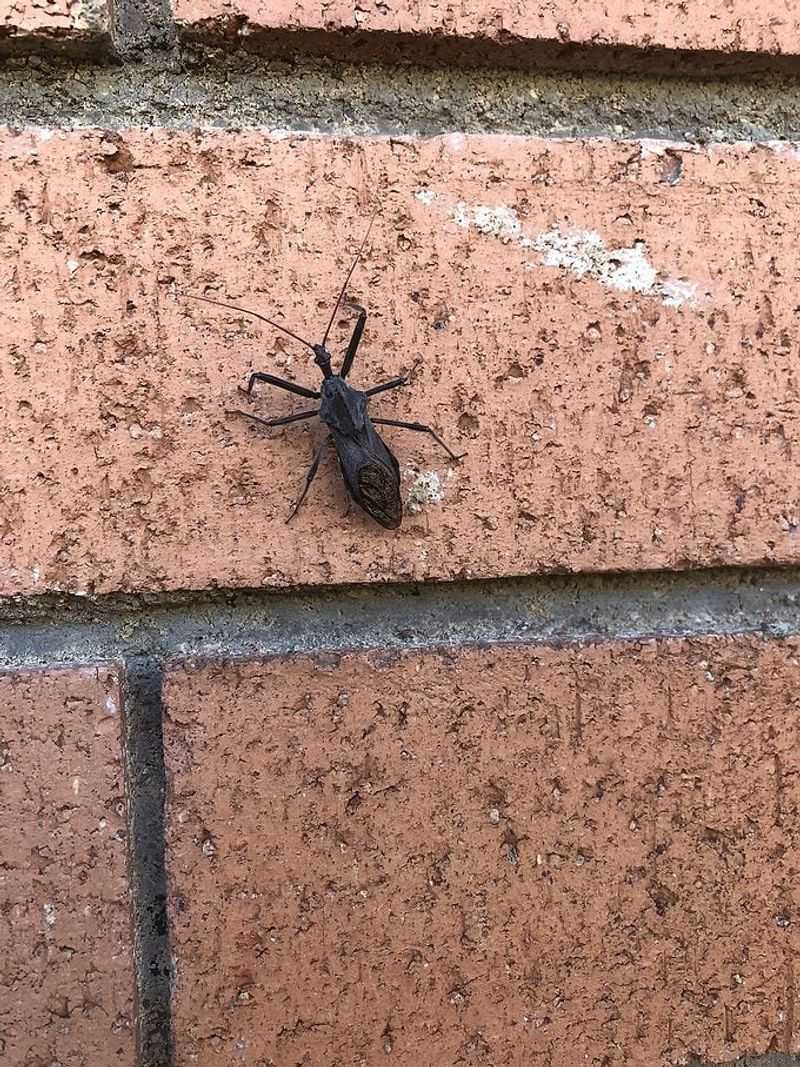
Once you see the wheel bug, you will not mix it up with anything else. The raised, toothed crest on its thorax looks like half of a gear, and no other insect in North America carries one quite like it.
Its scientific name is Arilus cristatus, and it belongs to the assassin bug family. Adults are a dull gray to brownish gray, which helps them blend into bark, stems, and dried leaves.
They grow to about 1 to 1.5 inches long, making them one of the largest true bugs you will find in a Virginia yard.
Look for a few other clues too. The head is narrow and sits on a long neck, with small beady eyes and long antennae. A thick, curved beak tucks under the head when the bug is resting.
The crest usually has around 8 to 12 bumps, and scientists still are not certain what purpose it serves. Some guess it helps with camouflage or makes the bug look harder to swallow.
Wheel bugs walk slowly and fly clumsily, with a buzzy sound that some people mistake for a large wasp. That slow pace gives you plenty of time to admire one from a safe distance.
A Wheel Bug Bite Can Hurt Worse Than a Wasp Sting
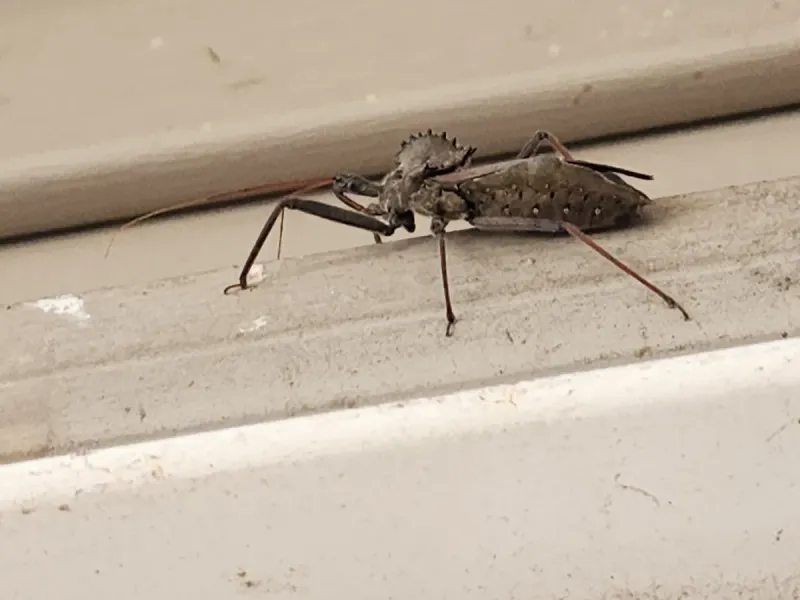
People who have felt it rarely forget it. Extension entomologists at Virginia Tech and the University of Kentucky describe the wheel bug bite as immediately and intensely painful, often worse than a bee or wasp sting.
The pain comes from the same tool the bug uses for hunting. Its stiff beak pierces skin, and saliva loaded with enzymes and other compounds enters the wound. That is why some people report a burning or numb feeling around the bite.
Afterward, the spot may turn red, firm, and swollen. Many bites settle down within several days, though some reports describe a hard bump that takes up to two weeks to fade fully.
The bug is not out to get you. Bites mostly happen when someone grabs one, brushes against it while weeding, or pins it under a sleeve or glove.
So the smartest move is simple. Keep your bare hands away from any gray bug with a crest, and wear gloves when pulling weeds or picking produce in late summer.
If you need to move one, nudge it onto a stick or into a jar. It will happily wander off to hunt somewhere else.
Your Tomato Plants Have a Gray Bodyguard Eating Caterpillars
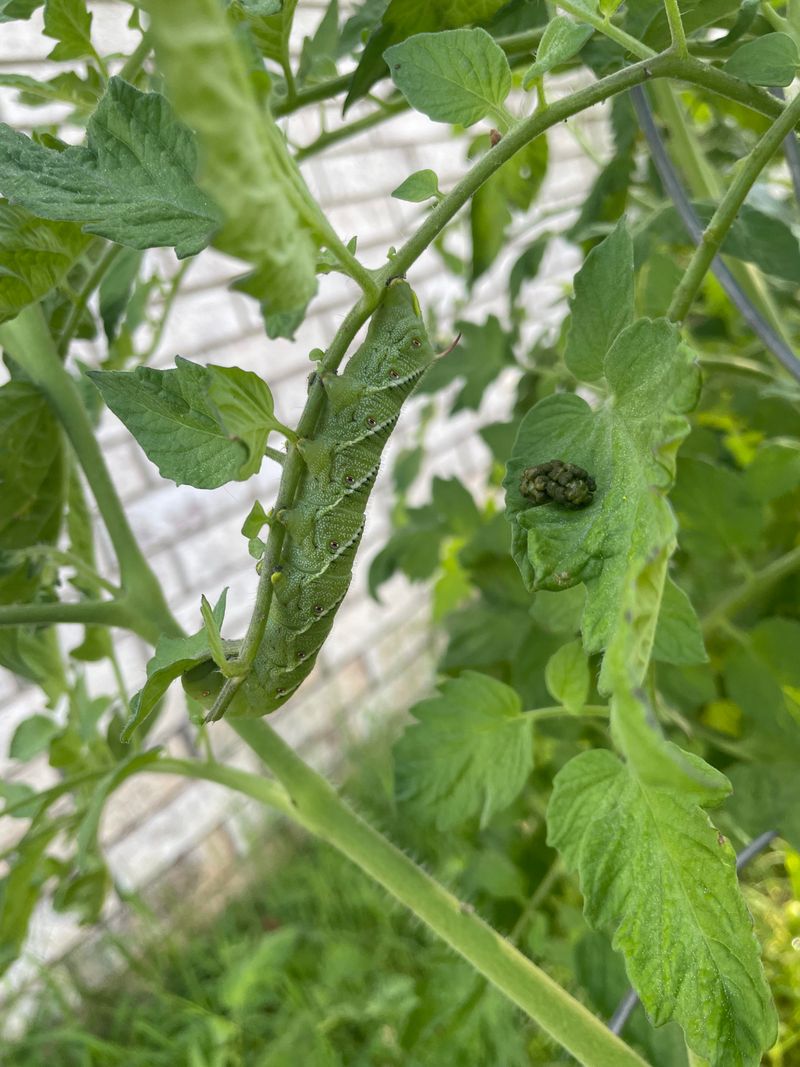
I will admit it, I cheered the first time I watched a wheel bug grab a caterpillar off my tomato vines. These hunters are generalist predators, which means they eat many kinds of insects instead of one specific target.
Their menu includes caterpillars, Japanese beetles, sawfly larvae, aphids, and other soft-bodied pests. Researchers have also documented them feeding on the invasive brown marmorated stink bug, a pest many Virginia gardeners know too well.
Because of this appetite, extension specialists generally treat wheel bugs as beneficial insects. A few patrolling your garden can help reduce pest numbers without a single spray.
To be fair, they are not picky about friends versus foes. Wheel bugs sometimes take bees, butterflies, and other helpful insects, so they are a mixed blessing rather than a perfect pest solution.
Still, most gardeners come out ahead with them around. Their overall effect on pests usually outweighs the occasional honeybee lost.
The best way to keep them working for you is to cut back on broad insecticides. Those sprays harm predators as much as pests, and wheel bugs breed only once a year, so their numbers bounce back slowly.
Watch How a Wheel Bug Uses Its Needle Beak on Prey
Hunting for a wheel bug looks less like a chase and more like a slow, patient ambush. The bug creeps toward its prey or waits quietly on a stem until something wanders close.
When the moment comes, it grabs the target with its strong front legs. Then it swings its curved beak forward and stabs.
That beak delivers saliva that subdues the prey quickly. The enzymes also start breaking down the insides of the victim.
Next comes the meal. The wheel bug sucks up the softened tissue through its beak, much like you would sip a thick milkshake through a straw.
What remains is often just an empty shell clinging to a leaf. If you find hollow caterpillar skins or beetle husks on your plants, a wheel bug may be nearby.
This feeding style explains why the bite hurts so much. The bug is using the same equipment on your finger that it uses on a beetle, just in self-defense.
Here is a fun bonus fact. Wheel bugs can sometimes release a strong odor from small orange scent glands when disturbed, a warning signal that tells predators to back off.
Late Summer Is When Adult Wheel Bugs Show Up Most
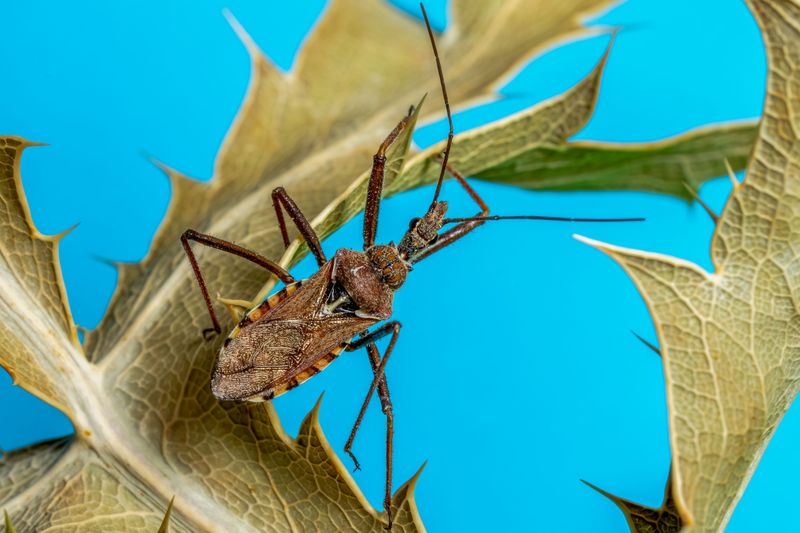
Timing is everything with this insect. In Virginia, adult wheel bugs are most noticeable from late summer into fall, roughly August through October.
That is when they reach full size and grow their crests. It also overlaps with harvest season, so you are more likely to bump into one while picking peppers or trimming flowers.
Wheel bugs live across most of the eastern United States. They are common throughout the state, from Tidewater backyards to mountain orchards, and they often show up in gardens, fields, hedgerows, and wooded edges.
Look for them on plants that attract plenty of insects. Goldenrod, sunflowers, fruit trees, and vegetable beds are good places to scan.
Their gray color makes them easy to miss. I usually spot them only when they move, or when I notice that odd silhouette sticking up from a leaf.
In fall, adults mate and females lay eggs. Once frost arrives, the adults decline and disappear for the season.
That means a sighting in October may be your last chance until the next summer. Grab your phone, snap a photo, and keep those hands at a respectful distance.
Bright Red Wheel Bug Nymphs Look Nothing Like Their Parents
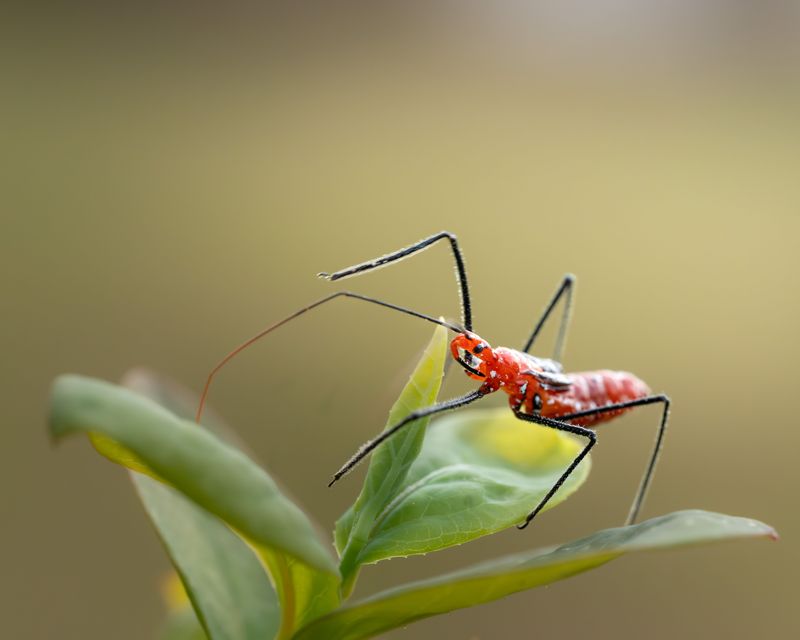
Spring brings a surprise that many gardeners misidentify. Young wheel bugs, called nymphs, hatch from eggs in late spring and look like a totally different insect.
Fresh nymphs are tiny and bright red to orange, often with a black abdomen. They have no wings and no crest yet.
Hatching tends to happen in clusters. You might spot a group of these little red bugs near the empty egg mass on a twig or fence board.
As they grow, the nymphs molt several times over a few months. With each stage they darken, grow larger, and slowly develop wing pads and the beginnings of the famous gear.
Even the smallest ones are hunters from the start. They go after aphids and other tiny soft insects, so they help your garden early in the season.
Nymphs can bite too, though their smaller size usually makes it less intense. Treat them with the same respect you give the adults.
Many people confuse them with milkweed bugs or other red insects. A slim body, long legs, and a narrow head are good hints that you have a young assassin bug rather than a plant feeder.
Those Wheel Bug Egg Clusters on Twigs Are Worth Leaving Alone
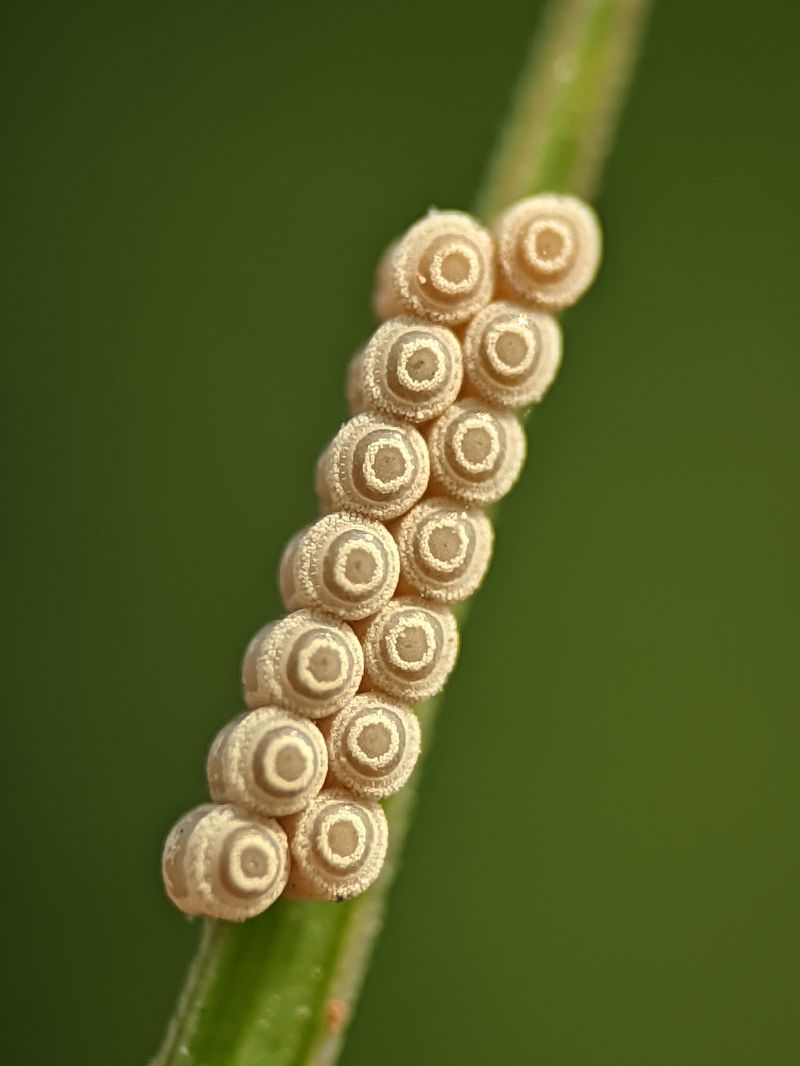
Here is a winter scouting tip that most gardeners overlook. Wheel bugs spend the cold months as eggs, not adults.
Females lay clusters of brown, bottle-shaped eggs in the fall. They glue them tightly together in a neat, honeycomb-like pattern on twigs, tree bark, fences, siding, or even patio furniture.
A single mass can hold dozens of eggs, often between 40 and 200. Each egg has a tiny lid on top, which looks like a small white collar when viewed up close.
These clusters stay put through winter and hatch the following spring. That is where the bright red nymphs come from.
If you find one while pruning shrubs or cleaning up the yard, consider leaving it where it is. Each mass represents a small army of future pest hunters.
If it sits somewhere inconvenient, like a porch railing used by kids, you can clip the twig and move it to a nearby tree or hedge. Simply wedge it securely in a spot with similar shelter.
Learning to recognize these eggs also helps you avoid mistaking them for a pest problem. Many homeowners scrape them off without realizing what they are.
Got Bitten by a Wheel Bug? Simple Care Usually Does the Trick
Accidents happen, even to careful gardeners. If a wheel bug bites you, stay calm and start with basic first aid.
Wash the spot well with soap and water. Then apply an antiseptic to lower the chance of infection.
A cold pack wrapped in a cloth can ease swelling and pain. Over-the-counter pain relievers like ibuprofen or acetaminophen may help too, as long as they are safe for you to take.
Most bites heal on their own without a doctor visit. Expect some soreness, redness, or a firm bump for several days.
Watch for warning signs, though. Get medical help right away if you notice trouble breathing, swelling of the face or throat, hives spreading across your body, or signs of infection like pus or growing redness.
Prevention is easier than treatment. Wear gloves when harvesting or weeding, shake out clothes left outside, and look before you grab plant stems in late summer.
Teach kids to recognize the gear-backed bug as a look-but-don’t-touch insect. With a little awareness, you can share your Virginia garden with this impressive predator and let it keep chasing pests off your plants.