This Tiny Venomous Mammal Is Hunting Under Your New Jersey Yard Right Now
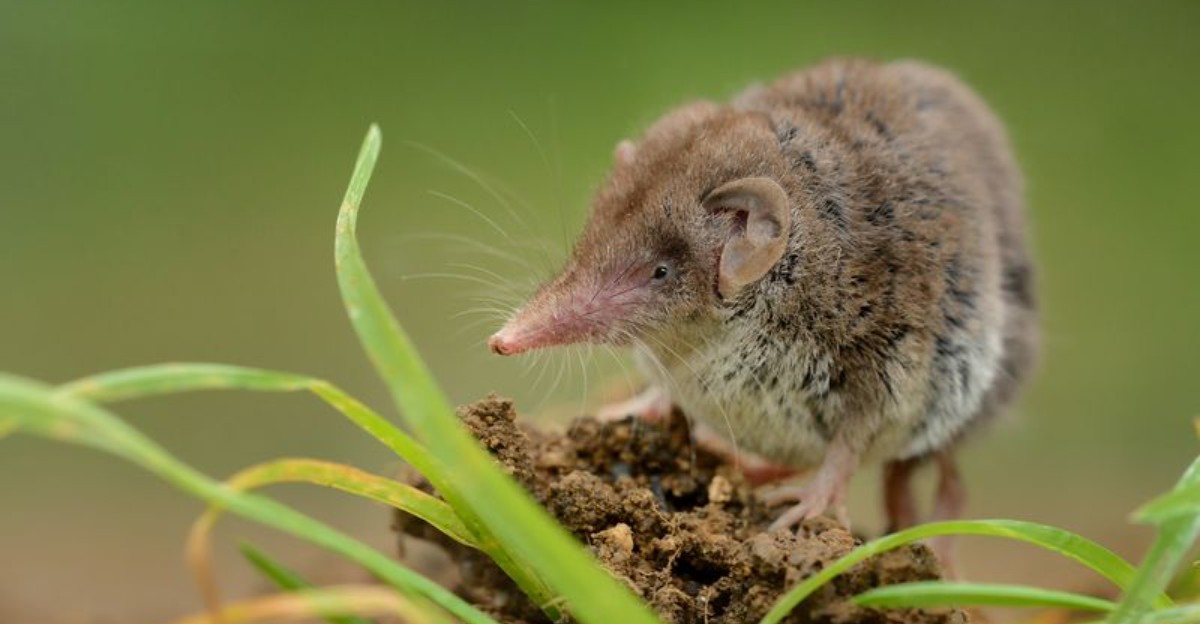
Somewhere under your mulch, a creature smaller than a mouse is carrying venom in its spit. It weighs about as much as three to five quarters, and it may eat more than its own body weight in a single day.
I learned this while pulling back wet leaves from a flower bed one chilly morning in New Jersey. A gray, velvety blur shot past my glove and disappeared into a tiny hole. I am still a little amazed at how fast it moved.
You might notice small tunnels in loose soil or thin runways through leaf litter. Those paths belong to a hunter that rarely sleeps for long and stays busy all year in New Jersey. It hunts by touch, smell, and even faint clicking sounds.
What is lurking down there, and whether you should worry about it, turned out to be far more interesting than I expected.
That Gray Velvety Critter Under Your Leaf Litter Isn’t A Mouse
Most people who spot one quickly call it a mouse. Look closer, though, and the clues start piling up.
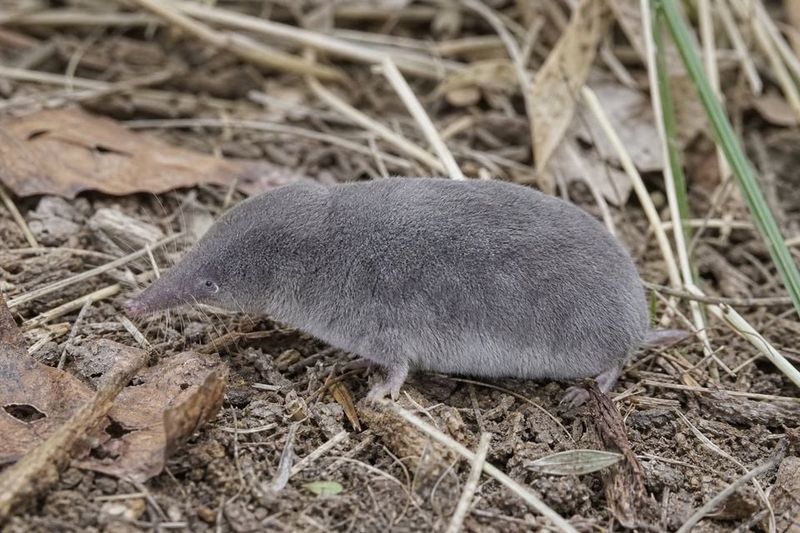
The animal has a long, pointed snout that wiggles constantly. Its eyes are tiny, almost hidden in thick fur, and its ears barely show.
The fur is soft, dense, and slate gray, a lot like velvet. The tail is short, only about an inch long, which is much stubbier than a mouse tail.
Mice have big round ears, large dark eyes, and long tails. They also have chisel-like front teeth for gnawing seeds.
Our mystery hunter has sharp, pointed teeth with reddish-brown tips, built for grabbing living prey.
Body size is small too. Adults usually measure about four to five inches long, including that short tail. They weigh roughly 15 to 30 grams.
Moles are another common mix-up. Moles have huge paddle-shaped front feet for digging. This little animal has small, delicate feet instead.
So if you see a gray, stubby-tailed blur with a twitchy nose darting under your hostas, you have probably met a shrew. It is one of the most common mammals in eastern North America, even though few people ever get a good look at one.
The Northern Short-Tailed Shrew Carries Venom In Its Saliva
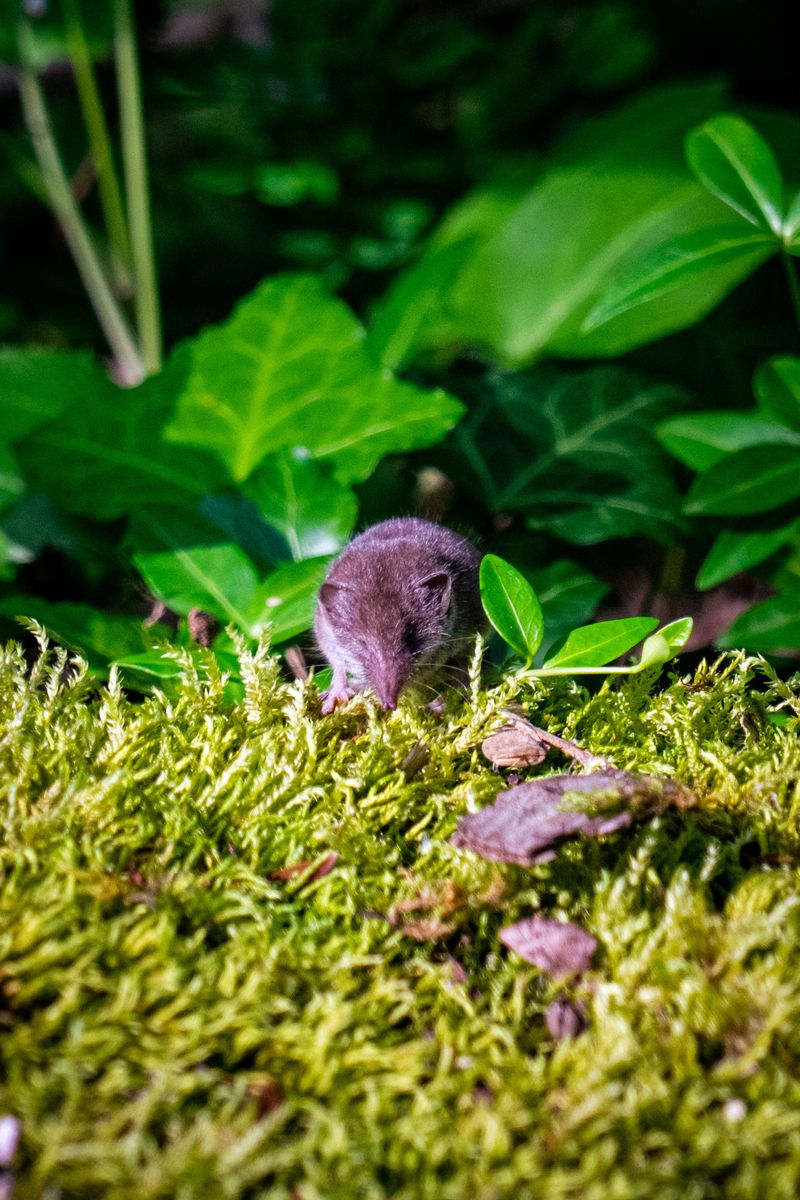
Here is the twist that surprised me most. The northern short-tailed shrew, Blarina brevicauda, is one of the very few venomous mammals in the world.
Its venom comes from glands under the jaw. When the shrew bites, the toxic saliva flows along grooves near its lower front teeth and into the wound.
Scientists have found that the venom can slow down or paralyze small prey like insects, worms, and even mice.
Researchers are curious about it for medical reasons too. A compound found in the venom, called soricidin, has been studied in cancer research.
That is a pretty big claim to fame for an animal you could hold in your palm. Should you be scared? Not really. The venom is designed for small creatures, not people.
A human bite can be painful and may cause swelling and a burning feeling that lasts a few days. Serious problems are rare, and bites mostly happen when someone grabs or traps a shrew by hand.
My simple rule is easy to follow. Admire it from a distance, wear gloves when clearing debris, and let it go about its business. It has far more interest in beetles than in your fingers.
Slugs And Grubs Are At The Top Of This Shrew’s Menu
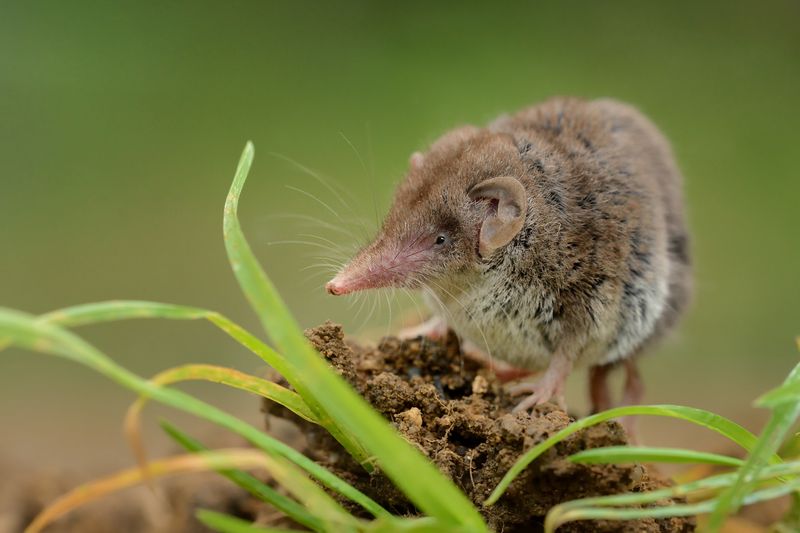
Gardeners, this part might make you smile. Shrews spend their days eating many of the pests that chew holes in your plants.
Their main diet is invertebrates. Earthworms, slugs, snails, beetles, beetle grubs, caterpillars, centipedes, and insect larvae are all on the list.
Shrews dig through soil and mulch to find them, often eating prey that hides where birds cannot reach.
That appetite comes from a racing metabolism. A shrew may eat its own body weight or more each day just to keep going. It cannot go long without food, so it hunts in short bursts around the clock.
Slugs are a big deal in damp New Jersey gardens, especially in shady beds and around hostas. A shrew quietly eating slugs at night is free pest control you did not have to buy.
They also eat larvae of some lawn pests, like grubs that feed on grass roots. One shrew will not solve a big grub problem, but it helps.
I like to think of them as tiny night-shift workers. They clock in under the mulch while you sleep, and they ask for nothing except a little cover and some bugs.
Shrew Tunnels And Runways Show Up In Soft Soil And Mulch
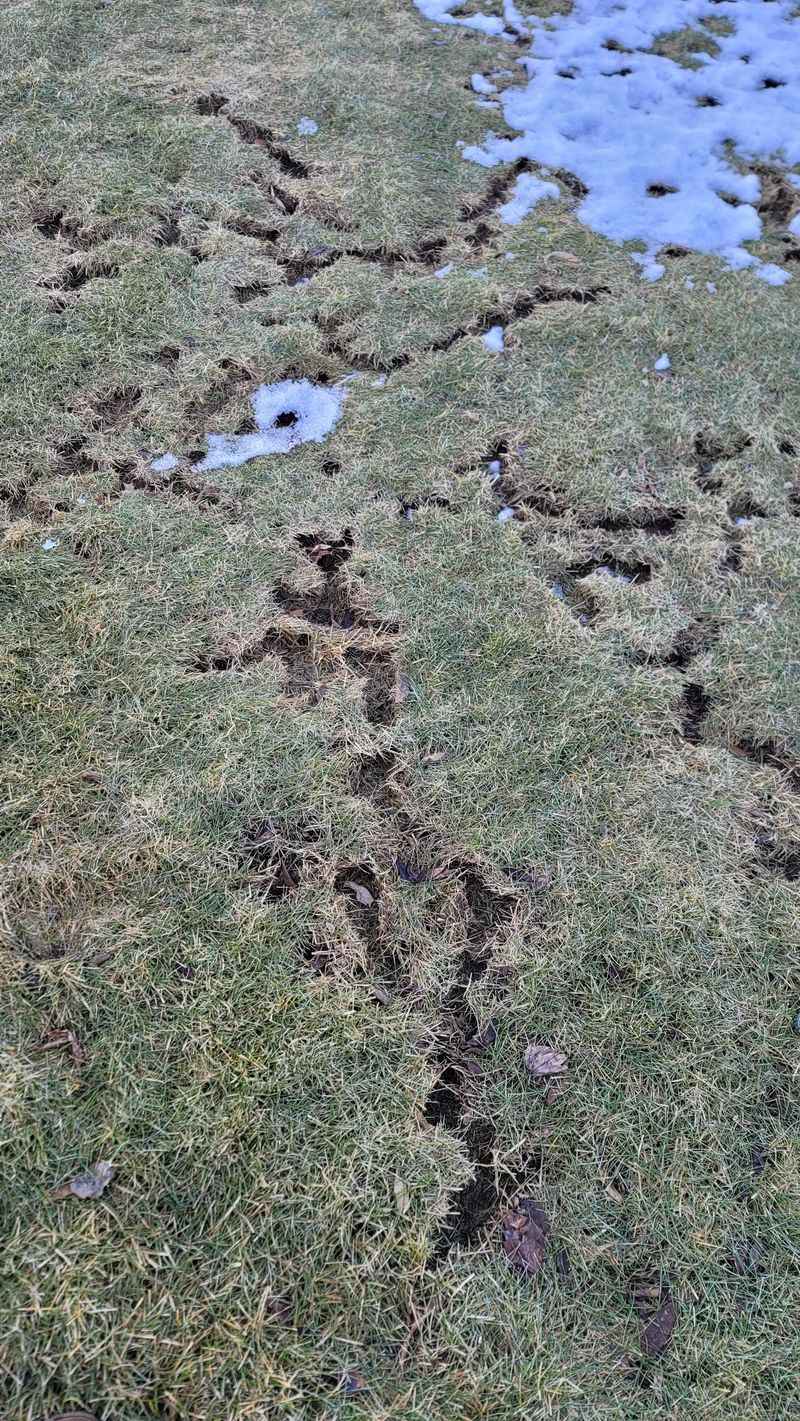
Spotting the animal itself is tricky. Finding its trail is much easier once you know what to look for in New Jersey.
Shrews use small tunnels about one inch wide. You might find little round holes in loose soil, mulch beds, or under thick leaf litter.
They also travel along shallow surface runways that look like tiny paths pressed into grass or leaves.
They often borrow tunnels made by moles and voles. So if you already have mole ridges in your New Jersey lawn, a shrew may be using them as a hunting highway.
Another clue is smell. Shrews have musk glands that give off a strong odor, and many predators find them distasteful.
Cats may catch one but often leave it uneaten on the patio, which is a common way people first discover shrews.
Listen closely on quiet evenings too. Shrews make soft, high-pitched twitters and clicks. Scientists believe they use simple echolocation to sense their surroundings in dark tunnels.
Good places to check around New Jersey yards include compost edges, woodpiles, stone walls, and thick ground covers.
Those spots stay moist and shaded, which is exactly what a shrew likes. A quick peek under a board left on the ground can sometimes reveal a runway.
Cold Weather Won’t Slow Down These Burrowing Hunters
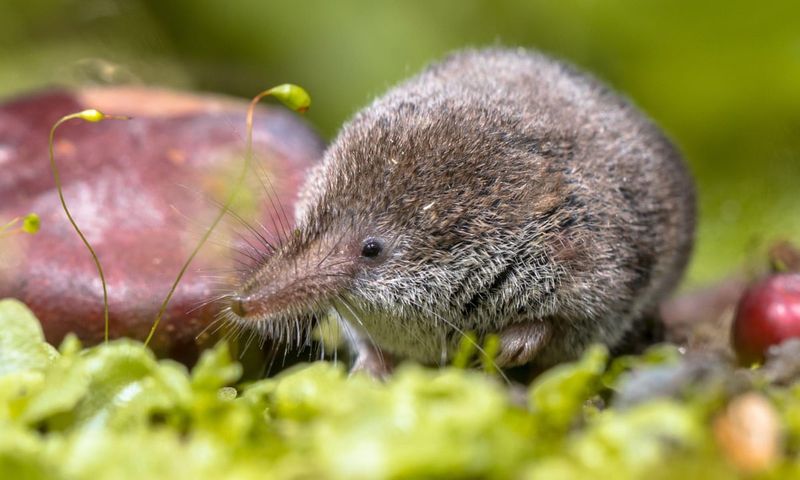
Many backyard animals take a long winter break. Shrews skip that plan altogether. Northern short-tailed shrews do not hibernate. They stay active all year, hunting in tunnels and under snow, where the ground stays a bit warmer than the open air.
Snow actually works like a blanket, protecting them from harsh wind. In cooler months, they lean on stored food. Shrews are known to cache prey, such as snails and insects, in underground spots for later.
Some studies show they may stash paralyzed prey, keeping it fresh until they need it. Their bodies also adjust. Some shrews in colder regions can shrink slightly in body size during winter, which may help them need less food. It is an odd but clever trick.
So whether it is a sticky August night or a frosty January morning in North Jersey, a shrew is likely moving under your yard. Southern parts of the state with milder winters give them an even easier time.
That steady activity is part of why they matter. They keep chipping away at overwintering insects and larvae when other predators are resting. Your garden gets a head start on pest season before spring even arrives.
Bigger Prey Like Mice And Salamanders Sometimes End Up On The Menu
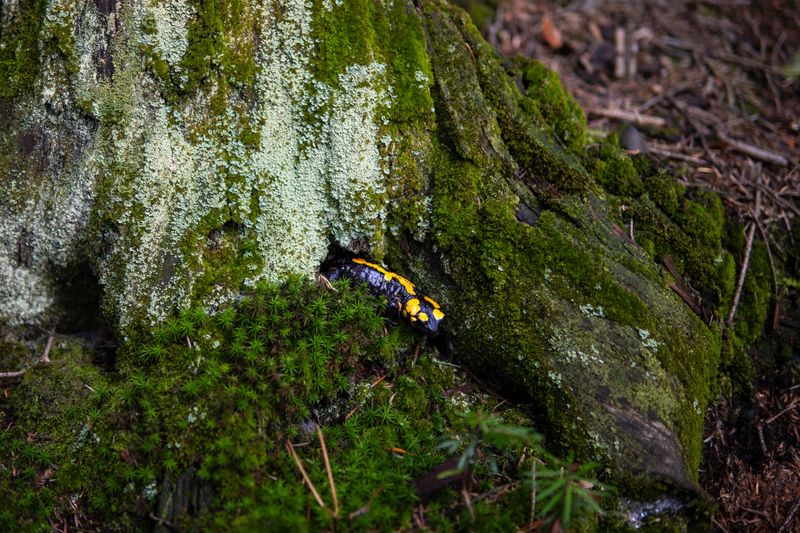
Bugs are the bread and butter, but shrews are bold. Thanks to that venomous bite, they can tackle animals close to their own size.
Records show northern short-tailed shrews eating voles, young mice, small salamanders, frogs, and small snakes. They may also eat eggs or young of ground-nesting birds when they find them.
These larger meals are less common than insects, but they do happen. Plant foods appear now and then too. Shrews sometimes eat seeds, fungi, and fallen fruit, especially when insects are scarce.
You may even find one near a bird feeder, picking at spilled seed. Gardeners sometimes ask whether shrews eat bulbs or roots. That mostly is not their style.
When bulbs disappear or plant roots get chewed, voles or chipmunks are usually the real culprits, and shrews often just get blamed because they share the same tunnels.
That difference matters for your next steps. If you see gnawed tulip bulbs, look for vole signs like clipped stems and wider runways.
A shrew in the same bed may even be hunting those voles. In that case, it is working on your side, not against you.
Keep Gloves On When You Rake Leaves And Move Woodpiles
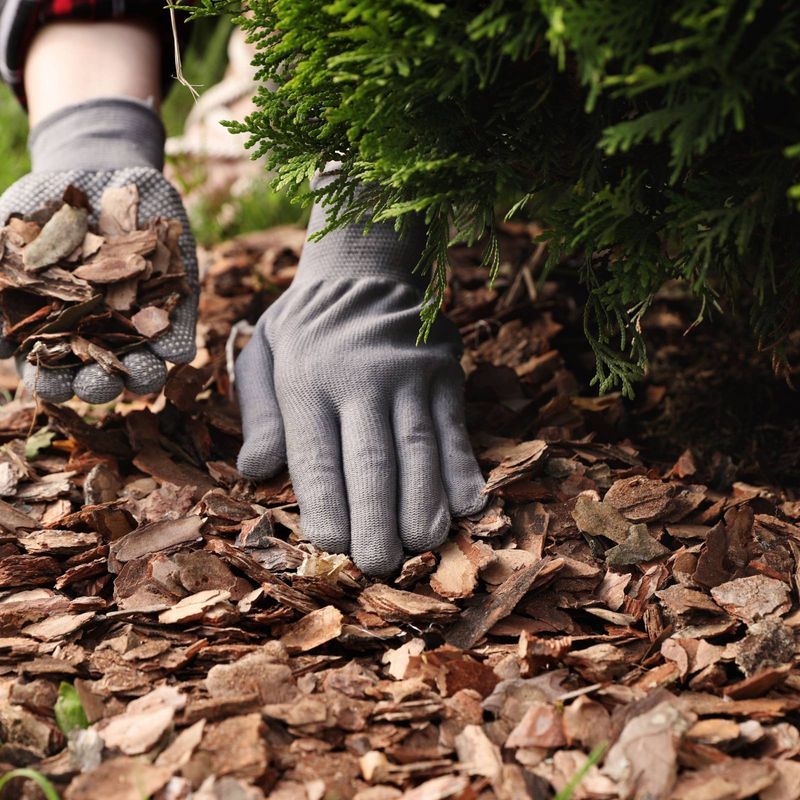
Simple habits keep both you and the shrews comfortable. Most run-ins happen when hands reach into hidden spots without looking.
Wear sturdy gloves when you clear leaf piles, flip boards, move firewood, or dig into compost. If you uncover a shrew, step back and give it a moment. It will usually dash off in seconds.
Never try to pick one up with bare hands. A frightened shrew will bite, and the venom can leave a painful, swollen spot.
Clean any bite with soap and water, and call a doctor if swelling spreads or you notice signs of infection.
Pets need a little attention too. Cats and dogs may chase shrews, and some pets drool or act uncomfortable after mouthing one because of the musky taste. Call your vet if your pet seems unwell.
Children should learn to look but not touch. Turning it into a nature lesson works well, and kids love hearing that a venomous mammal lives nearby.
Shrews are protected in practice by their own speed and secrecy. With gloves on and a little patience, you can garden safely without bothering these helpful hunters at all.
Letting Shrews Patrol Your Garden Beds Pays Off

After learning all this, I stopped seeing shrews as creepy. Now I see them as quiet partners in pest control.
Encouraging them is easy. Leave some leaf litter in back beds, keep a small brush pile or log in a shady corner, and plant native ground covers like wild ginger or ferns. These spots give shrews moisture and shelter.
Skip heavy pesticide use where you can. Fewer chemicals mean more insects for shrews to eat and less risk of harming them through their food.
If one wanders indoors, which sometimes happens in fall, stay calm. Open an outside door and guide it out with a broom, or place a container over it and slide cardboard underneath.
Seal gaps around foundations and doors to prevent repeat visits, or call a licensed wildlife control professional for help.
Shrews rarely cause damage in the yard. Removing them usually does more harm than good, since slugs and grubs may bounce back.
So next time you see a tiny tunnel in your mulch, let it be. A small venomous hunter is working the night shift for your plants, and it costs you nothing but a little leaf litter.