You Won’t Believe These 8 Venomous Neighbors Living In New Jersey
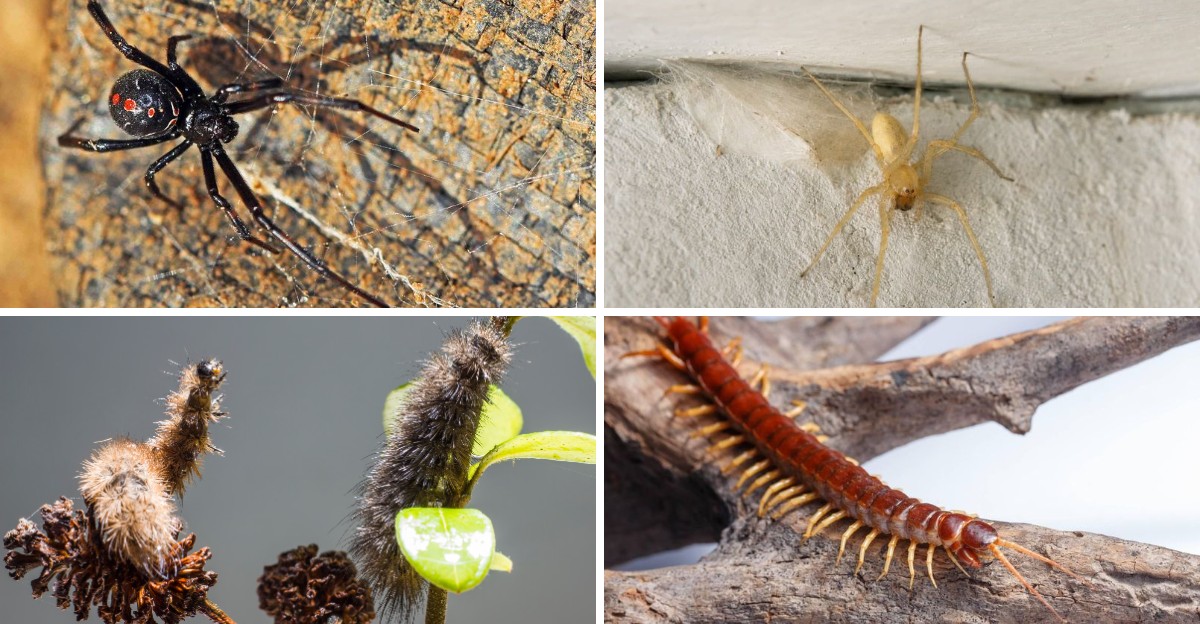
A sea creature no bigger than a quarter turned up in a New Jersey river in 2016 and startled local scientists. Its sting can cause joint pain and breathing trouble, which feels outrageous for something about the size of a quarter.
That tiny swimmer has plenty of company in New Jersey, and some of it hides under your deck boards. Other neighbors lurk in woodpiles and mulch, waiting quietly until a gloved hand reaches in for a weed.
I started paying closer attention after spotting a glossy black spider tucked inside my overturned flowerpot last summer. You might notice your own hidden tenants once you know which shady corners and damp boards they prefer.
Most of these creatures want nothing to do with people, and many help control pests in your beds. How many of them have quietly shared your yard while you were busy with the tomatoes?
1. Eastern Copperhead Snake
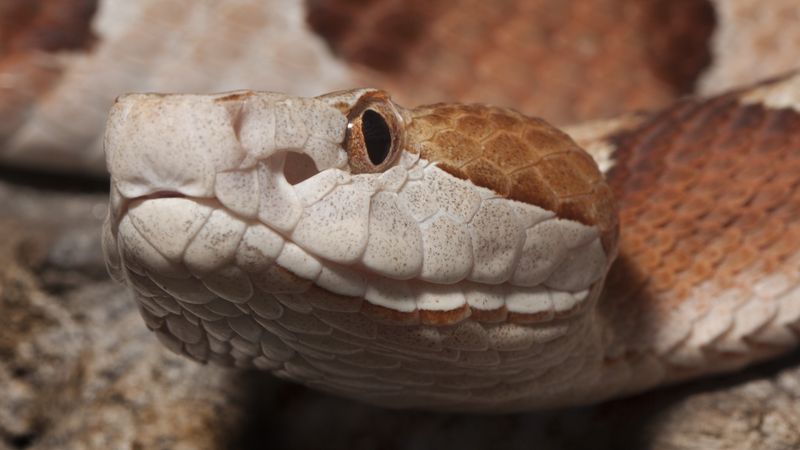
Fresh mulch looks tidy to gardeners, but its cover and the rodents it attracts can also draw copperheads looking for a cozy hiding spot. Their coppery bodies and dark hourglass bands blend so well with fallen leaves that you can stand right beside one.
Adults usually stretch between two and four feet, with thick bodies and a broad, triangular copper-colored head. Babies sport a bright yellow tail tip, which they wiggle like a tiny worm to lure frogs closer.
In New Jersey, copperheads mostly live in the northern hills, favoring rocky wooded slopes and brushy forest edges. Suburban yards that border those woods can host a visitor, especially between May and October when snakes are active.
Their favorite defense is freezing in place, which explains why most bites happen when someone accidentally steps on one. Startled copperheads may also vibrate their tails against dry leaves, making a buzz that sounds surprisingly like a rattle.
Their venom causes painful swelling and tissue damage, though bites rarely become life-threatening for healthy adults with prompt care. Skip the old tourniquet and cutting tricks, and head straight to an emergency room if a bite happens.
I wear sturdy boots and leather gloves whenever I turn over mulch or reach into thick ground covers. Using a rake to fluff leaf piles first gives any resting snake a polite warning and time to leave.
Copperheads also eat plenty of mice, so they quietly help keep rodent numbers down around sheds and gardens. If one shows up, give it space and let it move along rather than trying to remove it yourself.
2. Timber Rattlesnake
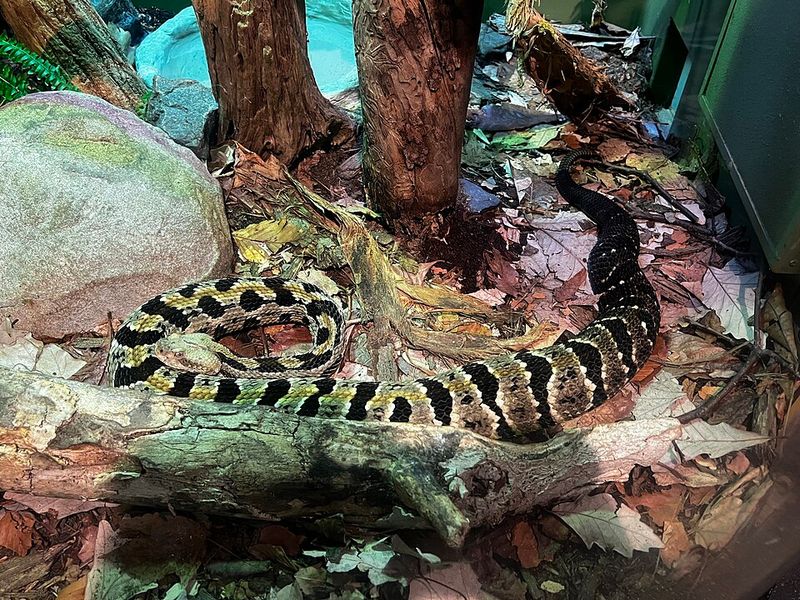
Few sounds stop a hiker faster than the dry buzz of a timber rattlesnake shaking its tail beside a trail. Honestly, that rattle is a courtesy, because these snakes much prefer warning you over striking at anyone.
Timber rattlers are big, heavy snakes that often reach three to five feet, sometimes a bit longer. Some wear yellow or tan bodies with dark V-shaped bands, while others look almost solid black.
Here in the Garden State, they hold on in two very different places, the northern ridges and the Pine Barrens. Up north they sun on rocky ledges, while southern snakes hide among cedar swamps and pine-oak woods.
Timber rattlesnakes are listed as endangered in New Jersey, mostly because of habitat loss and illegal persecution. Harming or collecting one breaks state law, so admiring them from a respectful distance is the only option.
These patient hunters sit beside fallen logs for hours, waiting for mice and chipmunks to wander past. Surprisingly, they can also climb trees, and researchers have spotted some resting well above the forest floor.
Their venom is powerful, so any bite needs emergency medical care right away, even if it seems mild. Stay calm, keep the bitten limb still, remove rings or watches, and call for help immediately.
If you garden near the Pine Barrens or northern forests, keep woodpiles and brush heaps away from the house. I also like to watch where I step on sunny rocks during spring and fall, when snakes bask most.
3. Northern Black Widow Spider
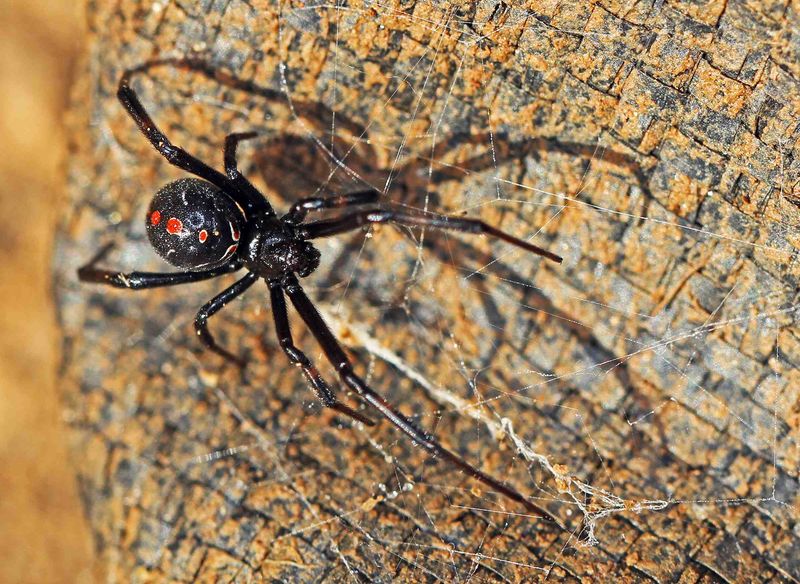
Flip over an old clay pot in a shady corner, and you might find a glossy black spider wearing red. That bright red hourglass sits on the belly of the female, like a tiny warning label painted underneath.
Females measure around an inch and a half across the legs, with round, shiny abdomens that look almost polished. Males are smaller and brownish, and they lack the bold markings, so most people overlook them.
Northern black widows love dark, undisturbed spots like woodpiles, stone walls, hollow stumps, and the gaps beneath decks. Their webs look messy and tangled, built low to the ground where crawling insects stumble right into them.
Their venom affects nerves, and a bite can bring sharp pain followed by muscle cramps and stomach aches. Healthy adults usually recover with treatment, but kids and older folks should get checked by a doctor quickly.
Most bites happen when someone presses a spider against their skin while grabbing firewood or old gloves. I knock my garden gloves together and shake out boots stored in the shed before slipping them on.
Clearing clutter near the house helps a lot, since fewer hiding spots means fewer surprise encounters. Stack firewood off the ground and away from walls, and wear gloves whenever you move it indoors.
These spiders are shy and would rather retreat into their webs than bite, which makes them easy to respect. If you find one far from busy paths, you can let it keep catching beetles and other garden pests.
4. Yellow Sac Spider
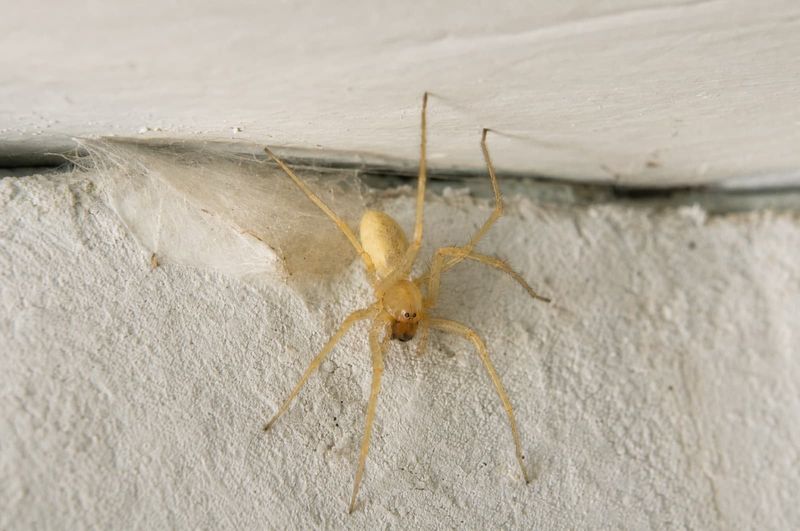
Pale and quick on its feet, the yellow sac spider prowls gardens at night instead of waiting in a web. During the day, it rests inside a small silk pouch tucked into curled leaves or tight corners.
These spiders are small, measuring under an inch with legs, and colored cream, pale yellow, or light green. Look closely and you will notice darker brown jaws and leg tips, which give them a slightly dipped look.
Yellow sac spiders are among the most commonly reported biters in the country, mostly because they wander so much. They often crawl into gloves, folded laundry, or garden clothes left outside, then bite when they feel squeezed.
A bite usually stings sharply at first, followed by redness and swelling that may last a few days. Some people develop a small sore that heals slowly, so keep it clean and call a doctor if it worsens.
Outdoors, they hide under loose bark, in leaf litter, and along house walls that touch thick shrubs. Trimming plants back from siding gives them fewer bridges into your home, especially as nights cool in fall.
I shake out every glove and sun hat before wearing them, a habit that takes only a few seconds. Storing gardening clothes in sealed bins or hanging them indoors also keeps these wanderers from moving in.
On the bright side, yellow sac spiders eat aphids, small caterpillars, and even other spiders around your plants. Researchers have studied them as helpful predators in orchards, so they earn a little grudging respect from me.
5. Yellowjackets And Paper Wasps
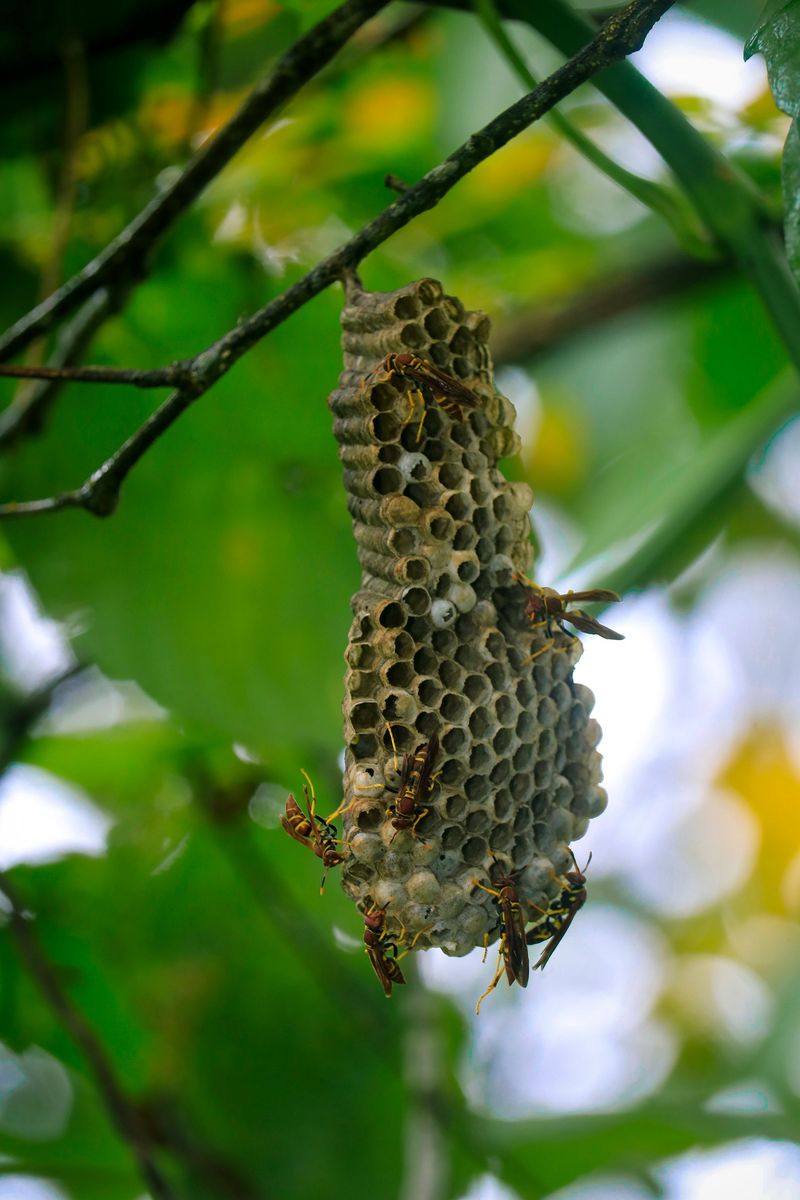
Nothing ends a lazy August mowing session faster than rolling over a hidden yellowjacket nest buried in the lawn. Within seconds, angry workers pour out, and unlike honeybees, each one can sting again and again.
Yellowjackets wear bright black and yellow stripes and often nest underground, inside wall gaps, or in dense shrubs. Paper wasps look leaner, with long dangling legs, and they build open umbrella-shaped combs under eaves and railings.
Bald-faced hornets are the black and white members of the family, about three quarters of an inch long. Their gray paper nests can grow as big as a basketball, hanging high in trees or along buildings.
Colonies get larger as summer moves along, and workers turn noticeably more defensive by late summer and early fall. That is why so many stings happen while people trim hedges or mow near a nest nobody noticed.
For most people, a sting brings sharp pain and itchy swelling that fades within a day or two. Anyone with a known allergy should carry prescribed epinephrine, since a severe reaction needs emergency care immediately.
I walk my yard each spring looking for small starter nests, which are much easier to handle early. Large or underground nests near doors and play areas are best left to a licensed pest professional.
Covering trash cans and sweet drinks outdoors makes your patio far less appealing to hungry yellowjackets in late summer. Paper wasps tucked away from foot traffic can stay, since they hunt plenty of caterpillars on garden plants.
6. Puss Caterpillar
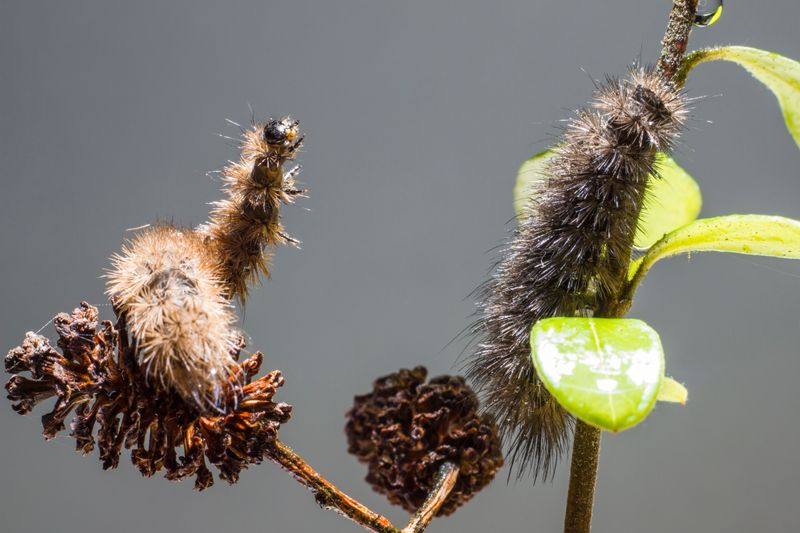
It looks like a tiny toupee crawling along an oak leaf, and honestly, the urge to pet it is real. Resist that urge, because the puss caterpillar hides venomous spines beneath all that soft, fluffy hair.
Often called the most venomous caterpillar in North America, it grows into a moth called the southern flannel moth. The fuzzy larvae reach about one inch long, with teardrop-shaped bodies in shades of tan, gray, or rusty orange.
New Jersey sits at the northern edge of its range, so sightings here are uncommon compared with southern states. When they do appear, look for them on oaks and elms along with assorted shrubs during late summer and early fall.
A sting can feel like an intense, throbbing burn that radiates up the arm, sometimes with nausea or headache. Some people also experience swelling, muscle cramps, or chest discomfort, and allergic reactions are possible as well.
If you brush against one, press clear tape over the spot and pull it away to lift the broken spines. An ice pack can ease the burning, and anyone with strong symptoms should get medical help without delay.
I wear long sleeves and gloves when pruning oaks or clearing brush in late summer, just in case. Teach kids to look but not touch any fuzzy caterpillar, since several species carry stinging hairs or spines.
Puss caterpillars rarely cause noticeable plant damage, so spraying the whole yard simply is not necessary for them. Leave them alone, and before long they will spin cocoons and turn into fuzzy, harmless adult moths.
7. Eastern Red Centipede
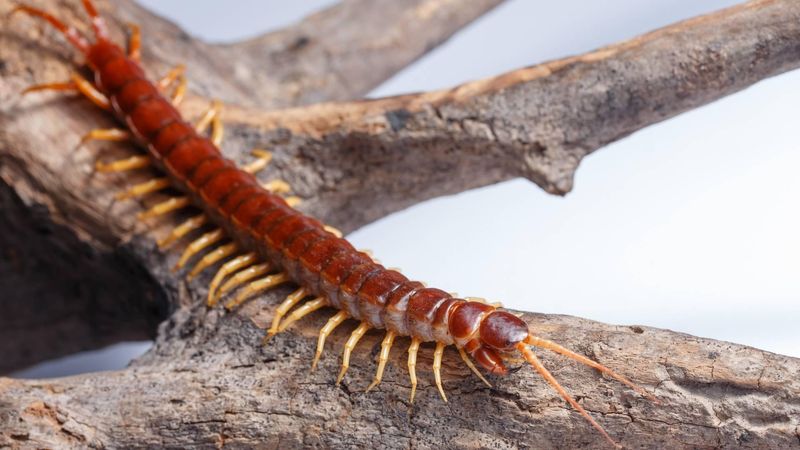
Lift a damp log in the shade, and a bright orange streak might zip away faster than your eyes follow. Meet the eastern red centipede, a blind hunter that finds prey using long antennae instead of eyesight.
Adults usually stretch about one to three inches, with reddish orange bodies and yellowish legs lining each side. Each body segment carries one pair of legs, giving the centipede 23 pairs in total and a remarkably fast scuttle.
Its front pair of legs has turned into venom-loaded pincers called forcipules, which grab and subdue prey. Spiders, insects, earthworms, and smaller centipedes all end up on the menu during its nightly hunting rounds.
If handled roughly, it can deliver a painful bite that most people compare to a bee sting. Expect local pain and swelling, and watch for allergic symptoms, which are rare but worth taking seriously.
These centipedes love moisture, so they hide under rocks, leaf litter, rotting logs, and loose tree bark. Now and then one wanders into a basement or crawl space, usually searching for damp shelter or food.
I wear gloves when lifting stepping stones or old boards, and I let any centipede I uncover run off. Fixing leaky spigots and running a dehumidifier downstairs makes basements far less attractive to these moisture lovers.
In the garden, they are valuable predators that help control pests hiding in mulch and compost. Leaving a few logs in a shady corner gives them habitat away from patios and busy pathways.
8. Clinging Jellyfish

Wading through eelgrass to dig clams feels peaceful until something the size of a dime grabs your leg. That tiny sticker might be a clinging jellyfish, a Pacific native first reported in New Jersey waters in 2016.
Its clear bell measures about an inch across and shows a reddish orange cross pattern inside. Dozens of tentacles ring the edge, each with sticky pads that let it cling to seagrass and seaweed.
Unlike most jellyfish, this one avoids open ocean beaches and prefers calm, shallow bays with thick underwater vegetation. Blooms usually show up from mid-May into early August, when bay water warms up across the region.
During the day it hangs onto plants, then it drifts into the water column after sunset to feed. That nighttime habit makes evening wading in weedy back bays a bit riskier than a sunny afternoon swim.
A sting can bring intense pain, muscle and joint aches, and sometimes breathing trouble that needs medical attention. Symptoms may last for days, so anyone stung should watch closely and seek care if things get worse.
State officials recommend wearing boots or waders when wading through vegetated, weedy estuary shallows. If stung, rinse the area with white vinegar, apply a hot compress, and call a doctor if needed.
I find it fascinating that something this small traveled across an ocean, probably hitching rides with shipping or shellfish. Respect its favorite eelgrass beds, check local advisories, and you can still enjoy the bay without trouble.