Everybody Loves Pumpkin Pie, but Few New Yorkers Know the Leaves Are Edible Too
Cooks across West Africa and Southeast Asia fill market baskets with a green most of us toss on the compost pile. In Nigeria, a close relative goes into a famous soup called egusi. In Zambia, it simmers with peanuts and tomatoes.
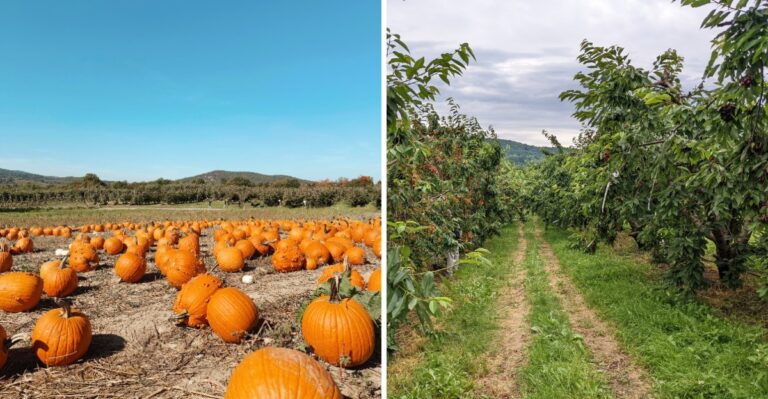
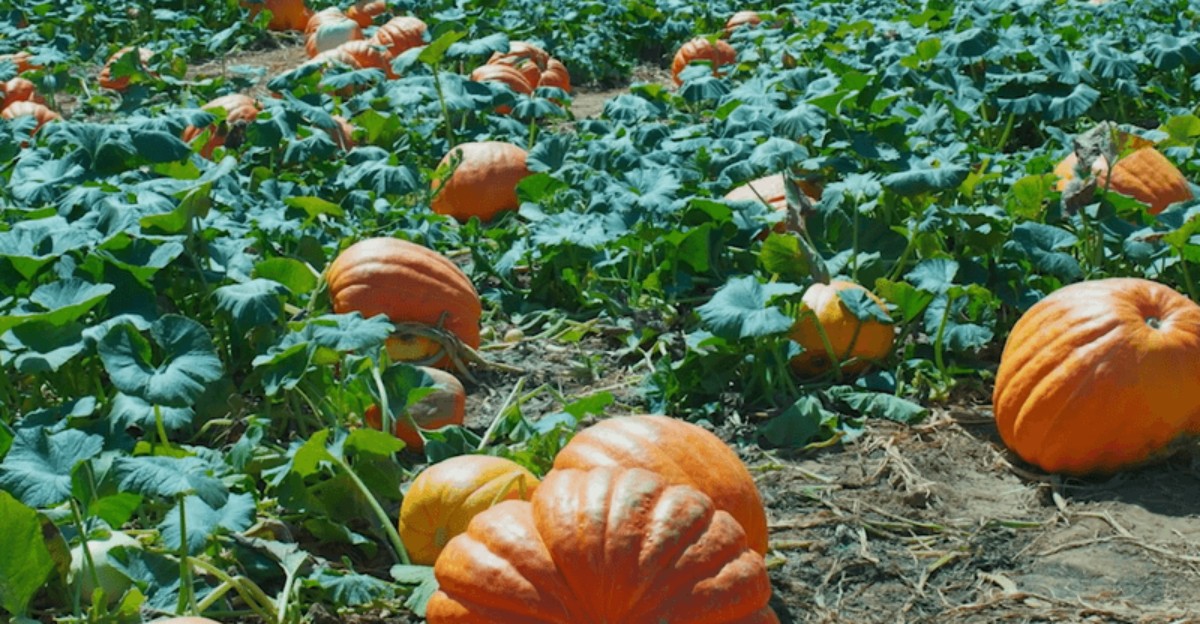
I grew big orange gourds in my New York yard for years and fed the rest of the vine straight to the worms. Looking back, I left a whole second harvest out there every single summer.
The flavor surprised me most. Cooked gently, the greens taste a bit like spinach crossed with broccoli and a hint of asparagus.
Your patch has probably been offering this gift since July. The fuzzy texture scares people off, but a simple kitchen trick solves that.
So how many free dinners are waiting on your vines right now?
That Big Pumpkin Vine Is Hiding a Second Harvest
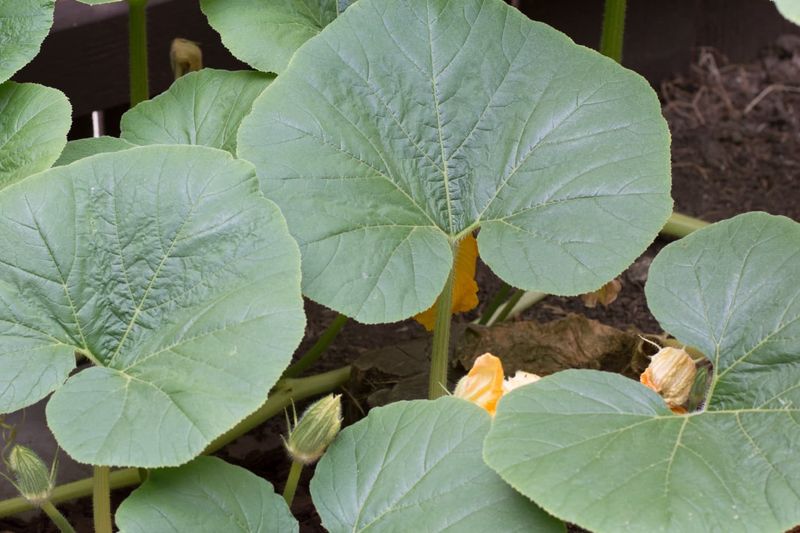
Every part of a pumpkin plant you see above ground is edible. The fruit, seeds, flowers, tender shoots, and young leaves all end up in kitchens somewhere in the world.
In Kenya, cooks call the leaves seveve. In the Philippines, pumpkin tops called talbos ng kalabasa show up in soups and coconut milk dishes.
Nigerian cooks use a related fluted pumpkin leaf, ugu, in hearty stews. Most American gardeners, me included, simply never learned the habit.
Common pumpkins belong to the species Cucurbita pepo, along with zucchini and many squashes. Winter squash cousins like butternut and Hubbard also have edible leaves and shoots.
That means your pick from a single summer planting can stretch far beyond one October haul.
One caution matters before you start snacking. Use only plants you grew yourself or that come from a grower who avoids unlabeled sprays.
If you used a pesticide, read the label for the waiting period before eating any part of the plant.
Also, a rare bitter taste in squash family plants can signal natural compounds called cucurbitacins. If a leaf or fruit tastes sharply bitter, spit it out and skip that plant.
That small rule keeps the experiment safe and pleasant.
Snip the Soft Pumpkin Leaves Near the Vine Tips
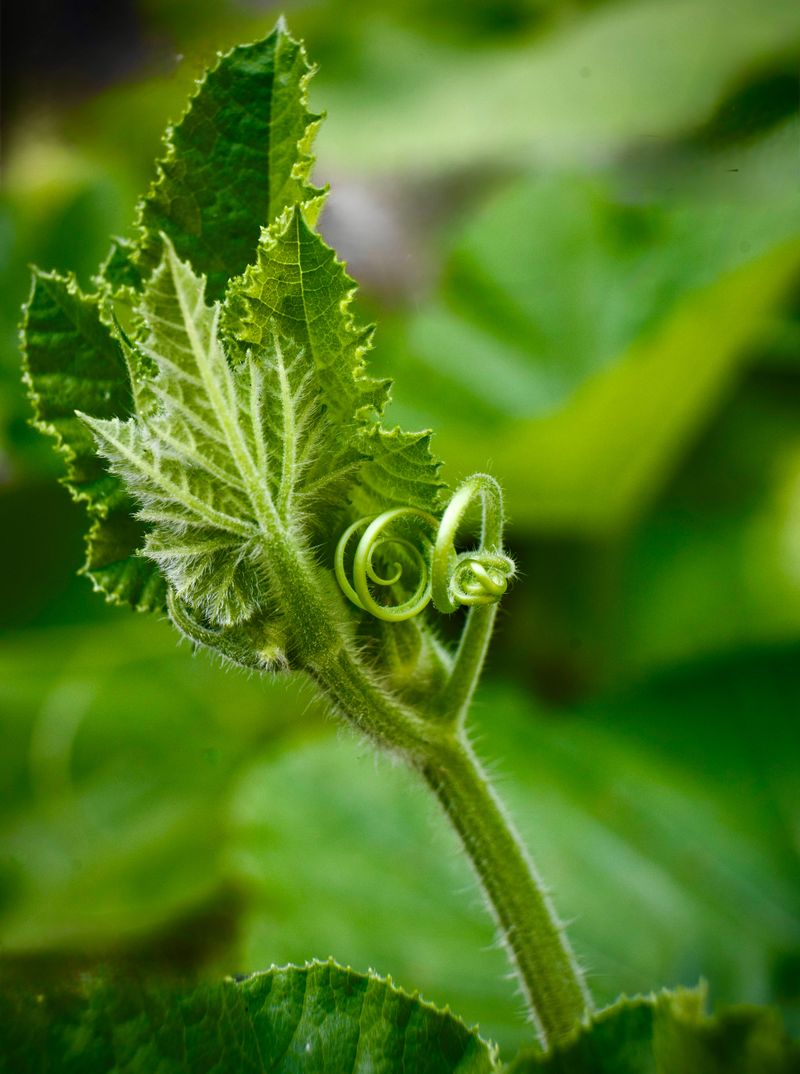
Tender is the magic word here. The best leaves grow near the vine tips, usually within the last foot or two of fresh growth.
Look for leaves about the size of your palm or smaller, with a bright, light green color. Their stems should snap cleanly when bent.
If a stem just folds over and stays stringy, that leaf is too mature for a pleasant meal.
I like to pick in the cool of the morning, when leaves are crisp and full of water. Grab a few vine tips, about four to six inches long, plus scattered young leaves along the runner.
Leave most large leaves alone, since those are the solar panels feeding your pumpkins.
A good rule is taking no more than one in every three young leaves from any single vine. Spread your picking across several plants instead of stripping one.
In most of New York, harvesting runs from about early July into September. Upstate gardens near the Adirondacks often get a shorter window, while Long Island and New York City yards can keep going a bit longer.
Once the first frost hits, the leaves blacken and the season wraps up.
Peel Away Those Prickly Pumpkin Leaf Hairs First
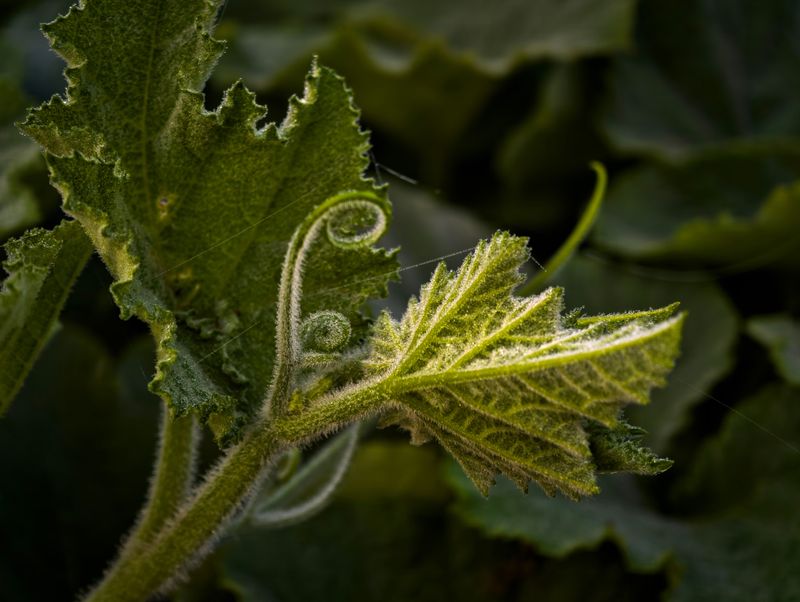
Raw pumpkin leaves feel a little like fine sandpaper. Those tiny hairs and stringy stem fibers are the main reason folks give up too soon.
Fortunately, the fix takes about a minute per bunch. Hold the cut end of the leaf stem and snap it partway through, leaving the outer skin attached.
Pull gently down the stem, and the tough fibers peel off like a zipper. Keep going along the bigger veins on the back of the leaf.
Very young leaves often need little peeling at all. Older ones benefit from a bit more effort.
Some cooks also rub leaves gently between their palms, which softens the fuzz further.
After peeling, rinse everything well in cool water. Soil and the occasional tiny insect like to hide in the folds.
Next, stack the leaves, roll them up like a cigar, and slice them into thin ribbons. Chop the peeled stems into short pieces too, since they cook nicely and add crunch.
Take it from someone who skipped this step once. Unpeeled leaves stay scratchy even after cooking, so a little prep pays off big at dinner.
Sautéed Pumpkin Greens Taste Better Than Spinach
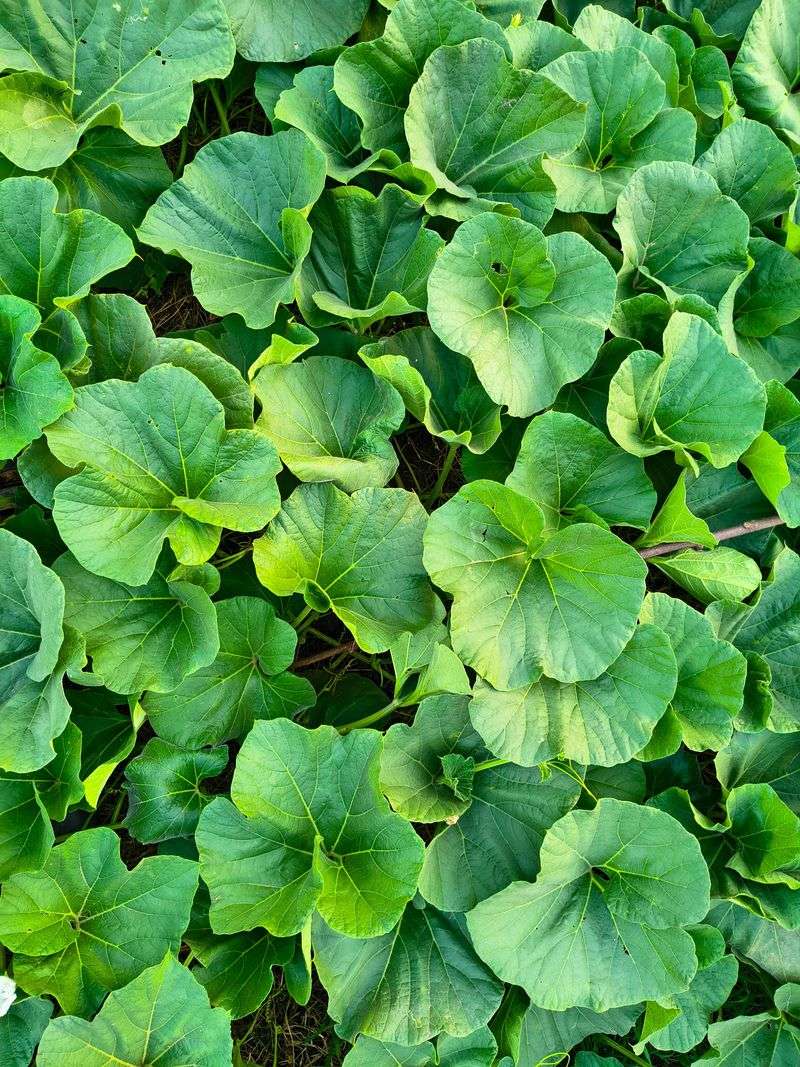
Garlic, a splash of oil, and a hot pan turn these greens into something special. Cooking softens any leftover fuzz and brings out a mild, slightly sweet flavor.
My go-to method is simple. Warm olive oil, add sliced garlic or onion, then toss in the shredded leaves and chopped stems.
Stir for a few minutes, add a spoonful of water, and cover until tender. Finish with salt and a squeeze of lemon.
Many African recipes simmer the leaves with peanut butter, tomatoes, and onion. Zambian chibwabwa and Malawian nkhwani are well-loved versions.
Filipino cooks often add pumpkin tops to coconut milk with shrimp or fish.
You can also swap pumpkin leaves into nearly any dish that calls for spinach, kale, or collards. Try them in soups, omelets, pasta, or a pot of beans.
Cooking times vary with leaf age. Very young greens soften in five minutes, while tougher ones may need fifteen.
If you ask me, they hold their shape better than spinach, which turns mushy fast.
Eat them cooked rather than raw. Raw leaves stay too rough for most people to enjoy.
Those Green Pumpkin Leaves Pack Real Nutrition
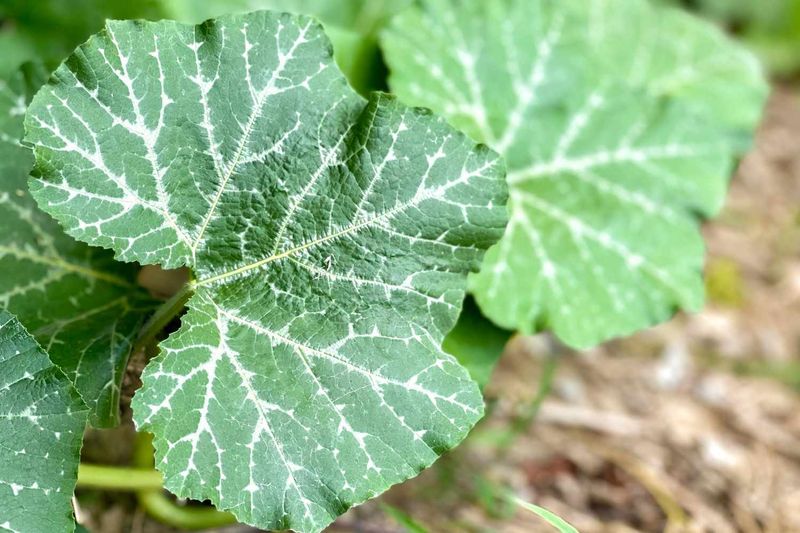
Dark leafy greens rarely disappoint nutritionally, and pumpkin leaves fit right in. Nutrition data from the USDA shows they offer vitamin A, vitamin C, folate, calcium, and iron.
Vitamin A supports healthy eyes and skin. Vitamin C helps your body absorb the iron in plant foods, which is a nice built-in bonus.
The leaves also bring fiber, and they are low in calories.
Exact amounts depend on leaf age, growing conditions, and cooking method. Boiling for a long time can reduce vitamin C, so quick cooking keeps more of it.
Sautéing with a little oil may help your body use the vitamin A.
Researchers in Africa have studied pumpkin leaves as an affordable source of nutrients for families. That helps explain why they stay so popular in places like Kenya, Zambia, and Cameroon.
For what it’s worth, I would not call any single green a miracle food. Variety matters more than one superstar.
Still, adding a free, homegrown green to your plate several times a week sounds like a smart deal. Your vines are already producing them anyway.
Bright Pumpkin Blossoms and Seeds Belong on Your Plate
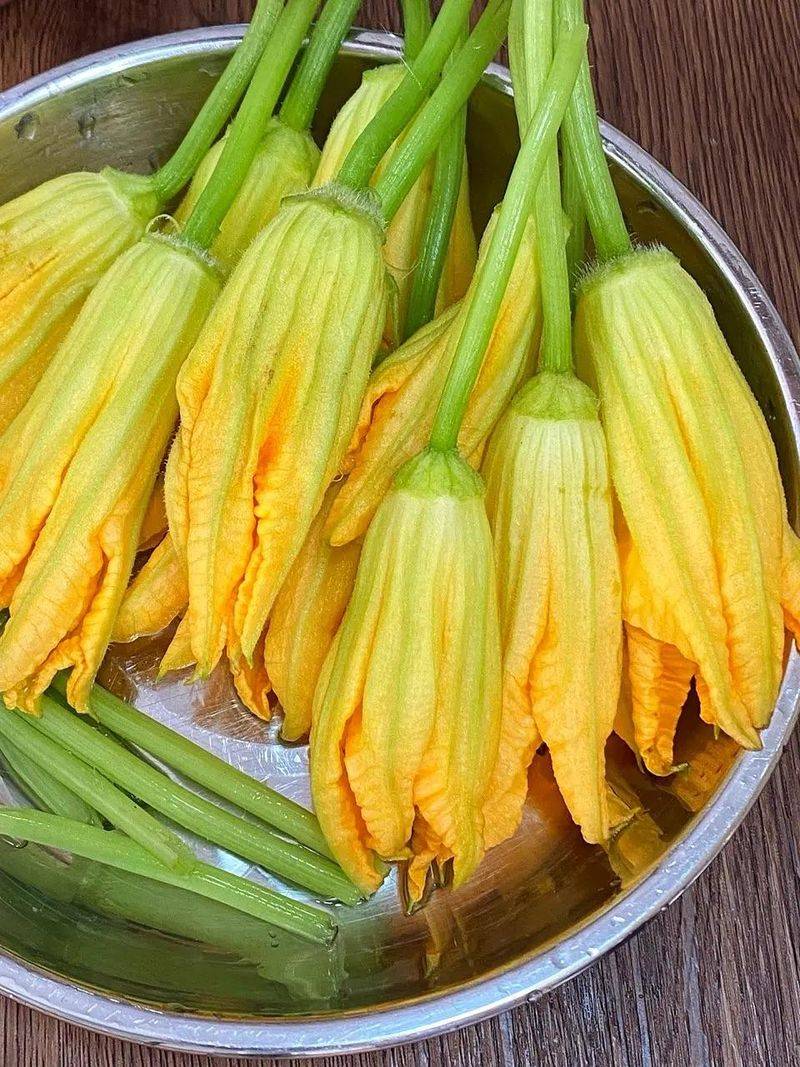
Golden pumpkin flowers open early in the morning and close by afternoon. Catch them at the right moment, and you have a fancy treat that restaurants charge real money for.
Pumpkins grow separate male and female blossoms. Female flowers have a tiny swollen pumpkin at their base, so leave those alone.
Male flowers sit on thin, straight stems, and the plant makes plenty of them.
Pick some male blossoms, but keep a few around for bees. Squash bees and bumblebees need those flowers to pollinate your future pumpkins.
Too few males can mean poor fruit set.
Gently remove the inside parts, rinse quickly, and use the flowers the same day. Stuff them with ricotta, dip them in light batter, or tear them into quesadillas and scrambled eggs.
Then there are the seeds. Roasted pumpkin seeds make a classic fall snack packed with protein, magnesium, and zinc.
Rinse off the stringy pulp, toss with oil and salt, and roast at around 325 degrees until crisp.
Let’s just say one plant can feed you from summer through Halloween. Leaves, flowers, fruit, and seeds all take turns on the menu.
Plan Next Year’s Pumpkin Patch With Leaves in Mind
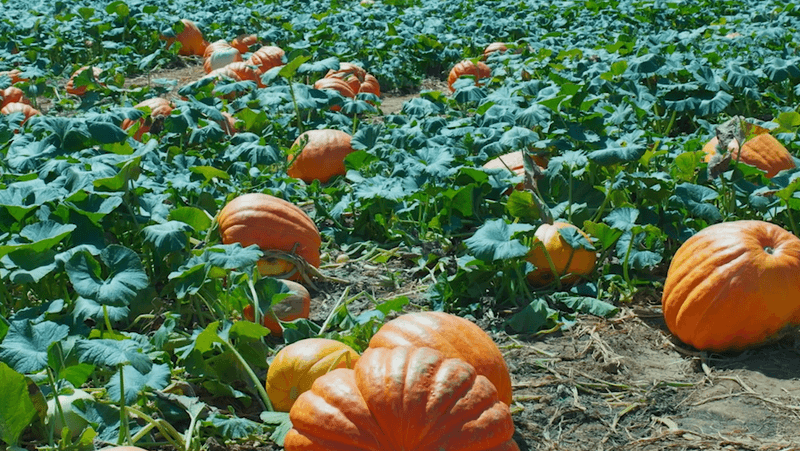
Once you taste a pan of pumpkin greens, you may start planting with your skillet in mind. A little planning makes next season even better.
In New York, sow pumpkin seeds outdoors after frost danger passes and soil warms, often late May to early June. Cornell Cooperative Extension offices across the state can share local timing for your county.
Pick a sunny spot with rich, well-drained soil and plenty of room.
Consider planting an extra hill or two just for greens. That way, you can harvest leaves freely without worrying about your main pumpkins.
Watch for squash bugs, cucumber beetles, and powdery mildew, which are common in the Northeast. Pick only clean, healthy leaves, and skip any with white powdery patches or heavy insect damage.
Store harvested greens in a damp towel inside a bag in the fridge. Use them within two or three days for the best texture.
Don’t make my mistake of waiting years to try them. Next summer, step out with a basket, snip a few vine tips, and let your pumpkin patch feed you long before pie season.