Back-to-Back Freezes Are Hitting Virginia. Why the Second Night Is Harder on Your Plants Than the First
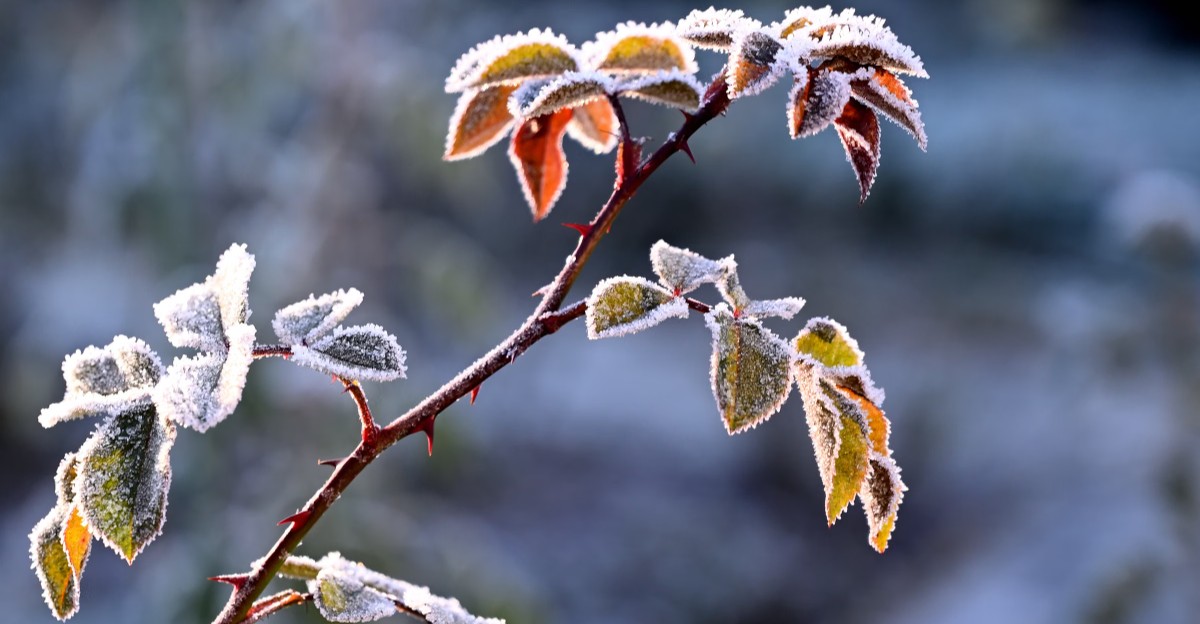
Ice crystals can form between plant cells and quietly pull water out of them, almost like a sponge being squeezed. One cold night of that is often survivable. Two nights in a row is a very different story.
Here’s what caught my attention after a frosty week in Virginia. The plants that shrugged off the first freeze were the ones sulking after the second. The damage was hiding in plain sight.
Soil heat matters more than most of us realize. Ground that soaks up daytime sun gives some of it back after dark. After one bitter night with a chilly day in between, that stored warmth runs low.
I used to pull my covers off the morning after and call it a win. Looking back, I should have left them on. So what exactly changes between night one and night two?
Frozen Garden Soil Has Less Warmth to Give the Second Night
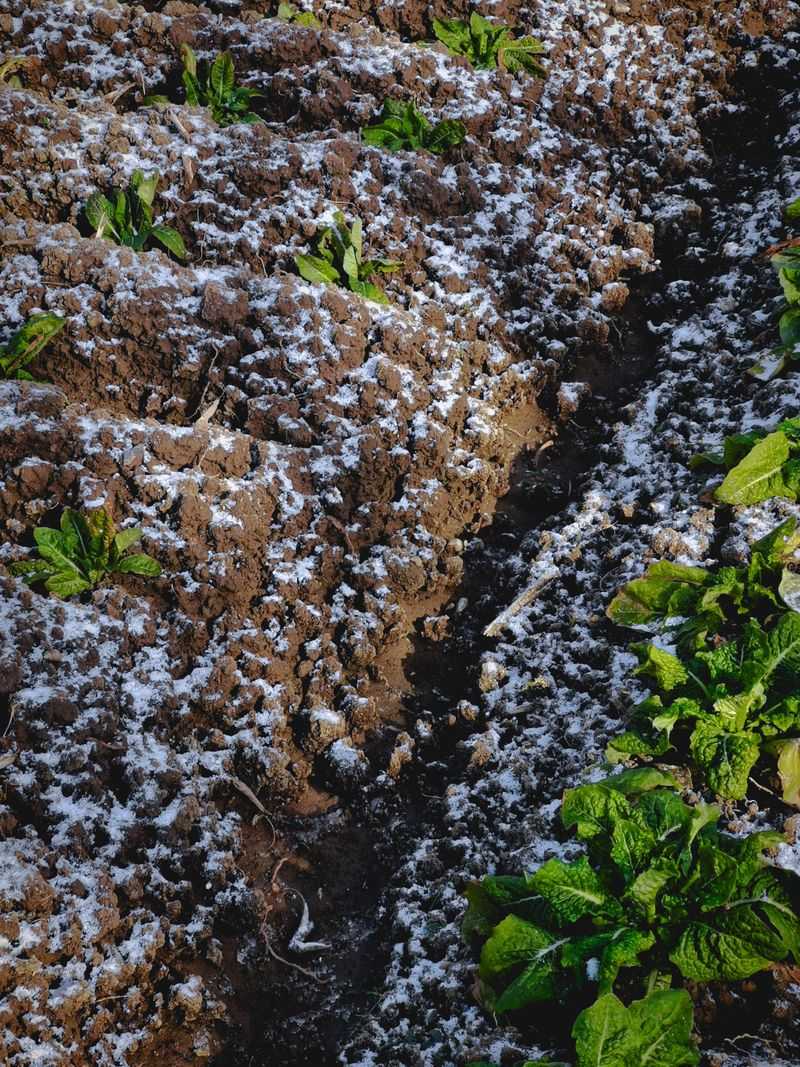
Soil works like a slow heat battery. On a sunny afternoon, the ground stores warmth, then releases it after sunset to the plants above it.
During the first freeze, that stored heat is your plants’ quiet helper. It softens the chill near the ground and buys low plants a few precious degrees.
Trouble shows up when the day between freezes stays cold, cloudy, or windy. The soil barely recharges, so on night two there is far less warmth rising from below.
Cold air also tends to linger after a front moves through. Clear skies and calm winds let heat escape upward quickly, which is when radiational frost forms on leaves and lawns.
Plant tissue gets hit twice, too. Leaves that were stressed by the first night have less energy and moisture reserve to handle a repeat.
In my own yard, I’ve noticed the low beds near the fence line look fine after one frosty morning. After the second, they wear that dull, droopy look that tells me the cold soaked in deeper.
The takeaway is simple. A freeze forecast for two nights is not two separate events.
It is one longer stretch of cold, and the second round starts with your garden already running low on heat and stamina.
Leave Those Frost Cloths on Your Shrubs Between Freezes
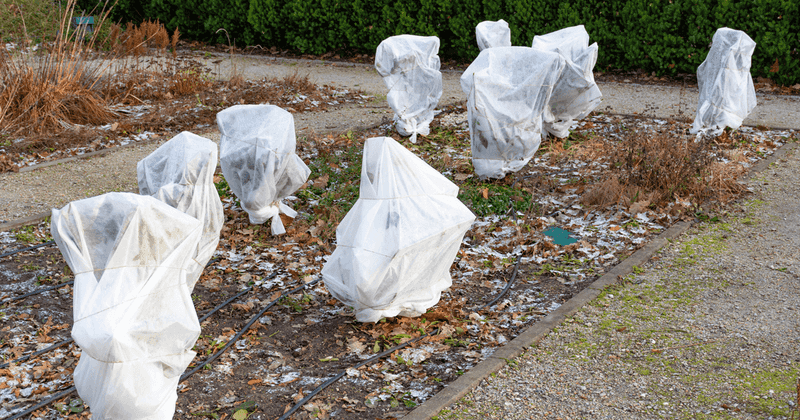
Take it from someone who learned the hard way. Pulling covers off the morning after the first freeze can undo half your effort.
Frost cloth, old bedsheets, and burlap work by trapping heat that rises from the soil. They do not create warmth on their own, so they need to reach the ground to hold that heat around the plant.
If the day between freezes stays cold, leaving lightweight fabric covers in place can help hold in whatever warmth the soil gathers. Breathable cloth still lets some light through, and the plant stays protected for round two.
Plastic is a different story. It can trap moisture and heat up fast in sun, and cold transfers right through it where it touches leaves.
Use plastic only over a frame, and vent it during sunny afternoons.
A few quick tips help covers work better:
Weigh down the edges with bricks or rocks so wind cannot lift them. Use stakes or tomato cages so heavy fabric does not crush tender stems.
Double layers add a few extra degrees on the coldest night. For small plants, an overturned bucket or pot works great too.
Once temperatures climb safely above freezing, remove covers so plants get full light and air again.
A Deep Drink of Water Before Night Two Helps Roots Stay Warmer
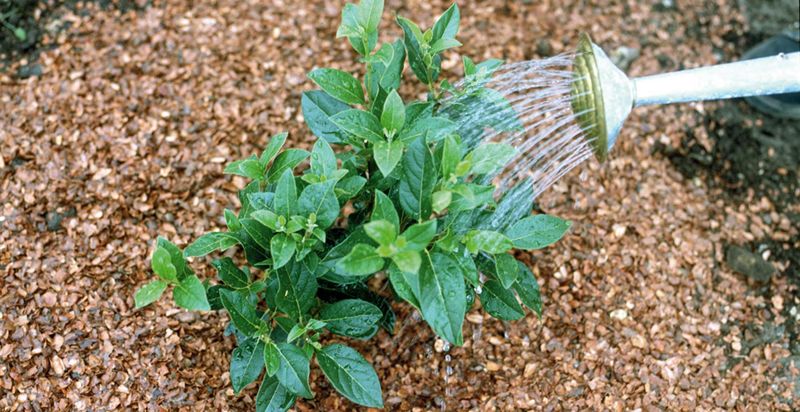
Here’s a trick that sounds backward but holds up. Moist soil stays warmer than dry soil on a freezing night.
Water holds heat far better than air pockets in dry dirt. Wet ground absorbs more daytime warmth and releases it slowly overnight, which helps roots and low leaves.
Dry soil adds another problem. Plants lose moisture through leaves even in cold weather, and frozen or dry ground makes it hard for roots to replace it.
That leads to winter burn on evergreens like boxwood and hollies.
So between freezes, check your beds. If the top couple of inches feel dry and the ground is not frozen, water during the warmest part of the day.
Morning or midday watering gives the soil time to soak it in before dark. Evening watering can leave wet leaves that ice over.
Aim the water at the soil, not the foliage. Containers dry out faster than garden beds, so give potted plants extra attention.
Between you and me, this is my favorite step because it costs nothing. A hose, a sunny hour, and a little patience can give your garden real help before the second cold night arrives.
Ice Crystals Between Plant Cells Do Damage That Adds Up
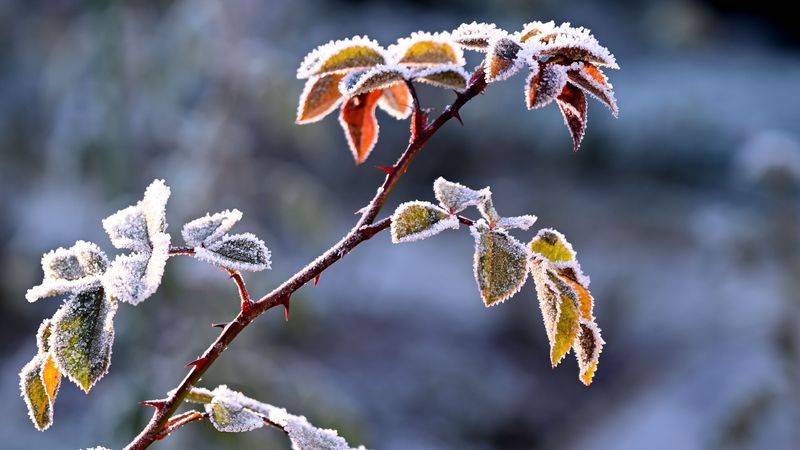
Science gets pretty fascinating at the cell level. When temperatures dip below freezing, ice usually forms first in the tiny spaces between plant cells.
That outside ice pulls water out of the cells, leaving them dehydrated. Hardy plants can handle some of this, especially if they have time to adjust to cold.
The real trouble comes when ice forms inside the cells. Sharp crystals can rupture membranes, and that tissue does not recover.
Repeated freezing and thawing adds another layer of stress. Research shows these cycles can create air bubbles in a plant’s water-moving tubes, a problem called embolism.
Those bubbles can block water flow even after warm weather returns. A plant may look okay for a while, then struggle later in spring.
Each freeze-thaw cycle also tears at cell walls a little more. Night one might cause light dehydration, while night two finishes off tissue that was already weakened.
Fast thawing in bright morning sun can make things worse for some plants, particularly evergreens on the east side of a house.
Did you know? Many hardy plants pack their cells with sugars and proteins in fall.
Those act like a natural antifreeze, lowering the temperature where ice forms inside.
Warm Spells Coax Tender Buds and Blossoms Out Too Early
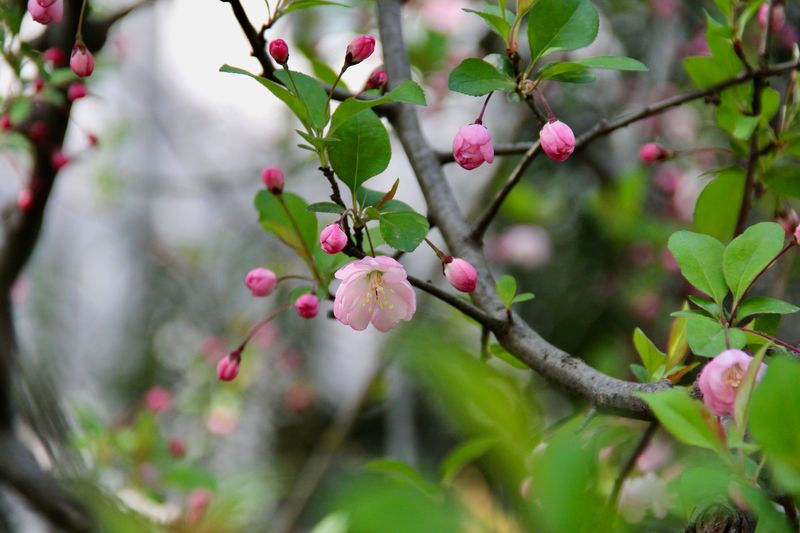
Virginia weather loves a plot twist. A few mild days in late winter can trick trees and shrubs into thinking spring has arrived.
Plants respond by losing some of their cold hardiness, a process researchers call deacclimation. Buds swell, sap moves, and soft new shoots start to show.
Once that happens, a freeze hits much harder. A peach bud that handles single-digit cold while fully dormant can be hurt near 28 degrees once it starts opening.
Fruit growers watch these stages closely. Tight buds, swollen buds, open blossoms, and tiny fruit each have different danger points, and the open flower stage tends to be the most fragile.
Magnolias, early cherries, forsythia, and hydrangeas are frequent victims. So are emerging hostas and daylilies poking up in mild beds.
In practical terms, give extra protection to anything showing fresh growth. Cover small fruit trees and flowering shrubs when you can, or at least shelter low branches.
Let’s just say I’ve lost more than one season of peaches to an early warm week followed by two hard nights. Now I check bud stages before every freeze forecast and plan covers around the plants that woke up first.
Mushy Black Leaves and Split Bark Tell the Real Story Later
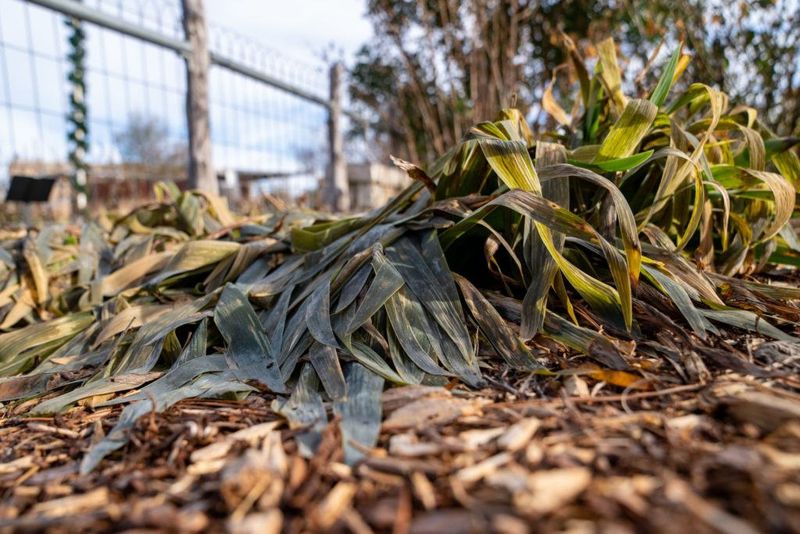
Freeze damage rarely shows up all at once. The first clue often appears the morning after, when thawed leaves look dark green and water-soaked.
Within a day or two, those leaves may turn black, brown, or mushy. Tender plants like cannas, elephant ears, and new hosta growth tend to show this quickly.
Woody plants can take longer to reveal trouble. Watch for bark that splits on young trees, buds that stay brown inside, or branches that fail to leaf out in spring.
A simple test helps here. Gently scratch a twig with your thumbnail, and look for green tissue underneath.
Green means living tissue. Brown and dry often means that section was harmed.
For fruit buds, slice one open with a sharp knife. A dark brown or black center usually signals the flower inside was hurt.
Evergreens may develop browned leaf tips weeks after the cold passes. That is often winter burn from dry wind and frozen soil, not a new problem.
Keep a notebook or snap phone photos after a freeze. Tracking which plants struggled helps you plan better spots and better protection next year, and it keeps you from guessing when spring arrives.
Put the Pruning Shears Down Until Spring Growth Appears
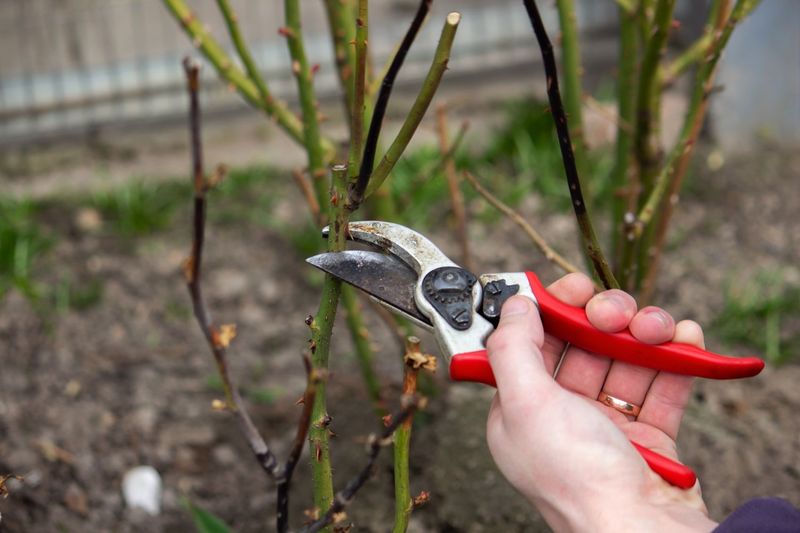
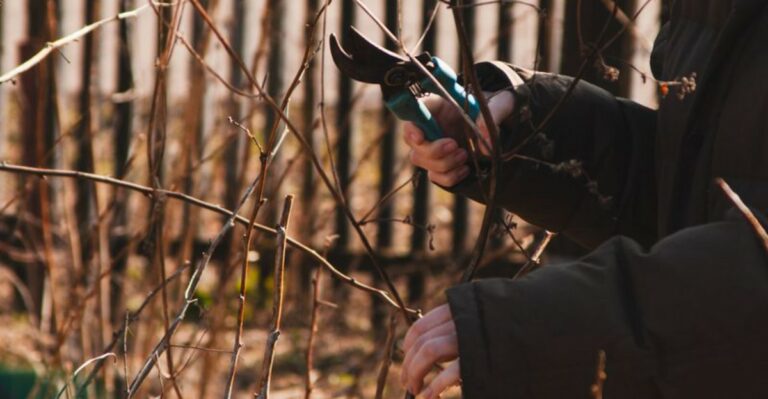
Don’t make my mistake of grabbing the pruners right after a freeze. Those brown leaves look awful, but cutting too soon can create new problems.
Damaged foliage actually acts as a bit of a shield. It helps insulate the healthy tissue underneath if another cold night rolls through.
Pruning also signals some plants to push fresh growth. That soft new growth is even more vulnerable to the next freeze.
Extension experts generally advise waiting until new growth appears in spring. Then you can clearly see which stems are healthy and which need to go.
Many perennials and shrubs bounce back from buds near the ground. Some take until late spring or early summer to show what survived, so patience pays off.
Hold off on fertilizer for a while, too. Nitrogen encourages tender growth, and a stressed plant needs time to recover before being pushed.
The one exception is mushy, collapsed tissue on soft plants like cannas or bananas. You can trim that once the cold stretch ends to keep things tidy and reduce rot.
If you ask me, waiting is the hardest gardening skill. It is also one of the most rewarding when a plant you had given up on sends up fresh shoots.
Frost Pockets and Warm Walls Shape Your Garden Plan
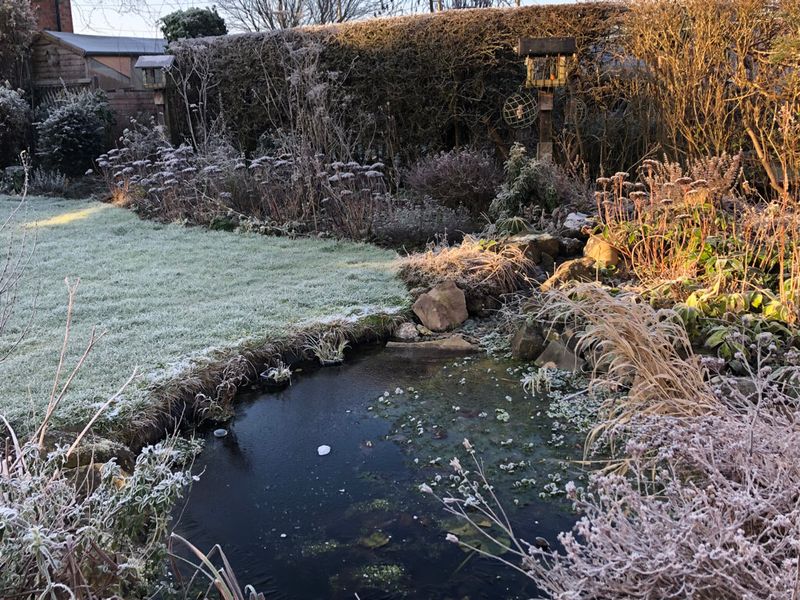
Cold air behaves a lot like water. It slides downhill and settles in low spots, creating frost pockets where plants freeze first and hardest.
Your yard probably has a few of these. Watch where frost lingers longest on cold mornings, and you will spot them quickly.
Warmer spots exist too. South-facing brick walls, patios, and areas near the house soak up heat and release it at night.
Virginia covers a wide range of conditions, from USDA zone 5b in the western mountains to 8b near the coast. Late frosts can show up well into April in many areas, especially in the Shenandoah Valley and higher elevations.
Use that knowledge when you plant. Place early bloomers and tender plants in sheltered, warmer spots, and keep low ground for tougher natives.
Mulch helps everywhere. A two to four inch layer of shredded bark or straw keeps soil temperatures steadier through freeze and thaw.
Choose plants rated for your zone, and consider later-blooming varieties of fruit trees. Native plants like serviceberry, redbud, and coneflower are usually well adapted to these swings.
My garden taught me that smart placement beats last-minute scrambling. Plan for back-to-back freezes now, and the next cold stretch will feel a lot less stressful.