How Georgia Gardeners Turn Fallen Leaves Into Free Garden Gold
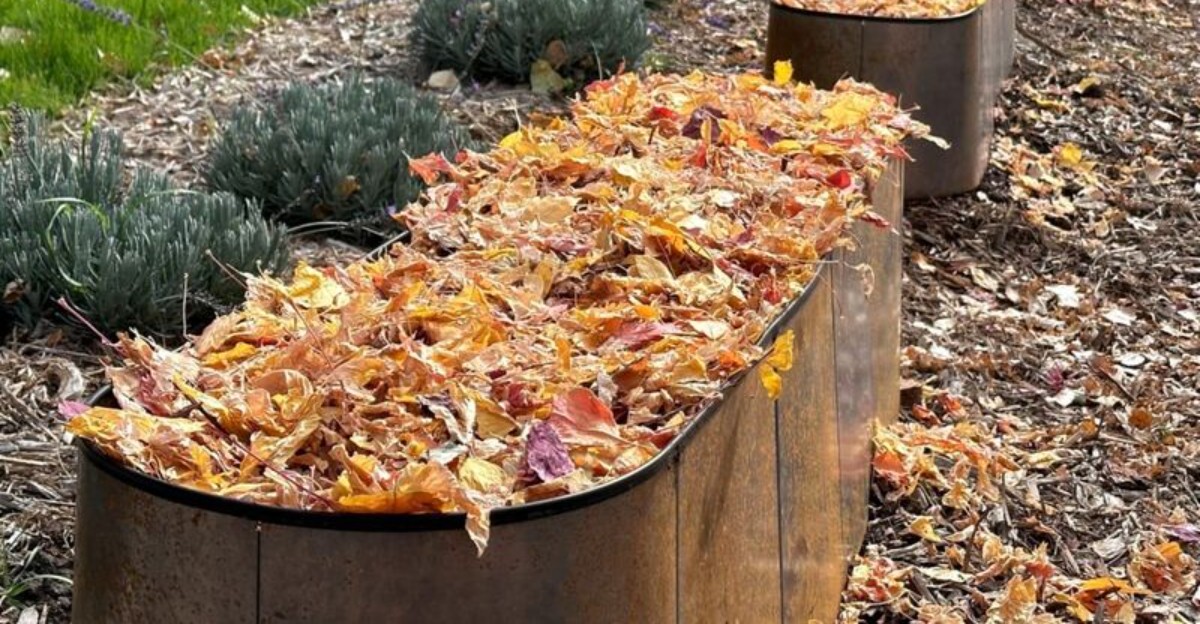
Georgia holds roughly 24 million acres of forest, and every autumn those trees shed a mountain of free fertilizer. Most of it still ends up stuffed into plastic bags and dragged to the curb like yesterday’s trash.
Those crunchy leaves carry minerals that tree roots pulled from deep underground all summer long and tucked away. Once they break down, they hold moisture like a sponge and loosen up our stubborn red clay.
I have to admit, I used to rake for hours and pay for bagged mulch every single spring. You might notice the same silly habit in your own yard, where the good stuff leaves and money follows.
Gardeners have a real advantage here, since mild winters keep soil microbes working longer than up north.
Those fallen leaves could do far more for your garden than you might expect, especially when you put them to work before winter arrives.
1. Pile Oak And Maple Leaves Into A Leaf Mold Bin
Leaf mold smells like a forest floor after rain, and making it requires almost no effort on your part.
Unlike regular compost, it is broken down mostly by fungi instead of bacteria, so it works slowly and quietly.
I love how this dark, crumbly stuff can hold several times its own weight in water. That makes it a fantastic soil conditioner for sandy coastal plots and heavy clay alike across the South.
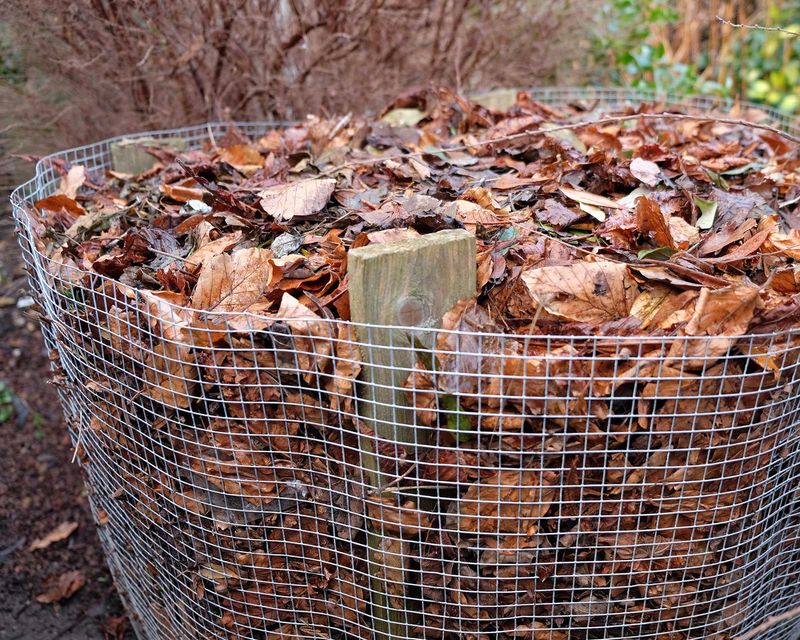
To start, build a simple wire ring about three or four feet wide using chicken wire or fencing. Pack it with oak or maple leaves, then soak the pile until it feels like a damp sponge.
Shredding the leaves first with a mower can cut the waiting time roughly in half, which feels like magic. Whole leaves still work fine, but expect to wait closer to two years for a finished batch.
Short on space, you can fill black trash bags with damp leaves and poke a few small air holes. Tuck the bags behind the shed and give them a shake whenever you happen to walk past.
Check the pile during dry spells, because fungi slow down a lot once the leaves dry out. A quick spray from the hose every few weeks keeps the whole operation humming along nicely.
Finished leaf mold makes a wonderful seed-starting mix ingredient or a gentle top dressing for shade beds.
Personally, I save my best batch for ferns and hostas, which seem to adore every single crumbly handful.
2. Spread Shredded Leaves As Mulch Around Shrubs
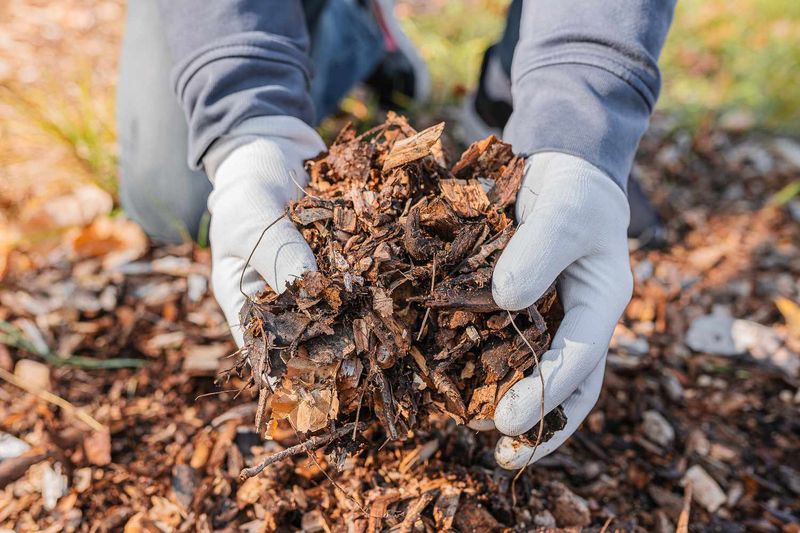
Pine straw gets all the fame around here, but shredded hardwood leaves make an equally handy mulch for free.
They settle into a soft brown blanket that looks tidy and smells faintly sweet as it breaks down.
Whole leaves can mat together into a slick, soggy layer that sheds water instead of soaking it up. Running a mower over a dry pile a couple of times chops them into perfect little flakes.
A bagging mower makes the job even easier because it collects the shreds in one tidy load. Leaf vacuums with a shredding setting also work well if you have a small yard or patio beds.
Spread the flakes about two to four inches deep around your shrubs and sleepy perennial beds this season. Keep the mulch a few inches away from stems and trunks so moisture does not cause rot.
I like how this layer insulates roots during those sudden cold snaps that sneak in after warm spells. Come summer, it also shades the soil and helps hold moisture when the heat turns brutal.
Weeds have a much harder time pushing through, especially tiny seedlings that need light to sprout. You will still pull a few strays, but far fewer than you would in bare, exposed soil.
Because the shreds break down within a year, plan to top them off each fall as fresh leaves drop.
That yearly refill slowly feeds the soil underneath, which your thirsty plants will happily notice by next spring.
3. Toss Brown Leaves Into Your Compost Pile
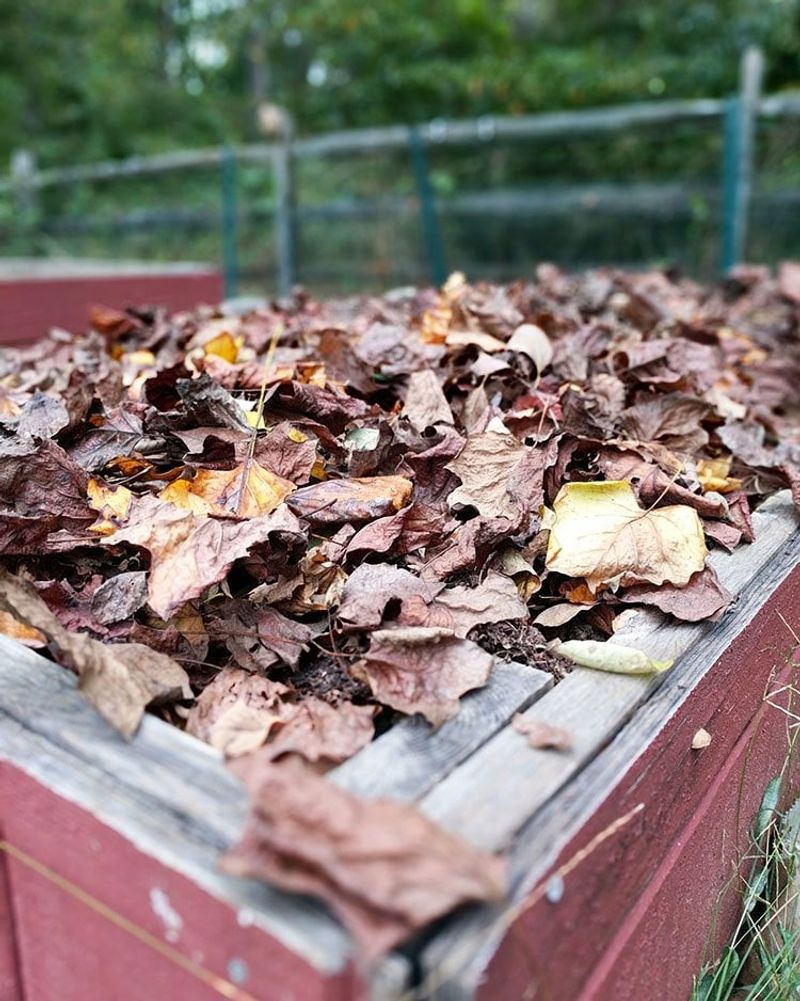
Every compost pile craves carbon, and a backyard full of crunchy leaves is basically a free bulk delivery. Gardeners call these dry materials browns, while kitchen scraps and fresh grass clippings count as greens.
Most composting guides suggest roughly two or three parts browns to one part greens by volume.
Getting that balance close enough keeps the pile warm and stops it from turning slimy and stinky.
Confession time, my early piles were soggy messes because I tossed in scraps without enough leaves. Once I started layering shredded leaves over every bucket of peels, the smell disappeared within days.
Shredding matters here too, since small pieces give microbes far more surface area to chew on. Whole leaves can sit in a pile for many months, while chopped ones vanish much faster.
A smart trick is stockpiling bags of dry shredded leaves next to the bin for later use. When summer brings piles of grass clippings and melon rinds, you will have browns ready to balance them.
Keep the pile about as damp as a wrung-out sponge and turn it every week or two. Mild winters in much of the state mean your compost can keep cooking slowly through the cooler months.
Skip black walnut leaves for small batches, because they contain juglone, a compound that can stunt tomatoes.
Thorough hot composting breaks it down over time, but a separate pile keeps things simple and safe.
4. Mow Fallen Leaves Right Into Your Lawn
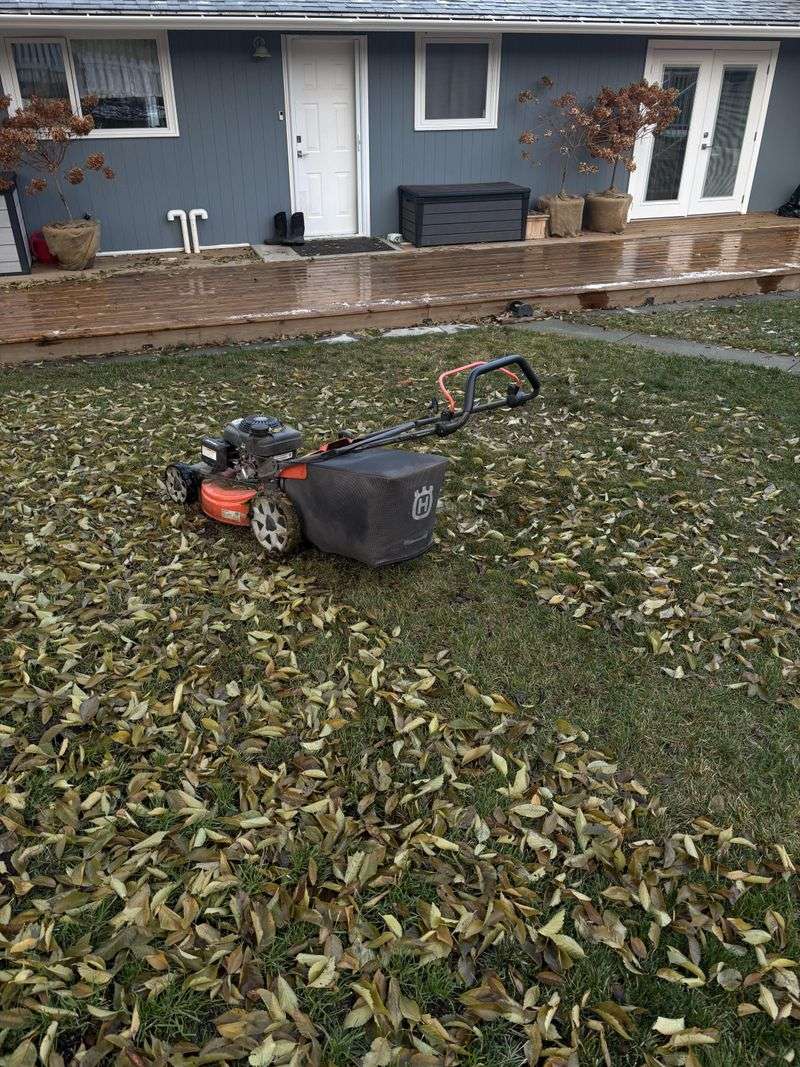
Your lawn mower might be the most underrated leaf tool sitting in your garage right now. Instead of raking for hours, you can chop light layers of leaves into confetti and leave them right there.
Research at Michigan State University found that mulching leaves into turf did not harm grass quality.
The tiny pieces slip between grass blades and return organic matter to the soil as they break down.
Timing helps a lot, so mow when leaves are dry and crunchy rather than wet and clumpy. Wet leaves tend to clog the deck and leave behind soggy mats that smother the turf underneath.
You might need two or three passes before the pieces shrink to about the size of a dime. A good rule of thumb is that you should still see plenty of green grass peeking through.
Most lawns across Georgia are warm-season grasses like Bermuda or zoysia that turn tan during winter dormancy.
Even while sleeping, they appreciate not being buried under thick piles that trap moisture and invite disease.
Fescue lawns in the northern part of the state are actively growing in fall, so they need light even more. Keep those leaf layers thin and mow often whenever a fresh batch drifts down from the trees.
When the leaf drop gets too heavy, simply bag the extra shreds and move them to your beds. Honestly, this one chore quietly feeds the lawn while sparing my back from a whole weekend of raking.
5. Dig Shredded Leaves Into Empty Vegetable Beds
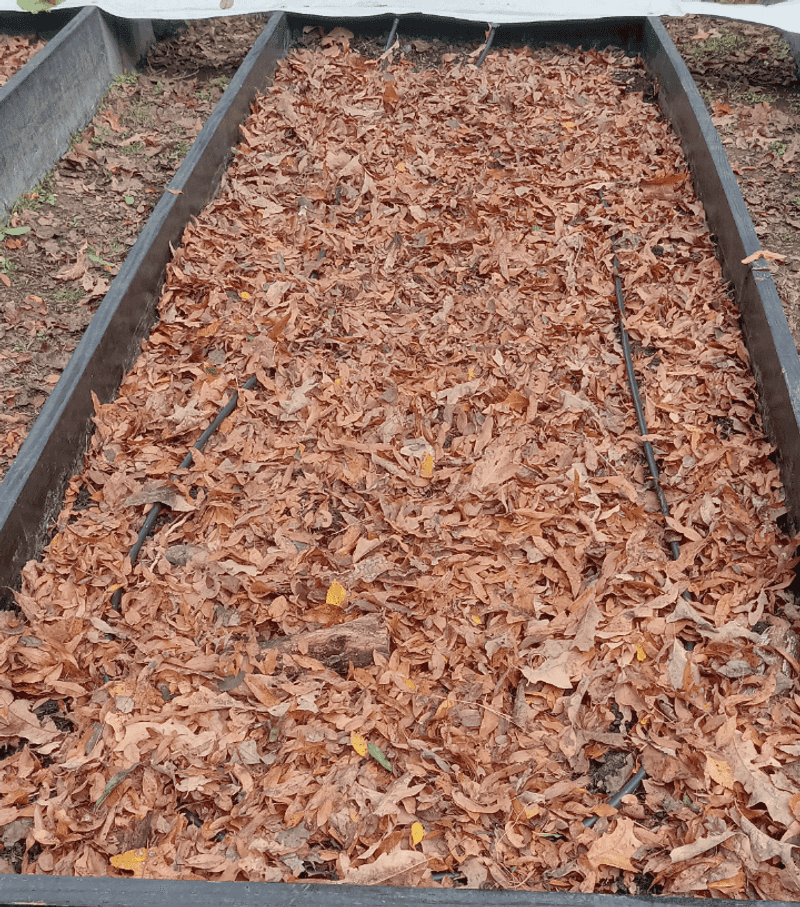
Empty vegetable rows in late fall look a little sad, but they make perfect homes for chopped leaves. Turning shredded leaves into the soil now gives them several months to soften before spring planting.
Red clay benefits hugely from this extra organic matter, which helps it drain better and crumble more easily.
Sandy soils in the southern half of the state gain a better ability to hold water and nutrients.
Spread a few inches of shreds across the bed, then work them into the top six inches. A garden fork does the job nicely if you prefer to skip renting a big noisy tiller.
One catch deserves your attention, because soil microbes borrow nitrogen while they digest all that carbon. Plants set out too soon can turn pale and sulky until the leaves finish breaking down.
Sprinkling a little nitrogen source, such as cottonseed meal or blood meal, can help speed things along. Mixing in some fresh grass clippings or coffee grounds works too if you have them handy.
By the time spring tomatoes and peppers go in, the soil should feel darker and noticeably softer. Earthworms tend to show up in bigger numbers too, which is a lovely sign of healthy ground.
I believe this is the cheapest soil upgrade any vegetable gardener can make in a single afternoon.
Repeat it every fall, and your rows will slowly turn into the kind of soil seed catalogs brag about.
6. Layer Leaves And Cardboard For A Lasagna Garden Bed
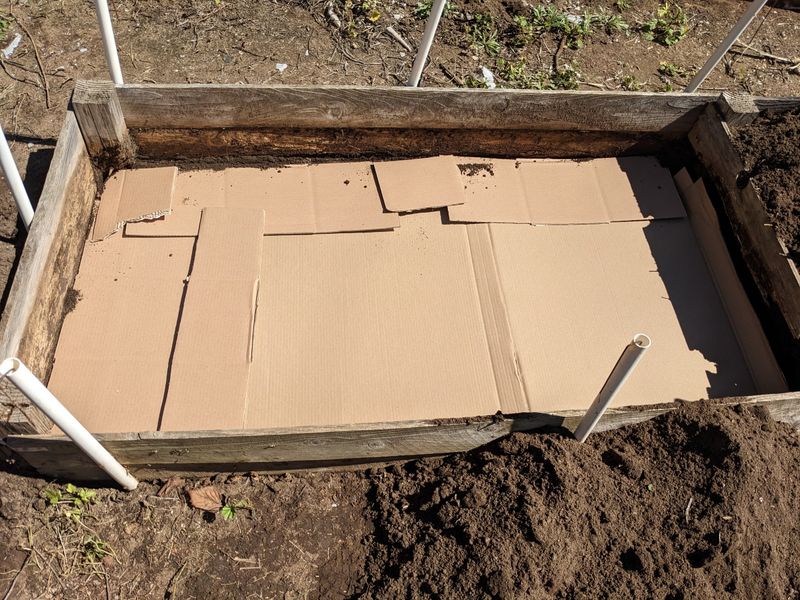
Building a brand-new garden bed without digging sounds like a lazy dream, yet lasagna gardening makes it real. Also called sheet composting, the method stacks layers of organic stuff right on top of grass or weeds.
Start with a layer of plain brown cardboard, removing tape and stickers so nothing plastic lingers in your soil.
Soak the cardboard thoroughly with the hose, because wet cardboard bonds to the ground and blocks light better.
Next, pile on alternating layers of shredded leaves and greener materials like grass clippings or kitchen scraps. Aim for leaf layers a few inches thick, with thinner green layers sandwiched in between like cheese.
The stack might reach a foot and a half tall at first, which looks a little silly. Over the winter months, it sinks down dramatically as earthworms and fungi quietly get to work underneath.
Fall is a terrific time to build one, since leaves are plentiful and the bed gets months to mellow. Top it with a final layer of leaves or finished compost so it looks neat through winter.
Come spring, you can plant transplants straight into pockets of compost tucked into the top layer.
Tiny seeds prefer a smoother surface, so sprinkle a thin blanket of finished compost before sowing them.
What surprises me most is how stubborn Bermuda grass struggles to push through a thick, well-built stack. A few determined runners may sneak around the edges, so check the borders now and then.
7. Leave Leaf Litter For Overwintering Bumblebees And Moths
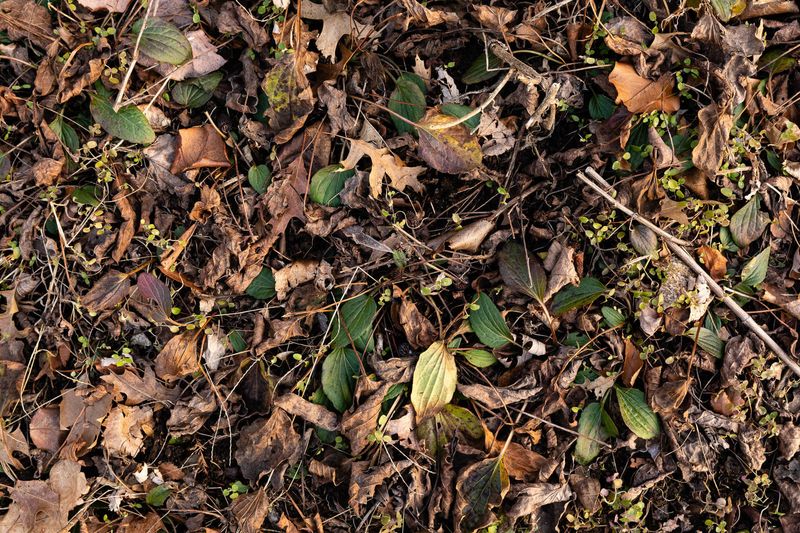
Somewhere under that cozy layer of oak leaves, a luna moth cocoon might be quietly waiting for spring. Luna moths spin their silk cocoons among fallen leaves, so an overly tidy yard can bag them up by accident.
Plenty of other helpful critters ride out winter in leaf litter, including firefly larvae and many native moths.
Bumblebee queens often burrow into loose soil nearby, and a leafy blanket helps protect their chilly hideouts.
The University of Georgia Extension encourages leaving some leaves in plant beds and around trees for wildlife. Songbirds like towhees and thrashers benefit too, scratching through the litter for insects on chilly mornings.
For this purpose, skip the mower and leave the leaves whole, because shredding can harm hidden eggs and cocoons.
Whole leaves also create more nooks and crannies for small creatures to tuck themselves safely inside.
You do not need to turn the whole yard into a wild forest floor to make a difference. A few leafy corners under shrubs or along back fences give overwintering wildlife plenty of safe shelter.
In my yard, a messy strip beneath the native shrubs stays untouched while the front walkways get raked. That simple compromise keeps the neighbors happy and the caterpillars safe until warmer spring days finally return.
Wait until temperatures stay consistently warm in spring before tidying these areas, giving sleepy insects time to emerge. Your patient garden will likely reward you with more busy pollinators visiting the flowers next season.
8. Fill Raised Beds With Leaves Under Fresh Soil
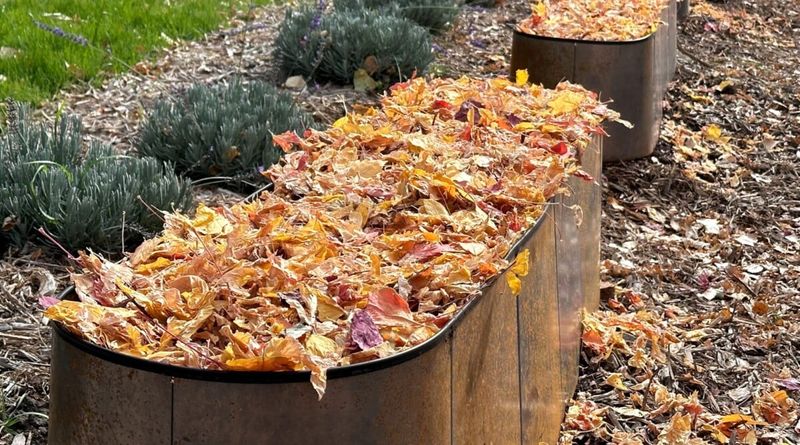
Filling a raised bed with bagged soil can cost a surprising amount, and leaves offer a sneaky shortcut. You can pack the bottom portion of a deep bed with leaves and save the purchased mix for the top.
Fresh leaves shrink a lot as they decompose, so expect the bed to settle over the following months.
Packing them down firmly and adding a bit extra helps reduce that sinking feeling come spring.
Shredded leaves work best here, because whole ones tend to form slick mats that block water and roots. Mixing in some grass clippings or a handful of garden soil adds microbes and nitrogen to jumpstart decay.
Keep at least eight inches of finished compost and soil on top where roots will do most of their growing. That buffer keeps young seedlings away from the hungry microbes borrowing nitrogen in the leafy layer below.
If you have leaf mold or older compost on hand, it makes an even better filler for beds. Partly broken-down material holds moisture well and feeds plants without stealing much nitrogen from hungry seedlings.
Building beds in fall gives Georgia gardeners a head start on early spring lettuce and summer tomatoes alike.
Each year, top the bed with another layer of shredded leaves to replace what the soil quietly consumed.
You’re in for a big surprise when you dig in a year later and find rich, dark crumbles. Leaves your neighbors bagged up for the curb could be quietly becoming the best soil on your block.