The Cucumber Smell Myth Every Virginia Gardener Has Heard About Copperheads
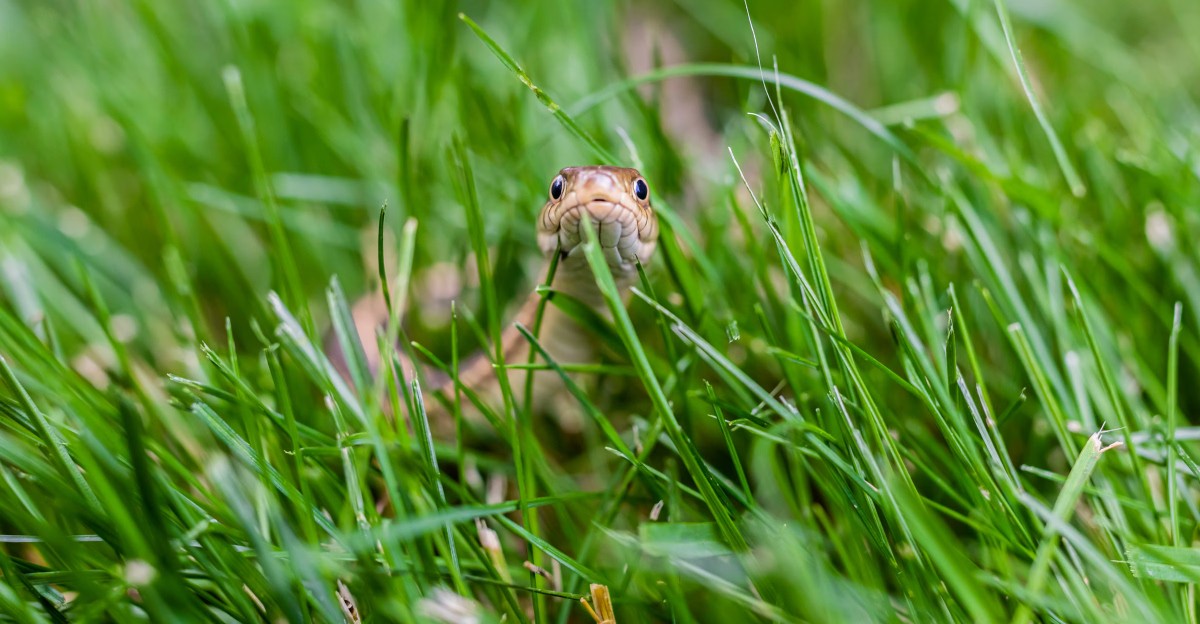
A snake can smell like a salad, according to one of Virginia’s most stubborn bits of backyard folklore. Folks swear a whiff of fresh cucumber means a venomous viper is coiled under the hostas.
I heard it first from an older gardener who sniffed the air before every weeding session. I laughed, then quietly started sniffing too. You probably have a version of this story tucked away somewhere in your memory.
Researchers and wildlife experts paint a messier picture. Snakes do carry scent glands, and the odor they release is real.
The cucumber part is where the tale wobbles, and Virginia gardeners deserve better than a guessing game with their noses.
After I dug through herpetology notes and state wildlife advice, my weeding habits changed for good. Your nose may be clever, but is it clever enough to keep your ankles safe?
That Cucumber Whiff Near the Copperhead Comes From a Real Snake Gland
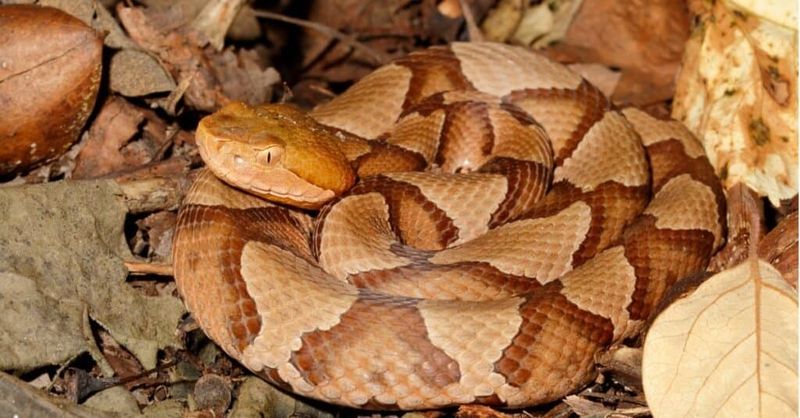
Folklore usually starts with a grain of truth, and this one is no exception. Copperheads, like most snakes, have musk glands near the base of the tail.
When a snake feels grabbed, cornered, or badly startled, it can release a strong defensive musk. Some people describe that odor as cucumber-like or melon-like. Plenty of others call it sour, musty, or just plain nasty.
So the smell itself is not pure fantasy. The problem is the leap from a smell that sometimes happens to a smell that warns you ahead of time.
Musk is a last-ditch defense, not a perfume the snake wears while resting quietly under your tomato cages.
A calm copperhead tucked into leaf litter gives off little or no scent you could pick up from a few feet away. By the time musk fills the air, the snake is usually already upset, and you are probably already too close.
Herpetologists also point out that many harmless snakes musk too. Garter snakes and watersnakes are famous for it, and their odor can be far stronger than anything a copperhead produces.
That grain of truth explains why the story spread so widely. It just does not hold up as a detection trick.
Your Nose Makes a Poor Copperhead Detector in the Garden
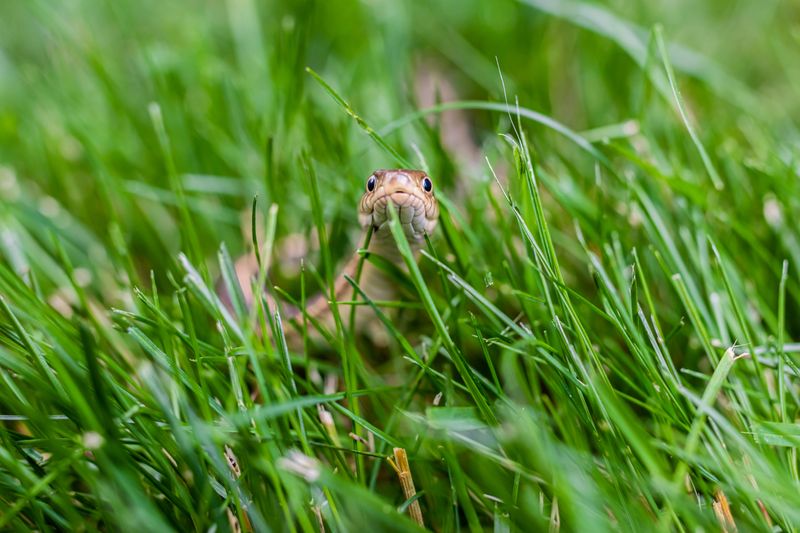
Trust me on this one: sniffing the breeze is a lousy safety plan. Wildlife experts and fact-checkers who have looked at the cucumber claim agree it is not a reliable way to find a copperhead.
Gardens are full of cucumber-like scents that have nothing to do with snakes. Actual cucumber vines, freshly cut grass, borage leaves, and salad burnet can all carry that crisp green aroma. Crushed insects and damp mulch add their own mix of odors.
Relying on smell creates two risks. You might panic every time your cucumbers ripen, which is annoying but harmless.
Worse, you might relax because the air smells normal, even though a camouflaged snake is resting right beside your trowel.
Your eyes and your habits do the real work. Looking before you reach, wearing gloves, and moving debris with a tool will protect you far better than any sniff test.
I still notice cucumber smells while weeding, mostly because I grow a lot of cucumbers. These days I treat that scent as a sign of a good harvest, not a snake alarm.
Keep the folklore as a fun story to share over the fence. Just leave it out of your safety routine.
Hourglass Bands and a Coppery Head Give a Copperhead Away
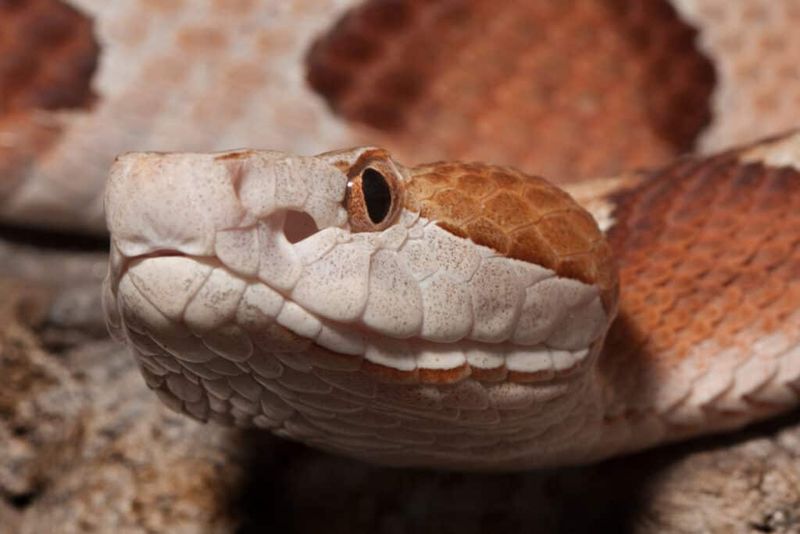
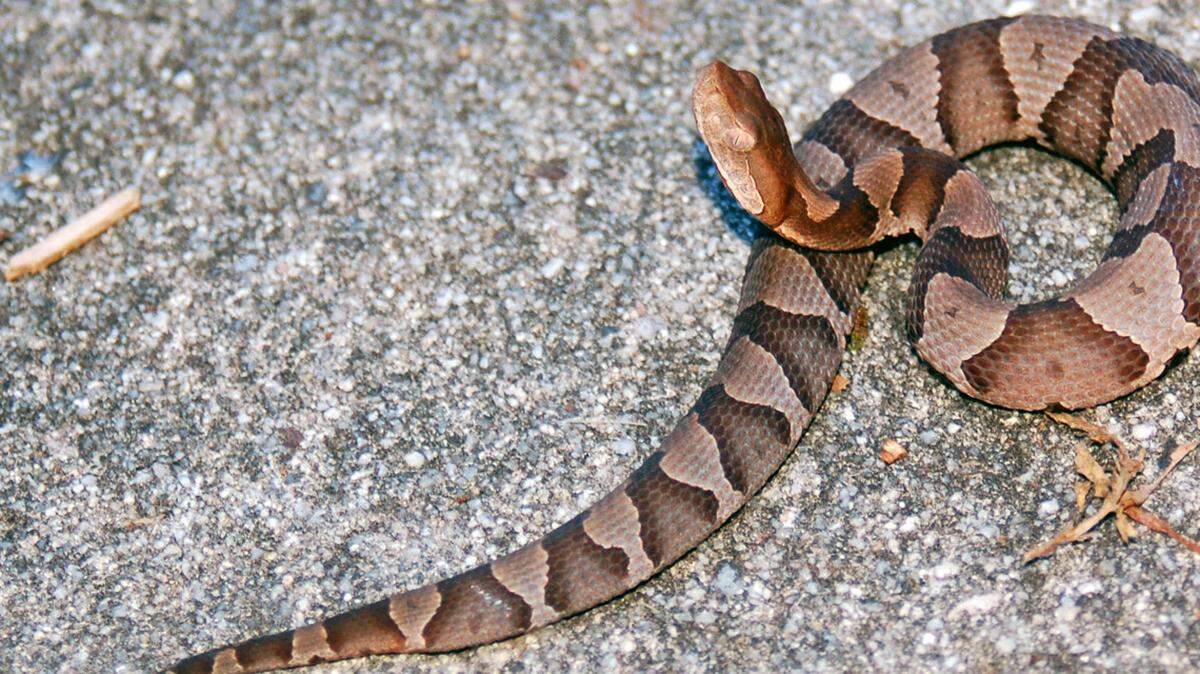
Learning one pattern will serve you better than any folk remedy. The Eastern copperhead wears dark, chestnut-brown crossbands shaped like an hourglass or a pair of saddlebags.
Those bands are narrow along the spine and wide along the sides. From above, they can look like Hershey’s Kisses lined up down the body, a handy trick many naturalists teach kids.
Adults usually measure about two to three feet long, with a fairly stout body. The head is broad, unmarked, and coppery or tan, which is where the name comes from.
Copperheads are pit vipers, so they have a small heat-sensing pit between each eye and nostril. Their pupils are vertical, like a cat’s eye. Many harmless Virginia snakes have round pupils, but please do not lean in close to check.
The coloring blends beautifully with fallen oak and hickory leaves. That is the real reason people step near them without noticing, not a lack of cucumber smell.
Spend a few minutes looking at photos from your state wildlife agency or the Virginia Herpetological Society. Once your brain locks onto that hourglass pattern, you will spot it much faster in real life.
Baby Copperheads Wiggle a Bright Yellow Tail Tip
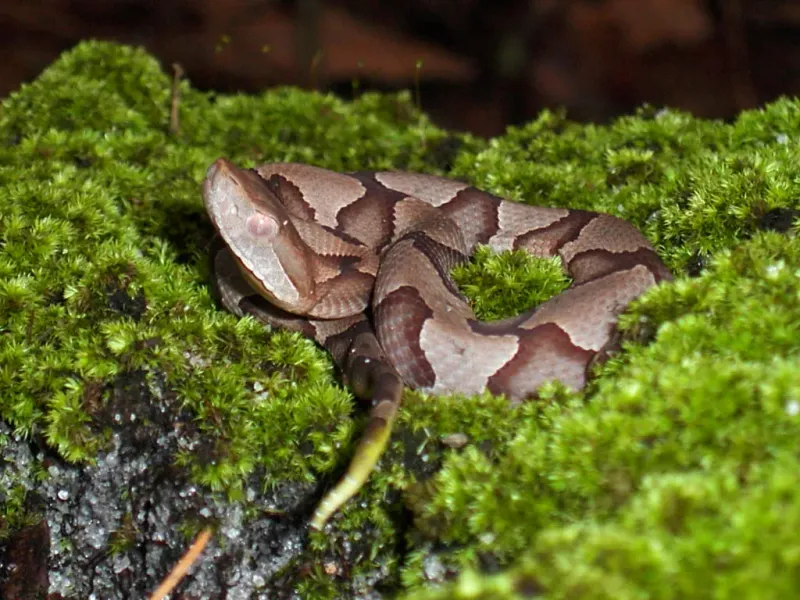
Late summer brings a surprise that catches many gardeners off guard. Copperheads give birth to live young, usually from about August into early fall.
The babies look like small, slightly paler copies of their parents, hourglass bands and all. Their standout feature is a bright sulfur-yellow or greenish tail tip.
That tail is not decoration. Young copperheads twitch it like a wiggling worm to lure frogs, lizards, and insects within striking range, a behavior scientists call caudal luring. The yellow fades as the snake grows over its first few years.
Size can fool you here. Newborns may be only eight or nine inches long, yet they arrive with working fangs and venom. Treat a tiny copperhead with the same respect as a big one.
Fall is also when you might notice more snakes around foundations and rock walls. Adults and young are moving toward winter shelter, so a sighting then is a normal seasonal pattern.
If you spot a little snake with a yellow-tipped tail near your mulch beds, keep your hands back. Note where it is, keep kids and pets away, and let it move along on its own.
Plenty of Harmless Snakes Get Mistaken for Copperheads
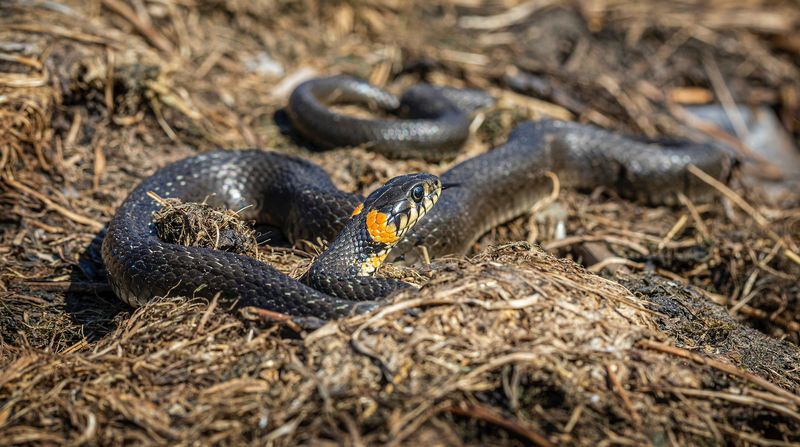
Here comes the part that might sting a little. Many snakes reported as copperheads turn out to be harmless species doing their jobs in the yard.
The Northern watersnake tops the list. Its dark bands and habit of hanging around ponds and creeks lead to endless mix-ups, and it musks heavily when handled, which feeds the cucumber story.
Young Eastern ratsnakes are blotchy gray and brown before they turn mostly black as adults. Corn snakes, Eastern milksnakes, and Eastern hog-nosed snakes also show patterns that can look alarming at a quick glance.
One helpful clue is the band shape. Copperhead bands pinch narrow at the spine, while many lookalikes have blotches that are wider on the back than on the sides.
Getting identification right matters for your garden. Ratsnakes and milksnakes eat mice and voles that chew on bulbs and roots, so they are quiet partners in pest control.
When in doubt, snap a photo from a safe distance with your phone zoomed in. Regional naturalist groups and the Virginia Herpetological Society website offer identification guides that make sorting out lookalikes much easier.
Woodpiles and Leaf Litter Make Cozy Copperhead Hideouts
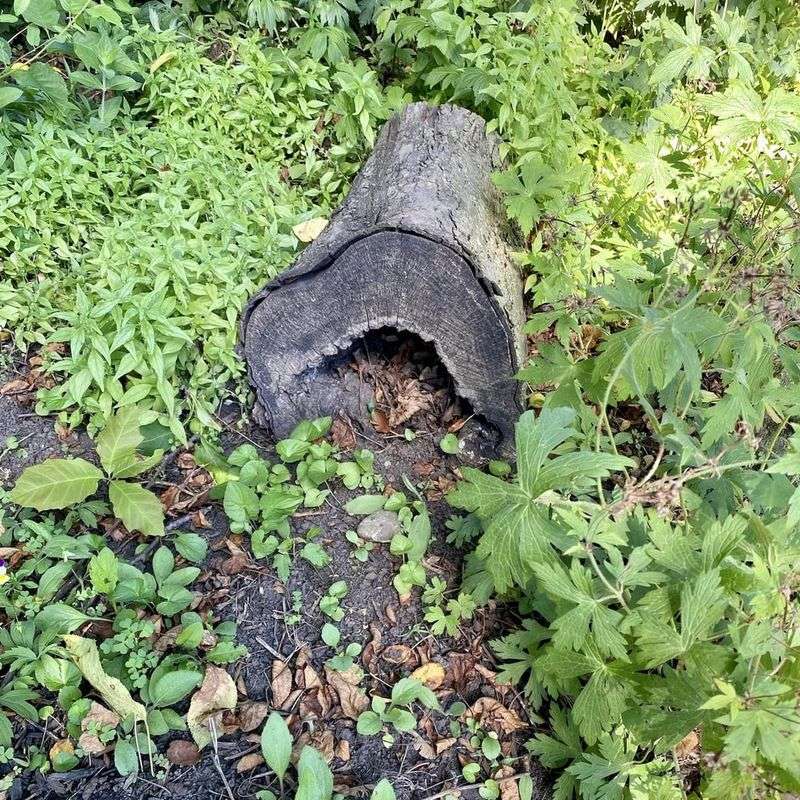
Copperheads are homebodies with simple tastes. They want shelter, warmth, and a steady menu of mice, frogs, and large insects like cicadas.
They live across nearly all of Virginia, from mountain hollows to Piedmont suburbs to the coastal plain. Woodland edges, rocky slopes, old fields, and quiet neighborhoods near trees all suit them.
In a typical yard, favorite hiding spots include woodpiles, brush piles, stone walls, thick ground covers, and stacks of old boards or pots. Deep leaf litter is especially appealing because their coloring nearly disappears against it.
Seasons shape their schedule. Spring and fall find them basking in the daytime, often near sunny rocks or foundations. During hot summer stretches, they shift to evening and nighttime activity.
Rodents are a big draw. Spilled birdseed, open compost with food scraps, and pet food left outdoors can attract mice, and mice attract snakes.
I started paying attention to where my yard holds the most cover and food together. Those spots, like the woodpile next to the bird feeder, deserve the most caution when you reach down or move things around.
Gloves, Boots, and a Rake Beat Sniffing for Copperheads
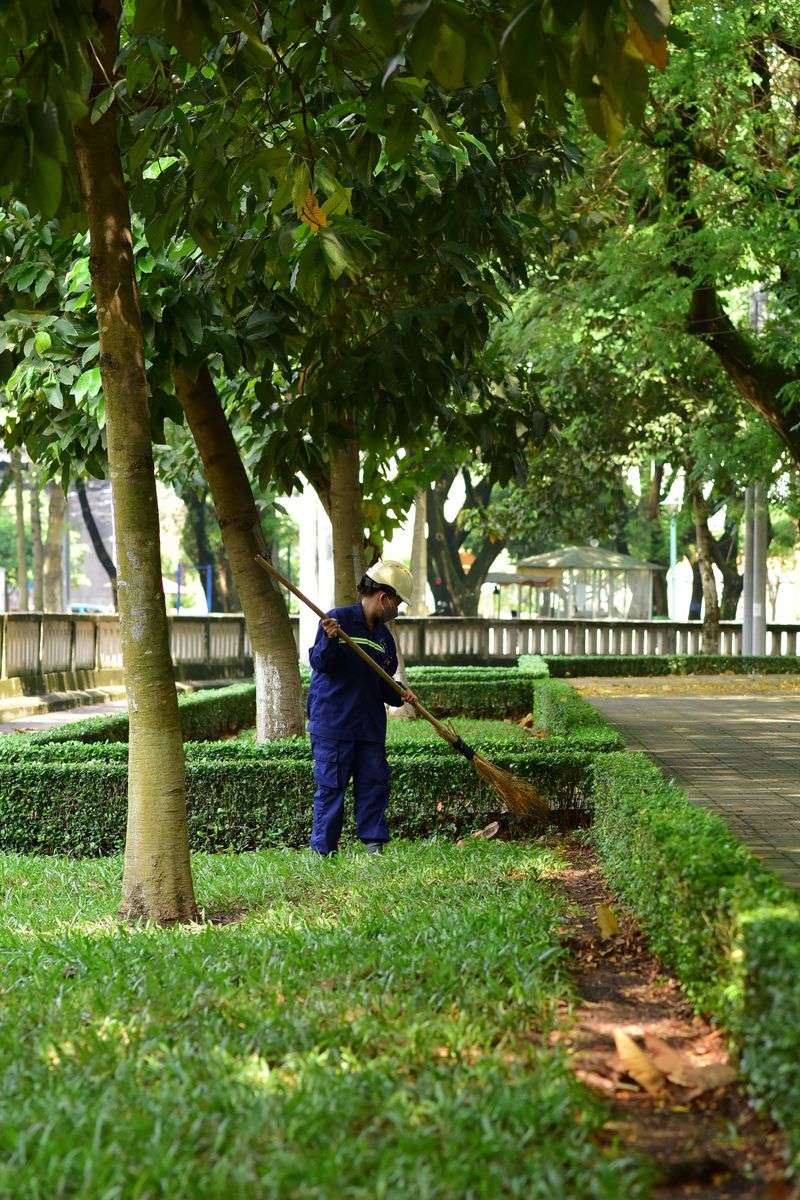
A few small habits make a huge difference. I keep a pair of leather gloves and sturdy boots right by the garden gate so I grab them every time.
Skip sandals when weeding, harvesting, or moving debris. Use a rake, hoe, or snake hook to lift boards, flip pots, or shift brush before your hands go anywhere near it.
Look before you reach into dense foliage, ground covers, or the space under a deck. Step onto logs and rocks, then over them, so you can see what sits on the far side.
Tidying helps too. Keep grass mowed, move woodpiles away from the house, clear brush, and seal gaps around foundations, sheds, and vents to reduce hiding places and rodent traffic.
Carry a flashlight on summer evenings, since copperheads often move around after dark in hot weather. A quick sweep of the path takes seconds. Spotting one means backing away slowly and giving it plenty of room.
Most native snakes in Virginia are protected as nongame wildlife, so state wildlife officials recommend leaving them alone or contacting a permitted wildlife control professional for removal near the house.
A Copperhead Bite Calls for a Calm Trip to the Hospital
Nobody plans for a bite, but having a plan brings real peace of mind. Copperhead venom is considered the mildest among North American pit vipers, and bites are rarely life-threatening for healthy adults.
Mild still means a medical emergency. A bite can cause intense pain, heavy swelling, and tissue damage, so prompt care matters.
Call 911 or head straight to the nearest hospital. Stay as calm and still as you can, and keep the bitten limb at a comfortable, relaxed level.
Remove rings, watches, bracelets, and tight clothing near the bite before swelling sets in. Note the time of the bite and, if safe, snap a quick photo of the snake from a distance.
Skip the old movie tricks. No tourniquets, no cutting the wound, no sucking out venom, no ice, and no attempts to catch the snake. These steps can make the injury worse or waste valuable time.
Doctors may use antivenom depending on symptoms. Save the Poison Control number, 1-800-222-1222, in your phone today, and share these steps with family members who garden alongside you.