The Eight-Legged Hitchhiker Still Waiting In Illinois Leaves, Even In November
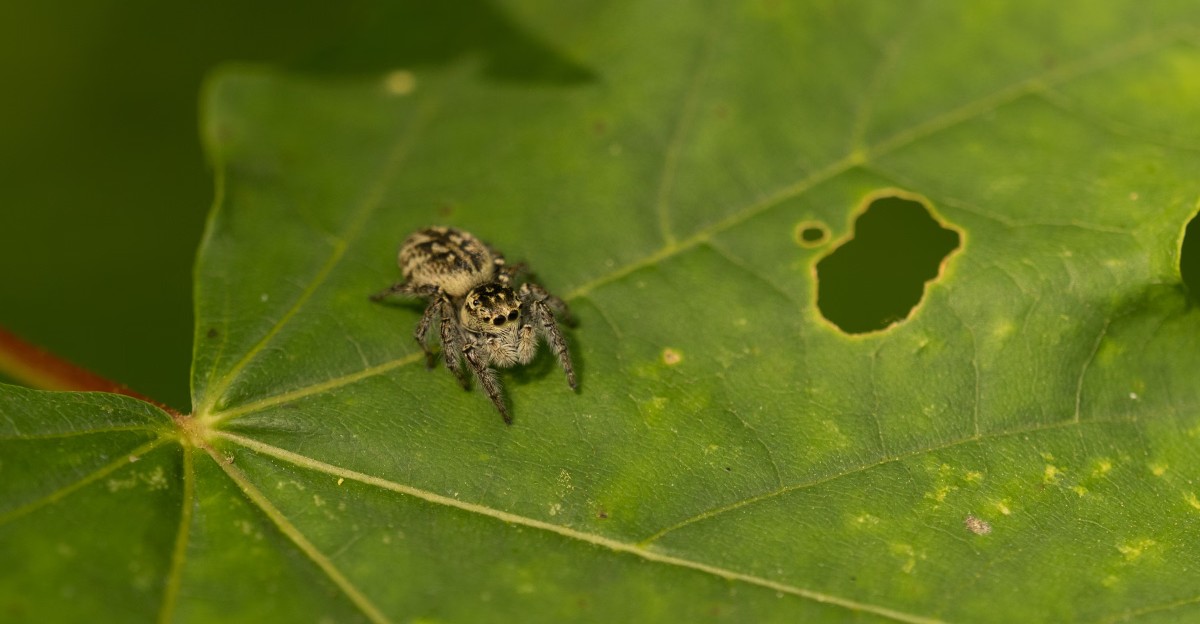
A single acre of woodland leaf litter can shelter vast numbers of tiny hunters, and many of them stay awake enough to move on mild winter days. Some even make their own version of antifreeze.
I raked a pile last November and watched something scurry out, legs flashing, in air barely above freezing. Turns out that crunchy brown layer works like a down comforter for the creatures tucked inside.
Here in Illinois, frost can arrive early, yet the ground under a thick leaf mat stays noticeably warmer and wetter than bare lawn.
Across Illinois, you might notice a few of these residents clinging to your rake, your gloves, or the leaf bag you carry to the curb.
I never get tired of that little jolt of surprise. Every fall cleanup carries a hidden crew of tiny hunters, and almost all of them are harmless to you.
Something Is Moving Under That Pile Of Brown Oak Leaves
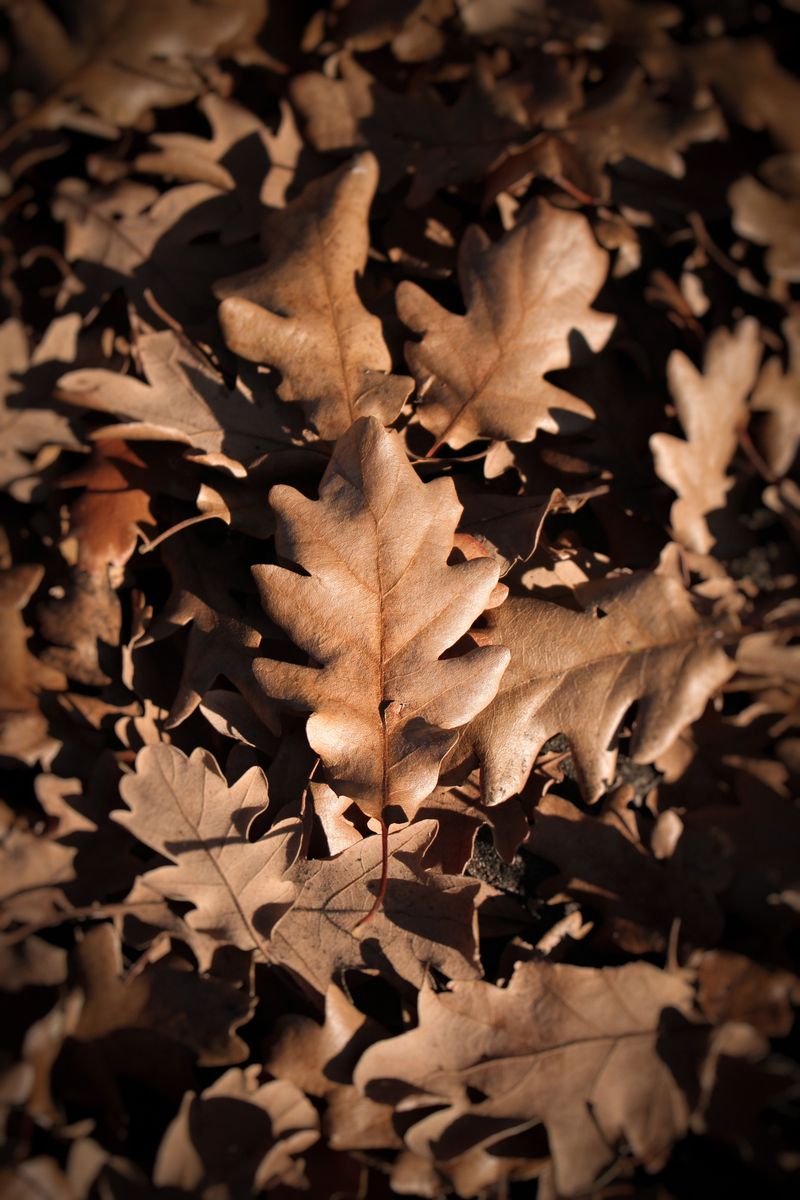
That flicker you saw while bagging leaves was probably a spider, and it was right where it belongs. Spiders are among the most common animals living in leaf litter across the Midwest.
Many people picture spiders disappearing once the weather turns cold. In reality, plenty of species stay put through winter, tucked into the damp layer between soil and fallen foliage.
Some spend the season as adults, some as half-grown juveniles, and others as eggs wrapped in silk.
University of Illinois Extension experts point out that the leaf layer acts as winter housing for a wide range of small creatures.
Spiders share that space with beetles, moth caterpillars, bumblebee queens, and springtails, which gives hungry spiders something to snack on during warm spells.
So the hitchhiker clinging to your rake is not lost or confused. It is simply following a routine its ancestors used long before anyone owned a leaf blower.
Knowing this changes how a fall yard looks. That messy corner under the maple suddenly feels less like a chore and more like a busy apartment building, full of tiny tenants waiting patiently for spring to return.
Wolf Spiders Are The Hitchhikers You Will Most Likely Spot
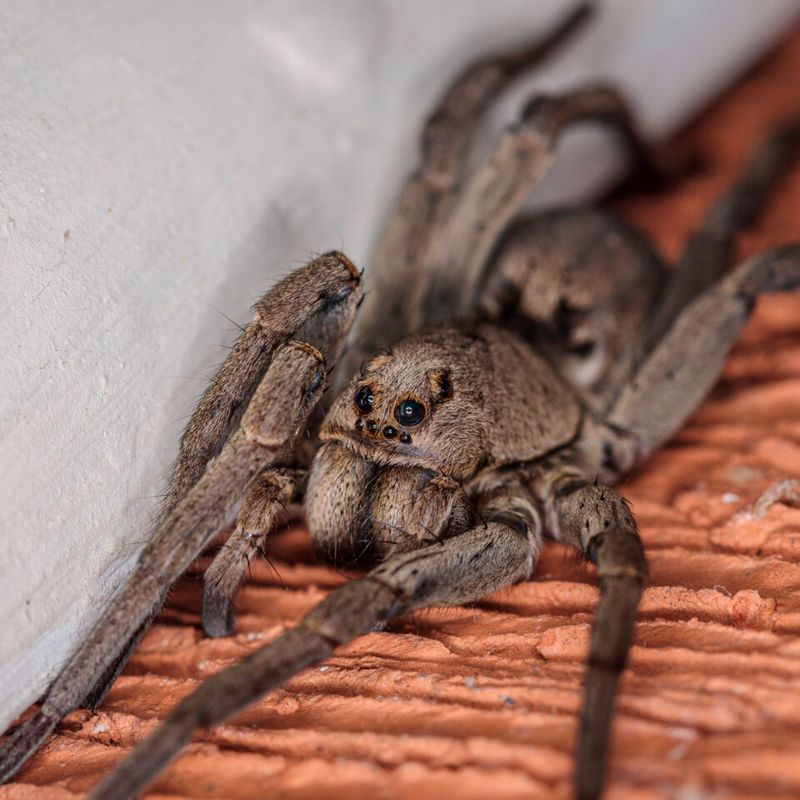
Big, hairy, and fast, wolf spiders win the prize for most startling leaf-pile surprise. They hunt on the ground instead of building webs, so leaf litter is basically their home turf.
Adults and juveniles shelter under leaves, logs, and stones through the cold months. On a sunny day in November, you might catch one sprinting across a patio or garage floor.
Here is a fun detail I love sharing. Female wolf spiders carry their egg sacs attached to their spinnerets, and after hatching, the babies ride on their mother’s back for a while. Talk about a family road trip.
Wolf spiders look intimidating, yet they rarely bite people. When they do, Extension sources describe the bite as usually mild, similar to a bee sting for most folks. Their real job is eating crickets, beetles, and other insects that bother your plants.
If one ends up in your garage, a cup and a piece of paper will do the trick. Carry it outside to a leaf-covered bed instead of swatting it.
Wearing gloves while handling leaves is a smart habit anyway. It keeps your hands safe from both spiders and sharp twigs.
A Thick Leaf Blanket Keeps These Tiny Spiders Cozy
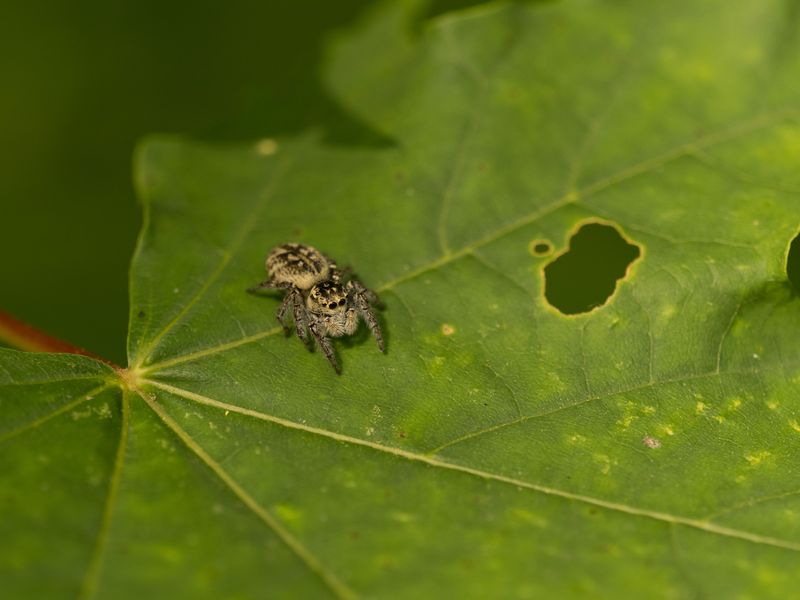
Few things insulate as well as a fluffy pile of fallen leaves. Air trapped between each leaf slows heat loss from the soil, much like the stuffing in your winter coat.
This creates what scientists call a microclimate. Temperatures under the leaves swing less wildly than the air above, and moisture stays higher. For small animals, steady conditions matter more than warmth alone.
Repeated freezing and thawing is rough on spiders. A good leaf layer, especially one topped with snow, softens those swings and keeps bodies from drying out in harsh winds.
Winters vary a lot across the state. Northern counties near the Wisconsin line sit mostly in USDA zone 5b, while far southern areas reach zone 7a. Both regions benefit from leaf cover, but northern gardens often depend on it more.
There is a bonus for you too. As leaves slowly break down, they feed soil organisms and return nutrients to your beds, improving soil structure over time.
A layer two to three inches deep in garden beds works nicely. Avoid smothering your lawn with thick mats, though, since grass needs light and airflow to stay healthy.
Built-In Antifreeze Helps Spiders Handle Freezing Nights
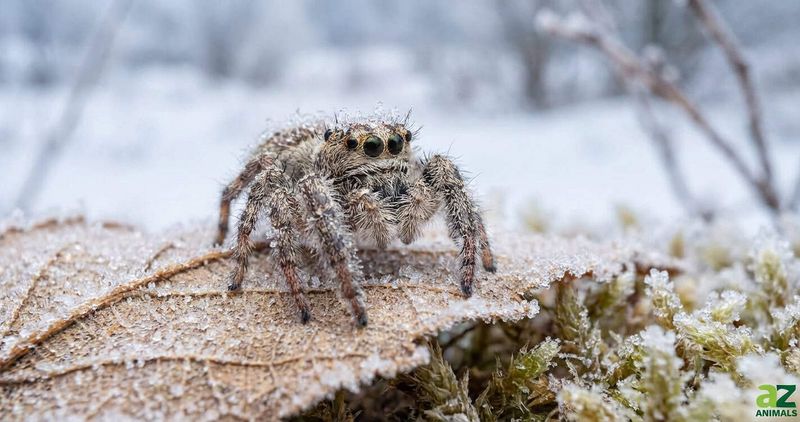
Some spiders pull off a trick that sounds like science fiction. They build up special compounds in their bodies that lower the temperature at which they freeze.
Researchers call this supercooling. Certain sugars, alcohols made naturally by the body, and proteins help keep ice crystals from forming inside their tissues. That lets many spiders survive temperatures well below 32 degrees Fahrenheit.
Spiders also slow down. Many enter a resting state called diapause, where their metabolism drops and they live off stored body fat. Movement becomes rare, and growth pauses until days lengthen again.
I was shocked to learn some tiny sheetweb spiders stay active under snow. Scientists studying the space between snow and soil, sometimes called the subnivean zone, have found these little hunters creeping around in near-darkness, catching springtails.
Not every spider is equally tough. Species that normally live indoors, like many cellar spiders, handle cold poorly and do best inside buildings.
Outdoor species are a different story. Bringing a leaf-dwelling spider indoors to save it from the cold can actually confuse its seasonal clock, so leaving it outside is usually the kindest choice.
Jumping Spiders And Harvestmen Share The Leaf Litter Too
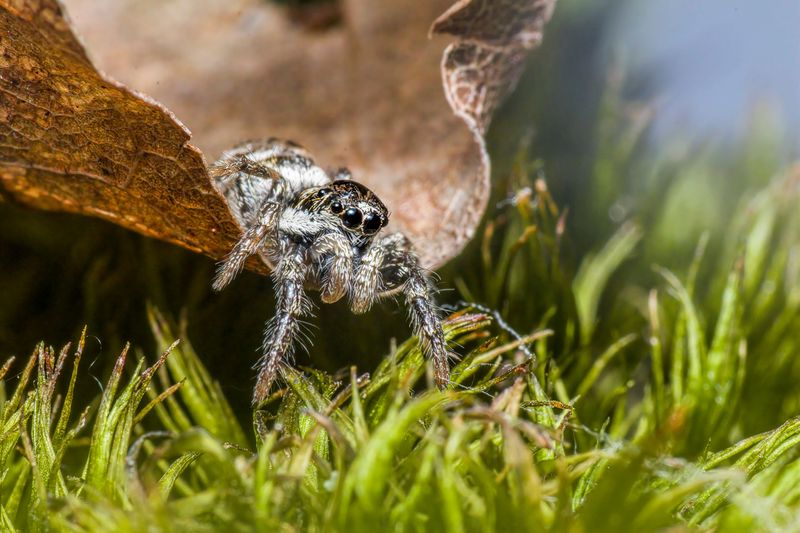
Cute is not a word most people attach to spiders, but jumping spiders might change your mind. Those huge front eyes give them excellent vision, and they stalk prey like tiny cats.
The bold jumping spider, black with white spots, is common in Illinois yards. It often spends winter tucked into a small silk retreat under bark, leaves, or siding.
Then come the harvestmen, often called daddy longlegs. They have eight legs, yet they are not true spiders. Their body looks like one rounded piece, and they lack silk glands and venom.
Harvestmen love moist, shaded leaf litter. In much of the Midwest, many species pass winter as eggs in soil or debris, though some adults turn up in sheltered spots.
You may also find sac spiders, ground spiders, crab spiders, and orb weaver egg sacs. Each group has its own winter strategy, which is part of what makes poking around so fun.
Grab a hand lens on a mild afternoon. Gently lift a few leaves near a fence line, look closely, then lay everything back exactly as you found it.
Raking Every Last Leaf Sends Garden Spiders Packing
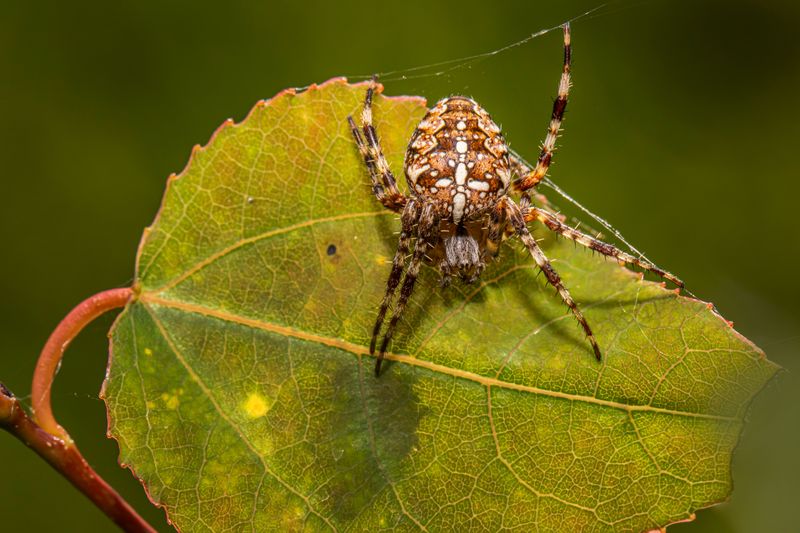
My old fall routine looked like a magazine photo. Every leaf was bagged, every bed scraped bare, and the curb lined with brown paper sacks.
Turns out that tidy look comes with a cost. Groups like the Xerces Society report that removing leaf litter takes away shelter for spiders, beetles, butterflies, moths, and many other helpful insects.
Spiders are pest-control partners. They eat aphids, flies, caterpillars, and beetles that chew on vegetables and flowers. Fewer spiders in spring can mean more plant damage before other predators wake up.
Leaf blowers and shredding mowers can also harm small animals hiding inside the pile. Bagged leaves sent to a landfill or compost site take residents along for the ride.
Many Illinois communities ban or restrict open leaf burning, and rules vary by town, so check your local ordinance. Burning removes habitat and also creates smoke that irritates lungs.
None of this means your yard must look abandoned. A cleared lawn and walkway paired with leafy beds gives you neat edges and wildlife-friendly corners at the same time. Think of it as sharing space rather than giving up.
Shake Out That Leaf Bag Before Bringing Spiders Indoors
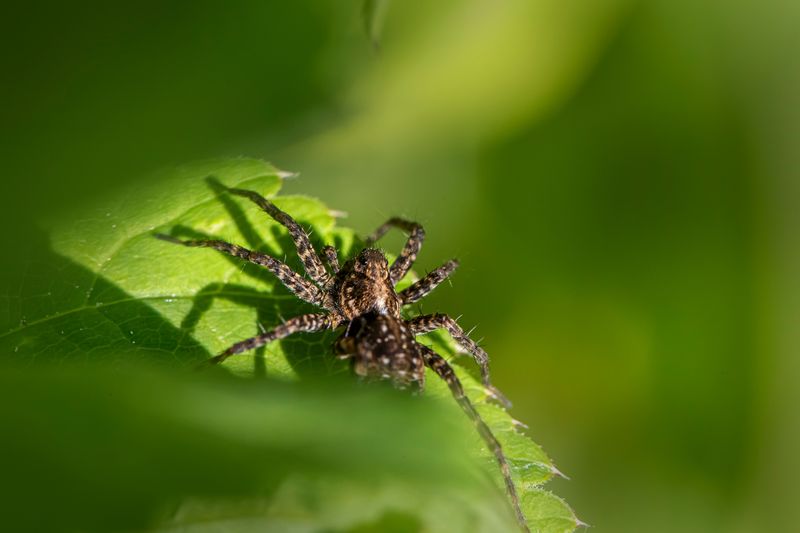
Hitchhiking is the right word for what happens next. Spiders clinging to leaves, firewood, potted plants, or garden gloves can easily ride straight into your house.
A few easy habits help. Shake out gloves and tarps outdoors, and give potted plants a careful check before moving them inside for winter.
Firewood deserves extra attention. Store it off the ground and away from your walls, then bring in only what you plan to burn soon.
Most outdoor spiders that wander inside struggle in dry indoor air and fail to settle in. Seeing one in November rarely means an infestation.
Brown recluse spiders do live in central and southern parts of the state, though they mostly prefer indoor clutter rather than leaf piles. Northern Illinois has far fewer reports. Wearing gloves and shaking out stored items is a sensible precaution anywhere.
Sealing gaps around doors, windows, and utility lines keeps more critters outdoors where they help your garden. Weatherstripping saves on heating bills too.
If you find a spider indoors, a cup works fine. Release it in a sheltered, leafy spot instead of an open lawn.
Leave Some Leaves Under Your Shrubs For Next Spring
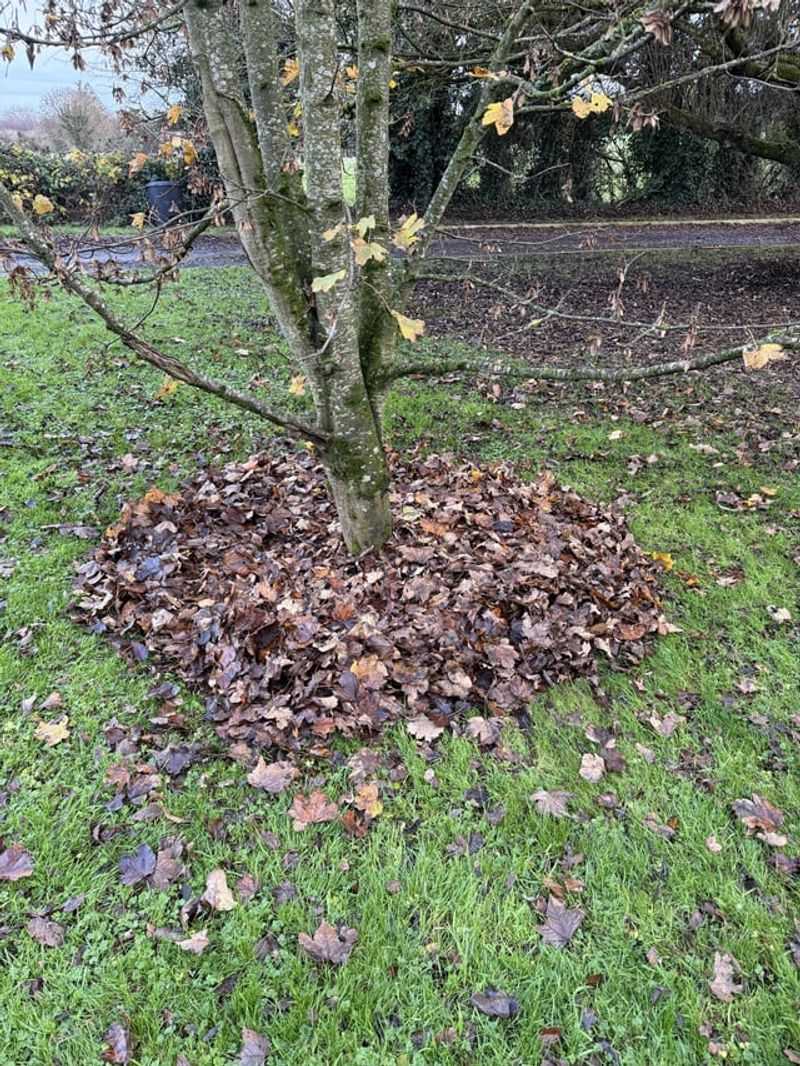
Small changes add up fast. You can keep a tidy yard and still give spiders a cozy winter address.
Rake leaves off the lawn and into flower beds, under shrubs, or around trees. Whole leaves offer more hiding room than shredded ones, though shredding works if matting worries you.
A loose brush pile in a back corner gives extra shelter. Leaving perennial stems standing until spring helps too, since some spiders and insects tuck into hollow stalks.
Timing matters in spring. Wait until daytime temperatures stay mostly in the 50s before clearing beds, so overwintering residents have time to wake and move out.
Keep leaves away from foundations and siding by a foot or two. That small gap helps reduce visitors heading indoors.
Local Extension offices across Illinois share free advice on leaf management and backyard habitat. Master Gardener volunteers can answer questions about your specific region.
Next time a spider scurries off your rake, pause for a second. You just met a garden helper heading for shelter, and with a few leaves left behind, it will return the favor by snacking on pests next season.