10 Flowering Plants That Thrive in Partial Shade in Arizona
Some desert bloomers actually grow larger leaves and flower longer when a tree blocks the harsh afternoon sun. I have to admit, that fact changed how I looked at the gloomy north side of my house.
Shade in Arizona is not a problem to fix, but a gift that cools roots and protects tender petals. You might notice that shaded soil also stays damp longer, so overwatering becomes the real troublemaker in those beds.
I love how the right plants turn those cool corners into busy hummingbird stops and butterfly nurseries. Many of them sip very little water, which matters a lot when every gallon in Arizona feels precious.
October is a smart month to plant, since cooler nights help new roots settle before winter arrives. So which flowers will happily light up that patch of filtered sunlight in your own yard?
1. Baja Fairy Duster
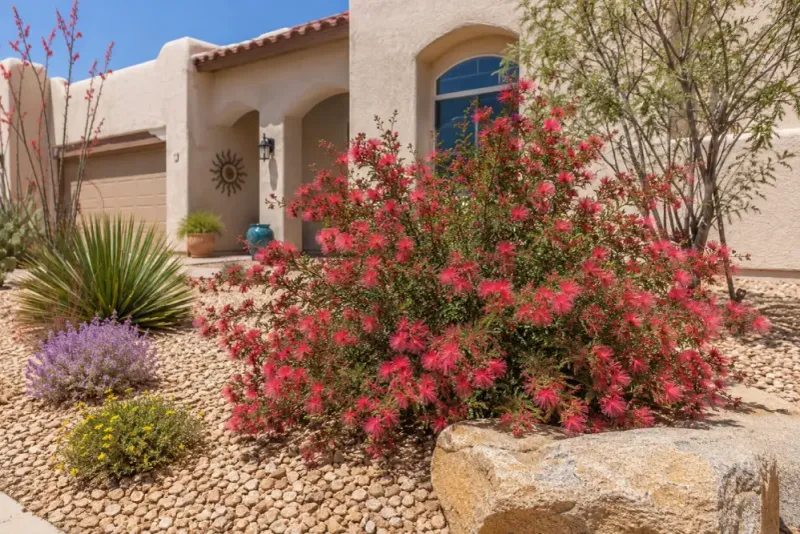
Hummingbirds treat those fuzzy red pompoms like a neighborhood diner, zipping back for refills from spring well into fall. Phoenix growers often call this soft, thornless shrub one of the best hummingbird plants for the desert.
Each bloom looks like a tiny shaving brush dipped in red paint, glowing against fine, fern-like green leaves. The shrub usually reaches four to six feet tall and wide, so give it some generous elbow room.
Full sun brings the heaviest flower show, yet north and east exposures still produce plenty of cheerful color. I like it beside an east-facing patio, where morning light feeds blooms and afternoon shade cools the roots.
Once established, it handles drought well, though a deep soak every week or two keeps the leaves fuller. Rocky or caliche soils work fine, as long as water drains away instead of puddling around the roots.
Litter stays light, which makes it a friendly choice near pools where dropped leaves quickly become a chore. October planting gives roots several cool months to settle, and it handles winter lows down to about twenty degrees.
2. Parry’s Penstemon
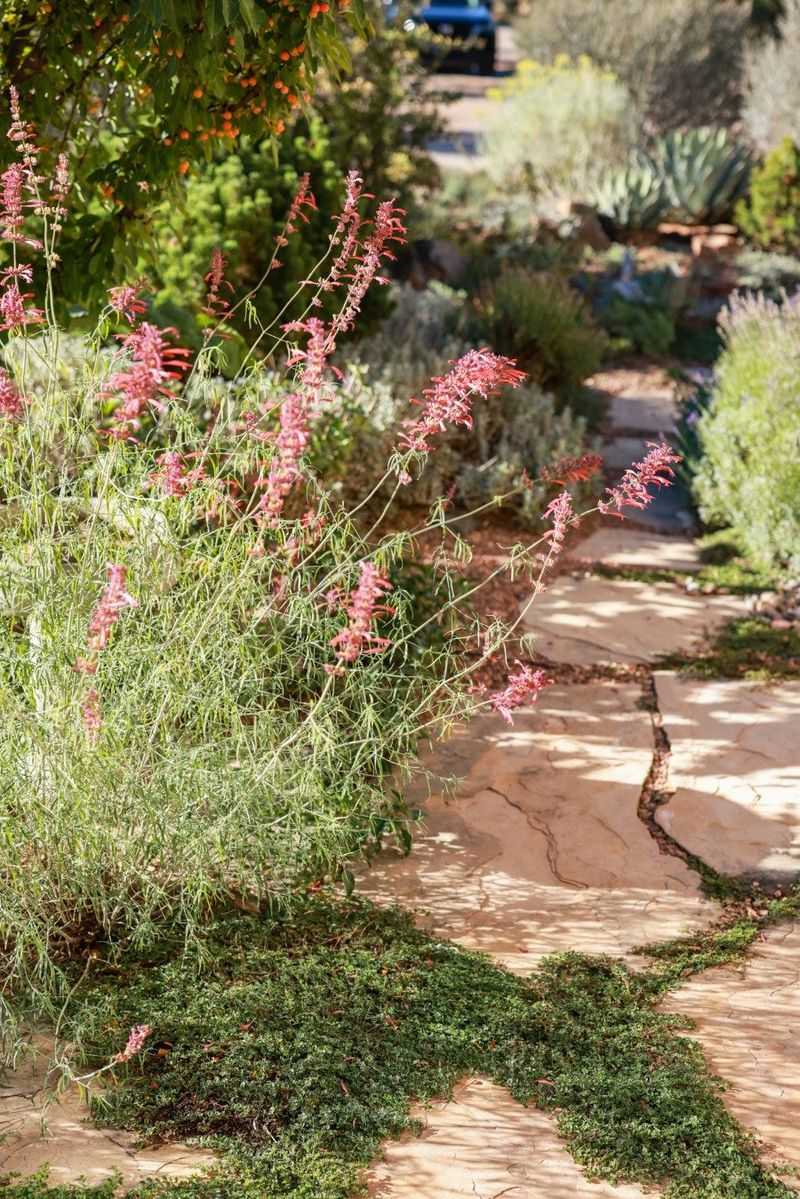
Rabbits seem to skip right past the blue-green rosettes, which feels like a small miracle in many desert yards. That alone earns it a spot, but the hot pink flower spikes are the real showstoppers each spring.
Native to southern Arizona and northern Mexico, it sends up flower stalks that can reach four or five feet tall. In the low desert, blooms usually open from late February through April, right when hummingbirds need fuel.
Afternoon shade helps during scorching stretches, so the edge of a mesquite canopy or an east wall suits it. Watering once or twice a month after establishment is usually plenty for this tough little wildflower.
Gravelly, fast-draining soil matters far more than fertilizer, since soggy roots quickly lead to rot and decline. Personally, I let a few seed heads ripen, because volunteer seedlings pop up in fun and unexpected spots.
October is a great window for planting new ones or scattering seed across a lightly shaded bed. After the last freeze next year, trim away old stems and tired leaves to keep each rosette looking tidy.
3. Firecracker Penstemon
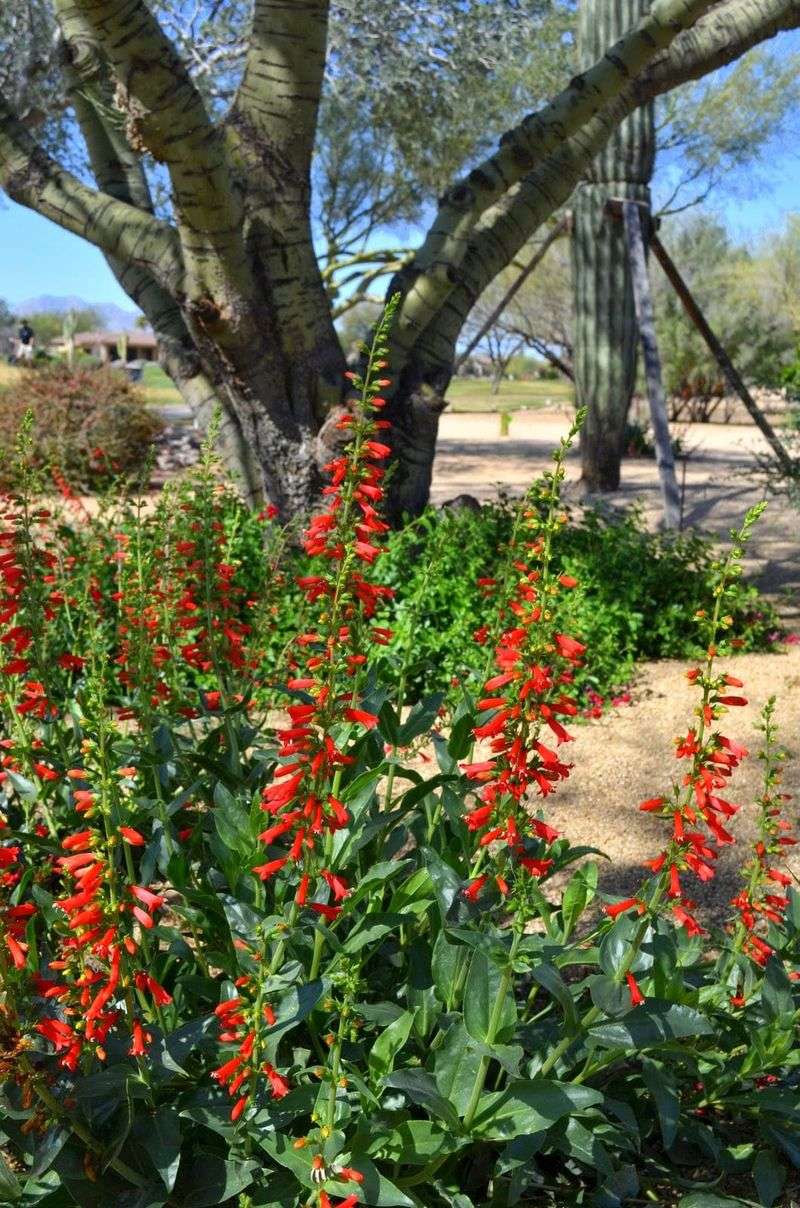
Scarlet tubes dangle from these stems like strings of tiny firecrackers, which explains the name in a single glance. You might notice hummingbirds working each stalk from bottom to top, almost like reading down a page.
Penstemon eatonii is native to the western United States, including parts of Arizona, and handles cold down to Zone 4. That toughness makes it a smart pick for gardeners in higher towns like Prescott or Flagstaff.
Plants usually stay one to three feet tall, with dark green leaves that rabbits and deer often leave alone. In hotter areas, a bed with afternoon shade keeps the foliage from looking scorched by the middle of summer.
Rocky or gravelly soil suits it best, and occasional deep watering is enough once the first year passes. Skip heavy fertilizer, because overly rich soil tends to make most penstemons floppy and surprisingly short-lived in gardens.
Bees and wasps visit the flowers too, and songbirds sometimes pick at the seeds once the capsules ripen. Cut flowering stems back after blooms fade next spring, and fresh growth often returns with another round of color.
4. Red Yucca
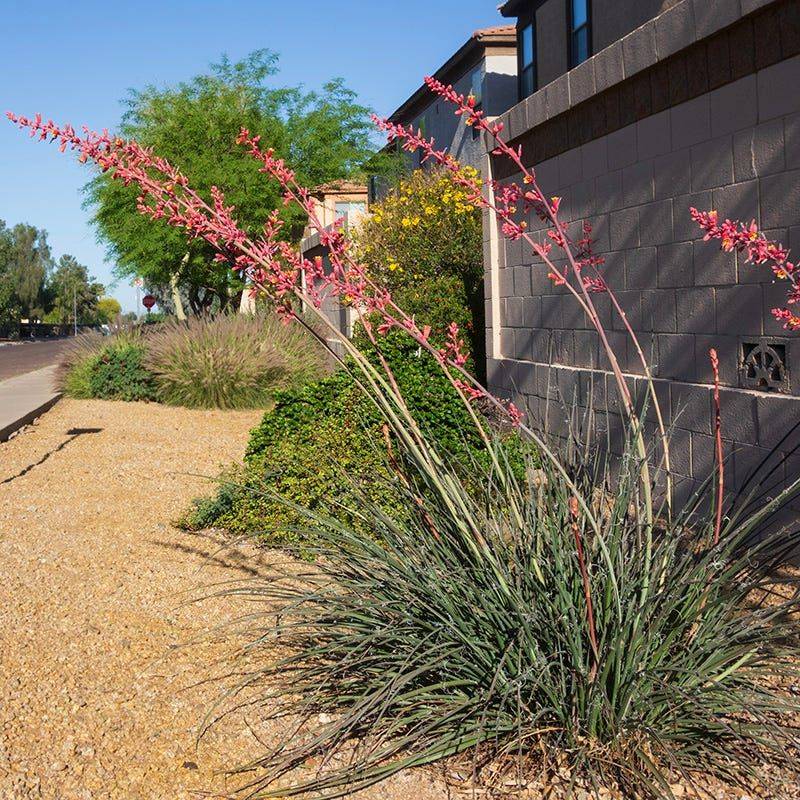
Despite the name, this clumping succulent is neither a true yucca nor an aloe, and it carries no spines. I love how its arching, grass-like leaves wear curly white threads along the edges like loose stitching.
Coral-red flower stalks shoot three to nine feet high from late spring through summer, sometimes lingering into early fall. In October you may still spot a few late blooms with hummingbirds hovering eagerly around the tips.
Full sun is its favorite, but part sun works well, especially along a wall that offers some morning shade. Reflected heat from pavement barely bothers it, which makes it handy for tricky spots near driveways and sidewalks.
Once settled, it needs only a gallon or two of water per month, and good drainage is essential. Native to the Chihuahuan Desert of Texas and Mexico, it shrugs off winter cold down to about twenty below.
Maintenance is wonderfully simple, since pests and diseases rarely bother this sturdy clump in desert gardens. Snip spent flower stalks and pull out old lower leaves, and the plant keeps looking neat for many years.
5. Angelita Daisy
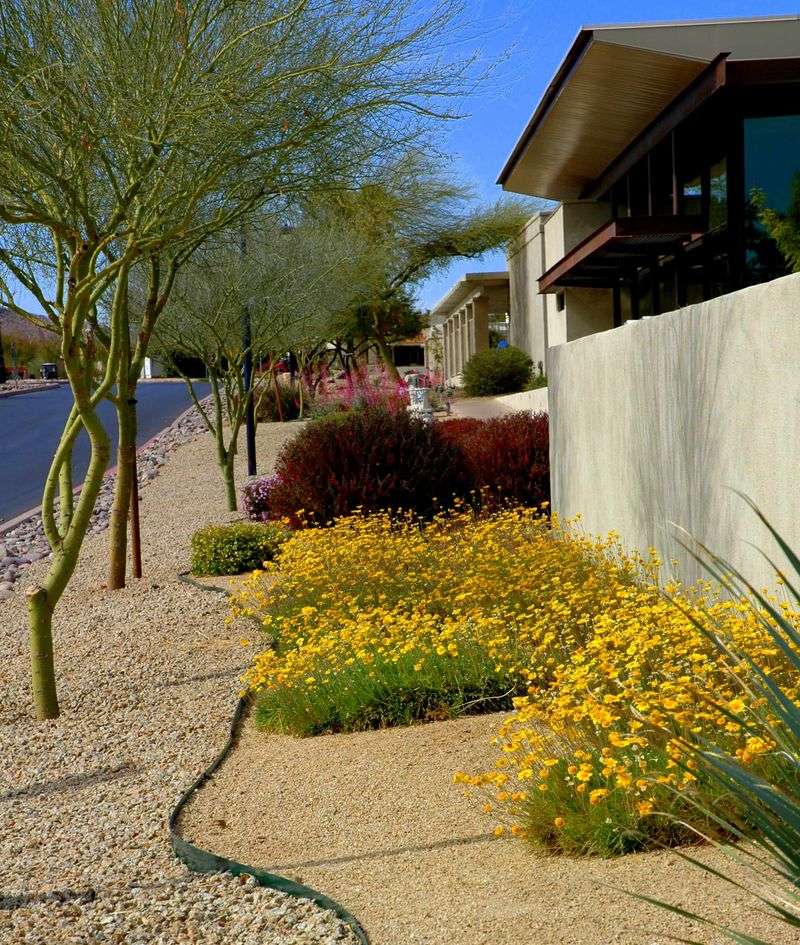
Cheerful yellow daisies on slender stems can brighten a dull corner faster than a fresh coat of paint. Personally, I think this little native deserves more credit than it gets, because it blooms for so many months.
Tufts of narrow, grassy leaves stay six to twelve inches tall, spreading about one to two feet wide. Flower stems rise a bit higher, bobbing in the breeze above the foliage like tiny sunny lollipops on display.
Full sun is fine, but light afternoon shade helps in Phoenix, especially near hot west walls during scorching stretches. Plants in that sheltered spot often hold their color better when temperatures climb past one hundred five degrees.
Fall is one of its two heaviest bloom seasons, so plants set out in October can reward you quickly. Butterflies drop by for nectar, while rabbits and deer generally ignore the foliage, which feels like a nice bonus.
Plant it in gravelly, well-drained soil, and water sparingly once the roots are established in the bed. Pinching off faded flower heads keeps it looking fresh, though it still performs well with very little fuss.
6. Mexican Honeysuckle
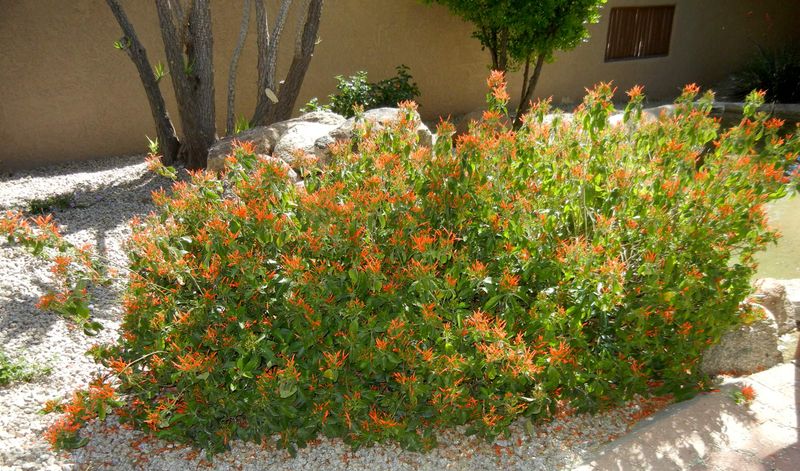
Orange tubular flowers flicker among velvety leaves on this shrub nearly year-round in the warmest desert gardens. Hummingbirds seem to know the schedule, and I have watched them patrol a single plant for an entire morning.
Despite the name, Justicia spicigera is not a true honeysuckle, and it comes from Mexico and Central America. It actually prefers filtered shade, growing larger leaves when it gets a break from the harsh afternoon sun.
Morning sun with afternoon shade is the sweet spot in the low desert, while full sun often reduces blooms. Expect a mounded shrub two to five feet tall, spreading a little wider as the seasons pass by.
Regular moderate watering keeps it looking lush, but soggy soil can slow flowering and invite root trouble. Butterflies visit often, and Texan Crescent caterpillars use the leaves as a host plant, so expect a few nibbles.
Cold snaps in the teens or low twenties can damage tender stems, so plant it near a warm wall. Wait until late winter, after frost danger passes, to trim off any damaged growth and gently reshape the plant.
7. Arizona Milkweed
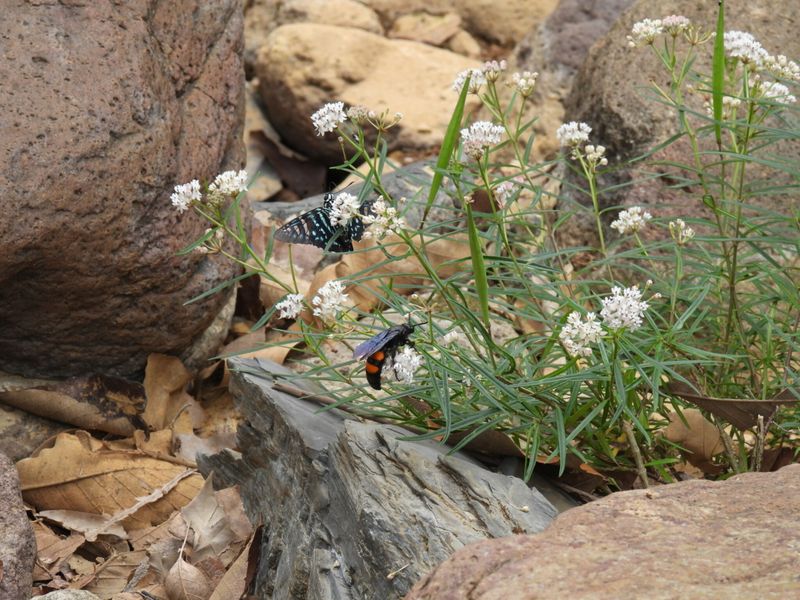
Monarch and Queen caterpillars depend on milkweed leaves to grow, and this native species offers a buffet they recognize. You need only one patch in a shady corner to start spotting striped caterpillars munching happily away.
Asclepias angustifolia grows naturally along canyons and streamside woodlands at higher elevations in the southern part of the state. That background explains why it enjoys dappled light under a tree or an east-facing bed with afternoon protection.
Slender bright green leaves give it a wispy look, and plants reach roughly two to three feet tall. Small white flowers, often blushed with pink, appear mostly in early summer, with occasional blooms later in the year.
Unlike many desert natives, it wants moderate and steady moisture, especially in the low desert, plus good drainage. I like tucking it near a drip line, where a little extra water reaches the deep taproot below.
Silky seed floss drifts from the pods, and seedlings show up readily without becoming pushy in the garden. October is a fine time to plant nursery transplants, giving roots a head start before butterflies return next spring.
8. Autumn Sage
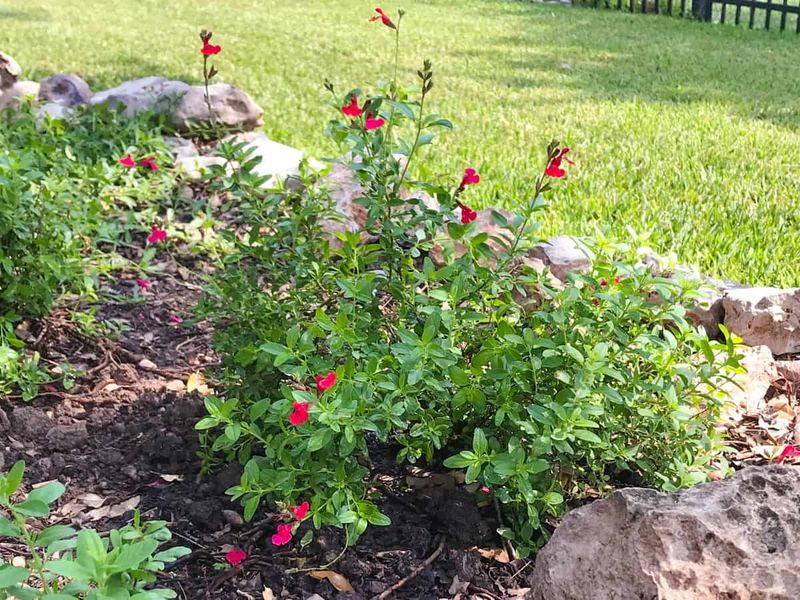
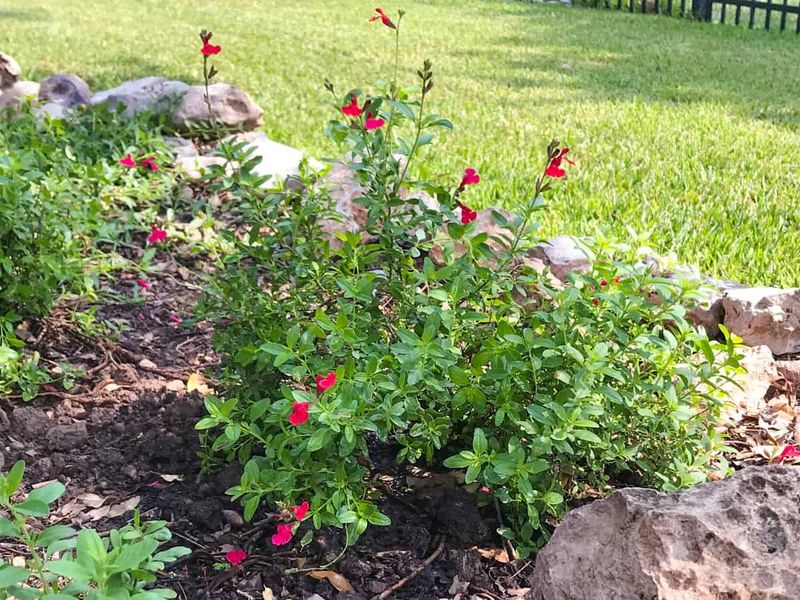
Hungry javelina usually turn up their noses at this aromatic shrub, and browsing deer tend to pass it by too. Meanwhile, hummingbirds act like it is their favorite snack bar, especially during the cooler fall bloom flush.
Salvia greggii comes from Texas and northern Mexico, yet it settles happily into Phoenix yards with the right exposure. In the low desert, morning sun with afternoon shade, or filtered light under desert trees, keeps it blooming.
Flower colors range widely, from fiery red and coral to soft white or purple, so matching your scheme is easy. Plants stay about two to three feet tall and wide, forming a loose vase shape that fits small beds nicely.
October often brings a big wave of blossoms, which explains the common name and makes fall planting so satisfying. Light tip trimming after each bloom cycle encourages fresh flushes, while heavy shearing can leave plants looking sparse.
Well-drained, rocky soil and low to moderate water keep roots healthy, since soggy beds cause trouble quickly. Low litter and no thorns make it a tidy and welcome choice around pools and kid-friendly patios.
9. Spanish Lavender
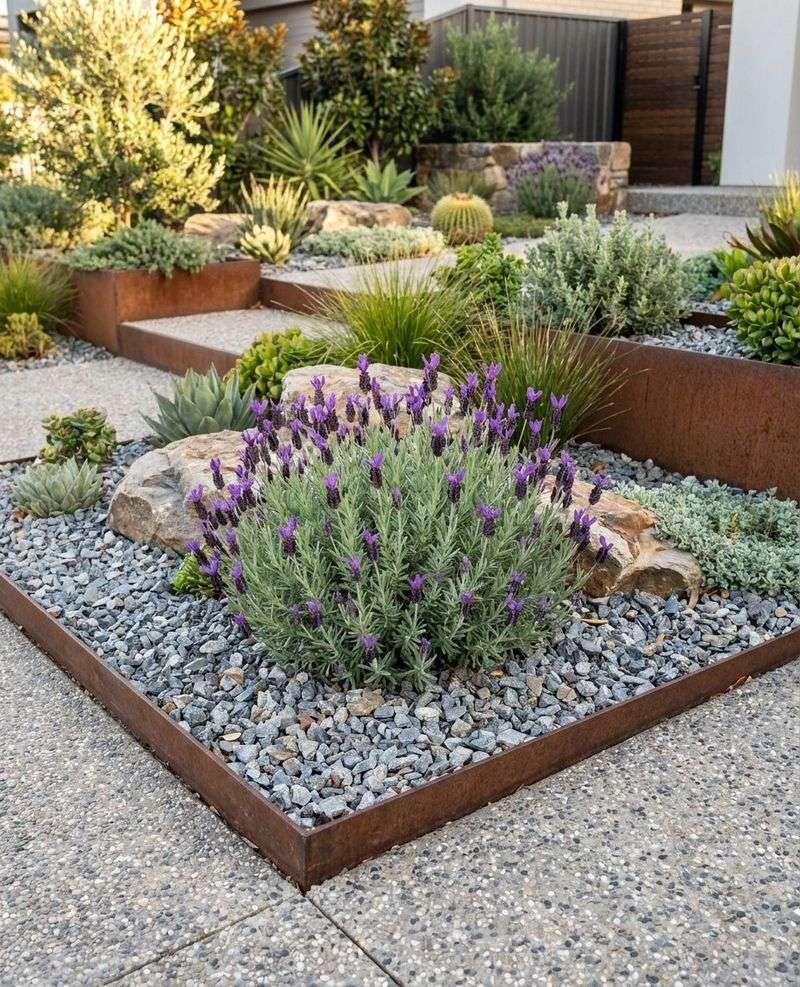
That calming scent you love in soaps may also help make a garden corner less inviting to some pests. Lavender is often listed among plants said to discourage scorpions and mosquitoes, though real results can vary quite a bit.
Variety choice matters most here, since classic English lavender usually struggles through long, blistering low desert summers. Spanish lavender, along with French types and hybrids like Goodwin Creek Gray, handles heat better and accepts afternoon shade nicely.
Spanish lavender wears cute purple heads topped with petal-like bracts that flutter like tiny rabbit ears in the breeze. Most heat-tolerant types stay two to three feet tall, with fragrant gray-green leaves that look tidy all year.
Gritty, fast-draining soil is a must, because wet roots in warm weather quickly lead to stubborn rot. I have to admit, I lost my first plant to kindness, giving it far more water than it ever wanted.
Bees and butterflies love the blooms, so this pick adds pollinator traffic along with fragrance near your doorways. Fall planting during the cooler weather of October gives roots time to establish before next summer arrives.
10. Gregg’s Mistflower
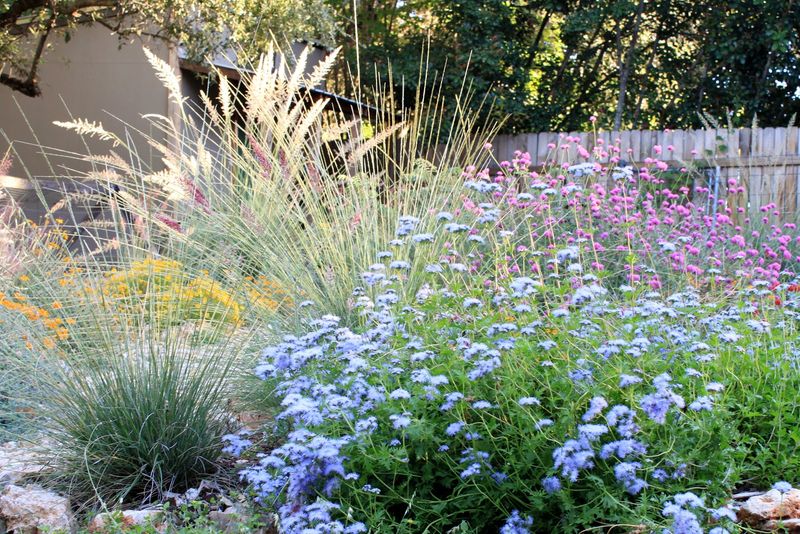
Butterflies swarm the fluffy lavender-blue blooms so thickly that the whole plant sometimes seems to flutter. Queen butterflies in particular are famous for crowding onto it, and I could happily watch that show for hours.
Conoclinium greggii is a Southwestern native that grows about two feet tall and spreads by underground roots into a loose patch. Its deeply lobed leaves look almost lacy, giving shady beds a soft texture between bolder shrubs and succulents.
Full sun works, but part shade often produces even more flowers, which makes it a natural fit for this list. Blooms can appear from March through November, so October gardens are often buzzing with activity around it.
Once established, it handles dry spells well and fits nicely into water-wise landscapes with an occasional deep soaking. Give it room or edge the bed, because the spreading roots can wander into nearby plantings over time.
Cut stems back in late winter, and fresh shoots usually return quickly when the weather warms next spring. Personally, I would plant it next to a shady bench, so you can enjoy the butterfly parade up close.